China Expands Cross-Border Cash Pooling Nationwide to Support Industrial Equipment Settlement and Supply Chain Finance
Author
Date Published
Reading Time
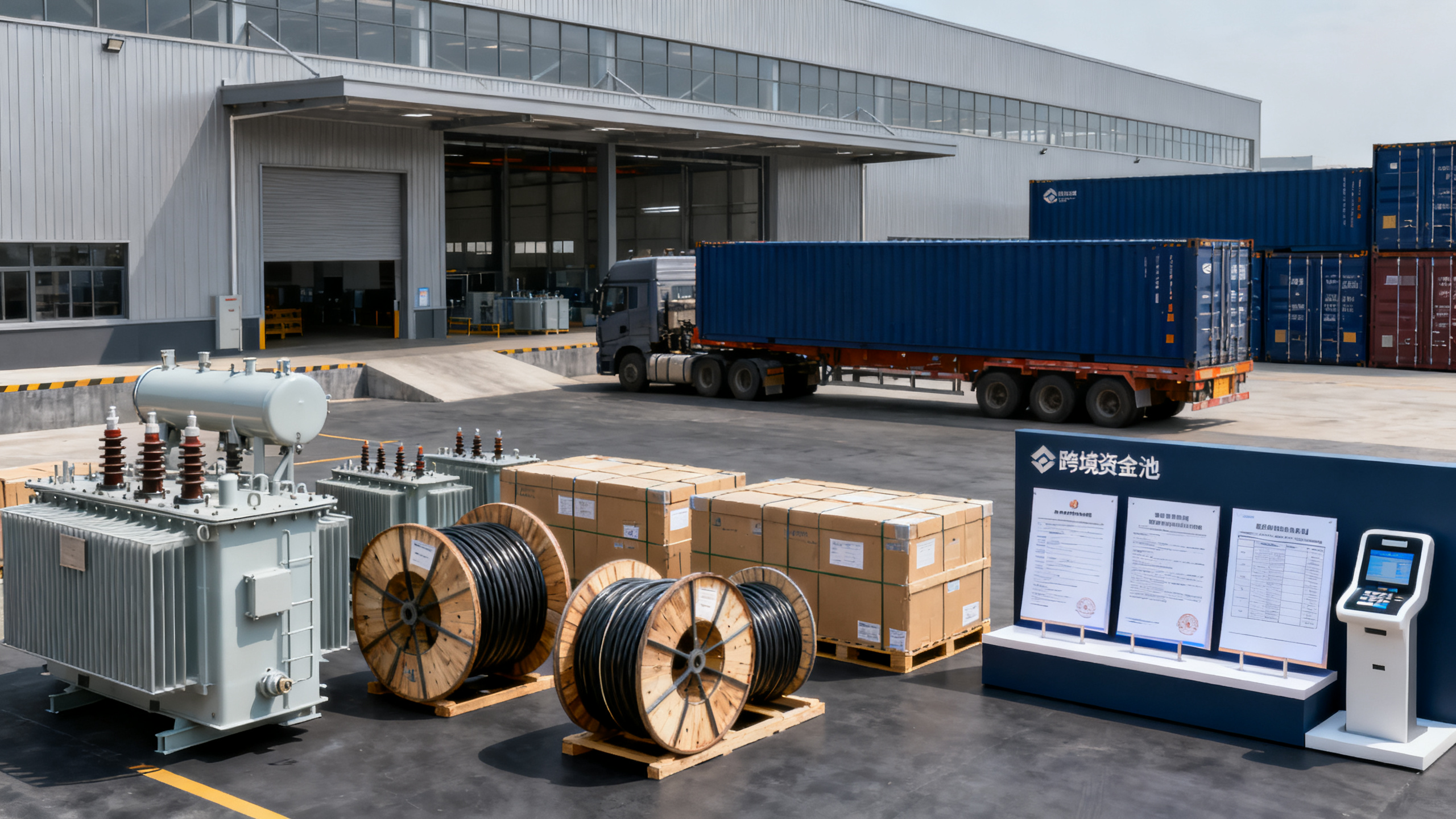
China’s central bank and the State Administration of Foreign Exchange jointly issued a notice on August 14, 2026, announcing that from September 14 the nationwide rollout of cross-border centralized operating services for multinational companies’ domestic and foreign currency funds will begin.
This policy shift matters most for the settlement side of industrial equipment trade. Based on the information provided, it is expected to improve payment certainty, make credit terms more flexible, and broaden financing access between overseas buyers and Chinese suppliers. For projects with long delivery cycles, that can translate into smoother cash-flow coordination across procurement, production, shipment, and on-site service.
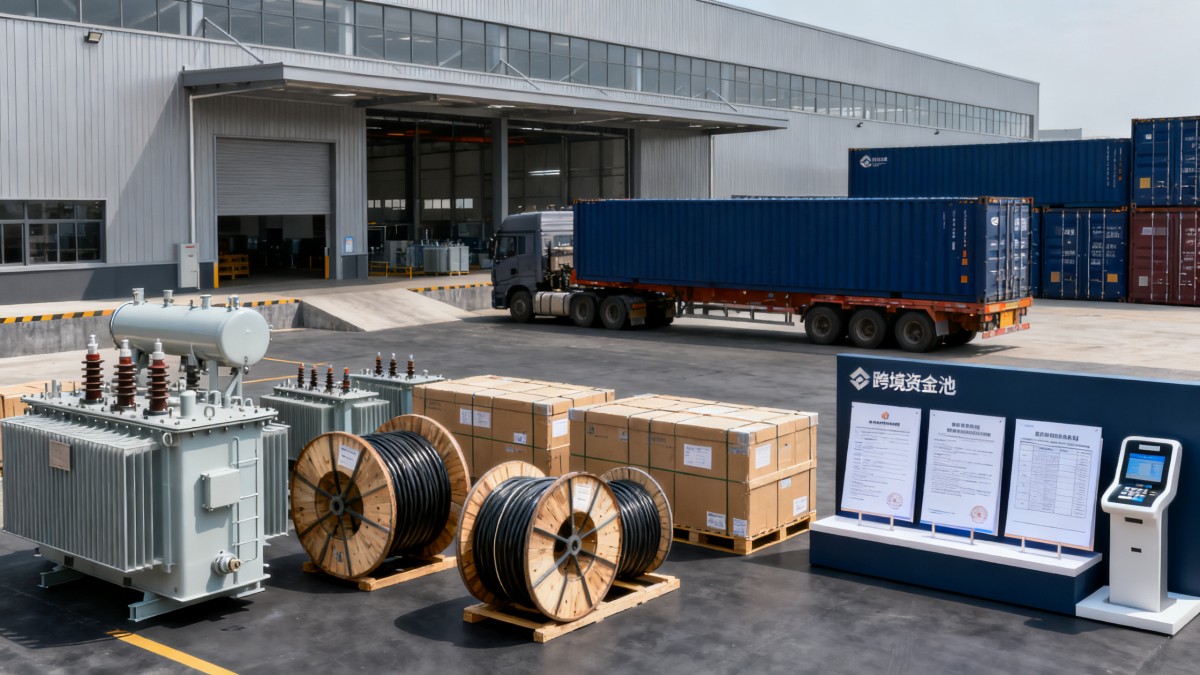
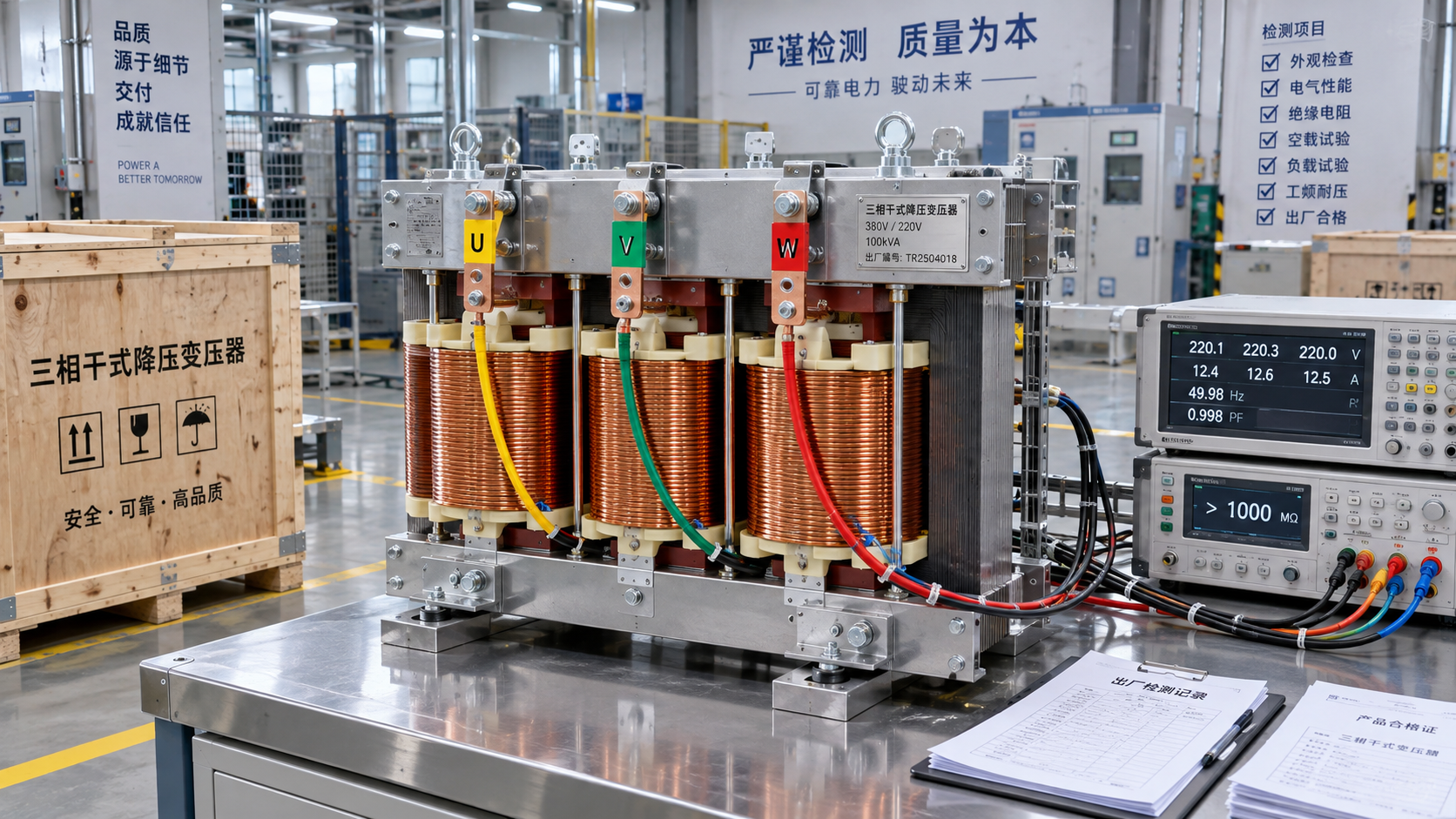
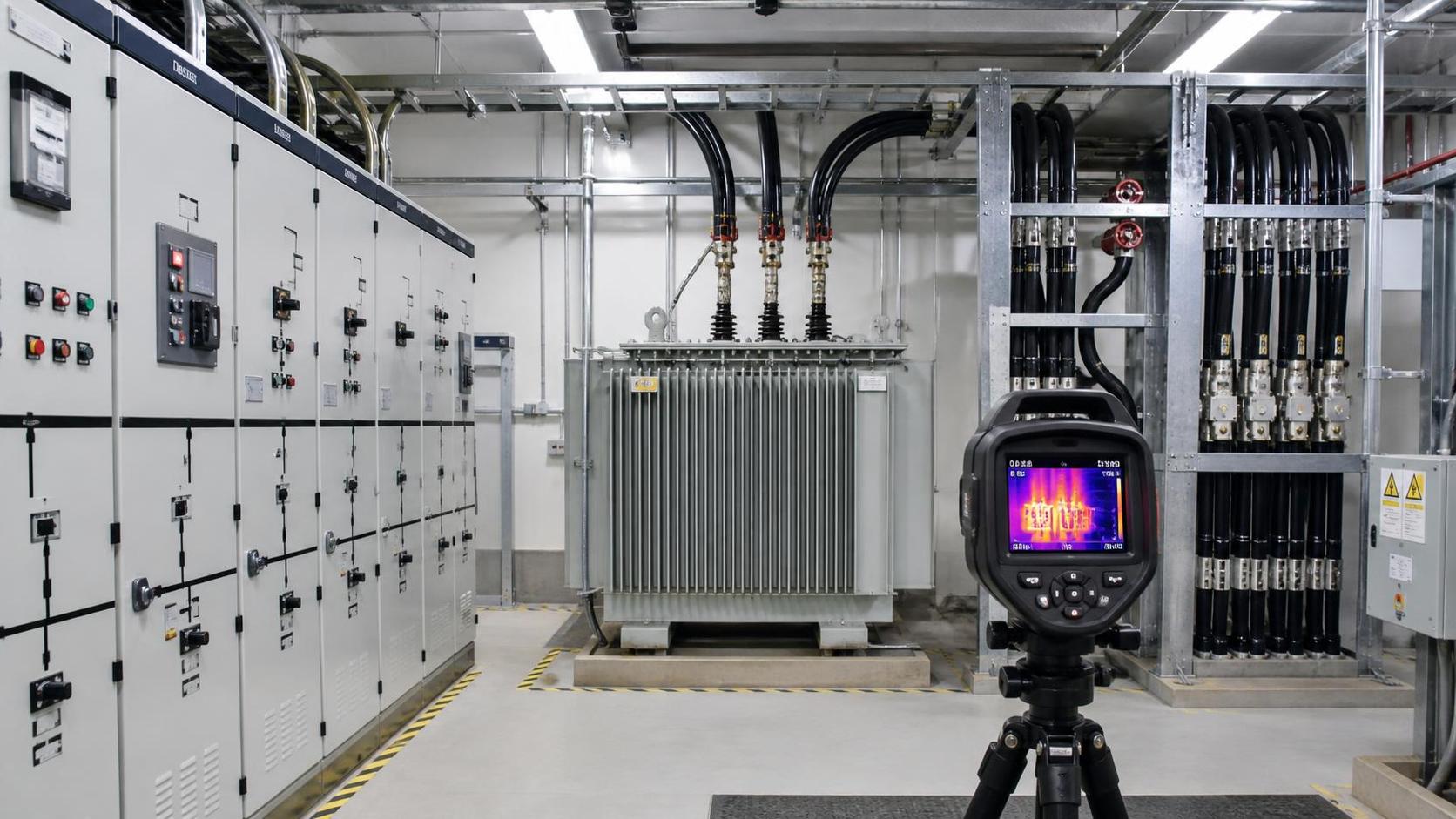
The clearest impact may appear in EPC-linked equipment exports and localized service cooperation, especially where payment schedules and delivery milestones do not move at the same pace. Segments such as Transformers & Switchgears, Cables & Wiring, and Power Transmission are typically sensitive to settlement timing because order execution often spans a long cycle and involves multiple counterparties.
For exporters, the practical value of the policy is not only about moving money faster. More importantly, it can reduce friction in cross-border collection and funding arrangements, which may help companies negotiate more workable terms with foreign customers and financing partners. For overseas buyers, a more structured cash management arrangement can also make project payments easier to organize within their own treasury systems.
From an industry perspective, the nationwide promotion signals a continued effort to make cross-border fund operations more efficient for multinational companies. For manufacturers and EPC service providers, the near-term focus is likely to shift toward how banks, treasury teams, and trade finance functions implement the new framework in daily settlement and working-capital planning.
Further developments worth watching include the operational details released by regulators, how quickly enterprises adopt the new arrangement, and whether the policy translates into more predictable project execution in equipment-intensive export business.
Note: This article is prepared from the news information provided above and should be read together with subsequent official notices and company disclosures for implementation details.
Technical Specifications
- Air Handling Unit Supplier Checklist: Performance Data, Lead Times, and SupportAuthor :Environmental Engineering Director
- Buying Fiberglass Water Tanks Wholesale: Compare Quotes and Delivery CostsAuthor :Environmental Engineering Director
- Choosing an XLPE Power Cable Supplier: Test Reports, Traceability, and Lead TimesAuthor :Grid Infrastructure Analyst
Expert Insights

Chief Security Architect
Dr. Thorne specializes in the intersection of structural engineering and digital resilience. He has advised three G7 governments on industrial infrastructure security.
Related Analysis
- Oct 19, 2026Air Handling Unit Supplier Checklist: Performance Data, Lead Times, and SupportAuthor :Environmental Engineering Director
- Oct 18, 2026Buying Fiberglass Water Tanks Wholesale: Compare Quotes and Delivery CostsAuthor :Environmental Engineering Director
- Oct 17, 2026Choosing an XLPE Power Cable Supplier: Test Reports, Traceability, and Lead TimesAuthor :Grid Infrastructure Analyst
Core Sector // 01
Security & Safety
- Choosing a Step-Down Transformer Supplier: Test Reports, Lead Times, and WarrantyAuthor :Grid Infrastructure Analyst

- Metallurgy Processes That Improve Conductivity and Reliability in Power Grid ComponentsAuthor :Grid Infrastructure Analyst

- How to Size a UPS for Server Rooms: Load, Runtime, and Redundancy FactorsAuthor :Grid Infrastructure Analyst

- How to Choose a Step-Down Transformer for a Control Panel: Key Sizing FactorsAuthor :Grid Infrastructure Analyst

- How Often Should Overseas Power Systems Undergo Safety Inspections?Author :Grid Infrastructure Analyst

- How to Choose Panels for Extreme-Cold Industrial Sites?Author :Grid Infrastructure Analyst

- What Should a Cross-Border EPC Equipment Procurement Reference Include?Author :Grid Infrastructure Analyst

- How to Compare Low-Voltage Equipment for Panel IntegrationAuthor :Grid Infrastructure Analyst