When are silicone rubber cables worth the cost?
Author
Date Published
Reading Time
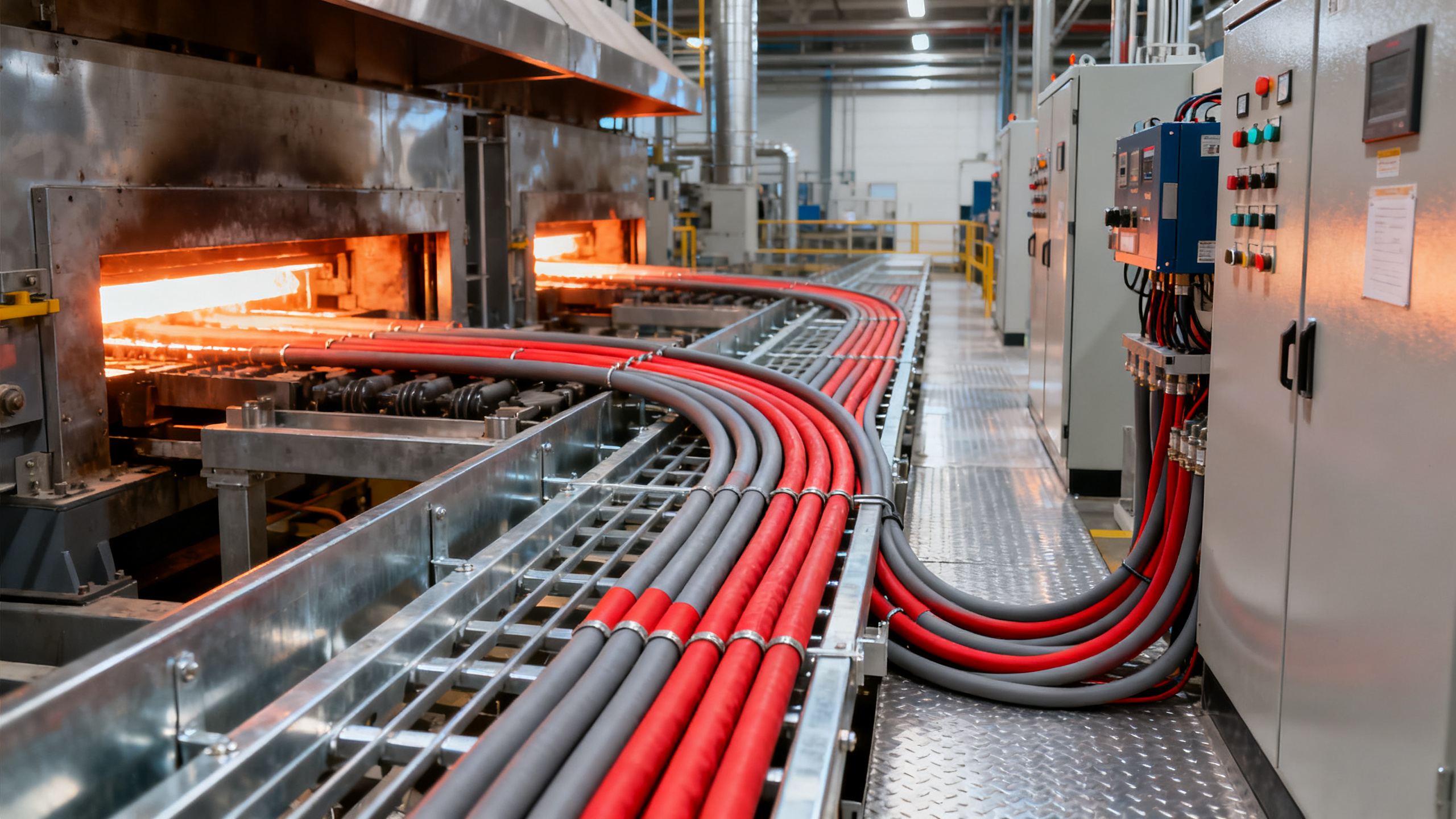
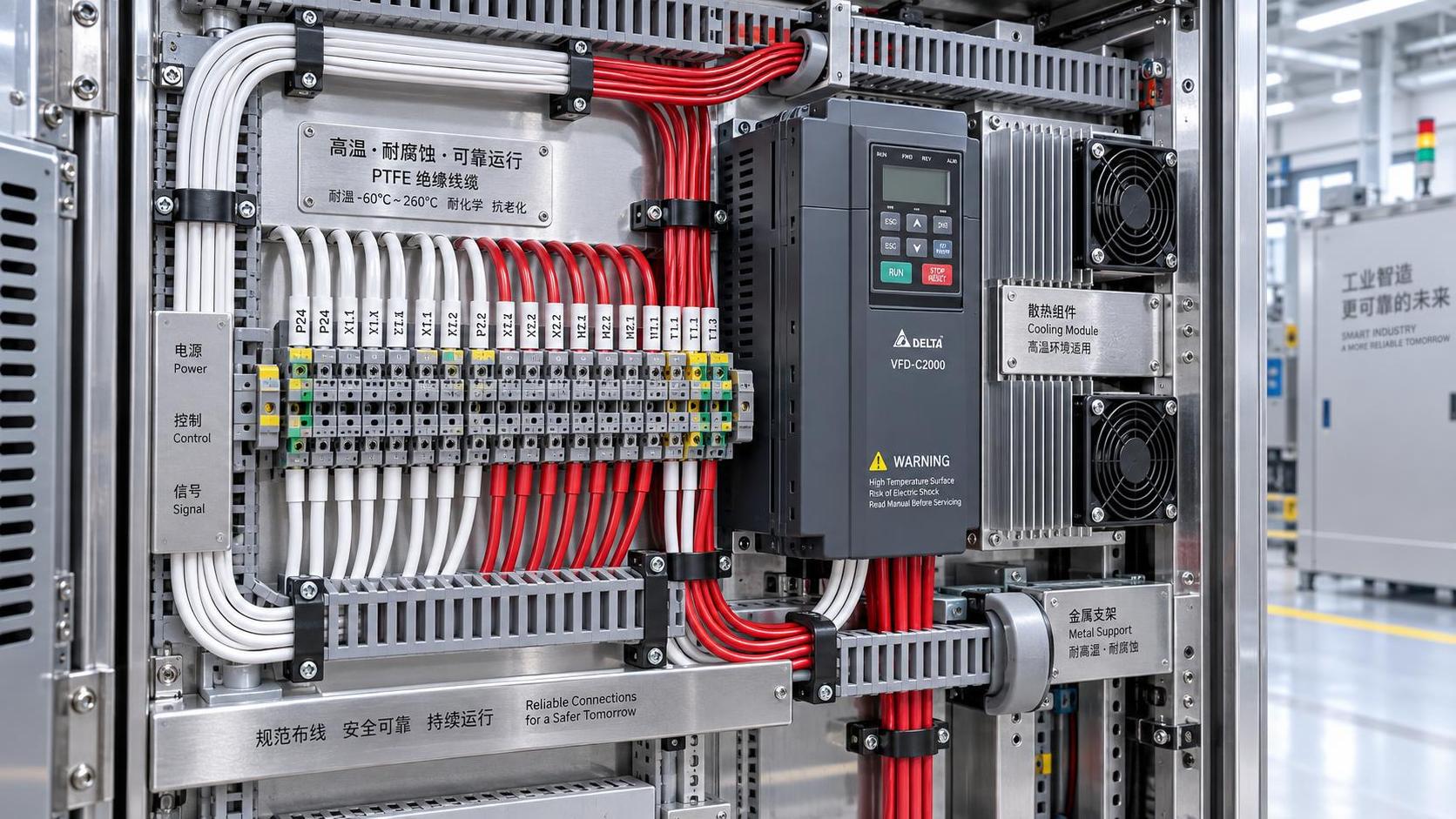
For industrial procurement teams, silicone rubber cables are not a default choice—they are a strategic investment when operating conditions exceed the limits of standard PVC or rubber alternatives. Their higher upfront cost can be justified in environments involving extreme temperatures, chemical exposure, tight bending, UV, or critical safety requirements. This guide explains when silicone rubber cables deliver measurable lifecycle value, helping buyers assess performance risks, compliance needs, and total cost of ownership before specifying them for demanding industrial applications.
When do silicone rubber cables become a procurement priority?
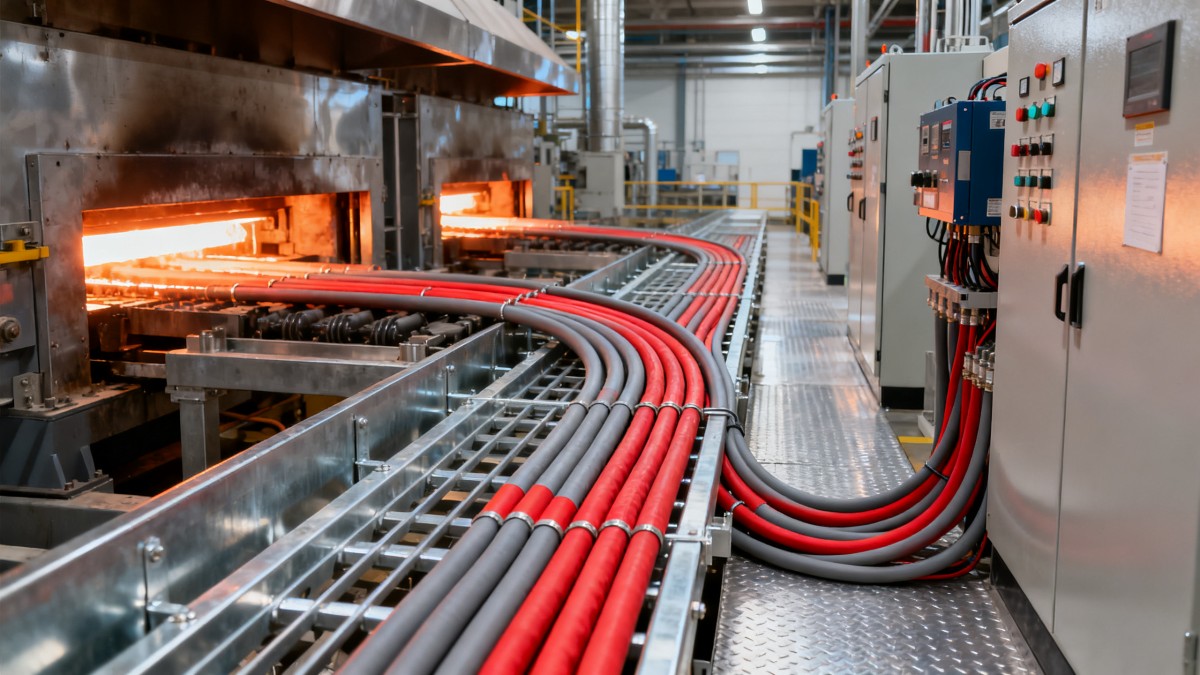
The right question is not whether silicone rubber cables are expensive. The better question is whether cable failure would cost more than the price premium. In industrial infrastructure, downtime, rework, safety incidents, and non-compliance can quickly outweigh initial savings.
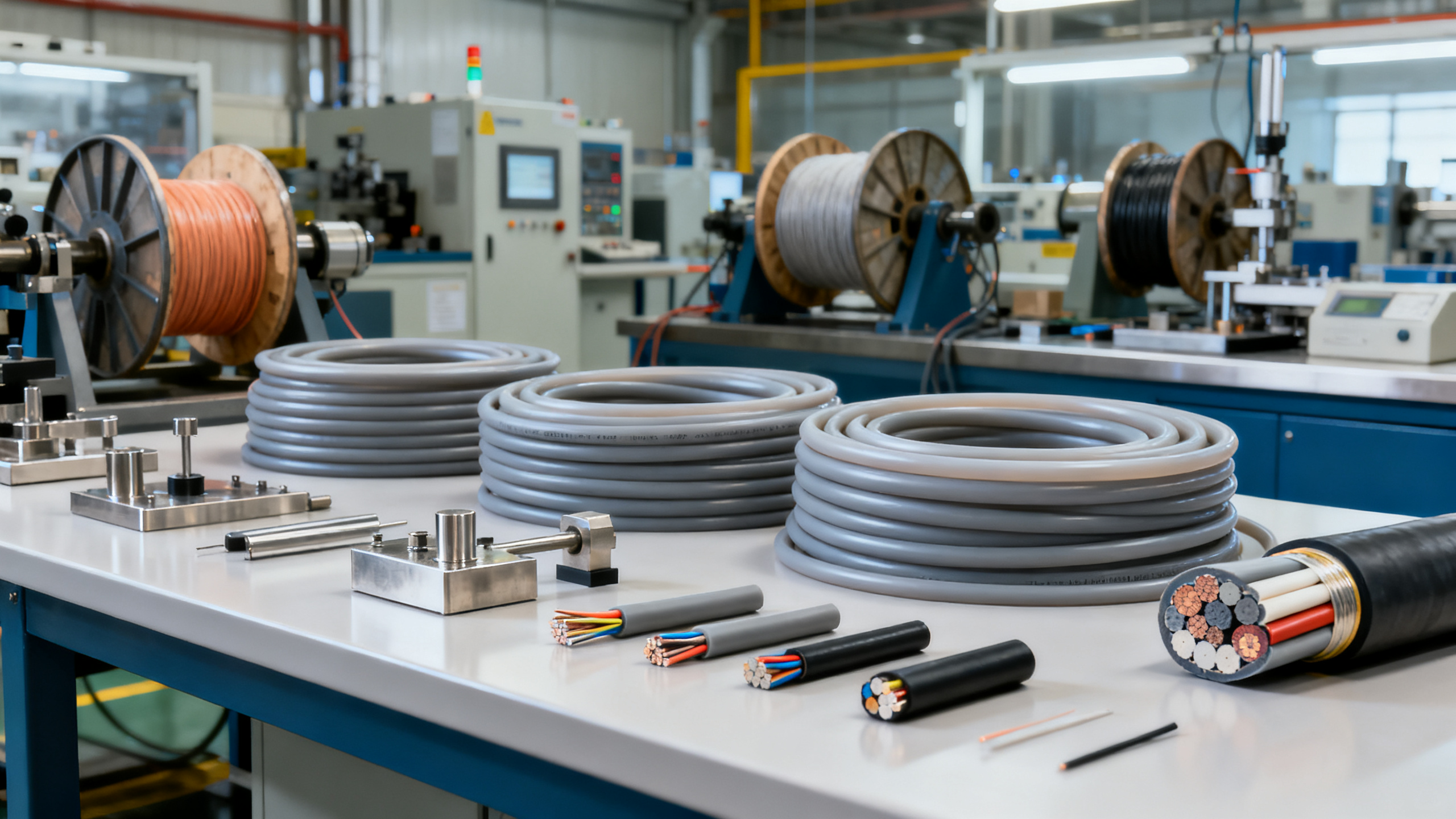
Silicone insulation and sheathing are selected for thermal stability, flexibility, weather resistance, and electrical reliability under stress. They are common in power distribution, automation, furnaces, rail systems, renewable energy, medical equipment, marine environments, and high-temperature machinery.
For procurement personnel, silicone rubber cables are usually worth evaluating when the application involves continuous heat, frequent movement, outdoor exposure, flame-retardant requirements, or limited maintenance access. These conditions reduce the economic advantage of lower-cost cable types.
Procurement signals that indicate a higher-grade cable is needed
- The cable route passes near ovens, motors, heaters, welding zones, compressors, or high-load electrical cabinets.
- The installation requires repeated bending, torsion, vibration resistance, or compact routing inside automated equipment.
- The project specification references heat resistance, halogen-free behavior, flame performance, or international certification.
- The maintenance team reports cracking, hardening, insulation breakdown, or premature replacement of standard cables.
How silicone rubber cables compare with PVC, XLPE, and standard rubber
Procurement teams often compare silicone rubber cables with cheaper alternatives during tender evaluation. The comparison should include operating temperature, flexibility, fire behavior, service environment, and replacement frequency rather than unit price alone.
This comparison shows why silicone rubber cables should not be treated as a universal replacement. They make the strongest business case where thermal stress, bending, safety, or maintenance access materially affects lifecycle cost.
A practical cost logic for buyers
If the cable is installed in a benign, easily accessible area, a standard specification may be sufficient. If replacement requires shutdowns, scaffolding, production loss, or safety permits, silicone rubber cables deserve serious consideration.
Which operating conditions justify the higher cost?
The strongest justification for silicone rubber cables appears when multiple stress factors occur together. A cable exposed only to moderate heat may not require silicone, but heat plus movement plus chemical vapor changes the procurement decision.
For procurement teams, this table can be used as a pre-tender screening tool. If two or more risk factors apply, the premium for silicone rubber cables often becomes easier to defend internally.
What parameters should procurement teams verify before ordering?
A purchase order for silicone rubber cables should never rely only on a general product name. Buyers need a specification that reflects voltage, conductor structure, insulation grade, temperature rating, shielding, approvals, and installation conditions.
Core technical checks before supplier quotation
- Confirm rated voltage and ensure it matches the electrical system, control circuit, or instrument signal requirement.
- Define continuous and peak temperature exposure, including nearby radiant heat sources and ventilation conditions.
- Specify conductor material, cross-sectional area, strand flexibility class, and acceptable voltage drop.
- Check whether shielding, armoring, oil resistance, or flame-retardant performance is required.
- Request datasheets, test references, and relevant declarations before approving samples or bulk supply.
The most common procurement mistake is asking suppliers for “heat-resistant cable” without defining heat level, movement, exposure time, and standards. That approach produces inconsistent offers and makes comparison difficult.
Clear parameters allow suppliers to quote comparable products. They also help procurement defend why silicone rubber cables were selected instead of a cheaper alternative.
Where are silicone rubber cables most valuable across industrial sectors?
Industrial buyers rarely purchase cable for one generic environment. They purchase for a location, machine, system, compliance obligation, and maintenance strategy. That context determines whether silicone rubber cables create practical value.
High-value application scenarios
- Metallurgy and heat treatment: furnace wiring, thermal equipment, ladle areas, and sensor connections near high temperatures.
- Automation and robotics: moving arms, compact cabinets, drag-related routing, and high-flex control wiring.
- Energy and power systems: generator auxiliaries, photovoltaic equipment, battery systems, and outdoor exposed controls.
- Food, laboratory, and medical equipment: clean equipment zones where flexibility and temperature stability are important.
- Transportation and marine systems: vibration, temperature variation, confined routing, and exposure to weathering effects.
In these sectors, cables are not isolated components. They interact with safety systems, instruments, controls, motors, environmental equipment, and mechanical assemblies. A weak cable specification can compromise a much larger asset.
How should buyers calculate total cost instead of unit price?
The price gap between standard cable and silicone rubber cables can look significant in a bill of materials. However, purchase price is only one part of total cost when the installation is difficult, mission-critical, or exposed to harsh service.
For high-risk installations, procurement should compare delivered cost, installation effort, expected replacement interval, downtime exposure, and documentation burden. This makes the value of silicone rubber cables more measurable.
Which compliance and documentation issues should not be overlooked?
Industrial cable procurement often involves project owners, EPC contractors, safety teams, inspectors, and maintenance departments. Each stakeholder may require different documentation before silicone rubber cables are accepted on site.
Common documents to request during sourcing
- Technical datasheet showing voltage rating, conductor construction, temperature range, bending guidance, and sheath material.
- Applicable compliance declarations, such as CE, UL, IEC-related references, RoHS, or project-specific fire behavior requirements.
- Quality inspection records covering conductor size, insulation thickness, electrical testing, marking, packaging, and batch traceability.
- Installation guidance for termination, bending radius, routing near heat sources, and compatibility with glands or connectors.
Not every project needs every certification. However, when equipment is exported, installed in regulated facilities, or integrated into safety circuits, missing paperwork can create costly approval delays.
What are the common mistakes when specifying silicone rubber cables?
Many procurement problems begin before the supplier selection stage. If the internal requirement is vague, even a capable supplier may quote a cable that is technically acceptable on paper but unsuitable in service.
Mistakes that create avoidable risk
- Treating all silicone rubber cables as identical, without checking compound type, conductor flexibility, or environmental resistance.
- Ignoring the connector, gland, terminal, and cable tray conditions that influence actual service life.
- Selecting only by the lowest quote, then discovering that documentation, marking, or delivery capability does not meet project requirements.
- Over-specifying silicone where the environment is mild, which consumes budget that could be used for truly critical circuits.
A balanced procurement strategy avoids both extremes. Silicone rubber cables should be used where the application warrants them, while standard alternatives remain suitable for controlled and low-stress areas.
FAQ: practical questions from industrial procurement teams
Are silicone rubber cables always better than PVC cables?
No. Silicone rubber cables are better for heat, flexibility, and many harsh conditions, but PVC remains cost-effective for stable indoor environments. The better choice depends on risk, location, and maintenance impact.
What information should be included in an RFQ?
An RFQ should include voltage, conductor size, number of cores, temperature range, installation method, movement requirement, certifications, packaging, delivery schedule, and whether samples or compliance files are needed.
Can silicone rubber cables be used outdoors?
They are often suitable for outdoor exposure because silicone has good UV and weathering resistance. Buyers should still confirm sheath formulation, mechanical protection, water exposure, and project-specific standards.
How can buyers avoid overpaying?
Segment the project by risk zones. Use silicone rubber cables for high-temperature, high-flex, exposed, or safety-critical routes, and use approved alternatives where conditions are moderate and access is simple.
Why choose Global Industrial Core for sourcing intelligence and supplier alignment?
Global Industrial Core supports procurement teams that must balance technical risk, budget pressure, compliance documentation, and delivery reliability. Our focus is not simply finding a cable, but defining the right specification for industrial service.
For silicone rubber cables, GIC can help buyers clarify operating conditions, compare material alternatives, structure RFQ requirements, review certification expectations, and align technical documents with project approval needs.
Procurement teams can consult GIC for parameter confirmation, product selection, delivery cycle discussion, customized cable requirements, sample support, compliance documentation review, and quotation preparation for industrial tenders.
If cable failure would threaten safety, production continuity, or commissioning deadlines, silicone rubber cables may be worth the cost. The key is evidence-based selection, disciplined supplier evaluation, and a lifecycle view of value.
Technical Specifications
- How to Select Electronic Hotel Key Card Locks for Guest Rooms and Staff AreasAuthor :Safety Compliance Lead
- How to Select Lab Instruments for Reliable Chemical Analysis WorkflowsAuthor :Precision Metrology Expert
- How to Size a UPS for Server Rooms: Load, Runtime, and Redundancy FactorsAuthor :Grid Infrastructure Analyst
Expert Insights

Chief Security Architect
Dr. Thorne specializes in the intersection of structural engineering and digital resilience. He has advised three G7 governments on industrial infrastructure security.
Related Analysis
- Sep 17, 2026How to Select Electronic Hotel Key Card Locks for Guest Rooms and Staff AreasAuthor :Safety Compliance Lead
- Sep 16, 2026How to Select Lab Instruments for Reliable Chemical Analysis WorkflowsAuthor :Precision Metrology Expert
- Sep 15, 2026How to Size a UPS for Server Rooms: Load, Runtime, and Redundancy FactorsAuthor :Grid Infrastructure Analyst
Core Sector // 01
Security & Safety
- Selecting PTFE Insulated Hookup Wire for High-Temperature Control PanelsAuthor :Grid Infrastructure Analyst

- How Contractors Can Evaluate EPC Sourcing Solutions for Cost, Lead Time, and RiskAuthor :Grid Infrastructure Analyst

- What Drives Silicone Cable Bulk Price in Industrial Orders?Author :Grid Infrastructure Analyst

- EN 61000-6-4:2026 Takes Effect for EU-Bound ControlsAuthor :Grid Infrastructure Analyst

- How to Choose Low Smoke Cables and Wiring for Safer Commercial Buildings?Author :Grid Infrastructure Analyst

- Medium Voltage Armored Cable Selection Guide: Voltage Rating, Armor Type, and InstallationAuthor :Grid Infrastructure Analyst

- EU Publishes EN IEC 61000-6-4:2026 for Industrial EMCAuthor :Grid Infrastructure Analyst

- Choosing an XLPE Power Cable Manufacturer: 7 Checks for Voltage Class and ComplianceAuthor :Grid Infrastructure Analyst