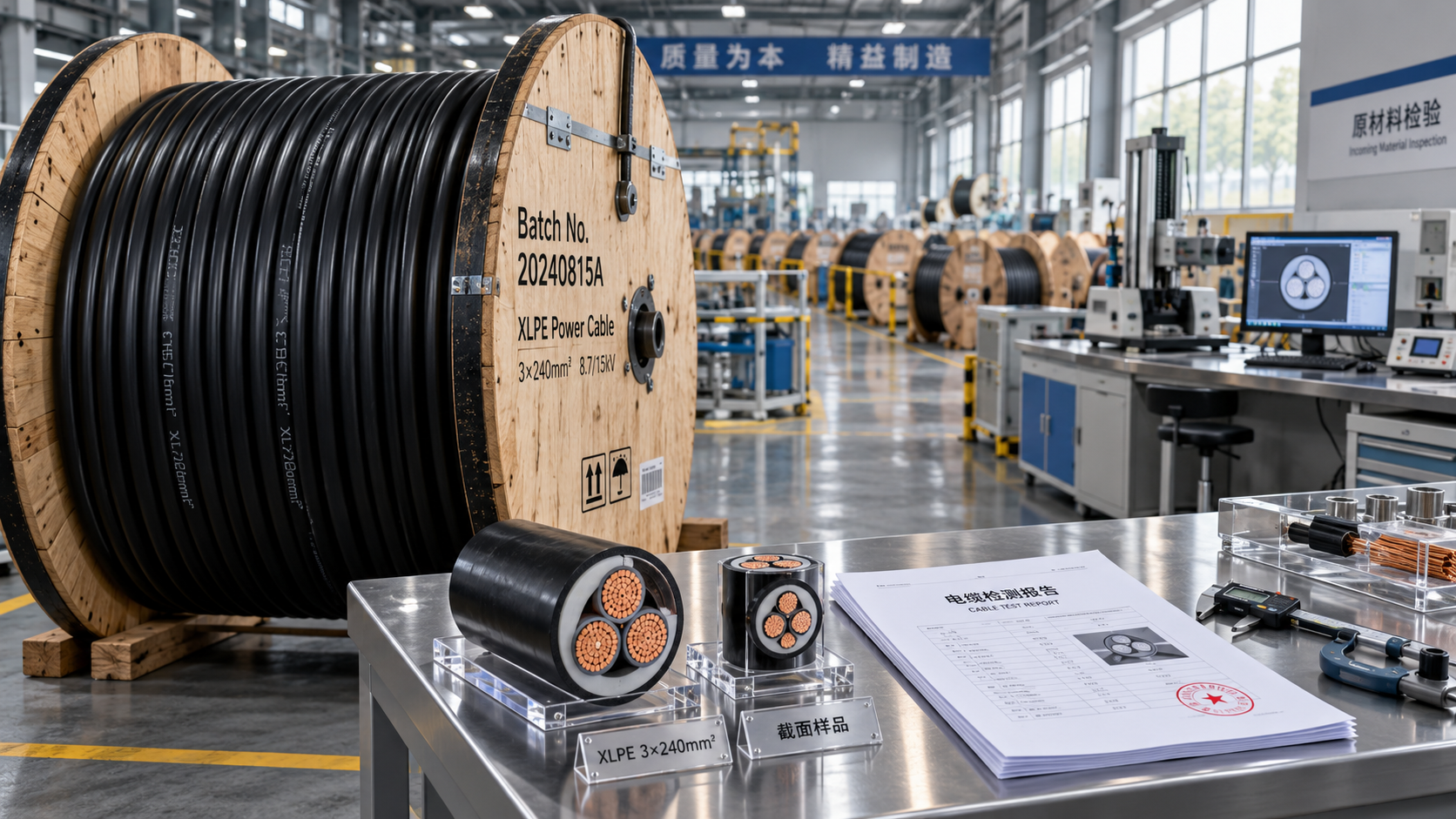
EU Extends RoHS Cable Component Exemptions to 2031
Author
Date Published
Reading Time
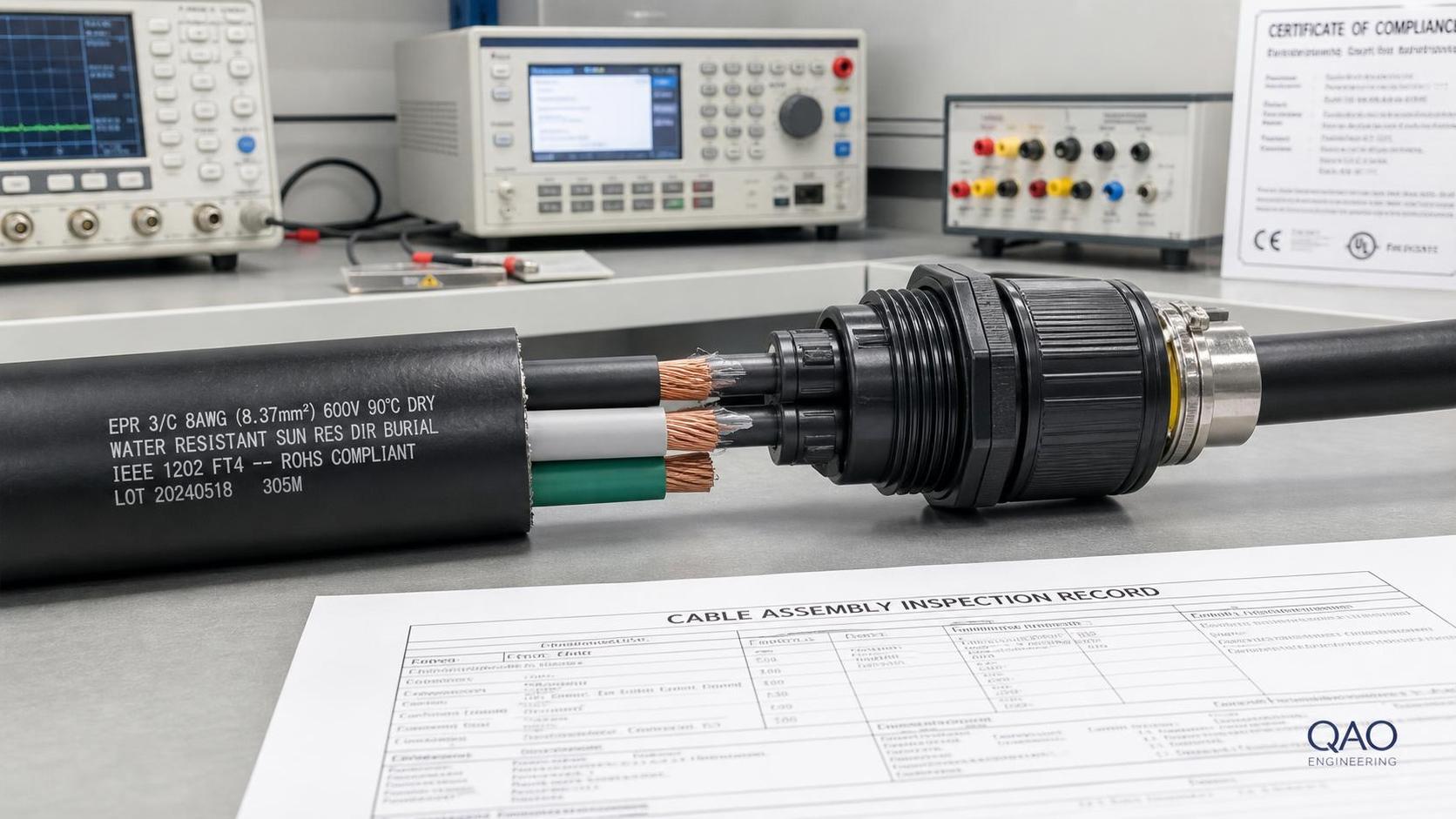
On July 6, 2026, the European Commission published Commission Delegated Directive (EU) 2026/1387, updating RoHS Annex III to extend certain exemptions covering lead and cadmium in specific cable sheathing and termination components until 2031. For exporters of Cables & Wiring serving EU industrial OEMs and infrastructure projects, this is not a routine compliance update: it affects how products are documented, justified, and cleared for the EU market, while non-compliant goods may face customs rejection or post-market withdrawal.
What the Directive Actually Changes
The confirmed change is that the European Commission amended RoHS Annex III through Commission Delegated Directive (EU) 2026/1387, published on 2026-07-06. The amendment extends exemptions for lead and cadmium used in specific cable sheathing and termination components until 2031.
The extension is not described as unconditional. The summary provided indicates that it remains subject to strict technical justification and reporting. The same summary also makes clear that the development directly concerns exporters of Cables & Wiring supplying EU industrial OEMs and infrastructure projects.
Another confirmed point is the enforcement consequence highlighted in the source summary: products that do not meet the applicable requirements may face customs rejection or post-market withdrawal in the EU.
Where the Pressure Falls Across the Supply Chain
Export-facing cable suppliers will feel the compliance burden first
From an industry perspective, the most immediate impact is likely to fall on companies shipping cable and wiring products into the EU. The reason is straightforward: the exemptions may continue, but they do so under stated technical justification and reporting conditions. That places pressure on export documentation, product classification, and shipment readiness rather than only on product design.
Manufacturers serving industrial OEM programs may need tighter traceability
Analysis shows that manufacturers supplying EU industrial OEMs are likely to focus on whether affected components fall within the scope of the extended exemptions and whether supporting records are complete. The practical exposure is not limited to factory output; it also reaches specification management, materials declarations, and customer-facing compliance files tied to ongoing industrial programs.
Infrastructure project supply chains may face delivery risk if documentation is weak
Observably, suppliers connected to infrastructure projects may need to pay close attention to timing and acceptance risk. If a product is treated as non-compliant at customs or later in the market, the disruption can move beyond a single shipment and affect delivery schedules, replacement planning, and project-side approvals. What deserves closer attention is the gap between having an exemption on paper and being able to demonstrate that the product qualifies for it in practice.
Procurement and supply chain service teams are also exposed
The impact is not limited to factories and exporters. Procurement teams, importers, compliance coordinators, and logistics partners may all need to verify whether products shipped under RoHS exemption claims are backed by the required technical rationale and reporting support. In business terms, the issue sits at the intersection of sourcing, paperwork control, and delivery execution.
Practical Priorities for Companies Now
Separate extension status from product-level eligibility
What deserves closer attention is that an exemption being extended until 2031 does not automatically settle every product case. Companies will need to distinguish between the regulatory existence of an exemption and a specific product's ability to rely on it under strict technical justification and reporting expectations.
Review affected cable sheathing and termination components
Businesses with EU-bound cable and wiring portfolios should identify which products involve the specific sheathing or termination components referenced by the updated exemption framework. The immediate task is not broad portfolio restructuring, but a focused review of the product lines most likely to be presented to EU industrial OEMs or infrastructure buyers.
Recheck compliance files used for customs and customer submissions
Because the summary explicitly flags customs rejection and post-market withdrawal risk, companies should pay attention to the quality and consistency of records accompanying affected shipments. Analysis shows that internal alignment between compliance, sales, supply chain, and account teams may matter as much as the technical file itself when customers ask how exemption use is being substantiated.
Prepare for follow-up clarification and customer scrutiny
It is more appropriate to understand this update as a rule change with immediate operational relevance, but not as the end of the compliance conversation. Firms should monitor whether customers, especially EU industrial OEMs and project buyers, begin requesting more detailed declarations, supporting statements, or revised document sets linked to the extended exemptions.
Why This Looks Like More Than a Routine Deadline Extension
Observably, this development carries two messages at once. First, it offers continuity by extending certain exemptions to 2031. Second, it reinforces that continuation is tied to strict technical justification and reporting, which keeps the compliance threshold active rather than relaxed.
Analysis shows that this is better understood as both a short-term operational issue and a longer-term compliance signal. In the short term, exporters and suppliers need to manage shipment eligibility and customer documentation. In the longer term, the emphasis on justification and reporting suggests that exemption use remains something companies must actively defend, not passively assume.
For that reason, the industry should continue watching how this amendment is interpreted in actual trade, procurement, and market-surveillance contexts. The current information does not support broader conclusions beyond that.
How to Read the Current Signal
At this stage, the most balanced reading is that the EU has preserved limited compliance flexibility for certain cable sheathing and termination components, while keeping accountability mechanisms clearly in place. That matters for cable and wiring exporters not because it guarantees easier market access, but because it sets the conditions under which access can continue.
It is more appropriate to understand this news as a targeted regulatory update with direct business consequences, especially for companies tied to EU industrial OEM supply and infrastructure delivery. The effect is real, but the practical outcome will depend on how well affected firms match their products, records, and customer communications to the amended exemption requirements.
Basis of This Article and What Still Needs Checking
This article is based on the user-provided news title, event date, and event summary concerning Commission Delegated Directive (EU) 2026/1387 and the update to RoHS Annex III published on 2026-07-06.
For this type of industry development, relevant source categories typically include official regulatory notices, company compliance statements, industry association updates, authoritative media coverage, and standards-related documents. A specific official source link was not provided in the input, so the precise official text and any subsequent interpretive materials still require ongoing verification.
Areas that warrant continued attention include any follow-up official wording, how affected product scope is described in practice, and whether EU customers or market channels begin applying stricter documentation expectations around the extended exemptions.
Technical Specifications
- Air Handling Unit Supplier Checklist: Performance Data, Lead Times, and SupportAuthor :Environmental Engineering Director
- Buying Fiberglass Water Tanks Wholesale: Compare Quotes and Delivery CostsAuthor :Environmental Engineering Director
- Choosing an XLPE Power Cable Supplier: Test Reports, Traceability, and Lead TimesAuthor :Grid Infrastructure Analyst
Expert Insights

Chief Security Architect
Dr. Thorne specializes in the intersection of structural engineering and digital resilience. He has advised three G7 governments on industrial infrastructure security.
Related Analysis
- Oct 19, 2026Air Handling Unit Supplier Checklist: Performance Data, Lead Times, and SupportAuthor :Environmental Engineering Director
- Oct 18, 2026Buying Fiberglass Water Tanks Wholesale: Compare Quotes and Delivery CostsAuthor :Environmental Engineering Director
- Oct 17, 2026Choosing an XLPE Power Cable Supplier: Test Reports, Traceability, and Lead TimesAuthor :Grid Infrastructure Analyst
Core Sector // 01
Security & Safety
- Choosing an XLPE Power Cable Supplier: Test Reports, Traceability, and Lead TimesAuthor :Grid Infrastructure Analyst

- How to Select XLPO Insulated Solar Cable for UV, Heat, and High-Voltage PV SystemsAuthor :Grid Infrastructure Analyst

- Selecting PTFE Insulated Hookup Wire for High-Temperature Control PanelsAuthor :Grid Infrastructure Analyst

- How Contractors Can Evaluate EPC Sourcing Solutions for Cost, Lead Time, and RiskAuthor :Grid Infrastructure Analyst

- What Drives Silicone Cable Bulk Price in Industrial Orders?Author :Grid Infrastructure Analyst

- EN 61000-6-4:2026 Takes Effect for EU-Bound ControlsAuthor :Grid Infrastructure Analyst

- How to Choose Low Smoke Cables and Wiring for Safer Commercial Buildings?Author :Grid Infrastructure Analyst

- Medium Voltage Armored Cable Selection Guide: Voltage Rating, Armor Type, and InstallationAuthor :Grid Infrastructure Analyst