Marine Cables Wholesale: How to Compare Voltage Ratings, Shielding, and MOQ
Author
Date Published
Reading Time
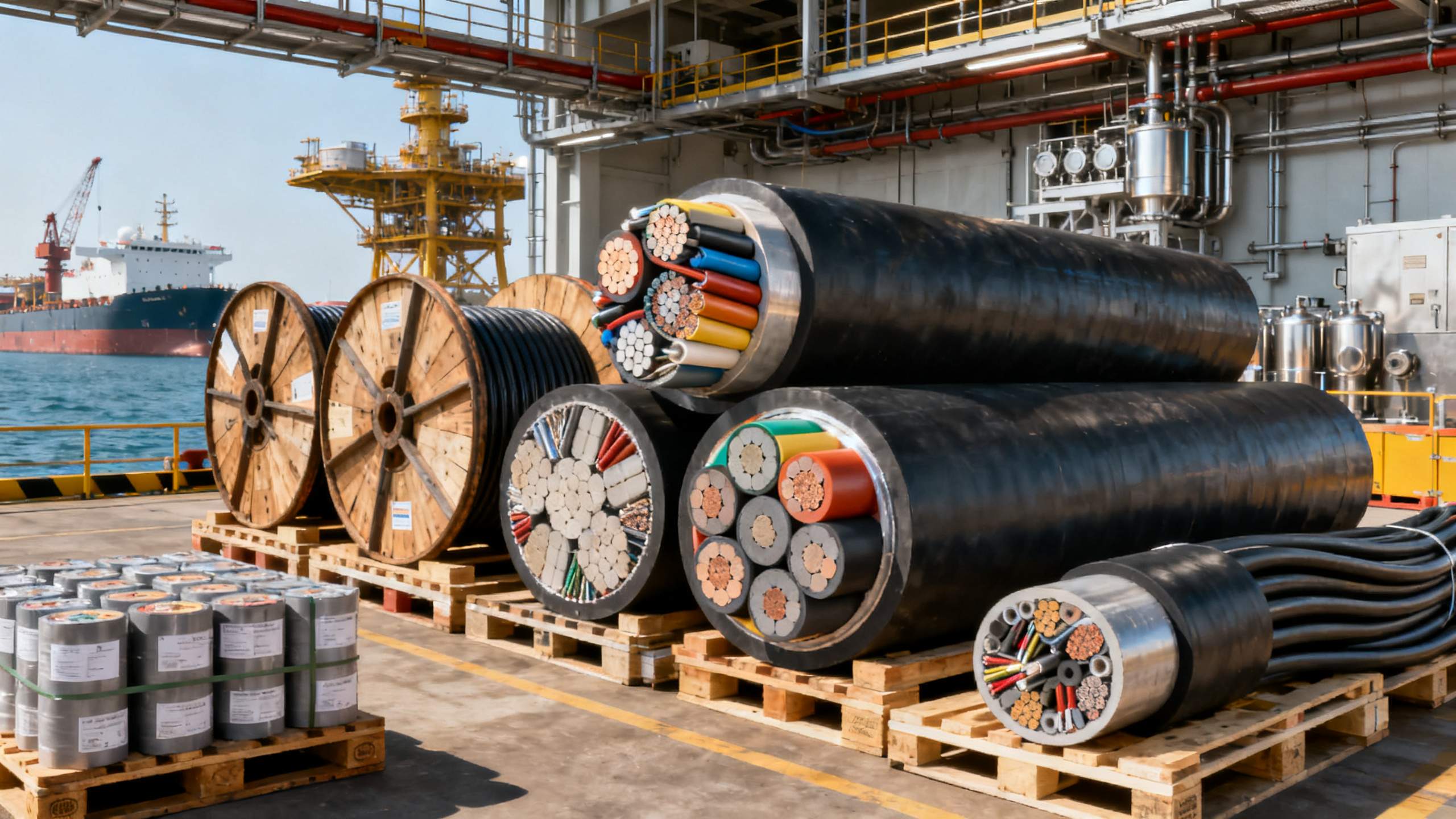
In marine cables wholesale, a low quoted price rarely reflects the real procurement risk. Voltage class, shielding structure, certification scope, and MOQ terms all affect installation safety, lifecycle cost, and delivery resilience. For projects tied to vessels, offshore platforms, shipyards, ports, or marine energy systems, a disciplined comparison process helps prevent overspecification on one side and dangerous shortcuts on the other.
Why marine cable decisions carry higher stakes
Marine environments combine vibration, salt mist, moisture, heat, oil exposure, and tight routing spaces. That mix changes how cable performance should be evaluated.
In heavy industry and infrastructure procurement, cable failure can interrupt power distribution, control signals, safety systems, and communications at the same time.
This is why marine cables wholesale sourcing should be treated as a technical decision with commercial consequences, not as a commodity purchase.
From the perspective of Global Industrial Core, this category sits at the intersection of electrical reliability, safety compliance, and long-term operational resilience.
What buyers are really comparing in marine cables wholesale
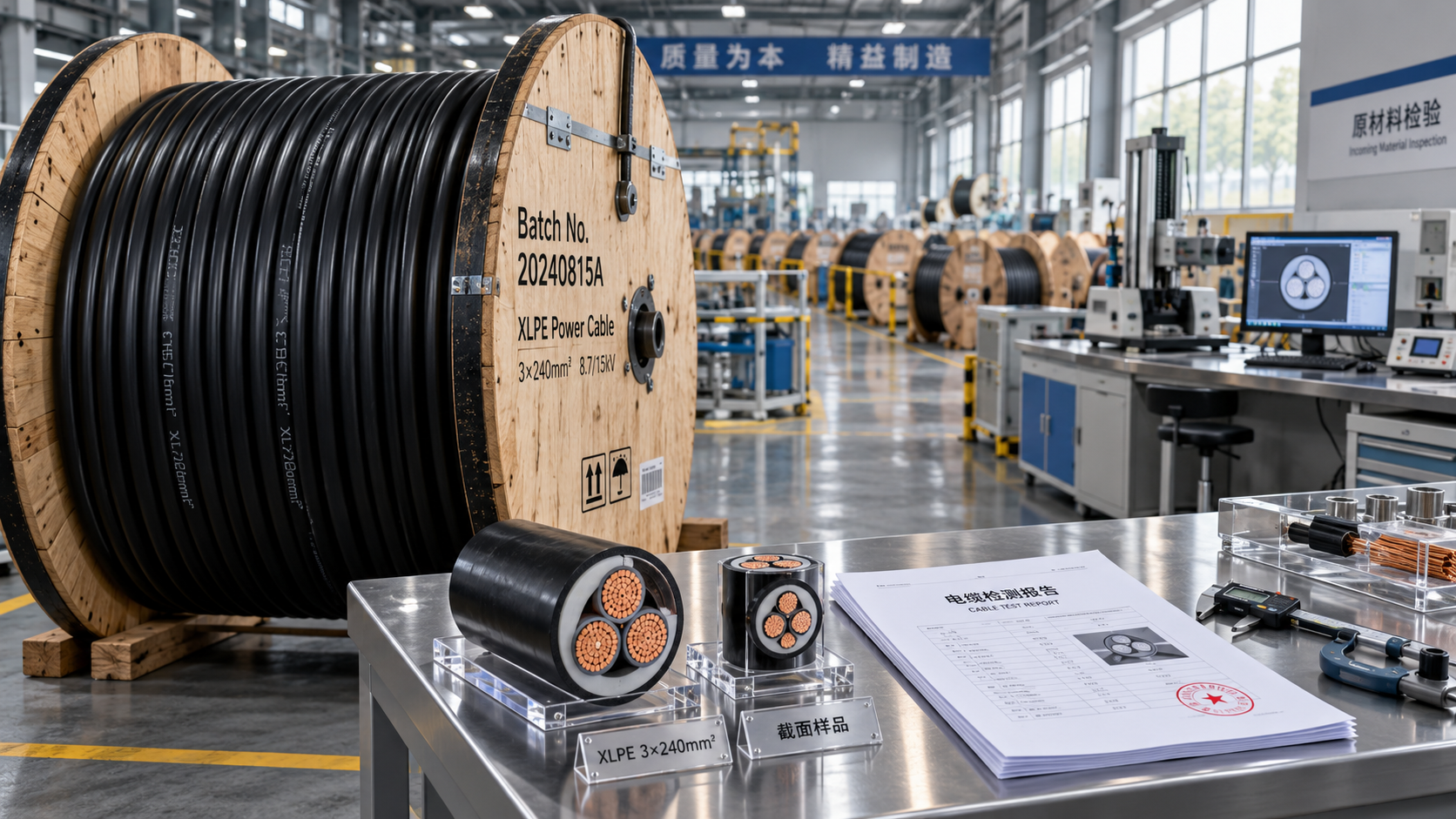
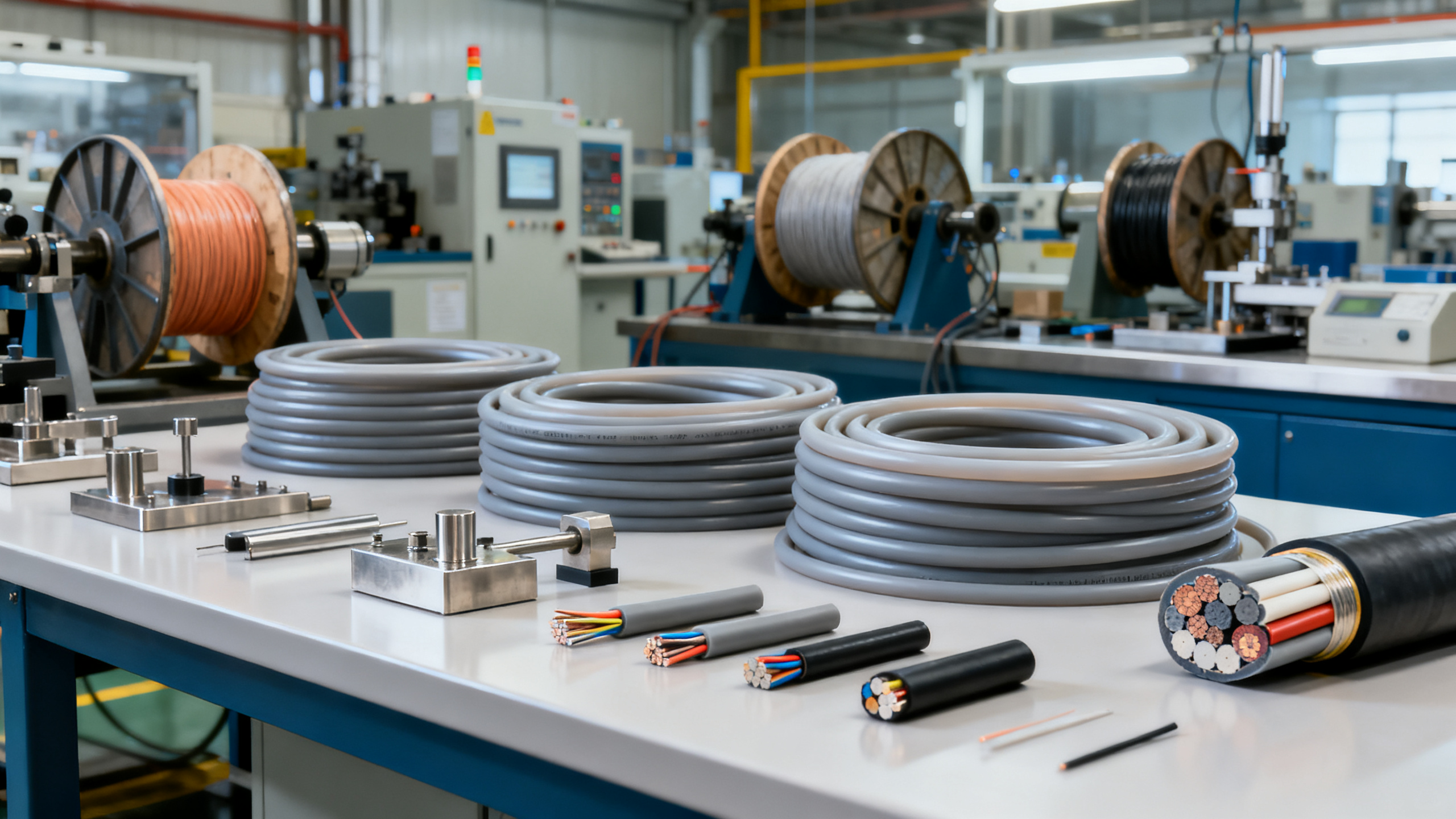
A marine cable is not defined by conductor size alone. The commercial offer usually bundles electrical rating, insulation material, armor or braid structure, shielding, jacket chemistry, and test documentation.
Two products may look similar on a datasheet summary yet perform very differently in onboard power, instrumentation, or automation applications.
In marine cables wholesale, three comparison points often decide whether a supply program works smoothly: voltage rating, shielding design, and MOQ alignment.
Voltage rating is more than a nameplate figure
Voltage rating indicates the maximum electrical stress a cable can safely handle under defined conditions. It must match the real operating system, not just the nominal project description.
The common mistake is choosing a rating based only on current load. Actual selection also depends on insulation thickness, transient behavior, installation method, and regulatory expectations.
How to compare voltage ratings without overspecifying
For power circuits, the first step is mapping the cable to the actual network architecture. Main distribution, auxiliary systems, and control loops rarely need the same rating.
A higher voltage class may appear safer, but it can increase diameter, bending stiffness, weight, and total installed cost.
That tradeoff matters in retrofits, compact vessel spaces, and projects with long cable trays.
Key checks during specification review
- Confirm whether the circuit is power, control, data, or instrumentation.
- Match voltage class to operating voltage and expected transient conditions.
- Review short-circuit tolerance and conductor temperature limits.
- Check whether marine classification or project standards set a minimum rating.
- Compare outer diameter and bend radius before approving substitutions.
In marine cables wholesale, substitutions often happen when stock is limited. A replacement should be validated on system fit, not only on the headline voltage number.
Shielding performance often decides field reliability
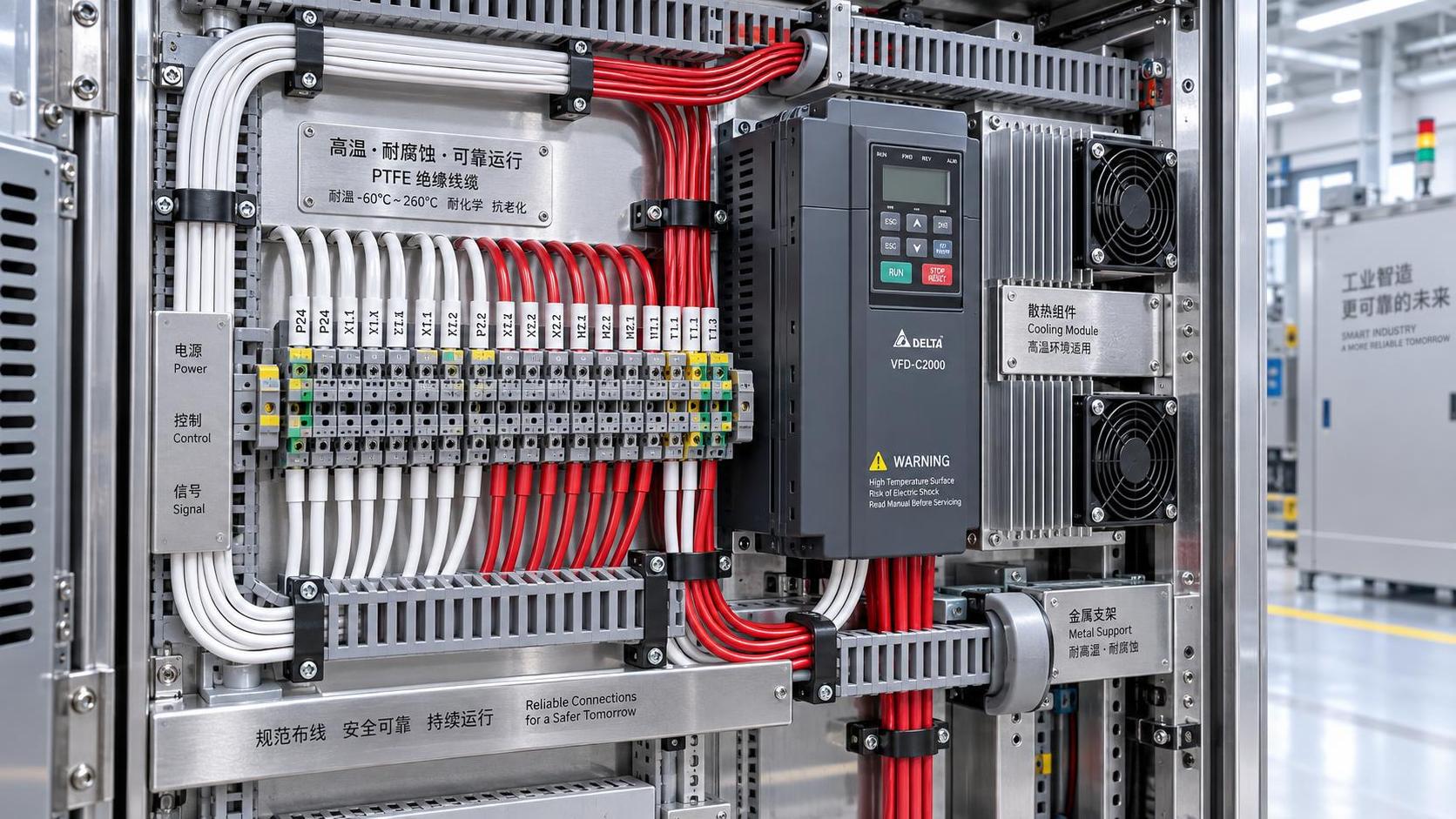
Shielding is especially important where variable frequency drives, navigation electronics, automation panels, and communication systems run in close proximity.
Poor shielding selection can lead to signal distortion, false readings, unstable controls, or intermittent alarms that are difficult to diagnose.
Common shielding options in marine cables wholesale
Foil shields usually support good high-frequency protection and compact construction. Braided shields often offer stronger mechanical durability and grounding continuity.
Combined foil and braid structures are common when both electromagnetic control and physical robustness matter.
The practical comparison should include shield coverage, drain wire design, grounding approach, and separation between pairs or cores.
Where shielding requirements usually increase
- Engine rooms with dense electrical equipment
- Bridge and navigation systems
- Instrumentation loops carrying low-level signals
- Hybrid propulsion and power conversion areas
- Offshore monitoring and remote control circuits
When reviewing marine cables wholesale offers, request test data or construction details rather than accepting generic claims such as “high shield efficiency.”
MOQ is a supply-chain issue, not just a pricing line
MOQ can quietly reshape project economics. A favorable unit price may lose value if the order forces excess stock, nonstandard packaging, or slow-moving spare inventory.
This becomes more visible in mixed projects that require many cable variants in modest quantities.
MOQ questions worth raising early
- Is MOQ defined by SKU, conductor size, color, shielding type, or production batch?
- Are cut-to-length services available for pilot or retrofit needs?
- Can several cable types be combined into one manufacturing run?
- What happens to lead time if order volume stays below the standard threshold?
- Does the supplier support framework ordering for recurring demand?
In marine cables wholesale, MOQ should be assessed alongside warehouse capacity, project phasing, and spare strategy. The cheapest reel is not always the best commercial decision.
Compliance and documentation remain central
Marine cable evaluation should also include certification credibility. CE, UL, ISO-linked quality systems, flame performance, and marine classification approvals can affect acceptance and insurance exposure.
Global industrial buyers increasingly expect traceable documentation, factory consistency, and evidence that the supplied product matches the tested construction.
That expectation aligns with GIC’s editorial focus on verifiable standards, engineering evidence, and sourcing decisions that remain defensible after installation.
A practical comparison framework for supplier review
A useful marine cables wholesale review does not need to be complicated. It needs to be consistent across suppliers and tied to actual installation conditions.
One effective approach is to score each offer across technical fit, compliance confidence, delivery flexibility, and total ownership impact.
- Technical fit: voltage class, shielding, temperature range, bend radius, jacket material
- Compliance confidence: standards, classification approvals, testing transparency
- Supply flexibility: MOQ, lead time, stocking options, substitution policy
- Commercial reality: scrap risk, installation labor impact, lifecycle maintenance exposure
This method keeps marine cables wholesale decisions grounded in measurable tradeoffs rather than headline pricing alone.
What to do before the next RFQ goes out
Start by separating cable demand by function instead of grouping everything into one generic marine category. That alone improves supplier responses.
Then define acceptable voltage ranges, required shielding structures, and realistic MOQ boundaries before comparing offers.
Where project risk is high, ask for supporting test data and clarify whether approvals apply to the exact cable construction being quoted.
A careful marine cables wholesale strategy usually begins with better specifications, not with harder price negotiation. Once the decision framework is clear, supplier comparison becomes faster, cleaner, and far more reliable.
Technical Specifications
- Air Handling Unit Supplier Checklist: Performance Data, Lead Times, and SupportAuthor :Environmental Engineering Director
- Buying Fiberglass Water Tanks Wholesale: Compare Quotes and Delivery CostsAuthor :Environmental Engineering Director
- Choosing an XLPE Power Cable Supplier: Test Reports, Traceability, and Lead TimesAuthor :Grid Infrastructure Analyst
Expert Insights

Chief Security Architect
Dr. Thorne specializes in the intersection of structural engineering and digital resilience. He has advised three G7 governments on industrial infrastructure security.
Related Analysis
- Oct 19, 2026Air Handling Unit Supplier Checklist: Performance Data, Lead Times, and SupportAuthor :Environmental Engineering Director
- Oct 18, 2026Buying Fiberglass Water Tanks Wholesale: Compare Quotes and Delivery CostsAuthor :Environmental Engineering Director
- Oct 17, 2026Choosing an XLPE Power Cable Supplier: Test Reports, Traceability, and Lead TimesAuthor :Grid Infrastructure Analyst
Core Sector // 01
Security & Safety
- Choosing an XLPE Power Cable Supplier: Test Reports, Traceability, and Lead TimesAuthor :Grid Infrastructure Analyst

- How to Select XLPO Insulated Solar Cable for UV, Heat, and High-Voltage PV SystemsAuthor :Grid Infrastructure Analyst

- Selecting PTFE Insulated Hookup Wire for High-Temperature Control PanelsAuthor :Grid Infrastructure Analyst

- How Contractors Can Evaluate EPC Sourcing Solutions for Cost, Lead Time, and RiskAuthor :Grid Infrastructure Analyst

- What Drives Silicone Cable Bulk Price in Industrial Orders?Author :Grid Infrastructure Analyst

- EN 61000-6-4:2026 Takes Effect for EU-Bound ControlsAuthor :Grid Infrastructure Analyst

- How to Choose Low Smoke Cables and Wiring for Safer Commercial Buildings?Author :Grid Infrastructure Analyst

- Medium Voltage Armored Cable Selection Guide: Voltage Rating, Armor Type, and InstallationAuthor :Grid Infrastructure Analyst