SAMR Accelerates Revision of 1,800 Standards, Tightening Compliance Window for Industrial Cables & Breakers
Author
Date Published
Reading Time
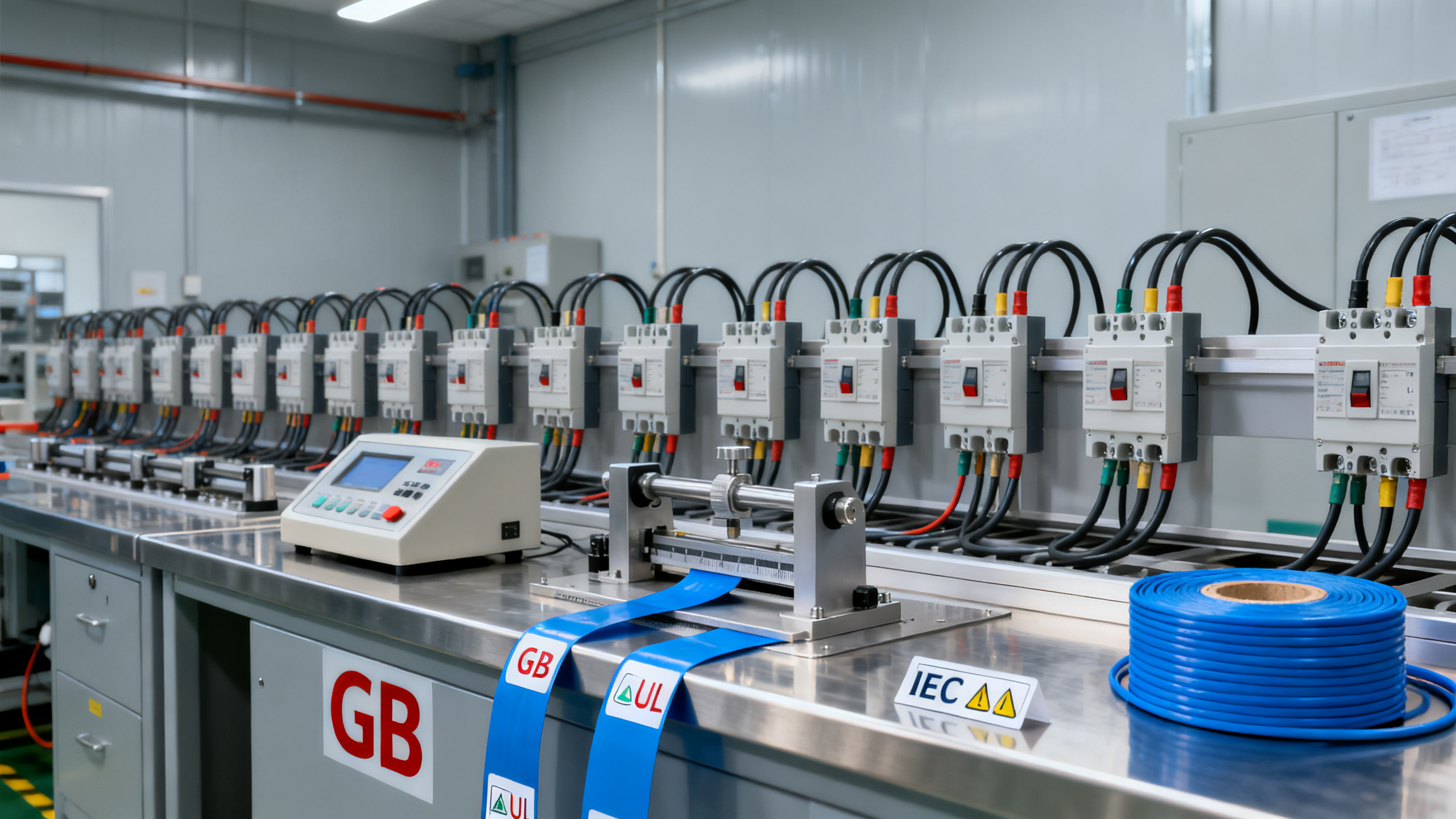
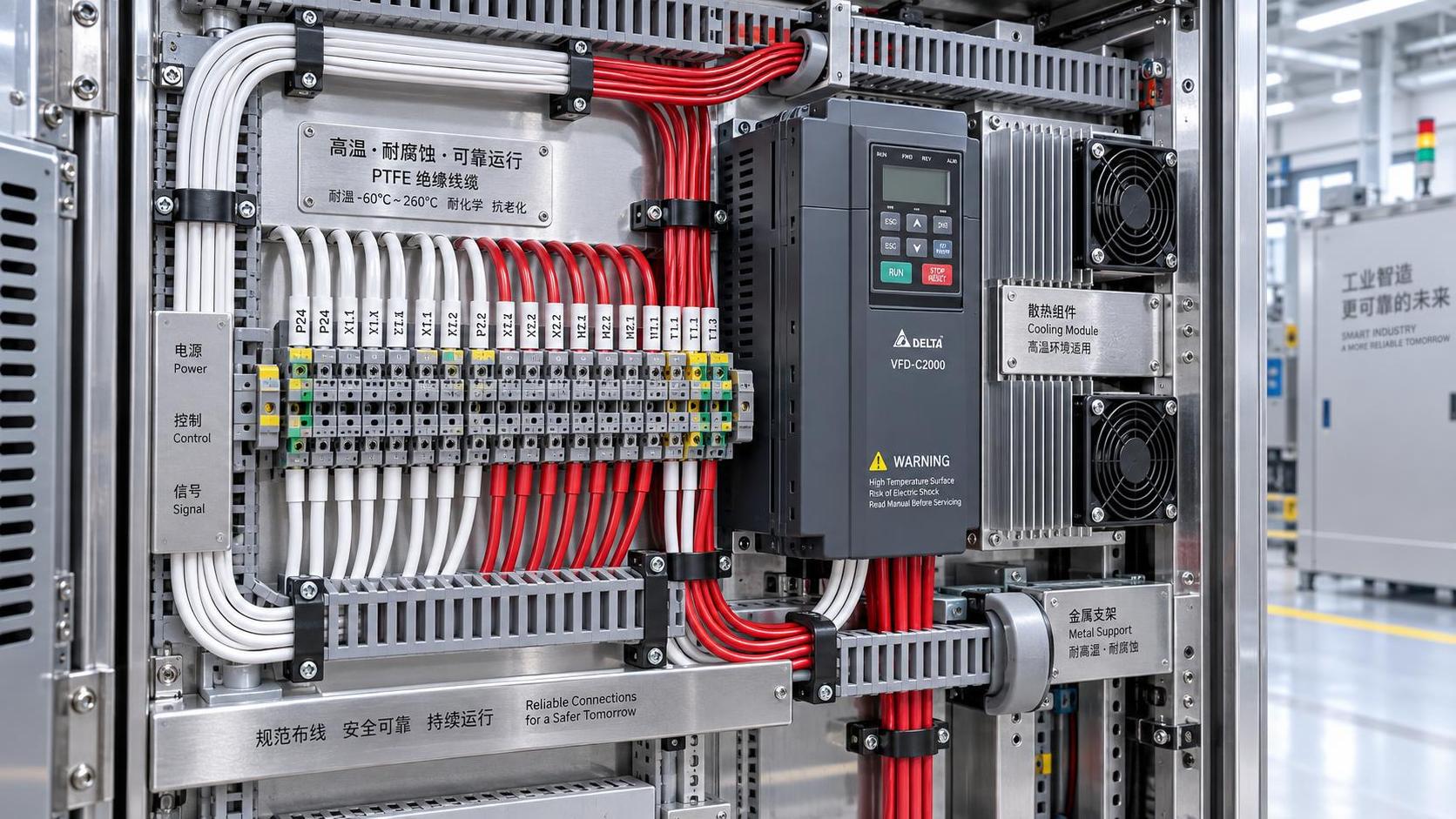
China’s State Administration for Market Regulation (SAMR) has announced plans to complete over 1,800 national standard revisions and formulations by 2026 — with direct implications for exporters of industrial cables, circuit breakers, relays, insulation materials, hazardous chemicals, special equipment, and battery recycling systems. This initiative signals a narrowing compliance window for international market access, particularly under CE, UL, and IEC frameworks.
Event Overview
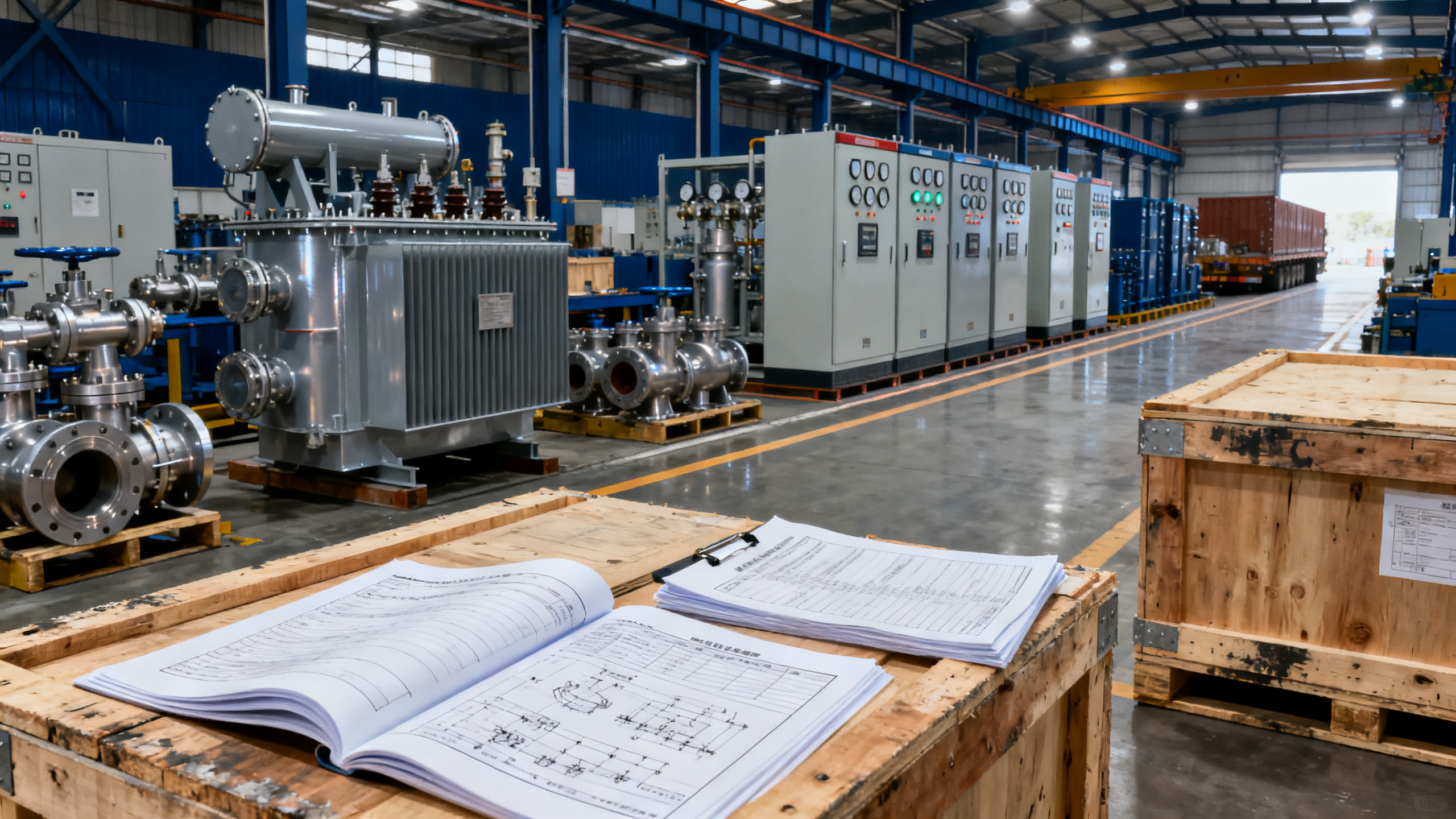
In 2026, SAMR confirmed it will advance the formulation and revision of more than 1,800 national standards, prioritizing ten traditional industrial sectors including Cables & Wiring and Breakers & Relays. A key procedural shift involves accelerating the conversion of voluntary national standards (e.g., GB/T series) into mandatory ones (GB series). The scope explicitly includes insulation materials, hazardous chemicals, special equipment, and power battery recycling. These changes directly affect how Chinese-manufactured products meet CE, UL, and IEC conformity requirements for export.
Which Subsectors Are Affected
Direct Export Trading Enterprises
These enterprises face increased lead time and certification cost pressure, as their suppliers must align with newly mandated GB standards before shipment. Since many overseas importers require pre-shipment verification against updated Chinese standards — especially where GB replaces GB/T — documentation timelines and third-party testing cycles are expected to lengthen.
Manufacturing Enterprises (Cable & Breaker Producers)
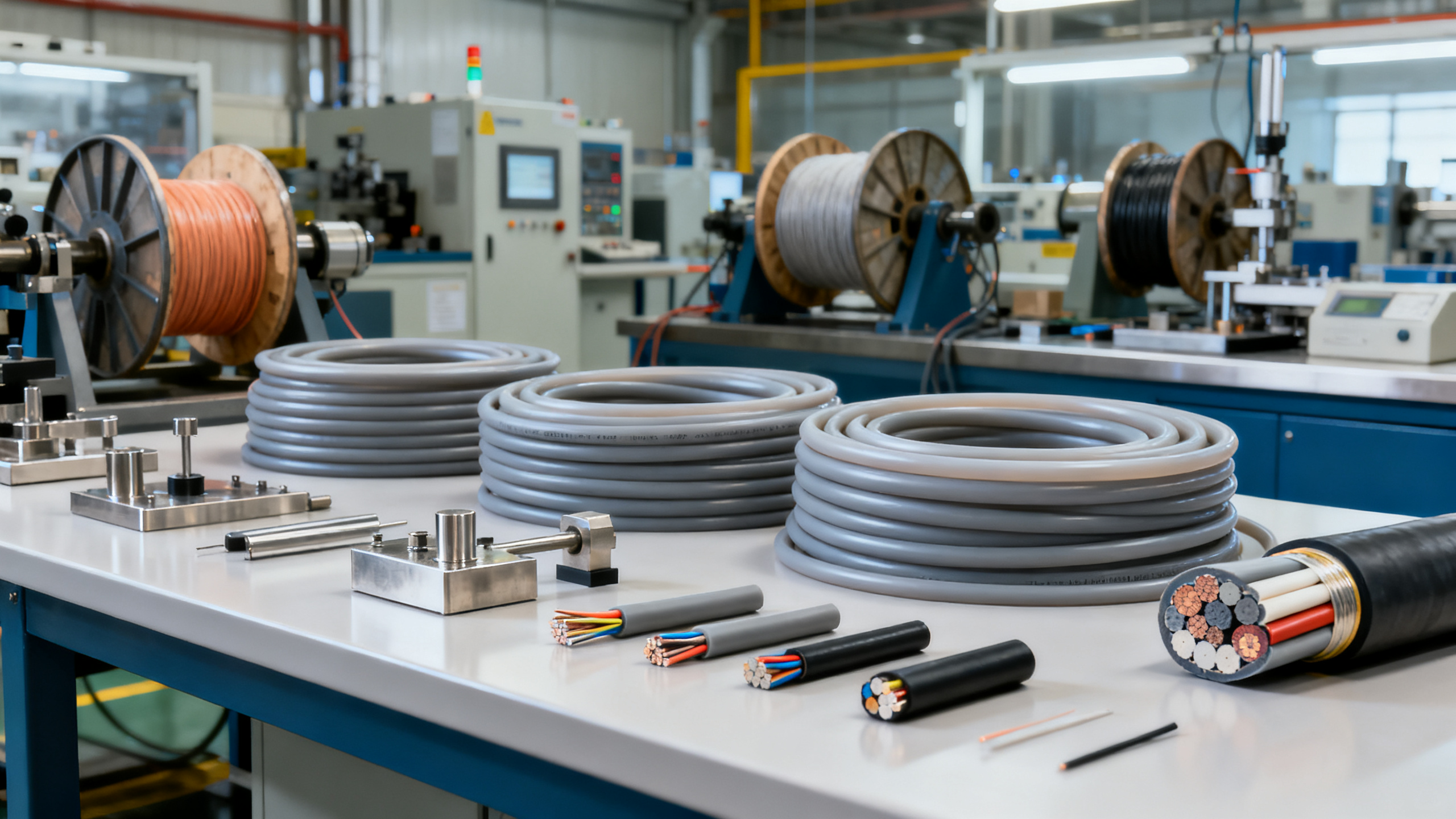
Producers of industrial cables, circuit breakers, and relays must revise technical specifications, internal quality control procedures, and factory test protocols to comply with upcoming mandatory GB standards. Unlike GB/T standards, GB-level compliance is enforceable by law, meaning non-conforming products may be barred from domestic sale — affecting dual-use (domestic + export) production lines.
Supply Chain & Component Sourcing Firms
Firms supplying raw materials (e.g., flame-retardant polymer compounds for cable sheathing) or subassemblies (e.g., trip units for breakers) will experience upstream specification shifts. As final-product GB standards tighten, component-level traceability, material declarations (e.g., RoHS/REACH-aligned), and batch-level test reporting become prerequisites — not optional enhancements.
Distribution & Certification Support Providers
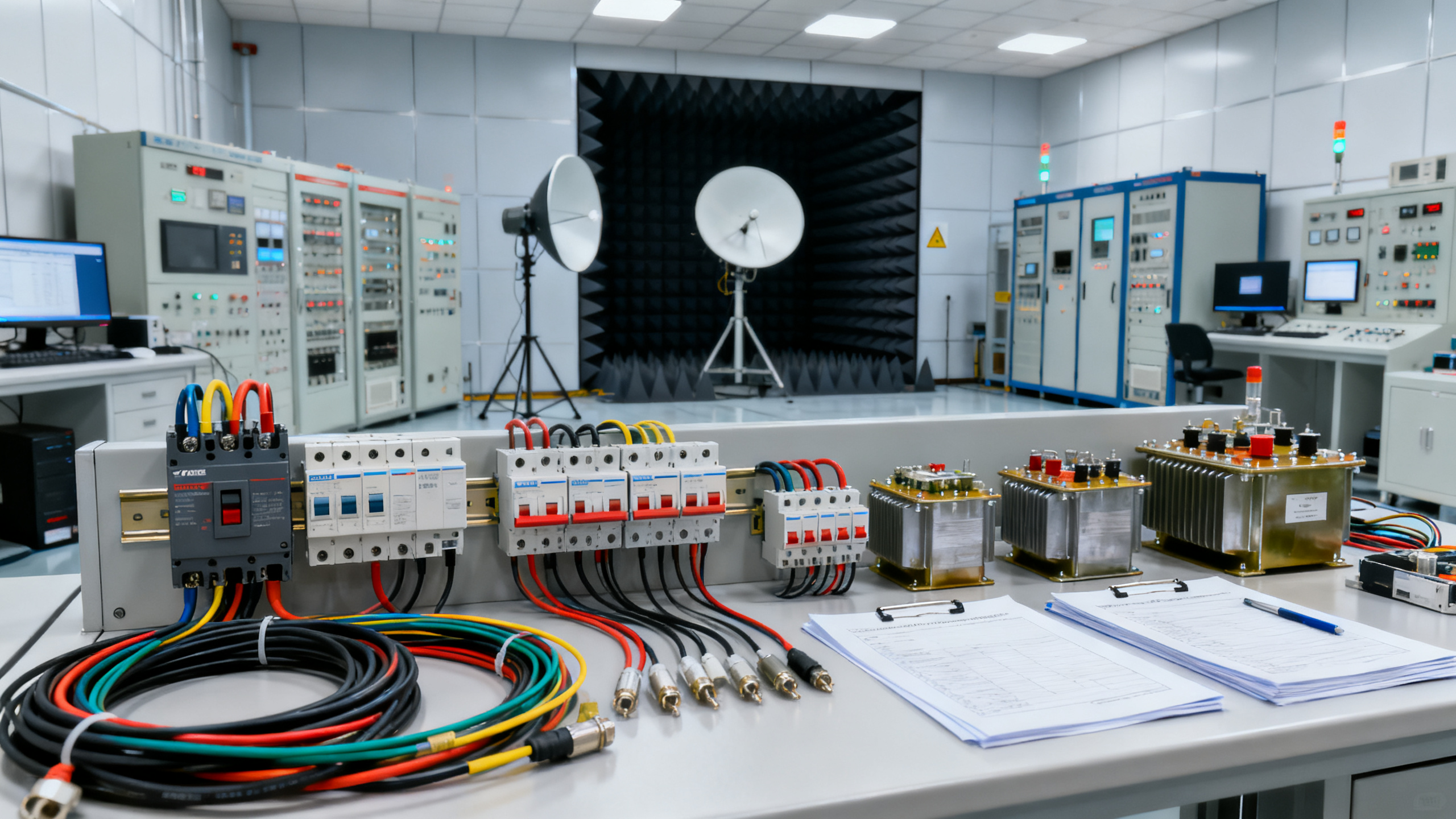
Testing laboratories, certification bodies, and regulatory consultants serving export clients must scale capacity for GB-specific assessments. Demand for GB-to-CE/UL/IEC gap analysis, technical file updates, and factory audit readiness checks is expected to rise — particularly for mid-sized manufacturers lacking in-house standardization teams.
What Relevant Enterprises or Practitioners Should Focus On — And How to Respond Now
Monitor Official Updates on Standard Conversion Timetables
SAMR publishes draft lists of GB/T-to-GB conversions quarterly. Enterprises should subscribe to official SAMR notices and track the National Standardization Management Committee (SAC) database for priority codes (e.g., GB/T 12706 → GB 12706). Early identification of scheduled transitions allows staggered implementation planning.
Prioritize Product Categories Aligned With High-Risk Export Markets
Markets such as the EU (CE), USA (UL), and ASEAN (IEC-aligned national schemes) impose strict alignment between product declarations and source-country mandatory standards. Exporters should cross-map current GB/T-based certifications against upcoming GB versions — focusing first on categories already flagged in SAMR’s 2026 priority list (e.g., low-voltage power cables, residual-current circuit breakers).
Distinguish Between Policy Signals and Enforceable Requirements
Not all 1,800 planned revisions will take effect simultaneously in 2026; some will enter public consultation, others will be issued as drafts, and only select standards will achieve full GB status with enforcement dates. Enterprises should verify whether a referenced standard carries an effective date and whether transitional provisions apply — rather than assuming immediate applicability.
Initiate Internal Readiness Assessments and Supplier Alignment
Manufacturers should conduct internal gap analyses comparing current production specs and test reports against published draft GB texts. Concurrently, initiate structured communication with Tier-1 suppliers to confirm material compliance roadmaps and update procurement clauses to reflect pending GB obligations — avoiding last-minute sourcing disruptions.
Editorial Perspective / Industry Observation
Observably, this initiative functions less as an immediate regulatory shock and more as a structural recalibration of China’s standardization governance — reinforcing domestic safety baselines while reshaping international compliance expectations. Analysis shows that the acceleration of GB/T-to-GB conversion reflects a broader policy emphasis on risk-controllable industrial upgrading, especially in energy-critical infrastructure components. From an industry perspective, the 2026 deadline is best understood not as a hard cutoff, but as a convergence point: where domestic enforcement readiness, international buyer due diligence, and third-party certification capacity intersect. Continuous tracking remains essential — because while the headline number (1,800) conveys scale, the operational impact resides in the sequencing, scope, and enforcement granularity of individual standards.
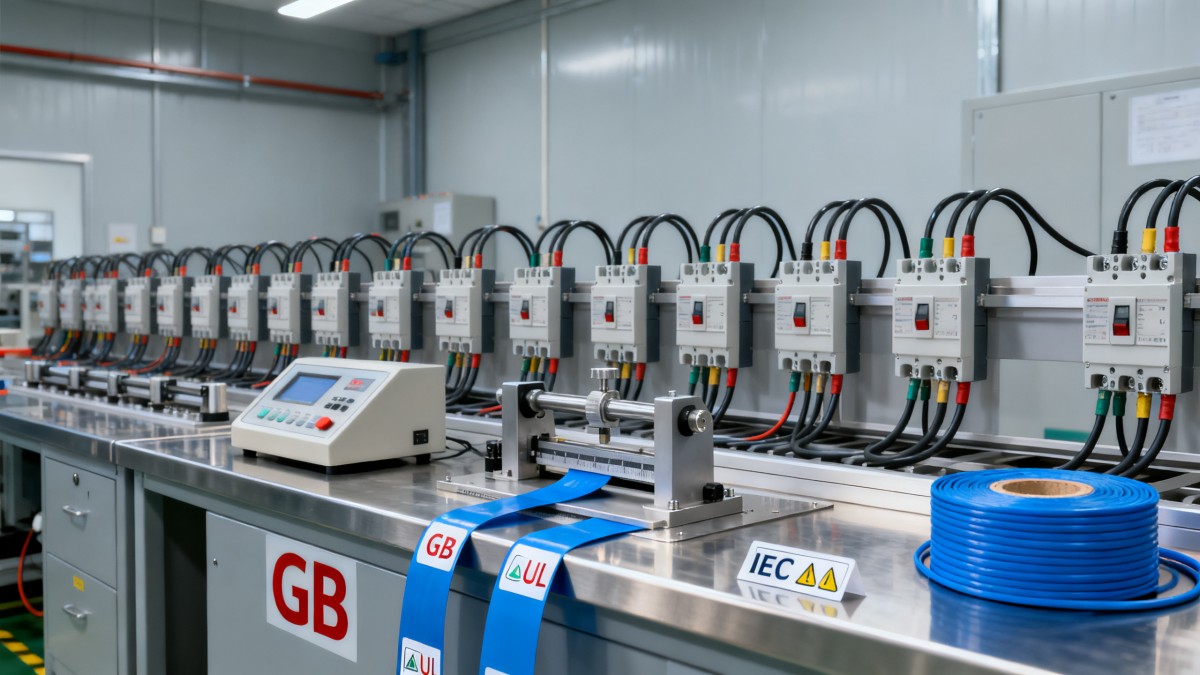
Conclusion: This SAMR standardization push does not introduce new technical requirements per se, but significantly compresses the timeline for adopting them — especially where mandatory GB status alters legal liability, testing scope, or documentation depth. For global supply chains, it means Chinese suppliers’ compliance posture must now be evaluated not only against destination-market rules (e.g., EU Low Voltage Directive), but also against evolving origin-country mandates. Currently, it is more accurate to interpret this as a coordinated signal of tightening regulatory alignment — rather than a completed regime change.
Source Attribution:
— Public announcement by China’s State Administration for Market Regulation (SAMR)
— Priority standard revision list published by the Standardization Administration of China (SAC)
— Note: Specific GB standard numbers, exact enforcement dates, and phased transition rules remain subject to official updates and require ongoing monitoring.
Technical Specifications
- How to Select Electronic Hotel Key Card Locks for Guest Rooms and Staff AreasAuthor :Safety Compliance Lead
- How to Select Lab Instruments for Reliable Chemical Analysis WorkflowsAuthor :Precision Metrology Expert
- How to Size a UPS for Server Rooms: Load, Runtime, and Redundancy FactorsAuthor :Grid Infrastructure Analyst
Expert Insights

Chief Security Architect
Dr. Thorne specializes in the intersection of structural engineering and digital resilience. He has advised three G7 governments on industrial infrastructure security.
Related Analysis
- Sep 17, 2026How to Select Electronic Hotel Key Card Locks for Guest Rooms and Staff AreasAuthor :Safety Compliance Lead
- Sep 16, 2026How to Select Lab Instruments for Reliable Chemical Analysis WorkflowsAuthor :Precision Metrology Expert
- Sep 15, 2026How to Size a UPS for Server Rooms: Load, Runtime, and Redundancy FactorsAuthor :Grid Infrastructure Analyst
Core Sector // 01
Security & Safety
- Selecting PTFE Insulated Hookup Wire for High-Temperature Control PanelsAuthor :Grid Infrastructure Analyst

- How Contractors Can Evaluate EPC Sourcing Solutions for Cost, Lead Time, and RiskAuthor :Grid Infrastructure Analyst

- What Drives Silicone Cable Bulk Price in Industrial Orders?Author :Grid Infrastructure Analyst

- EN 61000-6-4:2026 Takes Effect for EU-Bound ControlsAuthor :Grid Infrastructure Analyst

- How to Choose Low Smoke Cables and Wiring for Safer Commercial Buildings?Author :Grid Infrastructure Analyst

- Medium Voltage Armored Cable Selection Guide: Voltage Rating, Armor Type, and InstallationAuthor :Grid Infrastructure Analyst

- EU Publishes EN IEC 61000-6-4:2026 for Industrial EMCAuthor :Grid Infrastructure Analyst

- Choosing an XLPE Power Cable Manufacturer: 7 Checks for Voltage Class and ComplianceAuthor :Grid Infrastructure Analyst