SAMR Accelerates Revision of 1,800 Standards: Export Compliance Window Narrows for Industrial Cables & Circuit Breakers
Author
Date Published
Reading Time
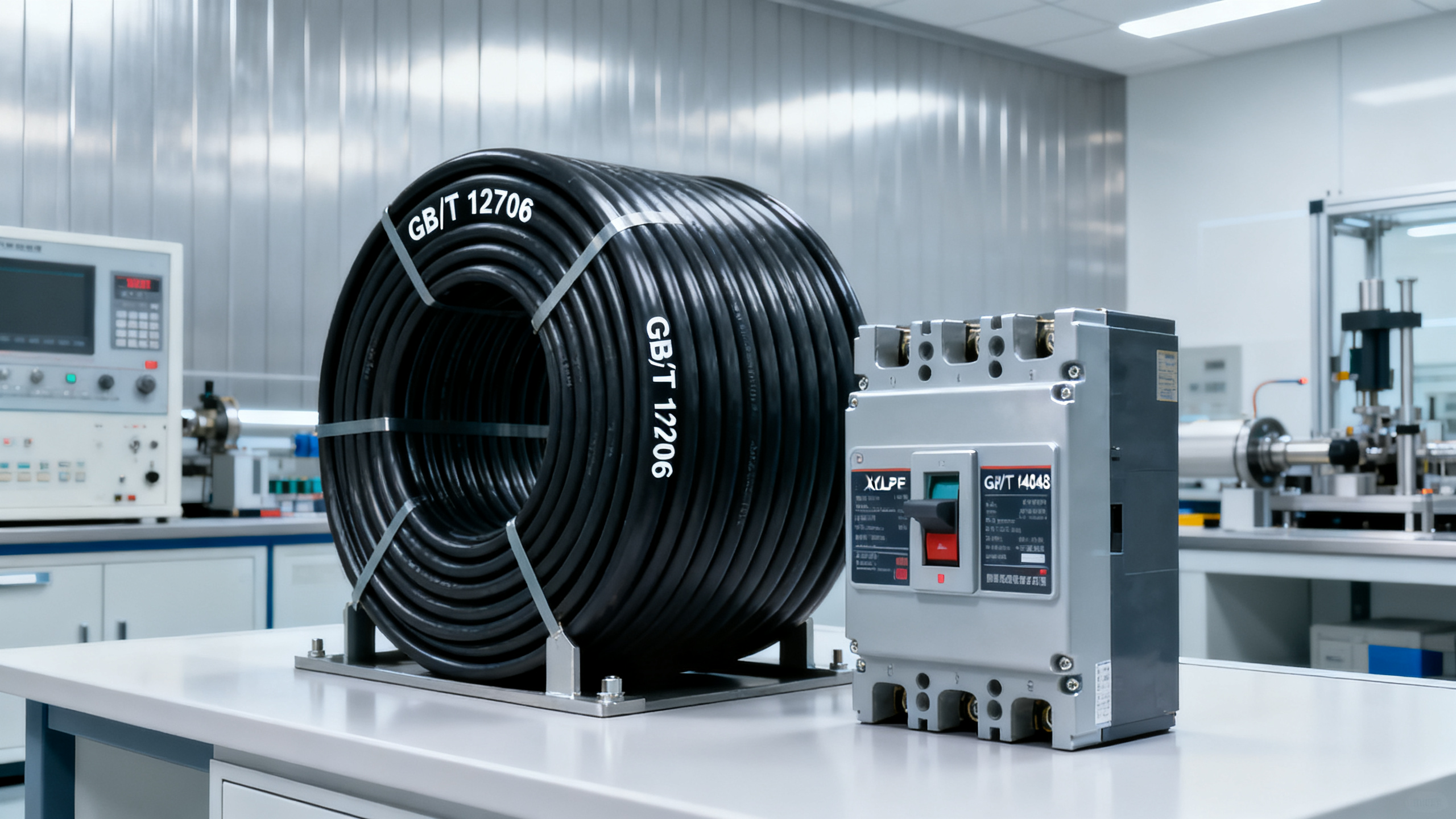
On May 15, 2026, China’s State Administration for Market Regulation (SAMR) released the 2026 Annual Mandatory National Standard Development and Revision Plan, initiating accelerated revision of 1,800 national standards—including GB/T 12706 (power cables) and GB/T 14048 (low-voltage switchgear and controlgear)—with completion targeted before year-end. This development directly affects exporters and manufacturers in industrial cabling, circuit protection, and related electrical equipment sectors, as revised requirements tighten technical compliance thresholds and compress certification timelines.
Event Overview
On May 15, 2026, SAMR published the officially confirmed 2026 Annual Mandatory National Standard Development and Revision Plan. The plan covers 1,800 standards across two core domains: Cables & Wiring and Breakers & Relays. Key referenced standards include GB/T 12706 and GB/T 14048. Of these, 217 newly added clauses specifically address high-frequency export risk points—such as upgraded flame-retardant classification requirements and revised short-circuit withstand current verification methods. SAMR indicates that the revisions are scheduled for completion within 2026, and the updated standards are expected to reduce average export certification cycles by 2–3 weeks, prompting earlier sample submission and pre-assessment preparation by enterprises.
Which Subsectors Are Affected
Direct Export Trading Enterprises
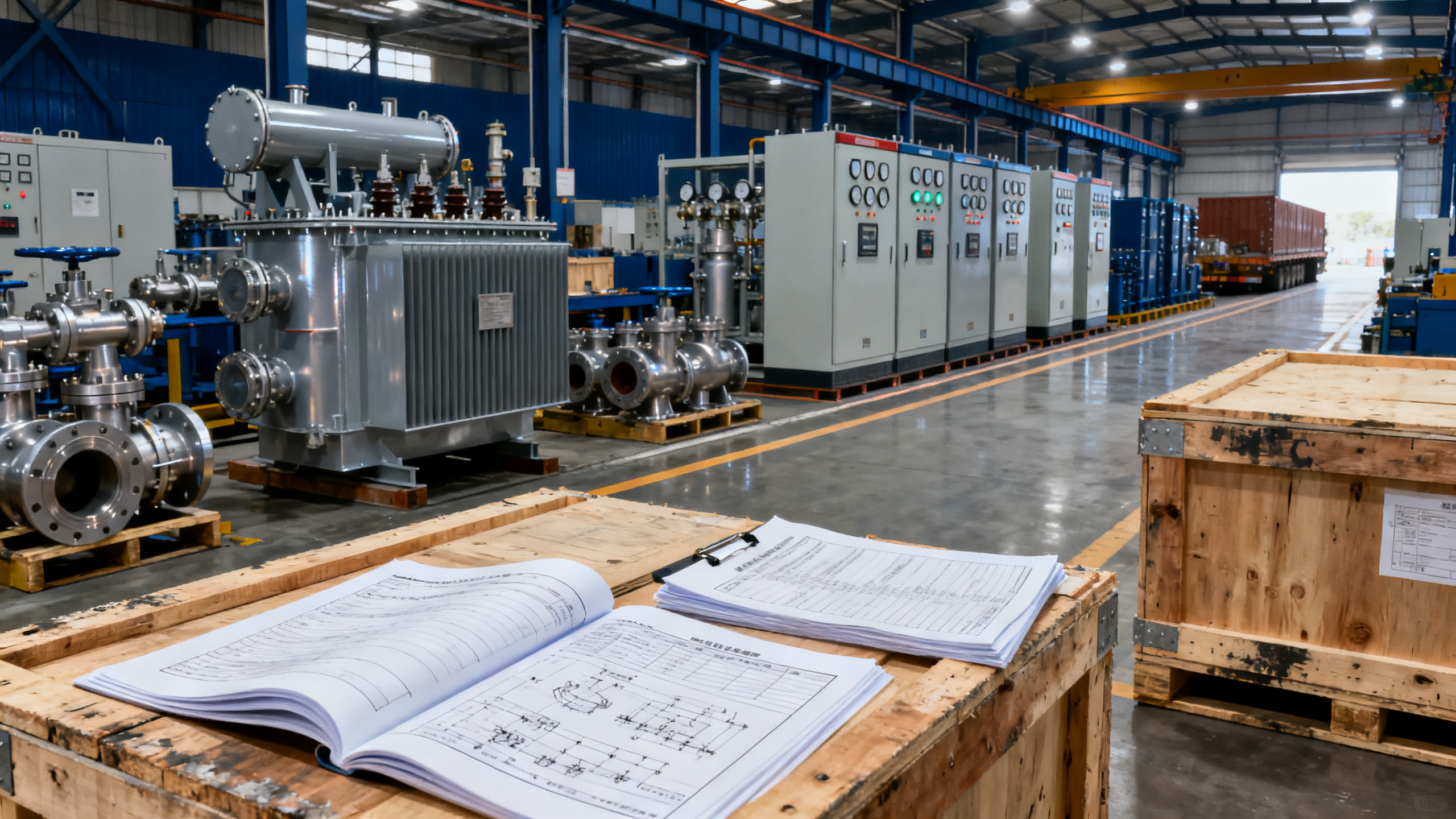
These enterprises face immediate pressure on shipment scheduling and documentation alignment. Since the revised standards will govern conformity assessment for export certification (e.g., CCC, CB Scheme referencing GB), delays in adapting test reports or retesting samples may result in shipment holds or rejected customs clearance in key markets including ASEAN, the Middle East, and Africa—where GB-aligned certifications are commonly accepted.
Manufacturing Enterprises (Cable & Breaker Producers)
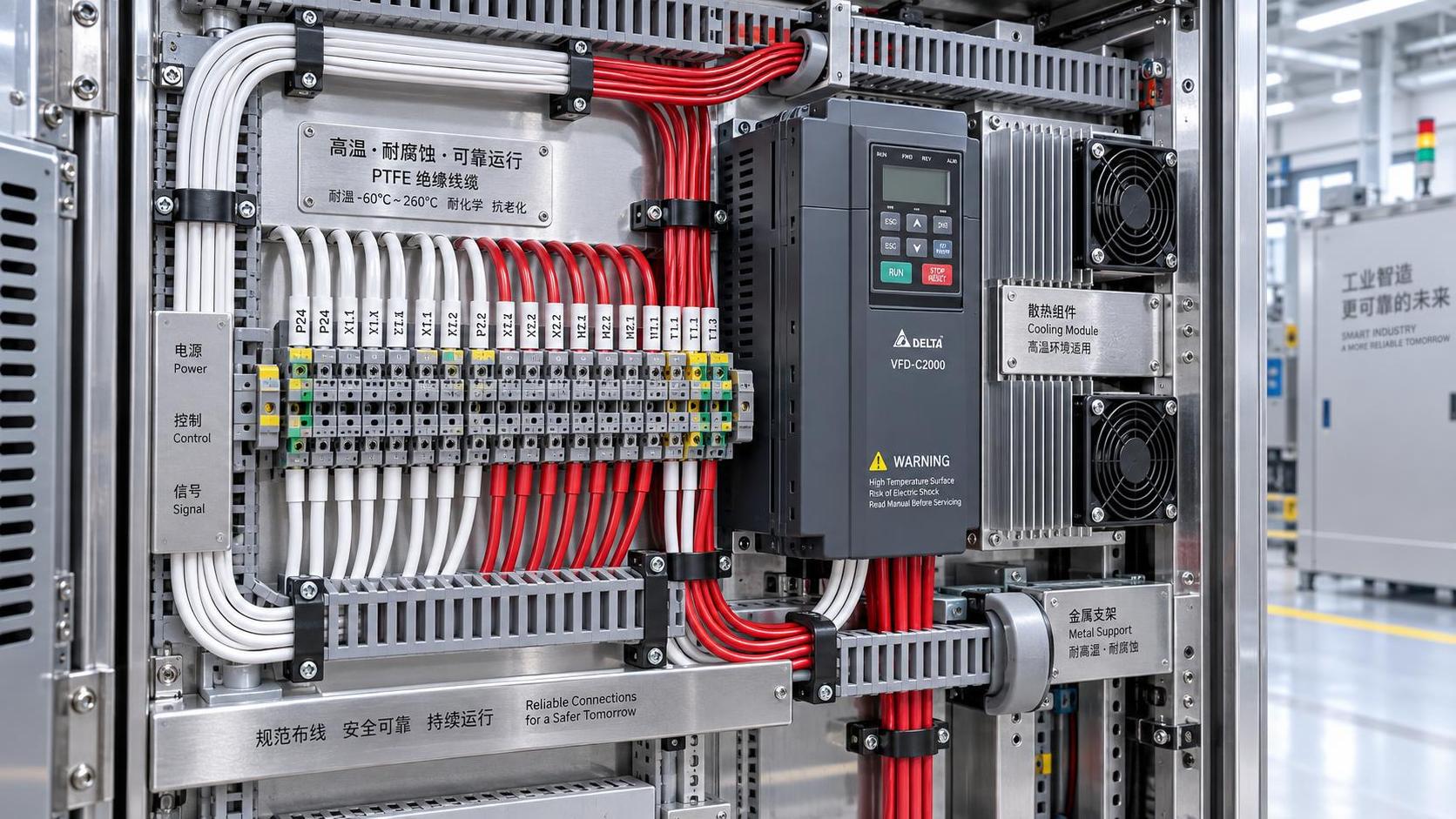
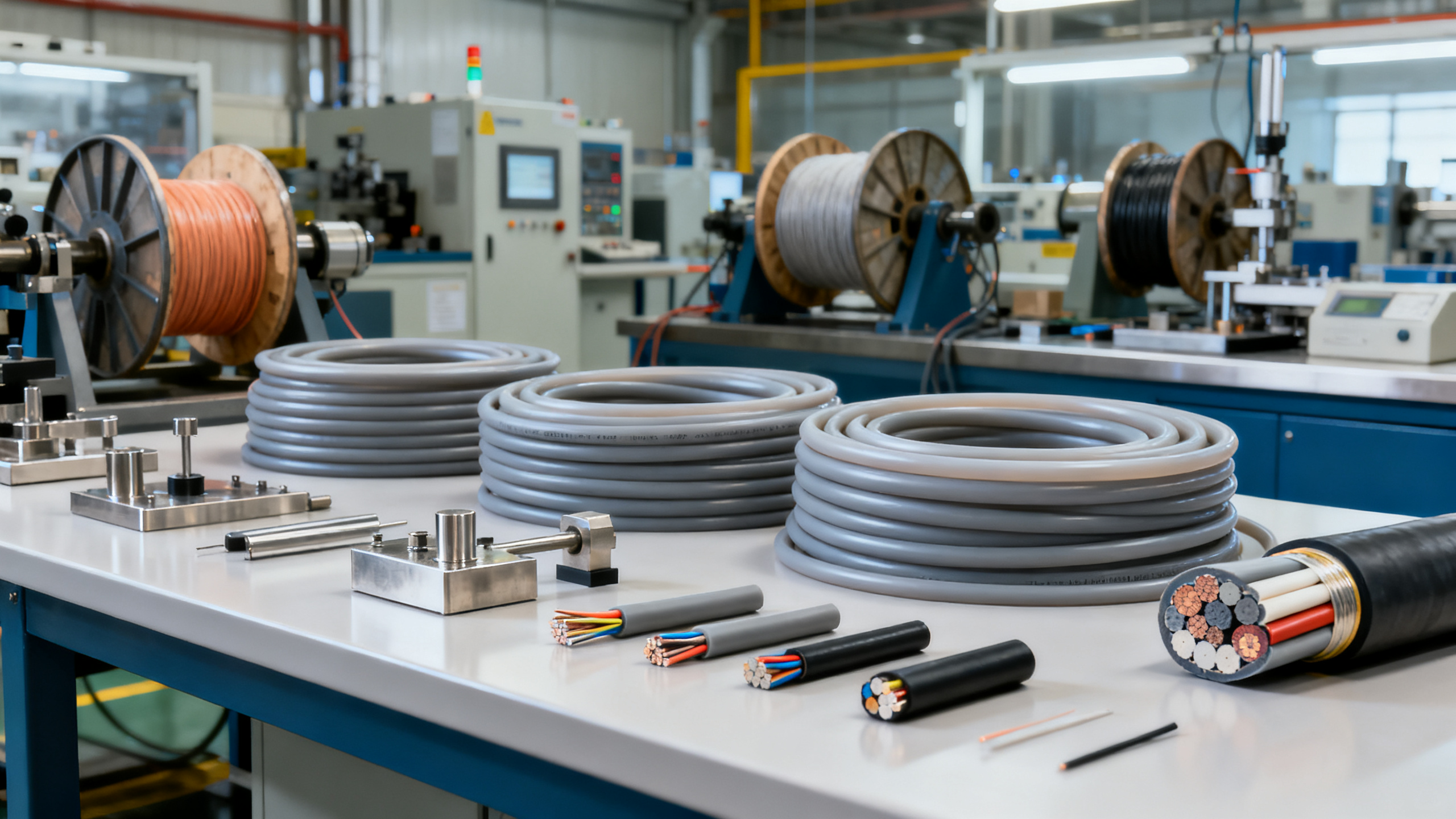
Producers must revise internal design specifications, material sourcing criteria, and factory test protocols to meet the new 217 technical clauses. Changes such as updated flame-retardant grading (e.g., enhanced IEC 60332-3 alignment) and recalibrated short-circuit withstand validation methods require revalidation of product families—even for previously certified models—potentially triggering redesign or component substitution.
Supply Chain & Component Sourcing Entities
Suppliers of insulation compounds, conductor alloys, arc-quenching media, or relay contact materials may experience revised technical data sheet (TDS) and declaration requirements from OEMs. For example, flame-retardant additives used in cable sheathing must now comply with stricter oxygen index and smoke density thresholds under the pending GB/T 12706 revision—triggering qualification retesting at the raw-material level.
Conformity Assessment & Certification Service Providers
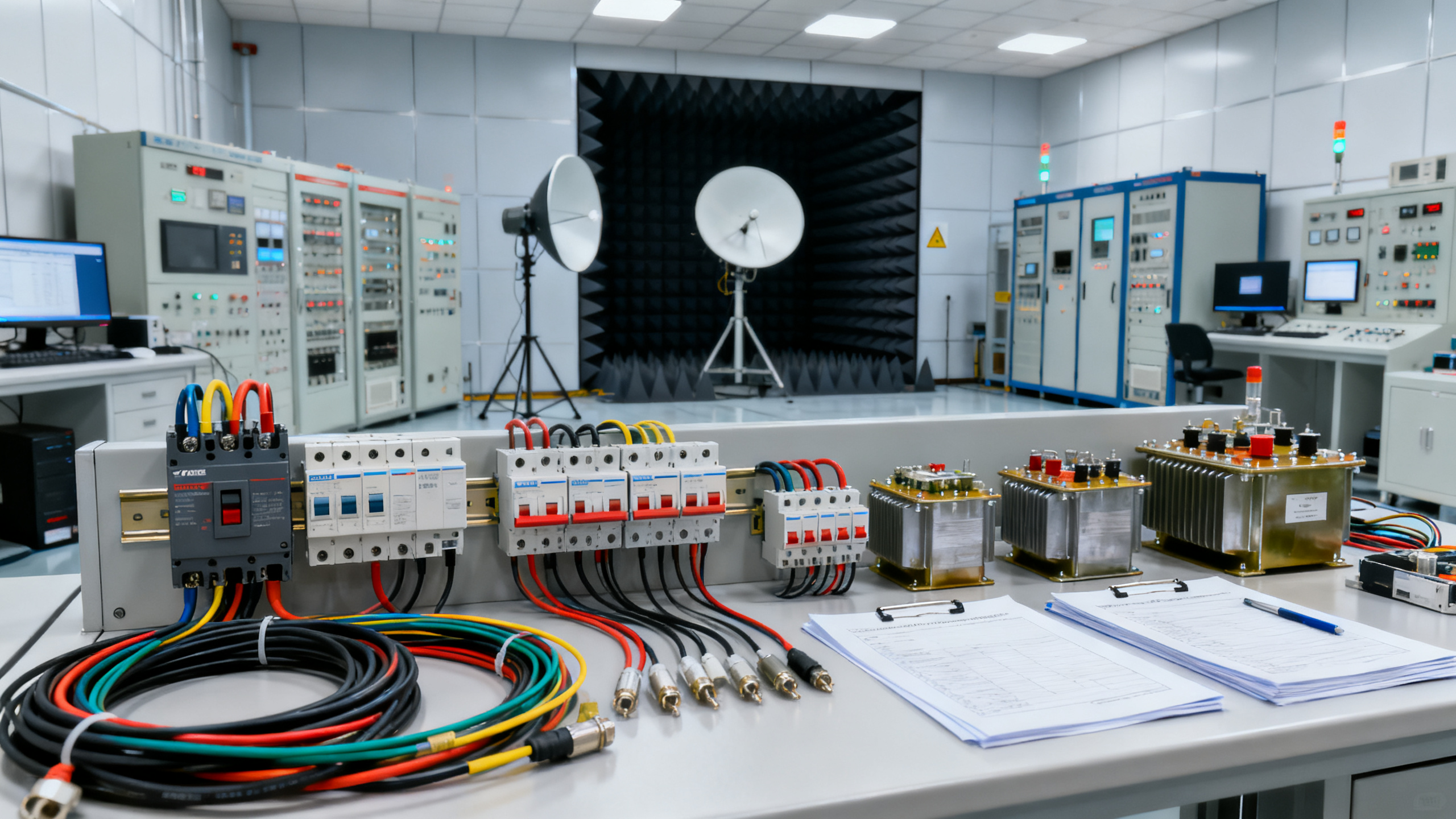
Laboratories and notified bodies accredited for GB-based testing must update their scope of accreditation, internal procedures, and calibration protocols ahead of the 2026 rollout. The 2–3 week compression in average certification cycle implies tighter coordination between applicants and labs—especially for batch-level short-circuit tests requiring extended setup and thermal stabilization periods.
What Relevant Enterprises or Practitioners Should Focus On and How to Respond Now
Monitor Official Updates to Clause-Level Drafts
SAMR has not yet published draft texts of the 217 new clauses. Enterprises should subscribe to SAMR’s Standardization Administration of China (SAC) portal and track public consultation notices—particularly for GB/T 12706 and GB/T 14048 revisions—as final wording may affect test method applicability, tolerances, or transition timelines.
Prioritize High-Volume Export SKUs for Pre-Revision Gap Analysis
Identify top 10–20 exported cable types (e.g., XLPE-insulated armored power cables) and breaker models (e.g., molded-case circuit breakers rated 100–630 A) subject to GB/T 12706 and GB/T 14048. Conduct internal gap assessments against known clause categories—flame retardancy, marking durability, short-circuit verification sequence—to estimate retest scope and timeline impact.
Distinguish Between Effective Date and Enforcement Date
The plan mandates completion of revisions by end-2026—but does not specify whether new versions will be immediately mandatory upon publication or follow a defined grace period (e.g., 6–12 months). Enterprises should treat the 2026 deadline as a trigger for readiness—not automatic enforcement—and verify implementation dates once final standards are issued.
Initiate Early Coordination with Accredited Labs and Notified Bodies
Given anticipated demand surges for short-circuit withstand testing and flame propagation verification, book lab capacity for Q3–Q4 2026 now. Provide preliminary product configurations and intended test standards to labs to enable protocol alignment and avoid last-minute rescheduling.
Editorial Perspective / Industry Observation
Observably, this initiative signals a structural shift—not merely a routine update—in how China aligns domestic technical infrastructure with evolving global market expectations. The explicit targeting of ‘high-frequency export risk points’ suggests SAMR is responding to recurring nonconformities observed at foreign borders, particularly in fire safety and fault-current resilience. Analysis shows the 2–3 week certification compression is less about speed optimization and more about front-loading compliance effort—effectively moving scrutiny earlier into the product development cycle. From an industry perspective, this is currently a policy signal with binding operational implications still unfolding; its full impact depends on the technical specificity of the final 217 clauses and any transitional arrangements. Continuous monitoring is warranted—not because the plan introduces immediate legal obligations, but because it sets a clear inflection point for R&D, procurement, and quality assurance planning over the next 12 months.
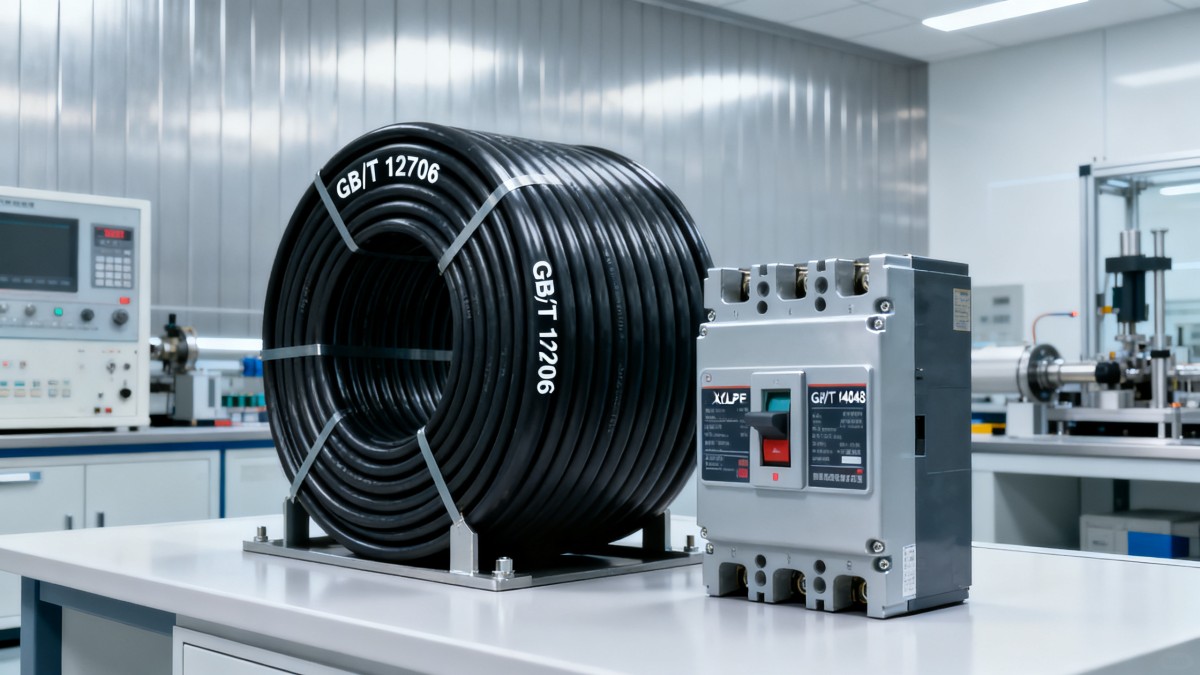
In summary, SAMR’s 2026 standard revision plan represents a procedural tightening rather than a regulatory expansion: no new product categories are brought under mandatory scope, but existing regulated products face higher technical benchmarks and compressed timelines for demonstrating conformity. It is better understood as a calibration of enforcement rigor—aligning domestic manufacturing discipline with international buyer expectations—rather than a departure from current frameworks. Enterprises are advised to treat it as a time-bound readiness exercise, not an emergency response.
Source: State Administration for Market Regulation (SAMR), 2026 Annual Mandatory National Standard Development and Revision Plan, published May 15, 2026.
Note: Draft texts of the 217 new clauses, official transition provisions, and enforcement start dates remain pending and require ongoing observation.
Technical Specifications
- How to Select Electronic Hotel Key Card Locks for Guest Rooms and Staff AreasAuthor :Safety Compliance Lead
- How to Select Lab Instruments for Reliable Chemical Analysis WorkflowsAuthor :Precision Metrology Expert
- How to Size a UPS for Server Rooms: Load, Runtime, and Redundancy FactorsAuthor :Grid Infrastructure Analyst
Expert Insights

Chief Security Architect
Dr. Thorne specializes in the intersection of structural engineering and digital resilience. He has advised three G7 governments on industrial infrastructure security.
Related Analysis
- Sep 17, 2026How to Select Electronic Hotel Key Card Locks for Guest Rooms and Staff AreasAuthor :Safety Compliance Lead
- Sep 16, 2026How to Select Lab Instruments for Reliable Chemical Analysis WorkflowsAuthor :Precision Metrology Expert
- Sep 15, 2026How to Size a UPS for Server Rooms: Load, Runtime, and Redundancy FactorsAuthor :Grid Infrastructure Analyst
Core Sector // 01
Security & Safety
- Selecting PTFE Insulated Hookup Wire for High-Temperature Control PanelsAuthor :Grid Infrastructure Analyst

- How Contractors Can Evaluate EPC Sourcing Solutions for Cost, Lead Time, and RiskAuthor :Grid Infrastructure Analyst

- What Drives Silicone Cable Bulk Price in Industrial Orders?Author :Grid Infrastructure Analyst

- EN 61000-6-4:2026 Takes Effect for EU-Bound ControlsAuthor :Grid Infrastructure Analyst

- How to Choose Low Smoke Cables and Wiring for Safer Commercial Buildings?Author :Grid Infrastructure Analyst

- Medium Voltage Armored Cable Selection Guide: Voltage Rating, Armor Type, and InstallationAuthor :Grid Infrastructure Analyst

- EU Publishes EN IEC 61000-6-4:2026 for Industrial EMCAuthor :Grid Infrastructure Analyst

- Choosing an XLPE Power Cable Manufacturer: 7 Checks for Voltage Class and ComplianceAuthor :Grid Infrastructure Analyst