Why an Electrical & Power manufacturer matters for uptime
Author
Date Published
Reading Time
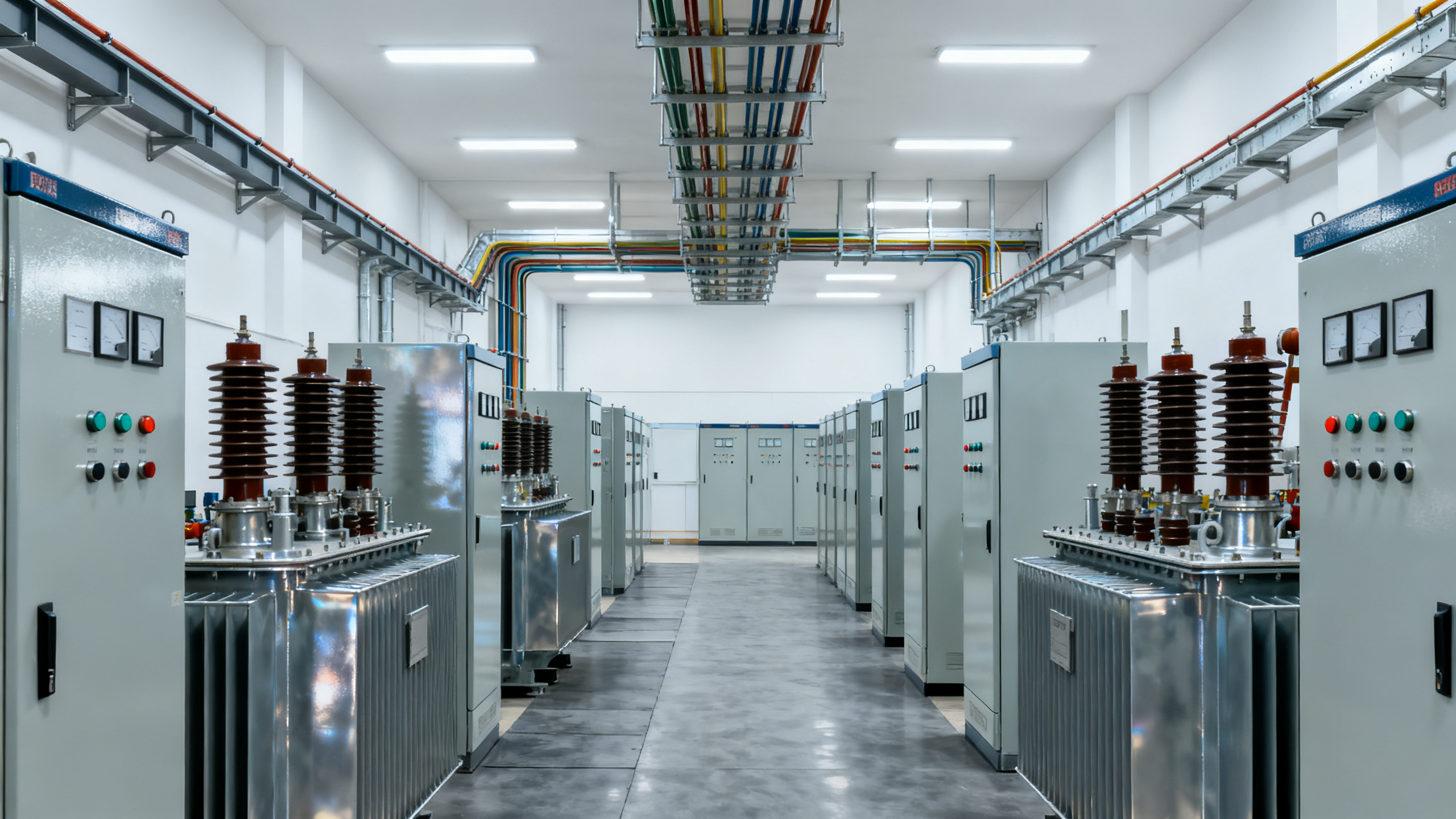
When uptime defines productivity, choosing the right Electrical & Power manufacturer becomes a frontline operational decision. From stable power distribution to compliance, durability, and fault prevention, the quality of your electrical systems directly affects safety and continuity. For operators and end users, understanding what sets a reliable manufacturer apart is essential to reducing downtime and protecting critical industrial performance.
In industrial facilities, even a 5-minute power interruption can stop conveyors, trip drives, corrupt process data, or trigger expensive restart procedures. That is why an Electrical & Power manufacturer is not simply a supplier of components. It is a risk-control partner whose engineering quality, test discipline, and service responsiveness shape daily operations.
For operators, the real question is practical: will the switchgear, transformers, busbars, circuit protection, control panels, and power distribution assemblies perform reliably under heat, dust, vibration, load fluctuation, and continuous duty cycles? The answer depends heavily on manufacturing standards, product consistency, and lifecycle support.
Why uptime starts with the right Electrical & Power manufacturer
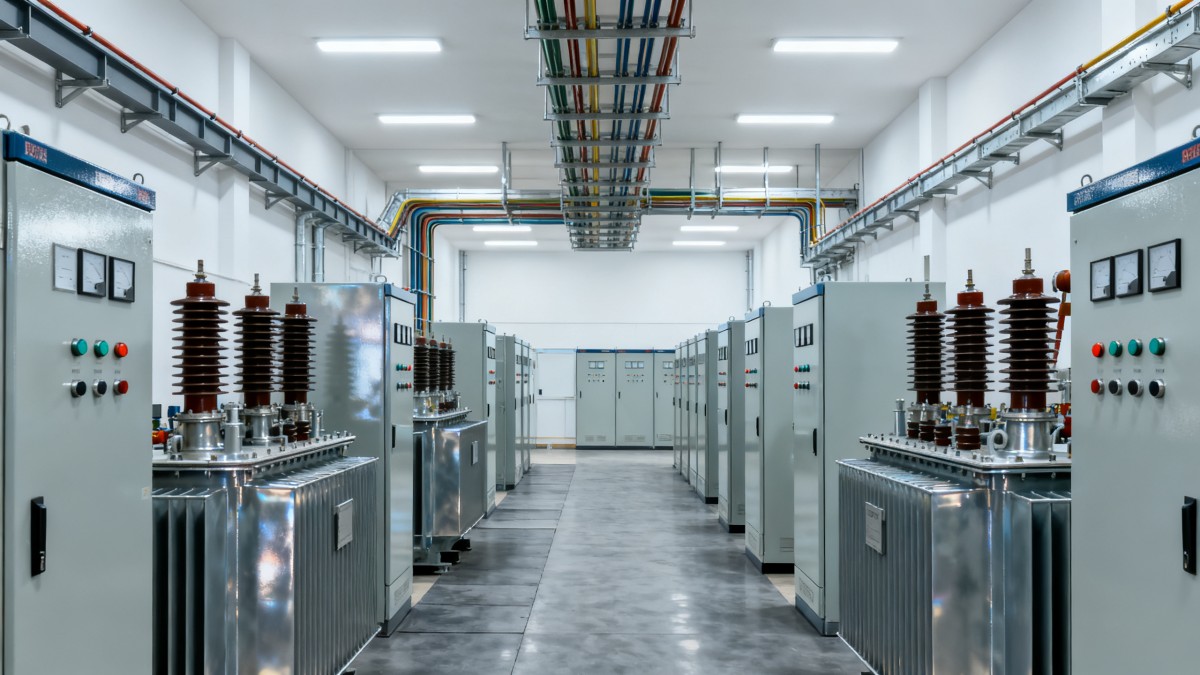
In most industrial settings, power systems operate as a chain. A weakness at one point can affect the whole line. A poorly built breaker panel, an underspecified cable assembly, or a low-grade enclosure seal may not fail on day 1, but under 8 to 24 hours of daily operation, hidden defects surface quickly.
A capable Electrical & Power manufacturer reduces that risk through tighter tolerances, repeatable assembly processes, and documented testing. For users, this means fewer nuisance trips, more stable voltage distribution, and lower exposure to emergency shutdowns during peak production periods.
Operational impact shows up in four areas
- Power continuity: fewer unplanned interruptions and better coordination between protective devices.
- Equipment protection: motors, VFDs, PLCs, and sensors face less stress from poor power quality or short-circuit events.
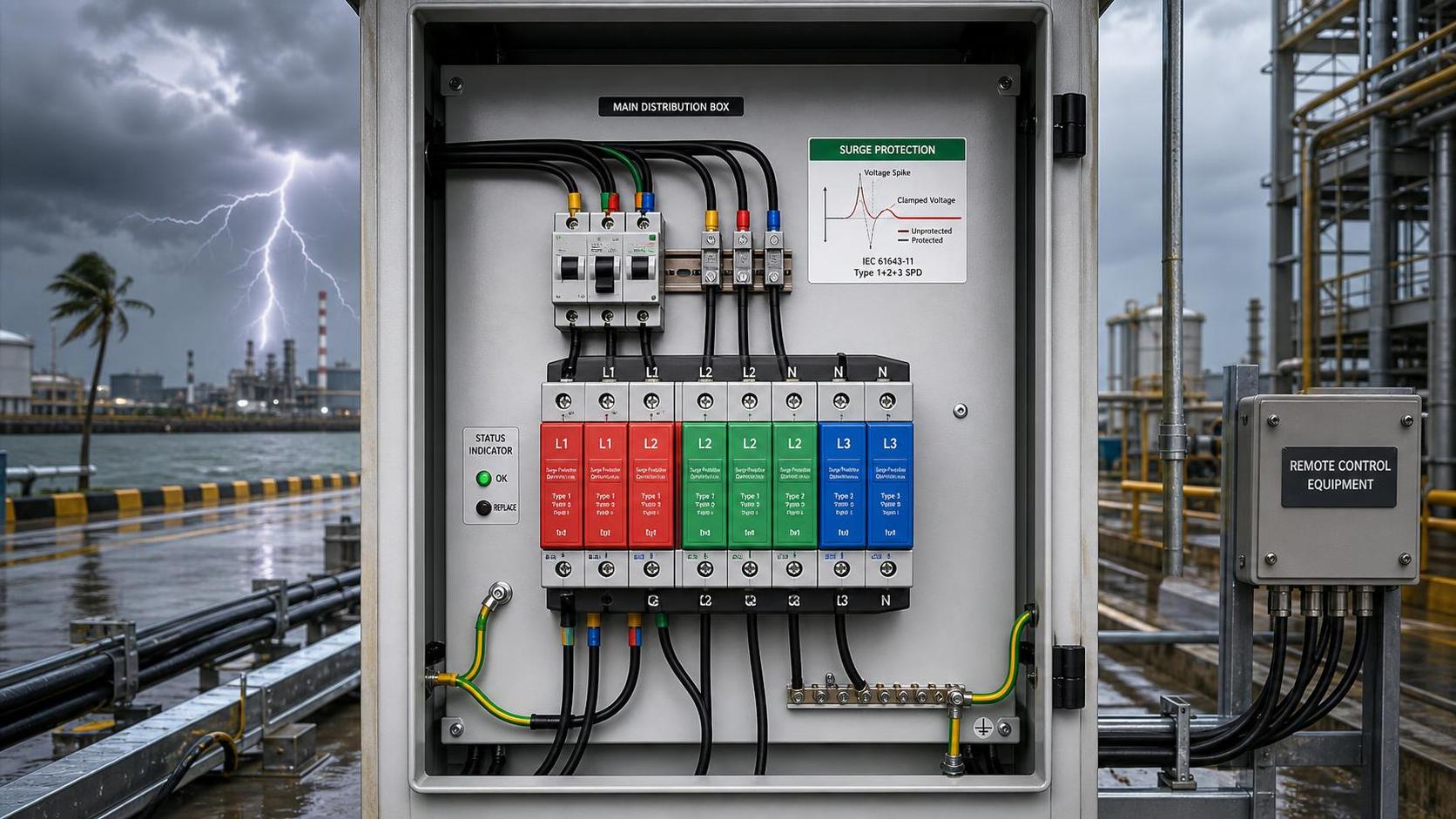
- Safety compliance: correct insulation, grounding, and enclosure design help reduce arc, shock, and fire exposure.
- Maintenance efficiency: technicians spend less time diagnosing repeat electrical faults and more time on planned work.
Common uptime risks caused by weak manufacturing quality
Many failures that appear “random” are linked to predictable build issues. Loose terminations, insufficient heat dissipation, inconsistent contact materials, and poor ingress protection can all shorten service life. In harsh environments, even a temperature rise of 10°C to 15°C above design expectations can accelerate insulation aging and increase trip frequency.
Operators should also watch for systems that are technically functional at installation but not robust enough for real production cycles. A unit that passes basic commissioning may still struggle with repeated starts, fluctuating loads, high humidity, or contamination from oil mist and fine dust.
What strong manufacturers usually control better
- Incoming material verification for conductors, insulation, and metal parts.
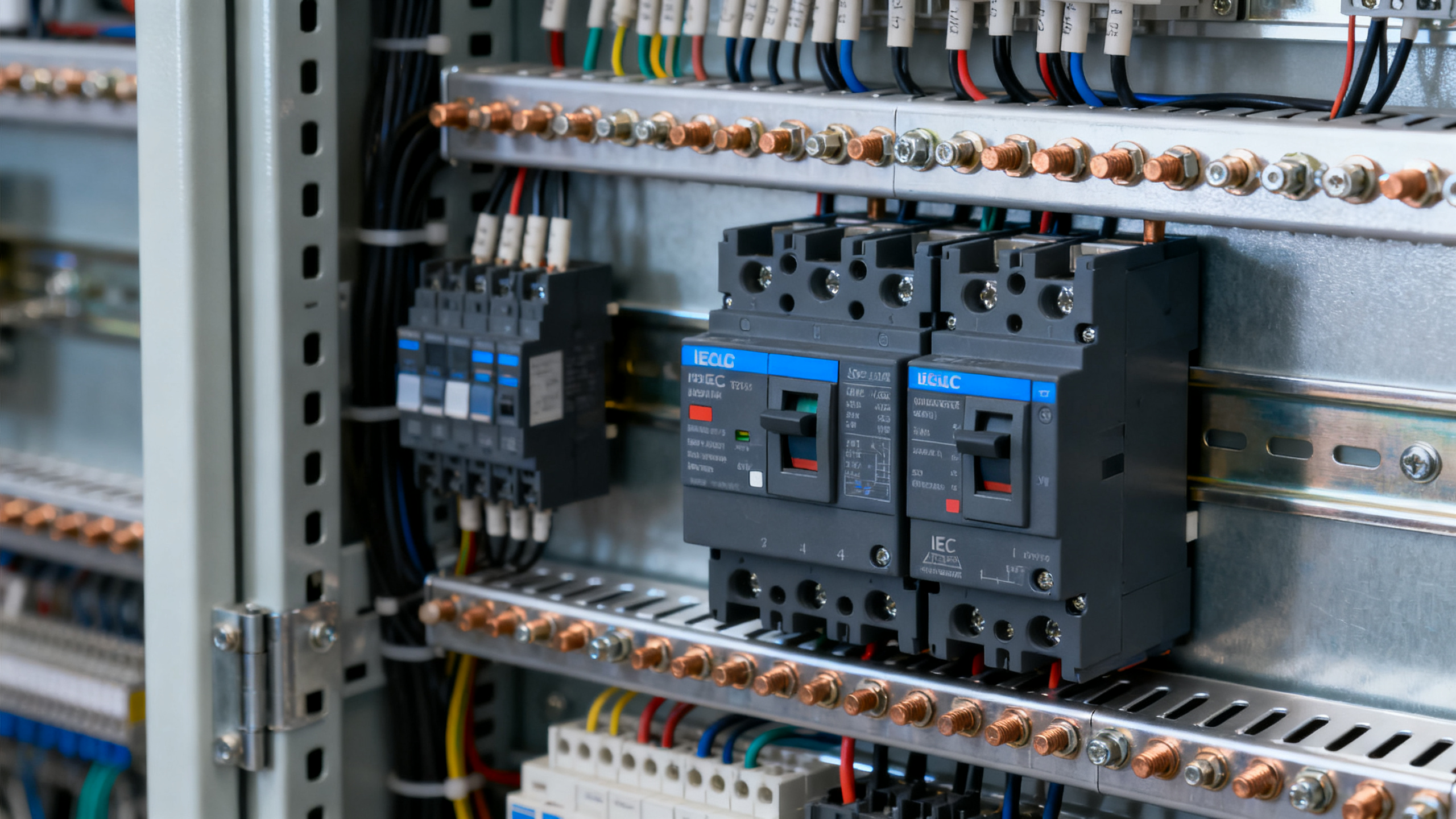
- Assembly consistency for torque values, clearance, and internal layout.
- Routine electrical tests before shipment, often including insulation and continuity checks.
- Thermal management design for cabinets, bus systems, and high-load assemblies.
- Documentation quality for installation, maintenance, and replacement planning.
The table below highlights how manufacturer quality directly influences uptime from an operator’s perspective.
The key takeaway is simple: uptime is rarely protected by one feature alone. It is protected by the manufacturer’s ability to control design, materials, assembly, and testing as one disciplined system.
How operators can evaluate an Electrical & Power manufacturer before problems happen
End users often inherit electrical systems after procurement decisions are made, but operators still play a critical role in evaluation. Their input can prevent mismatch between plant conditions and product capability. A reliable Electrical & Power manufacturer should be assessed not only on price and availability, but on field suitability, documentation, and after-sales support.
Check application fit, not just product rating
A 400A assembly on paper is not automatically suitable for every 400A duty profile. Ask how the manufacturer handles ambient temperatures of 40°C to 50°C, altitude effects, load cycling, enclosure ventilation, and contamination risks. If your site has washdown zones, outdoor exposure, or continuous motor starts, that context matters as much as nominal rating.
Operators should also confirm whether service intervals are realistic. A panel that requires cleaning or retorquing every 3 months may be acceptable in one facility and impractical in another. Operational fit is always site-specific.
Review compliance and test evidence
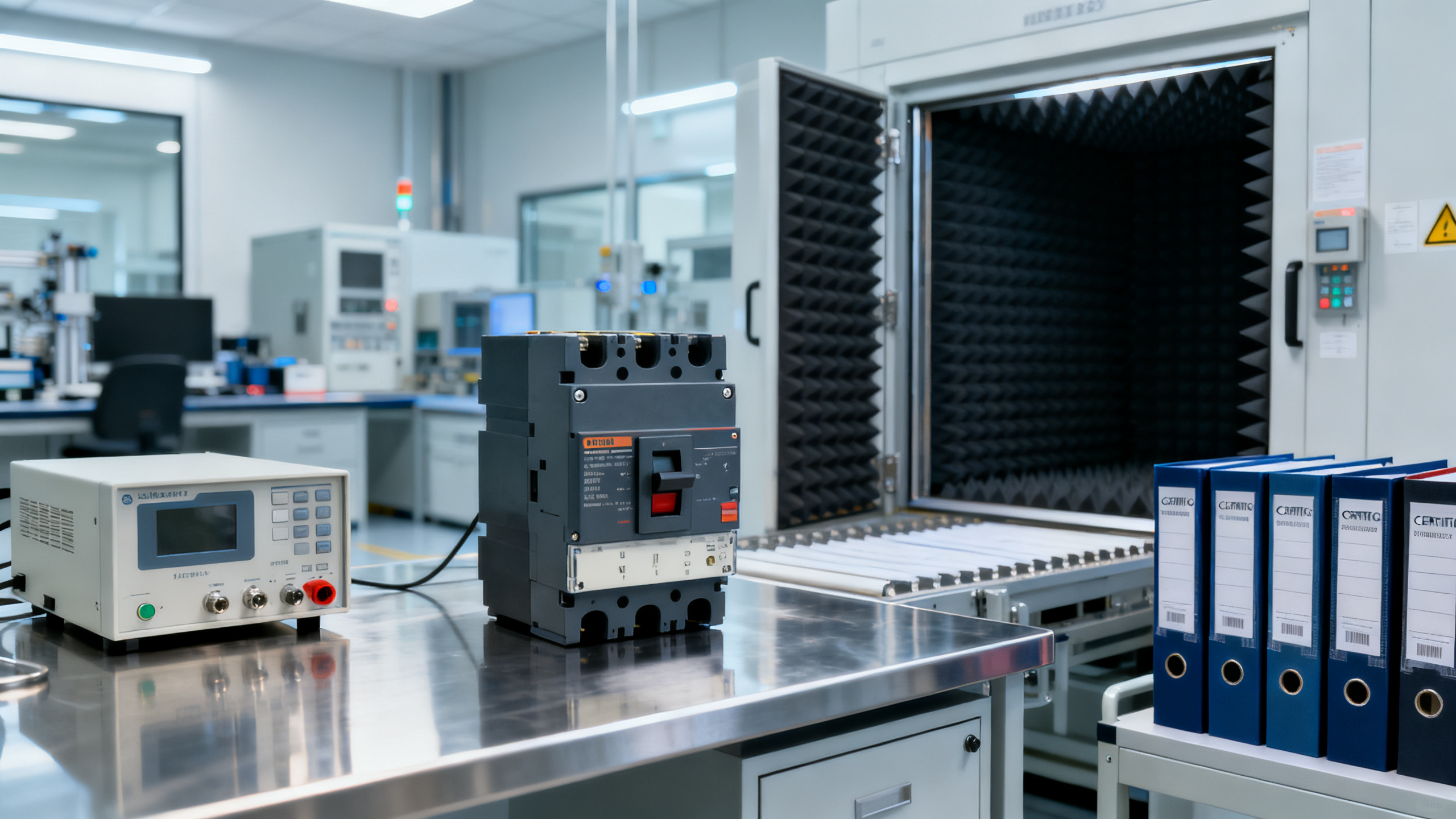
For industrial environments, compliance is not paperwork for its own sake. It is part of risk reduction. Look for alignment with relevant CE, UL, ISO, or application-specific requirements where applicable. More importantly, ask what routine tests are performed on each build and what type tests or design verifications support the product family.
Good manufacturers can usually explain insulation verification, dielectric testing, continuity checks, and temperature-rise considerations in clear operational language. If technical answers stay vague, future support may be equally weak.
Assess service capacity across the asset lifecycle
The best time to evaluate service is before a failure. Ask about spare parts lead times, technical response windows, recommended preventive maintenance intervals, and support for troubleshooting. In many facilities, a 24- to 48-hour response gap can already mean lost output, delayed shipments, or overtime labor.
Lifecycle support also includes clear drawings, terminal schedules, replacement part mapping, and upgrade compatibility. These details reduce mean time to repair and help maintenance teams work faster under pressure.
The following table provides a practical evaluation framework that operators and maintenance teams can use when comparing manufacturers.
This comparison shows that the strongest Electrical & Power manufacturer is often the one that makes operation easier after installation, not just the one that wins on initial quote value.
Implementation factors that protect uptime after installation
Choosing a strong manufacturer is only the first step. Uptime also depends on correct installation, structured commissioning, and disciplined maintenance. Even high-quality electrical equipment can underperform if cable routing is poor, ventilation is blocked, or protection settings are not coordinated with the actual load profile.
A practical 5-step operator checklist
- Verify nameplate data against actual supply voltage, frequency, and expected load range.
- Inspect termination torque, labeling, grounding continuity, and enclosure sealing before energizing.
- Review protective settings for selectivity, especially where multiple feeders serve one process line.
- Monitor heat, vibration, and trip history during the first 72 hours of operation.
- Schedule the first preventive inspection within 30 to 90 days depending on environment severity.
Where operators often see preventable failures
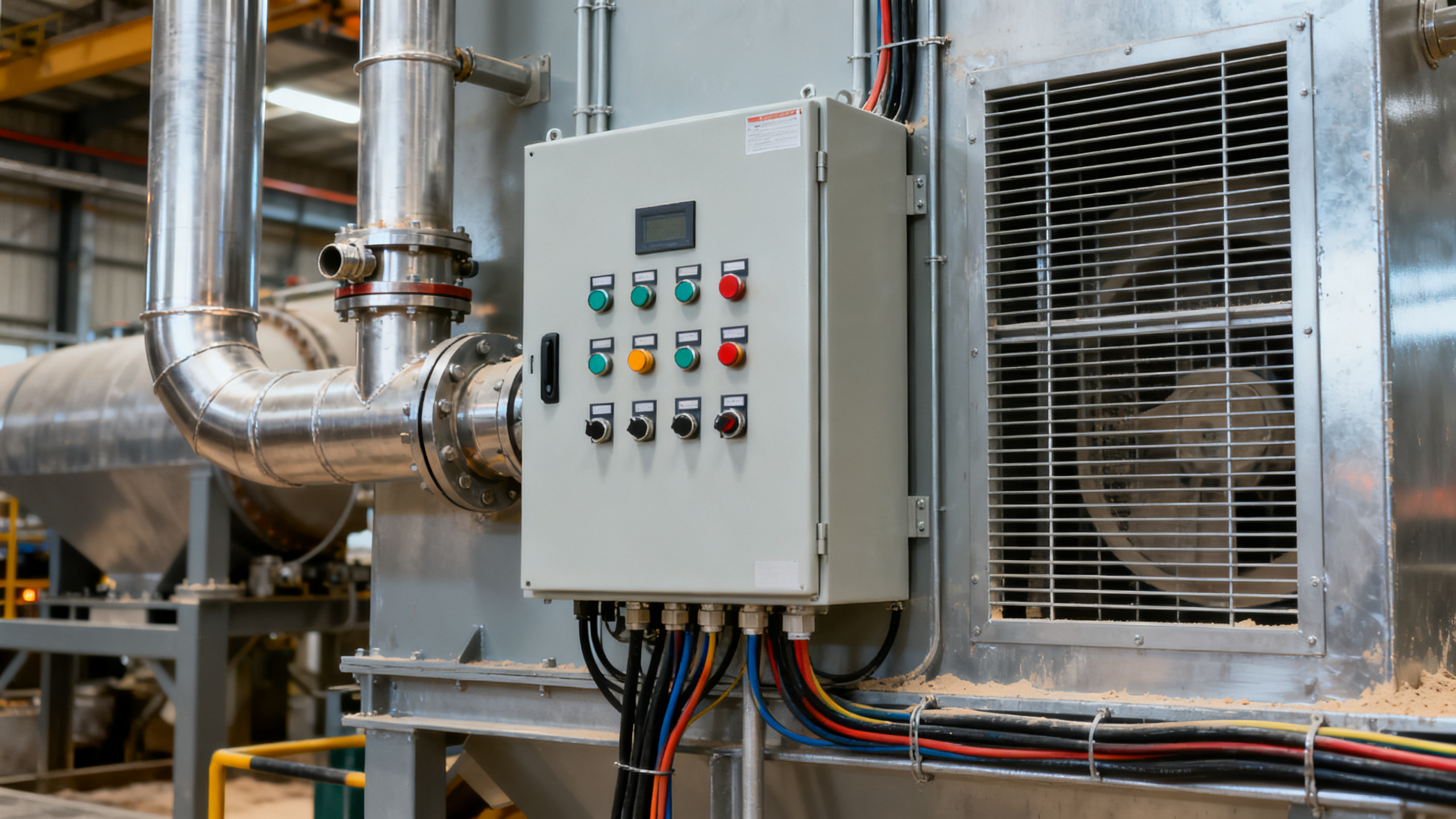
Three patterns appear frequently in industrial environments. First, enclosures are placed in hot or restricted-airflow areas without derating review. Second, panel interiors become contaminated because doors are opened too often or seals are compromised. Third, maintenance teams replace components without checking compatibility across the original design.
A dependable Electrical & Power manufacturer helps reduce these risks by providing service instructions, recommended inspection intervals, and replacement guidance that matches the original assembly intent.
Recommended maintenance focus points
- Thermal scan frequency: every 6 to 12 months for stable indoor systems, more often for heavy-load applications.
- Mechanical inspection: terminal tightness, enclosure hinges, door latches, and cable gland condition.
- Protection review: trip records, fault trends, and settings after process changes or capacity upgrades.
- Cleaning routine: dust removal and moisture control suited to the site’s contamination level.
For operators, good maintenance is not about doing more tasks. It is about doing the right checks at the right interval, using manufacturer guidance that reflects actual operating conditions.
What end users should expect from a strategic industrial partner
In complex facilities, the value of an Electrical & Power manufacturer grows when it can support broader operational decisions. That includes helping teams compare options for retrofit versus replacement, standardize spare parts across multiple lines, and plan phased upgrades with minimal disruption.
This is where a technical intelligence partner such as Global Industrial Core becomes useful. For EPC teams, facility managers, and procurement leaders, sourcing decisions need more than product catalogs. They require clarity on compliance, operating suitability, maintenance burden, and risk exposure across the full power chain.
Signals of a manufacturer worth keeping long term
- It asks about duty cycle, environment, and fault levels before recommending a configuration.
- It provides documentation that maintenance teams can use without repeated clarification.
- It supports predictable spare parts planning for 1 year, 3 years, and longer asset horizons.
- It treats commissioning feedback as design input, not as a post-sale inconvenience.
Questions operators should raise internally
Before approving a new supplier or replacement assembly, ask four direct questions: What is the failure consequence if this unit trips? How fast can it be restored? Which spares are critical? Does the manufacturer understand the site conditions that make our plant different from a standard installation?
Those questions move the discussion from purchase price to operational resilience. In high-dependency environments, that shift often prevents much larger downstream costs.
A reliable Electrical & Power manufacturer matters because uptime is built through details: proper ratings, sound assembly, verified testing, environmental fit, and responsive support. For operators and end users, these factors shape safety, maintenance effort, and production continuity every day. If you are evaluating power distribution components, control assemblies, or industrial electrical infrastructure, connect with Global Industrial Core to get tailored sourcing insight, compare fit-for-purpose options, and learn more solutions designed to protect uptime.
Technical Specifications
- How to Select Electronic Hotel Key Card Locks for Guest Rooms and Staff AreasAuthor :Safety Compliance Lead
- How to Select Lab Instruments for Reliable Chemical Analysis WorkflowsAuthor :Precision Metrology Expert
- How to Size a UPS for Server Rooms: Load, Runtime, and Redundancy FactorsAuthor :Grid Infrastructure Analyst
Expert Insights

Chief Security Architect
Dr. Thorne specializes in the intersection of structural engineering and digital resilience. He has advised three G7 governments on industrial infrastructure security.
Related Analysis
- Sep 17, 2026How to Select Electronic Hotel Key Card Locks for Guest Rooms and Staff AreasAuthor :Safety Compliance Lead
- Sep 16, 2026How to Select Lab Instruments for Reliable Chemical Analysis WorkflowsAuthor :Precision Metrology Expert
- Sep 15, 2026How to Size a UPS for Server Rooms: Load, Runtime, and Redundancy FactorsAuthor :Grid Infrastructure Analyst
Core Sector // 01
Security & Safety
- Can SPDs Handle Repeated Voltage Spikes in Tropical Grids?Author :Grid Infrastructure Analyst

- How to Evaluate IEC-Compliant Power Protection Devices for Industrial PanelsAuthor :Grid Infrastructure Analyst

- How to Choose Smart Industrial Control Equipment for Harsh Plant EnvironmentsAuthor :Grid Infrastructure Analyst

- EU EMC Update Triggers Re-Certification for BreakersAuthor :Grid Infrastructure Analyst

- How to Select the Right SPD for Solar Inverter Protection in PV Systems?Author :Grid Infrastructure Analyst

- Industrial Valve Systems Factory Checklist: What Buyers Should Verify Before OrderingAuthor :Grid Infrastructure Analyst

- Breaker and Relay Lead Times Hit 24 WeeksAuthor :Grid Infrastructure Analyst

- IEC 61850-10-3 Sets Cybersecurity Bar for Grid DevicesAuthor :Grid Infrastructure Analyst