When Should an Air Circuit Breaker ACB Be Replaced?
Author
Date Published
Reading Time
For after-sales maintenance teams, knowing when to replace an air circuit breaker acb is critical to preventing unplanned shutdowns, arc-fault risks, and costly power distribution failures.
While routine servicing can extend equipment life, signs such as repeated tripping, contact wear, insulation degradation, outdated protection functions, or non-compliance with current safety standards may indicate that replacement is the safer and more economical choice.
This guide explains the key technical, operational, and compliance factors that help determine the right replacement timing.
Why Replacement Timing Matters for an air circuit breaker acb
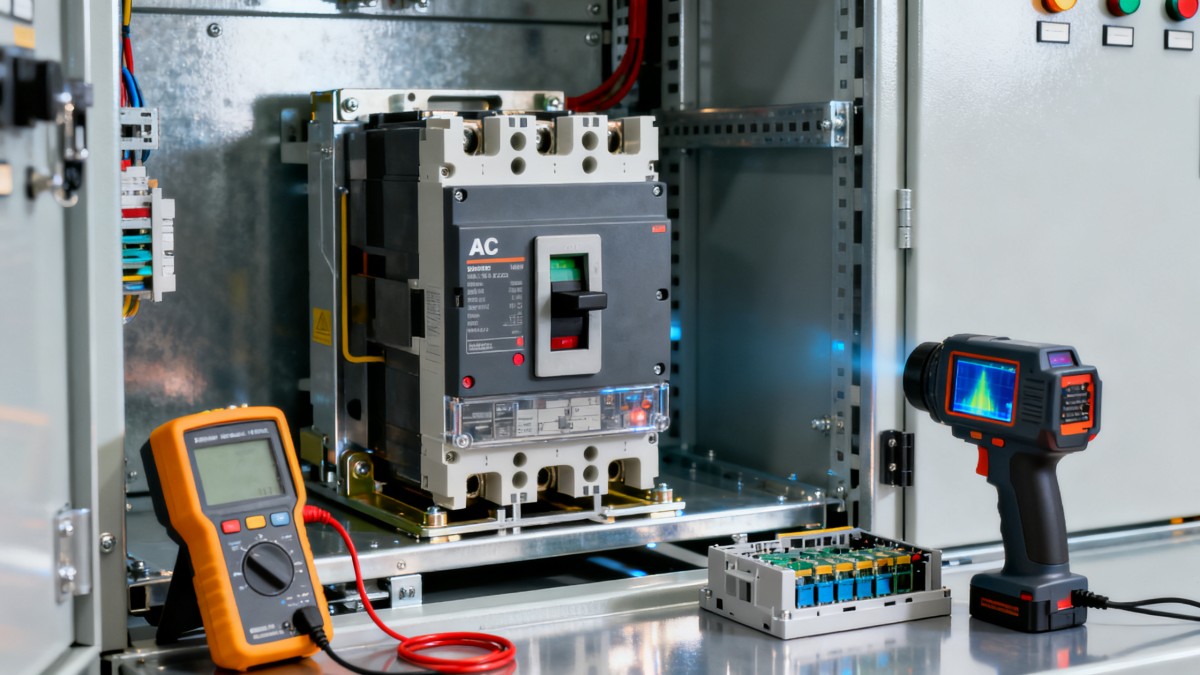
An air circuit breaker acb protects low-voltage main distribution boards, generator feeders, transformer incomers, and critical industrial loads from overloads, short circuits, and earth faults.
For after-sales maintenance personnel, the replacement decision is rarely simple. A breaker may still operate, yet fail to meet reliability expectations under fault stress.
- Production sites often require planned shutdown windows, so late replacement can turn a scheduled task into an emergency outage.
- Industrial panels may contain mixed legacy devices, making spare parts, trip units, and mechanical accessories harder to source.
- Compliance teams increasingly request documentation aligned with IEC, UL, CE, or local electrical safety expectations.
Global Industrial Core supports maintenance and procurement teams by connecting field symptoms with technical parameters, lifecycle data, and sourcing considerations across industrial infrastructure.
Technical Warning Signs That Replacement Is Becoming Necessary
A well-maintained air circuit breaker acb should operate predictably during switching, testing, and protection events. Any deviation deserves structured investigation, not casual observation.
The following table helps maintenance teams classify common symptoms and decide whether repair, overhaul, or replacement is more appropriate.
A single symptom may not justify replacement, but combined electrical, mechanical, and insulation deterioration strongly indicates elevated operational risk.
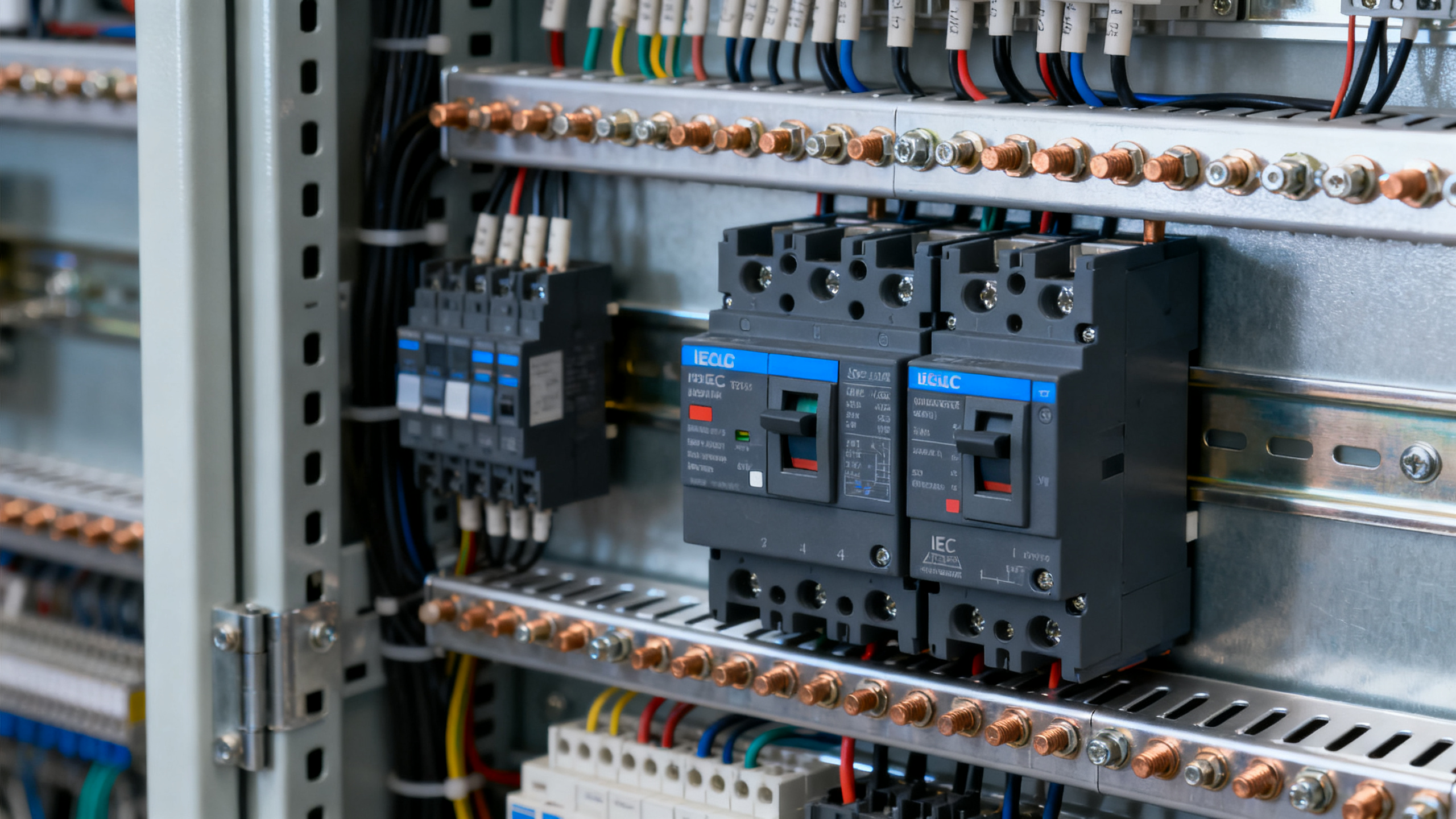
Contact Wear and Thermal Stress
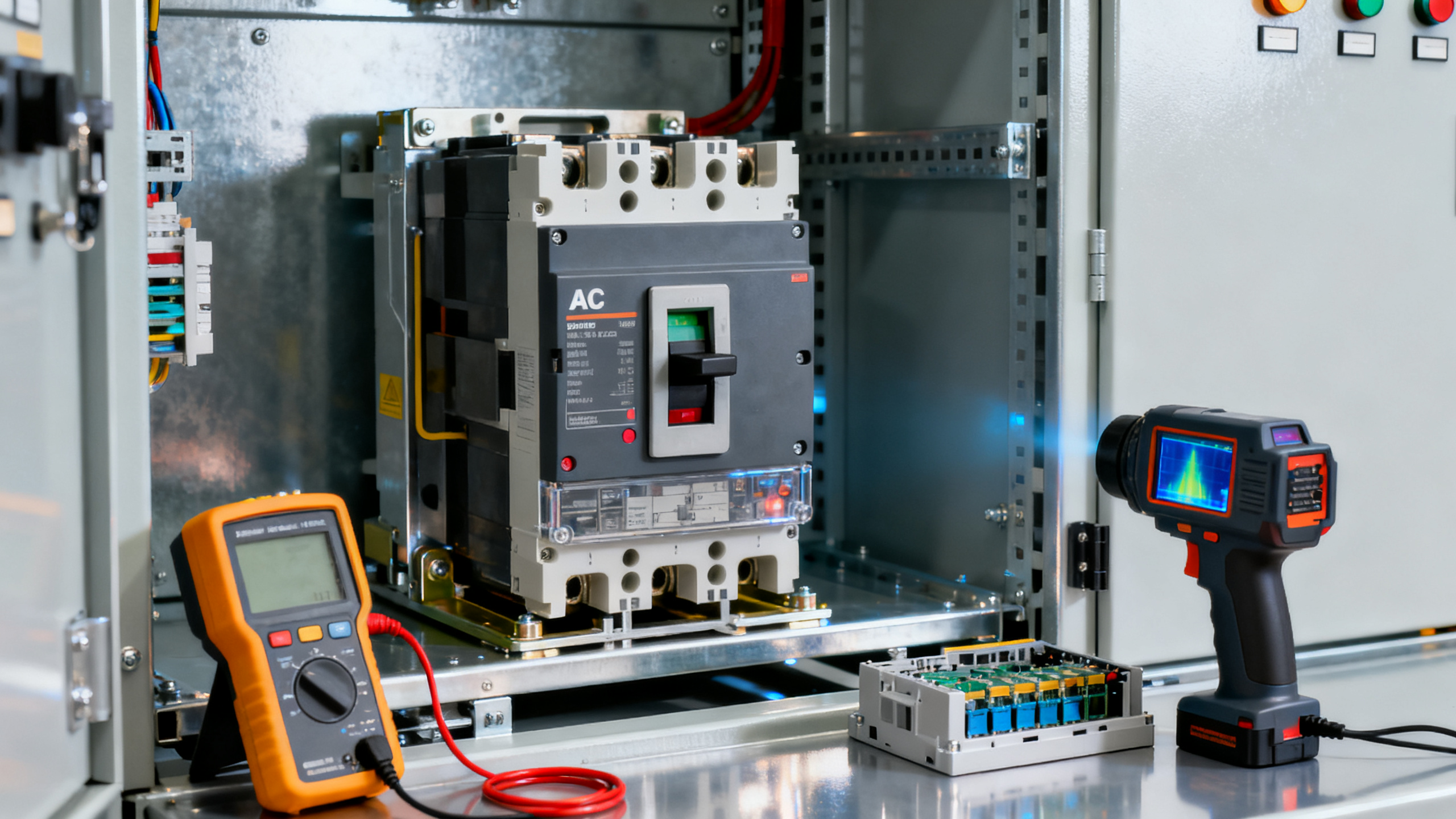
Contact condition is one of the clearest indicators for an air circuit breaker acb. Excessive wear increases contact resistance and localized temperature rise.
If thermographic scans repeatedly show abnormal heating after cleaning and torque checks, the breaker should be evaluated for replacement rather than repeated patch repairs.
Insulation Degradation and Environmental Exposure
Dust, humidity, chemical vapor, and metallic particles can reduce insulation integrity. In cement, marine, mining, or chemical plants, this risk grows faster.
When insulation resistance tests show poor recovery after cleaning, an air circuit breaker acb may no longer provide an acceptable safety margin.
Operational Scenarios Where Repair May No Longer Be Enough
Maintenance teams must judge not only the device condition, but also the consequence of failure. A low-risk auxiliary feeder differs from a plant incomer.
- Main incomer breakers feeding continuous process lines should be replaced earlier when trip reliability becomes uncertain.
- Generator synchronization panels require close attention to closing mechanisms, interlocks, and protection communication interfaces.
- Data centers, hospitals, rail systems, and utilities should avoid extended operation of unsupported legacy breakers.
- Harsh environments with humidity, salt mist, dust, or vibration justify shorter inspection and replacement intervals.
In comprehensive industrial facilities, the same air circuit breaker acb model may serve different risk levels. Replacement priority should follow load criticality.
When Downtime Cost Exceeds Replacement Cost
If one unplanned outage costs more than the breaker, retrofit kit, testing, and labor combined, continued operation becomes a financial risk.
This calculation is especially relevant for after-sales teams responsible for warranty commitments, service-level response, and emergency spare logistics.
Key Parameters to Confirm Before Replacing an air circuit breaker acb
Replacing an air circuit breaker acb is not only a like-for-like purchasing task. Ratings, protection functions, dimensions, and panel interfaces must align.
The table below summarizes the main technical parameters that maintenance teams should verify before issuing a replacement request or procurement specification.
A replacement air circuit breaker acb should be selected from measured system conditions, not only from an old nameplate that may reflect outdated loads.
Repair, Retrofit, or Full Replacement: How to Decide
Many facilities hesitate between repairing an existing breaker, retrofitting components, or replacing the full unit. Each route has a valid place.
Use this comparison when balancing budget limits, delivery urgency, operational risk, and long-term maintainability for an air circuit breaker acb.
The lowest immediate cost is not always the lowest lifecycle cost. Maintenance history and downtime exposure should drive the final decision.
A Practical Decision Rule
If two or more critical indicators appear together, replacement should move from optional recommendation to planned maintenance action.
- Contact wear exceeds serviceable limits and the breaker has experienced high fault interruptions.
- Insulation testing shows unstable results, especially after cleaning, drying, and retesting.
- Trip unit settings cannot support current selectivity or arc-energy reduction requirements.
- Manufacturer support, spare parts, or technical documentation are no longer reliably available.
Compliance Factors Maintenance Teams Should Not Ignore
Industrial electrical systems must satisfy safety expectations beyond simple energization. A functioning air circuit breaker acb may still create compliance gaps.
Relevant frameworks may include IEC 60947-2 for low-voltage switchgear, UL 1066 in applicable markets, and local electrical installation codes.
Global Industrial Core helps teams frame these requirements clearly before contacting manufacturers, panel builders, or sourcing partners for replacement support.
Field Inspection Workflow Before Making the Replacement Call
A disciplined inspection workflow reduces guesswork. It also gives procurement teams evidence when requesting budget approval for an air circuit breaker acb.
- Collect the nameplate, drawings, trip settings, service age, switching frequency, and previous fault records.
- Inspect contacts, arc chutes, terminals, shutters, interlocks, racking mechanism, and secondary wiring.
- Perform insulation resistance, contact resistance, mechanical operation, and trip function tests where procedures allow.
- Compare test results against manufacturer guidance, site baseline data, and criticality of the connected load.
- Prepare a recommendation that separates immediate safety concerns from planned lifecycle replacement needs.
This workflow allows after-sales teams to communicate in engineering language, rather than relying on subjective statements such as “old” or “unstable.”
Evidence That Strengthens Budget Approval
Photos of contact wear, thermographic reports, failed operation counts, insulation trends, and unavailable spare confirmations are persuasive evidence for replacement approval.
Where shutdown time is limited, include a delivery schedule, commissioning plan, and temporary risk-control measures in the replacement proposal.
Cost, Downtime, and Spare Parts: What Really Drives the Decision
The purchase price of an air circuit breaker acb is only one line in the real cost structure. Downtime often dominates.
Maintenance leaders should evaluate cost through lifecycle exposure, not only replacement quotation value.
- Emergency freight and premium labor can exceed savings from postponing replacement.
- Obsolete spare parts may create unpredictable lead times during urgent breakdowns.
- Panel modification, cable termination changes, and testing should be included in budget planning.
- Digital protection, communication, and event recording may reduce future troubleshooting time.
For multi-site operators, standardizing replacement models can simplify stock management, technician training, and commissioning documentation.
FAQ: Practical Questions About air circuit breaker acb Replacement
How often should an air circuit breaker acb be replaced?
There is no universal replacement age. Service environment, switching frequency, fault history, maintenance quality, and manufacturer guidance all influence actual lifecycle.
Critical feeders should be reviewed more frequently, especially when testing reveals contact wear, unstable insulation, or unsupported protection electronics.
Can repeated tripping always be solved by changing settings?
No. Settings should be checked first, but repeated tripping may indicate sensor issues, degraded trip units, downstream faults, or poor coordination.
Changing settings without a coordination review can reduce protection sensitivity and increase fault energy exposure.
Is retrofit safer than full replacement?
Retrofit can be suitable when the mechanical frame, insulation, contacts, and racking system remain healthy. It is not automatically safer.
If the breaker has multiple aging indicators, a new air circuit breaker acb usually provides clearer long-term reliability and documentation.
What information should be prepared before requesting a quotation?
Prepare rated current, breaking capacity, pole number, mounting type, control voltage, trip functions, panel drawings, certification requirements, and delivery deadline.
Clear information reduces wrong selection, repeated communication, and shipment delays during urgent maintenance windows.
Why Choose Global Industrial Core for Replacement Decision Support
Global Industrial Core focuses on foundational industrial systems where safety, reliability, and compliance are central to procurement and maintenance decisions.
For an air circuit breaker acb replacement project, GIC can help clarify technical parameters, compare solution routes, and organize supplier communication requirements.
- Parameter confirmation covering rated current, breaking capacity, trip functions, control voltage, and panel compatibility.
- Selection guidance for repair, retrofit, or full replacement based on load criticality and maintenance records.
- Compliance discussion involving IEC, UL, CE, ISO-related documentation expectations, and local project requirements.
- Procurement support for delivery cycle planning, quotation comparison, spare strategy, and custom project constraints.
Contact Global Industrial Core when you need a structured replacement assessment, technical clarification, certification review, or sourcing discussion for an air circuit breaker acb.
A timely decision protects operators, reduces outage exposure, and gives after-sales maintenance teams defensible engineering evidence before the next failure occurs.
Technical Specifications
- How to Select Electronic Hotel Key Card Locks for Guest Rooms and Staff AreasAuthor :Safety Compliance Lead
- How to Select Lab Instruments for Reliable Chemical Analysis WorkflowsAuthor :Precision Metrology Expert
- How to Size a UPS for Server Rooms: Load, Runtime, and Redundancy FactorsAuthor :Grid Infrastructure Analyst
Expert Insights

Chief Security Architect
Dr. Thorne specializes in the intersection of structural engineering and digital resilience. He has advised three G7 governments on industrial infrastructure security.
Related Analysis
- Sep 17, 2026How to Select Electronic Hotel Key Card Locks for Guest Rooms and Staff AreasAuthor :Safety Compliance Lead
- Sep 16, 2026How to Select Lab Instruments for Reliable Chemical Analysis WorkflowsAuthor :Precision Metrology Expert
- Sep 15, 2026How to Size a UPS for Server Rooms: Load, Runtime, and Redundancy FactorsAuthor :Grid Infrastructure Analyst
Core Sector // 01
Security & Safety
- Can SPDs Handle Repeated Voltage Spikes in Tropical Grids?Author :Grid Infrastructure Analyst

- How to Evaluate IEC-Compliant Power Protection Devices for Industrial PanelsAuthor :Grid Infrastructure Analyst

- How to Choose Smart Industrial Control Equipment for Harsh Plant EnvironmentsAuthor :Grid Infrastructure Analyst

- EU EMC Update Triggers Re-Certification for BreakersAuthor :Grid Infrastructure Analyst

- How to Select the Right SPD for Solar Inverter Protection in PV Systems?Author :Grid Infrastructure Analyst

- Industrial Valve Systems Factory Checklist: What Buyers Should Verify Before OrderingAuthor :Grid Infrastructure Analyst

- Breaker and Relay Lead Times Hit 24 WeeksAuthor :Grid Infrastructure Analyst

- IEC 61850-10-3 Sets Cybersecurity Bar for Grid DevicesAuthor :Grid Infrastructure Analyst