Chile INN Certification Upgrade: Industrial Circuit Breakers Require Short-Circuit & EMC Testing
Author
Date Published
Reading Time
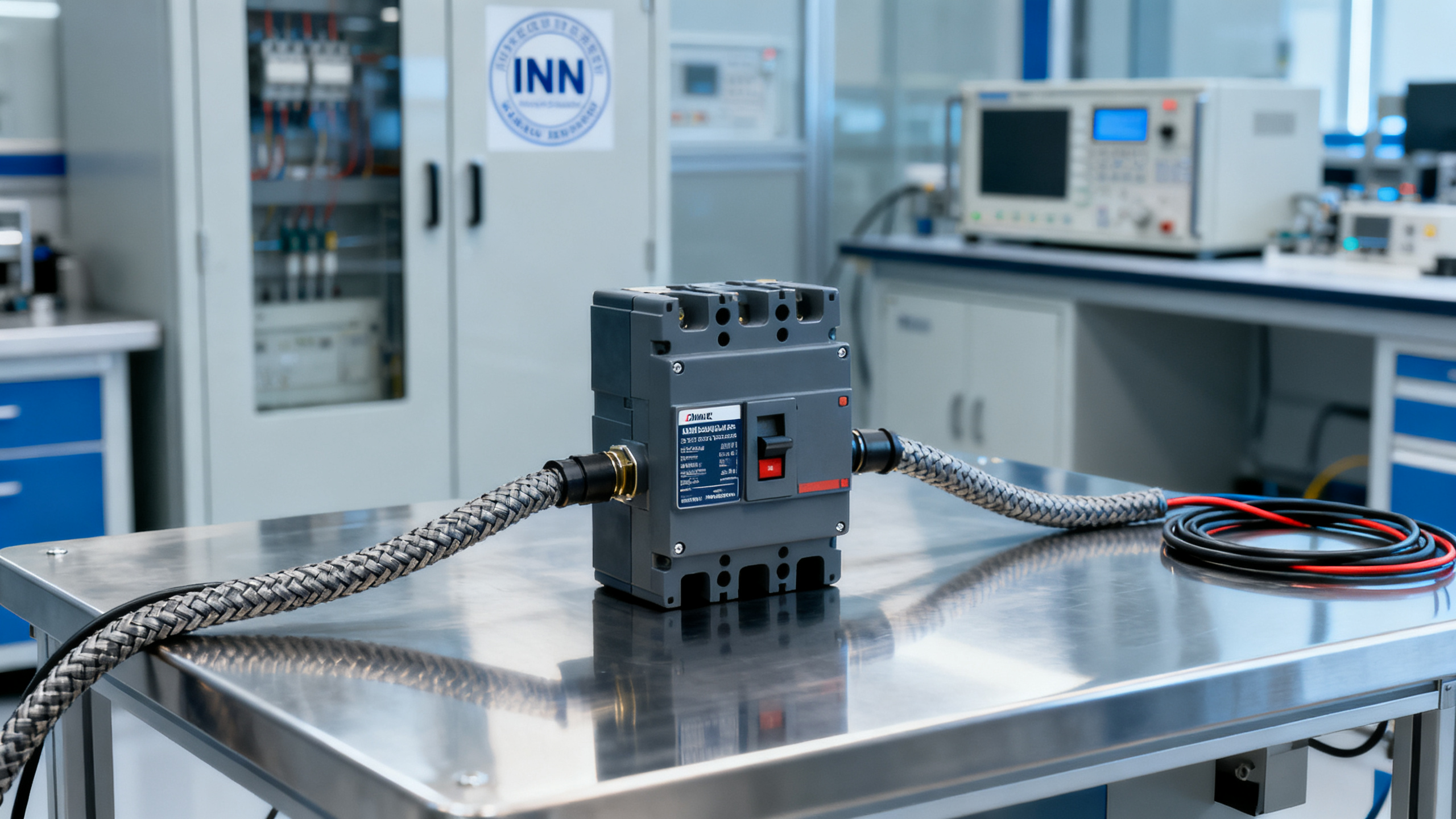
Effective 1 August 2026, Chile’s National Institute of Standardization (INN) will enforce new mandatory testing requirements for imported industrial circuit breakers — including molded-case and low-voltage power circuit breakers — significantly altering market access conditions for global suppliers, particularly those from China. The change reflects a strategic tightening of technical compliance frameworks in critical electrical infrastructure components.
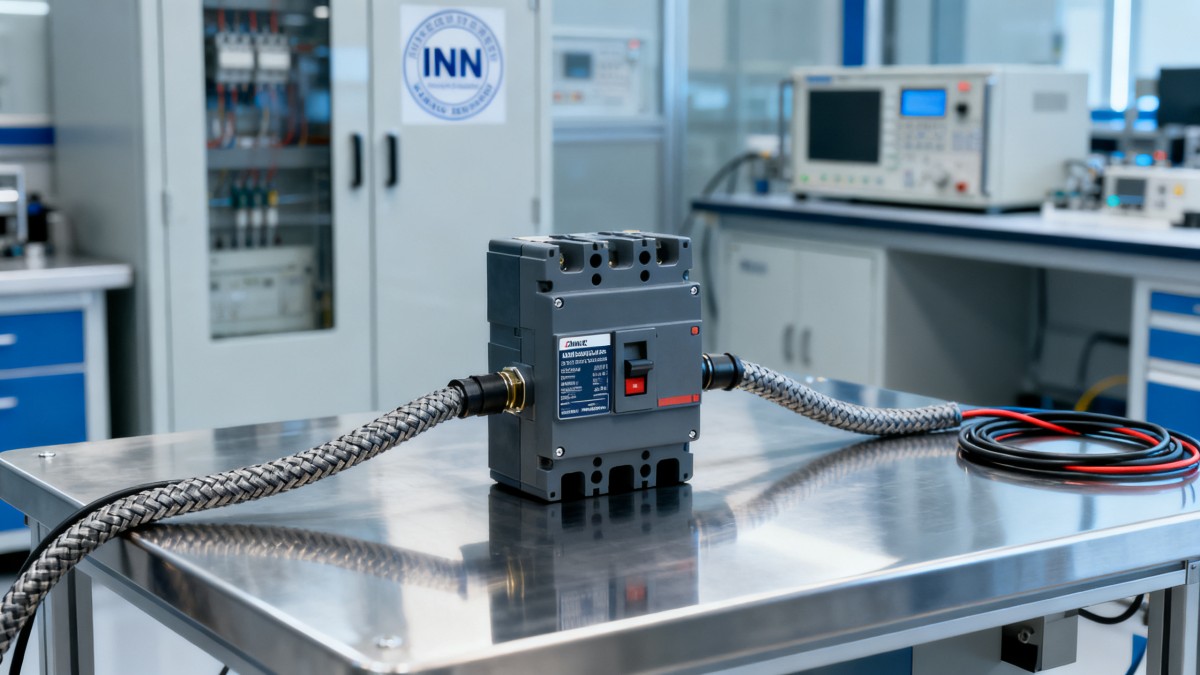
Event Overview
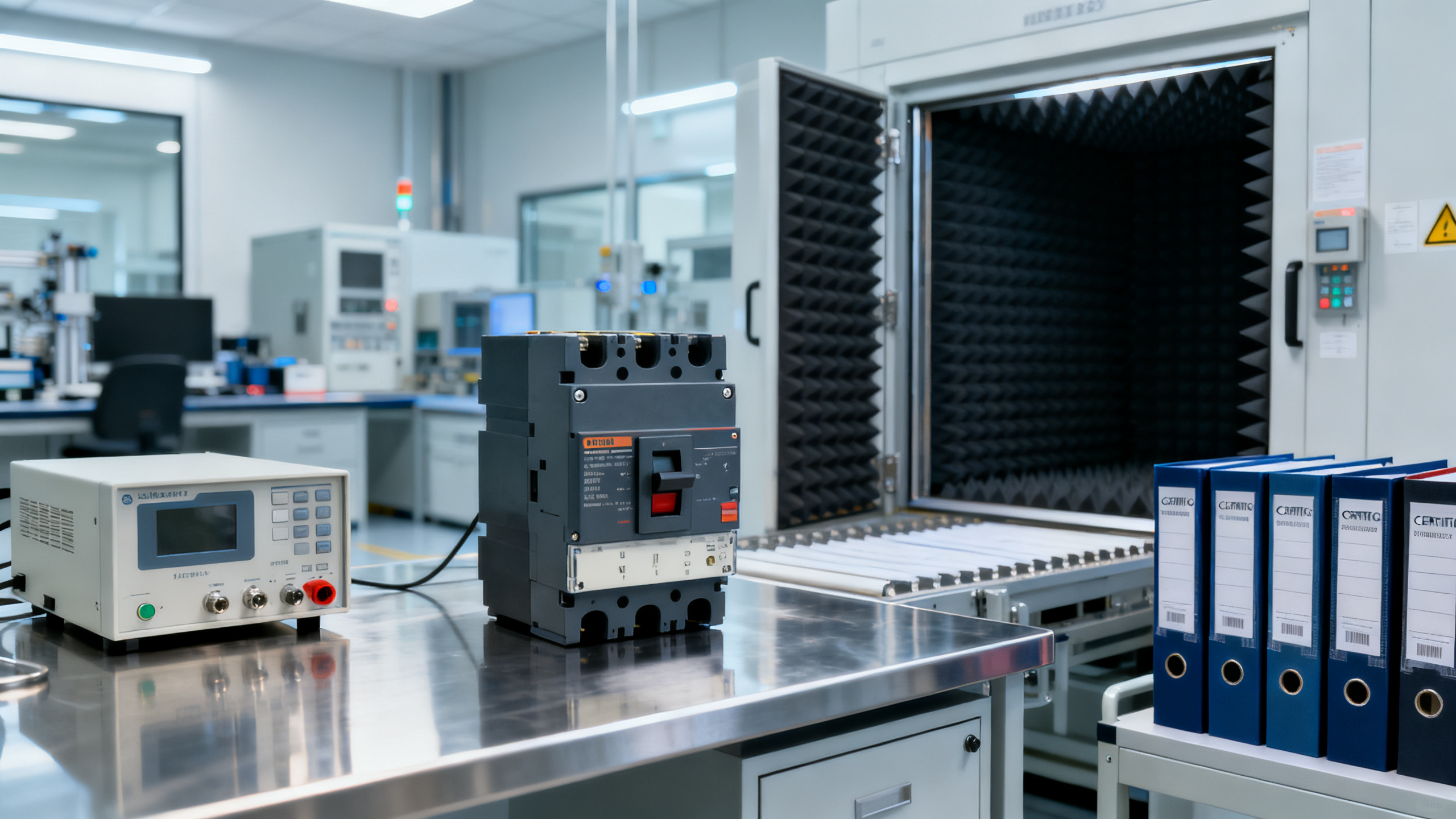
On 22 May 2026, the Instituto Nacional de Normalización (INN) issued Technical Bulletin No. 112/2026. It stipulates that, starting 1 August 2026, all industrial circuit breakers imported into Chile must demonstrate conformity to two newly required test categories: short-circuit withstand capability (Icw/Icu, per IEC 60947-2) and electromagnetic compatibility (EMC) immunity (per IEC 61000-4 series). Existing UL or CCC certifications are explicitly not accepted as equivalent; applicants must complete additional type-testing conducted by INN-accredited laboratories in Chile or via authorized overseas partners under INN supervision.
Industries Affected
Direct Trading Enterprises: Exporters and distributors placing industrial circuit breakers into the Chilean market face immediate regulatory gatekeeping. Compliance is no longer declarative: physical test reports validated by INN-recognized labs are now prerequisites for customs clearance and local registration. Delays in obtaining updated certification may lead to shipment holds, contract penalties, or loss of tender eligibility — especially in public infrastructure projects where INN marking is mandatory.
Raw Material Procurement Enterprises: Firms sourcing core components — such as trip units, arc chutes, or electromagnetic coils — for final assembly must now verify upstream supplier documentation against the new Icw/Icu and EMC immunity thresholds. Previously acceptable material certifications (e.g., based solely on thermal-magnetic performance or basic dielectric strength) no longer suffice. Procurement teams must revise vendor qualification checklists and request updated test summaries aligned with IEC 61000-4-2 (ESD), -4-3 (radiated RF), -4-4 (EFT/Burst), and -4-5 (surge).
Manufacturing Enterprises: Chinese OEMs and ODMs producing industrial breakers face dual-layer adaptation: first, redesign or revalidation of product architecture (e.g., shielding layouts, grounding topology, coil damping) to meet EMC immunity limits; second, investment in short-circuit endurance validation — which requires high-power test facilities not commonly available domestically. Unlike UL or CCC schemes, INN’s Icw evaluation emphasizes real-time thermal stability under repeated fault currents, demanding revised thermal modeling and prototype iteration cycles.
Supply Chain Service Providers: Third-party testing labs, certification consultants, and logistics compliance managers must update service portfolios to include INN-specific test coordination, lab accreditation bridging (e.g., CNAS–INN mutual recognition status remains pending), and bilingual technical dossier preparation. Notably, INN does not accept remote witnessing for short-circuit tests — requiring either on-site engineer deployment or engagement of locally approved test witnesses.
Key Focus Areas and Recommended Actions
Verify current product coverage under INN’s scope definition
Confirm whether existing models fall under the bulletin’s defined categories: ‘industrial circuit breakers’ explicitly exclude miniature circuit breakers (MCBs) and residual-current devices (RCDs), but include all molded-case (MCCB) and air-circuit breakers (ACB) rated above 100 A and intended for distribution boards, motor control centers, or switchgear assemblies.
Initiate pre-compliance EMC immunity screening before formal submission
Given typical turnaround times of 8–12 weeks for full IEC 61000-4-series testing, manufacturers should conduct preliminary radiated/radiated susceptibility and EFT/burst scans at accredited labs — ideally using Chilean ambient reference levels (e.g., 3 V/m for radiated immunity per INN’s national annex). Early detection of coupling paths avoids costly late-stage redesign.
Engage INN-accredited labs for Icw validation with documented fault-current profiles
INN requires test reports to specify exact test sequences (e.g., three successive 50% Icu interruptions at 1-minute intervals), ambient temperature (25 ± 5°C), and verification of post-test mechanical operation. Suppliers must ensure their chosen lab provides traceable calibration records for current injection systems and high-speed oscilloscope validation — not just pass/fail statements.
Editorial Perspective / Industry Observation
Analysis shows this is not merely a technical alignment move, but part of a broader regional trend: Argentina’s IRAM and Peru’s INDECOPI have recently signaled parallel reviews of low-voltage equipment EMC requirements. Observably, INN’s decision prioritizes system-level resilience over component-level safety — a shift toward grid-hardening objectives tied to Chile’s expanding renewable energy integration. From an industry perspective, the requirement for local-type testing (rather than mutual recognition) suggests limited near-term harmonization with IEC Conformity Assessment Systems (IECEE CB Scheme). This makes the upgrade less about standard convergence and more about sovereign technical sovereignty in critical infrastructure procurement.
Conclusion
This certification upgrade marks a material escalation in technical market access barriers for electrical equipment in Chile. It signals a transition from baseline safety compliance to performance-based system reliability — one that rewards engineering depth over certification speed. For exporters, success hinges less on document translation and more on verifiable, physics-grounded validation. The timeline leaves narrow margin: firms delaying test planning until Q3 2026 risk missing the 1 August deadline without recourse.
Source Attribution
Primary source: Instituto Nacional de Normalización (INN), Technical Bulletin No. 112/2026, published 22 May 2026. Available at: https://www.inn.cl (Spanish language only; official English summary not yet published).
Secondary reference: IEC 60947-2:2023 Edition 4.0 (Low-voltage switchgear and controlgear – Part 2: Circuit-breakers); IEC 61000-4-2:2008 + A1:2017 (Electrostatic discharge immunity).
Note: Status of potential INN–IECEE CB Scheme acceptance, fee structure for overseas testing delegation, and transitional provisions for orders placed before 1 August 2026 remain pending clarification and are under active monitoring.
Technical Specifications
- How to Select Electronic Hotel Key Card Locks for Guest Rooms and Staff AreasAuthor :Safety Compliance Lead
- How to Select Lab Instruments for Reliable Chemical Analysis WorkflowsAuthor :Precision Metrology Expert
- How to Size a UPS for Server Rooms: Load, Runtime, and Redundancy FactorsAuthor :Grid Infrastructure Analyst
Expert Insights

Chief Security Architect
Dr. Thorne specializes in the intersection of structural engineering and digital resilience. He has advised three G7 governments on industrial infrastructure security.
Related Analysis
- Sep 17, 2026How to Select Electronic Hotel Key Card Locks for Guest Rooms and Staff AreasAuthor :Safety Compliance Lead
- Sep 16, 2026How to Select Lab Instruments for Reliable Chemical Analysis WorkflowsAuthor :Precision Metrology Expert
- Sep 15, 2026How to Size a UPS for Server Rooms: Load, Runtime, and Redundancy FactorsAuthor :Grid Infrastructure Analyst
Core Sector // 01
Security & Safety
- Can SPDs Handle Repeated Voltage Spikes in Tropical Grids?Author :Grid Infrastructure Analyst

- How to Evaluate IEC-Compliant Power Protection Devices for Industrial PanelsAuthor :Grid Infrastructure Analyst

- How to Choose Smart Industrial Control Equipment for Harsh Plant EnvironmentsAuthor :Grid Infrastructure Analyst

- EU EMC Update Triggers Re-Certification for BreakersAuthor :Grid Infrastructure Analyst

- How to Select the Right SPD for Solar Inverter Protection in PV Systems?Author :Grid Infrastructure Analyst

- Industrial Valve Systems Factory Checklist: What Buyers Should Verify Before OrderingAuthor :Grid Infrastructure Analyst

- Breaker and Relay Lead Times Hit 24 WeeksAuthor :Grid Infrastructure Analyst

- IEC 61850-10-3 Sets Cybersecurity Bar for Grid DevicesAuthor :Grid Infrastructure Analyst