Stainless Steel Ball Valves Selection Guide: Pressure Rating, Port Type, and Media Compatibility
Author
Date Published
Reading Time
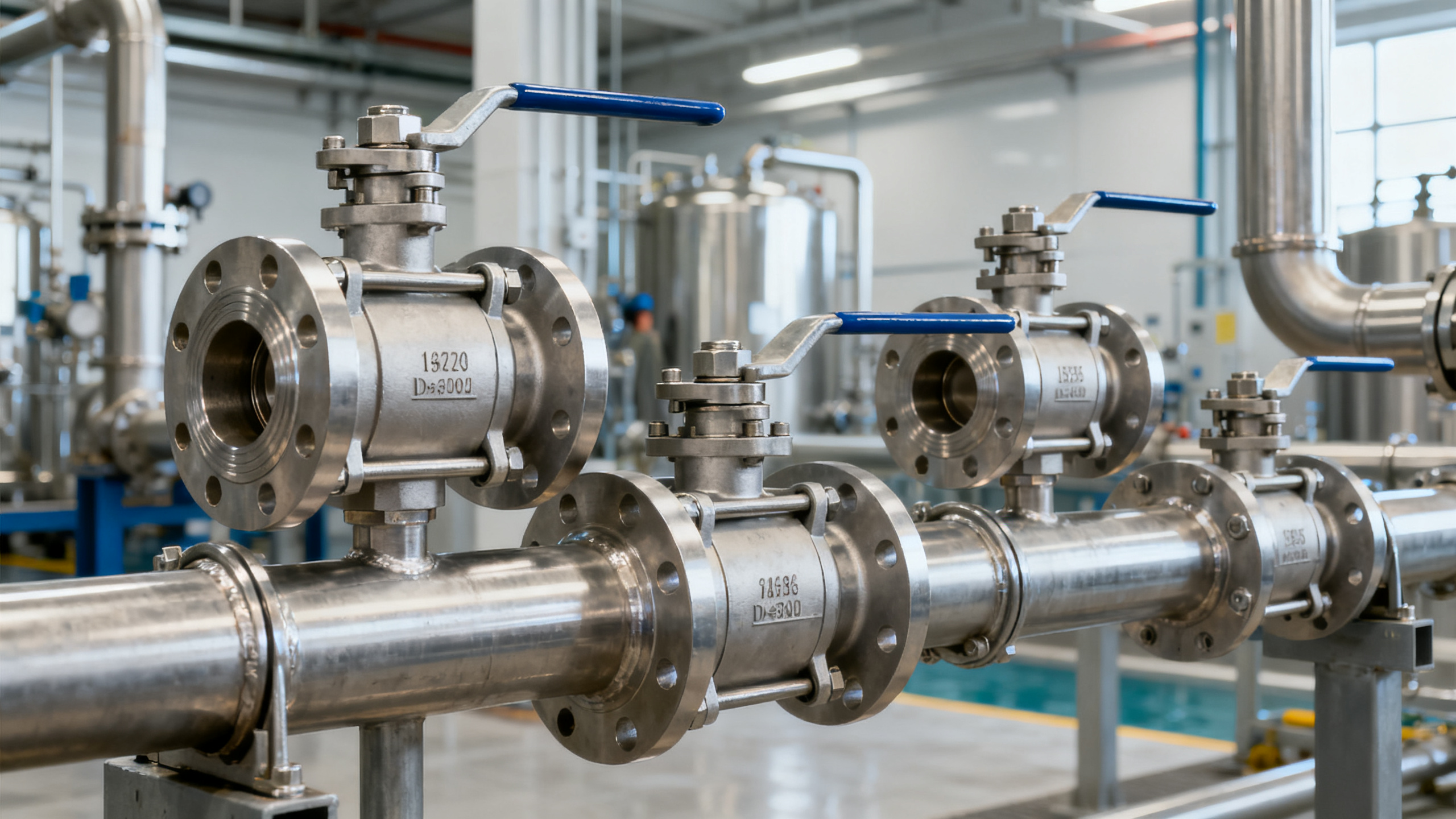
Selecting stainless steel ball valves is rarely a simple sizing exercise. In industrial pipelines, the right valve must hold pressure, control flow behavior, and remain chemically stable in contact with demanding media.
That matters across process plants, utility systems, water treatment lines, energy infrastructure, and packaged equipment. A valve that looks suitable on paper can still fail early if pressure class, port design, or material compatibility is misunderstood.
For organizations working with critical infrastructure, this topic deserves close attention. Global Industrial Core (GIC) consistently frames component selection around reliability, standards, and long-term operating risk, not just initial purchase price.
Why stainless steel ball valves remain a core industrial choice
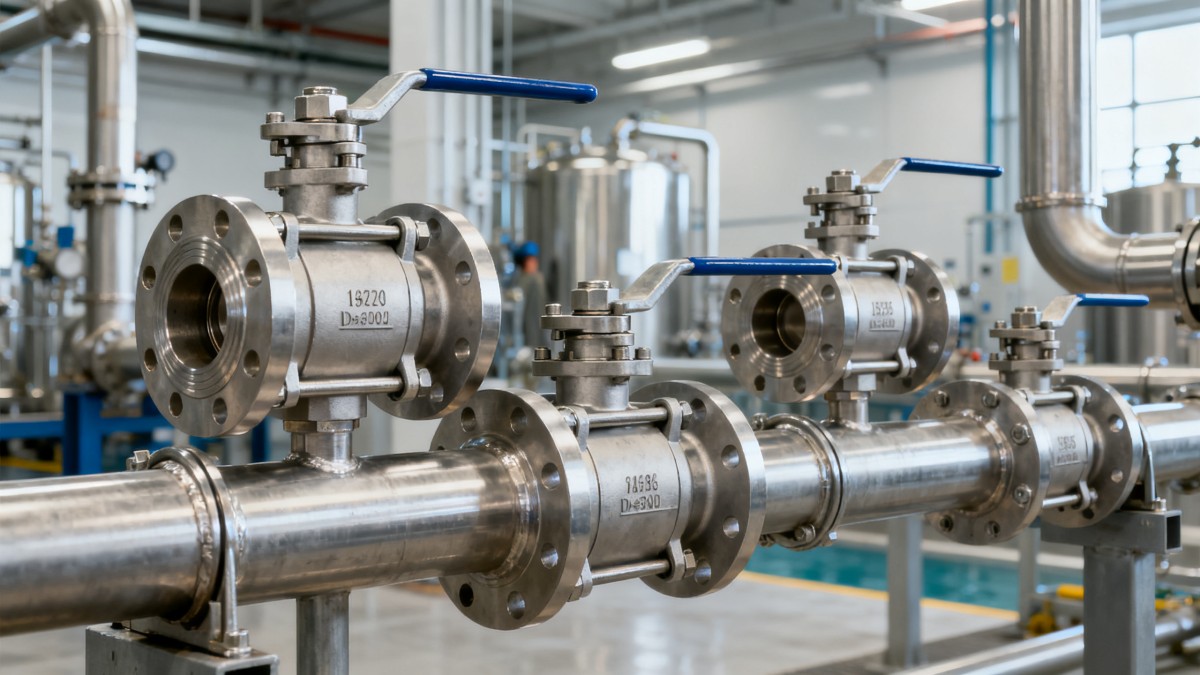
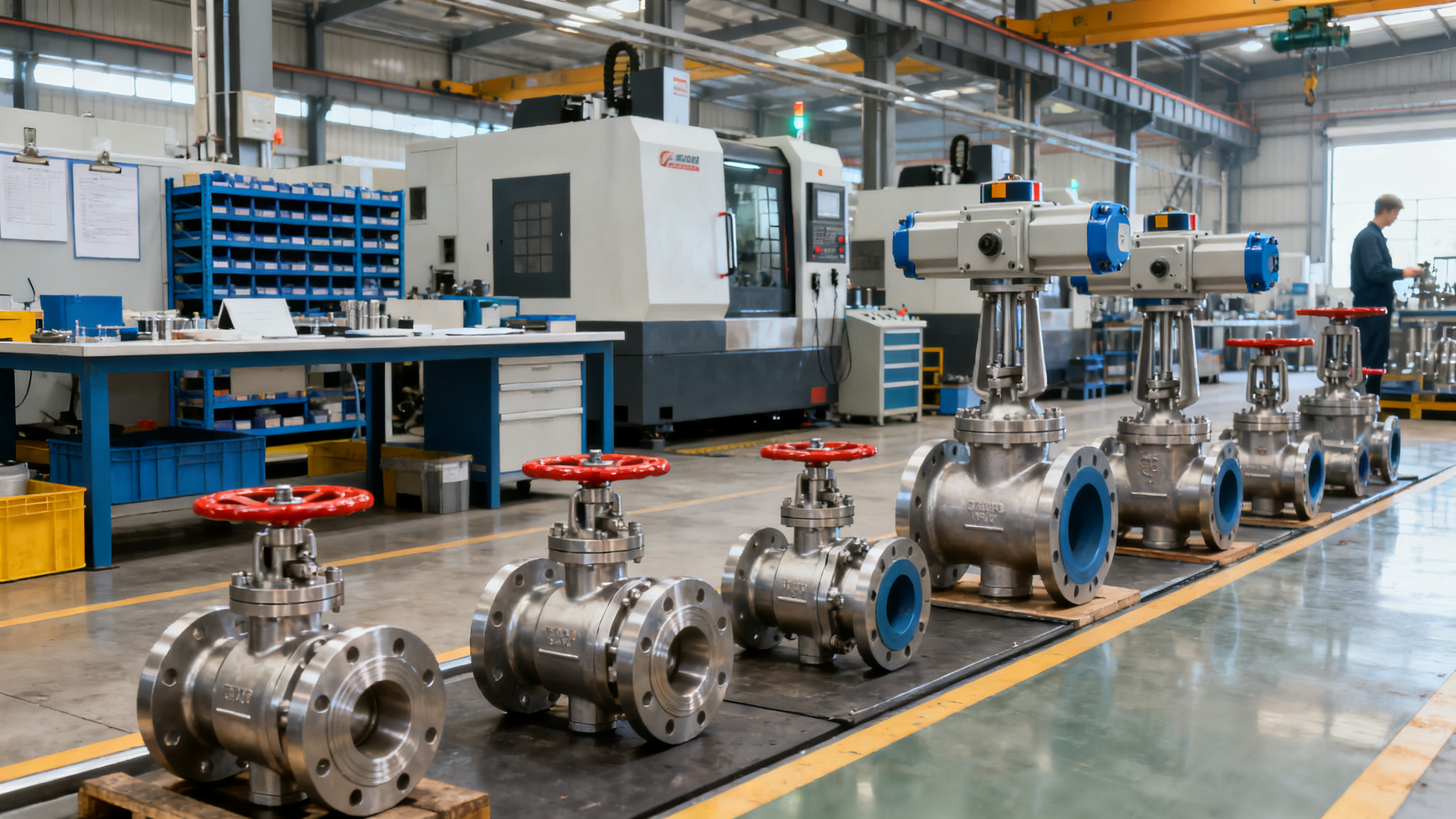
The image above reflects a common decision point: compact hardware with system-level consequences.
Stainless steel ball valves are widely used because they combine shutoff reliability with relatively simple operation. A quarter-turn mechanism supports quick isolation, low torque demand, and clear open or closed status.
They also perform well in environments where corrosion resistance is necessary. Compared with carbon steel or brass options, stainless grades often provide a stronger margin in wet, aggressive, or hygiene-sensitive service.
Even so, “stainless steel” is not a universal answer. Grade selection, seat material, stem sealing, and end connection details all influence whether the valve truly matches the process.
Pressure rating is the first filter, not a box to tick
Pressure rating is often the fastest way to narrow acceptable options. It defines the pressure range a valve can safely withstand under specified temperature conditions and construction standards.
A common mistake is reading only the headline number. In practice, pressure capacity changes with temperature, body design, seat material, and the applicable standard, such as ASME, ISO, or manufacturer-specific test criteria.
Working pressure and temperature move together
As fluid temperature rises, allowable pressure usually falls. This is especially relevant in steam-adjacent service, heated chemicals, thermal oil loops, and CIP lines with repeated temperature swings.
Seat materials deserve equal attention. PTFE, reinforced PTFE, PEEK, and other seat compounds do not behave the same under load, cycling, or elevated temperature.
System pressure is not the whole story
Transient events can be more damaging than steady-state values. Pump start-up, water hammer, compressor pulsation, and fast actuator movement may expose stainless steel ball valves to short pressure spikes beyond routine conditions.
That is why evaluation should include design pressure, upset pressure, test pressure, and cycle frequency. A valve suitable for static isolation may not be suitable for repeated operational shock.
Port type changes flow behavior and system efficiency
Port configuration is often underestimated. Yet full port, reduced port, and V-port designs affect pressure drop, flow velocity, pigging suitability, solids handling, and instrument response.
Full port for minimum restriction
Full port stainless steel ball valves have a bore close to the pipeline diameter. They are preferred where pressure loss must stay low or where internal passage consistency matters.
Typical examples include transfer lines, slurries with moderate solids, utility headers, and lines that require cleaning tools or smoother flow paths.
Reduced port for compact and cost-conscious service
Reduced port designs use a smaller internal bore. They can be lighter and more economical, and they often fit well in non-critical branch lines or general isolation duties.
The trade-off is higher pressure drop and increased velocity through the restriction. In some systems, that can amplify erosion, turbulence, or measurement instability.
Control intent changes the selection logic
Standard ball valves are primarily shutoff valves. If throttling is frequent, a dedicated control valve or a characterized ball design may provide better repeatability and lower seat damage.
This distinction matters in dosing systems, bypass loops, and skids where operators sometimes use isolation hardware for flow regulation. Short-term convenience can shorten valve life.
- Choose full port when pressure drop, cleaning access, or solids passage is important.
- Choose reduced port when isolation is simple and process sensitivity is low.
- Review cavitation, flashing, and erosion risk if partial opening is expected.
- Check whether actuator torque changes with port geometry and service pressure.
Media compatibility goes beyond the valve body material
Many selection problems appear after a valve is installed in the correct size and pressure class. The reason is simple: media compatibility involves every wetted and sealing component, not only the body alloy.
Stainless steel ball valves may use 304, 316, duplex, or specialized alloys, while seats and seals may rely on PTFE, RPTFE, PEEK, EPDM, FKM, or other compounds.
Chemical resistance must be matched to actual concentration
A fluid name alone is not enough. Concentration, chloride content, dissolved oxygen, trace contaminants, and cleaning additives can change corrosion behavior significantly.
For example, 316 stainless may perform well in many chemical and water applications, yet chloride-rich service can still create pitting or crevice corrosion under unfavorable conditions.
Media state also affects durability
Liquids, gases, vapors, slurries, and mixed-phase media do not stress valves in the same way. Abrasive particles can scratch the ball surface, while dry gases may challenge sealing performance differently from lubricating liquids.
In sanitary or high-purity systems, dead space, cleanability, and surface finish become part of compatibility. In environmental or wastewater systems, sediment load may be equally important.
Where selection decisions create operational value
In real projects, valve choice affects more than shutoff performance. It influences maintenance intervals, unplanned downtime, spare strategy, energy use, and compliance documentation.
A better-matched stainless steel ball valve may reduce actuator strain, stabilize upstream readings, and limit leakage during thermal cycling. Those gains are small at component level, but large at plant level.
This is especially relevant in EPC delivery and asset-intensive operations. Standardization helps, but only when standards are built around verified service conditions instead of broad assumptions.
That editorial discipline is also why technical sourcing platforms such as GIC emphasize certifications, field context, and documented performance, rather than catalog claims alone.
A practical review framework before final approval
A concise review framework can prevent expensive mismatch. It does not need to be complicated, but it should capture process reality better than a line list description.
- Confirm normal, maximum, and transient pressure at actual operating temperature.
- Verify whether full port or reduced port better supports flow, cleaning, and solids behavior.
- Check body alloy, ball material, seats, seals, and stem packing against the real media profile.
- Review actuation method, cycling frequency, and fail-safe needs.
- Match end connections and installation space with piping and maintenance constraints.
- Request supporting standards, pressure-temperature data, and relevant test or certification records.
When these checkpoints are documented early, valve comparison becomes more objective. It also becomes easier to justify a higher-grade option when lifecycle risk outweighs a lower upfront price.
What to evaluate next
Stainless steel ball valves deliver strong performance when selection reflects the actual duty, not an assumed duty. Pressure rating, port type, and media compatibility form the core of that decision.
The next useful step is to turn those factors into a repeatable comparison sheet. Include temperature derating, surge conditions, fluid composition, operating frequency, and required certifications.
That approach creates a clearer basis for reviewing suppliers, validating technical submissions, and reducing downstream surprises in commissioning or long-term service.
Technical Specifications
- How to Select Electronic Hotel Key Card Locks for Guest Rooms and Staff AreasAuthor :Safety Compliance Lead
- How to Select Lab Instruments for Reliable Chemical Analysis WorkflowsAuthor :Precision Metrology Expert
- How to Size a UPS for Server Rooms: Load, Runtime, and Redundancy FactorsAuthor :Grid Infrastructure Analyst
Expert Insights

Chief Security Architect
Dr. Thorne specializes in the intersection of structural engineering and digital resilience. He has advised three G7 governments on industrial infrastructure security.
Related Analysis
- Sep 17, 2026How to Select Electronic Hotel Key Card Locks for Guest Rooms and Staff AreasAuthor :Safety Compliance Lead
- Sep 16, 2026How to Select Lab Instruments for Reliable Chemical Analysis WorkflowsAuthor :Precision Metrology Expert
- Sep 15, 2026How to Size a UPS for Server Rooms: Load, Runtime, and Redundancy FactorsAuthor :Grid Infrastructure Analyst
Core Sector // 01
Security & Safety
- Can SPDs Handle Repeated Voltage Spikes in Tropical Grids?Author :Grid Infrastructure Analyst

- How to Evaluate IEC-Compliant Power Protection Devices for Industrial PanelsAuthor :Grid Infrastructure Analyst

- How to Choose Smart Industrial Control Equipment for Harsh Plant EnvironmentsAuthor :Grid Infrastructure Analyst

- EU EMC Update Triggers Re-Certification for BreakersAuthor :Grid Infrastructure Analyst

- How to Select the Right SPD for Solar Inverter Protection in PV Systems?Author :Grid Infrastructure Analyst

- Industrial Valve Systems Factory Checklist: What Buyers Should Verify Before OrderingAuthor :Grid Infrastructure Analyst

- Breaker and Relay Lead Times Hit 24 WeeksAuthor :Grid Infrastructure Analyst

- IEC 61850-10-3 Sets Cybersecurity Bar for Grid DevicesAuthor :Grid Infrastructure Analyst