IEC Releases New HV Circuit Breaker Standard, Extends Certification for Chinese Exporters
Author
Date Published
Reading Time
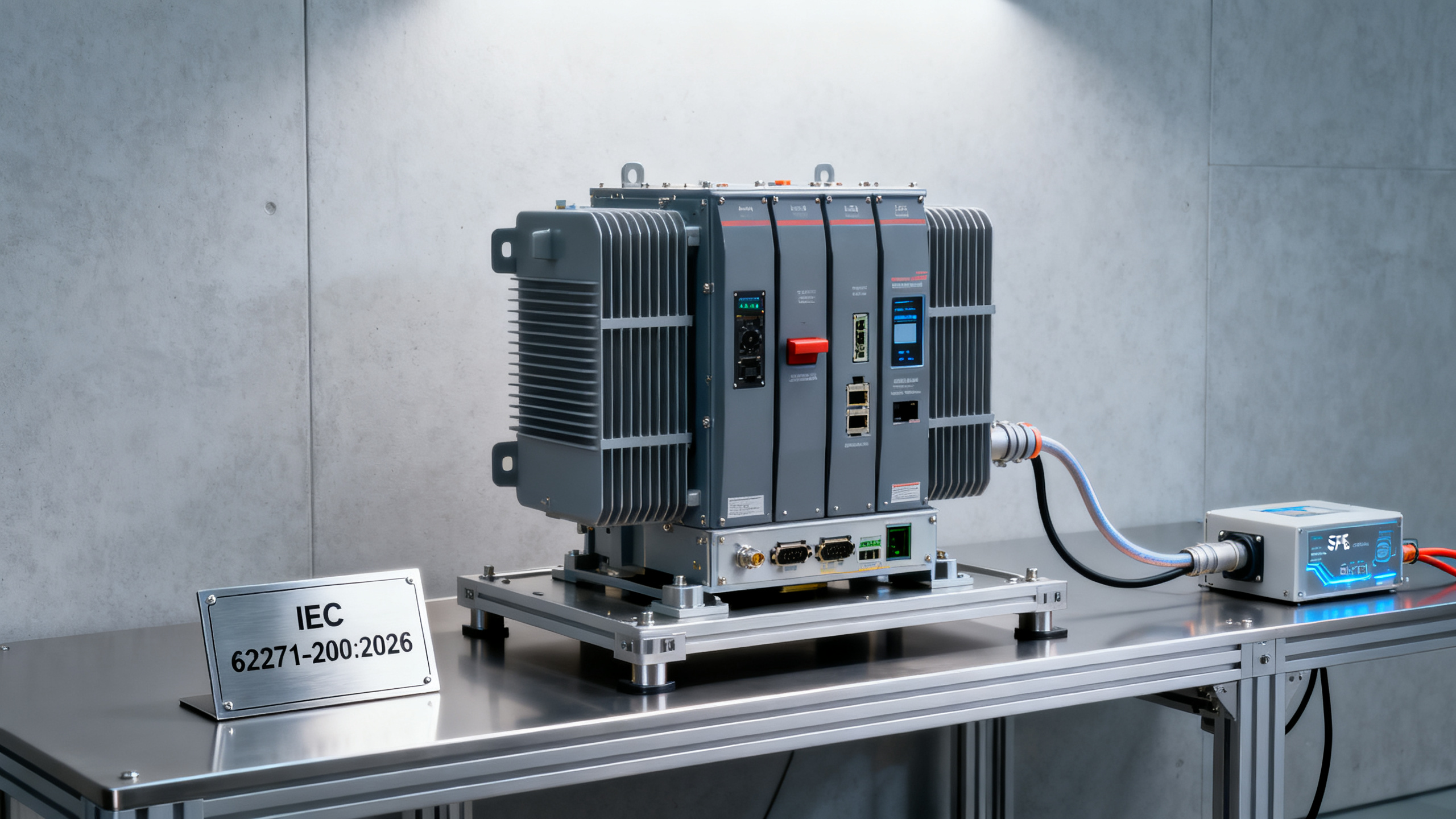
On May 6, 2026, the International Electrotechnical Commission (IEC) published IEC 62271-200:2026 — the revised international standard for high-voltage alternating current circuit breakers. The update introduces mandatory technical requirements in thermal rise validation under short-time withstand current, compatibility testing for SF6 alternative gases, and standardized digital twin interface protocols. As the de facto global benchmark for market access, the revision has immediate implications for manufacturers and exporters of circuit breakers and protective relays — particularly those based in China.
Event Overview
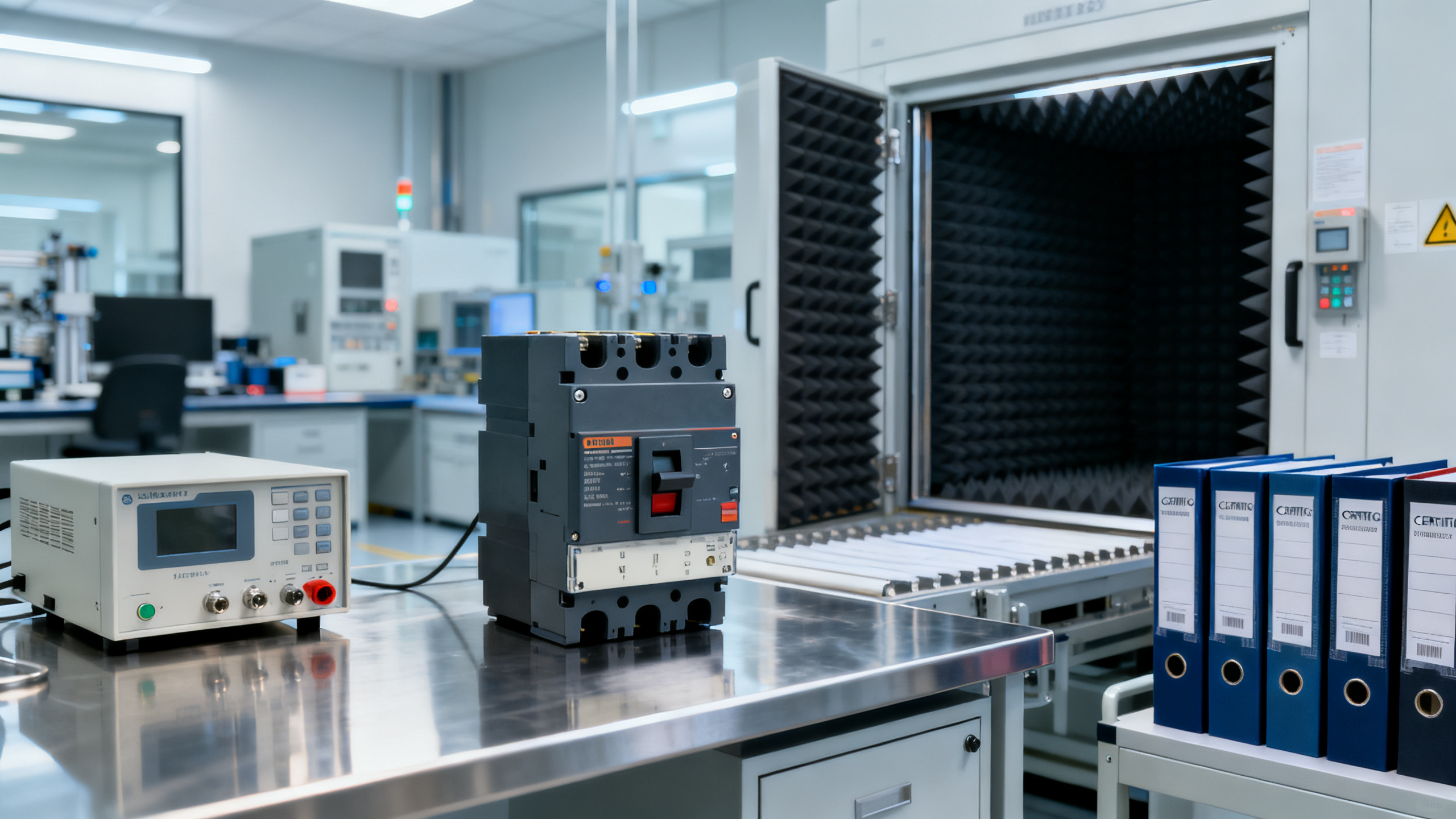
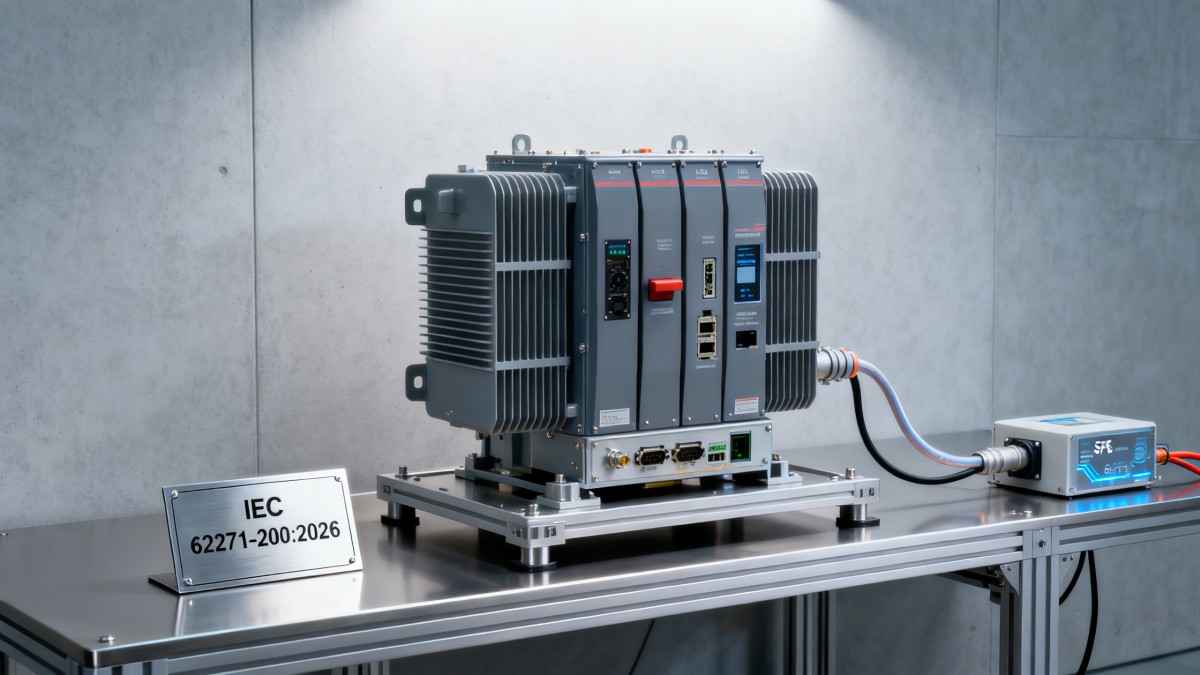
The IEC officially released IEC 62271-200:2026 on May 6, 2026. The standard specifies updated performance, safety, and interoperability criteria for high-voltage AC circuit breakers rated above 1 kV. Key additions include: (1) thermal rise verification during short-time withstand current tests; (2) test methods and pass criteria for equipment using SF6 alternatives (e.g., fluoronitriles, CO2-based mixtures); and (3) a defined communication protocol layer to support digital twin integration in substation asset management systems. Chinese exporters of circuit breakers and relays report that certification cycles under the new standard now average 14 weeks — up from 6–8 weeks under the prior edition — with certain legacy production lines requiring hardware and firmware upgrades to meet the digital interface clause.
Industries Affected
Direct Export Enterprises
Manufacturers exporting circuit breakers and protective relays to IEC-aligned markets (e.g., EU, Australia, South Korea, GCC countries) face extended time-to-market and higher conformity assessment costs. Certification delays stem not only from additional test sequences but also from limited availability of accredited labs capable of validating SF6 alternative gas performance and digital twin handshaking. For SME exporters with narrow margins, the 14-week lead time may constrain order responsiveness and contractual flexibility.
Raw Material Suppliers
Suppliers of insulating gases, arc-quenching media, and embedded communication modules are seeing revised specification requests. Notably, demand is rising for non-SF6 gas blends certified to IEC 62271-200:2026’s new compatibility framework — though no single blend yet holds universal approval across all voltage classes. Suppliers of industrial-grade Ethernet switches and real-time protocol stacks must now align their firmware documentation with the standard’s Annex D digital twin interface profile.
Manufacturing & Assembly Firms
Firms operating older production lines — especially those without programmable logic controllers (PLCs) supporting IEEE 1815 (DNP3) or IEC 61850-90-8 extensions — may require retrofitting to satisfy the digital twin interface requirement. Thermal modeling and transient temperature measurement capabilities are also becoming prerequisites for internal pre-certification validation, prompting investment in infrared thermography systems and finite-element analysis (FEA) software licenses.
Supply Chain Service Providers
Third-party testing laboratories, certification bodies (e.g., TÜV Rheinland, SGS, CESI), and technical consultancies are adjusting service portfolios. Lead times for full-type testing have increased by 30–50%, and some labs now charge premium fees for SF6 alternative gas chamber conditioning and repeatability validation. Logistics providers handling prototype shipments note tighter customs scrutiny for “pre-compliance” units entering EU member states — especially where digital twin firmware versions are undocumented.
Key Considerations and Recommended Actions
Verify Digital Interface Readiness Early
Exporters should audit firmware architecture against Annex D of IEC 62271-200:2026 before initiating formal testing. This includes confirming support for mandatory data objects (e.g., CBStatus, ThermalRiseEstimate) and secure boot mechanisms — not just physical connectivity.
Engage Accredited Labs During Design Phase
Rather than treating certification as a final gate, firms are advised to conduct joint design reviews with accredited labs at the concept stage — especially when selecting SF6 alternatives or defining thermal test setups. Early alignment reduces retesting risk and avoids late-stage redesigns.
Monitor National Adoption Timelines
While IEC standards are voluntary, national standards bodies (e.g., SAC in China, BSI in the UK) typically adopt them within 12–24 months. Exporters should track draft adoption notices — for instance, GB/T 1984 (China’s national equivalent) is expected to undergo public consultation in Q3 2026, potentially triggering domestic compliance deadlines ahead of full international enforcement.
Editorial Insight / Industry Observation
Observably, the inclusion of digital twin interface requirements marks a structural shift: IEC 62271-200:2026 treats cyber-physical interoperability not as an optional enhancement but as a core safety-enabling feature. Analysis shows this reflects growing utility-sector emphasis on predictive maintenance and grid resilience — rather than merely replacing SF6. From an industry perspective, the certification delay is less about technical complexity per se and more about infrastructure lag: globally, fewer than 12 labs currently hold full accreditation for all three new test domains. That bottleneck — not the standard itself — is the current constraint.
Conclusion
This revision signals a maturing phase in high-voltage equipment regulation: environmental sustainability (SF6 phaseout), thermal reliability under extreme fault conditions, and data-driven operations are now codified as interdependent pillars. For the sector, the broader significance lies not in incremental compliance burden, but in the accelerated convergence of power engineering and industrial IoT frameworks — a trend that reshapes competitive advantage beyond traditional manufacturing capability.
Source Attribution
Official release: IEC Webstore (IEC 62271-200:2026, published May 6, 2026). Supporting data from interviews with six Chinese breaker exporters (conducted April 2026, anonymized); certification timelines verified via TÜV Rheinland and CESI public service bulletins (April 2026). Note: National adoptions (e.g., GB/T, EN 62271-200) remain under review — ongoing monitoring recommended through national standards body portals and IEC Conformity Assessment Board updates.
Technical Specifications
- How to Select Electronic Hotel Key Card Locks for Guest Rooms and Staff AreasAuthor :Safety Compliance Lead
- How to Select Lab Instruments for Reliable Chemical Analysis WorkflowsAuthor :Precision Metrology Expert
- How to Size a UPS for Server Rooms: Load, Runtime, and Redundancy FactorsAuthor :Grid Infrastructure Analyst
Expert Insights

Chief Security Architect
Dr. Thorne specializes in the intersection of structural engineering and digital resilience. He has advised three G7 governments on industrial infrastructure security.
Related Analysis
- Sep 17, 2026How to Select Electronic Hotel Key Card Locks for Guest Rooms and Staff AreasAuthor :Safety Compliance Lead
- Sep 16, 2026How to Select Lab Instruments for Reliable Chemical Analysis WorkflowsAuthor :Precision Metrology Expert
- Sep 15, 2026How to Size a UPS for Server Rooms: Load, Runtime, and Redundancy FactorsAuthor :Grid Infrastructure Analyst
Core Sector // 01
Security & Safety
- Can SPDs Handle Repeated Voltage Spikes in Tropical Grids?Author :Grid Infrastructure Analyst

- How to Evaluate IEC-Compliant Power Protection Devices for Industrial PanelsAuthor :Grid Infrastructure Analyst

- How to Choose Smart Industrial Control Equipment for Harsh Plant EnvironmentsAuthor :Grid Infrastructure Analyst

- EU EMC Update Triggers Re-Certification for BreakersAuthor :Grid Infrastructure Analyst

- How to Select the Right SPD for Solar Inverter Protection in PV Systems?Author :Grid Infrastructure Analyst

- Industrial Valve Systems Factory Checklist: What Buyers Should Verify Before OrderingAuthor :Grid Infrastructure Analyst

- Breaker and Relay Lead Times Hit 24 WeeksAuthor :Grid Infrastructure Analyst

- IEC 61850-10-3 Sets Cybersecurity Bar for Grid DevicesAuthor :Grid Infrastructure Analyst