IEC 62271-200:2026 Released, Extends HV Switchgear Certification to 14 Weeks
Author
Date Published
Reading Time
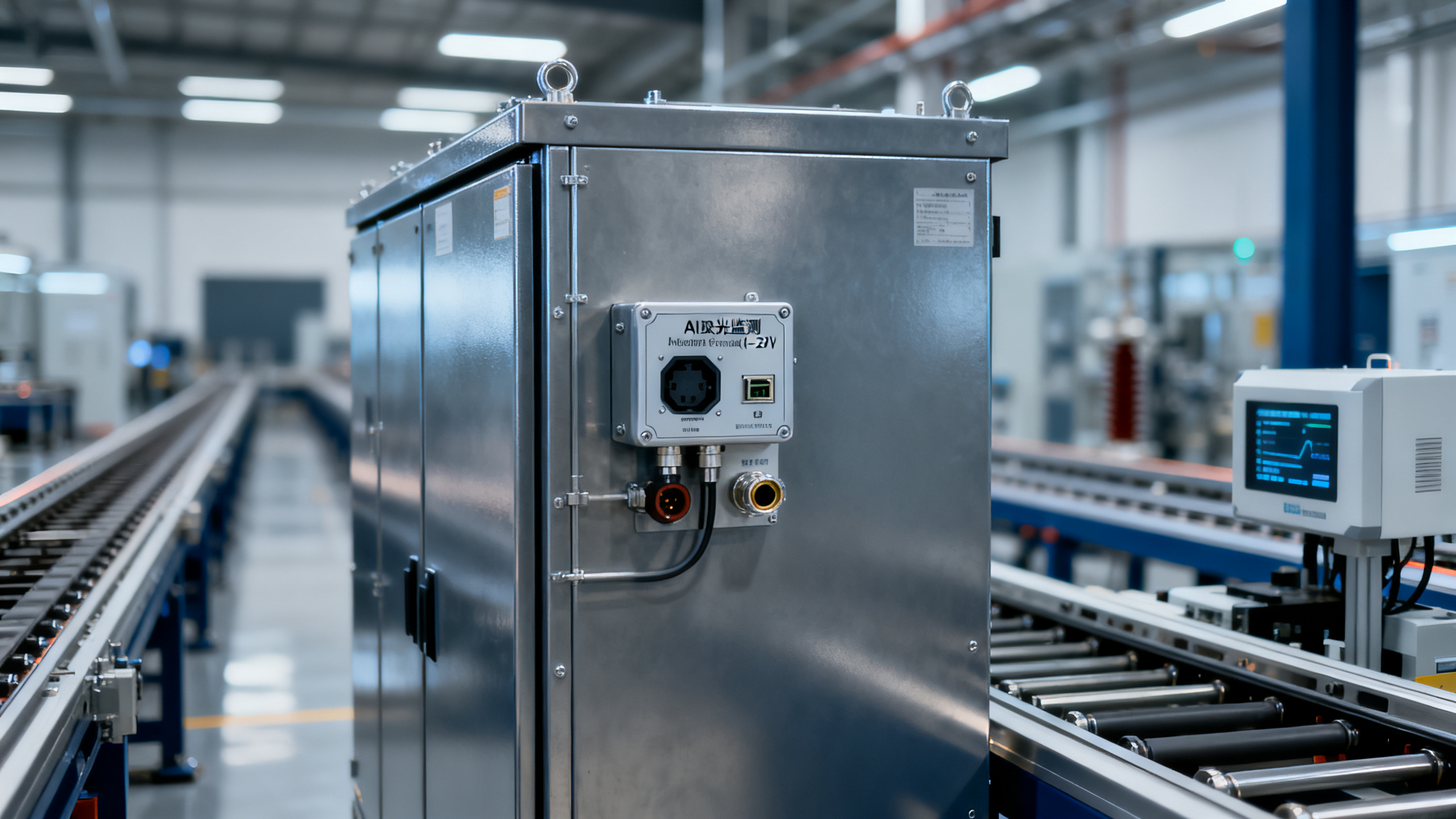
On May 13, 2026, the International Electrotechnical Commission (IEC) officially published IEC 62271-200:2026 — a revised standard for metal-enclosed high-voltage alternating current switchgear rated above 1 kV and up to 52 kV. The update introduces three mandatory technical and reporting requirements: AI-assisted arc-flash monitoring, on-line partial discharge calibration, and carbon footprint declaration. These changes are now triggering extended certification timelines and tighter delivery windows across global supply chains for high-voltage equipment exporters — particularly those based in China.
Event Overview
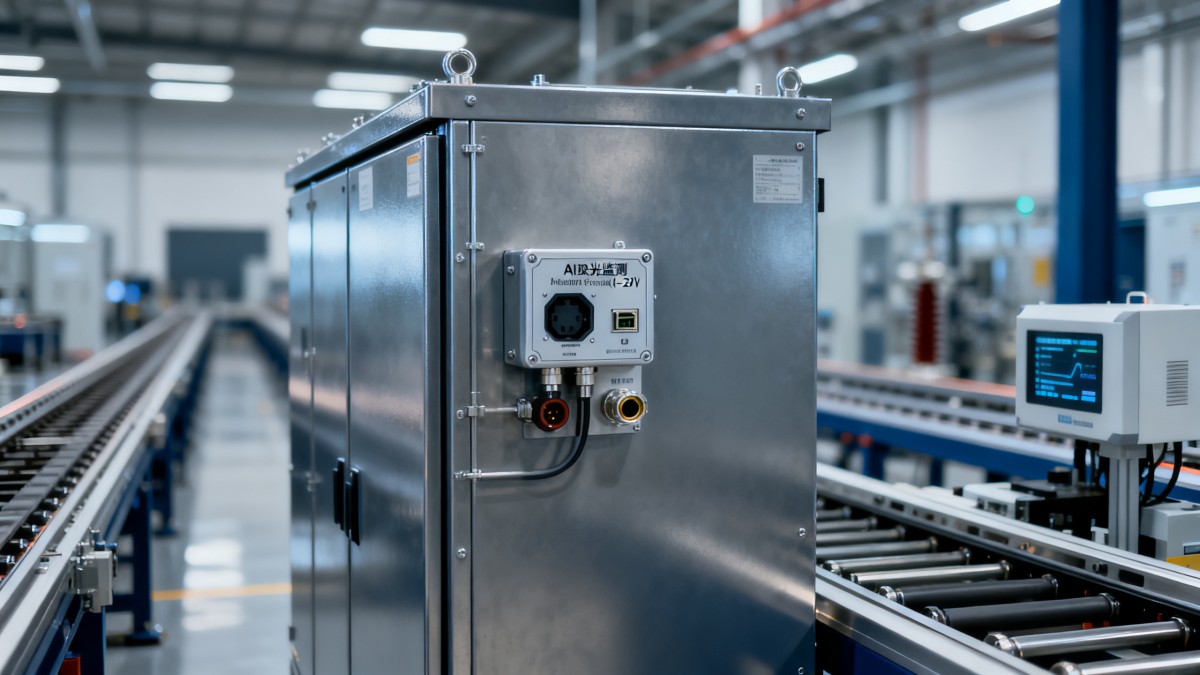
The International Electrotechnical Commission (IEC) released IEC 62271-200:2026 on May 13, 2026. The standard revises the scope, test methods, and conformity assessment criteria for metal-enclosed AC switchgear (1–52 kV). Key additions include: (1) requirement for AI-enabled arc-flash detection systems integrated into type-test validation; (2) specification of traceable, in-situ partial discharge calibration procedures during routine testing; and (3) mandatory disclosure of product-level cradle-to-gate carbon footprint data, aligned with ISO 14040/14044 and PAS 2050. As confirmed by multiple CNAS-accredited laboratories in China, average certification cycle has increased from 8 weeks to 14 weeks post-implementation.
Industries Affected
Direct Export Trading Companies
Exporters engaged in turnkey HV switchgear supply face direct schedule risk: longer certification delays compress order-to-shipment lead time, especially under fixed-date EPC contracts. With no grandfathering clause for pre-submitted applications, pending certifications submitted after May 13, 2026 must comply fully — resulting in cascading rescheduling of tender submissions, bank guarantee issuance, and shipping bookings.
Raw Material Procurement Firms
Suppliers of specialized components — such as SF6-free insulation materials, calibrated PD sensors, and embedded AI inference modules — report increased qualification lead times. Buyers now require material-level compliance documentation (e.g., carbon intensity data per kg of epoxy resin), extending vendor onboarding cycles by 3–5 weeks. Procurement teams must now verify not only technical specs but also environmental data provenance.
Manufacturing Enterprises
Original Equipment Manufacturers (OEMs) must revise internal design control processes to embed AI-based arc-flash logic into protection firmware and integrate calibration traceability into production test records. Retooling for new test fixtures and staff retraining on ISO 14067-compliant footprint calculation have added 6–8 weeks to new model development timelines. Notably, retrofitting legacy designs to meet the standard is technically infeasible in most cases — effectively accelerating product lifecycle obsolescence.
Supply Chain Service Providers
Certification consultants, third-party test labs, and logistics coordinators report surging demand for parallel-track certification support (e.g., pre-audit gap analysis, carbon data verification, AI algorithm validation). However, lab capacity remains constrained: only 12 CNAS-accredited labs globally currently hold validated protocols for the new AI-assisted arc-flash test sequence. This bottleneck is pushing service pricing up by 22–35% and delaying coordinated multi-lab submissions.
Key Focus Areas and Recommended Actions
Review and Prioritize Product Portfolio
Companies should immediately map existing export SKUs against IEC 62271-200:2026 applicability thresholds (voltage class, enclosure type, and intended market). Prioritize recertification for models bound for EU, Australia, and South Korea — jurisdictions that mandate immediate adoption of latest IEC editions in national regulations.
Initiate Early Carbon Data Collection
Begin collecting primary energy consumption, material sourcing emissions, and transport logistics data for all Tier-1 suppliers. Use ISO 14067-compliant templates — avoid generic LCA estimates. Third-party verification of carbon footprint statements is not yet required but is strongly advised, given growing buyer scrutiny and upcoming EU CBAM alignment.
Engage Accredited Labs Before Design Freeze
Coordinate with CNAS-accredited labs during early design phase — especially for AI algorithm validation and PD calibration traceability architecture. Pre-submission technical alignment reduces rework risk and avoids full-cycle retesting after prototype build.
Editorial Perspective / Industry Observation
Observably, the inclusion of AI-assisted arc-flash monitoring signals a structural shift: safety certification is no longer solely about mechanical or dielectric performance, but increasingly about software-defined behavior and real-time system intelligence. This blurs traditional boundaries between hardware certification and functional safety standards (e.g., IEC 61508). From an industry perspective, the carbon footprint requirement is less about environmental compliance per se and more about establishing verifiable data infrastructure — a prerequisite for future digital twin integration and circular economy reporting. Analysis shows that firms treating this update as a ‘certification refresh’ rather than a ‘digital and sustainability capability upgrade’ will face disproportionate cost and delay penalties.
Conclusion
This revision marks a pivotal inflection point where regulatory compliance converges with operational digitalization and sustainability accountability. It does not merely extend timelines — it redefines the baseline competencies required for global HV equipment market access. A rational interpretation is that the 14-week certification window reflects not just procedural overhead, but the time needed to align engineering, software, procurement, and sustainability functions around a unified product data model.
Source Attribution & Ongoing Monitoring
Official publication: IEC Webstore (IEC 62271-200:2026, Edition 3.0, ISBN 978-2-8322-XXXXX-X). Confirmed implementation timeline and lab capacity data sourced from CNAS Bulletin No. 2026-04 (issued May 10, 2026). Stakeholders are advised to monitor updates from: (1) IEC TC 17A Working Group 16 (on AI-integrated test protocols); (2) EU Commission’s revision of EN 62271-200 (expected Q4 2026); and (3) CNAS guidance on carbon footprint verification methodology (draft expected July 2026).
Technical Specifications
- How to Select Electronic Hotel Key Card Locks for Guest Rooms and Staff AreasAuthor :Safety Compliance Lead
- How to Select Lab Instruments for Reliable Chemical Analysis WorkflowsAuthor :Precision Metrology Expert
- How to Size a UPS for Server Rooms: Load, Runtime, and Redundancy FactorsAuthor :Grid Infrastructure Analyst
Expert Insights

Chief Security Architect
Dr. Thorne specializes in the intersection of structural engineering and digital resilience. He has advised three G7 governments on industrial infrastructure security.
Related Analysis
- Sep 17, 2026How to Select Electronic Hotel Key Card Locks for Guest Rooms and Staff AreasAuthor :Safety Compliance Lead
- Sep 16, 2026How to Select Lab Instruments for Reliable Chemical Analysis WorkflowsAuthor :Precision Metrology Expert
- Sep 15, 2026How to Size a UPS for Server Rooms: Load, Runtime, and Redundancy FactorsAuthor :Grid Infrastructure Analyst
Core Sector // 01
Security & Safety
- Can SPDs Handle Repeated Voltage Spikes in Tropical Grids?Author :Grid Infrastructure Analyst

- How to Evaluate IEC-Compliant Power Protection Devices for Industrial PanelsAuthor :Grid Infrastructure Analyst

- How to Choose Smart Industrial Control Equipment for Harsh Plant EnvironmentsAuthor :Grid Infrastructure Analyst

- EU EMC Update Triggers Re-Certification for BreakersAuthor :Grid Infrastructure Analyst

- How to Select the Right SPD for Solar Inverter Protection in PV Systems?Author :Grid Infrastructure Analyst

- Industrial Valve Systems Factory Checklist: What Buyers Should Verify Before OrderingAuthor :Grid Infrastructure Analyst

- Breaker and Relay Lead Times Hit 24 WeeksAuthor :Grid Infrastructure Analyst

- IEC 61850-10-3 Sets Cybersecurity Bar for Grid DevicesAuthor :Grid Infrastructure Analyst