Brazil INMETRO Launches Green Circuit Breaker Fast-Track Certification
Author
Date Published
Reading Time
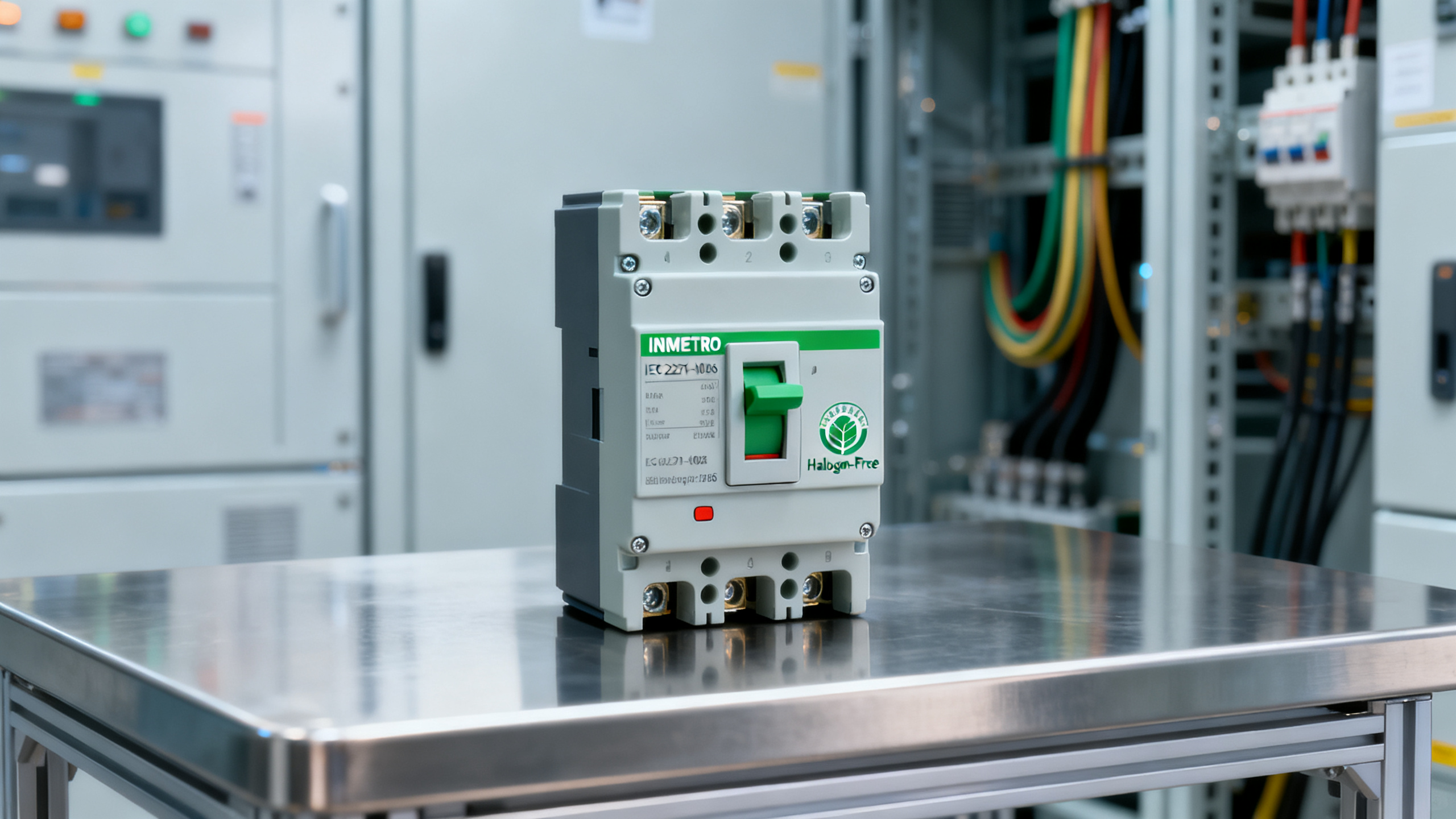
On May 9, 2026, the Brazilian Institute of Metrology, Standardization and Industrial Quality (INMETRO) launched a voluntary ‘Green Circuit Breaker’ fast-track certification pathway — marking the first time a major South American regulatory body has introduced an accelerated conformity assessment mechanism specifically for arc-fault protective circuit breakers meeting IEC 62271-100:2026. The initiative directly responds to tightening regional sustainability mandates and rising demand for fire-safe, halogen-free electrical infrastructure in commercial and residential projects across Latin America.
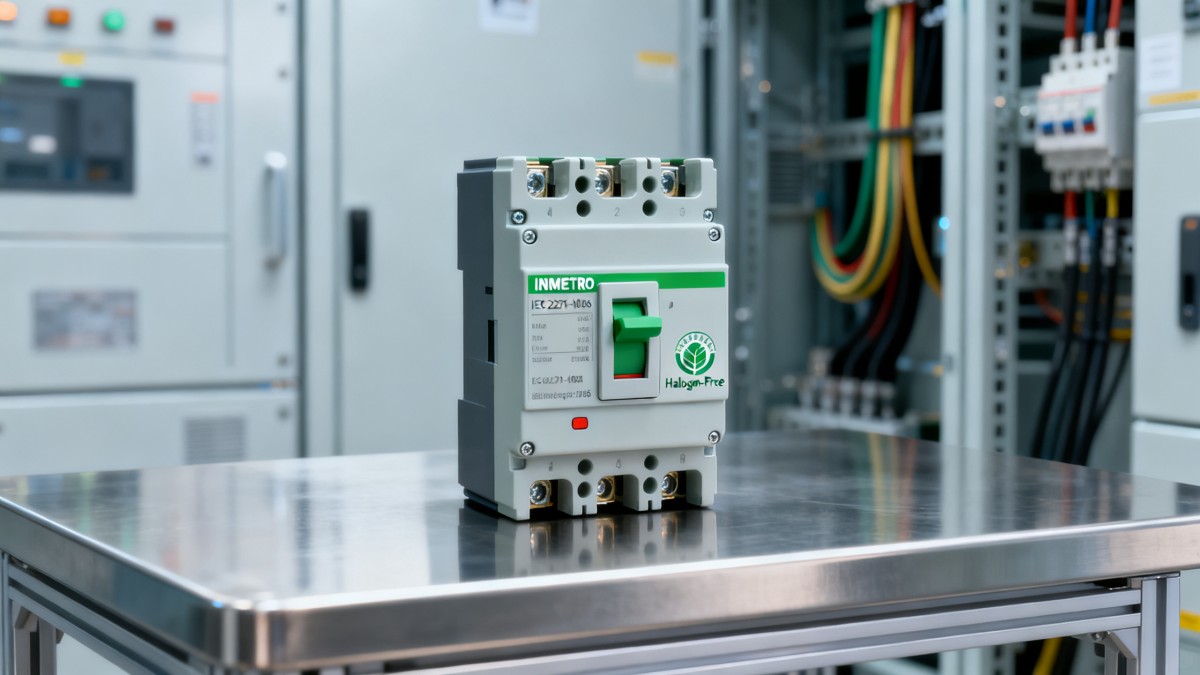
Event Overview
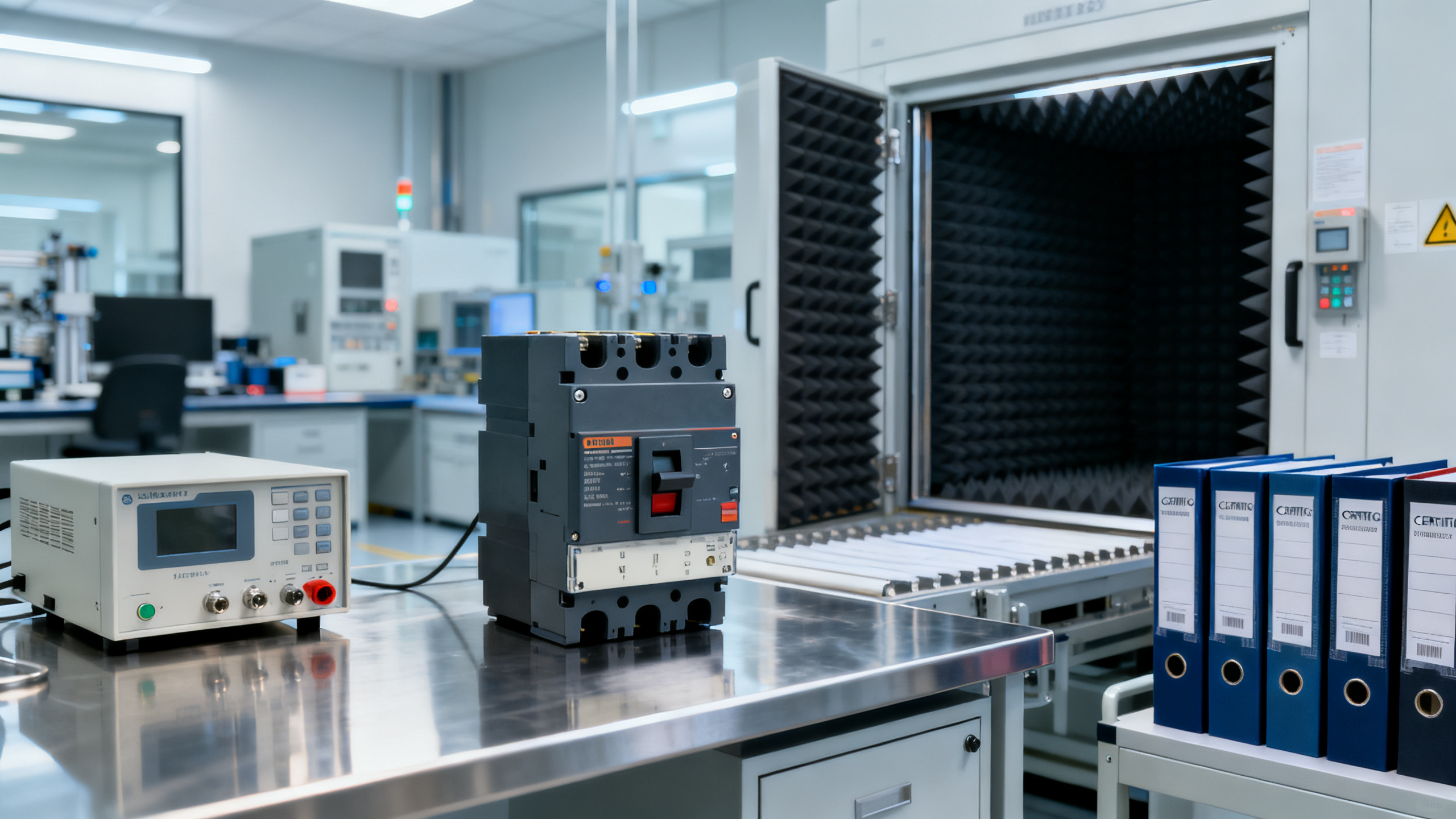
INMETRO announced on May 9, 2026, the official opening of its ‘Green Circuit Breaker’ voluntary certification fast channel. Eligible products must comply with IEC 62271-100:2026 — including mandatory Arc Fault Detection Device (AFDD) functionality — and be constructed using halogen-free flame-retardant materials. Certification turnaround is reduced to 72 hours upon submission of valid test reports. The program is open to Chinese export manufacturers, with initial intake restricted to those whose test data originate from laboratories accredited by the China National Accreditation Service for Conformity Assessment (CNAS). INMETRO estimates this fast track will shorten overall project delivery timelines for South American infrastructure contracts by 6–8 weeks.
Industries Affected
Direct Export Trading Enterprises
Export traders engaged in low-voltage power distribution equipment face immediate operational impact: faster certification enables quicker customs clearance and contract fulfillment in Brazil, especially for turnkey EPC projects with tight commissioning deadlines. However, eligibility hinges on pre-submission readiness — meaning traders must now coordinate closely with upstream labs and factories to ensure CNAS-aligned reporting, adding complexity to documentation workflows.
Raw Material Procurement Enterprises
Suppliers of polymer compounds, flame-retardant additives, and insulating resins are affected because the halogen-free requirement triggers material requalification. While many already supply UL 94 V-0 or IEC 61249-2-21 compliant grades, INMETRO’s specific reference to ‘halogen-free flame-retardant materials’ implies stricter traceability and declaration protocols — potentially requiring updated SDS, RoHS-like declarations, and batch-level halogen content verification (e.g., ICP-MS testing).
Manufacturing Enterprises
Original Equipment Manufacturers (OEMs) producing molded-case circuit breakers (MCCBs), residual current circuit breakers with AFDD (RCBO-AFDD), and integrated smart panels must verify both design compliance (IEC 62271-100:2026 + AFDD performance) and material composition. Unlike legacy certifications, this fast track does not waive type testing — it only accelerates review. Therefore, manufacturers cannot bypass full functional and environmental validation; they must instead front-load lab coordination and report harmonization to meet the 72-hour window.
Supply Chain Service Providers
Third-party certification consultants, local INMETRO representatives (‘representantes autorizados’), and logistics firms handling technical documentation are seeing increased demand for ‘fast-track readiness audits’. These services now include pre-submission gap analysis against IEC 62271-100:2026 Annex D (AFDD test methodology), halogen content documentation mapping, and CNAS-report translation/localization support — shifting their role from post-test facilitation to pre-certification engineering alignment.
Key Considerations and Recommended Actions
Verify CNAS Lab Alignment Before Submission
Not all CNAS-accredited labs issue reports accepted under INMETRO’s new fast track. Applicants must confirm that their lab’s scope explicitly covers IEC 62271-100:2026 (including AFDD verification per Clause 6.105) and halogen-free material characterization per ABNT NBR IEC 61249-2-21. Submitting mismatched reports will disqualify applications outright.
Prepare Dual-Compliance Documentation
Manufacturers should maintain parallel documentation sets: one aligned with IEC 62271-100:2026 for INMETRO fast track, and another reflecting local Brazilian standards (e.g., NBR 5410, NBR 14039) for non-fast-track installations. Confusing these may lead to field rejection during INMETRO market surveillance inspections.
Assess AFDD Integration Beyond Compliance
IEC 62271-100:2026 introduces stricter AFDD sensitivity thresholds (e.g., ≤ 50 A arc current detection within 0.5 s). Many existing RCBO designs pass older IEC 61008/61009 tests but fail this new requirement. Engineering teams should treat AFDD as a system-level feature — requiring firmware validation, thermal derating analysis, and electromagnetic compatibility (EMC) retesting — not just a component add-on.
Editorial Perspective / Industry Observation
Observably, INMETRO’s move is less about lowering barriers and more about redirecting technical due diligence upstream: by compressing administrative processing time while maintaining rigorous technical prerequisites, it effectively shifts compliance burden from regulators to exporters. Analysis shows this reflects a broader trend among emerging-market regulators — including Mexico’s NFC and India’s BIS — to use ‘green’ labels not as marketing tools, but as levers to upgrade incoming product quality without triggering WTO non-tariff barrier challenges. From an industry perspective, the 72-hour promise is operationally meaningful only for companies with mature certification governance; for others, it may expose latent gaps in test planning and material traceability.
Conclusion
This fast-track mechanism does not signal regulatory relaxation — rather, it signals strategic prioritization. It rewards preparedness, transparency, and technical rigor over speed alone. For global suppliers targeting Latin America, the Green Circuit Breaker pathway is better understood as a benchmark: one that reveals whether internal compliance systems are truly integrated across R&D, procurement, manufacturing, and certification functions — not merely transactional.
Source Attribution
Official announcement published by INMETRO on May 9, 2026 (INMETRO Portaria No. 172/2026, Annex III); referenced standards: IEC 62271-100:2026, ABNT NBR IEC 61249-2-21, and CNAS-RL02:2023. Note: Fast-track acceptance criteria, eligible laboratory list, and fee structure remain subject to update; continuous monitoring of INMETRO’s official portal is recommended.
Technical Specifications
- Air Handling Unit Supplier Checklist: Performance Data, Lead Times, and SupportAuthor :Environmental Engineering Director
- Buying Fiberglass Water Tanks Wholesale: Compare Quotes and Delivery CostsAuthor :Environmental Engineering Director
- Choosing an XLPE Power Cable Supplier: Test Reports, Traceability, and Lead TimesAuthor :Grid Infrastructure Analyst
Expert Insights

Chief Security Architect
Dr. Thorne specializes in the intersection of structural engineering and digital resilience. He has advised three G7 governments on industrial infrastructure security.
Related Analysis
- Oct 19, 2026Air Handling Unit Supplier Checklist: Performance Data, Lead Times, and SupportAuthor :Environmental Engineering Director
- Oct 18, 2026Buying Fiberglass Water Tanks Wholesale: Compare Quotes and Delivery CostsAuthor :Environmental Engineering Director
- Oct 17, 2026Choosing an XLPE Power Cable Supplier: Test Reports, Traceability, and Lead TimesAuthor :Grid Infrastructure Analyst
Core Sector // 01
Security & Safety
- Can SPDs Handle Repeated Voltage Spikes in Tropical Grids?Author :Grid Infrastructure Analyst

- How to Evaluate IEC-Compliant Power Protection Devices for Industrial PanelsAuthor :Grid Infrastructure Analyst

- How to Choose Smart Industrial Control Equipment for Harsh Plant EnvironmentsAuthor :Grid Infrastructure Analyst

- EU EMC Update Triggers Re-Certification for BreakersAuthor :Grid Infrastructure Analyst

- How to Select the Right SPD for Solar Inverter Protection in PV Systems?Author :Grid Infrastructure Analyst

- Industrial Valve Systems Factory Checklist: What Buyers Should Verify Before OrderingAuthor :Grid Infrastructure Analyst

- Breaker and Relay Lead Times Hit 24 WeeksAuthor :Grid Infrastructure Analyst

- IEC 61850-10-3 Sets Cybersecurity Bar for Grid DevicesAuthor :Grid Infrastructure Analyst