IEC Releases IEC 62271-200:2026 for HV Switchgear
Author
Date Published
Reading Time

On 13 May 2026, the International Electrotechnical Commission (IEC) published IEC 62271-200:2026, the latest edition of the high-voltage switchgear and controlgear standard. The update introduces mandatory requirements for AI-assisted arc-light monitoring, on-line partial discharge calibration, and carbon footprint declaration. Exporters of circuit breakers and relays from China — particularly those supplying EPC projects in Europe, the Middle East, and Southeast Asia — should closely monitor implications for certification timelines, supply chain planning, and compliance readiness.
Event Overview
The IEC officially released IEC 62271-200:2026 on 13 May 2026. The revised standard adds three new technical requirements: (1) AI-assisted arc-light monitoring systems; (2) on-line calibration capability for partial discharge measurement; and (3) mandatory carbon footprint declaration for certified products. As a result, CNAS-accredited laboratories in China report an average certification cycle extension — from 8 weeks to 14 weeks — for conformity assessment against the updated standard.
Industries Affected
Direct Exporters of HV Circuit Breakers & Relays
These enterprises face extended lead times for IEC certification, directly impacting order fulfillment against fixed delivery schedules in international EPC contracts. The 6-week delay increases risk of contractual penalties or project schedule slippage, especially where equipment commissioning is tightly coupled with civil works or grid interconnection milestones.
Manufacturers Supplying OEMs or Tier-1 System Integrators
Suppliers integrated into global OEM supply chains must now align internal testing protocols with the new AI and PD calibration requirements — even if final certification is handled by the OEM. Delays at the component level cascade into system-level validation timelines, potentially triggering renegotiation of delivery terms or technical specifications.
CNAS-Accredited Testing Laboratories & Certification Bodies
Laboratories face increased workload due to new test method validation, AI algorithm verification, and carbon data auditing. Capacity constraints are already reflected in the extended 14-week average turnaround — suggesting prioritization of high-value or time-sensitive applications may become necessary.
Key Considerations and Recommended Actions
Monitor official implementation guidance from IEC and national standards bodies
The IEC standard itself does not specify transition periods or grandfathering clauses. National adoption timelines (e.g., via GB/T conversion in China or EN adoption in Europe) remain pending. Enterprises should track official bulletins from SAC, CENELEC, and other regional standards organizations for enforceable deadlines.
Identify and prioritize product lines bound for markets requiring immediate IEC 62271-200:2026 compliance
Not all export destinations mandate immediate adoption. Projects tendered post-May 2026 in EU member states or under IEC-referenced procurement frameworks (e.g., World Bank-funded infrastructure) are most likely to require full compliance. Firms should map active tenders and contracts against these criteria before allocating lab resources.
Distinguish between regulatory signal and operational impact
The publication of IEC 62271-200:2026 is a formal standard release — not yet a legally binding requirement in most jurisdictions. However, major buyers (e.g., transmission utilities, EPC contractors) may voluntarily adopt it as a prequalification criterion. Companies should assess whether their customers have issued internal compliance directives referencing this edition.
Adjust procurement and production scheduling to accommodate extended certification windows
For products scheduled for shipment in Q4 2026 or Q1 2027, initiating certification applications by early July 2026 is advisable — assuming current 14-week lab timelines hold. Concurrently, firms should verify whether existing type-test reports under IEC 62271-200:2019 remain valid for legacy orders, to avoid redundant testing.
Editorial Observation / Industry Perspective
Observably, the introduction of AI-assisted monitoring and carbon footprint declaration marks a structural shift — not merely a technical revision — in high-voltage equipment standardization. Analysis shows this edition signals growing convergence between functional safety, digital readiness, and sustainability accountability in power infrastructure procurement. It is currently more of a preparatory signal than an enforced outcome: no jurisdiction has yet mandated its application, and harmonized EN or GB/T adoptions are still pending. From an industry perspective, the 6-week certification delay is the most tangible near-term consequence — indicating capacity bottlenecks rather than inherent complexity alone. Continued attention is warranted as national standards bodies begin alignment processes over the next 6–12 months.

In summary, IEC 62271-200:2026 reflects an evolving compliance landscape where digital capability and environmental transparency are now embedded in core technical requirements for HV switchgear. Its primary near-term significance lies in extended certification timelines — not in immediate regulatory enforcement. For stakeholders, it is better understood as a forward-looking benchmark that reshapes readiness expectations across the export value chain, rather than a sudden compliance deadline.
Source: International Electrotechnical Commission (IEC), official publication notice for IEC 62271-200:2026 (13 May 2026); publicly reported average certification durations from multiple CNAS-accredited laboratories in China (as of June 2026).
Note: National adoption timelines, transition arrangements, and enforcement mechanisms remain under observation and are not yet confirmed.
Technical Specifications
- How to Select Electronic Hotel Key Card Locks for Guest Rooms and Staff AreasAuthor :Safety Compliance Lead
- How to Select Lab Instruments for Reliable Chemical Analysis WorkflowsAuthor :Precision Metrology Expert
- How to Size a UPS for Server Rooms: Load, Runtime, and Redundancy FactorsAuthor :Grid Infrastructure Analyst
Expert Insights

Chief Security Architect
Dr. Thorne specializes in the intersection of structural engineering and digital resilience. He has advised three G7 governments on industrial infrastructure security.
Related Analysis
- Sep 17, 2026How to Select Electronic Hotel Key Card Locks for Guest Rooms and Staff AreasAuthor :Safety Compliance Lead
- Sep 16, 2026How to Select Lab Instruments for Reliable Chemical Analysis WorkflowsAuthor :Precision Metrology Expert
- Sep 15, 2026How to Size a UPS for Server Rooms: Load, Runtime, and Redundancy FactorsAuthor :Grid Infrastructure Analyst
Core Sector // 01
Security & Safety
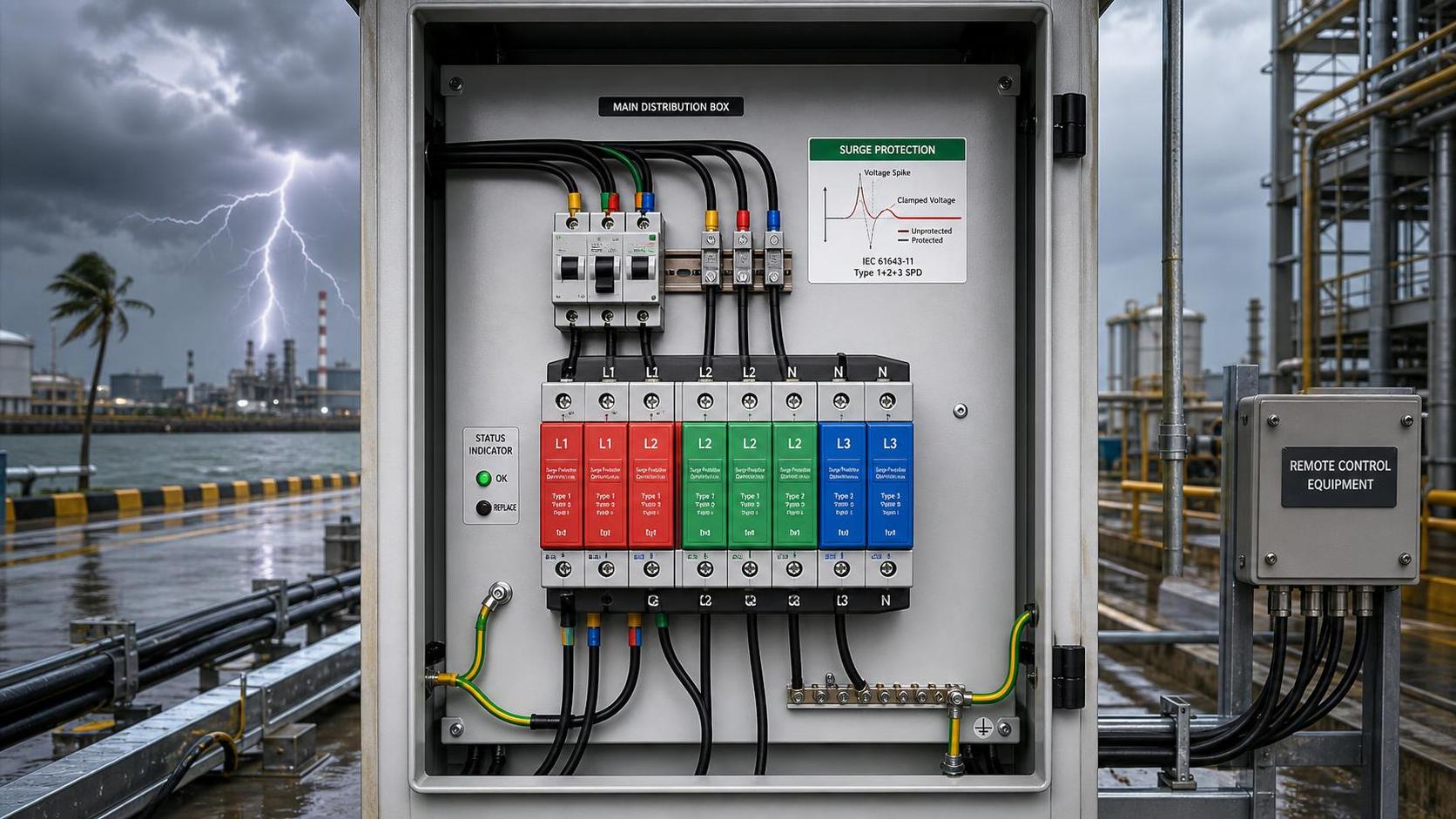
- Can SPDs Handle Repeated Voltage Spikes in Tropical Grids?Author :Grid Infrastructure Analyst

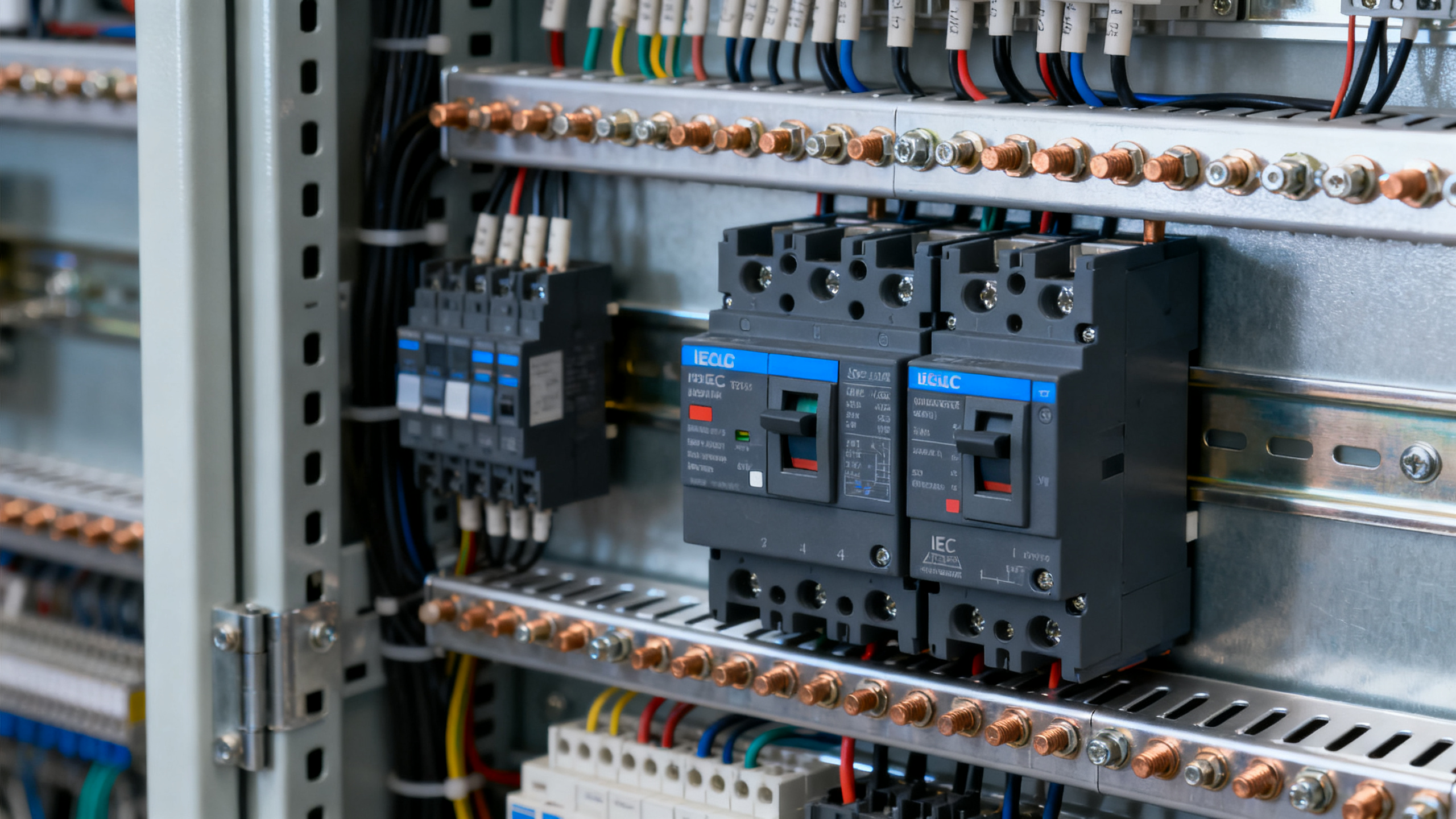
- How to Evaluate IEC-Compliant Power Protection Devices for Industrial PanelsAuthor :Grid Infrastructure Analyst

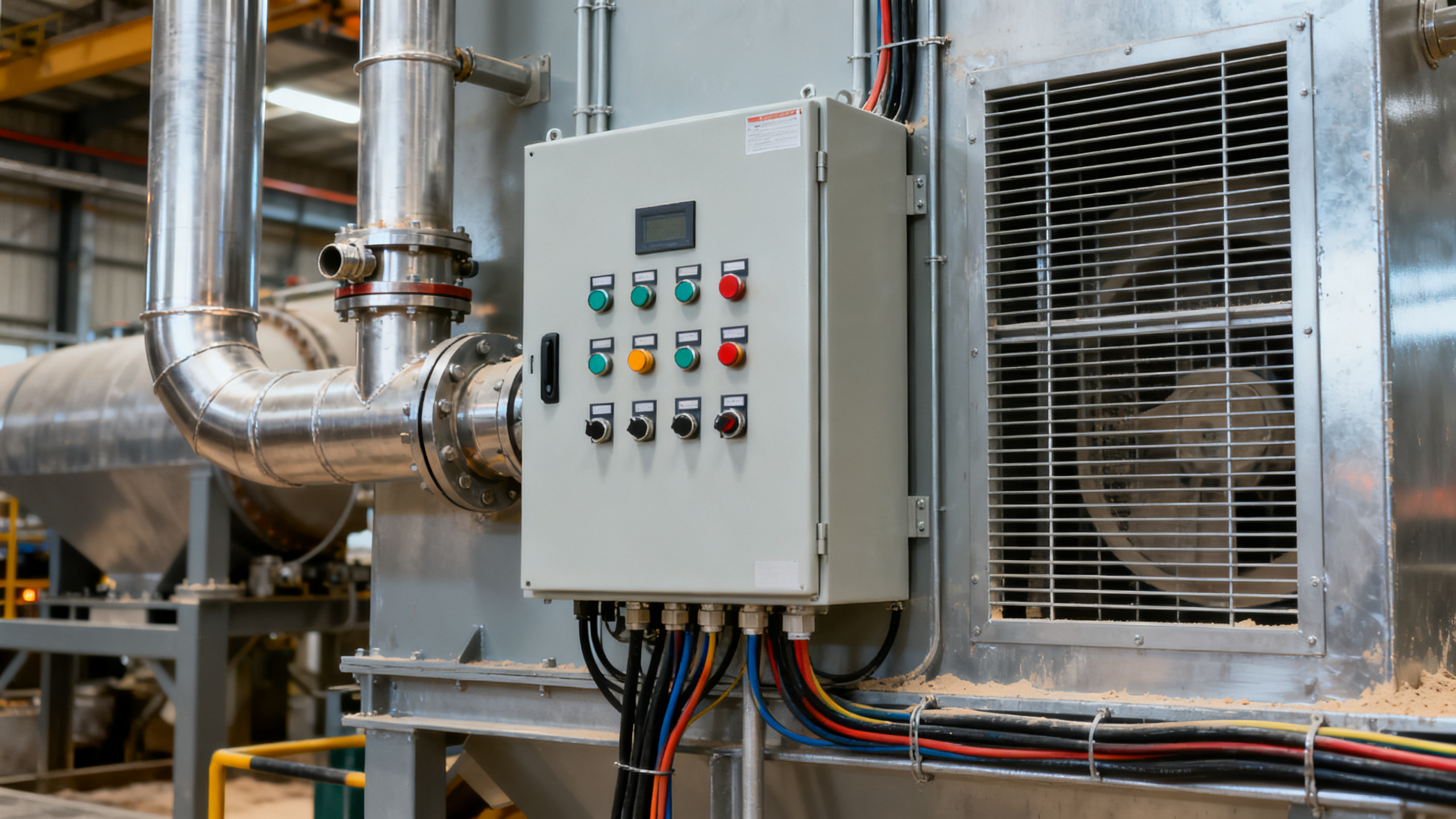
- How to Choose Smart Industrial Control Equipment for Harsh Plant EnvironmentsAuthor :Grid Infrastructure Analyst

- EU EMC Update Triggers Re-Certification for BreakersAuthor :Grid Infrastructure Analyst

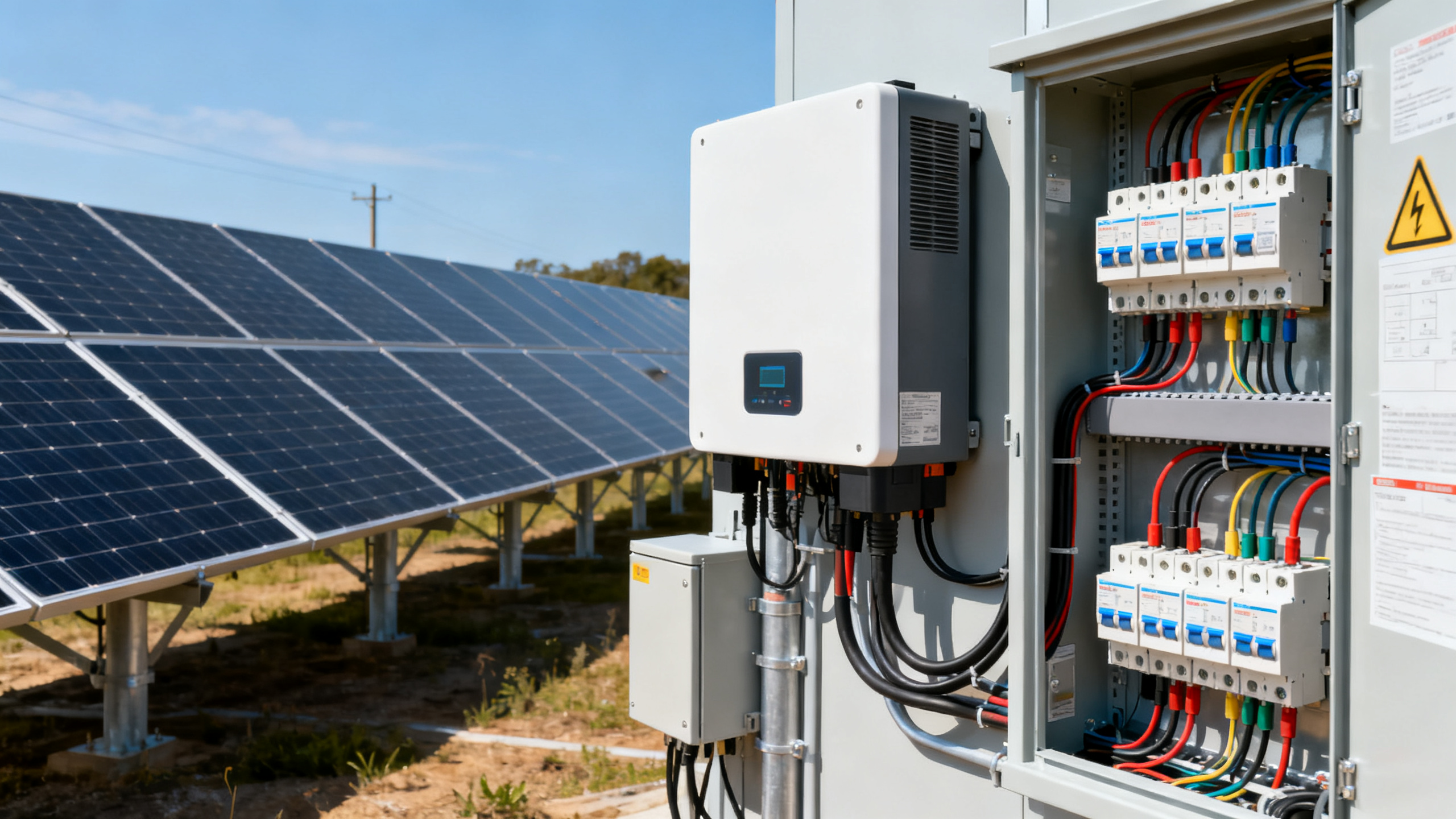
- How to Select the Right SPD for Solar Inverter Protection in PV Systems?Author :Grid Infrastructure Analyst

- Industrial Valve Systems Factory Checklist: What Buyers Should Verify Before OrderingAuthor :Grid Infrastructure Analyst

- Breaker and Relay Lead Times Hit 24 WeeksAuthor :Grid Infrastructure Analyst

- IEC 61850-10-3 Sets Cybersecurity Bar for Grid DevicesAuthor :Grid Infrastructure Analyst