IEC 61850-10:2026 Mandates AI-Driven Diagnostics for Substation IEDs
Author
Date Published
Reading Time
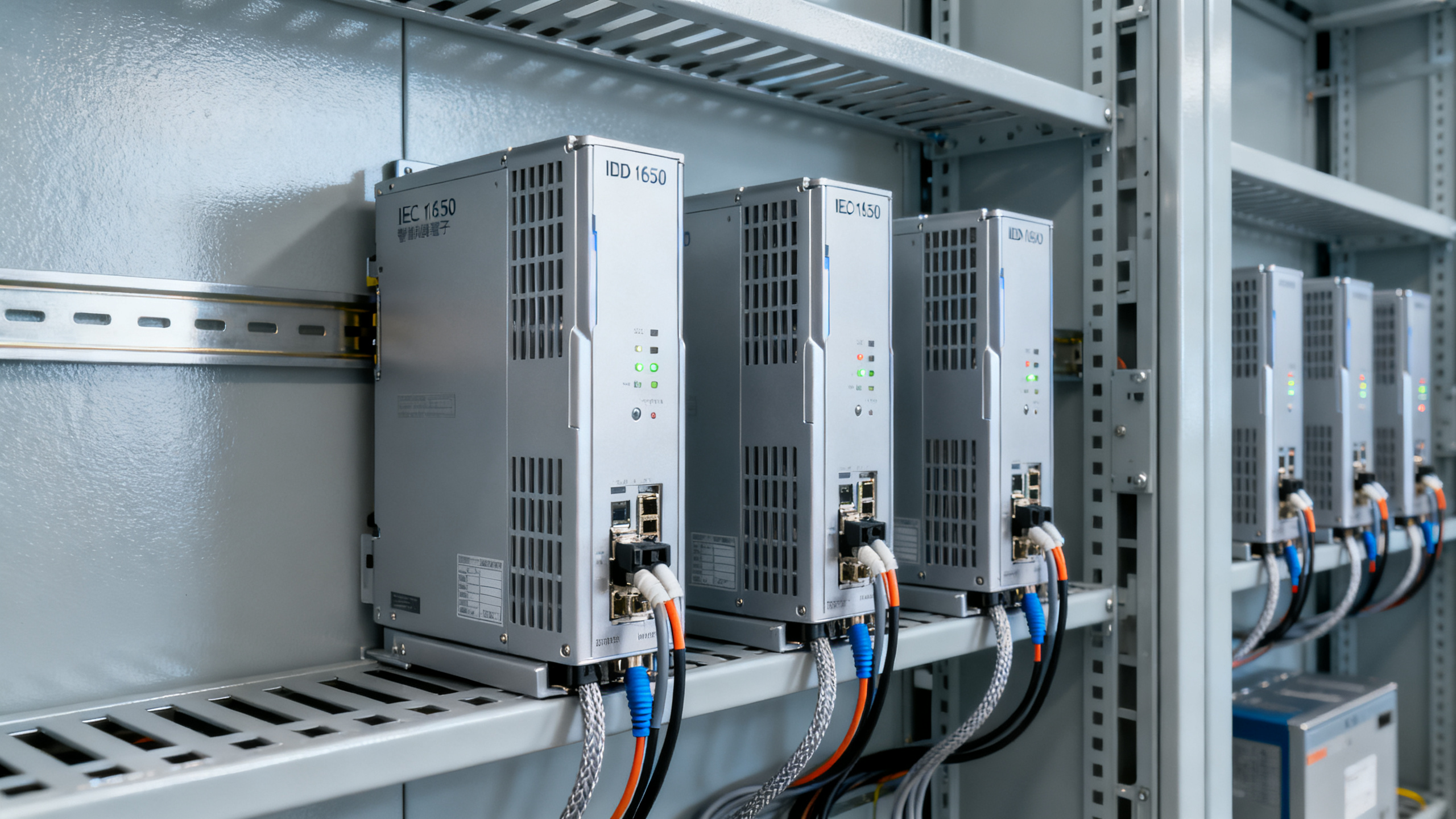
On May 10, 2026, the International Electrotechnical Commission (IEC) published IEC 61850-10:2026 — Communication networks and systems for power utility automation — Part 10: Conformance testing. The standard introduces a mandatory requirement for all IEC 61850-compliant protective relays and intelligent electronic devices (IEDs) exported globally to embed AI-powered fault pattern recognition and self-diagnostic capabilities, aligned with IEC 62541-100:2026. This development directly affects manufacturers and exporters of substation automation equipment — particularly those supplying to EU, South Korea, Australia, and other markets recognizing IEC conformity — as it triggers new certification pathways and verification obligations.
Event Overview
The International Electrotechnical Commission (IEC) released IEC 61850-10:2026 on May 10, 2026. The updated standard specifies conformance test requirements for IEC 61850-based communication systems in substations. It explicitly requires that all relay protection devices and intelligent electronic devices (IEDs) claiming compliance with IEC 61850 must implement AI-driven fault mode identification and embedded self-diagnostic functions, per the newly referenced IEC 62541-100:2026. Exporters of such equipment — especially from China’s breakers and relays sector — report that the new requirement extends certification timelines by five weeks and necessitates validation at IEC-recognized AI testing laboratories, including Karlsruhe Institute of Technology (KIT) and Fraunhofer Institutes.
Which Sub-Sectors Are Affected
Export-Oriented Equipment Manufacturers
Manufacturers producing IEC 61850-compliant relays, bay controllers, or merging units for international markets are directly impacted. The mandate applies to any device marketed as compliant with IEC 61850 — not only new designs but also legacy models undergoing re-certification for export. Impact manifests in extended time-to-market, increased R&D effort for model integration, and dependency on third-party AI validation labs.
Embedded Systems & Firmware Developers
Firms responsible for firmware development, real-time OS integration, or edge-AI model deployment on resource-constrained IED hardware face new functional and verification demands. The requirement to align with IEC 62541-100:2026 implies constraints on inference latency, memory footprint, model update mechanisms, and traceability of training data — all subject to conformance testing.
Conformity Assessment & Certification Service Providers
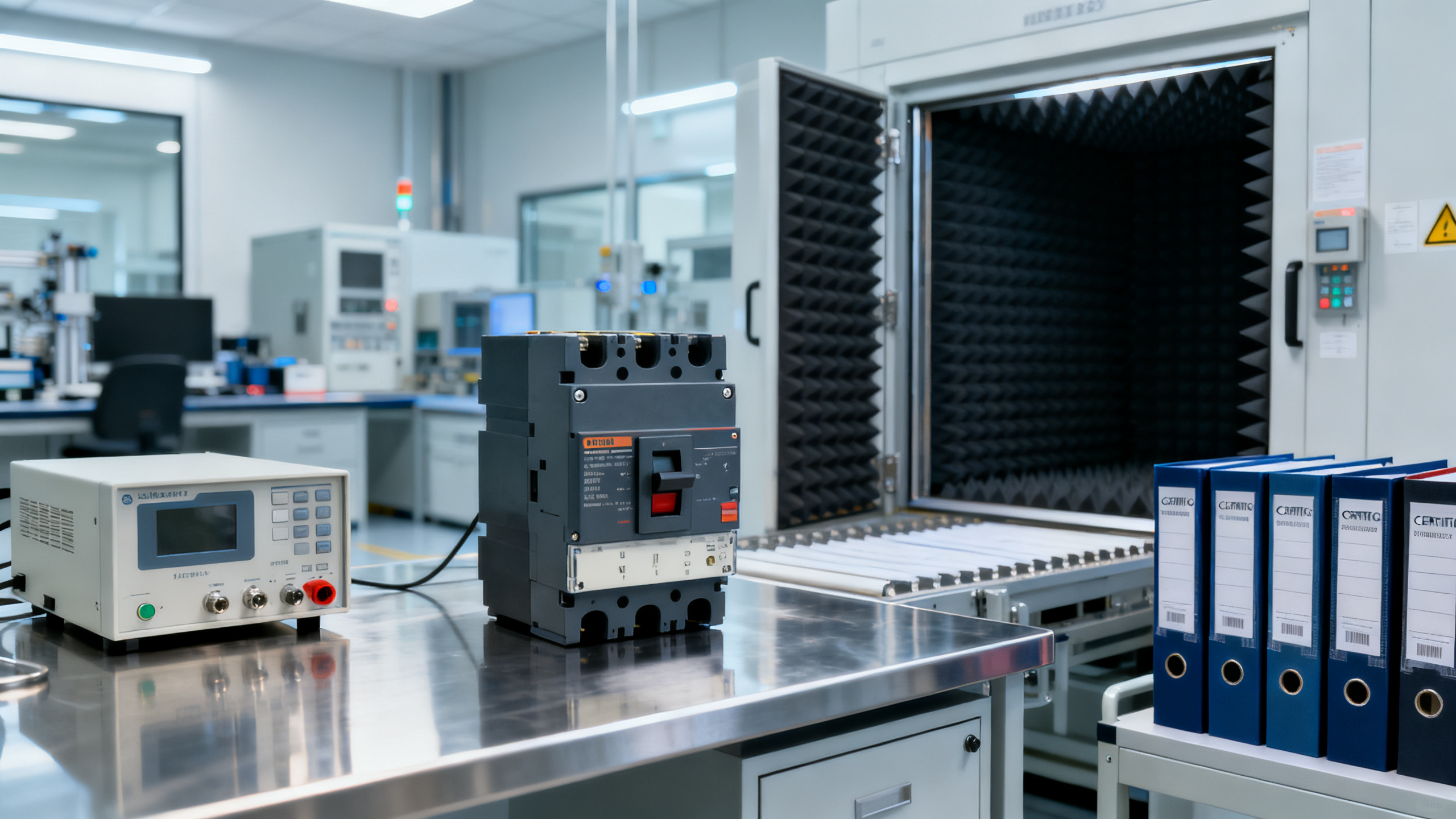
Laboratories and notified bodies offering IEC 61850 certification must now integrate AI model evaluation into their test scope. Only IEC-recognized AI testing facilities — such as KIT and Fraunhofer — are authorized to issue validation reports for the AI diagnostic functionality. This creates a bottleneck and potential capacity constraint for certification applicants.
Supply Chain Integrators & System OEMs
OEMs assembling turnkey substation automation systems using third-party IEDs must now verify upstream component compliance against the AI diagnostics clause. Failure to confirm validated AI functionality in each supplied IED may invalidate system-level conformance claims — introducing new contractual and technical due diligence steps.
What Relevant Enterprises or Practitioners Should Focus On — And How to Respond
Monitor official interpretations and implementation guidance from IEC and national standards bodies
While IEC 61850-10:2026 is published, national adoptions (e.g., EN 61850-10 in Europe or GB/T equivalents in China) may include transitional provisions or phased enforcement. Enterprises should track updates from IEC National Committees and regional standardization organizations — particularly regarding grandfathering clauses for existing certifications.
Identify and prioritize product lines bound for IEC-recognizing markets
Not all export destinations enforce IEC 61850 conformance equally. Prioritize review and AI readiness assessment for products destined for EU, Australia, South Korea, and GCC countries — where IEC conformity is often a regulatory prerequisite for grid interconnection. Domestic or non-IEC-aligned markets (e.g., certain African or Southeast Asian utilities) may not yet require this layer of verification.
Distinguish between policy signal and operational readiness
Analysis shows that IEC 61850-10:2026 reflects an emerging expectation rather than an immediately enforceable legal obligation in most jurisdictions. Its practical effect depends on national adoption timelines and procurement specifications. Enterprises should treat it as a forward-looking signal — not an immediate stop-ship trigger — while aligning R&D roadmaps accordingly.
Initiate internal scoping and lab engagement before next certification cycle
Given the reported +5-week extension in certification duration, firms preparing for renewal or new submissions after Q3 2026 should begin AI model documentation, hardware-in-the-loop (HIL) test planning, and preliminary coordination with IEC-recognized labs (e.g., KIT or Fraunhofer) no later than Q2 2026 — especially if targeting EU or Australian tenders with strict conformance deadlines.
Editorial Perspective / Industry Observation
Observably, IEC 61850-10:2026 marks a formal institutional step toward embedding AI assurance into critical infrastructure communication standards — not merely as a feature, but as a verified conformance criterion. This shift signals growing regulatory attention to the reliability and interpretability of AI functions in safety-related systems. From an industry perspective, it is better understood as a medium-term compliance horizon than an abrupt regulatory change: adoption will depend on national transposition, utility procurement policies, and lab capacity scaling. Continued monitoring of test protocol updates and lab accreditation status is therefore more consequential than immediate product redesign.
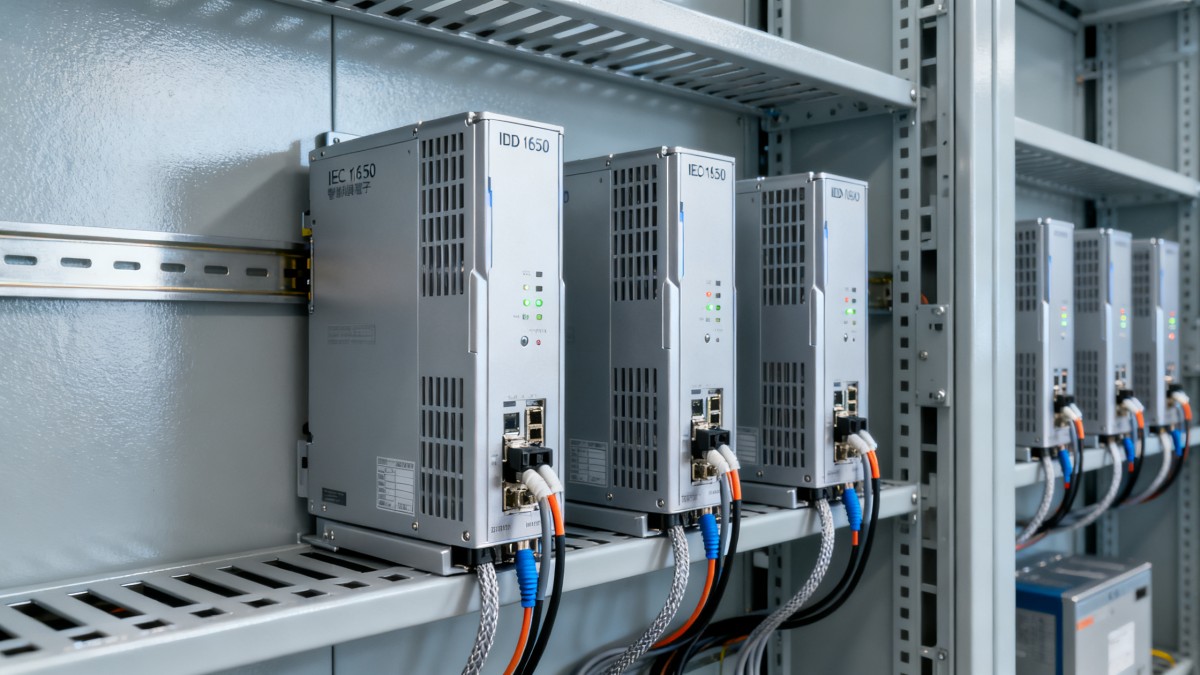
Conclusion: IEC 61850-10:2026 does not introduce new functional capabilities per se, but elevates AI-based diagnostics from optional enhancement to mandatory, verifiable component of IEC 61850 conformance. Its significance lies less in technical novelty and more in the procedural and governance precedent it sets for AI integration in power system standards. Currently, it is more appropriately interpreted as a directional benchmark — indicating where global grid interoperability expectations are headed — rather than a fully activated compliance gate.
Source: International Electrotechnical Commission (IEC), official publication of IEC 61850-10:2026 (May 10, 2026); verified feedback from Chinese breaker and relay exporting enterprises (as cited in public industry briefings, May 2026).
Note: Implementation timelines, national adoptions, and lab accreditation scope remain under observation and may evolve through 2026–2027.
Technical Specifications
- How to Select Electronic Hotel Key Card Locks for Guest Rooms and Staff AreasAuthor :Safety Compliance Lead
- How to Select Lab Instruments for Reliable Chemical Analysis WorkflowsAuthor :Precision Metrology Expert
- How to Size a UPS for Server Rooms: Load, Runtime, and Redundancy FactorsAuthor :Grid Infrastructure Analyst
Expert Insights

Chief Security Architect
Dr. Thorne specializes in the intersection of structural engineering and digital resilience. He has advised three G7 governments on industrial infrastructure security.
Related Analysis
- Sep 17, 2026How to Select Electronic Hotel Key Card Locks for Guest Rooms and Staff AreasAuthor :Safety Compliance Lead
- Sep 16, 2026How to Select Lab Instruments for Reliable Chemical Analysis WorkflowsAuthor :Precision Metrology Expert
- Sep 15, 2026How to Size a UPS for Server Rooms: Load, Runtime, and Redundancy FactorsAuthor :Grid Infrastructure Analyst
Core Sector // 01
Security & Safety
- Can SPDs Handle Repeated Voltage Spikes in Tropical Grids?Author :Grid Infrastructure Analyst

- How to Evaluate IEC-Compliant Power Protection Devices for Industrial PanelsAuthor :Grid Infrastructure Analyst

- How to Choose Smart Industrial Control Equipment for Harsh Plant EnvironmentsAuthor :Grid Infrastructure Analyst

- EU EMC Update Triggers Re-Certification for BreakersAuthor :Grid Infrastructure Analyst

- How to Select the Right SPD for Solar Inverter Protection in PV Systems?Author :Grid Infrastructure Analyst

- Industrial Valve Systems Factory Checklist: What Buyers Should Verify Before OrderingAuthor :Grid Infrastructure Analyst

- Breaker and Relay Lead Times Hit 24 WeeksAuthor :Grid Infrastructure Analyst

- IEC 61850-10-3 Sets Cybersecurity Bar for Grid DevicesAuthor :Grid Infrastructure Analyst