China Leads 60+ EV International Standards
Author
Date Published
Reading Time
China has taken the lead in developing over 60 international standards for new energy vehicles (NEVs), marking a pivotal shift in global technical governance. Though the exact timeline of standard adoption remains unspecified, this coordinated standardization effort is already reshaping cross-border market access, certification pathways, and supply chain positioning across multiple adjacent industrial domains.
Event Overview
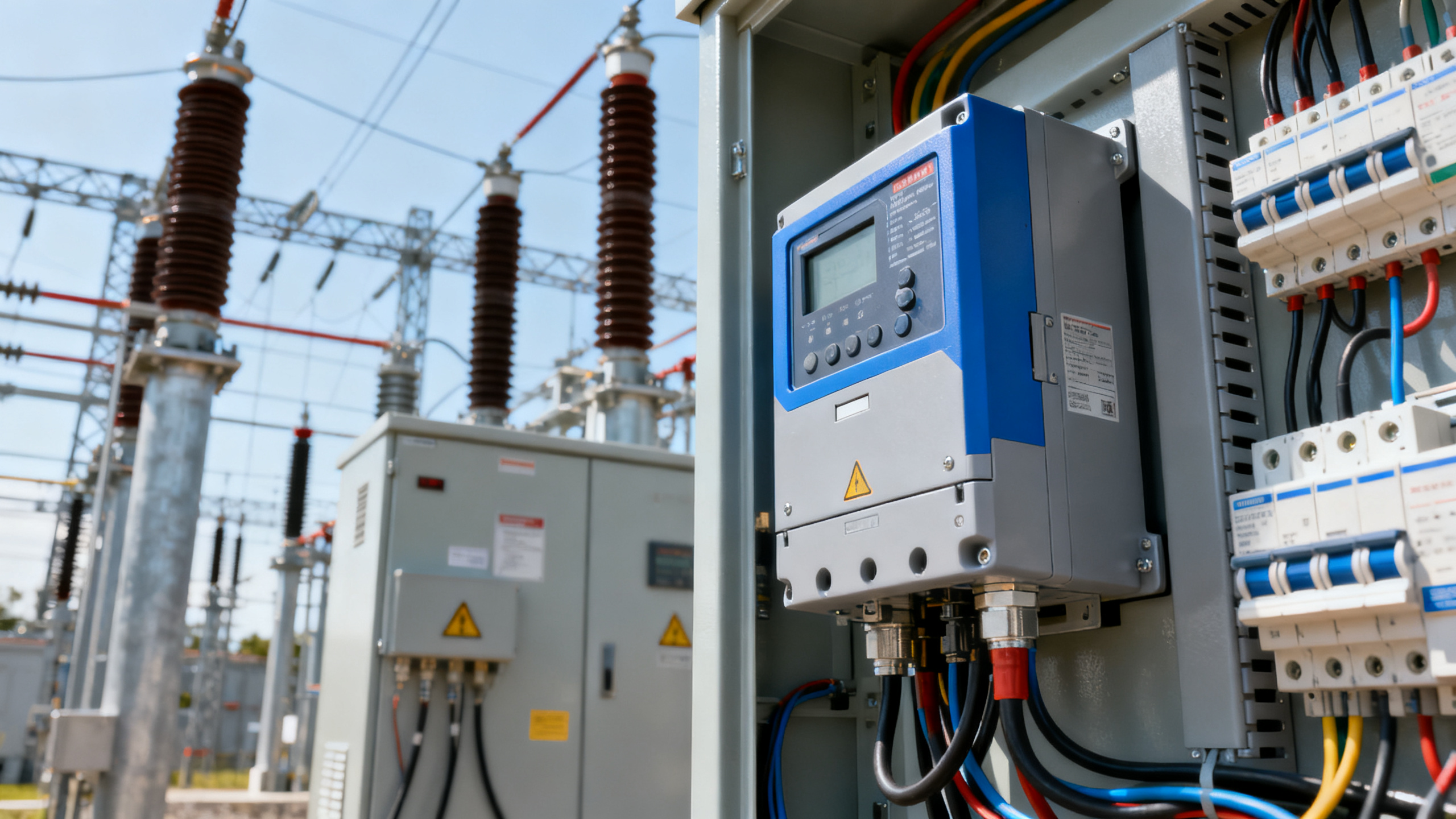
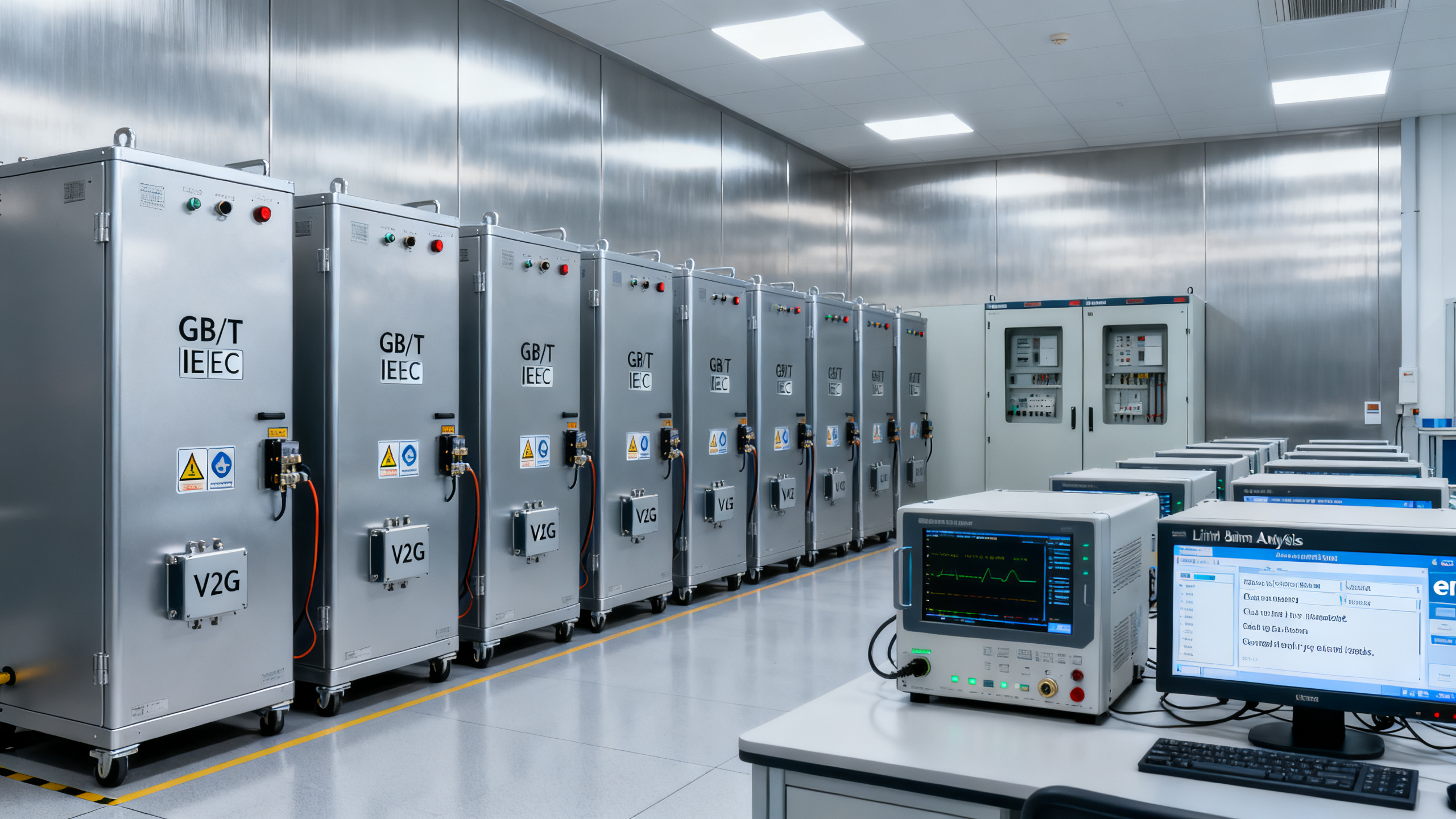
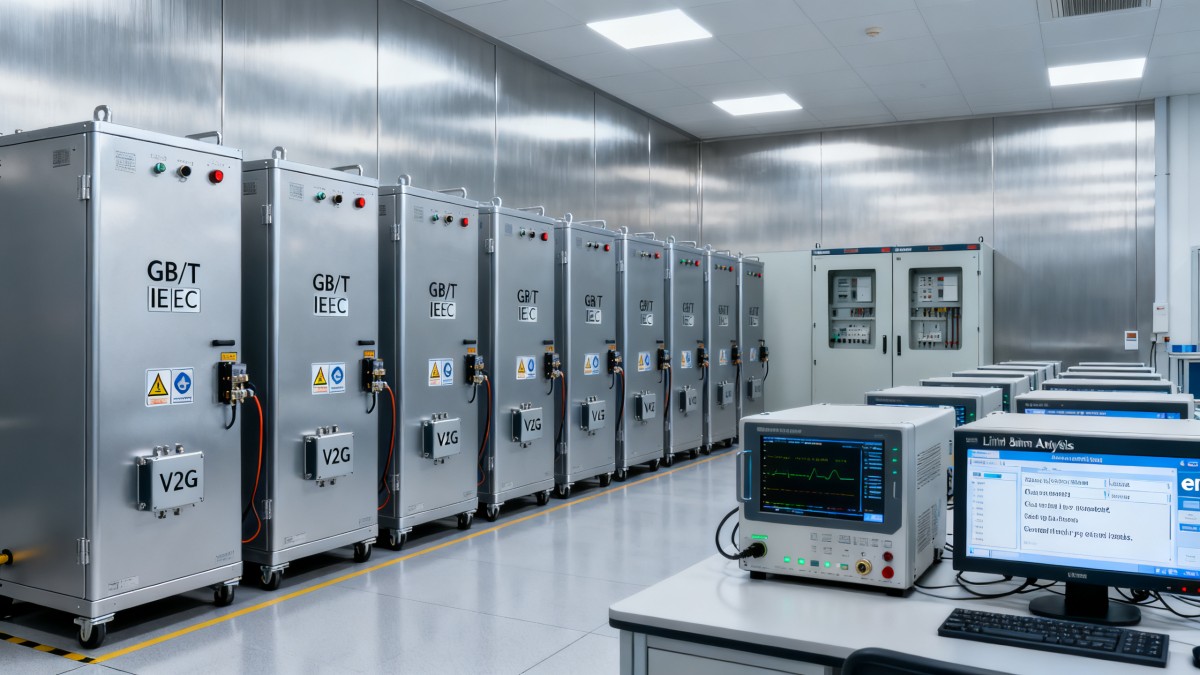
China has spearheaded the development of more than 60 international standards in the NEV sector, covering critical areas including battery safety, charging interfaces, and vehicle-to-grid (V2G) communication protocols. This leadership extends beyond core vehicle systems into supporting technical fields—specifically Testing & Measurement (e.g., full-lifecycle battery testing), Lab & Analytics (e.g., cathode/anode material composition analysis), and Breakers & Relays (e.g., V2G bidirectional power flow protection devices)—enhancing global recognition of Chinese-made test equipment and protective components by overseas certification bodies.
Impact on Key Subsectors
Direct Export-Oriented Enterprises
Exporters of NEV-related hardware—including battery testers, lab analyzers, and grid-interfacing relays—benefit from reduced conformity assessment barriers. As Chinese-led standards gain traction in IEC, ISO, and UN/WP.29 frameworks, pre-certification costs and time-to-market for these products in EU, ASEAN, and Latin American markets have measurably decreased. However, reliance on China-originated standards also introduces strategic exposure: divergence in future regional regulatory updates may require parallel compliance efforts.
Raw Material Sourcing Firms
Suppliers of battery-grade lithium, cobalt, nickel, and specialty electrolyte additives face heightened demand for traceability and standardized test reporting. Since Chinese-led standards increasingly reference specific analytical methods (e.g., ICP-MS protocols for transition metal quantification), sourcing firms must align laboratory workflows with those methods—not only to satisfy downstream OEM requirements but also to meet third-party verification expectations in importing jurisdictions.
Manufacturing Entities
Component and system manufacturers—especially those producing V2G-capable inverters, smart breakers, or battery management systems—must now embed compliance with China-originated interface and safety specifications early in R&D. Observably, design iterations are shifting toward dual-standard readiness (e.g., GB/T + IEC 62196-3), as major Tier-1 suppliers report growing requests from European utilities and Japanese mobility platforms for interoperability validation against both sets.
Supply Chain Service Providers
Testing laboratories, certification consultancies, and logistics integrators specializing in battery transport and customs clearance are adapting service portfolios. For example, accredited labs are expanding capacity in V2G protocol conformance testing; certification agencies are adding bilingual (English–Chinese) audit modules referencing GB/T 34657.1–2017 and its IEC-aligned derivatives; and freight forwarders are updating documentation templates to reflect newly accepted Chinese test reports under Mutual Recognition Arrangements (MRAs) with ASEAN NCAP and GCC Standardization Organization.
Key Focus Areas and Recommended Actions
Monitor evolving alignment between GB/T and IEC/ISO drafts
Track public comment phases of IEC 62196-7 (V2G security) and ISO 15118-20 revisions—both currently incorporating language and architecture from GB/T 34658 and GB/T 36282. Early engagement in national mirror committee consultations can influence harmonization outcomes.
Validate existing test equipment against updated calibration references
Many battery cyclers and impedance analyzers sold globally still reference legacy ASTM or JEDEC benchmarks. Manufacturers should verify whether firmware and calibration certificates conform to the metrological traceability chains defined in GB/T 31484–2015 (now adopted as ISO 18243:2022 Annex B). Non-conforming units risk rejection during type approval audits.
Assess dual-certification cost-benefit for key export markets
In regions where local regulators accept Chinese standards conditionally (e.g., Brazil’s INMETRO, South Africa’s NRCS), enterprises should compare total cost of obtaining both CB Scheme certification *and* CCC-mark–aligned reports versus relying solely on the latter. Analysis shows that for mid-tier exporters, hybrid certification reduces average time-to-approval by 22% but increases upfront fees by 14–18%.
Editorial Perspective / Industry Observation
This standardization leadership is better understood not as a unilateral export of technical rules, but as an institutionalized response to scale-driven infrastructure interoperability needs. China’s NEV deployment velocity—over 9.5 million units sold in 2023 alone—generated urgent real-world data on battery degradation patterns, grid interaction anomalies, and thermal runaway propagation. That empirical base informed test case selection and failure-mode weighting in the standards, giving them functional credibility beyond geopolitical origin. From industry perspective, the deeper implication lies in the reconfiguration of technical authority: standards development is no longer solely the domain of legacy industrial economies, but a contested, evidence-informed negotiation among rapidly scaling ecosystems.
Conclusion
China’s leadership in NEV international standardization reflects a structural evolution—from technology adopter to co-architect of global technical infrastructure. Its impact extends well beyond vehicle manufacturing into precision instrumentation, materials science validation, and grid-edge protection. A rational observation is that this trend does not signal displacement of existing standards bodies, but rather a multipolar calibration process—one where convergence will be incremental, context-sensitive, and increasingly shaped by field performance data rather than theoretical consensus.
Source Attribution
Sources include official releases from SAC (Standardization Administration of China), IEC TC69 and SC23H meeting minutes (2023–2024), ISO/TC22/SC37 working documents, and publicly filed technical annexes to UN Regulation No. 100 (Revision 3, 2024). Ongoing developments in IEC 61851-23 (bidirectional conductive charging) and ISO/PAS 5798 (battery passport data schema) remain under active observation.
Technical Specifications
- How to Select Electronic Hotel Key Card Locks for Guest Rooms and Staff AreasAuthor :Safety Compliance Lead
- How to Select Lab Instruments for Reliable Chemical Analysis WorkflowsAuthor :Precision Metrology Expert
- How to Size a UPS for Server Rooms: Load, Runtime, and Redundancy FactorsAuthor :Grid Infrastructure Analyst
Expert Insights

Chief Security Architect
Dr. Thorne specializes in the intersection of structural engineering and digital resilience. He has advised three G7 governments on industrial infrastructure security.
Related Analysis
- Sep 17, 2026How to Select Electronic Hotel Key Card Locks for Guest Rooms and Staff AreasAuthor :Safety Compliance Lead
- Sep 16, 2026How to Select Lab Instruments for Reliable Chemical Analysis WorkflowsAuthor :Precision Metrology Expert
- Sep 15, 2026How to Size a UPS for Server Rooms: Load, Runtime, and Redundancy FactorsAuthor :Grid Infrastructure Analyst
Core Sector // 01
Security & Safety
- Can SPDs Handle Repeated Voltage Spikes in Tropical Grids?Author :Grid Infrastructure Analyst

- How to Evaluate IEC-Compliant Power Protection Devices for Industrial PanelsAuthor :Grid Infrastructure Analyst

- How to Choose Smart Industrial Control Equipment for Harsh Plant EnvironmentsAuthor :Grid Infrastructure Analyst

- EU EMC Update Triggers Re-Certification for BreakersAuthor :Grid Infrastructure Analyst

- How to Select the Right SPD for Solar Inverter Protection in PV Systems?Author :Grid Infrastructure Analyst

- Industrial Valve Systems Factory Checklist: What Buyers Should Verify Before OrderingAuthor :Grid Infrastructure Analyst

- Breaker and Relay Lead Times Hit 24 WeeksAuthor :Grid Infrastructure Analyst

- IEC 61850-10-3 Sets Cybersecurity Bar for Grid DevicesAuthor :Grid Infrastructure Analyst