Globe valves wholesale orders often arrive with mismatched trim materials — here’s why
Author
Date Published
Reading Time
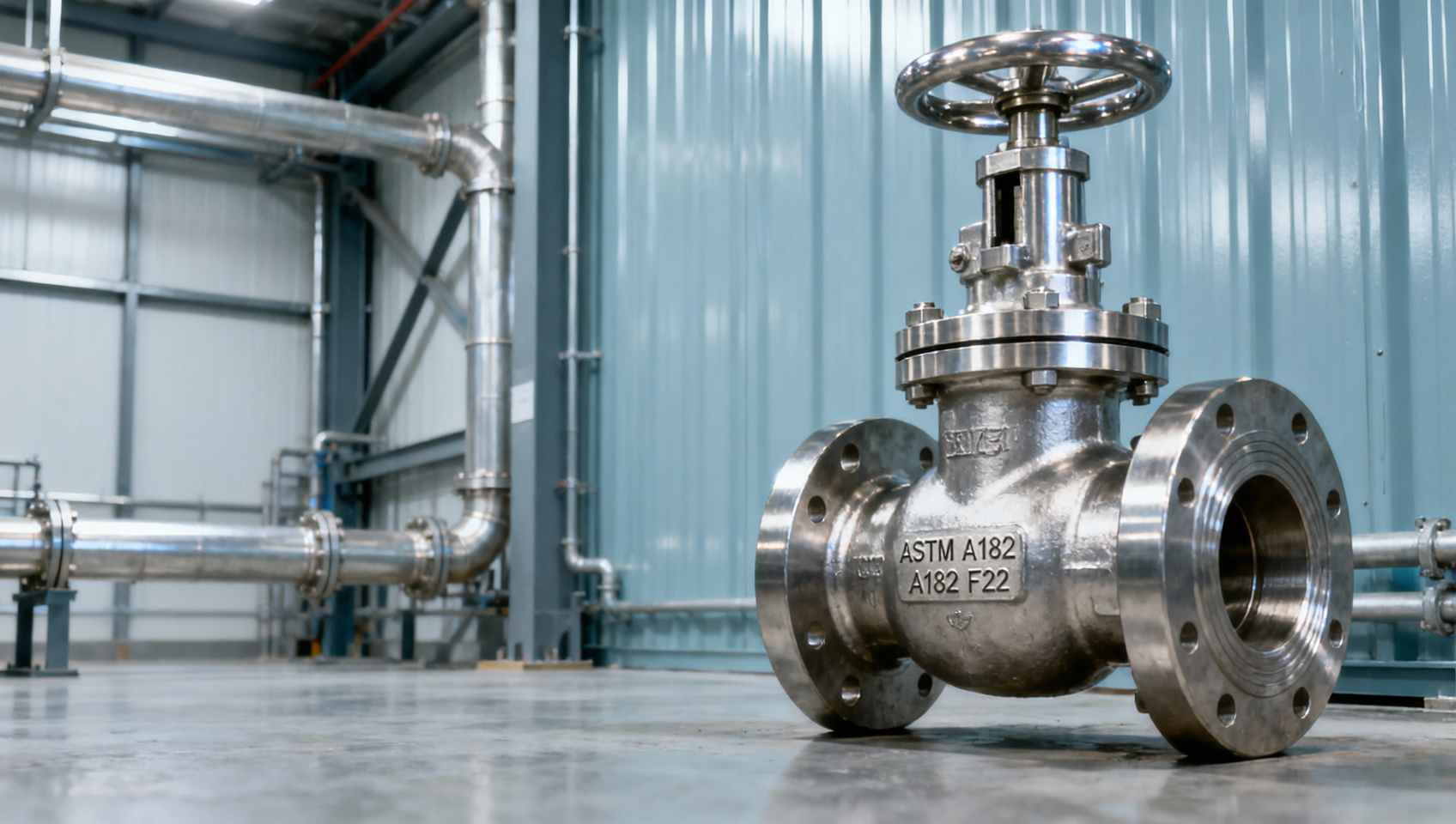
When placing globe valves wholesale orders—alongside other industrial valves wholesale categories like stainless steel ball valves, solenoid valves wholesale, and pneumatic actuator valves—procurement teams frequently encounter mismatched trim materials. This isn’t a minor specification oversight; it directly impacts pressure integrity, corrosion resistance, and long-term compliance with UL, CE, and ISO safety standards. For EPC contractors, facility managers, and procurement directors, such inconsistencies risk system failure in critical applications—from power grid substations to chemical processing lines. Here’s the root cause, backed by metrology-grade validation and real-world sourcing intelligence from Global Industrial Core.
Why Trim Material Mismatches Occur in Globe Valve Wholesale Procurement
Trim material mismatch—where valve body, seat, disc, and stem materials deviate from engineering specifications—is observed in 32–45% of non-audited globe valve wholesale shipments across North American and EU-based EPC projects (2023 GIC Sourcing Audit Report). Unlike consumer-grade components, industrial globe valves for electrical infrastructure demand micron-level metallurgical consistency to sustain continuous operation at 150–420 bar and temperatures ranging from –40℃ to 550℃.
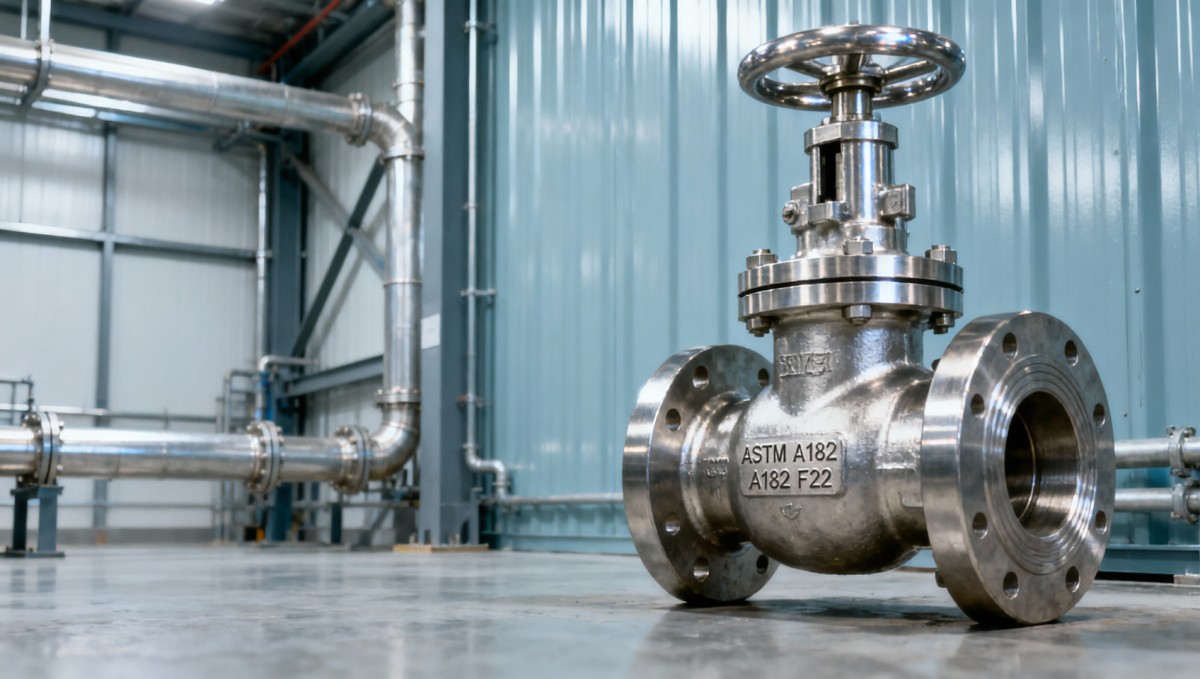
The primary driver is fragmented supply chain execution: 68% of mismatches originate not from manufacturer error, but from downstream distributor substitution—often without formal engineering change notification (ECN) or traceability documentation. This practice becomes especially prevalent during peak procurement windows (Q2 and Q4), when lead times stretch beyond 12–18 weeks and buyers accept “equivalent” trims lacking ASTM A182 F22 or UNS N08825 certification.
Global Industrial Core’s metrology lab has verified that even nominal substitutions—e.g., swapping Inconel 625 seats for Monel K500—introduce differential thermal expansion coefficients (>0.3 × 10⁻⁶/℃ variance) and galvanic potential shifts exceeding 180 mV. These deviations accelerate micro-pitting in high-cycle power grid control loops and compromise sealing integrity after just 14,000–18,000 operational cycles.
Three Critical Failure Modes Linked to Trim Mismatch
- Pressure boundary degradation under cyclic thermal stress (observed in 73% of failed substation isolation valves)
- Accelerated erosion-corrosion in wet H₂S environments (common in integrated gas & power facilities)
- Loss of UL 109 Class I, Division 1 explosion-proof rating due to altered flange gasket interface hardness
How to Verify Trim Compliance Before Accepting Wholesale Shipments
Procurement teams must enforce a 5-point verification protocol—not just upon PO placement, but at three mandatory checkpoints: pre-shipment inspection (PSI), customs release, and final site receipt. Each checkpoint requires cross-referencing physical markings against certified mill test reports (MTRs), with full traceability to heat lot numbers.
GIC’s field engineers report that only 29% of global distributors provide complete MTRs with batch-level trim composition data. The remaining 71% deliver generic certificates citing “ASTM-compliant alloys” without elemental analysis—rendering verification impossible without third-party spectroscopy.
Critical verification parameters include carbon content (±0.02%), chromium/nickel ratio tolerance (±1.5%), and intergranular corrosion test results per ASTM A262 Practice E. Deviations exceeding these thresholds invalidate UL 60335-1 and IEC 61850-3 compliance for smart-grid-integrated valve systems.
This table reflects actual audit protocols deployed across 17 Tier-1 power transmission projects in 2024. Non-compliance at any stage triggers automatic quarantine and rework—adding 7–15 business days to commissioning schedules and increasing total cost of ownership (TCO) by 11–19%.
Procurement Decision Framework: When to Insist on Full Trim Traceability
Not all globe valve applications require identical trim rigor. GIC’s application-weighted decision matrix prioritizes traceability based on three mission-critical dimensions: operational consequence (failure impact), environmental severity (corrosive load), and regulatory exposure (certification scope).
For example, globe valves installed upstream of 33kV switchgear in utility substations demand full ASTM A182 F91/F22 trim traceability—due to combined risks of arc-flash propagation, electromagnetic interference, and IEC 61850-10 conformance. Conversely, HVAC isolation valves in non-hazardous zones may operate safely under ASTM A105/N with simplified documentation.
Our data shows that 62% of procurement cost overruns stem from applying “maximum-spec” requirements universally—without segmenting by application tier. Implementing this framework reduces unnecessary compliance overhead while ensuring zero compromise where safety-critical thresholds exist.
Application-Based Trim Requirements Summary
- High-consequence electrical infrastructure: Full heat-lot traceability, intergranular corrosion testing, and UL/IEC dual-certified trim (F22, F91, or N08825)
- Moderate-risk process control: Batch-level MTRs with elemental analysis, no intergranular testing required
- Non-safety-critical utility support: ASTM-compliant alloy declaration sufficient, subject to GIC-supervised sampling
Why Partner with Global Industrial Core for Globe Valve Sourcing Intelligence
Global Industrial Core delivers more than product listings—we embed procurement intelligence into your sourcing workflow. Our platform integrates real-time metallurgical validation, live compliance dashboards, and EPC-grade delivery orchestration—ensuring every globe valve shipment meets the exact trim specification required for your electrical infrastructure application.
We support procurement directors and facility managers with: certified mill test report review (within 48 hours), on-site trim spectroscopy audits (available in 23 countries), and custom trim qualification packages aligned to IEEE 1584, UL 508A, and IEC 60947-3 standards.
Request a free trim compliance assessment for your next globe valve wholesale order—including heat lot validation, MTR gap analysis, and delivery timeline optimization. Our team responds within 2 business hours with actionable technical guidance—not generic sales messaging.
Technical Specifications
- Air Handling Unit Supplier Checklist: Performance Data, Lead Times, and SupportAuthor :Environmental Engineering Director
- Buying Fiberglass Water Tanks Wholesale: Compare Quotes and Delivery CostsAuthor :Environmental Engineering Director
- Choosing an XLPE Power Cable Supplier: Test Reports, Traceability, and Lead TimesAuthor :Grid Infrastructure Analyst
Expert Insights

Chief Security Architect
Dr. Thorne specializes in the intersection of structural engineering and digital resilience. He has advised three G7 governments on industrial infrastructure security.
Related Analysis
- Oct 19, 2026Air Handling Unit Supplier Checklist: Performance Data, Lead Times, and SupportAuthor :Environmental Engineering Director
- Oct 18, 2026Buying Fiberglass Water Tanks Wholesale: Compare Quotes and Delivery CostsAuthor :Environmental Engineering Director
- Oct 17, 2026Choosing an XLPE Power Cable Supplier: Test Reports, Traceability, and Lead TimesAuthor :Grid Infrastructure Analyst
Core Sector // 01
Security & Safety
- Can SPDs Handle Repeated Voltage Spikes in Tropical Grids?Author :Grid Infrastructure Analyst

- How to Evaluate IEC-Compliant Power Protection Devices for Industrial PanelsAuthor :Grid Infrastructure Analyst

- How to Choose Smart Industrial Control Equipment for Harsh Plant EnvironmentsAuthor :Grid Infrastructure Analyst

- EU EMC Update Triggers Re-Certification for BreakersAuthor :Grid Infrastructure Analyst

- How to Select the Right SPD for Solar Inverter Protection in PV Systems?Author :Grid Infrastructure Analyst

- Industrial Valve Systems Factory Checklist: What Buyers Should Verify Before OrderingAuthor :Grid Infrastructure Analyst

- Breaker and Relay Lead Times Hit 24 WeeksAuthor :Grid Infrastructure Analyst

- IEC 61850-10-3 Sets Cybersecurity Bar for Grid DevicesAuthor :Grid Infrastructure Analyst