An industrial infrastructure safety compliance checklist before handover
Author
Date Published
Reading Time
An industrial infrastructure safety compliance checklist before handover
Before any industrial facility changes hands, a rigorous industrial infrastructure safety compliance checklist is essential to verify readiness, reduce liability, and prevent costly failures. For project delivery teams and engineering stakeholders, this structured review confirms that safety systems, electrical assets, mechanical components, environmental controls, and handover records meet regulatory, operational, and contractual expectations from day one. In heavy industrial environments, a missed test report, an unverified interlock, or an incomplete permit record can trigger downtime, legal exposure, or immediate safety risk after takeover.
A strong industrial infrastructure safety compliance checklist does more than support final inspection. It creates a traceable method to verify installed conditions against design intent, commissioning evidence, applicable standards, and site-specific hazards. This is especially important in integrated facilities where electrical power distribution, instrumentation, emergency systems, structural supports, fire protection, and emissions controls are all interdependent. If one discipline is handed over with unresolved deviations, the impact can cascade across production reliability, environmental performance, and worker protection.
Why a structured review is necessary before handover
Industrial handover is not simply an administrative milestone. It is the formal transfer of operational responsibility, risk ownership, and compliance accountability. A documented industrial infrastructure safety compliance checklist helps confirm that the facility is safe to energize, safe to occupy, and safe to maintain under normal and abnormal operating conditions. It also provides evidence that pre-handover decisions were based on verified facts rather than assumptions or verbal confirmation.
In practice, checklist-based validation improves consistency across civil, mechanical, electrical, environmental, and process systems. It reduces gaps between EPC delivery, commissioning completion, and operational acceptance. It also supports audit readiness for CE, UL, ISO, local fire code, pressure equipment regulations, lockout/tagout procedures, hazardous area requirements, and environmental permits. When the industrial infrastructure safety compliance checklist is used early and updated throughout closeout, final handover becomes faster, cleaner, and less disputed.
Core pre-handover verification points
The following industrial infrastructure safety compliance checklist can be adapted for factories, utilities, logistics hubs, processing plants, workshops, energy facilities, and mixed-use industrial sites. Each point should be supported by physical inspection, documented evidence, and clear sign-off responsibility.
- Confirm all life safety systems are installed, tested, labeled, and functionally verified, including alarms, emergency lighting, egress routes, suppression equipment, gas detection, and shutdown interfaces.
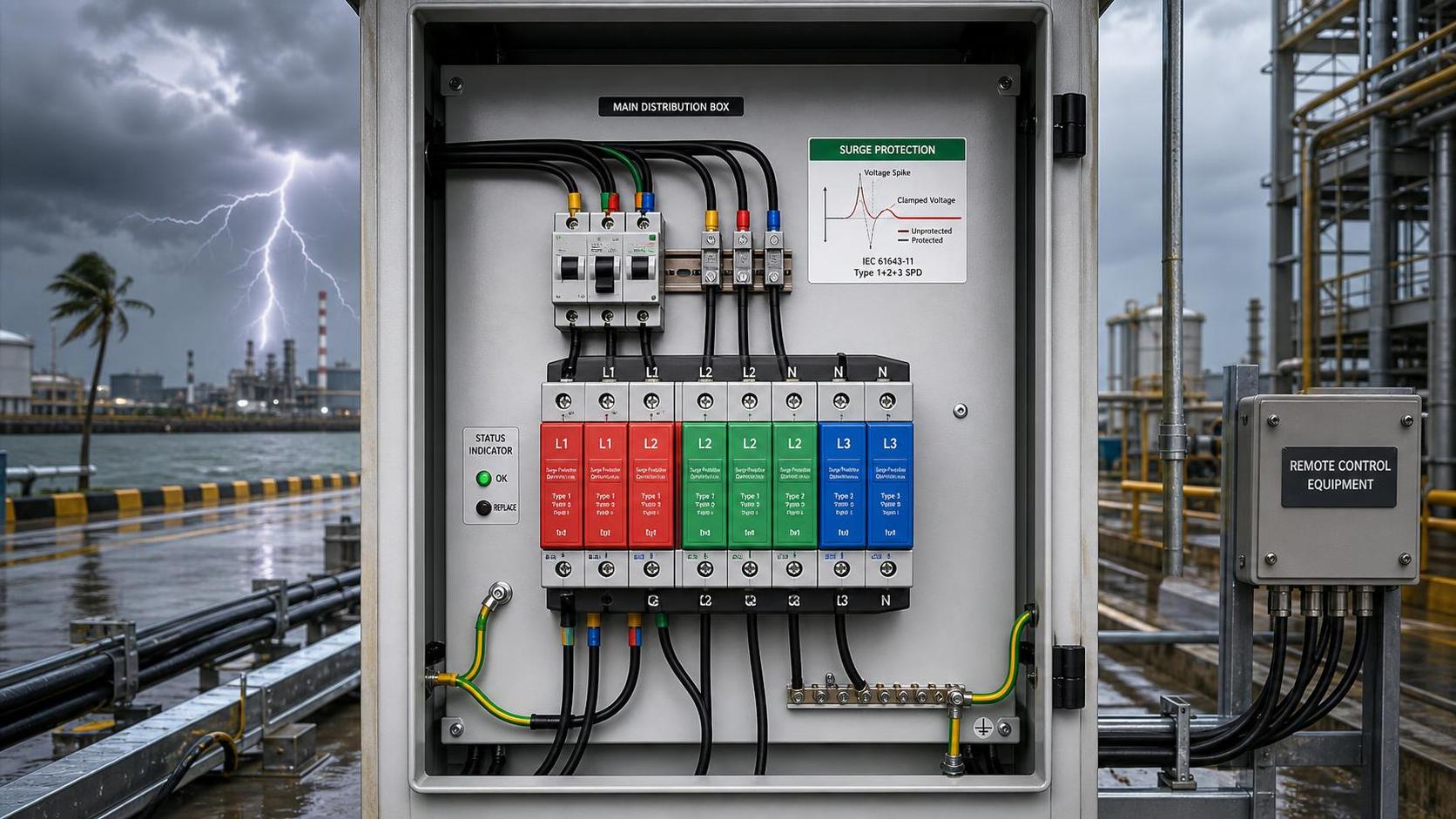
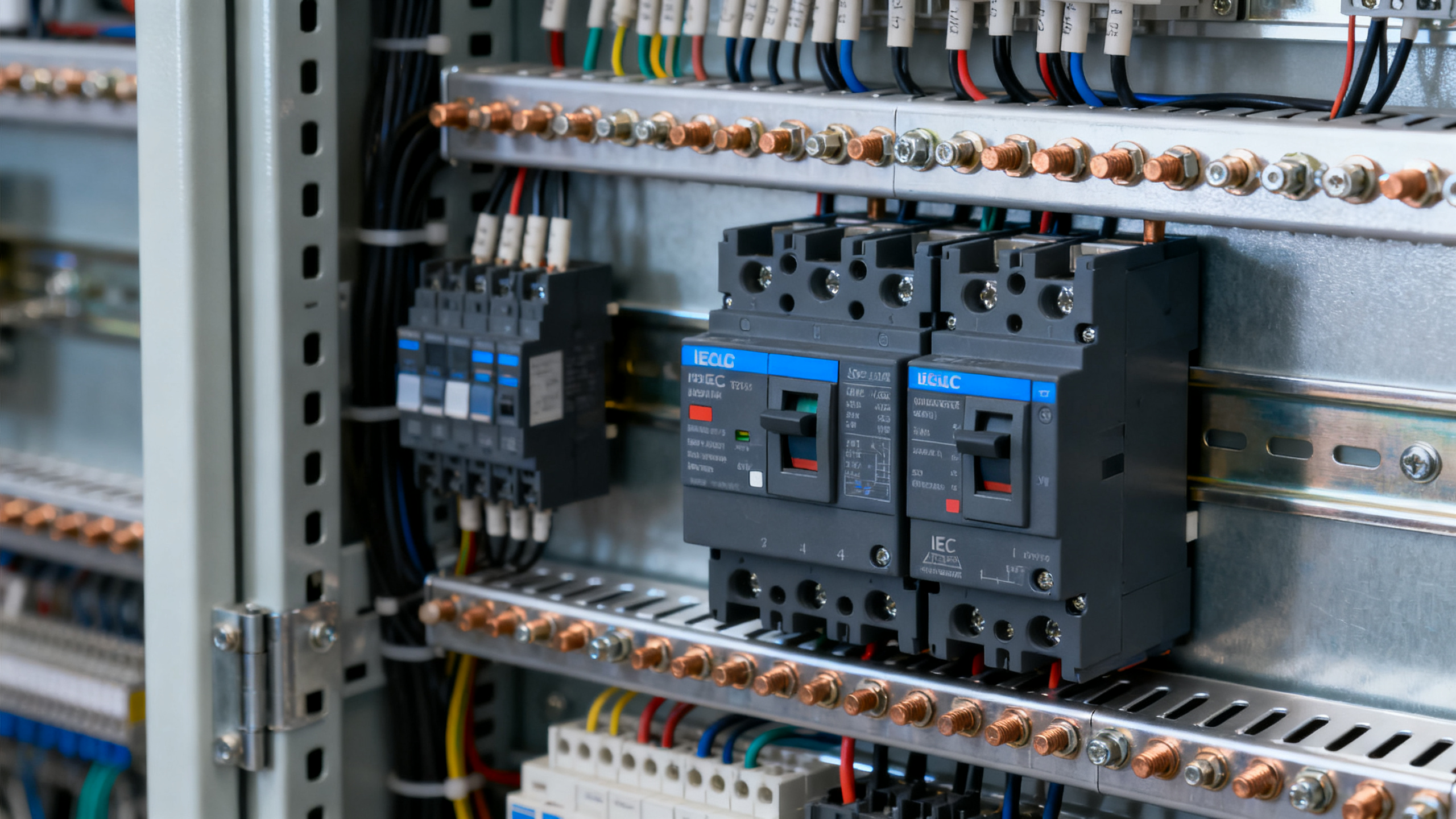
- Verify electrical infrastructure compliance through insulation tests, grounding continuity, protection coordination, arc flash labeling, panel identification, cable routing checks, and energization approval records.
- Inspect rotating and static mechanical assets for alignment, guarding, vibration limits, lubrication status, pressure integrity, torque records, nameplate accuracy, and preservation removal before operation.
- Review instrumentation and control systems for calibrated devices, loop checks, alarm rationalization, interlock validation, fail-safe logic, cybersecurity baselines, and historian or trend configuration.
- Check environmental protection systems such as wastewater treatment, spill containment, dust collection, stack monitoring, noise barriers, drainage segregation, and waste storage against permit conditions.
- Validate structural and access safety by inspecting platforms, ladders, handrails, anchor points, covers, gratings, corrosion protection, load markings, and restricted access barriers.
- Ensure hazardous materials and hazardous area controls are in place, including SDS availability, chemical labeling, Ex equipment verification, ventilation performance, and ignition source control.
- Confirm commissioning records are complete, with punch list status, test packs, nonconformance resolution, redline drawings, vendor reports, and signed acceptance certificates available on request.
- Review maintenance readiness by checking spare parts lists, preventive maintenance schedules, lubrication instructions, OEM manuals, special tools, and critical asset warranty conditions.
- Verify operational readiness through emergency response plans, permit-to-work procedures, lockout/tagout documentation, training attendance, competency records, and shift handover instructions.
- Check digital and document control integrity so that P&IDs, single-line diagrams, equipment lists, cause-and-effect charts, and inspection logs reflect the as-built condition.
- Confirm legal and contractual closure, including statutory inspections, authority approvals, insurance prerequisites, defect liability obligations, and any temporary operating restrictions still in force.
How the checklist changes by industrial setting
Processing and manufacturing facilities
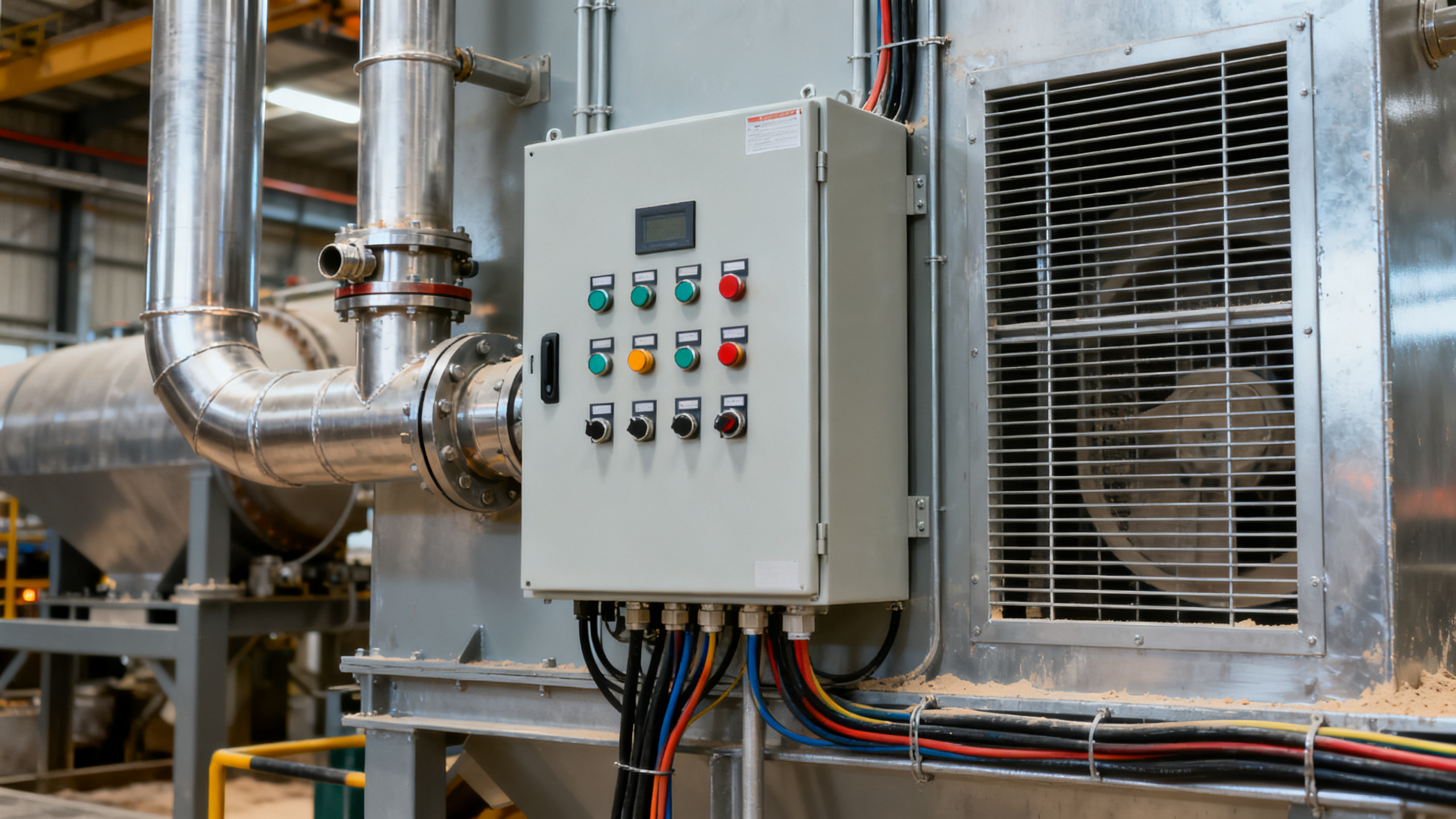
In process-intensive environments, the industrial infrastructure safety compliance checklist should place extra emphasis on interlocks, relief paths, containment integrity, burner management, hazardous substance handling, and instrument calibration traceability. Utility dependencies such as compressed air, cooling water, steam, and backup power must also be confirmed because a safe process can become unsafe when support systems fail.
Equipment cleaning status, contamination control, and startup permissives deserve close attention. If temporary bypasses or inhibited alarms remain after commissioning, they should be formally recorded, risk-assessed, and resolved before handover whenever possible.
Warehousing and logistics infrastructure
For logistics sites, the industrial infrastructure safety compliance checklist typically focuses on fire zoning, rack load compliance, battery charging areas, dock safety equipment, traffic segregation, lighting levels, CCTV coverage, access control, and emergency evacuation routes. Where automated conveyors or AS/RS systems are present, safeguarding, sensor logic, and stop functions should be validated under realistic operating conditions.
Drainage management, slip resistance, and weather resilience are also important, especially at yard interfaces and loading zones. Outdoor infrastructure often introduces handover risks that are overlooked during indoor inspections.
Utilities, substations, and energy support assets
In utility-heavy projects, the industrial infrastructure safety compliance checklist should prioritize protection relay settings, transformer oil containment, switchgear clearances, earthing systems, lockable isolation points, cable fire sealing, ventilation, and thermal monitoring. Mechanical and electrical interfaces must be reviewed together because failure often occurs at the boundary between disciplines rather than within a single package.
Where backup generation or UPS systems exist, black-start procedures, transfer logic, autonomy duration, and battery room safety should be verified before operational responsibility is transferred.
Frequently overlooked issues that create handover risk
Temporary works left in place
Scaffolding tie-ins, temporary power feeds, bypass piping, blanked drains, and construction-only supports can remain after mechanical completion. If they are not captured in the industrial infrastructure safety compliance checklist, they may compromise safe operation or maintenance access.
Mismatch between drawings and field conditions
A common failure point is relying on approved drawings that do not match the installed asset. As-built discrepancies affect isolation planning, emergency response, spare selection, and future modifications. Every industrial infrastructure safety compliance checklist should require redline closure and controlled document release.
Incomplete statutory inspections
Pressure vessels, lifting equipment, fire systems, electrical installations, and emissions controls may require third-party or authority sign-off. Missing certificates can invalidate occupancy or operation even when physical installation appears complete.
Unverified operator training
A facility is not fully handover-ready if the system works but operating personnel cannot respond to alarms, isolate hazardous energy, or perform routine checks correctly. Training records, drills, and competency assessments should be treated as compliance evidence, not administrative extras.
Environmental controls not tested under load
Dust collectors, wastewater systems, ventilation, and noise barriers may pass visual inspection but fail when production begins. The industrial infrastructure safety compliance checklist should include performance verification under realistic operating conditions whenever feasible.
Practical steps to execute the review effectively
Start the industrial infrastructure safety compliance checklist well before the contractual handover date. A staged review at mechanical completion, pre-commissioning, commissioning, and final closeout prevents last-minute compression of critical checks. This phased approach also helps separate installation defects from operational tuning issues.
- Create a discipline-based checklist matrix aligned to applicable codes, site risks, and contractual acceptance criteria.
- Assign a named owner, evidence requirement, due date, and closure method for every checklist item.
- Use field walks to compare documents against actual installation instead of relying only on desk review.
- Separate open punch items into critical, operational, cosmetic, and deferred categories with formal approval rules.
- Store all records in a controlled digital file structure so audits and future maintenance teams can retrieve them quickly.
Where multiple contractors or package vendors are involved, one integrated closeout register is essential. It should link deficiencies to location, system tag, risk level, responsible party, target date, and verification evidence. This prevents fragmented closeout and makes the industrial infrastructure safety compliance checklist a living control tool rather than a static handover form.
Common questions
What should be included in an industrial infrastructure safety compliance checklist?
It should include life safety systems, electrical compliance, mechanical integrity, instrumentation validation, environmental protection, structural safety, statutory certifications, maintenance readiness, training records, and as-built documentation. The exact content depends on the site type and governing regulations.
When should the checklist process begin?
The industrial infrastructure safety compliance checklist should begin before commissioning and continue through final closeout. Starting early allows unresolved issues to be corrected without delaying operational transfer.
Why is documentation as important as physical inspection?
Physical conditions show what is installed, but documentation proves what was tested, approved, calibrated, and accepted. During audits, incidents, warranty claims, or future modifications, missing records can create the same level of risk as missing equipment.
Final review and next steps
A disciplined industrial infrastructure safety compliance checklist is one of the most effective ways to protect operational continuity at handover. It supports safer startup, clearer accountability, stronger regulatory alignment, and lower lifecycle risk across security and safety systems, instrumentation, electrical assets, environmental controls, and mechanical infrastructure.
The most reliable outcome comes from combining field verification, standards-based review, and tightly controlled records. Before accepting any industrial asset, complete a final gap review, confirm that critical punch items are closed, validate that all certificates and as-built documents are current, and ensure the facility can be operated and maintained safely under real conditions. A well-executed industrial infrastructure safety compliance checklist turns handover from a paperwork event into a true readiness decision.
Technical Specifications
- How to Select an Emissions Monitoring System Analyzer for Compliance ReportingAuthor :Precision Metrology Expert
- How to Select an Access Control Management System for Multi-Site FacilitiesAuthor :Safety Compliance Lead
- Portable Gas Monitor Calibration: How Often Is It Needed for Safe Confined-Space Work?Author :Precision Metrology Expert
Expert Insights

Chief Security Architect
Dr. Thorne specializes in the intersection of structural engineering and digital resilience. He has advised three G7 governments on industrial infrastructure security.
Related Analysis
- Sep 21, 2026How to Select an Emissions Monitoring System Analyzer for Compliance ReportingAuthor :Precision Metrology Expert
- Sep 20, 2026How to Select an Access Control Management System for Multi-Site FacilitiesAuthor :Safety Compliance Lead
- Sep 19, 2026Portable Gas Monitor Calibration: How Often Is It Needed for Safe Confined-Space Work?Author :Precision Metrology Expert
Core Sector // 01
Security & Safety
- Can SPDs Handle Repeated Voltage Spikes in Tropical Grids?Author :Grid Infrastructure Analyst

- How to Evaluate IEC-Compliant Power Protection Devices for Industrial PanelsAuthor :Grid Infrastructure Analyst

- How to Choose Smart Industrial Control Equipment for Harsh Plant EnvironmentsAuthor :Grid Infrastructure Analyst

- EU EMC Update Triggers Re-Certification for BreakersAuthor :Grid Infrastructure Analyst

- How to Select the Right SPD for Solar Inverter Protection in PV Systems?Author :Grid Infrastructure Analyst

- Industrial Valve Systems Factory Checklist: What Buyers Should Verify Before OrderingAuthor :Grid Infrastructure Analyst

- Breaker and Relay Lead Times Hit 24 WeeksAuthor :Grid Infrastructure Analyst

- IEC 61850-10-3 Sets Cybersecurity Bar for Grid DevicesAuthor :Grid Infrastructure Analyst