What makes an Electrical & Power manufacturer worth switching to
Author
Date Published
Reading Time
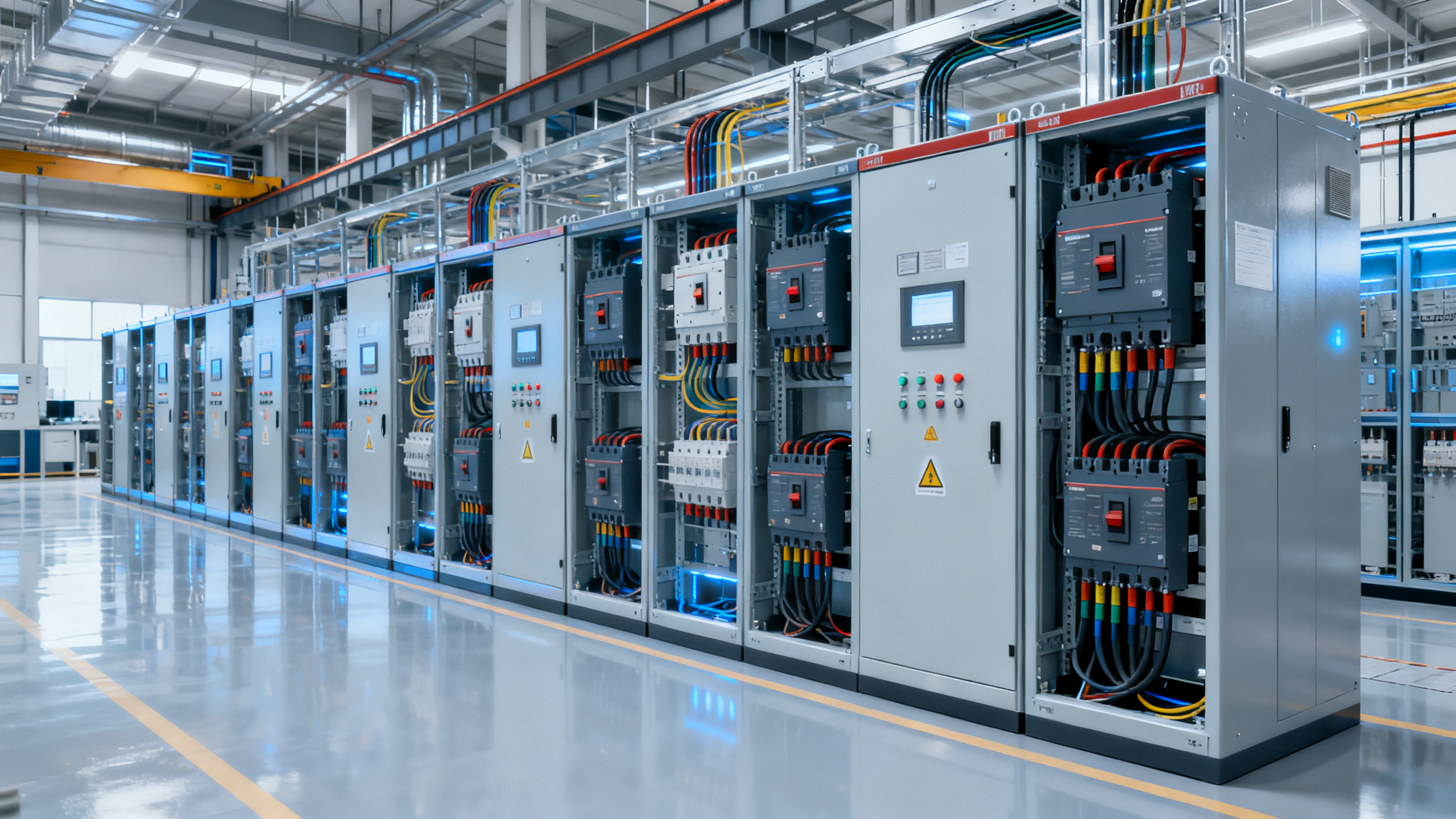
Switching to a new Electrical & Power manufacturer is more than a sourcing decision—it is a strategic move that affects compliance, uptime, cost control, and long-term operational resilience. In industrial, commercial, and infrastructure environments, electrical systems sit at the center of safety, continuity, and asset performance. That is why a worthwhile transition cannot be based on price alone. A credible Electrical & Power manufacturer must demonstrate engineering depth, verified certifications, stable production quality, and the ability to support demanding operating conditions across regions and standards frameworks.
Defining What “Worth Switching To” Means in Electrical & Power Supply
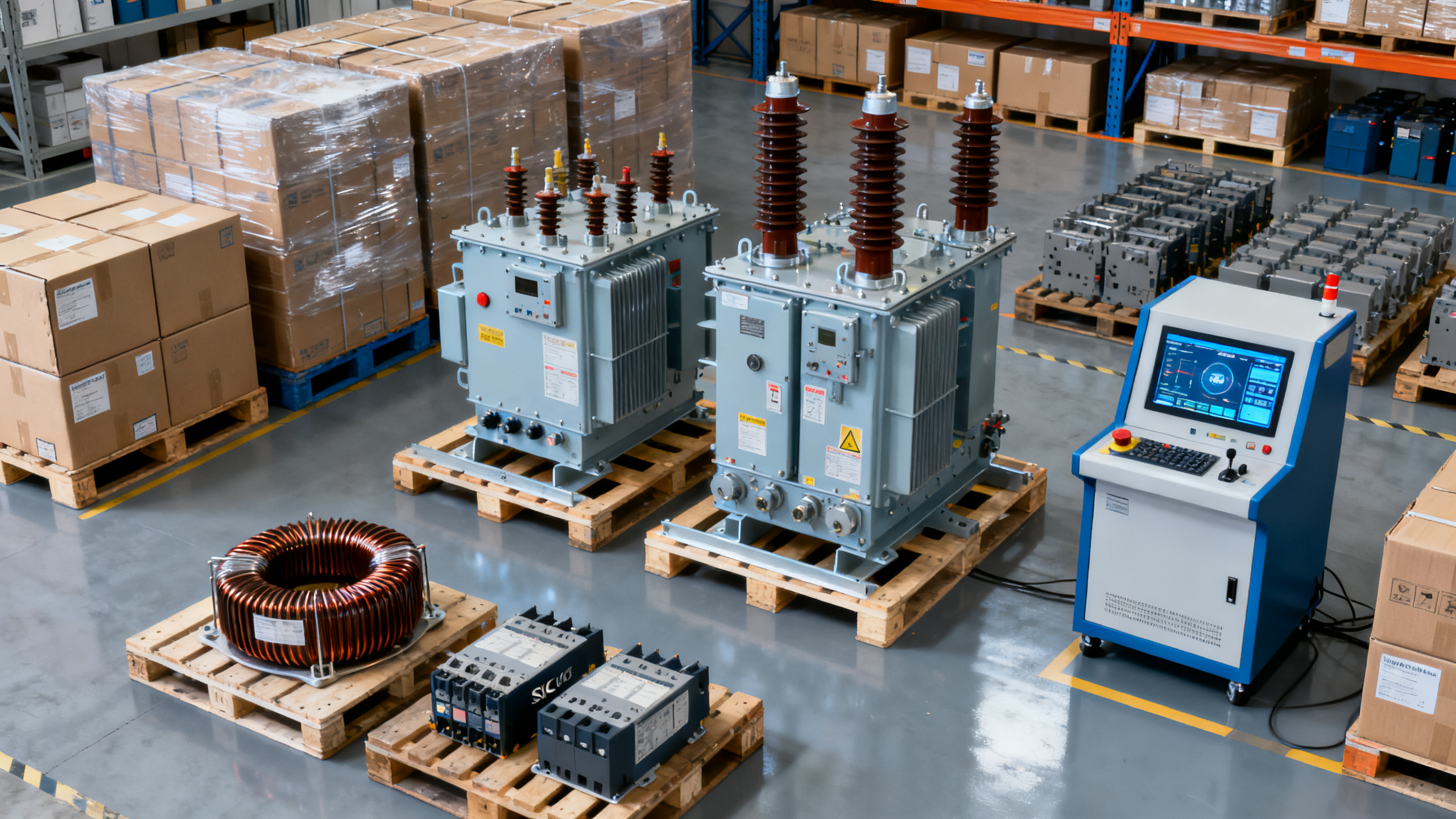
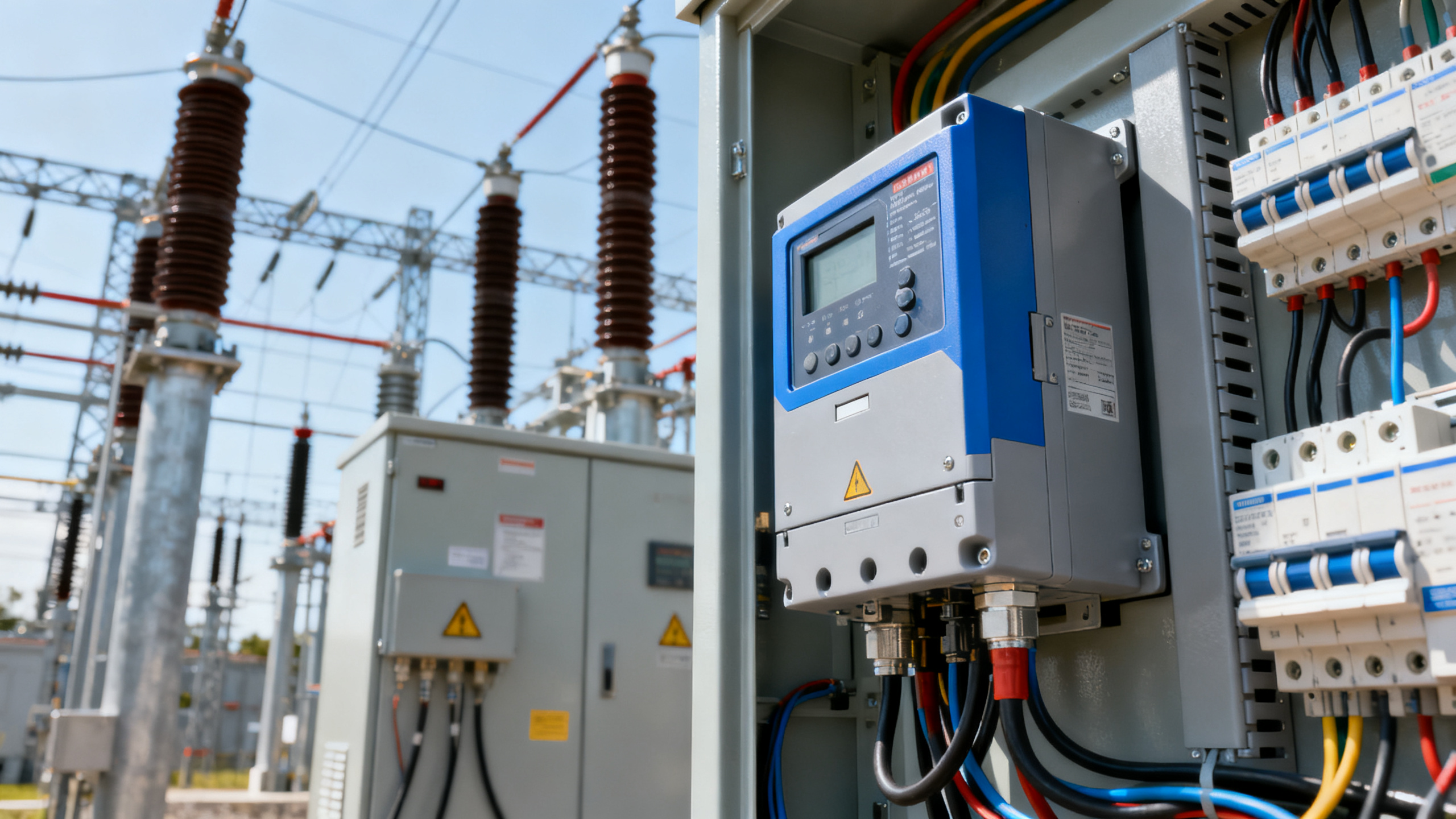
In practical terms, an Electrical & Power manufacturer is worth switching to when the move produces measurable gains in reliability, risk reduction, technical fit, and lifecycle value. The benchmark is not whether a supplier can ship components, but whether it can strengthen the full operating system around panels, distribution equipment, protection devices, cabling solutions, grid interface products, control assemblies, and power quality assets.
This evaluation becomes especially important in the broader industrial landscape, where downtime penalties, energy instability, and compliance failures can trigger costs far beyond the purchase order. A high-value Electrical & Power manufacturer is usually distinguished by five core traits: certified safety performance, consistent manufacturing discipline, transparent technical documentation, dependable logistics, and responsive post-sale engineering support. When these traits are present together, the switch supports both immediate project outcomes and long-term infrastructure resilience.
In other words, the right partner should help reduce uncertainty. It should simplify qualification, lower rework risk, improve integration with existing systems, and support future maintenance or expansion. In sectors where operational continuity matters, those gains often outweigh marginal unit-cost differences.
Current Industry Priorities Shaping Supplier Selection
Across comprehensive industrial applications, several market signals are changing how organizations assess an Electrical & Power manufacturer. The shift is driven by tighter safety enforcement, growing electrification, higher expectations around energy efficiency, and increased pressure on global supply chains. As a result, supplier reviews are becoming more technical and evidence-based.
These priorities explain why many switching decisions now begin with technical risk mapping rather than simple vendor comparison. The strongest Electrical & Power manufacturer is the one that can provide evidence, not assumptions, across quality, compliance, and continuity.
Business Value Created by the Right Electrical & Power Manufacturer
A successful supplier switch should generate visible business value across operations, finance, and project execution. First, a capable Electrical & Power manufacturer improves uptime by reducing failure rates, overheating incidents, nuisance trips, and installation mismatches. Better component integrity often leads directly to fewer service interventions and more stable performance under load.
Second, stronger certification discipline reduces approval friction. Documentation quality matters because industrial electrical products are frequently reviewed by engineering teams, inspectors, consultants, insurers, or end users. Clear drawings, datasheets, test certificates, and installation guidance shorten validation cycles and reduce the probability of rejection in the field.
Third, the right Electrical & Power manufacturer can improve total cost of ownership. This does not always mean the lowest price point. It means better value over time through longer service life, more predictable maintenance, lower replacement frequency, and reduced disruption during operation. In many settings, a modest premium in product quality protects a much larger investment in equipment, labor, and continuity.
- Reduced commissioning delays through complete technical packages
- Lower operational risk through verified protection and performance standards
- Higher asset reliability in demanding thermal, vibration, or moisture conditions
- Improved planning confidence through realistic lead times and support availability
Key Evaluation Dimensions Before Making the Switch
Before changing suppliers, it is useful to assess an Electrical & Power manufacturer through a structured framework. The following dimensions usually reveal whether a supplier is positioned for long-term performance or only short-term transaction fulfillment.
1. Technical reliability
Review design tolerances, material grade, thermal behavior, electrical endurance, ingress protection, and field failure history. Reliable manufacturers back these claims with test data and product consistency across batches.
2. Certification and standards alignment
A strong Electrical & Power manufacturer should show current compliance with relevant standards such as CE, UL, IEC, and ISO where applicable. Equally important is document traceability and the ability to explain what each certification covers.
3. Manufacturing and quality systems
Look beyond brochures. Audit process discipline, incoming material controls, testing routines, nonconformance handling, and batch identification. Stable quality systems are often the clearest predictor of stable field performance.
4. Supply continuity and responsiveness
Lead time accuracy, buffer stock strategy, packaging standards, and issue response speed all matter. The best Electrical & Power manufacturer is not only technically strong but operationally dependable when schedules tighten or specifications evolve.
5. Engineering support after the sale
Application guidance, wiring clarification, troubleshooting, replacement compatibility, and upgrade planning should be part of the relationship. This support becomes especially valuable in retrofit projects and mixed-brand environments.
Typical Scenarios Where Switching Delivers Stronger Results
Not every situation requires a supplier change, but some conditions clearly justify a deeper review of the current source base. The table below outlines common scenarios in which moving to a better Electrical & Power manufacturer can create meaningful benefits.
These scenarios appear across utilities, manufacturing plants, buildings, logistics facilities, energy projects, and public infrastructure. In each case, the real question is whether the new supplier can improve system confidence in measurable terms.
Practical Recommendations for a Low-Risk Transition
A switch to a new Electrical & Power manufacturer should be managed as a controlled technical transition rather than a simple vendor replacement. Start with a pilot scope using representative products or one application family. This approach helps validate documentation quality, fit, installation behavior, and service responsiveness before larger rollout.
- Compare certifications against actual project requirements, not generic claims.
- Request test reports, material details, and quality process summaries.
- Review spare parts availability and replacement timelines.
- Confirm technical support channels for installation and fault response.
- Track pilot results using measurable criteria such as defect rate, lead time accuracy, and documentation completeness.
It is also wise to map interoperability with existing systems. Even a high-quality Electrical & Power manufacturer may require adapter planning, revised drawings, or updated maintenance procedures when introduced into legacy environments. Careful transition planning prevents avoidable disruption and preserves the expected value of the switch.
Next-Step Decision Framework
A worthwhile switch becomes clear when the new Electrical & Power manufacturer can outperform the current source on the metrics that truly affect operations: compliance confidence, product consistency, engineering support, delivery reliability, and lifecycle cost control. The best decisions are evidence-led and tied to project realities rather than broad brand impressions.
For a disciplined next step, build a side-by-side scorecard covering certifications, test evidence, production controls, lead time performance, and post-sale service. Then validate the strongest candidate through a limited deployment. If the supplier can prove reliability in real conditions and support the full operational chain, the switch is not just justified—it becomes a strategic upgrade in infrastructure quality and resilience.
Technical Specifications
- How to Select an Emissions Monitoring System Analyzer for Compliance ReportingAuthor :Precision Metrology Expert
- How to Select an Access Control Management System for Multi-Site FacilitiesAuthor :Safety Compliance Lead
- Portable Gas Monitor Calibration: How Often Is It Needed for Safe Confined-Space Work?Author :Precision Metrology Expert
Expert Insights

Chief Security Architect
Dr. Thorne specializes in the intersection of structural engineering and digital resilience. He has advised three G7 governments on industrial infrastructure security.
Related Analysis
- Sep 21, 2026How to Select an Emissions Monitoring System Analyzer for Compliance ReportingAuthor :Precision Metrology Expert
- Sep 20, 2026How to Select an Access Control Management System for Multi-Site FacilitiesAuthor :Safety Compliance Lead
- Sep 19, 2026Portable Gas Monitor Calibration: How Often Is It Needed for Safe Confined-Space Work?Author :Precision Metrology Expert
Core Sector // 01
Security & Safety
- Can SPDs Handle Repeated Voltage Spikes in Tropical Grids?Author :Grid Infrastructure Analyst

- How to Evaluate IEC-Compliant Power Protection Devices for Industrial PanelsAuthor :Grid Infrastructure Analyst

- How to Choose Smart Industrial Control Equipment for Harsh Plant EnvironmentsAuthor :Grid Infrastructure Analyst

- EU EMC Update Triggers Re-Certification for BreakersAuthor :Grid Infrastructure Analyst

- How to Select the Right SPD for Solar Inverter Protection in PV Systems?Author :Grid Infrastructure Analyst

- Industrial Valve Systems Factory Checklist: What Buyers Should Verify Before OrderingAuthor :Grid Infrastructure Analyst

- Breaker and Relay Lead Times Hit 24 WeeksAuthor :Grid Infrastructure Analyst

- IEC 61850-10-3 Sets Cybersecurity Bar for Grid DevicesAuthor :Grid Infrastructure Analyst