SASO Mandates AFDD for Power Tool Circuit Breakers from Oct 2026
Author
Date Published
Reading Time
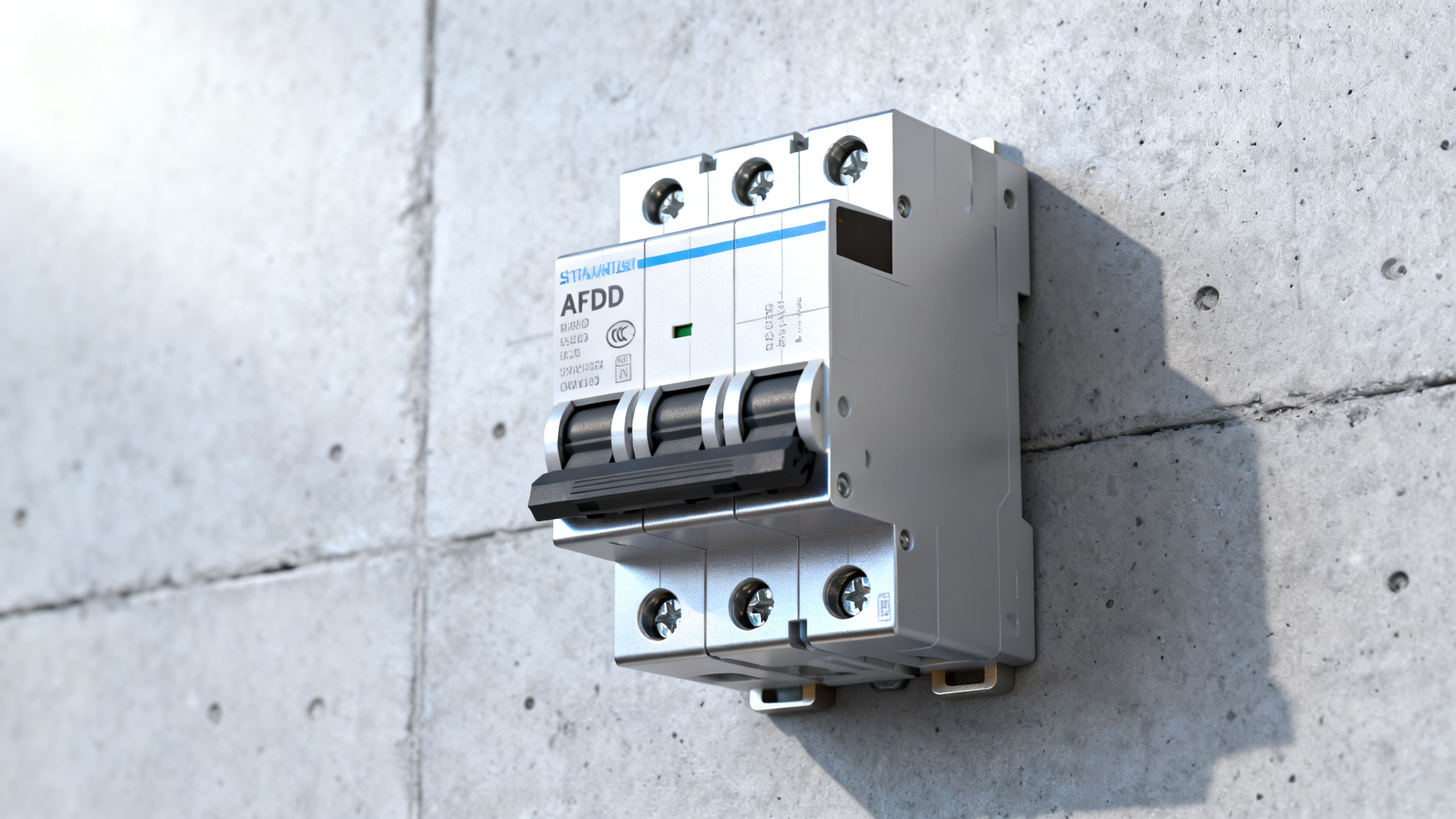
Saudi Standards, Metrology and Quality Organization (SASO) issued a mandatory implementation notice on May 9, 2026, requiring all circuit breakers supplied with power tools — including industrial-grade units — imported into Saudi Arabia to comply with SASO IEC 62841-3-10:2026 effective October 1, 2026. This development directly impacts manufacturers, exporters, and certification service providers engaged in the electric tool and low-voltage protection equipment supply chain to the Gulf market.
Event Overview
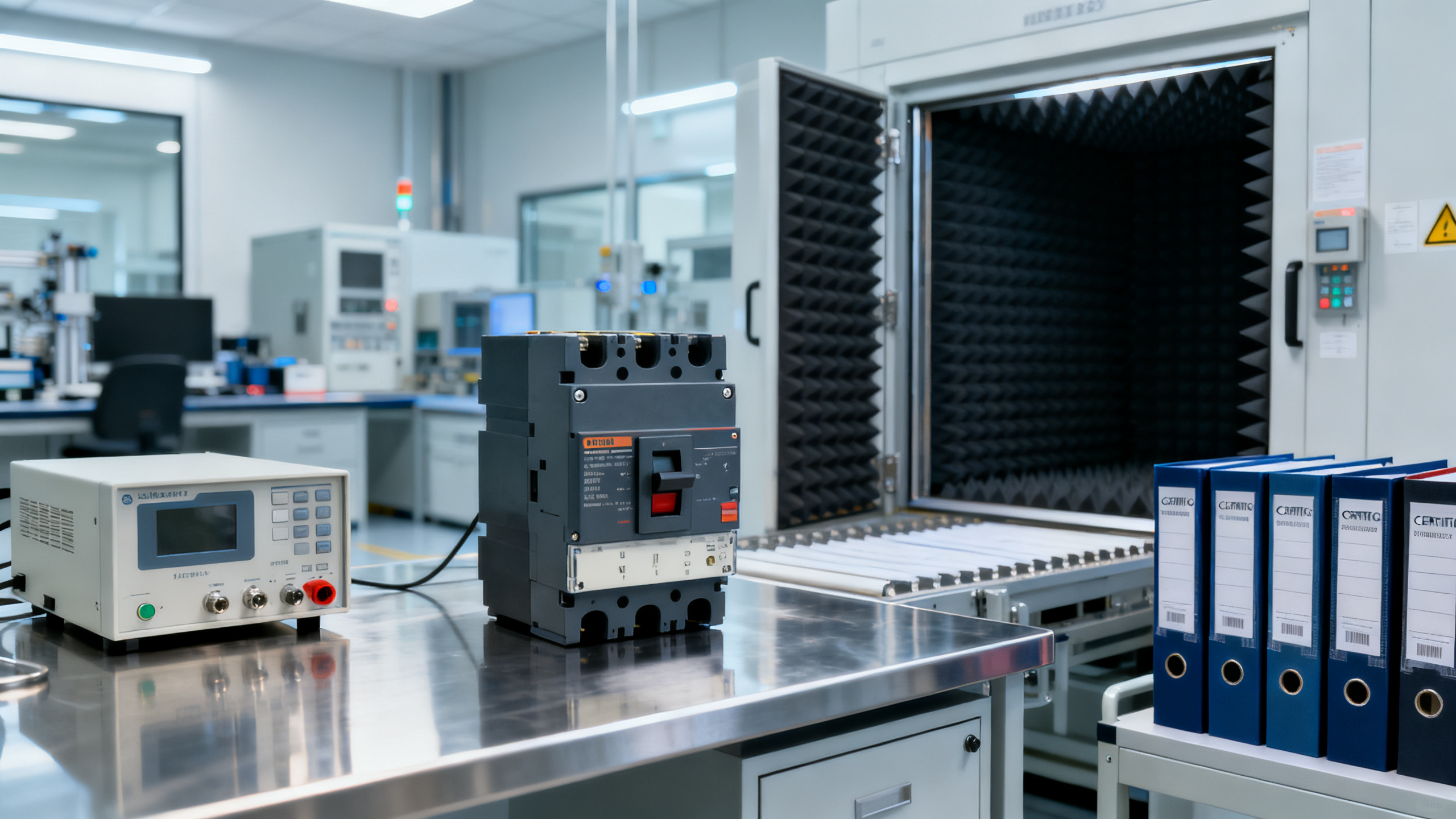
On May 9, 2026, SASO announced that, starting October 1, 2026, all circuit breakers accompanying electric tools imported into Saudi Arabia must conform to SASO IEC 62841-3-10:2026. The standard mandates integration of Arc Fault Detection and Disconnection Device (AFDD) functionality and requires successful completion of a 1,000-cycle test comprising load switching combined with intentional arc triggering, conducted at SASO-recognized laboratories. Additionally, Chinese circuit breaker exporters are required to align their CCC-SASO joint certification schemes accordingly.
Industries Affected by Segment
Direct Exporters (e.g., Chinese Circuit Breaker Manufacturers)
These enterprises supply finished circuit breakers integrated into or bundled with power tools entering the Saudi market. Compliance is mandatory for market access; non-conforming products will be denied customs clearance after October 1, 2026. Impact includes redesign timelines, lab testing costs, and recertification lead time under the updated CCC-SASO framework.
Power Tool OEMs & Assemblers
OEMs sourcing circuit breakers for final assembly of corded or cordless power tools destined for Saudi Arabia must verify supplier compliance with SASO IEC 62841-3-10:2026. Failure to do so risks shipment rejection or post-import audit findings, potentially disrupting distribution and warranty obligations.
Certification & Testing Service Providers
Laboratories accredited by SASO — or seeking accreditation — must demonstrate capability to perform the specified 1,000-cycle AFDD diagnostic validation test. Service providers supporting Chinese exporters also need to update their CCC-SASO joint certification documentation templates and test protocols.
Supply Chain & Logistics Operators
Import agents, freight forwarders, and customs brokers handling power tool shipments to Saudi Arabia must now verify inclusion of valid SASO IEC 62841-3-10:2026 compliance evidence (e.g., test reports, certificate references) prior to customs submission. Absence may trigger delays or requests for retesting at port.
Key Focus Areas and Recommended Actions
Monitor Official Updates from SASO and SASO-Accredited Bodies
Confirm whether SASO publishes supplementary guidance — such as acceptable test report formats, laboratory scope requirements, or transitional arrangements — ahead of the October 1, 2026 enforcement date. No such documents are publicly confirmed as of the announcement date.
Identify and Prioritize High-Volume Product Lines for Early Validation
Exporters should map current circuit breaker SKUs used in top-selling power tool models bound for Saudi Arabia. Prioritize those for AFDD integration and SASO-recognized lab testing, given the 1,000-cycle test’s duration and resource intensity.
Distinguish Between Regulatory Signal and Operational Readiness
The May 9, 2026 notice confirms timing and scope but does not yet detail implementation mechanics (e.g., certificate validity periods, grandfathering rules for pre-October stock). Treat the notice as a binding regulatory milestone, but treat procedural specifics as pending confirmation.
Initiate Cross-Functional Alignment Now
Manufacturers should coordinate engineering (AFDD design), quality (test planning), certification (CCC-SASO alignment), and procurement (component sourcing for AFDD modules) teams. Allow minimum 4–5 months for full cycle validation and certificate issuance before October 2026.
Editorial Perspective / Industry Observation
Observably, this mandate signals SASO’s shift toward performance-based safety requirements for end-use electrical protection — moving beyond overcurrent and short-circuit coverage to include arc fault behavior under real-world switching conditions. Analysis shows it reflects broader global trends, such as IEC 62606 adoption in EU markets, though SASO’s 1,000-cycle diagnostic requirement adds a distinct operational verification layer. It is currently more of an enforcement signal than a fully implemented regime: while the deadline and core technical demand are fixed, secondary elements — like certificate acceptance criteria or enforcement thresholds during initial months — remain subject to further clarification. Continued monitoring of SASO’s official communications and notified body bulletins is therefore essential.
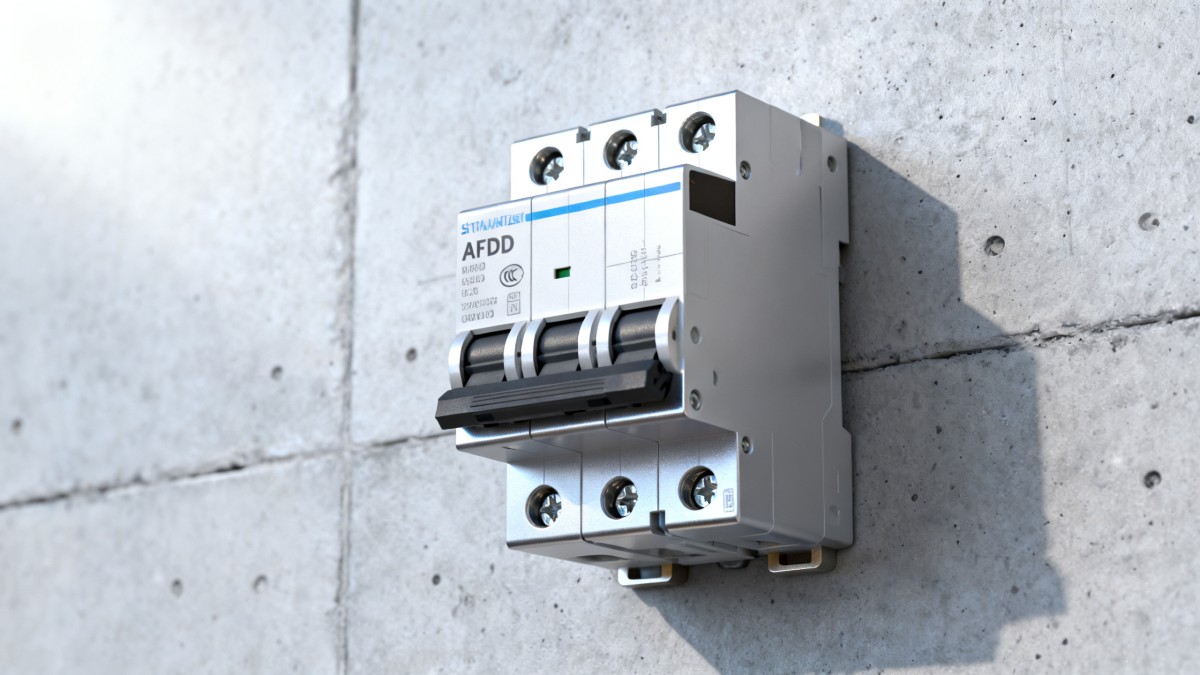
In summary, SASO IEC 62841-3-10:2026 introduces a technically specific, time-bound compliance obligation for circuit breakers in the power tool value chain targeting Saudi Arabia. Its significance lies not only in market access control but also in its emphasis on dynamic, lifecycle-relevant safety validation. It is best understood as a targeted regulatory step — not a broad policy shift — requiring focused technical and certification response rather than strategic portfolio overhaul.
Source: Saudi Standards, Metrology and Quality Organization (SASO) official notice dated May 9, 2026.
Note: Further procedural details (e.g., certificate format, transition rules, list of authorized labs) are pending publication and remain under observation.
Technical Specifications
- Air Handling Unit Supplier Checklist: Performance Data, Lead Times, and SupportAuthor :Environmental Engineering Director
- Buying Fiberglass Water Tanks Wholesale: Compare Quotes and Delivery CostsAuthor :Environmental Engineering Director
- Choosing an XLPE Power Cable Supplier: Test Reports, Traceability, and Lead TimesAuthor :Grid Infrastructure Analyst
Expert Insights

Chief Security Architect
Dr. Thorne specializes in the intersection of structural engineering and digital resilience. He has advised three G7 governments on industrial infrastructure security.
Related Analysis
- Oct 19, 2026Air Handling Unit Supplier Checklist: Performance Data, Lead Times, and SupportAuthor :Environmental Engineering Director
- Oct 18, 2026Buying Fiberglass Water Tanks Wholesale: Compare Quotes and Delivery CostsAuthor :Environmental Engineering Director
- Oct 17, 2026Choosing an XLPE Power Cable Supplier: Test Reports, Traceability, and Lead TimesAuthor :Grid Infrastructure Analyst
Core Sector // 01
Security & Safety
- Can SPDs Handle Repeated Voltage Spikes in Tropical Grids?Author :Grid Infrastructure Analyst

- How to Evaluate IEC-Compliant Power Protection Devices for Industrial PanelsAuthor :Grid Infrastructure Analyst

- How to Choose Smart Industrial Control Equipment for Harsh Plant EnvironmentsAuthor :Grid Infrastructure Analyst

- EU EMC Update Triggers Re-Certification for BreakersAuthor :Grid Infrastructure Analyst

- How to Select the Right SPD for Solar Inverter Protection in PV Systems?Author :Grid Infrastructure Analyst

- Industrial Valve Systems Factory Checklist: What Buyers Should Verify Before OrderingAuthor :Grid Infrastructure Analyst

- Breaker and Relay Lead Times Hit 24 WeeksAuthor :Grid Infrastructure Analyst

- IEC 61850-10-3 Sets Cybersecurity Bar for Grid DevicesAuthor :Grid Infrastructure Analyst