Which industrial components need safety compliance certification first
Author
Date Published
Reading Time
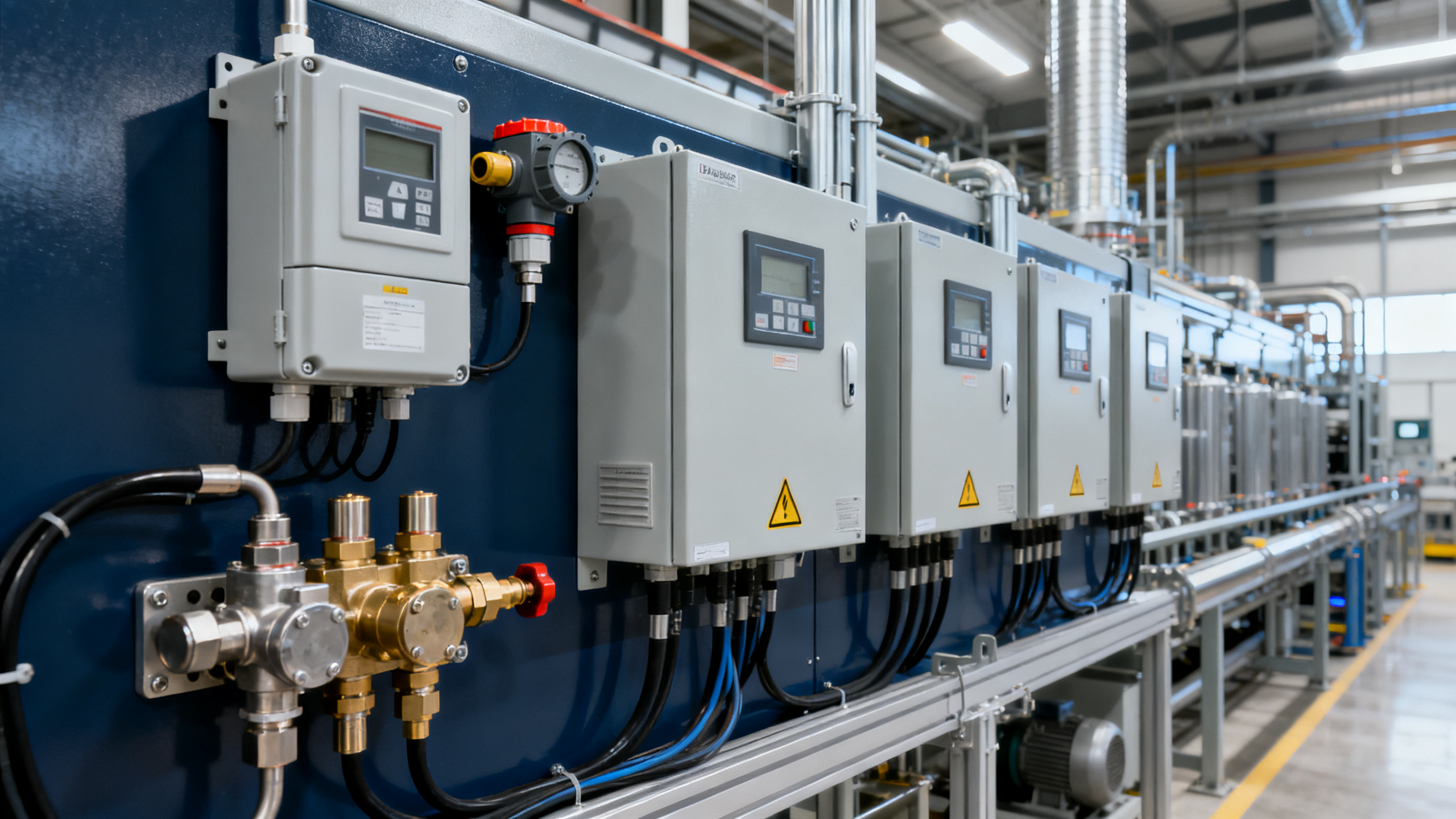
When certification budgets and audit timelines are limited, the smartest starting point is not the cheapest part or the most visible brand item. It is the component whose failure can injure people, stop production, trigger regulatory action, or compromise the wider system. In today’s industrial environment, safety compliance certification for industrial components is moving from a box-checking exercise to a strategic risk control measure. As supply chains become more global, standards become more interconnected, and buyers demand faster proof of conformity, the order in which components are certified now directly affects market access, project resilience, and long-term operating confidence.
Across integrated industrial projects, early certification decisions increasingly shape installation approvals, insurance assessments, cross-border shipments, and maintenance planning. That is why safety compliance certification for industrial components should first concentrate on high-risk electrical assemblies, pressure-containing parts, emergency protection devices, hazardous-area equipment, and control elements tied to fail-safe performance. These categories typically carry the highest safety exposure and the strongest regulatory scrutiny.
The compliance priority is shifting from finished systems to critical components
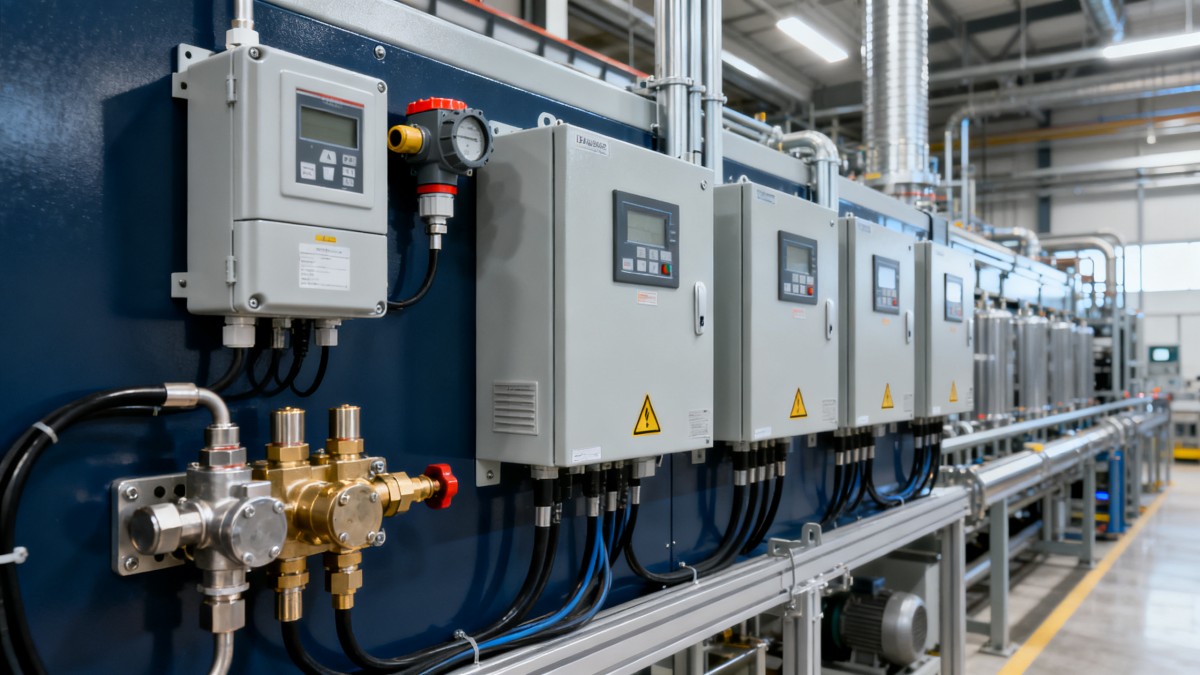
A clear trend across heavy industry, utilities, process plants, and infrastructure projects is that compliance review is moving deeper into the bill of materials. Authorities, insurers, and project owners no longer look only at the completed machine, panel, or process line. They increasingly ask whether the industrial components inside that system already carry recognized evidence of conformity, such as CE marking support, UL listing, IECEx or ATEX documentation, ISO-aligned testing records, or material traceability data.
This shift matters because non-compliant subcomponents can delay commissioning even when the overall design looks correct on paper. If a breaker fails to meet interrupting ratings, a sensor lacks functional safety evidence, or a valve actuator is not approved for explosive atmospheres, the entire asset may be blocked from operation. In practice, safety compliance certification for industrial components now acts as an upstream gatekeeper for downstream project approval.
Which components usually need safety compliance certification first
The first wave of certification should focus on components with the strongest link to human safety, fire risk, stored energy, explosive environments, or automatic shutdown logic. These are the categories where failure consequences are immediate and severe.
1. Electrical protection and power distribution components
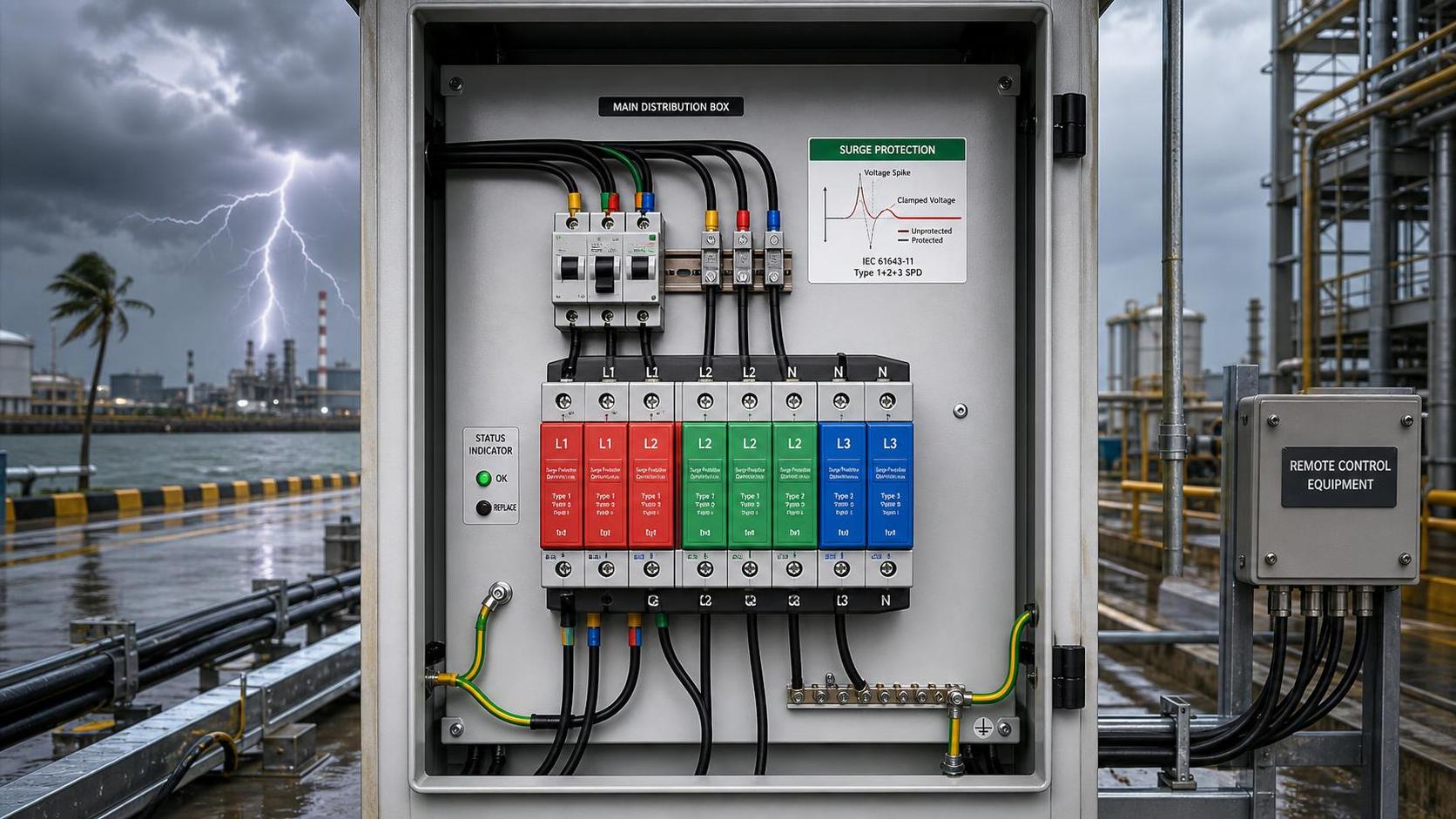
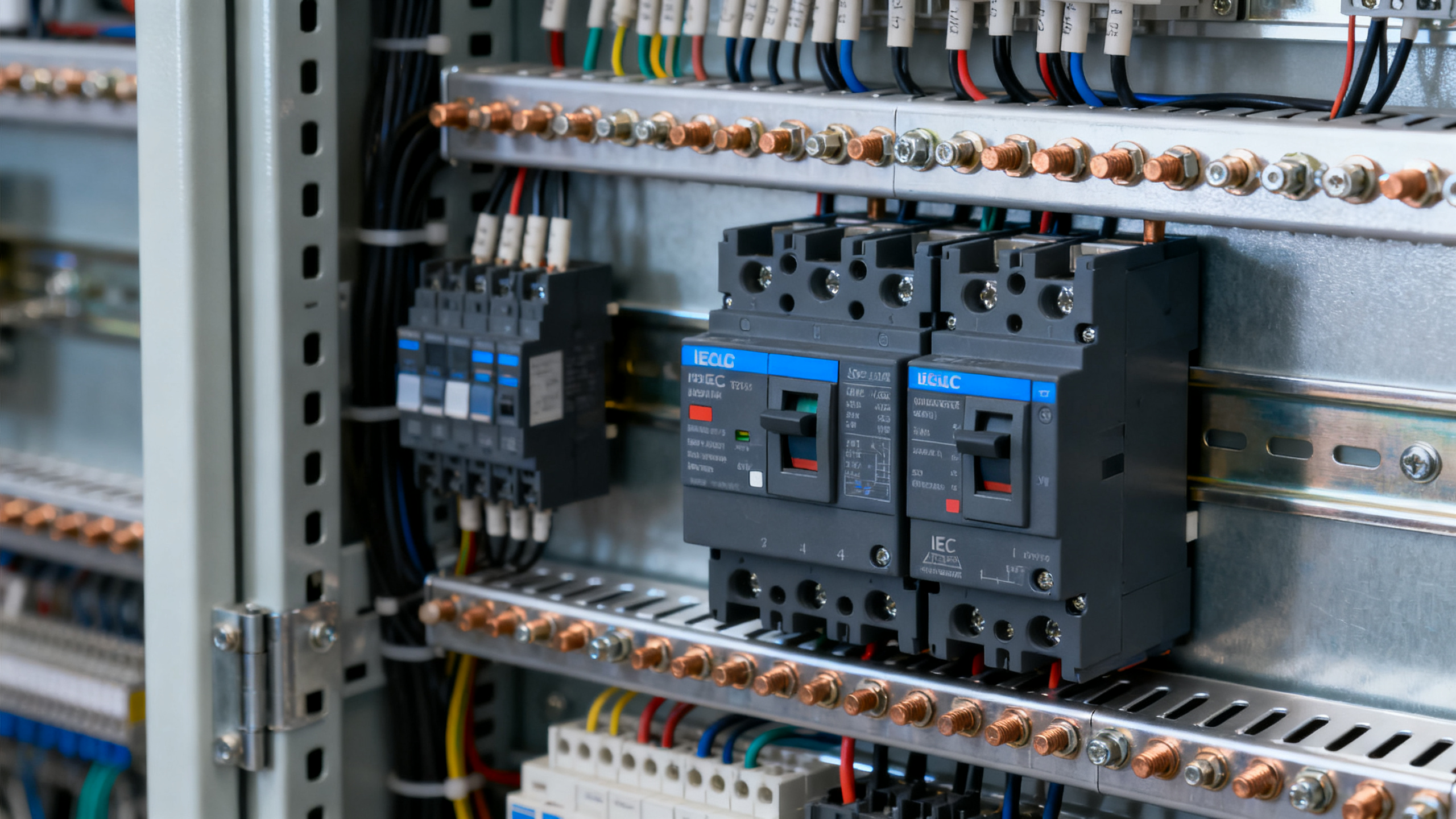
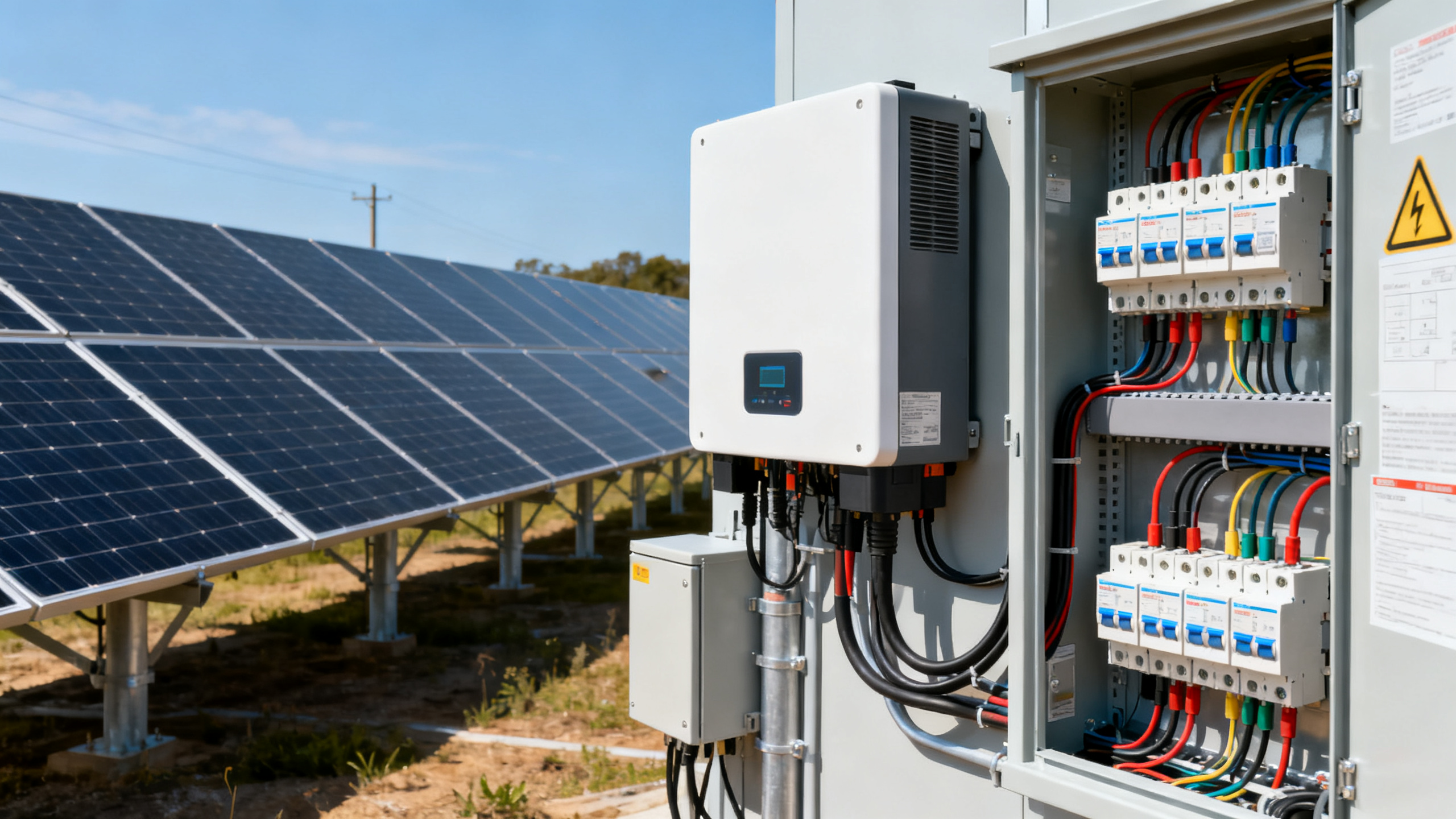
Circuit breakers, fuses, relays, contactors, switchgear modules, emergency disconnects, terminal blocks, power supplies, and enclosure assemblies are commonly first in line. These items control fault energy, arc risk, short-circuit behavior, and shock prevention. In many jurisdictions, they face mandatory or near-mandatory evaluation under recognized electrical safety schemes. For any organization prioritizing safety compliance certification for industrial components, these parts deserve immediate attention because one nonconforming electrical component can compromise an entire control cabinet or field installation.
2. Pressure-bearing and pressure-relief components
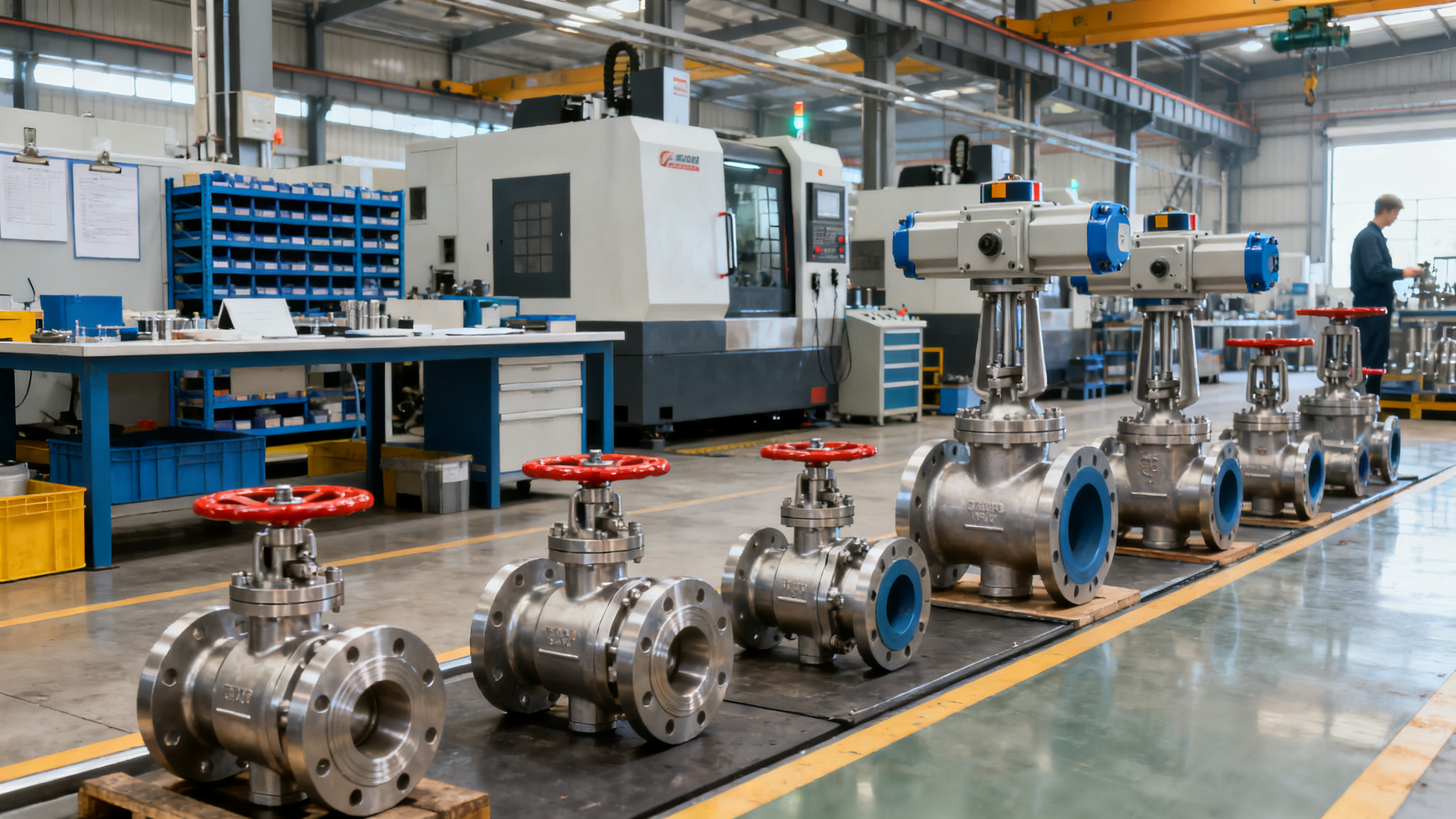
Valves, regulators, hoses, fittings, pressure vessels, relief devices, and sealed manifolds should be certified early where pressure containment is essential. Failures in this group can lead to explosion, media release, environmental damage, and severe injury. Certification priorities often include pressure rating verification, material compatibility, burst testing, fatigue testing, and conformity with regional pressure equipment rules.
3. Functional safety and emergency shutdown elements
Safety PLC inputs, interlock switches, emergency stops, light curtains, safety relays, limit switches, and flame detection devices need early review because they support fail-safe behavior. If these components do not meet required integrity levels or documented performance standards, the surrounding machine or process cannot credibly claim risk reduction. In many sectors, safety compliance certification for industrial components in this category is tied to legal defensibility after an incident.
4. Equipment intended for hazardous locations
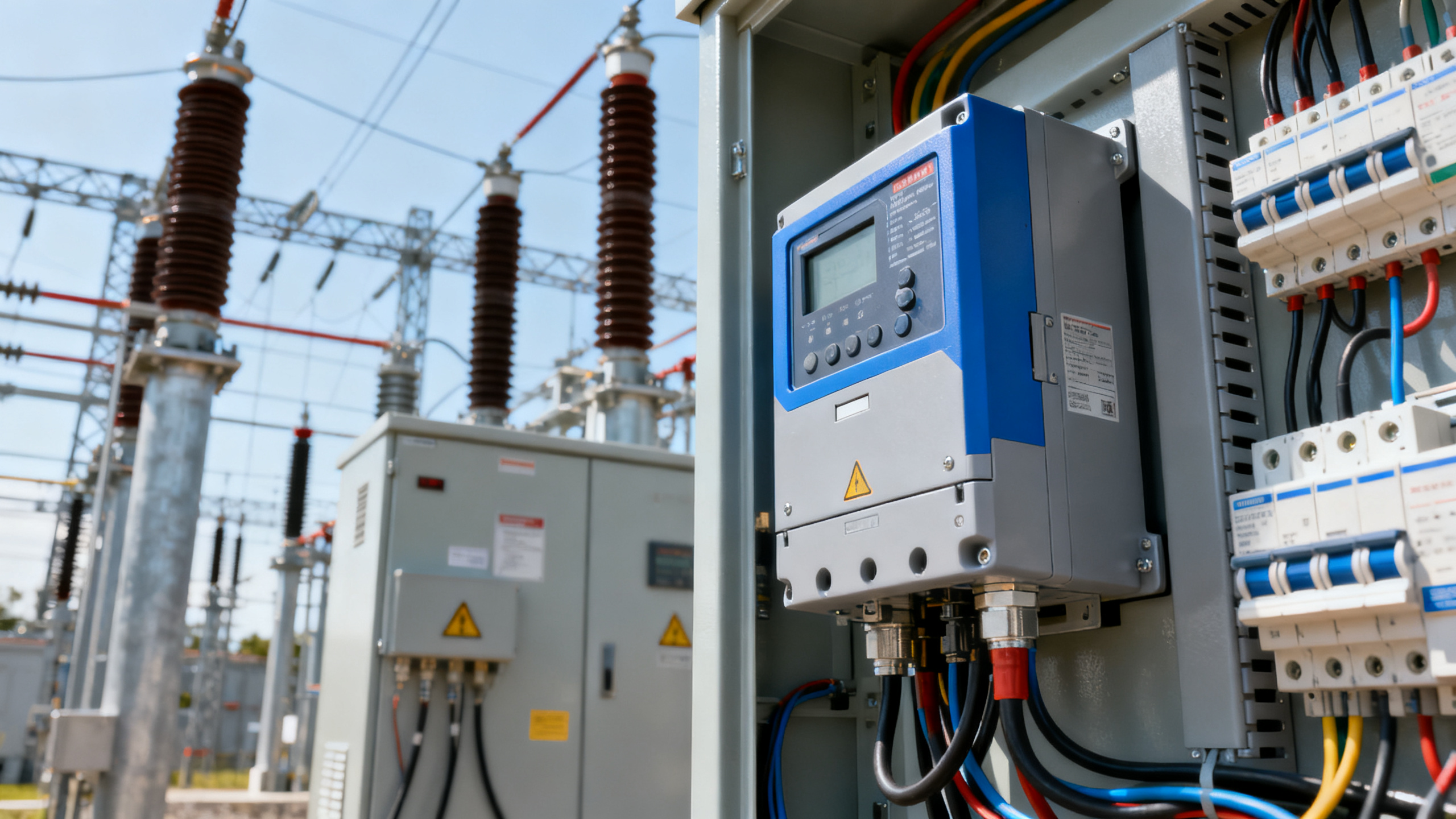
Motors, junction boxes, sensors, luminaires, cable glands, and communication devices installed in explosive atmospheres demand early certification because the cost of misclassification is extreme. ATEX, IECEx, and related approvals are not optional in many environments; they are a basic condition of operation. If a site includes dust, vapor, gas, or combustible particle risk, hazardous-area components should be prioritized before broader low-risk accessories.
5. Measurement devices tied to safety or emissions compliance
Transmitters, gas detectors, temperature sensors, level switches, flow instruments, and analytical monitoring devices often serve as the data source for shutdowns, alarms, and environmental reporting. Their certification priority rises sharply when inaccurate readings can trigger unsafe conditions, compliance failure, or unnecessary downtime.
What is driving the new order of safety certification priorities
The trend is not random. Several structural forces are pushing safety compliance certification for industrial components toward earlier, more selective, and more evidence-driven planning.
The business impact goes beyond safety alone
Prioritizing safety compliance certification for industrial components changes more than technical paperwork. It influences project sequencing, supply chain flexibility, and asset credibility. Early certification of high-risk parts often reduces redesign loops because electrical clearances, enclosure requirements, thermal limits, pressure classes, and hazardous-area restrictions are known before detailed integration advances too far.
There is also a strong commercial effect. Components with recognized approvals move more smoothly through tender evaluations and prequalification reviews. In contrast, unverified parts can trigger engineering exceptions, site-level waivers, or repeat testing that consumes time and budget. For globally deployed infrastructure, the value of safety compliance certification for industrial components increasingly includes schedule protection, not just legal conformity.
- Reduced commissioning delays caused by failed acceptance inspections
- Lower exposure to product recalls and retrofit costs
- Stronger documentation for insurers, auditors, and EPC review teams
- More reliable alignment with site safety cases and operating permits
- Improved confidence when expanding into regulated export markets
A practical framework for deciding certification first
Not every part needs the same level of urgency. A practical decision model should rank industrial components across five dimensions: injury potential, system dependency, regulatory exposure, replacement difficulty, and evidence availability. This helps separate truly critical items from low-impact accessories.
This approach keeps safety compliance certification for industrial components tied to actual operational risk rather than internal habit. It also supports better allocation of laboratory testing budgets and document review capacity.
What deserves close attention in the next review cycle
Several watchpoints now deserve ongoing attention as standards and buyer expectations continue to evolve:
- Whether component certificates match the exact model, rating, and configuration shipped
- Whether test conditions reflect actual field temperatures, dust loads, vibration, and chemical exposure
- Whether functional safety claims are supported by current documentation rather than legacy declarations
- Whether substitute suppliers can provide equivalent approvals during shortages
- Whether digital documentation and traceability are ready for audit or customer portal review
These points matter because safety compliance certification for industrial components is increasingly judged on the quality of evidence, not only on the presence of a label. A certificate without configuration relevance or traceable test scope may offer little protection in a technical dispute.
The next step is to build a risk-based certification map
The most effective next step is to create a component certification map that links each critical item to hazard severity, applicable standards, current approval status, and document gaps. Start with electrical protection, pressure containment, emergency shutdown logic, hazardous-location devices, and measurement points that trigger alarms or environmental reporting. Then review secondary items only after Tier 1 exposure is under control.
In a market where compliance expectations are rising faster than project timelines, safety compliance certification for industrial components should begin where failure is least tolerable and proof is most valuable. A disciplined priority order protects people, strengthens operational continuity, and creates a more credible path to global industrial deployment.
Technical Specifications
- How to Select an Emissions Monitoring System Analyzer for Compliance ReportingAuthor :Precision Metrology Expert
- How to Select an Access Control Management System for Multi-Site FacilitiesAuthor :Safety Compliance Lead
- Portable Gas Monitor Calibration: How Often Is It Needed for Safe Confined-Space Work?Author :Precision Metrology Expert
Expert Insights

Chief Security Architect
Dr. Thorne specializes in the intersection of structural engineering and digital resilience. He has advised three G7 governments on industrial infrastructure security.
Related Analysis
- Sep 21, 2026How to Select an Emissions Monitoring System Analyzer for Compliance ReportingAuthor :Precision Metrology Expert
- Sep 20, 2026How to Select an Access Control Management System for Multi-Site FacilitiesAuthor :Safety Compliance Lead
- Sep 19, 2026Portable Gas Monitor Calibration: How Often Is It Needed for Safe Confined-Space Work?Author :Precision Metrology Expert
Core Sector // 01
Security & Safety
- Can SPDs Handle Repeated Voltage Spikes in Tropical Grids?Author :Grid Infrastructure Analyst

- How to Evaluate IEC-Compliant Power Protection Devices for Industrial PanelsAuthor :Grid Infrastructure Analyst

- How to Choose Smart Industrial Control Equipment for Harsh Plant EnvironmentsAuthor :Grid Infrastructure Analyst

- EU EMC Update Triggers Re-Certification for BreakersAuthor :Grid Infrastructure Analyst

- How to Select the Right SPD for Solar Inverter Protection in PV Systems?Author :Grid Infrastructure Analyst

- Industrial Valve Systems Factory Checklist: What Buyers Should Verify Before OrderingAuthor :Grid Infrastructure Analyst

- Breaker and Relay Lead Times Hit 24 WeeksAuthor :Grid Infrastructure Analyst

- IEC 61850-10-3 Sets Cybersecurity Bar for Grid DevicesAuthor :Grid Infrastructure Analyst