Chile Enforces INN Certification for Industrial Circuit Breakers and Relays
Author
Date Published
Reading Time
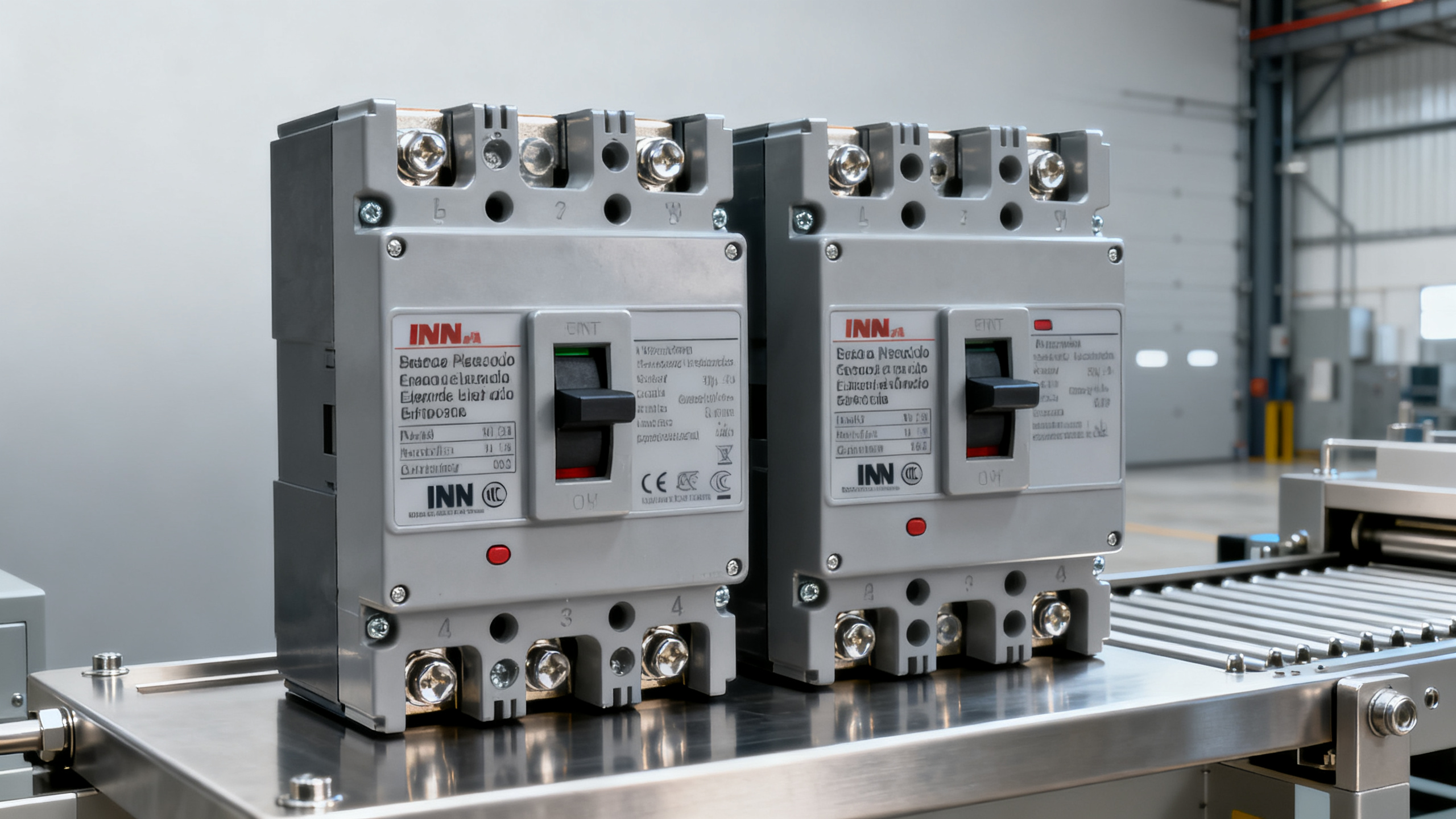
Chile’s National Institute of Standardization (INN) announced on May 15, 2026, a new mandatory safety certification requirement for imported industrial circuit breakers and relays—marking a significant regulatory shift for electrical equipment exporters targeting the Chilean market. The measure directly affects manufacturers, traders, and service providers across the global low-voltage power distribution supply chain, particularly those in Asia and Europe with established export channels to Latin America.
Event Overview
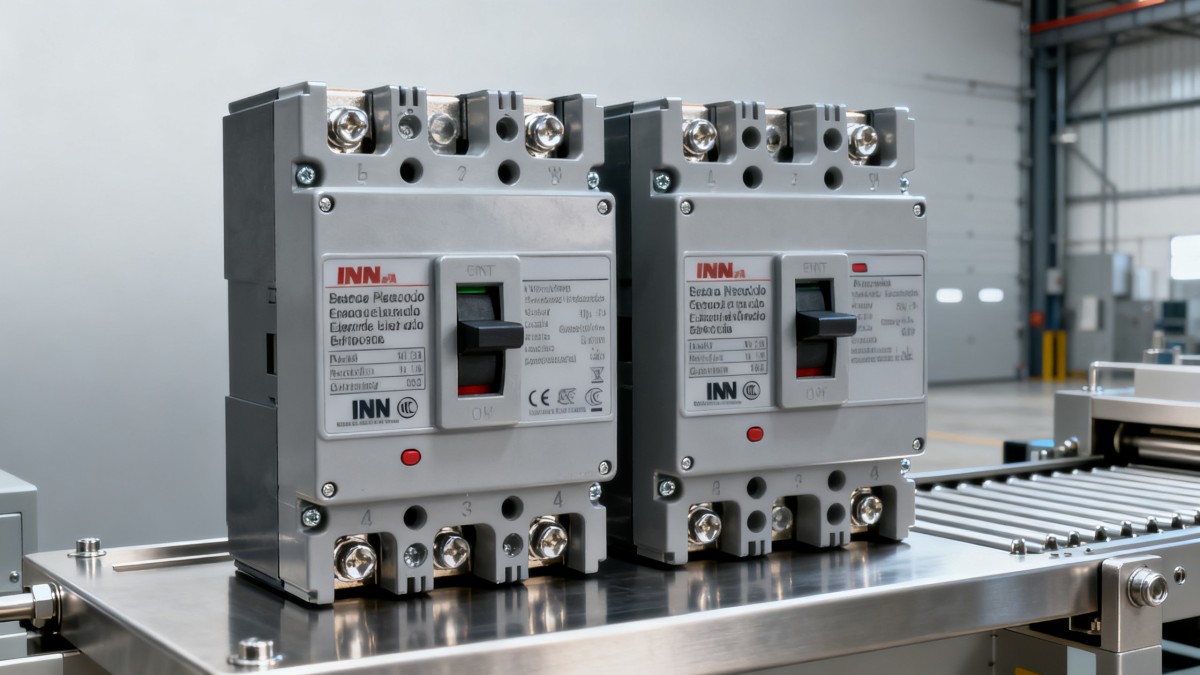
The Chilean National Institute of Standardization (INN) issued formal notice on May 15, 2026, mandating that all industrial circuit breakers and relays classified under HS codes 8536.20 and 8536.30 must comply with the national standard INN-NCh 2309.Of2025. Enforcement begins July 1, 2026. As of the announcement date, only three Chinese manufacturers have completed full INN certification; no public data indicates certified producers from other countries beyond these.
Industries Affected
Direct trading enterprises: Exporters and distributors of industrial electrical components face immediate customs clearance risk post-July 2026 if shipments lack valid INN certification. Unlike prior voluntary conformity pathways, this requirement introduces binding technical documentation, test reports, and factory audits—not just product-level testing. Impact manifests in delayed shipments, increased pre-shipment compliance costs, and potential loss of tender eligibility in infrastructure or mining procurement cycles.
Raw material procurement enterprises: Firms sourcing base materials (e.g., bimetallic strips, arc chutes, coil wire) for certified end-products must now ensure traceability aligned with INN-NCh 2309.Of2025’s material performance clauses—particularly thermal endurance and short-circuit withstand ratings. While not directly certifiable themselves, non-compliant upstream inputs may invalidate final product certification during surveillance audits.
Contract manufacturing enterprises: OEM/ODM facilities producing under foreign brand labels are now jointly liable for certification validity. The standard explicitly references production process controls—including soldering profiles, torque verification, and batch traceability logs—as part of the certification scope. This elevates quality system requirements beyond ISO 9001 into domain-specific manufacturing governance.
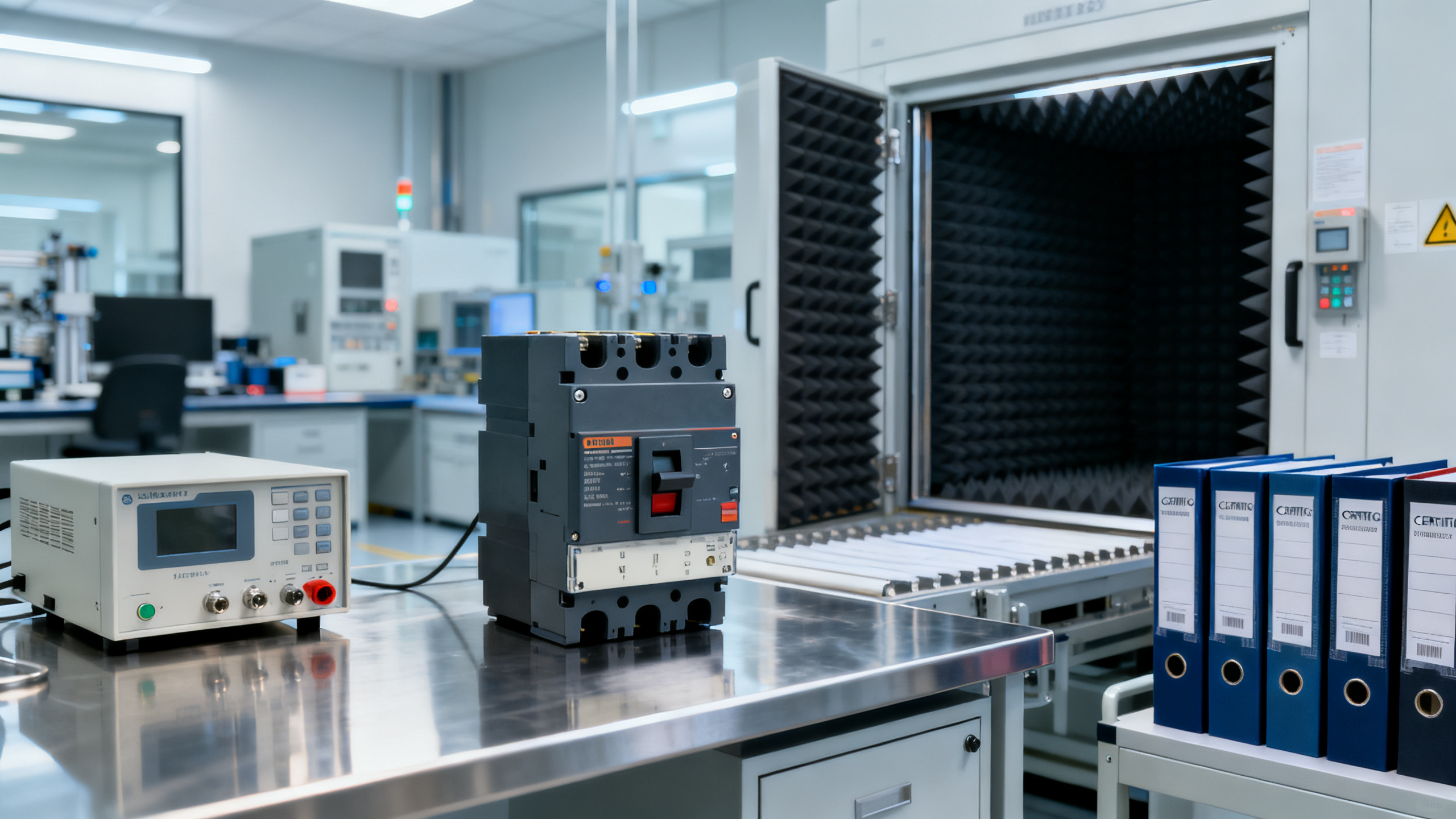
Supply chain service enterprises: Third-party labs, certification consultants, and logistics integrators specializing in Latin American market access are experiencing surging demand for INN-aligned testing, bilingual technical documentation review, and local representative registration support. Notably, the scarcity of INN-accredited labs outside Chile has intensified reliance on hybrid models—e.g., pre-testing at IEC-recognized labs followed by witnessed validation at INN-designated sites.
Key Focus Areas and Recommended Actions
Verify HS code alignment before shipment
Confirm precise tariff classification against Chilean Customs’ updated 2026 Harmonized System database—especially for hybrid devices (e.g., relay-integrated contactors or programmable logic relays), which may fall outside the 8536.20/8536.30 scope but still trigger scrutiny under broader electrical safety provisions.
Initiate INN certification application no later than Q3 2026
Given average certification lead times of 4–6 months—including document review, type testing, and initial factory audit—the window for first-time applicants to meet the July 1, 2026 deadline has closed. However, applications submitted by September 2026 may allow for transitional stock clearance under INN’s phased enforcement guidance (still pending formal publication).
Engage accredited local representatives early
INN requires all foreign applicants to appoint a legal representative domiciled in Chile for official correspondence and audit coordination. Delays in securing such representation—especially amid tightening availability of bilingual technical liaisons—have emerged as a critical path bottleneck.
Review labeling and user documentation for Spanish-language compliance
INN-NCh 2309.Of2025 mandates bilingual (Spanish–English) safety warnings, installation instructions, and nameplate markings—including specific phrasing for overload tripping thresholds and ambient temperature derating. Machine-translated content is explicitly excluded during technical file evaluation.
Editorial Perspective / Industry Observation
Observably, this regulation signals Chile’s strategic pivot toward harmonizing its electrical safety framework with IEC 60947 series standards—while retaining national deviations (e.g., stricter seismic mounting requirements for mining-sector installations). Analysis shows the timing aligns with Chile’s National Electrification Plan 2025–2030, suggesting future extensions to motor starters, residual current devices, and smart grid interfaces. From an industry perspective, the low number of certified Chinese suppliers reflects not technical incapacity, but rather fragmented awareness and underinvestment in Latin American regulatory intelligence—not a systemic quality gap.
Conclusion
This mandate does not merely introduce a new conformity hurdle; it redefines the minimum operational threshold for sustained market participation in Chile’s $1.2B industrial electrical equipment import segment. Rather than treating certification as a one-off project, forward-looking firms are integrating INN requirements into R&D roadmaps and supplier scorecards—making regulatory readiness a core component of product lifecycle management.
Source Attribution
Official notice published by the Chilean National Institute of Standardization (INN) on May 15, 2026, accessible via www.inn.cl (Spanish language only; English summaries available through INN’s International Cooperation Office upon request). Note: Transitional arrangements, fee schedules, and list of accredited testing laboratories remain pending formal update as of May 2026—these items are under active observation and expected to be finalized by June 2026.
Technical Specifications
- How to Select Electronic Hotel Key Card Locks for Guest Rooms and Staff AreasAuthor :Safety Compliance Lead
- How to Select Lab Instruments for Reliable Chemical Analysis WorkflowsAuthor :Precision Metrology Expert
- How to Size a UPS for Server Rooms: Load, Runtime, and Redundancy FactorsAuthor :Grid Infrastructure Analyst
Expert Insights

Chief Security Architect
Dr. Thorne specializes in the intersection of structural engineering and digital resilience. He has advised three G7 governments on industrial infrastructure security.
Related Analysis
- Sep 17, 2026How to Select Electronic Hotel Key Card Locks for Guest Rooms and Staff AreasAuthor :Safety Compliance Lead
- Sep 16, 2026How to Select Lab Instruments for Reliable Chemical Analysis WorkflowsAuthor :Precision Metrology Expert
- Sep 15, 2026How to Size a UPS for Server Rooms: Load, Runtime, and Redundancy FactorsAuthor :Grid Infrastructure Analyst
Core Sector // 01
Security & Safety
- Can SPDs Handle Repeated Voltage Spikes in Tropical Grids?Author :Grid Infrastructure Analyst

- How to Evaluate IEC-Compliant Power Protection Devices for Industrial PanelsAuthor :Grid Infrastructure Analyst

- How to Choose Smart Industrial Control Equipment for Harsh Plant EnvironmentsAuthor :Grid Infrastructure Analyst

- EU EMC Update Triggers Re-Certification for BreakersAuthor :Grid Infrastructure Analyst

- How to Select the Right SPD for Solar Inverter Protection in PV Systems?Author :Grid Infrastructure Analyst

- Industrial Valve Systems Factory Checklist: What Buyers Should Verify Before OrderingAuthor :Grid Infrastructure Analyst

- Breaker and Relay Lead Times Hit 24 WeeksAuthor :Grid Infrastructure Analyst

- IEC 61850-10-3 Sets Cybersecurity Bar for Grid DevicesAuthor :Grid Infrastructure Analyst