4th China International Supply Chain Expo Opens with Green Power & Smart Security Focus
Author
Date Published
Reading Time

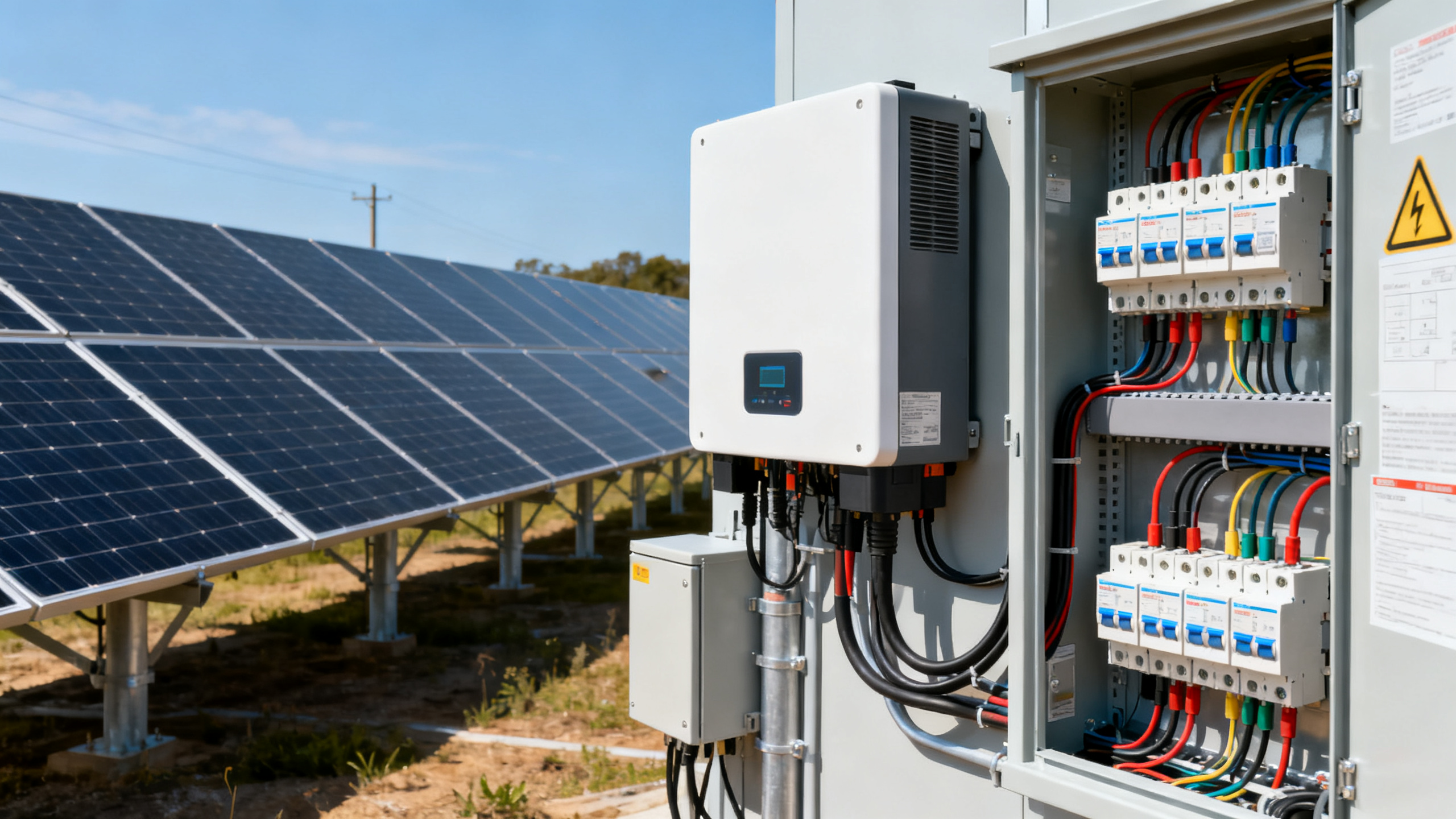
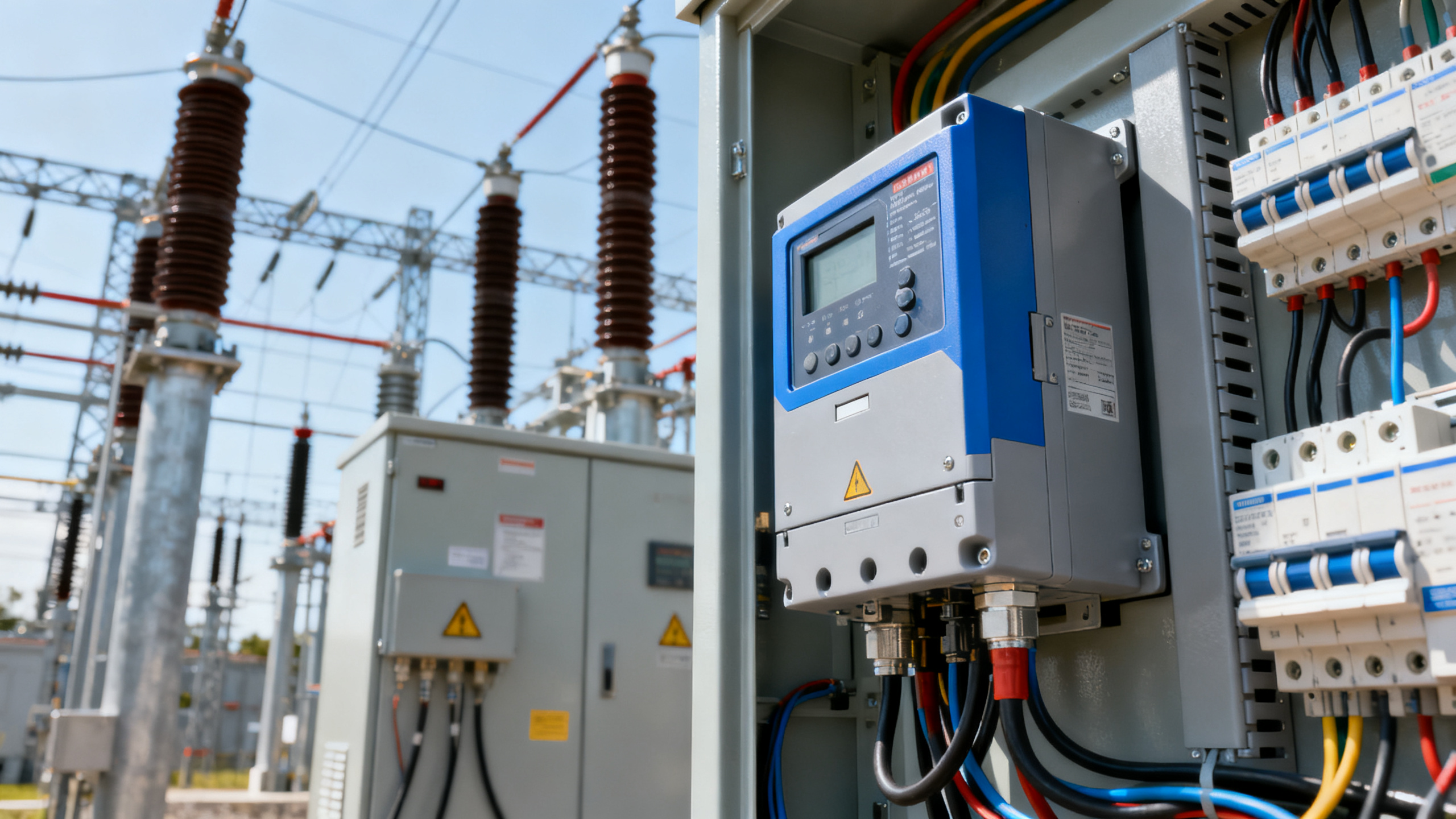
On May 22, 2026, the 4th China International Supply Chain Promotion Expo opened in Beijing, spotlighting two converging technical priorities for global supply chains: green power infrastructure (including smart circuit breakers and energy storage inverters) and AI-powered smart security systems (including edge-computing CCTV, thermal imaging access control, and explosion-proof PPE). The event signals shifting procurement priorities across multiple industrial segments — particularly for enterprises engaged in electrical distribution, physical security integration, and occupational safety equipment supply.
Event Overview
The 4th China International Supply Chain Promotion Expo commenced on May 22, 2026, in Beijing. Over 100 domestic and international procurement entities attended onsite and publicly issued technical matching requests across 12 industry-specific categories, including Breakers & Relays, CCTV & Access Control, and PPE & Workwear. Featured solutions emphasized green electricity hardware (e.g., smart circuit breakers, energy storage inverters) and AI-driven intelligent security systems (e.g., edge-computing CCTV, thermal imaging door access, explosion-proof personal protective equipment).
Which Subsectors Are Affected
Direct Trading Enterprises
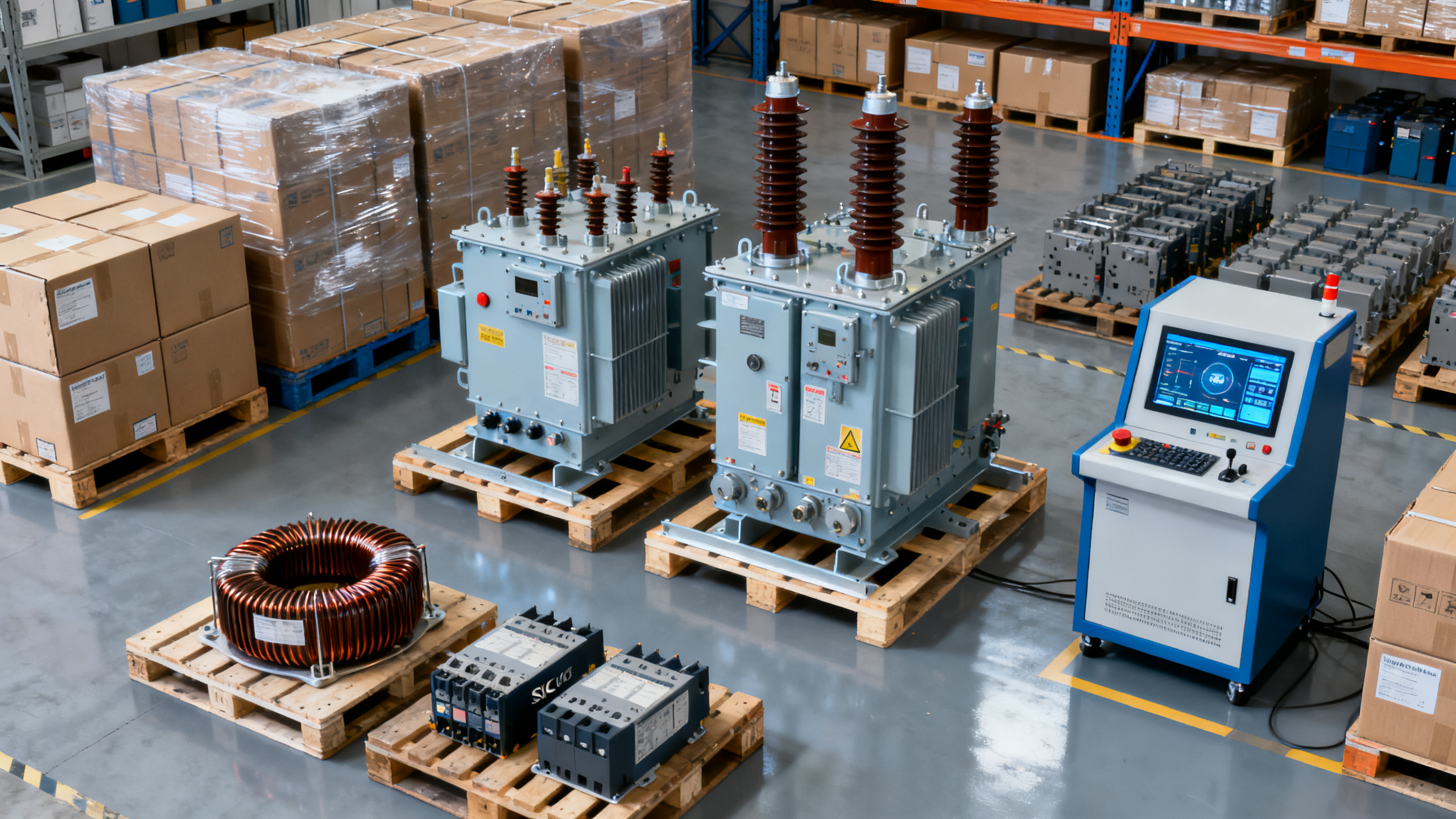
These firms — especially those exporting or importing electrical protection devices, surveillance hardware, or certified PPE into or from China — face recalibration of buyer expectations. Procurement demand now explicitly references interoperability with AI-enabled platforms and compliance with emerging low-carbon grid integration standards.
Raw Material & Component Suppliers
Suppliers of semiconductors for edge AI modules, thermal sensor arrays, lithium-based battery cells for portable PPE, or arc-resistant materials for breakers may see increased technical inquiry volume. Demand signals are not yet reflected in volume orders but are visible in the specificity of technical requirements published at the event.
Contract Manufacturing & OEM Producers
Manufacturers producing under private label or white-label arrangements for global brands must now accommodate dual design mandates: functional safety certification (e.g., IEC 61850, EN 50131) alongside embedded AI inference capabilities (e.g., local object detection, real-time thermal anomaly recognition). This raises complexity in firmware validation and hardware-software co-design cycles.
Distribution & Channel Partners
Regional distributors handling circuit breakers, access control kits, or industrial workwear face intensified pressure to demonstrate technical fluency—not just logistics capability. Buyers increasingly request documentation on compatibility with open-edge frameworks (e.g., LF Edge, AWS Panorama) or carbon footprint data per unit shipped.
What Relevant Companies or Practitioners Should Monitor and Do Now
Track official follow-up announcements from the China Council for the Promotion of International Trade (CCPIT)
The Expo is organized by CCPIT; subsequent release of matched project lists, pilot implementation timelines, or sector-specific policy guidance (e.g., green procurement thresholds for public-sector security upgrades) will clarify near-term execution pathways.
Map technical request clusters against existing product roadmaps
Review the 12 published category headings (e.g., Breakers & Relays, CCTV & Access Control) and cross-reference them with current R&D milestones. Prioritize alignment where specifications mention ‘edge AI’, ‘grid-interactive’, or ‘intrinsic safety’ — terms that appeared repeatedly in onsite procurement briefings.
Distinguish between policy signaling and commercial readiness
While over 100 buyers issued technical requests, no aggregate order value or binding MOUs were disclosed. Analysis shows this event functions primarily as a demand-sensing mechanism — not an immediate procurement channel. Firms should treat it as intelligence-gathering, not sales pipeline generation, at this stage.
Prepare modular documentation packages for technical pre-qualification
Procurement teams are requesting standardized technical dossiers — including test reports (e.g., UL 1077 for supplementary protectors), edge-AI inference latency benchmarks, and lifecycle carbon accounting summaries. Assembling these in advance accelerates response time when formal RFIs emerge post-Expo.
Editorial Perspective / Industry Observation
Observably, the dual focus on green power hardware and AI-native security reflects a structural shift: supply chain resilience is no longer defined solely by inventory buffers or geographic diversification, but by interoperable, low-carbon, and context-aware infrastructure layers. This Expo does not yet indicate scaled deployment — rather, it serves as a coordinated signal from state-linked trade bodies and multinational procurement consortia that technical convergence (power + security + AI + sustainability) is becoming a baseline expectation for Tier-1 supplier qualification. From an industry perspective, the emphasis on edge-native functionality and intrinsic safety certifications suggests tightening integration requirements across traditionally siloed domains — a trend likely to accelerate standardization efforts in both IEC and ISO working groups over the next 12–18 months.

Conclusion: This Expo marks a clear inflection point in how supply chain readiness is being redefined — less around throughput and more around technical coherence across energy, security, and safety subsystems. It is best understood not as an immediate market opportunity, but as a directional indicator of evolving specification norms. Current procurement behavior remains fragmented; however, the consistency of technical language across 12 distinct categories implies coordinated upstream calibration among major buyers — making sustained monitoring of CCPIT’s post-Expo disclosures essential for strategic planning.
Source: Official announcements from the China Council for the Promotion of International Trade (CCPIT); publicly released participant list and technical request categories from the 4th China International Supply Chain Promotion Expo, held May 22, 2026, in Beijing.
Note: Implementation timelines, funding mechanisms, and binding procurement commitments remain unconfirmed and are subject to ongoing observation.
Technical Specifications
- How to Select Electronic Hotel Key Card Locks for Guest Rooms and Staff AreasAuthor :Safety Compliance Lead
- How to Select Lab Instruments for Reliable Chemical Analysis WorkflowsAuthor :Precision Metrology Expert
- How to Size a UPS for Server Rooms: Load, Runtime, and Redundancy FactorsAuthor :Grid Infrastructure Analyst
Expert Insights

Chief Security Architect
Dr. Thorne specializes in the intersection of structural engineering and digital resilience. He has advised three G7 governments on industrial infrastructure security.
Related Analysis
- Sep 17, 2026How to Select Electronic Hotel Key Card Locks for Guest Rooms and Staff AreasAuthor :Safety Compliance Lead
- Sep 16, 2026How to Select Lab Instruments for Reliable Chemical Analysis WorkflowsAuthor :Precision Metrology Expert
- Sep 15, 2026How to Size a UPS for Server Rooms: Load, Runtime, and Redundancy FactorsAuthor :Grid Infrastructure Analyst
Core Sector // 01
Security & Safety
- Can SPDs Handle Repeated Voltage Spikes in Tropical Grids?Author :Grid Infrastructure Analyst

- How to Evaluate IEC-Compliant Power Protection Devices for Industrial PanelsAuthor :Grid Infrastructure Analyst

- How to Choose Smart Industrial Control Equipment for Harsh Plant EnvironmentsAuthor :Grid Infrastructure Analyst

- EU EMC Update Triggers Re-Certification for BreakersAuthor :Grid Infrastructure Analyst

- How to Select the Right SPD for Solar Inverter Protection in PV Systems?Author :Grid Infrastructure Analyst

- Industrial Valve Systems Factory Checklist: What Buyers Should Verify Before OrderingAuthor :Grid Infrastructure Analyst

- Breaker and Relay Lead Times Hit 24 WeeksAuthor :Grid Infrastructure Analyst

- IEC 61850-10-3 Sets Cybersecurity Bar for Grid DevicesAuthor :Grid Infrastructure Analyst