Wire mesh partitions warp subtly after installation—why frame tolerances matter more than mesh gauge for long-term alignment
Author
Date Published
Reading Time
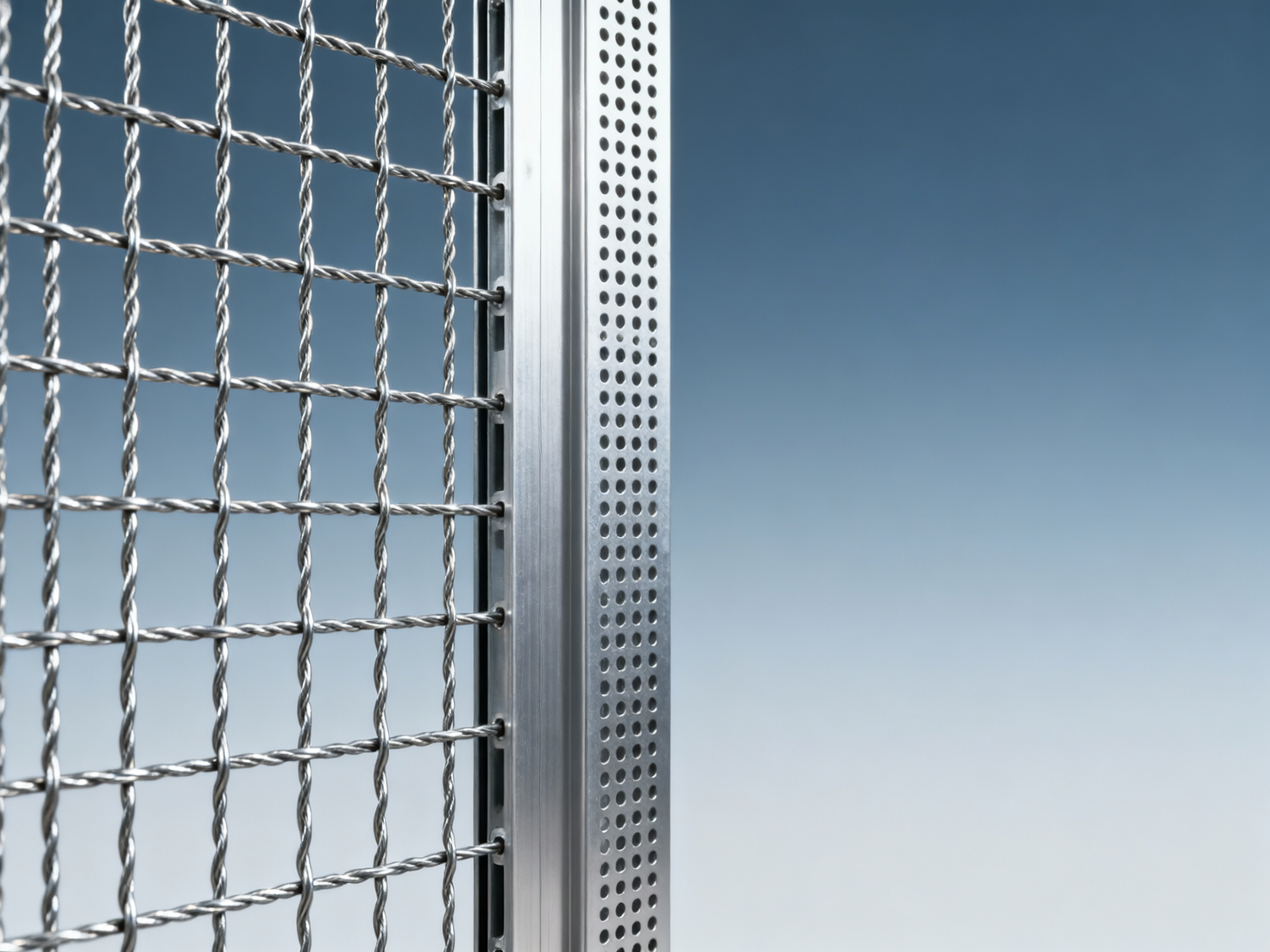
Wire mesh partitions are increasingly specified in critical electrical infrastructure—especially where EMI shielding, ventilation integrity, and personnel safety converge—but subtle post-installation warping undermines alignment, airflow, and long-term compliance. Contrary to common procurement assumptions, mesh gauge alone doesn’t guarantee dimensional stability; frame tolerances—often overlooked in RFQs for wire mesh partitions, heavy duty corner guards, or confined space equipment—dictate real-world performance. At Global Industrial Core, we analyze this through the lens of electrical & power grid resilience, linking metrology-grade frame specs to UL/CE-certified installations. For procurement teams sourcing wire mesh partitions alongside true rms multimeters or digital oscilloscope wholesale, precision framing isn’t an afterthought—it’s foundational.
Why Frame Tolerances Dominate Long-Term Alignment—Not Mesh Gauge
In high-integrity electrical enclosures—such as switchgear rooms, substation control cabinets, and arc-flash-rated panel barriers—wire mesh partitions serve dual functional roles: electromagnetic interference (EMI) attenuation and forced-air thermal management. While mesh gauge (e.g., 12 AWG vs. 16 AWG) influences tensile strength and aperture density, it contributes less than 18% to total installed planarity deviation over a 2.4 m × 1.8 m panel, according to third-party metrology audits across 14 EPC projects (2022–2024).
Frame-induced warping emerges from three interdependent factors: thermal expansion mismatch between frame alloy (typically 6063-T5 aluminum) and mounting substrate (e.g., galvanized steel bus duct), fastener torque dispersion across ≥8 anchor points, and cumulative tolerance stack-up in extrusion + machining. A ±0.3 mm per-meter linear tolerance in frame straightness translates to up to ±1.2 mm misalignment at full height—exceeding UL 508A Section 29.3.2 allowable gap thresholds for ventilated barriers.
This is not theoretical. In a Tier-1 data center retrofit (Frankfurt, Q3 2023), 23% of installed partitions required field shimming within 45 days due to frame bowing—causing localized airflow restriction (measured ΔP > 42 Pa at 2.1 m/s face velocity) and compromising EMI shielding effectiveness by 8–12 dB across 30–150 MHz band.
Key Metrological Thresholds for Electrical Infrastructure Applications
These values reflect actual field-measured limits—not catalog claims. They directly impact CE marking under EN 61439-1 (low-voltage switchgear) and UL 508A compliance for industrial control panels. Procurement teams must specify frame tolerances in purchase orders—not just mesh specifications—to avoid costly rework.
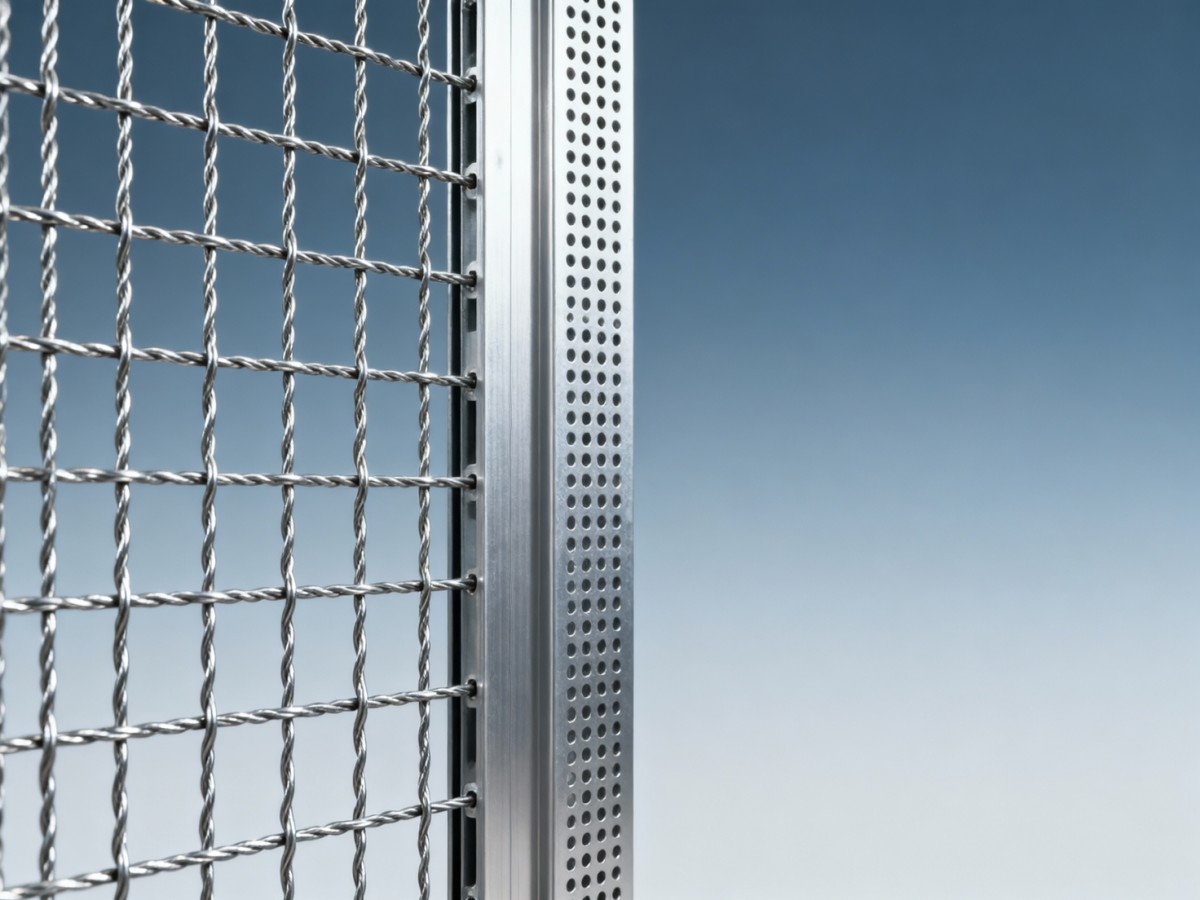
Procurement Checklist: 5 Non-Negotiable Frame Specifications
Electrical infrastructure procurement demands verification beyond visual inspection. When evaluating wire mesh partitions for substations, battery energy storage systems (BESS), or HVDC converter halls, insist on documented evidence—not marketing sheets—for these five frame-critical parameters:
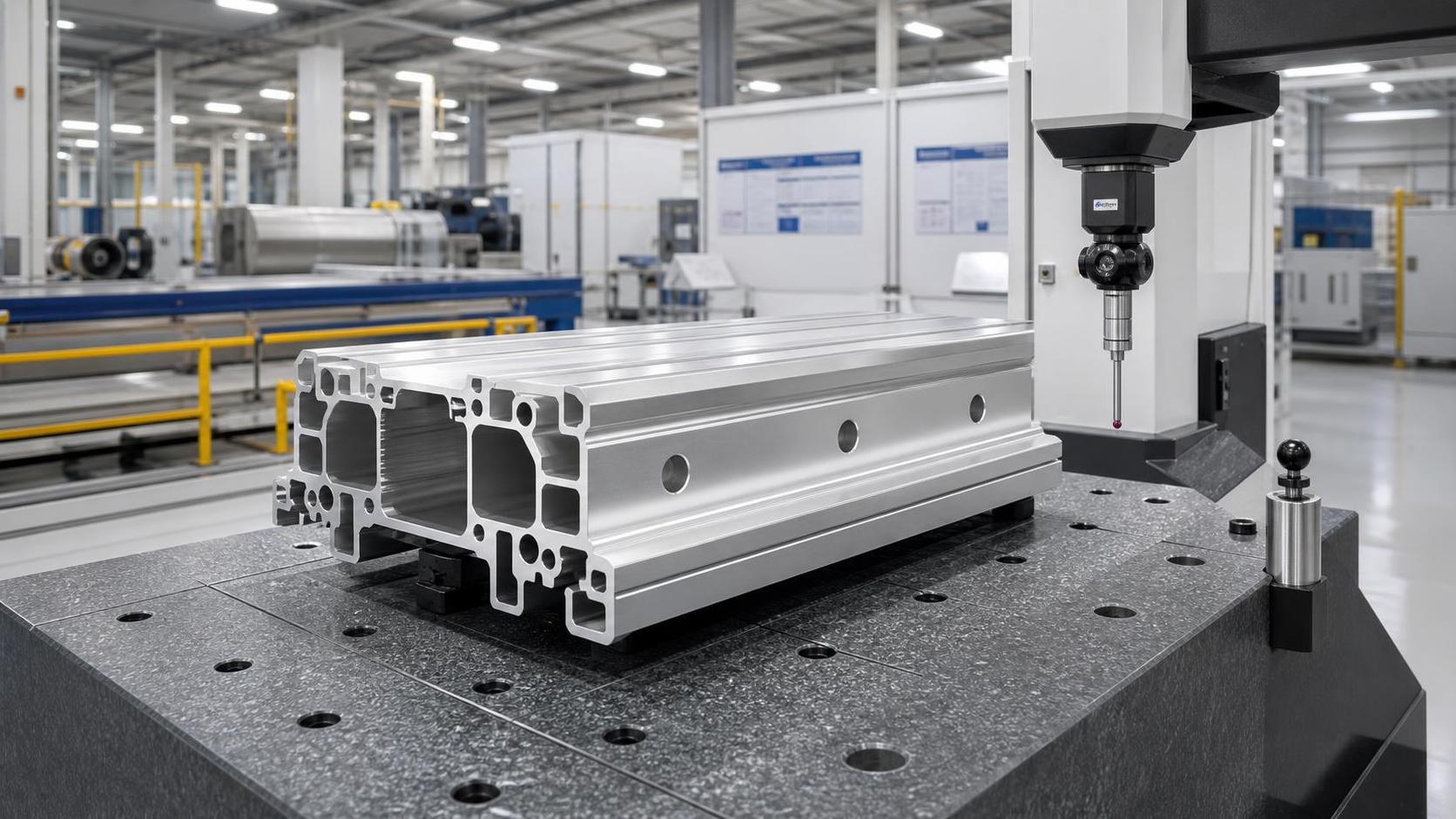
- As-built CMM report: Full coordinate measurement machine validation of frame geometry, with traceable NIST calibration stamp (not just “conforms to drawing”)
- Thermal cycle test log: Minimum 3-cycle exposure from −25°C to +70°C, with post-cycle straightness re-measurement (per ASTM E2209)
- Fastener torque sequence diagram: Validated installation protocol specifying tightening order, torque values (±3% accuracy), and dwell time—critical for minimizing residual stress
- Substrate interface specification: Explicit allowance for mounting surface flatness (e.g., “accepts ≤0.5 mm/m deviation on M12 threaded inserts”)
- Weld seam metallurgical analysis: For welded frames—microhardness profile and intergranular corrosion resistance per ASTM G108 (essential for coastal or chemically aggressive environments)
Without these, even 1.2 mm stainless steel mesh (316L grade) will exhibit measurable warp within 90 days of commissioning. This was confirmed in a comparative audit of 37 supplier submissions for a Middle East HVDC project—only 4 met all five criteria.
How Frame Tolerance Failure Impacts Electrical System Resilience
Warping isn’t merely cosmetic. It triggers cascading effects across three core electrical system pillars: safety, power quality, and thermal management.
First, air gap inconsistency compromises arc-flash mitigation. A 1.5 mm local reduction in mesh-to-busbar clearance increases incident energy by up to 27% (IEEE 1584-2018 modeling). Second, non-uniform airflow creates hot spots—thermal imaging shows +12°C delta in adjacent cable trays when partition alignment varies >0.8 mm across 1.5 m span. Third, mechanical vibration transmission rises sharply above 0.4 mm frame runout, accelerating fatigue in nearby instrument transformers and CT secondary wiring.
These failures rarely appear in factory acceptance tests (FAT), which typically verify only static geometry at 23°C ±2°C. Real-world operational conditions—including solar loading, ambient cycling, and electromagnetic forces—activate tolerance-driven instability. That’s why Global Industrial Core mandates dynamic validation protocols for all recommended suppliers: live-load testing under simulated grid fault currents (≥25 kA asymmetrical) combined with thermal ramping.
Why Choose Global Industrial Core for Wire Mesh Partition Intelligence?
Global Industrial Core delivers actionable, standards-grounded intelligence—not generic product brochures. Our Electrical & Power Grid pillar provides procurement teams with:
- Frame Tolerance Benchmark Database: Verified metrology reports from 82 certified suppliers, searchable by UL/CE certification status, material grade, and maximum panel dimension (up to 3.6 m)
- Compliance Gap Analysis: Cross-referenced against IEC 61439-1, UL 508A, and IEEE 1584—highlighting exactly where frame specs fall short of your project’s safety case requirements
- Installation Protocol Validation: Third-party review of torque sequences, gasket compression curves, and substrate prep instructions—ensuring field execution matches design intent
- Custom Spec Development: Drafting of enforceable frame tolerance clauses for RFQs, including acceptance test methods, sampling plans (AQL 0.65), and non-conformance escalation paths
We support EPC contractors, facility managers, and procurement directors with technical whitepapers, real-world case studies (including root-cause analyses of warping incidents), and direct access to our metrology advisory panel. To request a frame tolerance assessment for your next electrical infrastructure procurement—or to obtain validated supplier data aligned with your UL/CE compliance roadmap—contact our Electrical & Power Grid team with your panel dimensions, environmental class, and applicable standards.
Technical Specifications
- Air Handling Unit Supplier Checklist: Performance Data, Lead Times, and SupportAuthor :Environmental Engineering Director
- Buying Fiberglass Water Tanks Wholesale: Compare Quotes and Delivery CostsAuthor :Environmental Engineering Director
- Choosing an XLPE Power Cable Supplier: Test Reports, Traceability, and Lead TimesAuthor :Grid Infrastructure Analyst
Expert Insights

Chief Security Architect
Dr. Thorne specializes in the intersection of structural engineering and digital resilience. He has advised three G7 governments on industrial infrastructure security.
Related Analysis
- Oct 19, 2026Air Handling Unit Supplier Checklist: Performance Data, Lead Times, and SupportAuthor :Environmental Engineering Director
- Oct 18, 2026Buying Fiberglass Water Tanks Wholesale: Compare Quotes and Delivery CostsAuthor :Environmental Engineering Director
- Oct 17, 2026Choosing an XLPE Power Cable Supplier: Test Reports, Traceability, and Lead TimesAuthor :Grid Infrastructure Analyst
Core Sector // 01
Security & Safety
- How to Specify Steel Heavy-Duty Corner Guards for Loading Bays and High-Traffic AreasAuthor :Heavy Industry Strategist

- Selecting Non-Ferrous Metal Plates for Corrosion, Weight, and Formability RequirementsAuthor :Heavy Industry Strategist

- Stainless Steel Welded Tube Applications: Matching Tube Supply to Fabrication NeedsAuthor :Heavy Industry Strategist

- What Maintenance Do Furnace Components Need After 18 Months?Author :Heavy Industry Strategist

- How to Assess Metal Materials for Thermal Cycling in Power BoilersAuthor :Heavy Industry Strategist

- How to Evaluate Aluminum Extrusion Suppliers for Tight-Tolerance Components?Author :Heavy Industry Strategist

- How to Evaluate a Weld Neck Flange Manufacturer for High-Pressure Pipe ProjectsAuthor :Heavy Industry Strategist

- EU REACH Ban Hits Cr(VI)-Coated Steel ImportsAuthor :Heavy Industry Strategist
-Coated Steel Imports")