TÜV Rheinland Updates EMC Guidelines for Industrial Optical Lenses
Author
Date Published
Reading Time
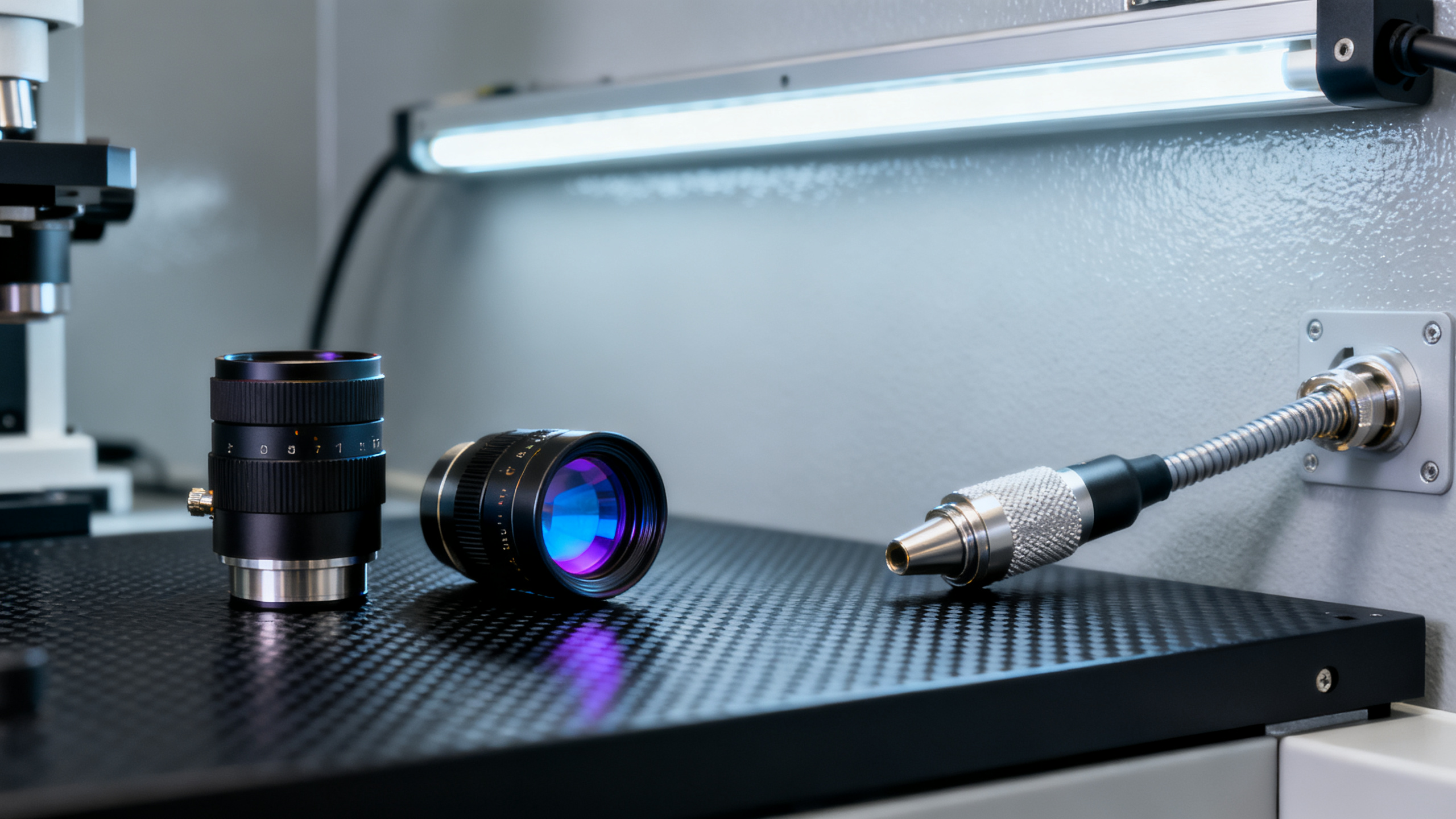
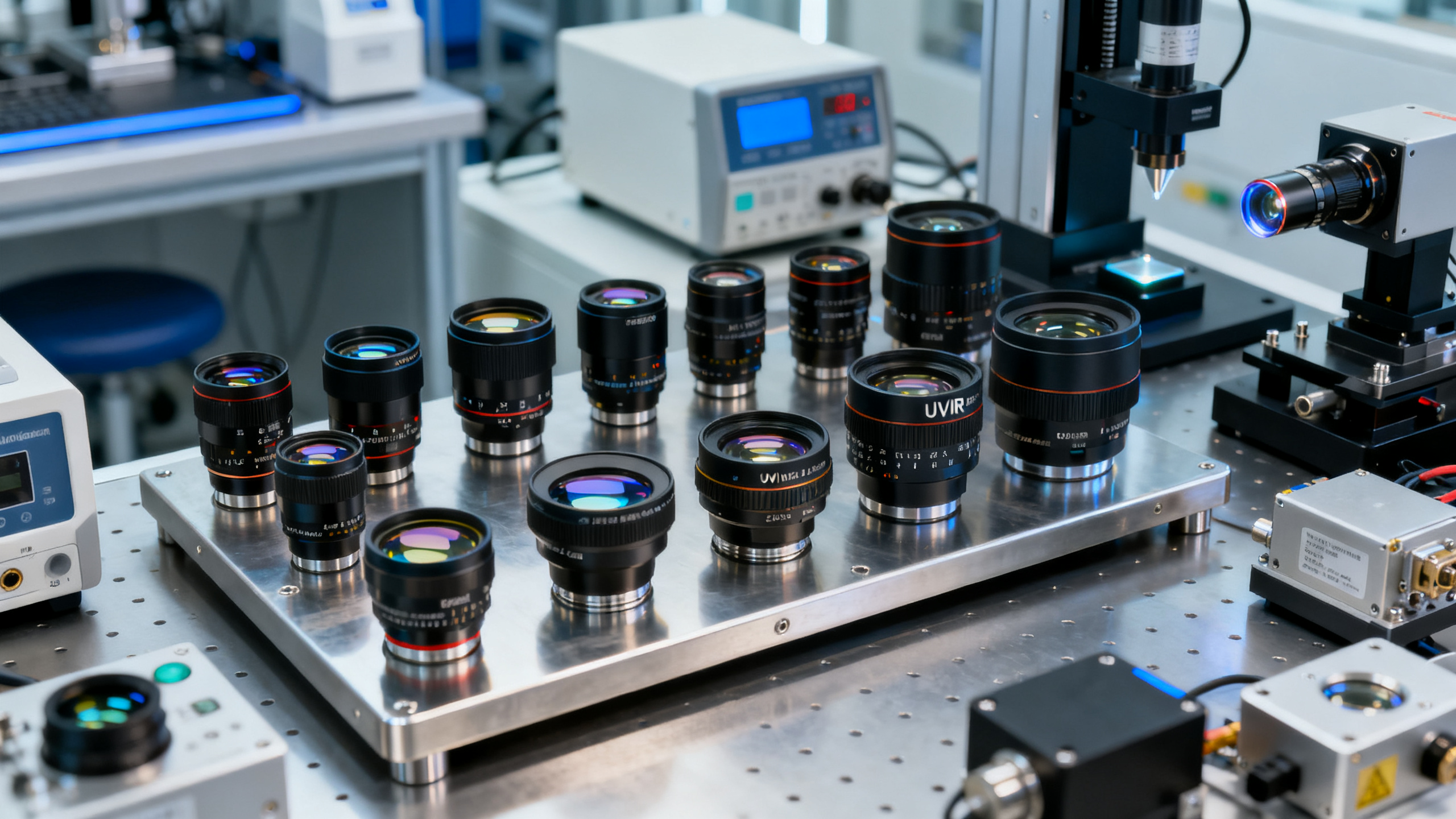
On May 8, 2026, TÜV Rheinland released the technical guideline TR-EMC-Optics-2026, introducing new electromagnetic compatibility (EMC) requirements for industrial optical lenses used in laboratory and analytical equipment — including microscope objectives and spectrometer collimating lenses. This update marks a shift from prior exemption practices and directly affects Chinese manufacturers exporting such components to the EU market.
Event Overview
On May 8, 2026, TÜV Rheinland published TR-EMC-Optics-2026, mandating additional radio-frequency immunity testing (IEC 61000-4-3 Level 3) for industrial optical lenses integrated into Lab & Analytics equipment. The requirement addresses electromagnetic interference from high-frequency lasers and RF sources commonly present in modern laboratories. Previously, such optical components were frequently exempted from full EMC assessment. Chinese optical component manufacturers are now collaborating with system integrators to pursue joint certification under the updated framework.
Industries Affected by This Update
Component Manufacturers (Optical Lens Producers)
These firms supply standalone industrial optical lenses — e.g., microscope objectives and collimating lenses — to OEMs of analytical instruments. They are now subject to EMC testing previously not required, increasing validation lead time and cost per lens model. Impact manifests in revised product documentation, test report generation, and potential redesign for shielding or grounding interfaces.
Original Equipment Manufacturers (Lab & Analytics Device Makers)
OEMs integrating third-party optical lenses into certified instruments must now verify supplier compliance with TR-EMC-Optics-2026. Non-compliant lenses may invalidate the overall device’s CE marking or TÜV certification. Impact includes tightened supplier qualification, updated bill-of-materials (BOM) traceability, and possible re-evaluation of existing product lines if legacy lenses lack test evidence.
Exporters and Trade Service Providers
Companies facilitating export of optical components or complete analytical systems from China to the EU face heightened documentation scrutiny. Customs or market surveillance authorities may request proof of compliance with the new guideline during conformity assessment. Impact includes expanded technical file preparation, translation of test reports into English/German, and alignment of labeling and declarations with updated EMC scope.
What Relevant Enterprises or Practitioners Should Focus On Now
Monitor official updates from TÜV Rheinland and EU Notified Bodies
The guideline is currently issued as a technical recommendation (TR). Its formal adoption into harmonized standards or EU legislation remains pending. Enterprises should track whether it evolves into a mandatory requirement referenced in the Official Journal of the European Union — especially ahead of planned revisions to EN IEC 61326-1 (2027).
Prioritize verification for high-volume or high-risk lens models
Not all optical lens types carry equal risk under IEC 61000-4-3 Level 3. Firms should first assess lenses used in laser-based analyzers (e.g., Raman spectrometers, flow cytometers) or near RF-emitting subsystems. These represent priority categories for early test planning and lab booking.
Distinguish between policy signal and operational enforcement
As of May 2026, no EU-wide enforcement deadline has been announced. However, TÜV Rheinland-certified clients report that audits now routinely include review of optical component EMC evidence. This signals de facto implementation in voluntary certification pathways — not yet statutory, but functionally active in practice.
Initiate joint testing protocols with system integrators
Since the guideline emphasizes system-level performance, lens suppliers should coordinate early with OEM partners on test setup (e.g., mounting configuration, cabling, enclosure integration). Joint test reports — rather than standalone lens-only data — better reflect real-world immunity and reduce rework risk.
Editorial Perspective / Industry Observation
Observably, this update reflects a broader trend: functional safety and EMC expectations are extending deeper into subsystem and component layers — particularly where those elements interface with high-energy or high-frequency sources. Analysis shows this is less a sudden regulatory escalation and more a logical extension of existing lab-environment risk assessments. It is currently best understood as a technical signal rather than an immediate legal mandate; however, its adoption by major Notified Bodies like TÜV Rheinland gives it strong de facto weight in CE-conformity processes. The industry should treat it as an early indicator of tightening upstream accountability — especially for suppliers previously operating outside traditional EMC scopes.
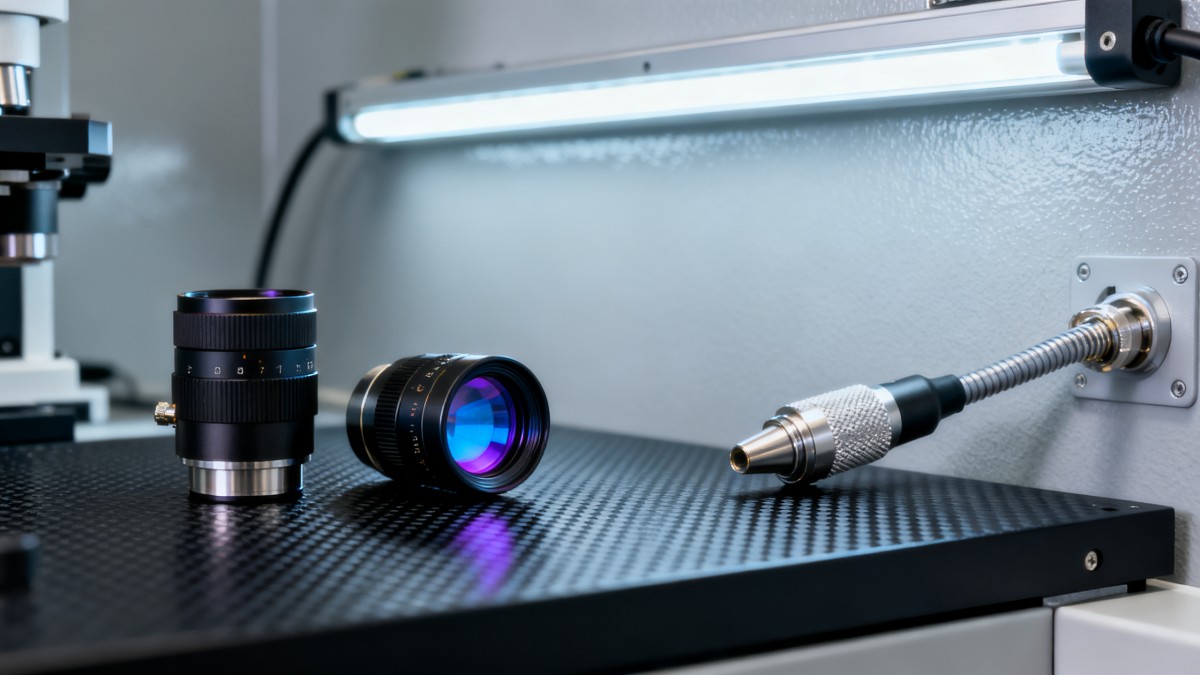
This development underscores how electromagnetic compatibility requirements are evolving beyond electronics-heavy subsystems to encompass precision optical hardware — a shift requiring cross-disciplinary collaboration between optical engineering and EMC compliance teams.
Conclusion
The release of TR-EMC-Optics-2026 does not introduce a new legal obligation under EU law at this stage, but it establishes a clear technical benchmark adopted by a leading Notified Body. For Chinese optical component exporters and Lab & Analytics OEMs, it signals a material increase in pre-market validation expectations — especially for products destined for advanced research or regulated industrial labs. It is more accurately interpreted as a procedural tightening within existing conformity frameworks, rather than a standalone regulatory change.
Source Attribution
Main source: TÜV Rheinland technical guideline TR-EMC-Optics-2026, published May 8, 2026.
Further observation required on: Whether the guideline will be referenced in future amendments to EN IEC 61326-1 or incorporated into EU Commission guidelines on EMC for laboratory equipment.
Technical Specifications
- How to Select Electronic Hotel Key Card Locks for Guest Rooms and Staff AreasAuthor :Safety Compliance Lead
- How to Select Lab Instruments for Reliable Chemical Analysis WorkflowsAuthor :Precision Metrology Expert
- How to Size a UPS for Server Rooms: Load, Runtime, and Redundancy FactorsAuthor :Grid Infrastructure Analyst
Expert Insights

Chief Security Architect
Dr. Thorne specializes in the intersection of structural engineering and digital resilience. He has advised three G7 governments on industrial infrastructure security.
Related Analysis
- Sep 17, 2026How to Select Electronic Hotel Key Card Locks for Guest Rooms and Staff AreasAuthor :Safety Compliance Lead
- Sep 16, 2026How to Select Lab Instruments for Reliable Chemical Analysis WorkflowsAuthor :Precision Metrology Expert
- Sep 15, 2026How to Size a UPS for Server Rooms: Load, Runtime, and Redundancy FactorsAuthor :Grid Infrastructure Analyst
Core Sector // 01
Security & Safety
- IEC 62443-3-3:2026 Raises Cybersecurity Bar for Industrial OpticsAuthor :Precision Metrology Expert

- EU Sets New CE Rules for Industrial OpticsAuthor :Precision Metrology Expert

- How to Evaluate a Metallurgical Microscope Exporter for Image Quality and ComplianceAuthor :Precision Metrology Expert

- UL Expands Certification Route for Hazardous-Area OpticsAuthor :Precision Metrology Expert

- Shanghai Port Delays Deepen Under Origin ChecksAuthor :Precision Metrology Expert

- CIOE 2026 to Spotlight Vision and Tactile SensorsAuthor :Precision Metrology Expert

- MWC Shanghai 2026 Opens June 24 With CPO and Industrial Security in FocusAuthor :Precision Metrology Expert

- Brazil Tightens INMETRO Rules for Industrial Optical LensesAuthor :Precision Metrology Expert