Sour Cabbage Fish Rice Segment: Efficiency Revolution Drives Market Reshuffle
Author
Date Published
Reading Time

On May 11, 2026, an industry white paper revealed that Chinese fast-food chains are accelerating adoption of industrial-scale central kitchens—including fully automated portioning lines, HACCP-integrated smart-temperature-controlled meal containers, and RFID-enabled cold-chain traceability modules. This shift is directly impacting exporters of food processing machinery, stainless-steel kitchen equipment, and intelligent temperature sensors—driving a 23% year-on-year increase in average export unit prices and stabilizing order fulfillment cycles at 12–14 weeks. Stakeholders in food equipment manufacturing, international trade logistics, and supply chain technology integration should closely monitor this development.
Event Overview
On May 11, 2026, an industry white paper confirmed that Chinese quick-service restaurant (QSR) operators specializing in sour cabbage fish rice are rapidly deploying industrial-grade central kitchen systems. Confirmed components include fully automated meal portioning lines, HACCP-compliant smart-temperature-controlled food containers, and RFID-based cold-chain traceability modules. As a result, export unit prices for related Chinese food machinery and smart sensor equipment rose 23% year-on-year, while average order delivery lead times stabilized between 12 and 14 weeks.
Industries Affected
Food Processing Machinery Exporters
This group is affected because central kitchen system deployment requires large-scale procurement of automated portioning lines and integrated control units. The impact manifests as higher unit pricing expectations, tighter delivery window commitments, and increased demand for compliance documentation aligned with international food safety standards (e.g., HACCP, ISO 22000).
Stainless-Steel Kitchen Equipment Manufacturers
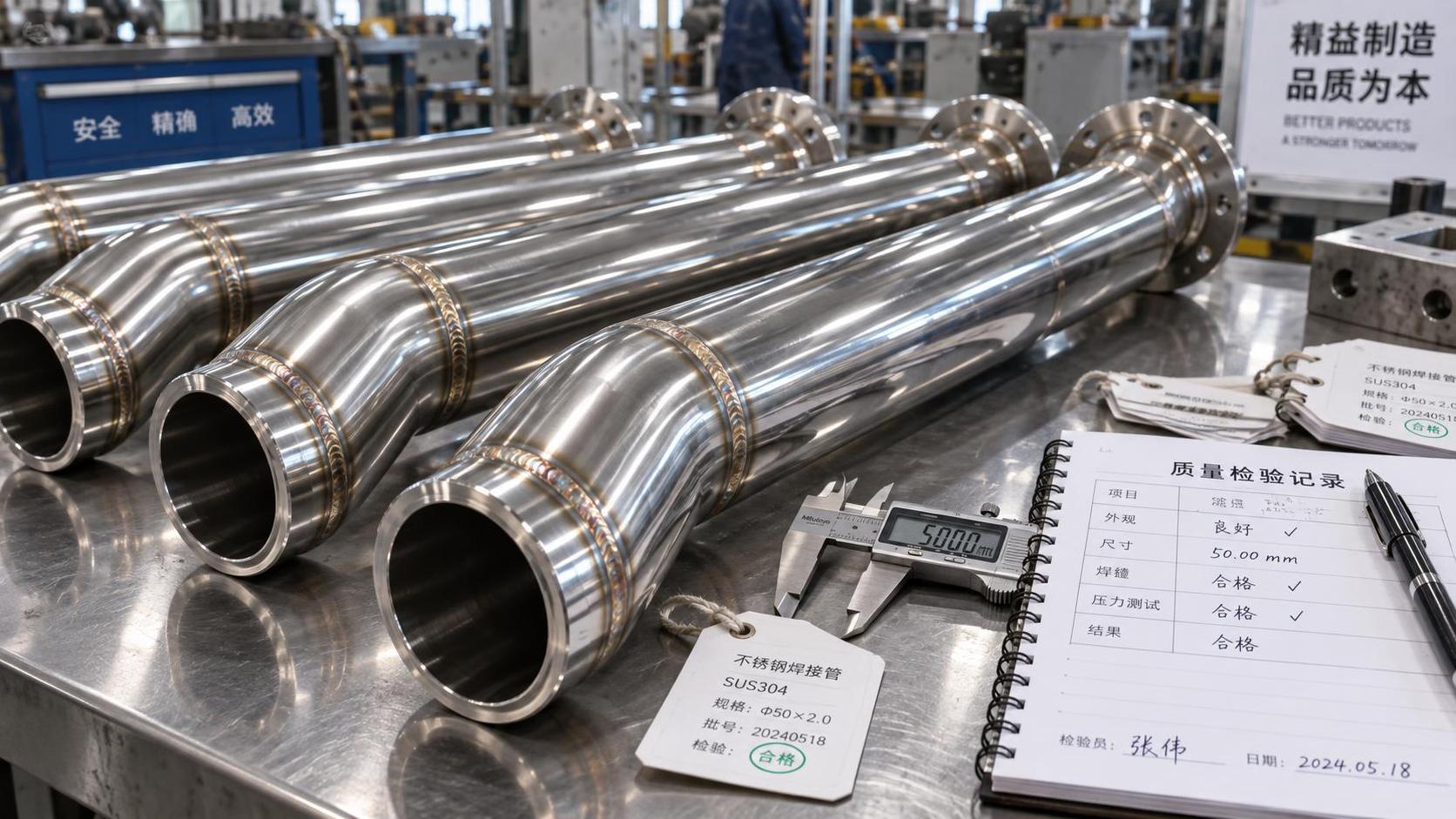
These manufacturers face revised specification requirements as QSRs adopt standardized, modular, and cleanroom-compatible central kitchen layouts. The impact includes accelerated demand for corrosion-resistant, NSF-certified fabrication and tighter tolerances for seamless welds and surface finish—both critical for automated integration and regulatory audits.
Smart Temperature Sensor & IoT Module Suppliers
Integration of HACCP-compliant thermal monitoring into meal containers necessitates sensors with certified calibration traceability, low-power wide-area network (LPWAN) compatibility, and embedded data logging. The impact centers on increased technical validation requirements and longer pre-shipment testing cycles to meet food-grade certification benchmarks.
Cold-Chain Logistics Technology Providers
RFID-based traceability mandates end-to-end visibility across production, warehousing, and last-mile delivery. The impact appears in rising demand for interoperable middleware platforms capable of ingesting RFID event streams and mapping them to HACCP critical control points—requiring API-level alignment with existing ERP and TMS systems.
Key Considerations and Recommended Actions
Monitor official technical guidance from China’s State Administration for Market Regulation (SAMR)
The white paper references HACCP integration and RFID traceability but does not specify whether these reflect mandatory national standards or voluntary best practices. Exporters should track upcoming SAMR circulars on food equipment certification pathways for overseas markets.
Assess exposure to sour cabbage fish rice–focused QSR chains’ capex plans
Given the sector’s rapid scaling, equipment suppliers should prioritize engagement with top-tier operators actively expanding central kitchen footprints—particularly those targeting Tier-2 and Tier-3 cities where infrastructure upgrades are most urgent and procurement timelines are shortest.
Distinguish between pilot deployments and full rollout timelines
The white paper notes system adoption is ‘accelerating’, but does not indicate whether current orders represent phased pilots or nationwide rollouts. Companies should verify implementation scope per contract—especially regarding scalability clauses, spare-part stocking requirements, and post-installation validation protocols.
Prepare for extended pre-shipment compliance verification cycles
With unit price increases tied to enhanced certifications, suppliers should allocate additional time (minimum +3 weeks) for third-party food safety lab testing, calibration certificate issuance, and bilingual technical documentation review—particularly for EU and Southeast Asian destination markets.
Editorial Perspective / Industry Observation
Observably, this development signals a structural shift—not just a product upgrade—from brand-led ‘viral marketing’ to operations-led ‘efficiency standardization’ in the sour cabbage fish rice segment. Analysis shows the central kitchen investment wave is less about cost-cutting and more about enabling consistent cross-regional execution, which inherently raises the technical bar for upstream equipment providers. From an industry perspective, it is better understood as an early-stage signal of tightening integration between foodservice operations and industrial automation—rather than a mature, fully scaled outcome. Continued tracking of order volume distribution (by region, by OEM vs. private-label), not just headline pricing, will be essential to gauge real momentum.

Conclusion: This white paper reflects a measurable inflection point where operational rigor begins displacing novelty as the primary driver of competitive positioning in a high-volume Chinese QSR category. It does not yet indicate saturation or consolidation, but rather a recalibration of supplier capability thresholds. Current interpretation should emphasize readiness for elevated technical compliance—not just commercial responsiveness—as the defining requirement for sustained participation.
Source: Industry White Paper released on May 11, 2026.
Noted for ongoing observation: Delivery cycle stability (12–14 weeks) and export price uplift (23%) are reported figures; underlying drivers (e.g., raw material cost shifts, certification surcharges, or currency effects) are not disclosed and require further verification.
Technical Specifications
- Air Handling Unit Supplier Checklist: Performance Data, Lead Times, and SupportAuthor :Environmental Engineering Director
- Buying Fiberglass Water Tanks Wholesale: Compare Quotes and Delivery CostsAuthor :Environmental Engineering Director
- Choosing an XLPE Power Cable Supplier: Test Reports, Traceability, and Lead TimesAuthor :Grid Infrastructure Analyst
Expert Insights

Chief Security Architect
Dr. Thorne specializes in the intersection of structural engineering and digital resilience. He has advised three G7 governments on industrial infrastructure security.
Related Analysis
- Oct 19, 2026Air Handling Unit Supplier Checklist: Performance Data, Lead Times, and SupportAuthor :Environmental Engineering Director
- Oct 18, 2026Buying Fiberglass Water Tanks Wholesale: Compare Quotes and Delivery CostsAuthor :Environmental Engineering Director
- Oct 17, 2026Choosing an XLPE Power Cable Supplier: Test Reports, Traceability, and Lead TimesAuthor :Grid Infrastructure Analyst
Core Sector // 01
Security & Safety
- How to Specify Steel Heavy-Duty Corner Guards for Loading Bays and High-Traffic AreasAuthor :Heavy Industry Strategist

- Selecting Non-Ferrous Metal Plates for Corrosion, Weight, and Formability RequirementsAuthor :Heavy Industry Strategist

- Stainless Steel Welded Tube Applications: Matching Tube Supply to Fabrication NeedsAuthor :Heavy Industry Strategist

- What Maintenance Do Furnace Components Need After 18 Months?Author :Heavy Industry Strategist

- How to Assess Metal Materials for Thermal Cycling in Power BoilersAuthor :Heavy Industry Strategist

- How to Evaluate Aluminum Extrusion Suppliers for Tight-Tolerance Components?Author :Heavy Industry Strategist

- How to Evaluate a Weld Neck Flange Manufacturer for High-Pressure Pipe ProjectsAuthor :Heavy Industry Strategist

- EU REACH Ban Hits Cr(VI)-Coated Steel ImportsAuthor :Heavy Industry Strategist
-Coated Steel Imports")