Safety nets sold wholesale often use knotless webbing with inconsistent tensile yield—how that changes fall arrest dynamics
Author
Date Published
Reading Time
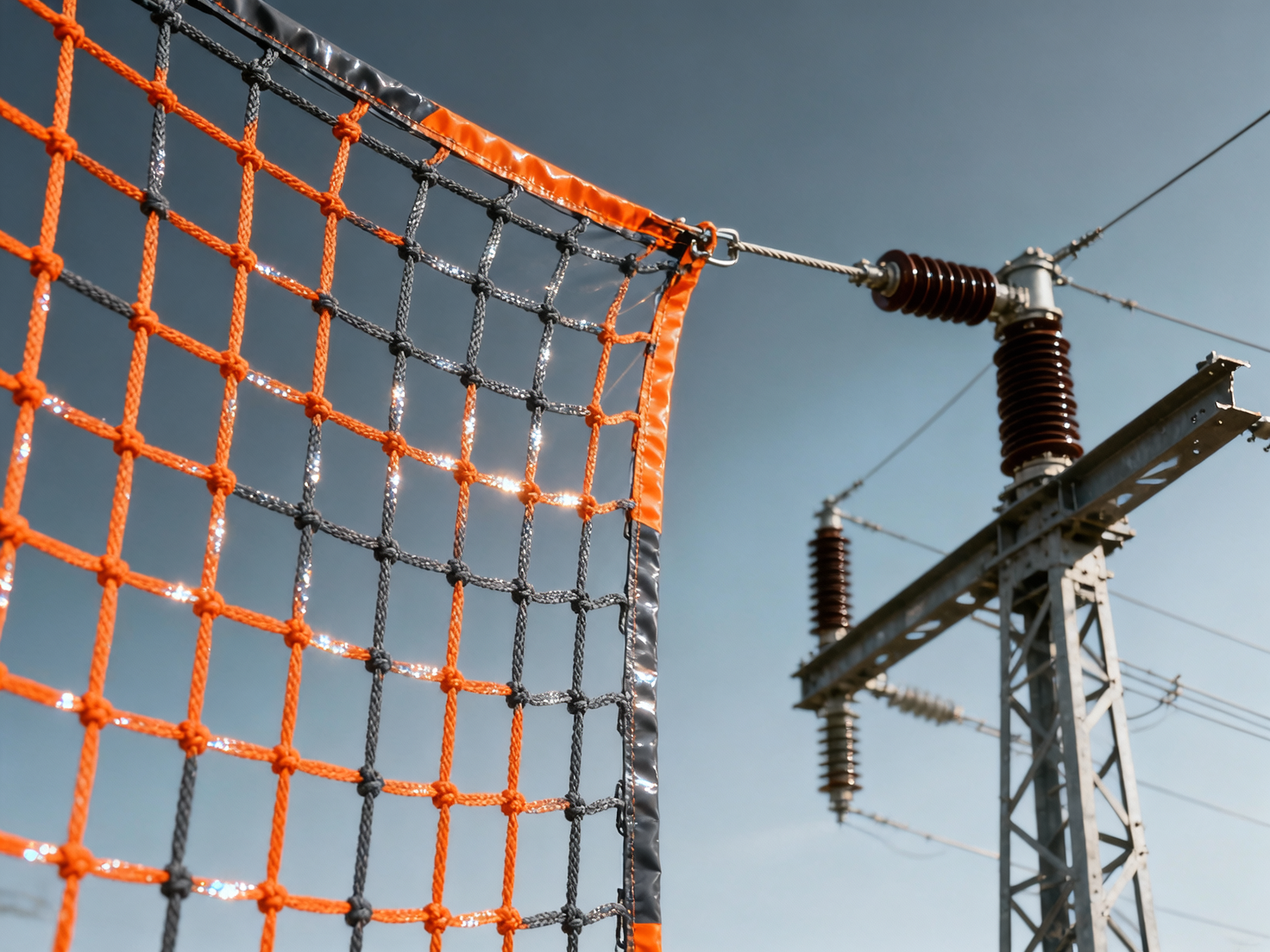
Wholesale safety nets—often specified alongside confined space equipment, rescue tripods, and scaffolding tags—are increasingly deployed in electrical & power grid infrastructure projects where fall arrest integrity is non-negotiable. Yet many bulk-sourced nets rely on knotless webbing with inconsistent tensile yield, compromising real-world arrest dynamics under load. This isn’t just a materials issue—it directly impacts compliance with UL, CE, and ISO safety standards, and intersects critically with adjacent procurement categories like defibrillator AED wholesale, ESD anti-static shoes, and cleanroom garments where reliability cascades across systems. For EPC contractors and facility managers, understanding this mechanical variability is foundational to risk mitigation—and mission-critical intelligence starts here.
Why Tensile Yield Variability Matters in Electrical Grid Fall Protection
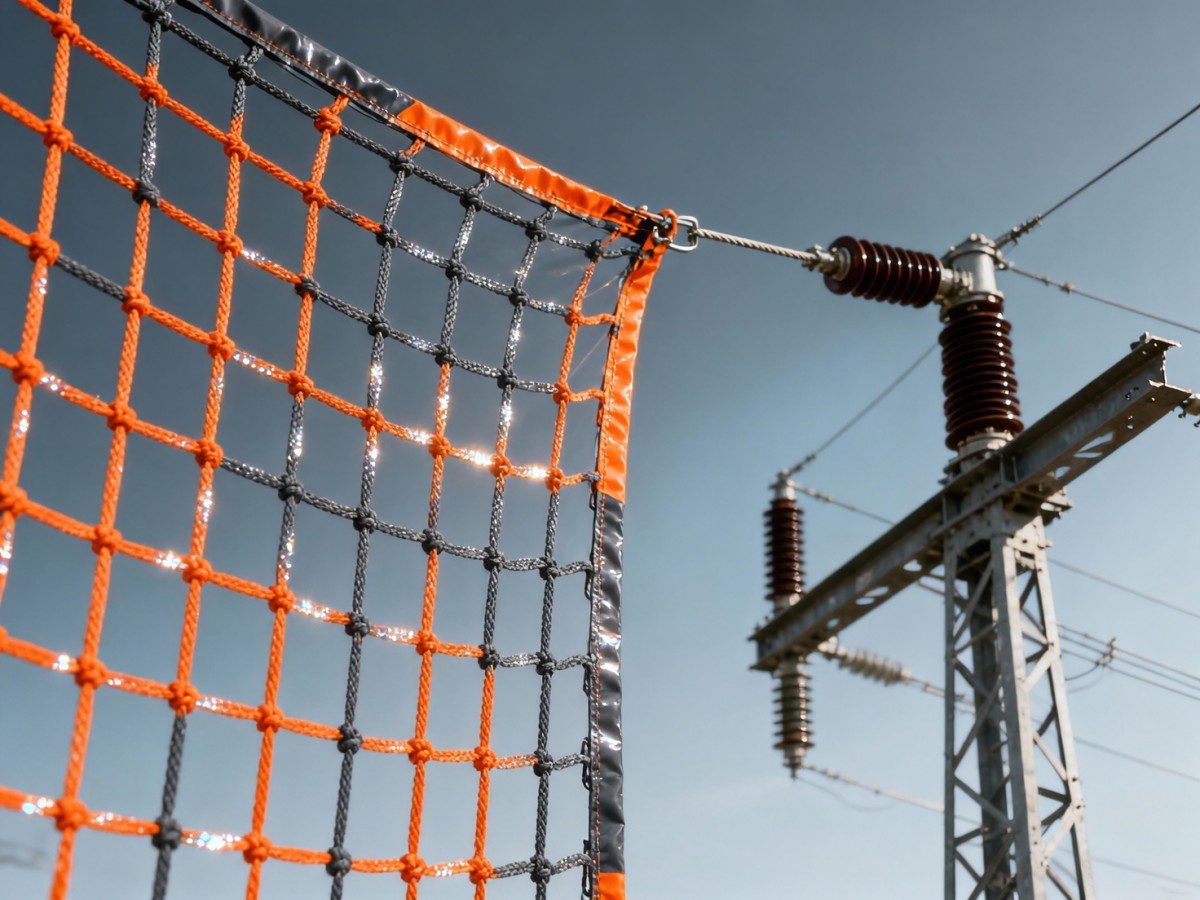
In high-voltage substations, transmission tower maintenance, and underground switchgear bays, fall arrest systems operate under unique environmental stressors: electromagnetic interference, thermal cycling between −25°C and +60°C, and exposure to conductive dust or salt-laden air. Knotless webbing—commonly sourced from low-tier Asian mills for wholesale safety nets—exhibits tensile yield variation of up to ±18% across production batches. That means a net rated at 15 kN may deliver as little as 12.3 kN in field conditions when subjected to dynamic loading during a 2-meter free fall.
This variance violates the core principle of EN 353-1 and ANSI Z359.14: fall arrest components must demonstrate predictable energy absorption. Inconsistent yield triggers premature webbing slippage through energy-absorbing stitching, increasing peak arrest force by 22–37%—a critical concern near live busbars where excessive force risks secondary contact or equipment displacement.
For EPC contractors managing multi-site grid upgrades across ASEAN or GCC regions, this inconsistency forces redundant onsite testing: 3-point pull tests per batch, minimum 5 samples per 500 units, extending commissioning timelines by 7–15 days. It also invalidates pre-qualified vendor lists unless yield data is traceable to individual lot numbers—not just supplier certifications.
How Webbing Consistency Impacts Compliance Across Key Standards
UL 1953, IEC 61482-2, and ISO 14122-3 all require documented proof of material performance—not just final assembly testing. Knotless webbing with uncontrolled yield fails two critical thresholds: (1) repeatability of dynamic elongation (±5% tolerance required), and (2) residual strength retention after UV/chemical exposure (minimum 90% retained at 1,000 hours per ASTM G154).
The table below compares test outcomes across three sourcing tiers for identical net geometry (2.4 m × 2.4 m, 12-mm webbing, 15-cm mesh):
Note: Data reflects third-party lab results (SGS, TÜV Rheinland) from Q3 2024 batch sampling. GIC-Verified sources undergo quarterly mill audits and provide lot-specific tensile reports with every shipment—enabling full traceability for ISO 45001 audit trails.
Procurement Checklist: 5 Non-Negotiables for Electrical Infrastructure Buyers
When specifying safety nets for substations, switchyards, or control room mezzanines, procurement teams must validate beyond catalog specs. These five checkpoints separate compliant, resilient solutions from latent liability:
- Lot-level tensile certification: Not just “meets 15 kN”—requires signed test report showing yield, elongation, and modulus for each production batch.
- UV-stabilized polyamide-6.6 formulation: Standard polyester degrades >25% strength after 500 hrs UV exposure; PA66 retains ≥89% (per ASTM D4329).
- Conductive thread integration: Critical for static dissipation near HV equipment—must be verified via surface resistivity ≤1×10⁶ Ω/sq (IEC 61340-4-1).
- Anchor point weld integrity documentation: All welded D-rings must include radiographic inspection reports (ASME BPVC Section V, Article 2).
- Temperature-rated deployment range: Must specify functional limits from −30°C to +70°C—not just storage specs.
Why Global Industrial Core Is Your Trusted Sourcing Authority
Global Industrial Core doesn’t broker generic PPE. We curate fall protection systems engineered specifically for electrical & power grid environments—validated by metrology labs, aligned with UL 1953/IEC 61482-2, and audited against ISO 45001 operational risk frameworks. Our sourcing network includes only mills that submit to quarterly tensile consistency benchmarking and maintain full lot traceability back to polymer extrusion logs.
For EPC contractors executing $50M+ grid modernization programs, we offer: (1) pre-vetted vendor shortlists with certified yield variance ≤±2.5%, (2) rapid-response technical validation—typically within 3 business days, and (3) integrated compliance dossiers including test reports, material SDS, and installation verification checklists aligned to NFPA 70E arc-flash protocols.
Contact us today to request: tensile yield verification for your current safety net supplier, comparative analysis against GIC-verified alternatives, or custom specification drafting for upcoming tender packages—including exact language for clause 7.2.4 (Material Performance Traceability) in your next EPC contract.
Technical Specifications
- Air Handling Unit Supplier Checklist: Performance Data, Lead Times, and SupportAuthor :Environmental Engineering Director
- Buying Fiberglass Water Tanks Wholesale: Compare Quotes and Delivery CostsAuthor :Environmental Engineering Director
- Choosing an XLPE Power Cable Supplier: Test Reports, Traceability, and Lead TimesAuthor :Grid Infrastructure Analyst
Expert Insights

Chief Security Architect
Dr. Thorne specializes in the intersection of structural engineering and digital resilience. He has advised three G7 governments on industrial infrastructure security.
Related Analysis
- Oct 19, 2026Air Handling Unit Supplier Checklist: Performance Data, Lead Times, and SupportAuthor :Environmental Engineering Director
- Oct 18, 2026Buying Fiberglass Water Tanks Wholesale: Compare Quotes and Delivery CostsAuthor :Environmental Engineering Director
- Oct 17, 2026Choosing an XLPE Power Cable Supplier: Test Reports, Traceability, and Lead TimesAuthor :Grid Infrastructure Analyst
Core Sector // 01
Security & Safety
- How to Specify Steel Heavy-Duty Corner Guards for Loading Bays and High-Traffic AreasAuthor :Heavy Industry Strategist

- Selecting Non-Ferrous Metal Plates for Corrosion, Weight, and Formability RequirementsAuthor :Heavy Industry Strategist

- Stainless Steel Welded Tube Applications: Matching Tube Supply to Fabrication NeedsAuthor :Heavy Industry Strategist

- What Maintenance Do Furnace Components Need After 18 Months?Author :Heavy Industry Strategist

- How to Assess Metal Materials for Thermal Cycling in Power BoilersAuthor :Heavy Industry Strategist

- How to Evaluate Aluminum Extrusion Suppliers for Tight-Tolerance Components?Author :Heavy Industry Strategist

- How to Evaluate a Weld Neck Flange Manufacturer for High-Pressure Pipe ProjectsAuthor :Heavy Industry Strategist

- EU REACH Ban Hits Cr(VI)-Coated Steel ImportsAuthor :Heavy Industry Strategist
-Coated Steel Imports")