How to Choose Engineered Metal Parts for Load, Tolerance, and Surface Finish
Author
Date Published
Reading Time
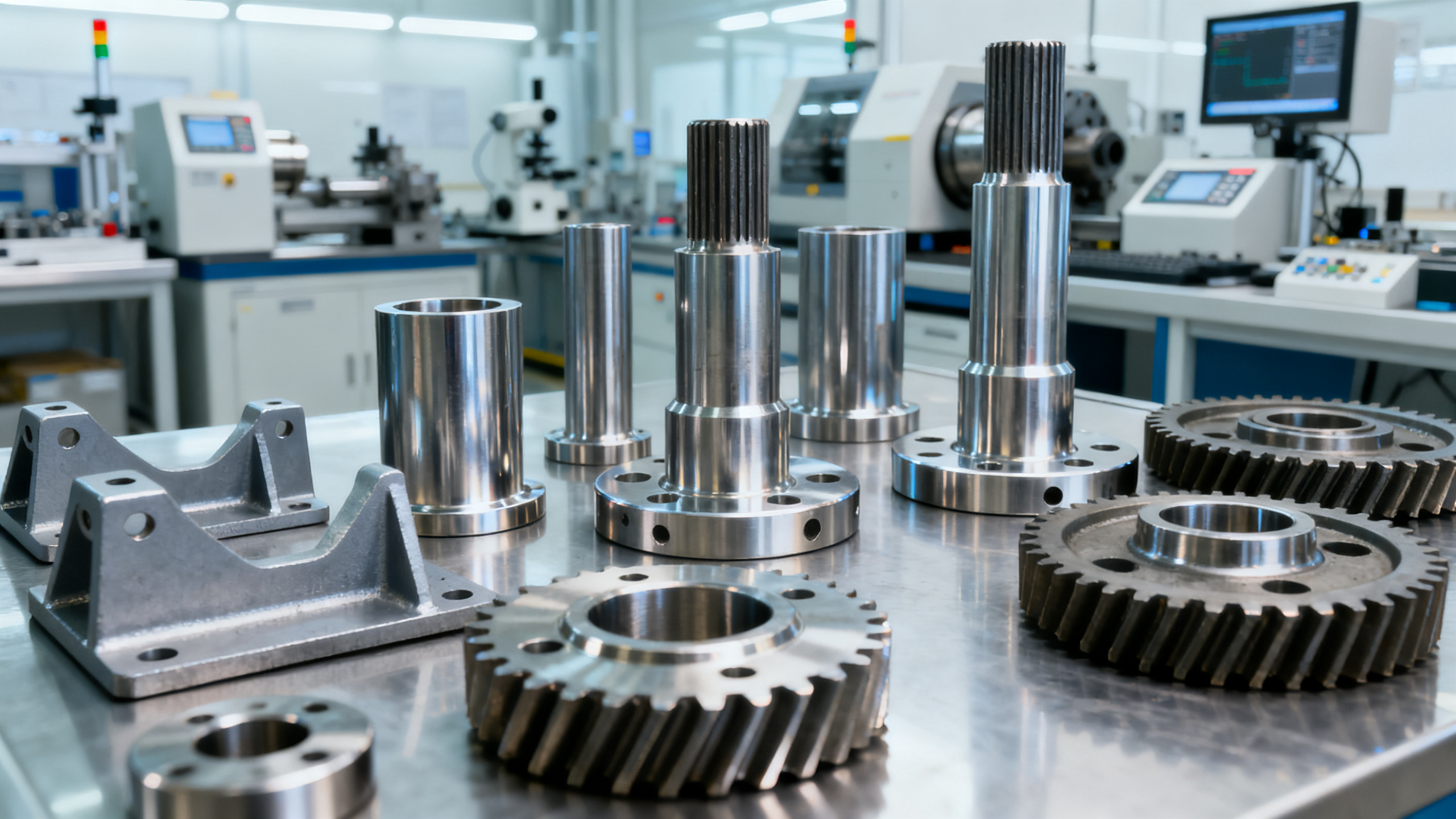
How to Choose Engineered Metal Parts for Load, Tolerance, and Surface Finish
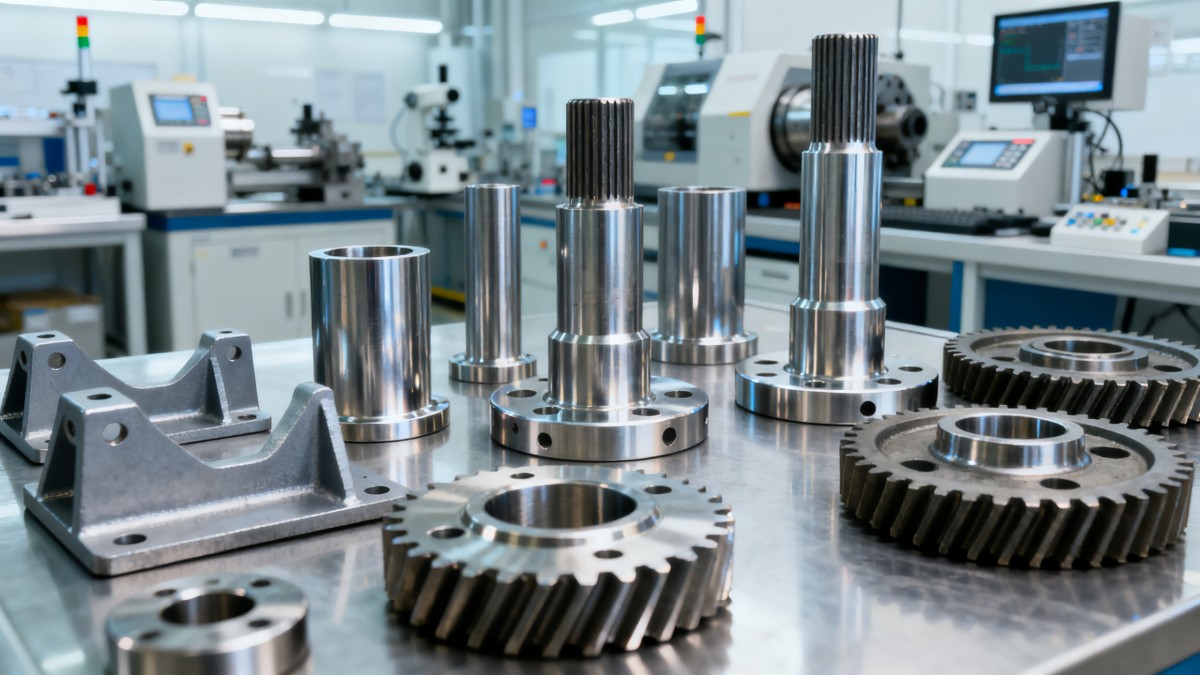
Choosing engineered metal parts is rarely a simple material question. In most projects, load, tolerance, and surface finish interact in ways that shape performance, cost, and long-term reliability.
A part that looks correct on paper can still fail in service. The usual reason is not one dramatic mistake. It is a mismatch between design assumptions and real operating conditions.
That is why engineered metal parts should be evaluated as functional systems. The right choice supports assembly accuracy, predictable wear, compliance targets, and lifecycle cost control.
In practical sourcing work, three questions usually matter most. Can the part carry the real load? Can it hold the needed tolerance? Can the surface finish support contact, sealing, or corrosion resistance?
This guide breaks those questions into a usable decision process. It is meant for selecting engineered metal parts under actual production and operating constraints, not ideal laboratory conditions.
Start with the Real Load Case
Load is the first filter because it shapes nearly every downstream decision. Yet many engineered metal parts are still selected using nominal load values rather than actual service profiles.
Begin with the full load picture. Static force alone is not enough. Include cyclic loading, impact events, vibration, thermal expansion, and any off-axis stress.
A shaft, bracket, housing, or fastened component may all see different stress patterns during startup, steady operation, shutdown, and maintenance handling. Those transitions often reveal the highest failure risk.
From a selection standpoint, ask four practical questions before comparing suppliers:
- What is the peak load, not just the rated load?
- Is the stress continuous, intermittent, or fatigue-driven?
- Will the part operate in heat, moisture, chemicals, or abrasive dust?
- What safety factor is required by the application or standard?
These questions narrow the field quickly. High-strength steel may handle force well, but it may not be the best answer where corrosion, galling, or weight reduction matter more.
In engineered metal parts, strength should always be reviewed together with stiffness, toughness, and fatigue resistance. A harder material is not automatically a better one.
For example, stainless steel may solve corrosion concerns, but some grades machine differently and may affect achievable tolerances or surface quality. That tradeoff needs early visibility.
Match Material to Operating Stress, Not Just Specification Sheets
Specification tables are useful, but they do not make the decision for you. Engineered metal parts succeed when material behavior matches the real environment and manufacturing route.
Carbon steel, alloy steel, stainless steel, aluminum, brass, copper alloys, and specialty metals each solve different problems. The strongest option on paper may create cost or machining issues later.
A practical review should cover:
- Yield strength and tensile strength under service temperature
- Fatigue performance under repeated stress
- Corrosion resistance in the actual media
- Hardness and wear behavior at contact surfaces
- Machinability for required geometry and tolerance
- Weldability or formability where secondary processes apply
This is also where sourcing risk appears. Two suppliers may both quote stainless steel, for example, but heat treatment consistency, traceability, and finishing capability can lead to very different field outcomes.
For critical engineered metal parts, material certification should not be treated as paperwork only. It is part of performance verification, especially for regulated industrial systems.
Set Tolerance by Function, Not Habit
Tolerance is often over-specified. That drives machining time, inspection complexity, and scrap cost without improving the function of engineered metal parts.
The better approach is to assign tolerance based on fit, motion, sealing, alignment, and assembly method. In other words, hold tight dimensions only where they actually matter.
A bore for a bearing seat needs a different control strategy than a non-contact mounting face. Treating both the same only raises cost and lead time.
When evaluating engineered metal parts, focus on these tolerance checkpoints:
- Identify critical-to-function dimensions.
- Separate cosmetic dimensions from functional ones.
- Review geometric tolerances, not only linear values.
- Confirm measurement capability at the supplier level.
- Check stack-up across the final assembly, not one part alone.
Geometric tolerancing matters more than many teams expect. Flatness, concentricity, perpendicularity, and runout can decide whether a precision assembly performs smoothly or binds in service.
This also means supplier capability should be checked against the inspection plan. If the part requires micron-level control, the shop must prove process stability, not just promise it.
Treat Surface Finish as a Performance Requirement
Surface finish is frequently left until the end of the conversation. In reality, it should be part of the first review because it affects friction, sealing, coating adhesion, fatigue life, and corrosion behavior.
For engineered metal parts, the right finish depends on contact conditions and environment. A polished finish may help one function and weaken another by increasing cost without improving use.
Consider how the surface will work in the application:
- Sliding contact may need controlled roughness for lubrication behavior.
- Sealing faces often require tighter finish values.
- Coated parts need a surface profile that supports adhesion.
- Visible parts may require appearance consistency.
- Corrosive environments may justify passivation, plating, or anodizing.
It helps to define finish using measurable parameters such as Ra or Rz, then link them to the functional surface only. Broad finish notes across the whole drawing often create unnecessary cost.
Another common issue is process interaction. Machining, grinding, blasting, polishing, heat treatment, and coating can all change dimensions or residual stress. That matters for engineered metal parts with tight fits.
Review Manufacturing Method Before Final Selection
The same part geometry can be produced through machining, casting, forging, stamping, powder metallurgy, or fabrication. Each route affects strength, tolerance potential, finish quality, and unit economics.
This is where many engineered metal parts decisions become clearer. A forged part may offer stronger grain flow for load-bearing service, while a machined part may offer better dimensional control for complex interfaces.
Use a simple comparison table during evaluation:
This kind of comparison keeps selection grounded. It also helps separate technically attractive options from those that are actually manufacturable at scale.
Use a Risk-Based Evaluation Checklist
A good sourcing decision for engineered metal parts should survive more than a drawing review. It should hold up under risk review, process variation, supplier change, and maintenance reality.
A short checklist keeps that discipline in place:
- Verify actual load spectrum and failure mode assumptions.
- Confirm material grade, condition, and certification route.
- Mark critical dimensions and geometric controls clearly.
- Specify functional surface finish only where needed.
- Align tolerance with process capability and inspection tools.
- Review corrosion, wear, and thermal exposure together.
- Request sample data, PPAP-style records, or first article results where justified.
- Check compliance needs such as ISO, CE, UL, or customer-specific requirements.
In real procurement work, this step often exposes hidden cost drivers. Tight tolerance on a non-critical face, unnecessary polishing, or premium alloy selection can push pricing up without improving reliability.
The opposite is also true. Under-specifying engineered metal parts may look efficient during sourcing, but the cost returns later through downtime, warranty claims, or difficult field replacement.
Make the Final Decision with Lifecycle in Mind
The best engineered metal parts choice is usually the one that balances performance, manufacturability, inspection confidence, and total service life. Lowest unit price alone is a weak decision metric.
When comparing options, look beyond the purchase order. Include downtime exposure, maintenance intervals, replacement complexity, and consistency across global supply channels.
This matters even more in critical infrastructure, heavy industry, and precision assemblies. Engineered metal parts in these settings must perform predictably under stress, not simply meet a basic datasheet description.
A sound final review usually asks one last question: does the chosen part still make sense after load, tolerance, finish, process capability, and lifecycle risk are considered together?
If the answer is yes, the selection is probably strong. If not, revisit the functional requirement before adding cost. In many cases, sharper specification creates better engineered metal parts than tighter specification.
Use that approach as a standard habit. It leads to better sourcing decisions, cleaner supplier conversations, and engineered metal parts that perform the way the application actually demands.
Technical Specifications
- Air Handling Unit Supplier Checklist: Performance Data, Lead Times, and SupportAuthor :Environmental Engineering Director
- Buying Fiberglass Water Tanks Wholesale: Compare Quotes and Delivery CostsAuthor :Environmental Engineering Director
- Choosing an XLPE Power Cable Supplier: Test Reports, Traceability, and Lead TimesAuthor :Grid Infrastructure Analyst
Expert Insights

Chief Security Architect
Dr. Thorne specializes in the intersection of structural engineering and digital resilience. He has advised three G7 governments on industrial infrastructure security.
Related Analysis
- Oct 19, 2026Air Handling Unit Supplier Checklist: Performance Data, Lead Times, and SupportAuthor :Environmental Engineering Director
- Oct 18, 2026Buying Fiberglass Water Tanks Wholesale: Compare Quotes and Delivery CostsAuthor :Environmental Engineering Director
- Oct 17, 2026Choosing an XLPE Power Cable Supplier: Test Reports, Traceability, and Lead TimesAuthor :Grid Infrastructure Analyst
Core Sector // 01
Security & Safety
- How to Specify Steel Heavy-Duty Corner Guards for Loading Bays and High-Traffic AreasAuthor :Heavy Industry Strategist

- Selecting Non-Ferrous Metal Plates for Corrosion, Weight, and Formability RequirementsAuthor :Heavy Industry Strategist

- Stainless Steel Welded Tube Applications: Matching Tube Supply to Fabrication NeedsAuthor :Heavy Industry Strategist

- What Maintenance Do Furnace Components Need After 18 Months?Author :Heavy Industry Strategist

- How to Assess Metal Materials for Thermal Cycling in Power BoilersAuthor :Heavy Industry Strategist

- How to Evaluate Aluminum Extrusion Suppliers for Tight-Tolerance Components?Author :Heavy Industry Strategist

- How to Evaluate a Weld Neck Flange Manufacturer for High-Pressure Pipe ProjectsAuthor :Heavy Industry Strategist

- EU REACH Ban Hits Cr(VI)-Coated Steel ImportsAuthor :Heavy Industry Strategist
-Coated Steel Imports")