India to Require BIS Marking for Imported Bearings
Author
Date Published
Reading Time
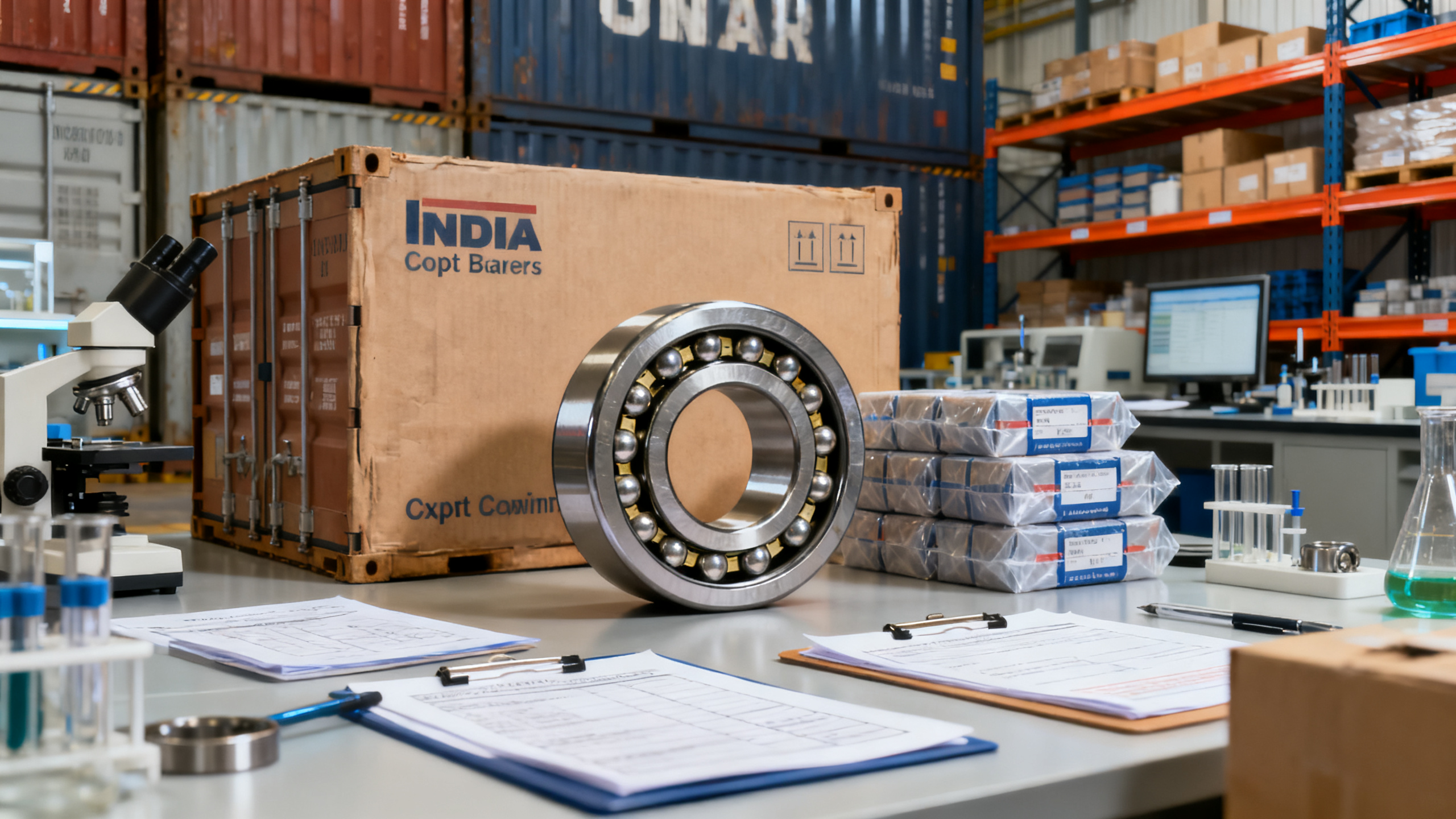
On October 1, 2026, India will begin enforcing mandatory BIS certification and ISI marking requirements for imported rolling bearings covered by IS 1554 Part 1 and Part 2. The change matters not only to bearing exporters, but also to buyers, import operations, and downstream sectors that depend on cross-border bearing supply, especially automotive, wind energy, and rail infrastructure. For the industry, the immediate issue is no longer product access in principle, but whether shipments can clear compliance checks without delay at the port.
What the notification clearly requires
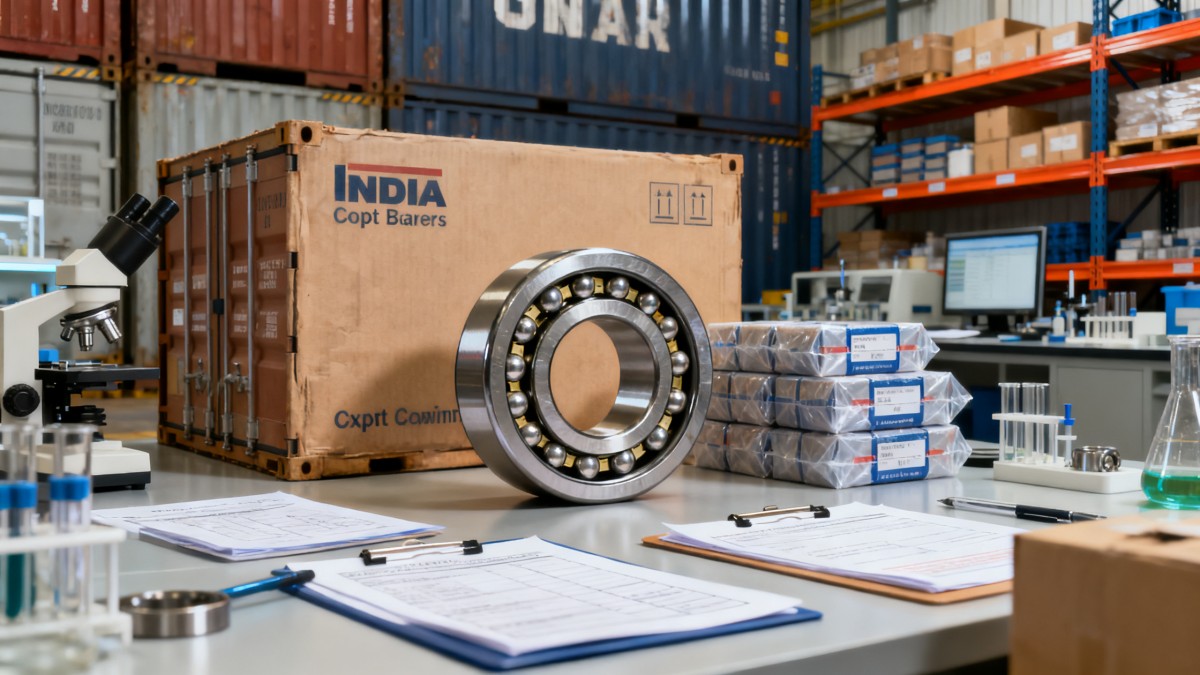
According to the information provided, India’s Bureau of Indian Standards has notified mandatory ISI certification for imported rolling bearings under IS 1554 Part 1 and Part 2, with the requirement taking effect on 2026-10-01. All consignments must undergo type testing at NABL-accredited laboratories and must carry BIS-issued license numbers. Shipments that do not meet these requirements will be detained at port.
Where the pressure is likely to appear first
Exporters serving the India market
From an industry perspective, exporters are likely to feel the most direct impact because compliance now becomes a condition of market entry, not a secondary documentation matter. The effect is concentrated in pre-shipment preparation, testing arrangements, certification status, and shipment documentation tied to BIS licensing.
Import and customs-facing operations
Import-facing teams and supply chain service providers may be affected because non-compliant consignments are explicitly subject to detention at port. Analysis shows that the operational risk is less about demand and more about whether each shipment can move through clearance without interruption, making document accuracy and timing more sensitive than before.
Industrial buyers in automotive, wind, and rail-linked demand
Buyers in sectors identified in the notice should watch this closely because any disruption in compliant bearing supply could affect sourcing continuity. Observably, the issue for these end-use industries is not the rule itself, but how quickly overseas suppliers can align testing, licensing, and shipment readiness with India-bound orders.
What companies should track now
Read the compliance requirement as a shipment issue, not only a product issue
What deserves closer attention is that the requirement applies at the consignment level in practical terms, because non-compliant shipments face detention at port. Companies involved in India-bound trade should therefore review how product qualification and shipping release are connected in their internal process.
Verify testing arrangements against NABL-accredited lab requirements
The notice specifically points to type testing at NABL-accredited laboratories. For businesses, this means the testing path itself becomes a critical checkpoint. The practical focus should be on whether existing testing arrangements, documentation flows, and approval timing actually match this requirement before cargo moves.
Check license number readiness in commercial and shipping documents
The requirement that consignments carry BIS-issued license numbers makes document control a central issue. Analysis shows that exporters, distributors, and logistics coordinators should pay close attention to whether license-related details are consistently reflected across shipment paperwork and customer-facing confirmations.
Prepare customer communication for lead-time and clearance risk
Because the rule directly affects import clearance, companies serving Indian customers may need clearer advance communication on compliance status, shipment readiness, and possible timing implications. This is especially relevant where bearings are tied to scheduled industrial procurement or project-based delivery windows.
How this should be interpreted at this stage
Analysis shows this is better understood as a concrete regulatory access requirement rather than a distant policy signal. The effective date is defined, the testing route is specified, and the consequence of non-compliance is explicit. At the same time, it is also a development that still warrants continued observation, because the business impact will depend on how consistently market participants align certification, documentation, and shipment execution with the rule.
Why the market should treat this as an operational priority
For the bearing trade and its downstream users, the significance of this development lies in execution. The rule does not merely indicate tighter oversight; it sets a practical threshold for entry into the India market for the covered imported products. It is more appropriate to understand this as an actionable compliance change with immediate relevance to exporters and supply chain managers, while broader commercial effects still need to be watched in real business operations.
Basis of this article and points for further verification
This article is based on the user-provided news title, event date, and event summary. Information of this type is commonly cross-checked against official notices, standard-setting body documents, company compliance announcements, industry association updates, and reporting by authoritative trade media. A specific official source link was not provided in the input, so the exact underlying notice and any later clarifications still need ongoing verification. Continued attention should focus on any further official wording, implementation details, and shipment-level compliance expectations related to BIS certification, ISI marking, NABL-accredited testing, and BIS-issued license numbers.
Technical Specifications
- Air Handling Unit Supplier Checklist: Performance Data, Lead Times, and SupportAuthor :Environmental Engineering Director
- Buying Fiberglass Water Tanks Wholesale: Compare Quotes and Delivery CostsAuthor :Environmental Engineering Director
- Choosing an XLPE Power Cable Supplier: Test Reports, Traceability, and Lead TimesAuthor :Grid Infrastructure Analyst
Expert Insights

Chief Security Architect
Dr. Thorne specializes in the intersection of structural engineering and digital resilience. He has advised three G7 governments on industrial infrastructure security.
Related Analysis
- Oct 19, 2026Air Handling Unit Supplier Checklist: Performance Data, Lead Times, and SupportAuthor :Environmental Engineering Director
- Oct 18, 2026Buying Fiberglass Water Tanks Wholesale: Compare Quotes and Delivery CostsAuthor :Environmental Engineering Director
- Oct 17, 2026Choosing an XLPE Power Cable Supplier: Test Reports, Traceability, and Lead TimesAuthor :Grid Infrastructure Analyst
Core Sector // 01
Security & Safety
- How to Select Flange Gaskets for Pressure, Temperature, and Media CompatibilityAuthor :Heavy Industry Strategist

- Selecting High-Temperature Gaskets for Steam, Flanges, and Thermal CyclingAuthor :Heavy Industry Strategist

- Selecting Low-Friction Pneumatic Seals for High-Cycle, Low-Pressure CylindersAuthor :Heavy Industry Strategist

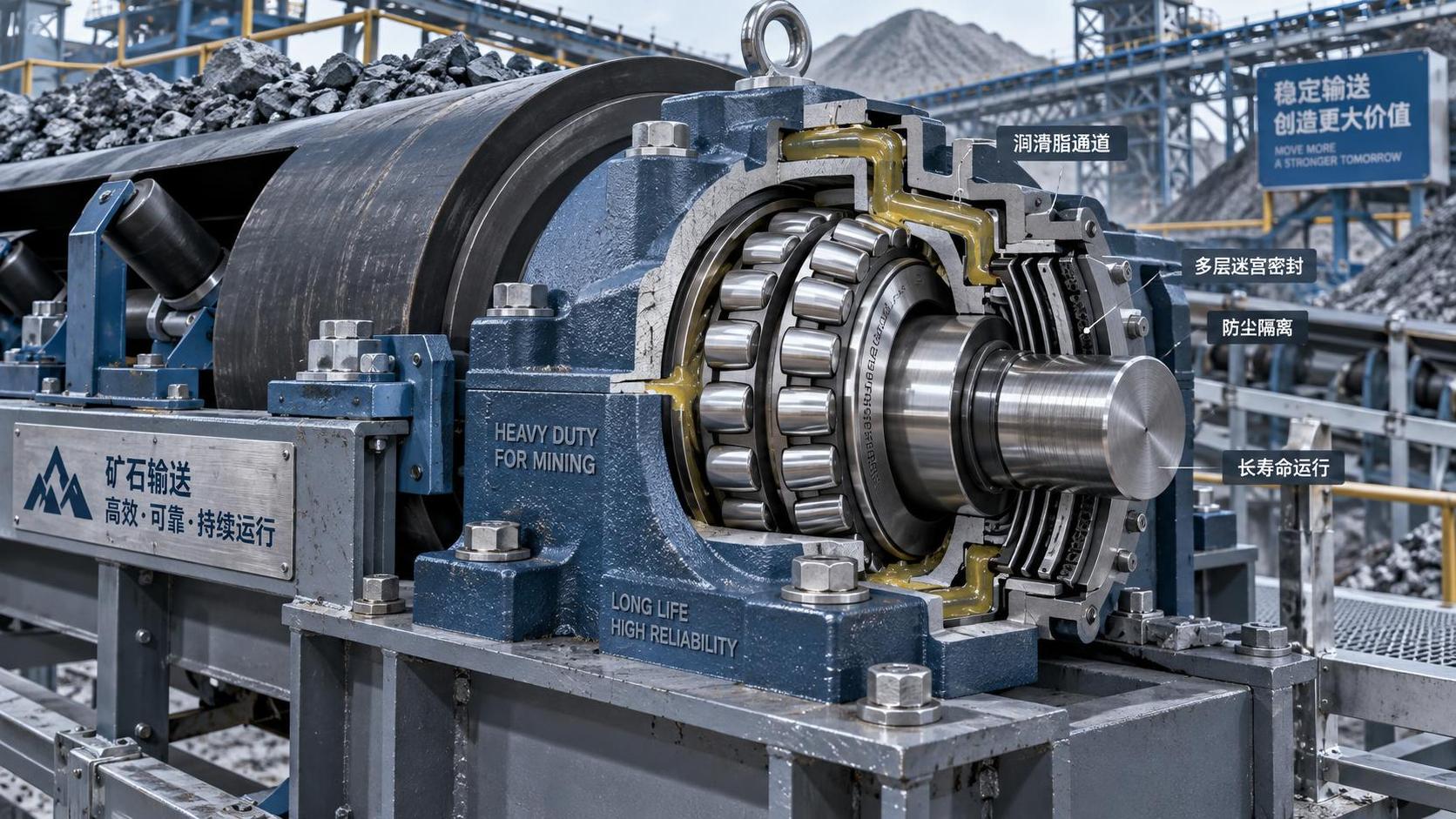
- Selecting Spherical Roller Bearings for Mining: Load, Contamination, and Service LifeAuthor :Heavy Industry Strategist

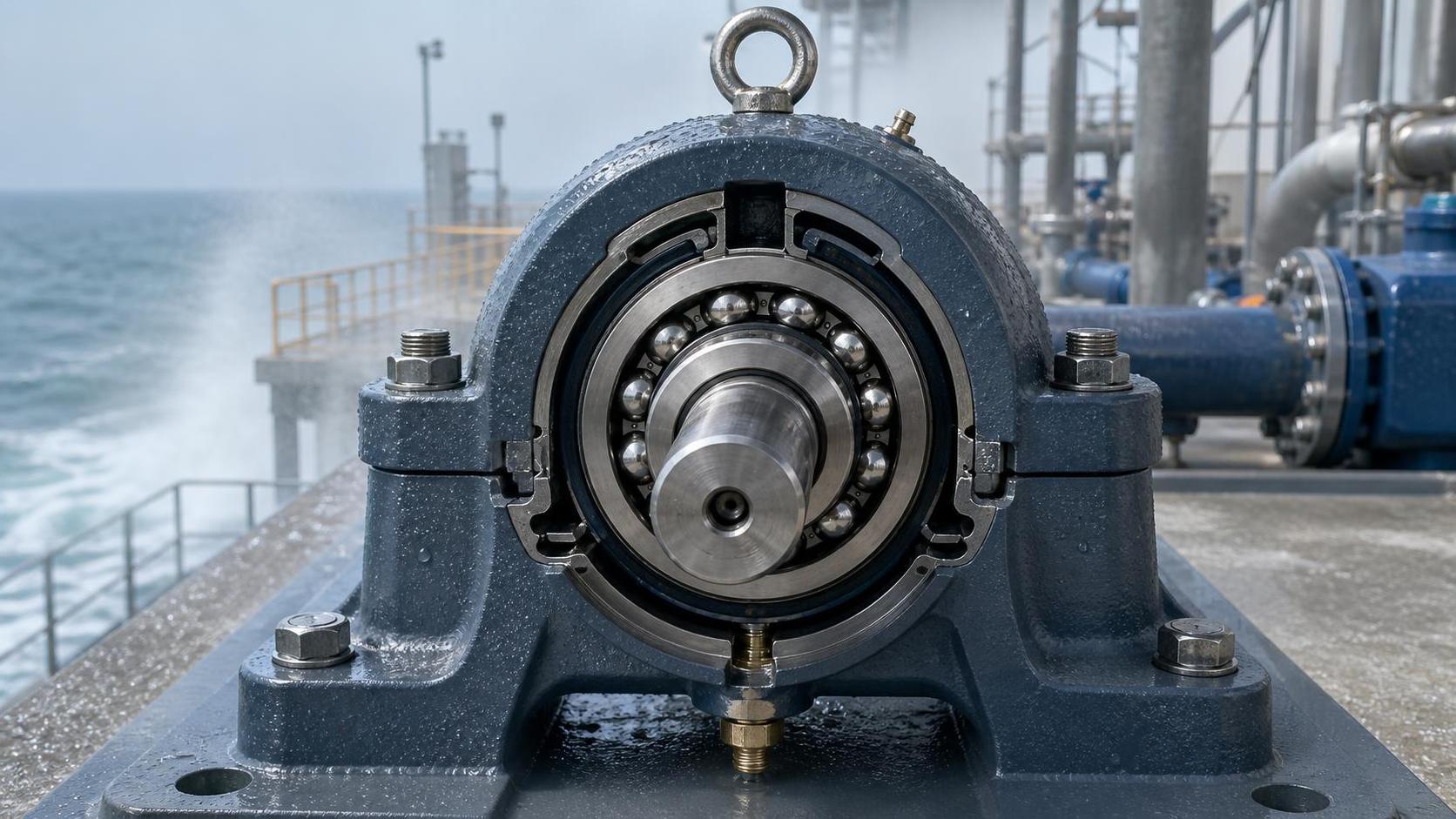
- Do Deep Groove Ball Bearings Need Special Seals in Coastal Humidity?Author :Heavy Industry Strategist

- How to Select Anti Vibration Rubber Shock Absorbers for Machinery and EquipmentAuthor :Heavy Industry Strategist

- When to Specify Induction Hardened Slewing Ring Bearings for Heavy-Duty EquipmentAuthor :Heavy Industry Strategist

- How to Evaluate Weather Resistant EPDM Extrusion for Outdoor Sealing ApplicationsAuthor :Heavy Industry Strategist