Galvanized Steel Coils vs Cold Rolled Steel: Which Fits Roofing and Fabrication Better?
Author
Date Published
Reading Time
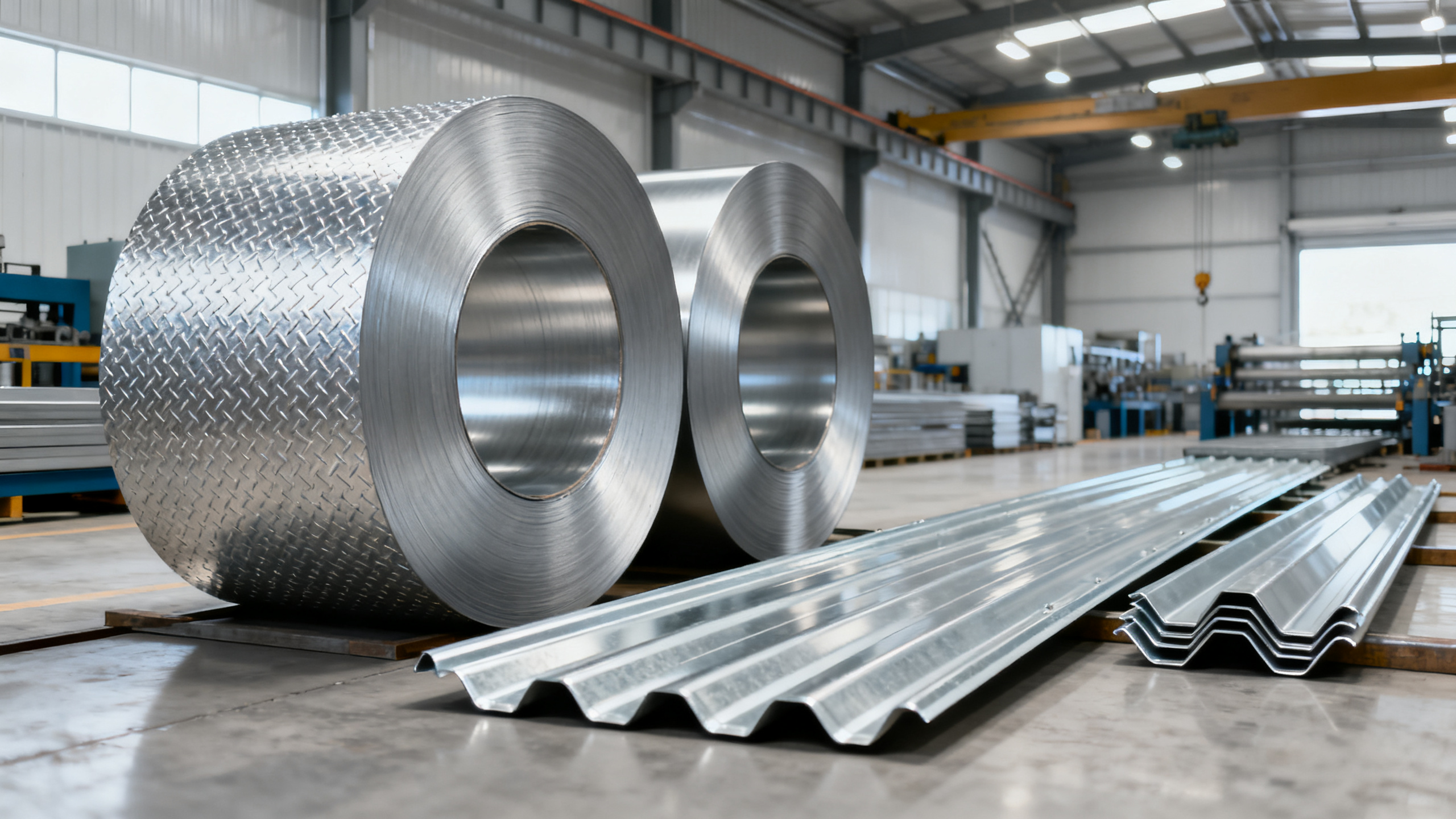
Galvanized Steel Coils vs Cold Rolled Steel: Which Fits Roofing and Fabrication Better?
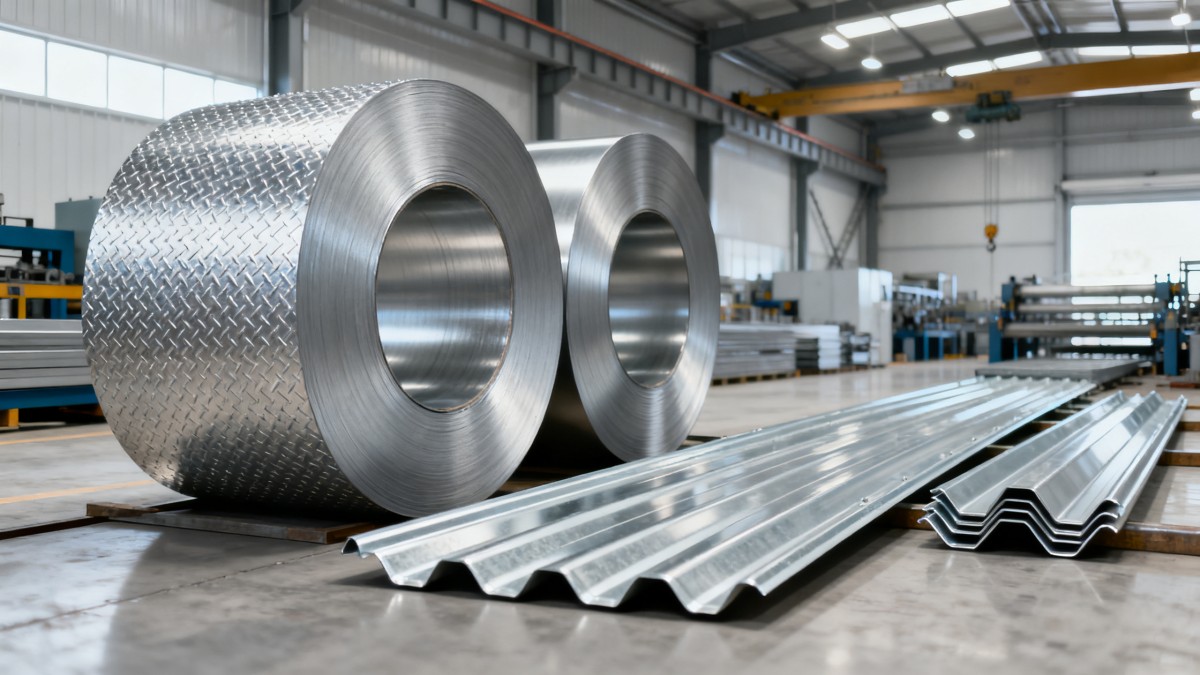
When selecting materials for roofing systems or precision fabrication, the choice between galvanized steel coils and cold rolled steel shapes durability, cost, and long-term performance.
That decision becomes more important when projects face outdoor exposure, tight tolerances, and strict lifecycle targets at the same time.
At a glance, both materials may look similar. In practice, they solve different problems and support different risk profiles.
Galvanized steel coils add a zinc layer that protects the base steel from corrosion. Cold rolled steel focuses on surface finish, dimensional accuracy, and forming consistency.
For roofing, moisture and weather usually drive the specification. For fabrication, tolerances, paint quality, and downstream processing often matter more.
The smarter choice is rarely about which material is better overall. It is about which material fits the operating environment, production method, and service life requirement better.
Understanding the Core Difference
Galvanized steel coils are carbon steel coils coated with zinc. The coating acts as a barrier and also provides sacrificial protection if the surface gets scratched.
Cold rolled steel is processed at room temperature after hot rolling. That extra processing improves flatness, thickness control, and surface appearance.
This difference affects every downstream decision. It changes corrosion behavior, forming limits, coating compatibility, and maintenance expectations.
In real project work, galvanized steel coils are usually preferred where weather exposure is constant. Cold rolled steel is often selected where parts stay indoors or receive additional finishing.
- Choose galvanized steel coils when corrosion risk is present from rain, humidity, or industrial atmosphere.
- Choose cold rolled steel when surface uniformity and tighter dimensional control drive product quality.
- Review whether the component will be visible, enclosed, painted, welded, or exposed to runoff.
Why Galvanized Steel Coils Usually Win in Roofing
Roofing systems live in a high-risk environment. Water, UV exposure, temperature swings, and airborne contaminants create constant stress.
That is where galvanized steel coils offer clear value. Their zinc coating delays rust formation and supports a longer service life with lower maintenance.
More importantly, galvanized steel coils remain practical for roll forming, corrugation, and large-scale roofing panel production.
From recent procurement trends, buyers are paying closer attention to total installed cost, not just coil price. That shift favors corrosion-resistant materials.
A lower-cost bare steel option may look attractive early. The picture changes once repainting, replacement cycles, and water damage risks enter the model.
- Roof sheets in coastal or humid climates benefit strongly from galvanized steel coils.
- Warehouse, agricultural, and industrial roofs often need dependable corrosion performance over many years.
- Pre-painted roofing systems commonly use galvanized steel coils as the substrate.
- Maintenance teams usually prefer materials that reduce rust-related inspection issues.
If the roofing system includes cut edges, fasteners, overlaps, and drainage zones, coating quality becomes even more important.
Roofing selection checkpoints
- Define the exposure class, including salt, moisture, and chemical pollutants.
- Check coating mass, expected life, and compatibility with paint systems.
- Review forming radius to avoid coating damage during production.
- Confirm edge protection strategy for cut panels and penetrations.
- Align the material with warranty and inspection requirements.
Where Cold Rolled Steel Performs Better in Fabrication
Cold rolled steel earns its place when precision matters more than outdoor corrosion resistance.
Its smoother surface and tighter thickness tolerance make it a strong fit for cabinets, brackets, enclosures, appliances, and interior structural parts.
In fabrication lines, repeatability often saves more money than raw material discounts. Clean bending behavior and consistent dimensions reduce scrap and rework.
That is the main reason many indoor products still rely on cold rolled steel, even when galvanized steel coils are available.
Another factor is finishing quality. If the final product needs a refined painted or powder-coated appearance, cold rolled steel often gives a more controlled base surface.
- Use cold rolled steel for indoor fabricated parts with strict dimensional targets.
- Use it for visible products where smooth appearance affects brand perception.
- Use it when secondary coating systems already provide adequate corrosion control.
Still, there is a tradeoff. Without protective coating, cold rolled steel needs proper storage, surface treatment, and finishing discipline.
Direct Comparison for Project Decisions
The most practical way to compare galvanized steel coils and cold rolled steel is by application risk, not by generic material ranking.
This comparison also shows why substitutions can create hidden problems. A lower upfront material price may increase coating, maintenance, or failure costs later.
Common Mistakes When Specifying Either Material
One common mistake is treating galvanized steel coils and cold rolled steel as interchangeable because both come in coil form.
Another is evaluating only tensile properties while ignoring environment, coating weight, forming method, and final finish requirements.
A third issue appears during supplier qualification. Technical data may look complete, but coating consistency or surface control can vary significantly between mills.
- Do not specify galvanized steel coils without defining coating grade or expected exposure.
- Do not choose cold rolled steel for damp service unless finishing steps are fully controlled.
- Do not ignore forming tests, bend performance, and paint adhesion checks.
- Do not separate procurement decisions from installation and maintenance realities.
In actual operations, the costliest mistakes are usually specification gaps, not material defects.
How to Choose the Right Material for the Job
A practical selection process starts with one question. Will the part face weather, moisture, or corrosive air during service?
If the answer is yes, galvanized steel coils usually move to the front of the shortlist.
If the part stays indoors and requires precise forming or high cosmetic quality, cold rolled steel often becomes the stronger option.
The next step is to review the full process chain. That includes cutting, stamping, bending, welding, painting, transport, storage, and field conditions.
- Map the service environment for the full life of the component.
- Match material properties to forming and assembly demands.
- Estimate lifecycle cost, not only purchase price.
- Validate supplier capability with certificates and sample testing.
- Confirm compatibility with standards, coatings, and warranties.
This approach reduces change orders, prevents premature corrosion, and supports more predictable delivery performance.
Final Takeaway
For roofing applications, galvanized steel coils are usually the safer and more economical long-term choice because corrosion resistance is built into the material system.
For indoor precision fabrication, cold rolled steel often performs better because it delivers cleaner surfaces and tighter dimensional control.
The strongest decisions come from matching material behavior to exposure, manufacturing method, and lifecycle expectations.
When specifications are clear and supplier validation is disciplined, galvanized steel coils and cold rolled steel both create value in the right role.
Before the next sourcing cycle, review where corrosion risk, finish quality, and fabrication precision matter most. That simple check usually points to the right material faster.
Technical Specifications
- How to Select Electronic Hotel Key Card Locks for Guest Rooms and Staff AreasAuthor :Safety Compliance Lead
- How to Select Lab Instruments for Reliable Chemical Analysis WorkflowsAuthor :Precision Metrology Expert
- How to Size a UPS for Server Rooms: Load, Runtime, and Redundancy FactorsAuthor :Grid Infrastructure Analyst
Expert Insights

Chief Security Architect
Dr. Thorne specializes in the intersection of structural engineering and digital resilience. He has advised three G7 governments on industrial infrastructure security.
Related Analysis
- Sep 17, 2026How to Select Electronic Hotel Key Card Locks for Guest Rooms and Staff AreasAuthor :Safety Compliance Lead
- Sep 16, 2026How to Select Lab Instruments for Reliable Chemical Analysis WorkflowsAuthor :Precision Metrology Expert
- Sep 15, 2026How to Size a UPS for Server Rooms: Load, Runtime, and Redundancy FactorsAuthor :Grid Infrastructure Analyst
Core Sector // 01
Security & Safety
- Stainless Steel Welded Tube Applications: Matching Tube Supply to Fabrication NeedsAuthor :Heavy Industry Strategist

- What Maintenance Do Furnace Components Need After 18 Months?Author :Heavy Industry Strategist

- How to Assess Metal Materials for Thermal Cycling in Power BoilersAuthor :Heavy Industry Strategist

- How to Evaluate Aluminum Extrusion Suppliers for Tight-Tolerance Components?Author :Heavy Industry Strategist

- How to Evaluate a Weld Neck Flange Manufacturer for High-Pressure Pipe ProjectsAuthor :Heavy Industry Strategist

- EU REACH Ban Hits Cr(VI)-Coated Steel ImportsAuthor :Heavy Industry Strategist
-Coated Steel Imports")
- How to Evaluate a Heat Sink Aluminum Profile Supplier for Custom Thermal ProjectsAuthor :Heavy Industry Strategist

- Industrial Metal Fabrication Components Price: What Drives Cost and How to Compare QuotesAuthor :Heavy Industry Strategist