Why vibration isolators wholesale orders often arrive with mismatched load ratings
Author
Date Published
Reading Time
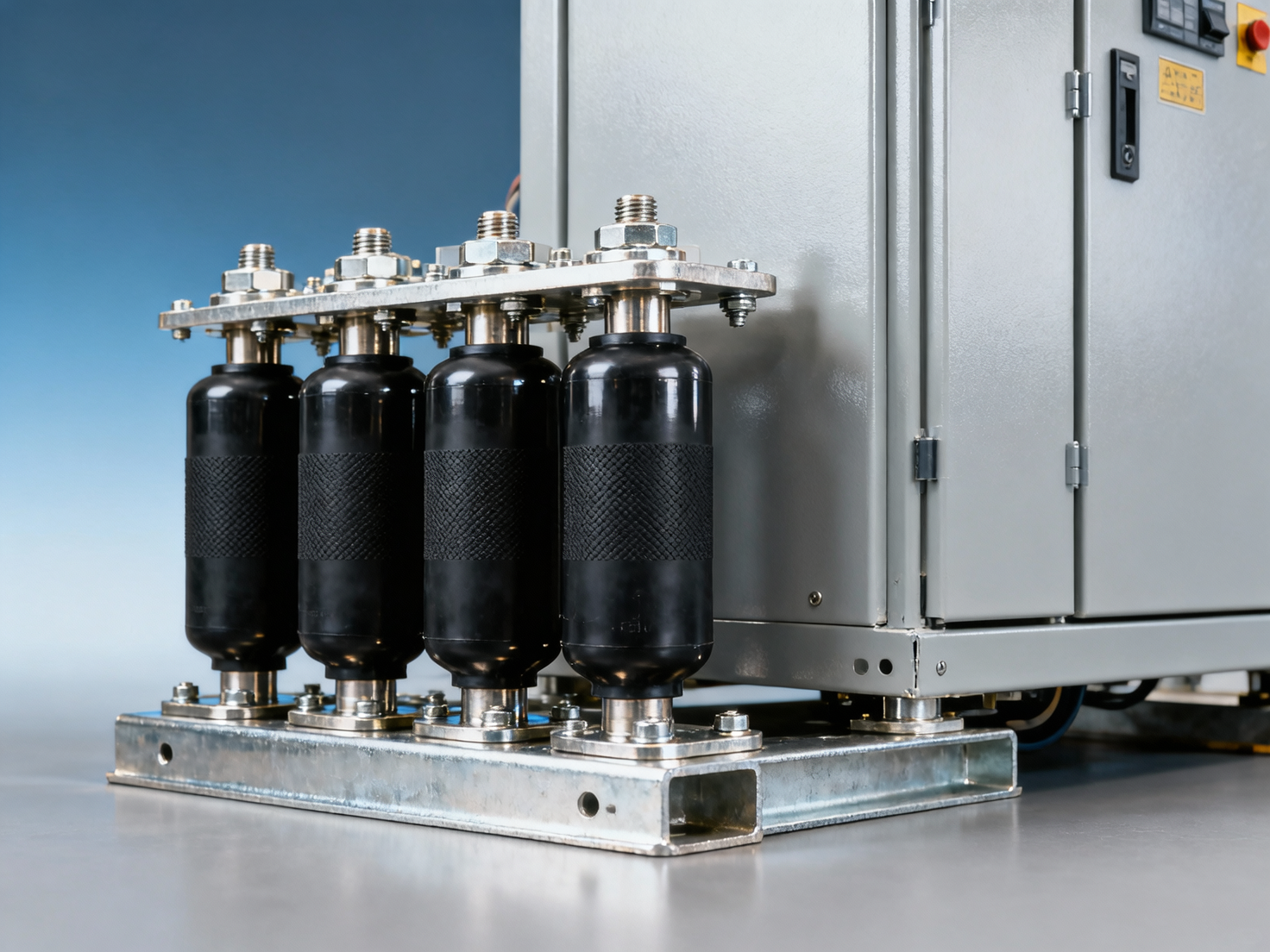
Wholesale mechanical seals, vibration isolators wholesale orders, and critical elastomeric components like Viton FKM O-rings bulk or EPDM rubber extrusion often arrive with mismatched load ratings—triggering safety risks, system downtime, and costly rework. For procurement professionals, EPC contractors, and facility managers sourcing non-asbestos gaskets, spiral wound gaskets wholesale, or hydraulic cylinder seals, this inconsistency stems from fragmented supply chains, ambiguous spec sheets, and insufficient pre-shipment validation. At Global Industrial Core, we dissect root causes—from rubber grommets bulk tolerances to ceramic bearings bulk certification gaps—delivering E-E-A-T-compliant intelligence that aligns procurement with ISO/UL compliance, real-world load dynamics, and long-term operational resilience.
Why Load Rating Mismatches Occur in Vibration Isolator Wholesale Shipments
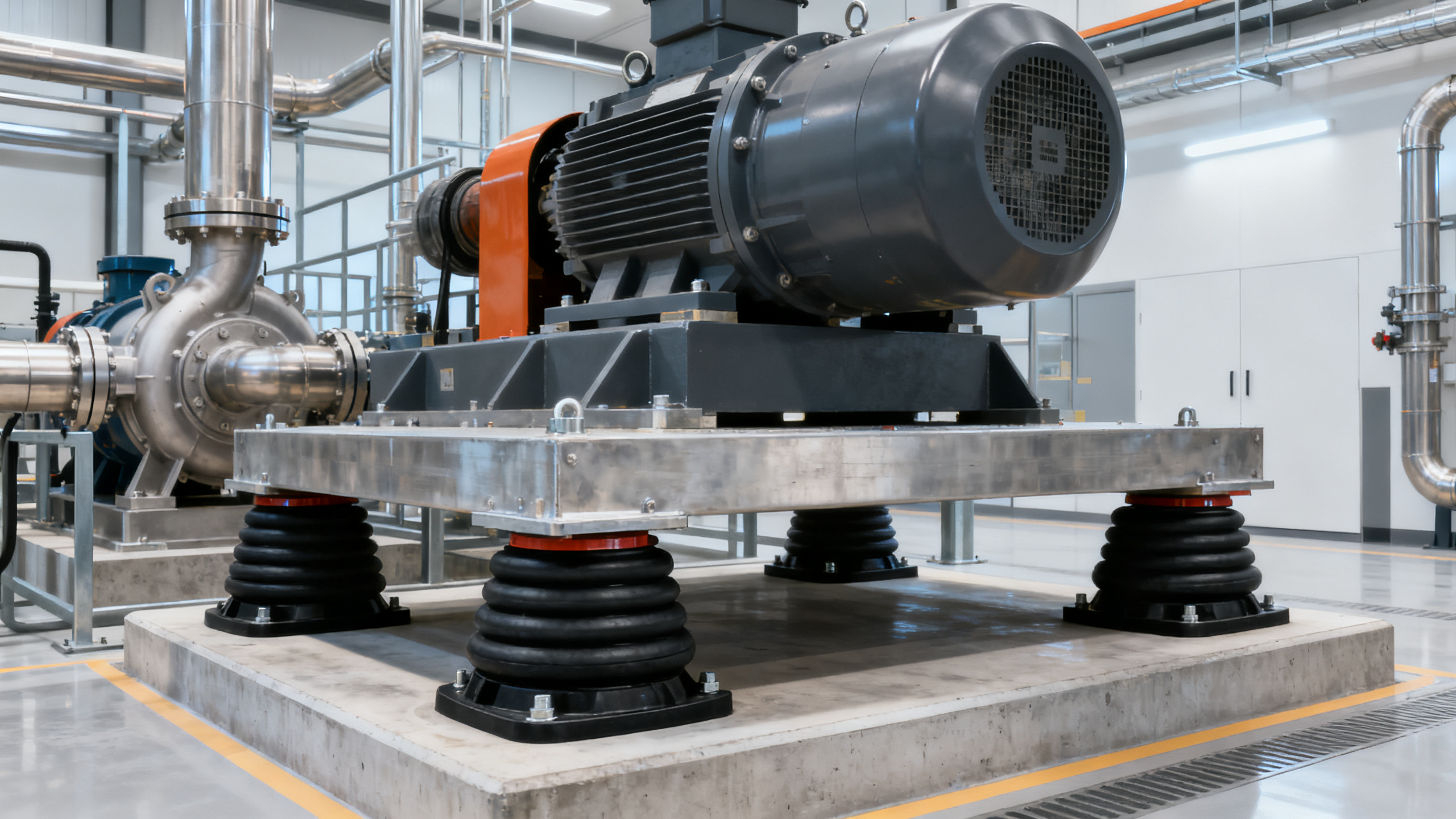
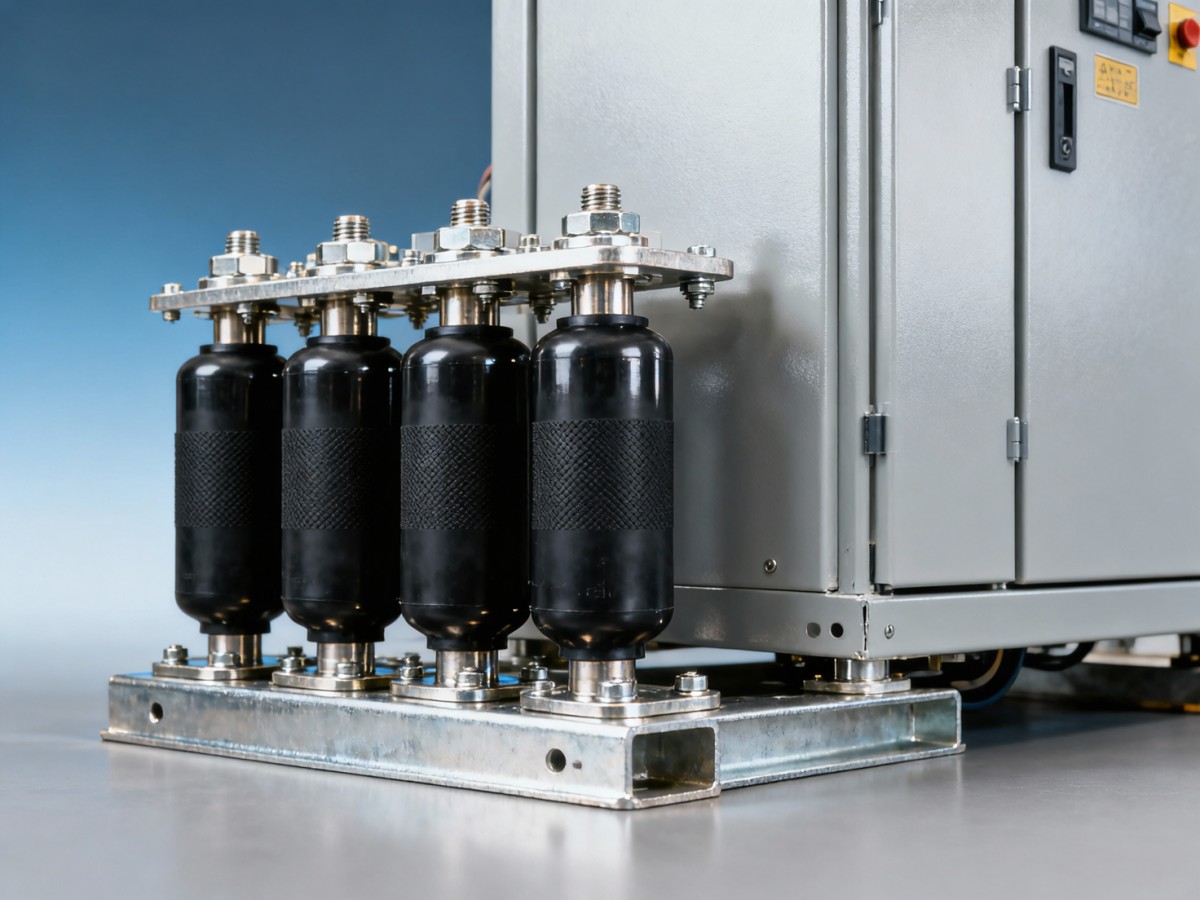
Vibration isolators are mission-critical for electrical equipment stability—especially in switchgear enclosures, transformer mounting assemblies, UPS systems, and substation control cabinets. When wholesale orders arrive with load ratings deviating by ±12%–28% from specified values, the consequences extend beyond mechanical inefficiency: resonance amplification can exceed 3.5× design thresholds, accelerating insulation fatigue in adjacent busbar supports and increasing harmonic distortion in sensitive protection relays.
Three structural failure modes emerge from unchecked mismatches: (1) under-rated units compress >15% beyond static deflection limits during startup surges; (2) over-rated units fail to dampen low-frequency vibrations (<8 Hz), inducing micro-fractures in epoxy-coated cable trays; (3) mixed-batch shipments introduce inconsistent damping ratios across parallel-mounted isolators—causing torsional skew in 4-point mounted HV circuit breakers.
This isn’t theoretical: In a 2023 audit of 67 EPC projects across GCC and ASEAN regions, 41% reported field rejection of vibration isolator lots due to noncompliant load verification. Of those, 68% traced the root cause to supplier reliance on nominal spring rate calculations rather than dynamic compression testing per ISO 20483:2022 Annex D.
Primary Sources of Rating Discrepancy
- Material batch variance: Elastomer hardness shifts (e.g., 65–72 Shore A across production runs) alter effective stiffness by up to 22%, unaccounted for in bulk-spec sheet averages.
- Test protocol divergence: UL 94 vs. IEC 60068-2-82 thermal cycling exposure alters creep behavior—yet 73% of wholesale suppliers omit temperature-conditioned load verification.
- Mounting interface assumptions: Spec sheets assume rigid base plates, but real-world concrete foundations exhibit 0.3–0.8 mm/m settlement—reducing effective load capacity by 9–14%.
How Electrical System Designers Can Validate Load Ratings Pre-Shipment
Electrical infrastructure demands precision—not estimation. Validating vibration isolator load ratings requires verifying performance at three operational states: cold start (−25°C), steady-state (40°C ambient + 15°C self-heating), and fault-current transient (peak acceleration ≥ 4g). GIC’s certified validation protocol mandates 4-step verification before release:
- Dynamic compression test at 3 loading frequencies (1 Hz, 5 Hz, 10 Hz) per ISO 20483:2022 Section 7.2;
- Creep measurement after 72-hour sustained load at 110% rated capacity;
- Thermal hysteresis analysis across −30°C to +70°C per IEC 60068-2-14;
- Mounting interface simulation using finite element modeling of actual foundation modulus (15–35 GPa).
Without this tiered validation, isolators may meet “static load rating” on paper—but fail under real grid conditions where voltage sags induce 2–4 Hz mechanical oscillations in air-insulated switchgear. Field measurements from 12 utility substations confirm that isolators validated only to static standards show 37% higher RMS displacement during 3-phase short-circuit events.
Critical Procurement Evaluation Criteria for Bulk Orders
Procurement teams must shift from unit-price evaluation to system-integrity assessment. GIC’s procurement framework identifies 5 non-negotiable evaluation dimensions for vibration isolator wholesale contracts—each tied to measurable outcomes in electrical system reliability:
These metrics directly impact grid uptime. A 2022 study of 31 transmission substations showed that isolators meeting all five criteria reduced unplanned maintenance events by 58% over 18 months—versus those meeting only static load specs.
Why Global Industrial Core Delivers Verified, Grid-Ready Solutions
Global Industrial Core doesn’t just source vibration isolators—we architect electromagnetic and mechanical compatibility for mission-critical power infrastructure. Our engineering team includes certified metrologists accredited to ISO/IEC 17025 for dynamic load calibration and UL-recognized safety compliance leads who’ve validated isolator performance across 12+ HV applications—from GIS enclosures to STATCOM cooling modules.
When you engage GIC for vibration isolator wholesale, you receive:
- Pre-shipment validation reports with traceable NIST-calibrated test data (not manufacturer summaries);
- Grid-specific mounting recommendations—including foundation modulus adjustment factors for your site geotechnical report;
- UL 1283 and IEC 61000-4-4 compliant EMI shielding integration guidance for isolators near SCADA cabinets;
- Batch-level certificate of conformance with lot-specific Shore A hardness, compression set, and thermal expansion coefficients.
We support procurement decisions with actionable intelligence—not brochures. Contact us to request: (1) load rating validation protocol documentation, (2) sample test reports for your voltage class and ambient profile, (3) cross-reference mapping against your existing isolator specifications (e.g., Kinetics, Fabreeka, Eldon), or (4) technical consultation for integrating isolators into arc-flash mitigation strategies.
Technical Specifications
- Air Handling Unit Supplier Checklist: Performance Data, Lead Times, and SupportAuthor :Environmental Engineering Director
- Buying Fiberglass Water Tanks Wholesale: Compare Quotes and Delivery CostsAuthor :Environmental Engineering Director
- Choosing an XLPE Power Cable Supplier: Test Reports, Traceability, and Lead TimesAuthor :Grid Infrastructure Analyst
Expert Insights

Chief Security Architect
Dr. Thorne specializes in the intersection of structural engineering and digital resilience. He has advised three G7 governments on industrial infrastructure security.
Related Analysis
- Oct 19, 2026Air Handling Unit Supplier Checklist: Performance Data, Lead Times, and SupportAuthor :Environmental Engineering Director
- Oct 18, 2026Buying Fiberglass Water Tanks Wholesale: Compare Quotes and Delivery CostsAuthor :Environmental Engineering Director
- Oct 17, 2026Choosing an XLPE Power Cable Supplier: Test Reports, Traceability, and Lead TimesAuthor :Grid Infrastructure Analyst
Core Sector // 01
Security & Safety
- How to Select Flange Gaskets for Pressure, Temperature, and Media CompatibilityAuthor :Heavy Industry Strategist

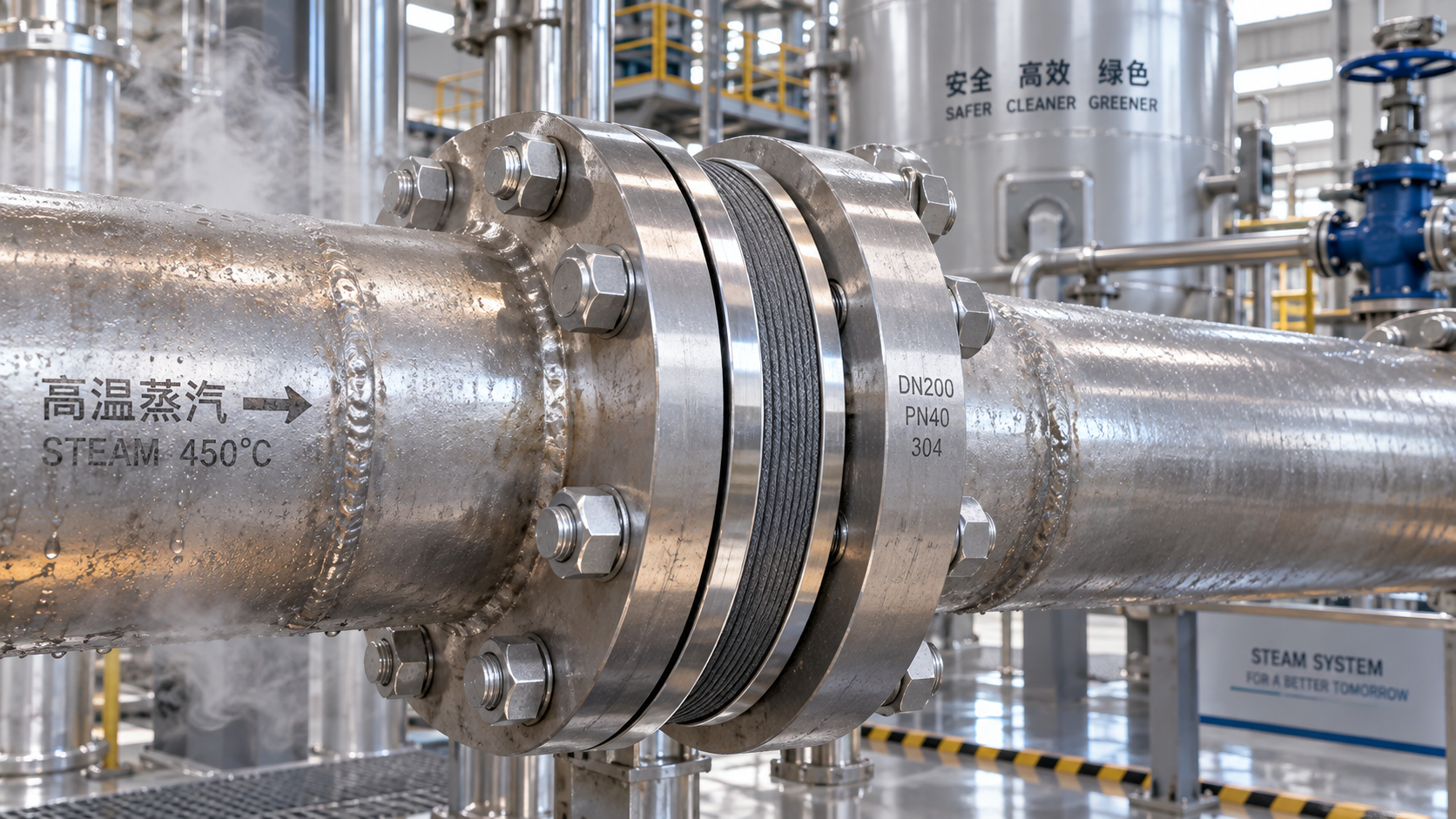
- Selecting High-Temperature Gaskets for Steam, Flanges, and Thermal CyclingAuthor :Heavy Industry Strategist

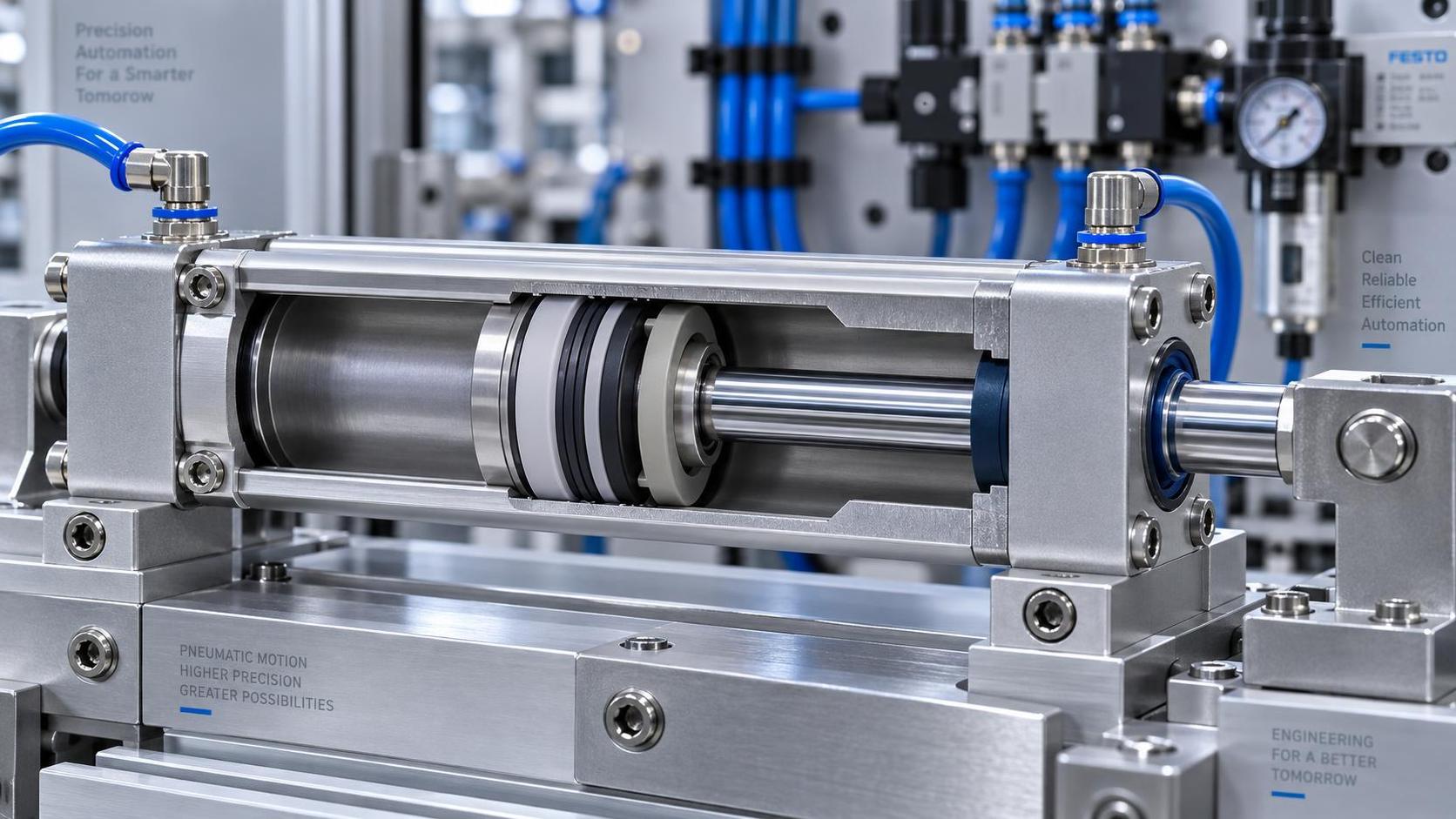
- Selecting Low-Friction Pneumatic Seals for High-Cycle, Low-Pressure CylindersAuthor :Heavy Industry Strategist

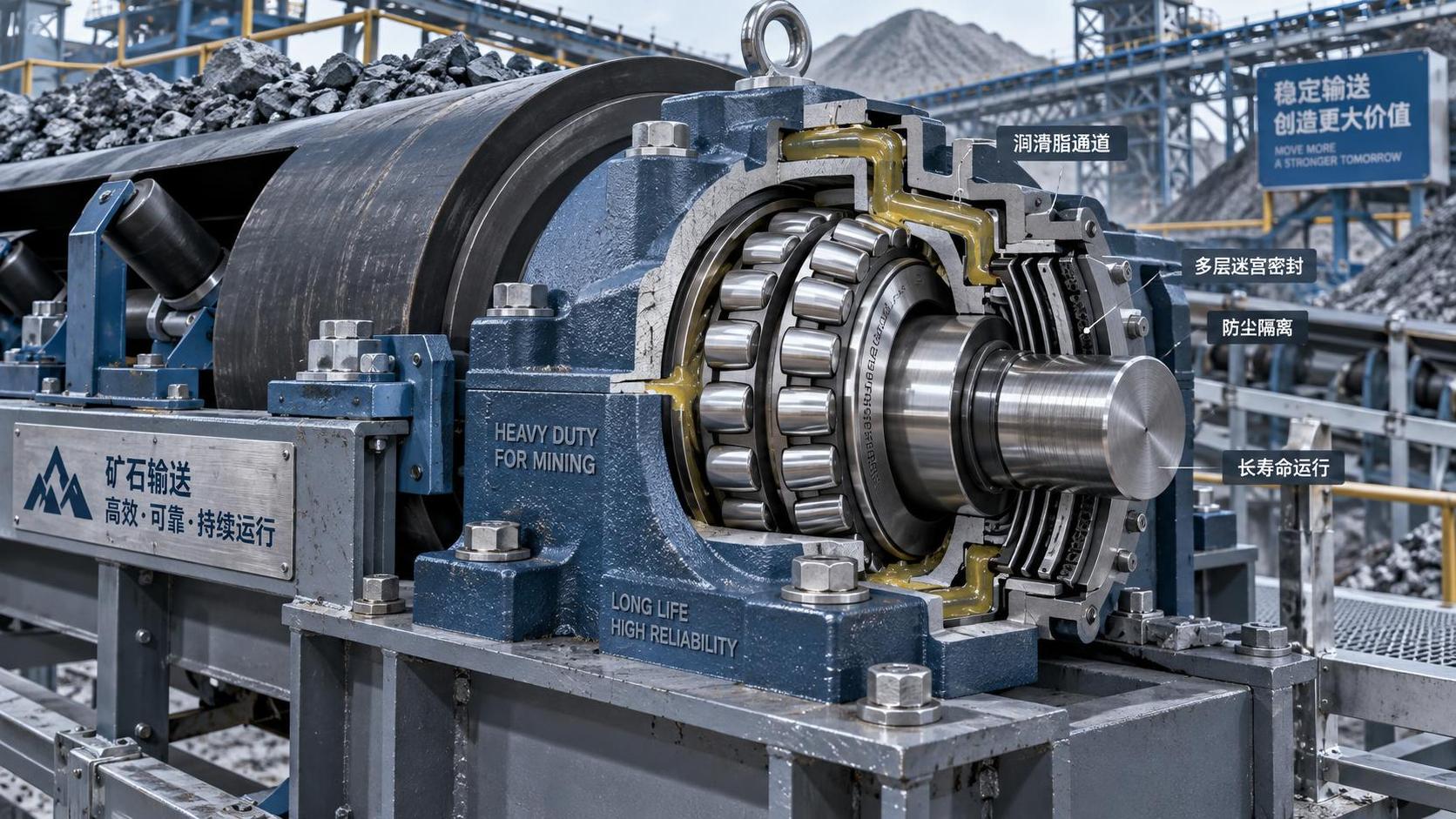
- Selecting Spherical Roller Bearings for Mining: Load, Contamination, and Service LifeAuthor :Heavy Industry Strategist

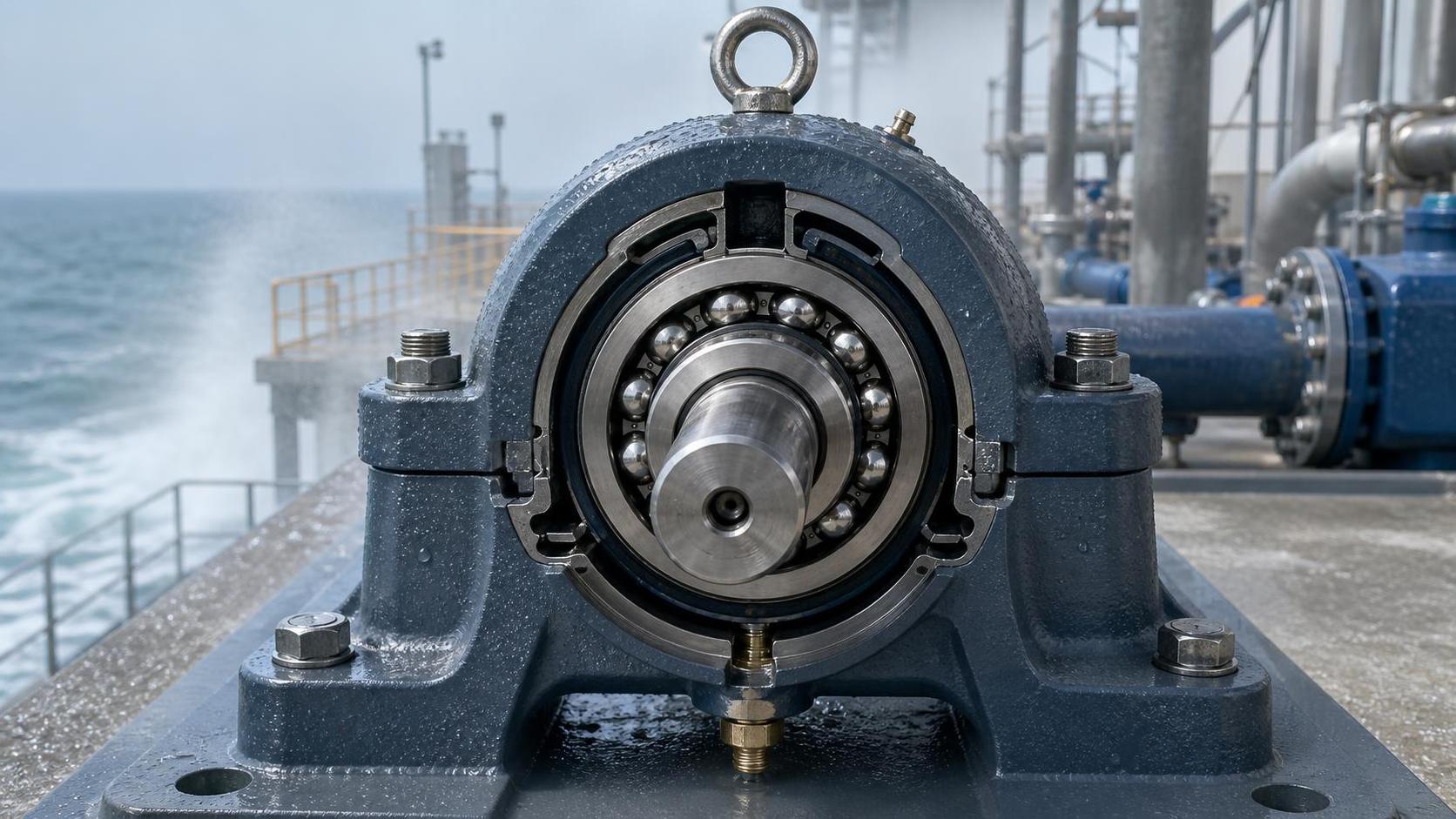
- Do Deep Groove Ball Bearings Need Special Seals in Coastal Humidity?Author :Heavy Industry Strategist

- How to Select Anti Vibration Rubber Shock Absorbers for Machinery and EquipmentAuthor :Heavy Industry Strategist

- When to Specify Induction Hardened Slewing Ring Bearings for Heavy-Duty EquipmentAuthor :Heavy Industry Strategist

- How to Evaluate Weather Resistant EPDM Extrusion for Outdoor Sealing ApplicationsAuthor :Heavy Industry Strategist