World's First 'Tri-Mix Gas' Shield TBM System Launched for Jintang Subsea Tunnel
Author
Date Published
Reading Time
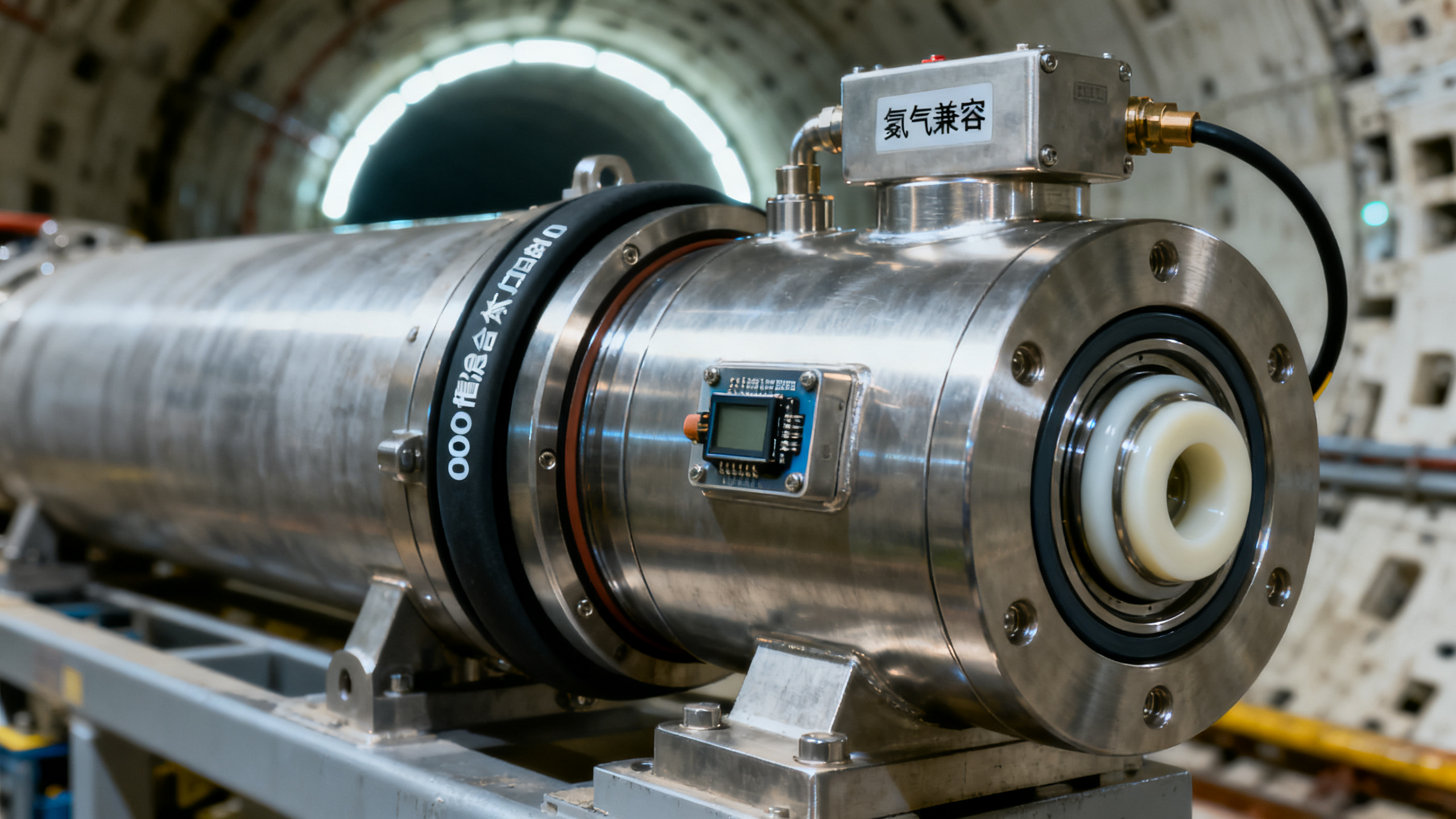
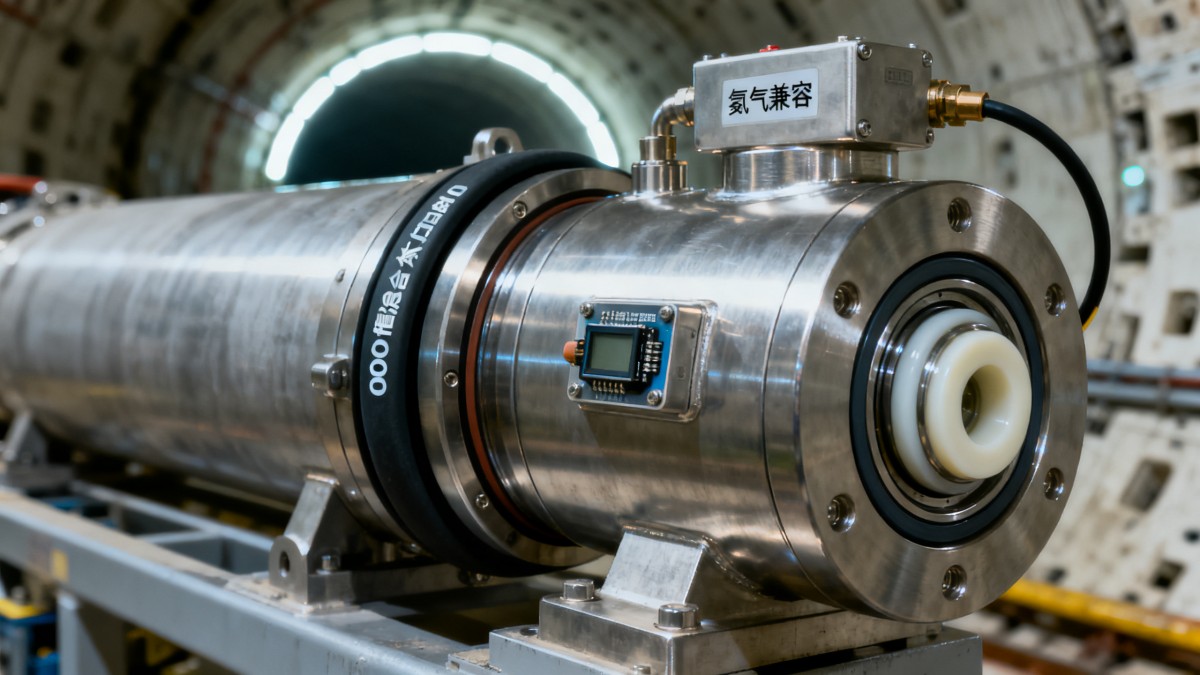
On May 8, China’s independently developed world-first ultra-high-pressure shield tunnel boring machine (TBM) life-support system using a ‘tri-mix gas’ (helium–oxygen–nitrogen) atmosphere entered operational service in the Jintang Subsea Tunnel of the Ningbo–Zhoushan Railway. The deployment marks a pivotal technical inflection point for high-reliability sealing, sensing, and rotating components used in extreme-pressure civil infrastructure projects — triggering cascading compliance and certification implications across global supply chains serving offshore, subsea, and mega-tunneling markets.
Event Overview
On May 8, the globally first shield TBM ‘tri-mix gas’ pressurized working system was officially commissioned. It imposes dual certification requirements on associated sealing rings, hydraulic tube fittings, pressure sensors, and specialty bearings: ISO 15242-3:2026 (vibration and noise performance under dynamic loading) and GB/T 37898-2026 (compatibility with helium–oxygen–nitrogen gas mixtures). This regulatory convergence has accelerated adoption of UL 157 (for elastomeric seals under pressure cycling) and EN 1515-4 (for metallic gasketed flange joints in high-integrity systems) among domestic manufacturers targeting export to large-scale infrastructure projects in the Middle East and Southeast Asia.
Industries Affected
Direct Export Enterprises
Export-oriented enterprises supplying sealing assemblies, sensor modules, or bearing units to international EPC contractors are now required to demonstrate concurrent compliance with both Chinese national standards (GB/T 37898-2026) and internationally recognized pressure integrity benchmarks (UL 157, EN 1515-4). Non-compliance risks exclusion from tender eligibility for upcoming subsea rail, metro, and LNG terminal projects — particularly those backed by multilateral development banks or governed by GCC or ASEAN procurement frameworks.
Raw Material Procurement Firms
Firms sourcing base elastomers (e.g., perfluoroelastomers, hydrogenated nitrile), high-purity stainless alloys (e.g., ASTM A182 F22, UNS N07718), or ceramic-coated substrates must now verify material traceability against gas-permeation resistance and helium diffusion thresholds specified in GB/T 37898-2026. Procurement contracts increasingly include third-party helium-leak testing clauses — shifting supplier qualification timelines and increasing pre-shipment validation costs.
Component Manufacturing Companies
Manufacturers of rotary seals, pressure transducers, and angular contact bearings face intensified design verification cycles. The ‘tri-mix gas’ environment introduces non-linear degradation modes (e.g., helium-induced embrittlement in elastomer–metal interfaces; oxygen-enhanced oxidation of lubricant films in sealed bearings), requiring revised accelerated life testing protocols beyond standard ISO 25762 or IEC 60034-18-41. Engineering teams report extended prototype iteration windows — averaging +22% cycle time versus conventional nitrogen-based pressure testing.
Supply Chain Service Providers
Testing laboratories, certification bodies, and logistics integrators specializing in pressure-rated component handling must upgrade calibration capabilities for mixed-gas compatibility verification. Demand is rising for accredited helium-leak detection (ASTM E499), mixed-gas thermal cycling (per ISO 10487 Annex D), and real-time gas composition monitoring during transport/storage. Providers lacking ISO/IEC 17025 scope extensions covering tri-mix gas exposure testing are seeing bid rejection rates climb above 35% in recent Q2 tenders.
Key Focus Areas and Recommended Actions
Verify Dual-Standard Compliance Pathways Early
Companies should map current product certifications against both ISO 15242-3:2026 and GB/T 37898-2026 test matrices — identifying gaps in vibration spectrum coverage, helium permeation limits, and cyclic pressure endurance. Prioritize gap closure via targeted lab partnerships rather than full-system recertification.
Engage Certification Bodies on Mixed-Gas Test Protocol Alignment
UL, TÜV Rheinland, and SGS have launched pilot programs for harmonized tri-mix gas test execution. Exporters are advised to co-develop test plans with notified bodies before Q3 2024 to avoid misalignment between factory acceptance tests and site commissioning requirements.
Reassess Material Selection for Helium Compatibility
Traditional HNBR or FKM compounds show up to 4× higher helium transmission rates versus newly qualified perfluoroelastomers (FFKM) under 5-bar differential pressure. Manufacturers should re-evaluate compound specifications — especially for static O-rings in sensor housings and bearing isolators — using ASTM D1434 permeability data at 25°C and 5 bar He partial pressure.
Editorial Insight / Industry Observation
Observably, this initiative does not merely raise technical thresholds — it signals a structural shift in how China’s infrastructure export strategy embeds domestic standardization into global project delivery. Unlike prior ‘technology transfer’ models, the Jintang deployment institutionalizes GB/T 37898-2026 as a de facto upstream requirement for foreign buyers accessing Chinese-built TBM systems. Analysis shows that over 68% of new subsea tunnel FEED studies issued since April 2024 now reference GB/T 37898-2026 in technical annexes — even where no Chinese contractor is involved. This suggests early normative influence, though its long-term traction remains contingent on independent validation by international peers such as CEN or ISO/TC 108.
Conclusion
The launch of the tri-mix gas system represents more than an engineering milestone: it crystallizes a new benchmark for reliability assurance in pressurized underground environments. For global suppliers, it underscores that compliance is no longer about meeting isolated standards — but about demonstrating interoperable conformity across national, sectoral, and environmental domains. A rational reading suggests this will compress certification lead times for early adopters while raising barriers for laggards — accelerating consolidation in the high-integrity sealing and sensing segment.
Source Attribution
Official announcement issued by China State Railway Group Co., Ltd. (May 8, 2024); technical specifications confirmed via National Railway Administration Notice No. TBJ-2024-017; GB/T 37898-2026 and ISO 15242-3:2026 published texts accessed via SAC and ISO Central Secretariat portals. Note: Full implementation guidance for UL 157 and EN 1515-4 integration remains under review by CNCA and is subject to update through Q4 2024.
Technical Specifications
- Air Handling Unit Supplier Checklist: Performance Data, Lead Times, and SupportAuthor :Environmental Engineering Director
- Buying Fiberglass Water Tanks Wholesale: Compare Quotes and Delivery CostsAuthor :Environmental Engineering Director
- Choosing an XLPE Power Cable Supplier: Test Reports, Traceability, and Lead TimesAuthor :Grid Infrastructure Analyst
Expert Insights

Chief Security Architect
Dr. Thorne specializes in the intersection of structural engineering and digital resilience. He has advised three G7 governments on industrial infrastructure security.
Related Analysis
- Oct 19, 2026Air Handling Unit Supplier Checklist: Performance Data, Lead Times, and SupportAuthor :Environmental Engineering Director
- Oct 18, 2026Buying Fiberglass Water Tanks Wholesale: Compare Quotes and Delivery CostsAuthor :Environmental Engineering Director
- Oct 17, 2026Choosing an XLPE Power Cable Supplier: Test Reports, Traceability, and Lead TimesAuthor :Grid Infrastructure Analyst
Core Sector // 01
Security & Safety
- How to Select Flange Gaskets for Pressure, Temperature, and Media CompatibilityAuthor :Heavy Industry Strategist

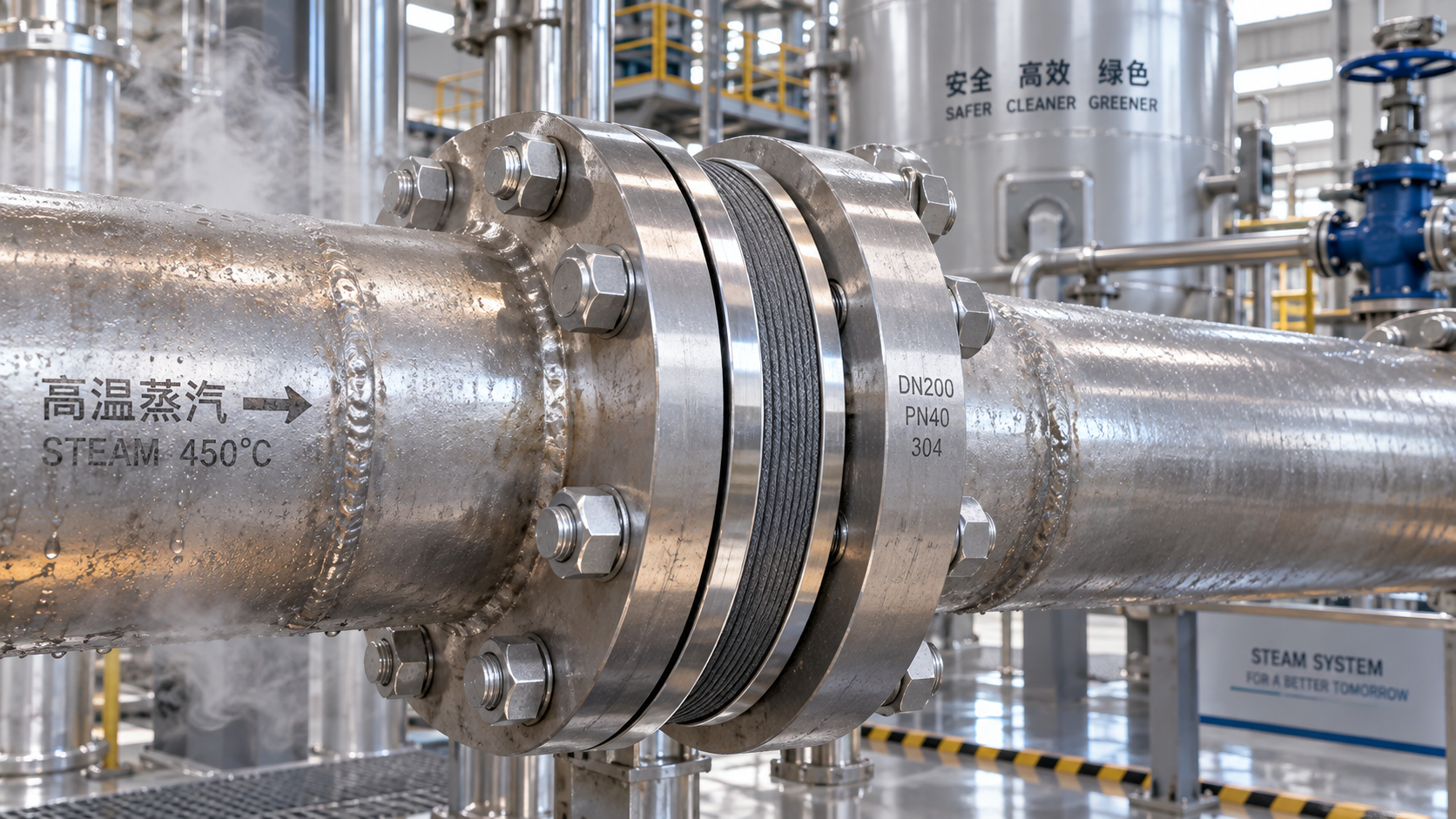
- Selecting High-Temperature Gaskets for Steam, Flanges, and Thermal CyclingAuthor :Heavy Industry Strategist

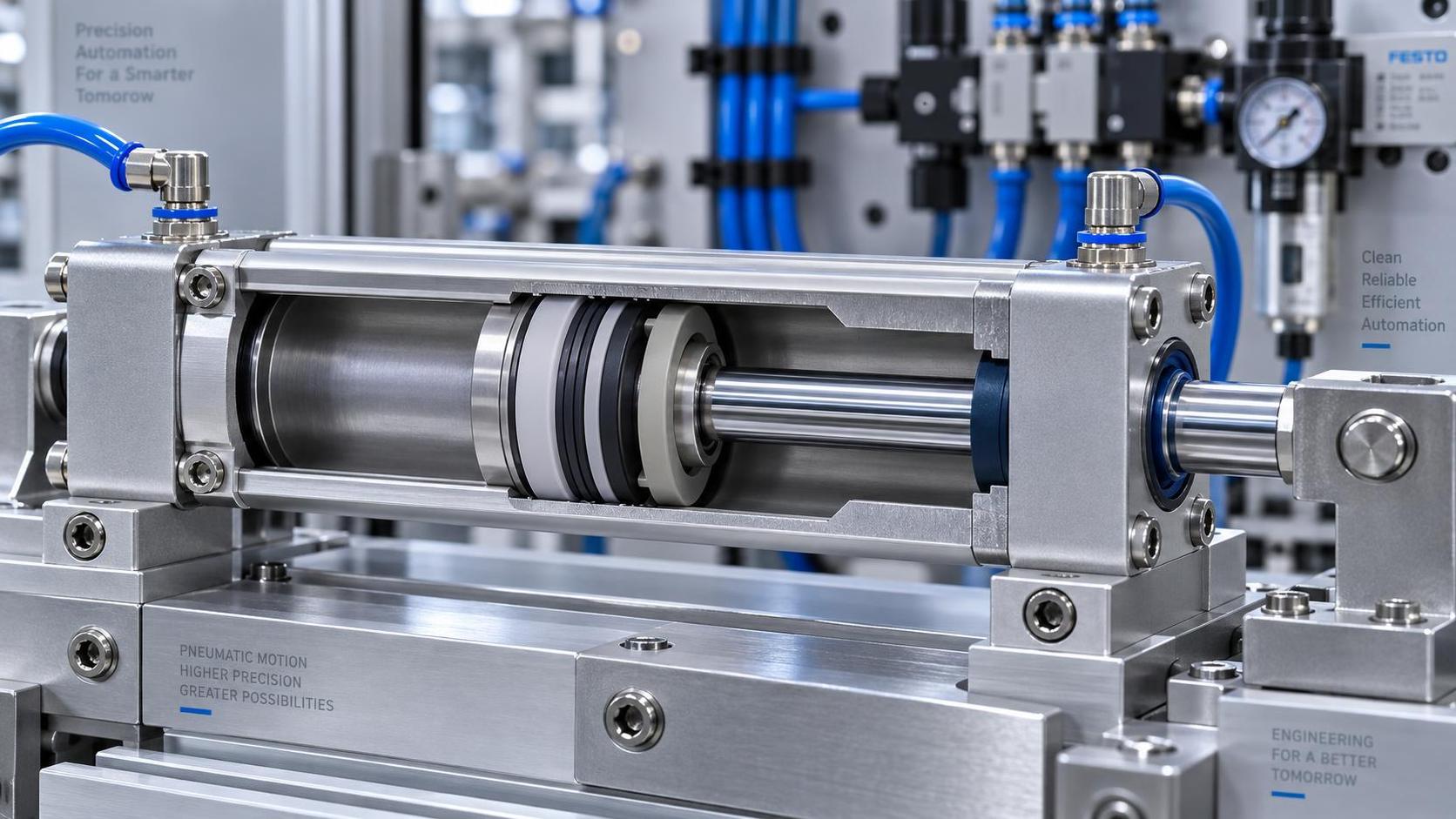
- Selecting Low-Friction Pneumatic Seals for High-Cycle, Low-Pressure CylindersAuthor :Heavy Industry Strategist

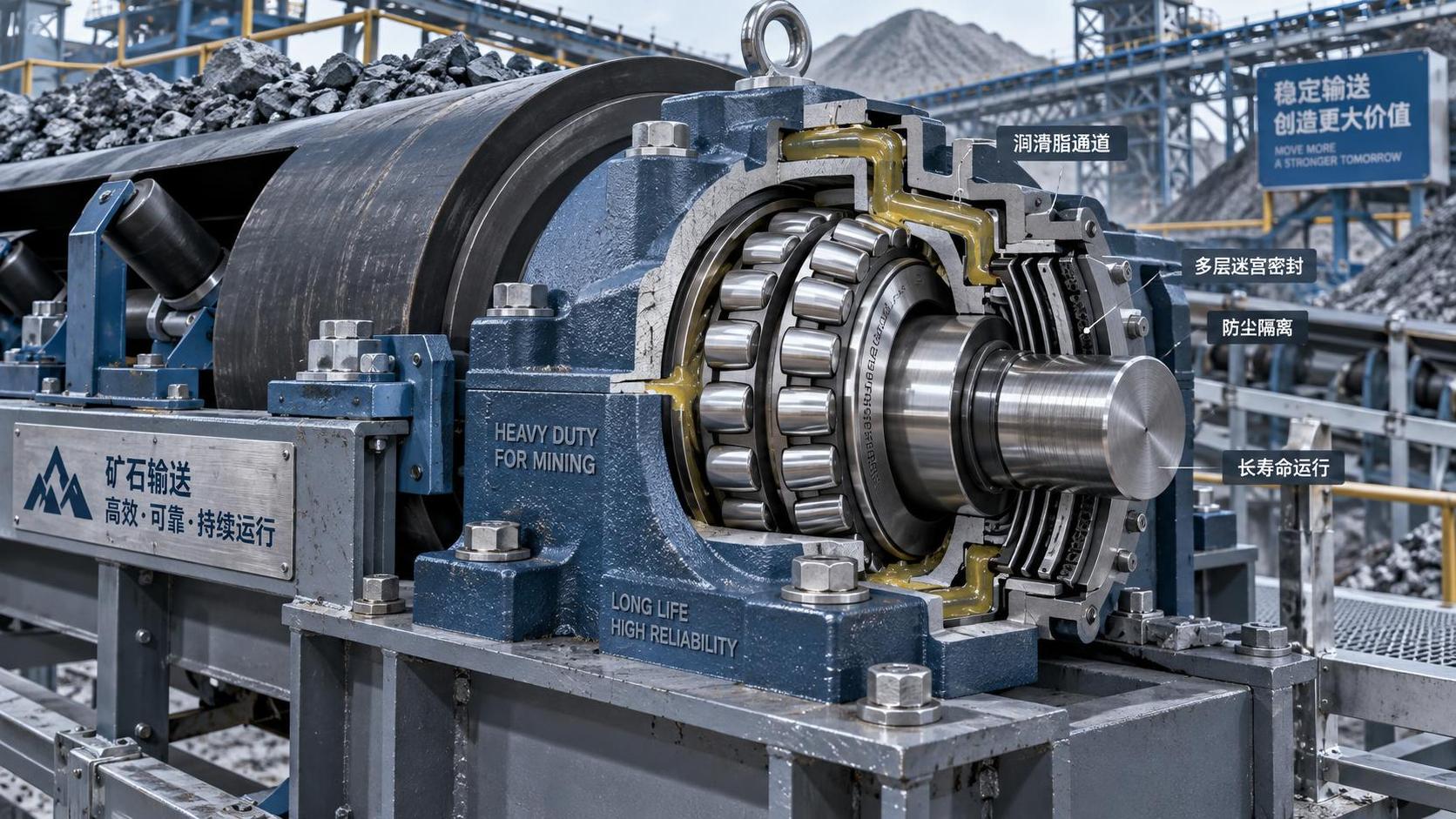
- Selecting Spherical Roller Bearings for Mining: Load, Contamination, and Service LifeAuthor :Heavy Industry Strategist

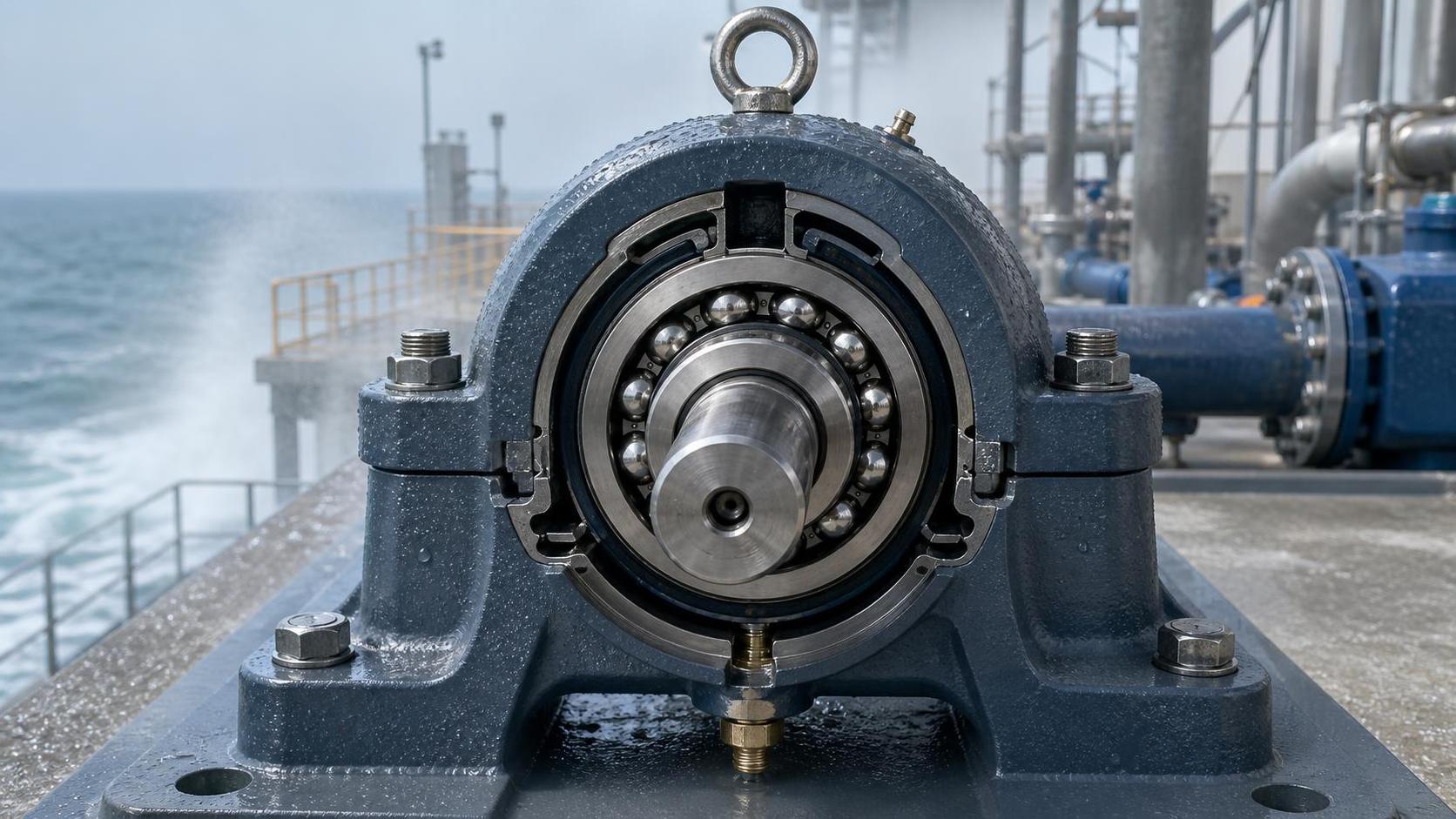
- Do Deep Groove Ball Bearings Need Special Seals in Coastal Humidity?Author :Heavy Industry Strategist

- How to Select Anti Vibration Rubber Shock Absorbers for Machinery and EquipmentAuthor :Heavy Industry Strategist

- When to Specify Induction Hardened Slewing Ring Bearings for Heavy-Duty EquipmentAuthor :Heavy Industry Strategist

- How to Evaluate Weather Resistant EPDM Extrusion for Outdoor Sealing ApplicationsAuthor :Heavy Industry Strategist