China Launches Largest Single-Line Large-Tow Carbon Fiber Production Line
Author
Date Published
Reading Time
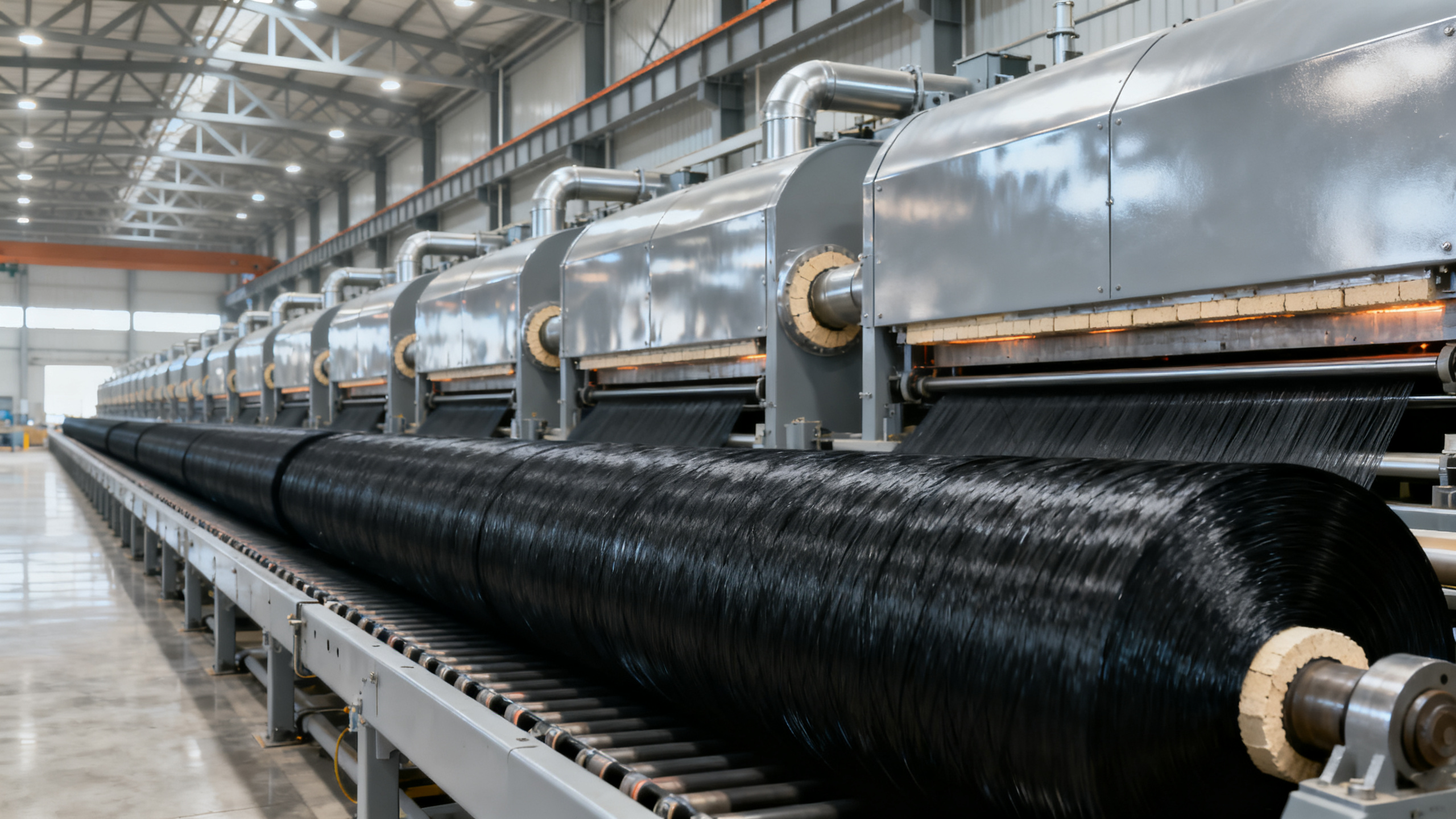
China has commissioned the first phase of its largest single-line large-tow carbon fiber production facility — Shanghai Petrochemical’s 30,000-ton-per-year line — marking a structural shift in global supply dynamics for high-performance composite reinforcement materials. Though the exact commissioning date remains unconfirmed, the operational launch signals accelerated domestic capacity ramp-up precisely as export-oriented procurement from Europe, the Middle East, and Southeast Asia intensifies. This development directly impacts industries reliant on certified, high-reliability carbon fiber reinforcements — particularly where import substitution, lead-time compression, and faster certification responsiveness are strategic priorities.
Event Overview
Shanghai Petrochemical’s first-phase large-tow carbon fiber production line — with an annual capacity of 30,000 tonnes — has entered commercial operation. The produced PAN-based carbon fiber meets internationally recognized performance benchmarks. Its primary applications include high-performance mechanical seals, corrosion-resistant bearing cages, explosion-proof motor rotor retaining rings, and composite cable sheathing. The line enables replacement of previously imported large-tow carbon fiber solutions in these applications.
Industries Affected
Direct trading enterprises: Export-focused distributors and trading firms serving European, Middle Eastern, and Southeast Asian markets now gain access to a domestically sourced, batch-certifiable alternative to Japanese and Korean suppliers. Impact manifests in shorter order-to-delivery cycles and faster response to customer-specific material certifications — though initial volume allocation and regional logistics readiness remain variable.
Raw material procurement enterprises: Companies sourcing carbon fiber for downstream composites (e.g., seal manufacturers, bearing OEMs) face revised cost–reliability trade-offs. Domestic supply reduces foreign exchange exposure and customs-related delays, yet technical validation against legacy specifications (e.g., ASTM D4018, ISO 10119) may require updated qualification protocols — especially for aerospace-adjacent or nuclear-grade applications.
Processing and manufacturing enterprises: Fabricators using large-tow carbon fiber in resin transfer molding (RTM), filament winding, or pultrusion must assess process compatibility — including tow spread uniformity, sizing chemistry interaction, and thermal stability during curing. Early adopters report improved layup consistency versus prior domestic offerings; however, long-term fatigue data under dynamic sealing or rotating-bearing loads remains pending third-party publication.
Supply chain service providers: Certification support agencies, logistics integrators specializing in hazardous/composite material handling, and technical documentation translators see rising demand for localized compliance services — notably ISO/IEC 17025 testing coordination and EU REACH/UKCA dossier preparation. Their role shifts from facilitating import clearance to enabling rapid, standards-aligned market entry for Chinese-origin materials.
Key Considerations and Recommended Actions
Evaluate qualification timelines against existing supplier contracts
Procurement teams should benchmark current lead times and certification turnaround from Japanese/Korean suppliers against Shanghai Petrochemical’s published delivery and technical support SLAs — particularly for projects with tight engineering freeze dates.
Initiate parallel material validation for critical components
Manufacturers deploying carbon fiber in safety-critical rotating equipment (e.g., API 682-compliant seals, ISO 2858 pump bearings) are advised to run side-by-side comparative testing — focusing on interlaminar shear strength, creep resistance at elevated temperatures, and dimensional stability after humidity cycling.
Review export control classifications and dual-use implications
Traders and exporters must verify whether specific grades (e.g., those meeting tensile modulus >290 GPa or tensile strength >4,500 MPa) fall under China’s updated Dual-Use Items Export Control List — especially when destined for end-users in defense-adjacent industrial sectors.
Editorial Perspective / Industry Observation
Observably, this milestone reflects less a sudden technological breakthrough and more the maturation of vertically integrated process control — spanning precursor polymerization, oxidation stabilization, and high-temperature carbonization — across multiple Chinese producers. Analysis shows that Shanghai Petrochemical’s success hinges not only on scale but on closed-loop feedback between application engineers and production metallurgists, shortening iteration cycles for niche specifications. Current more relevant interpretation is that it strengthens China’s position as a *certification-responsive* rather than merely *cost-competitive* supplier — a distinction increasingly decisive in regulated industrial markets.
Conclusion
This commissioning represents a tangible inflection point: domestic large-tow carbon fiber has transitioned from pilot-scale demonstration to commercially deployable infrastructure. Its broader significance lies not in displacing incumbents overnight, but in recalibrating global buyers’ risk assessment — shifting perceived supply-chain fragility toward greater regional optionality, provided technical due diligence remains rigorous.
Source Attribution
Official announcement issued by Sinopec Shanghai Petrochemical Co., Ltd. (June 2024); technical specifications cross-referenced with ISO 10119:2021 and ASTM D4018-22. Note: Long-term reliability data, full export licensing scope, and international third-party audit reports remain under active monitoring.
Technical Specifications
- Air Handling Unit Supplier Checklist: Performance Data, Lead Times, and SupportAuthor :Environmental Engineering Director
- Buying Fiberglass Water Tanks Wholesale: Compare Quotes and Delivery CostsAuthor :Environmental Engineering Director
- Choosing an XLPE Power Cable Supplier: Test Reports, Traceability, and Lead TimesAuthor :Grid Infrastructure Analyst
Expert Insights

Chief Security Architect
Dr. Thorne specializes in the intersection of structural engineering and digital resilience. He has advised three G7 governments on industrial infrastructure security.
Related Analysis
- Oct 19, 2026Air Handling Unit Supplier Checklist: Performance Data, Lead Times, and SupportAuthor :Environmental Engineering Director
- Oct 18, 2026Buying Fiberglass Water Tanks Wholesale: Compare Quotes and Delivery CostsAuthor :Environmental Engineering Director
- Oct 17, 2026Choosing an XLPE Power Cable Supplier: Test Reports, Traceability, and Lead TimesAuthor :Grid Infrastructure Analyst
Core Sector // 01
Security & Safety
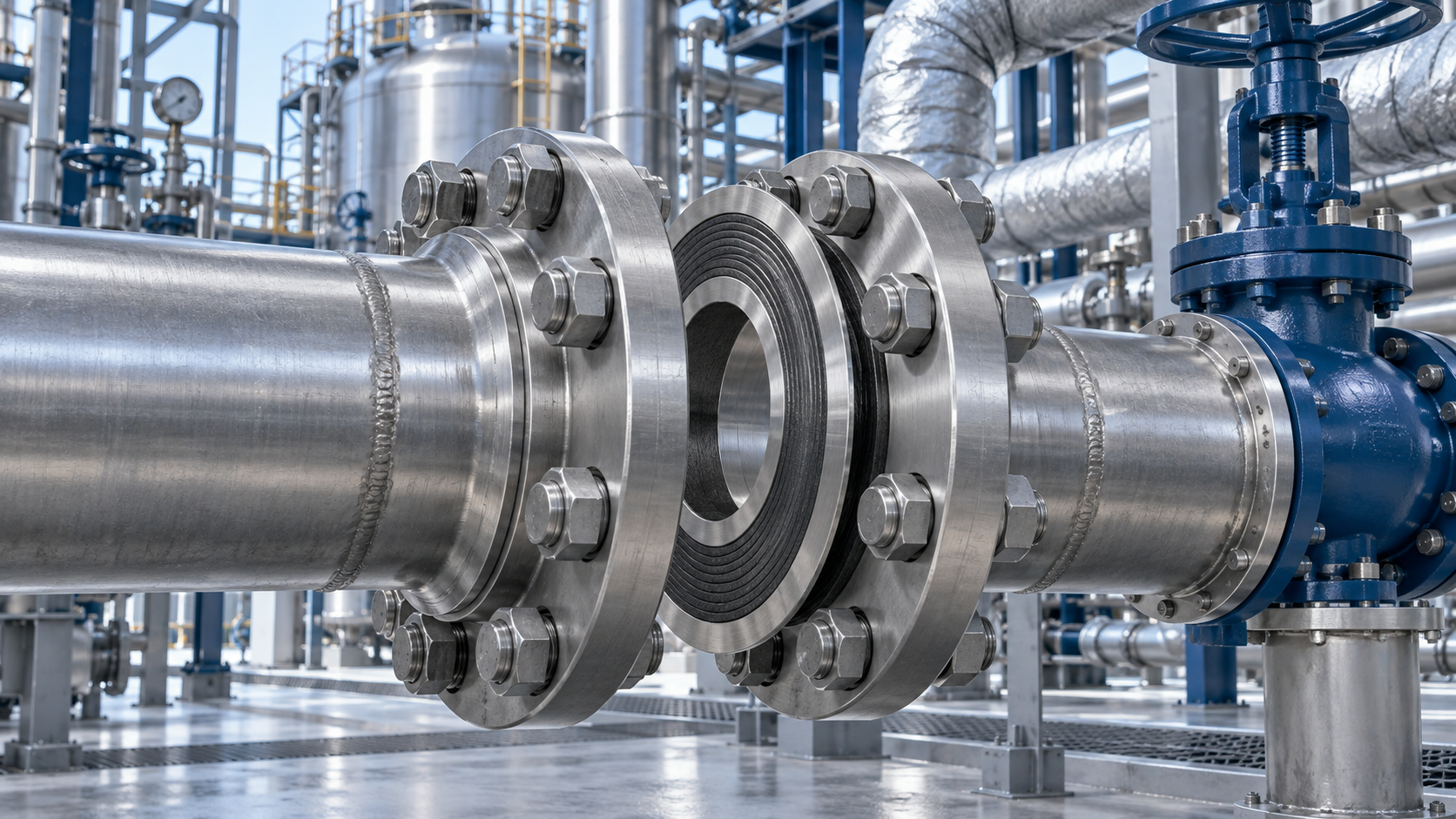
- How to Select Flange Gaskets for Pressure, Temperature, and Media CompatibilityAuthor :Heavy Industry Strategist

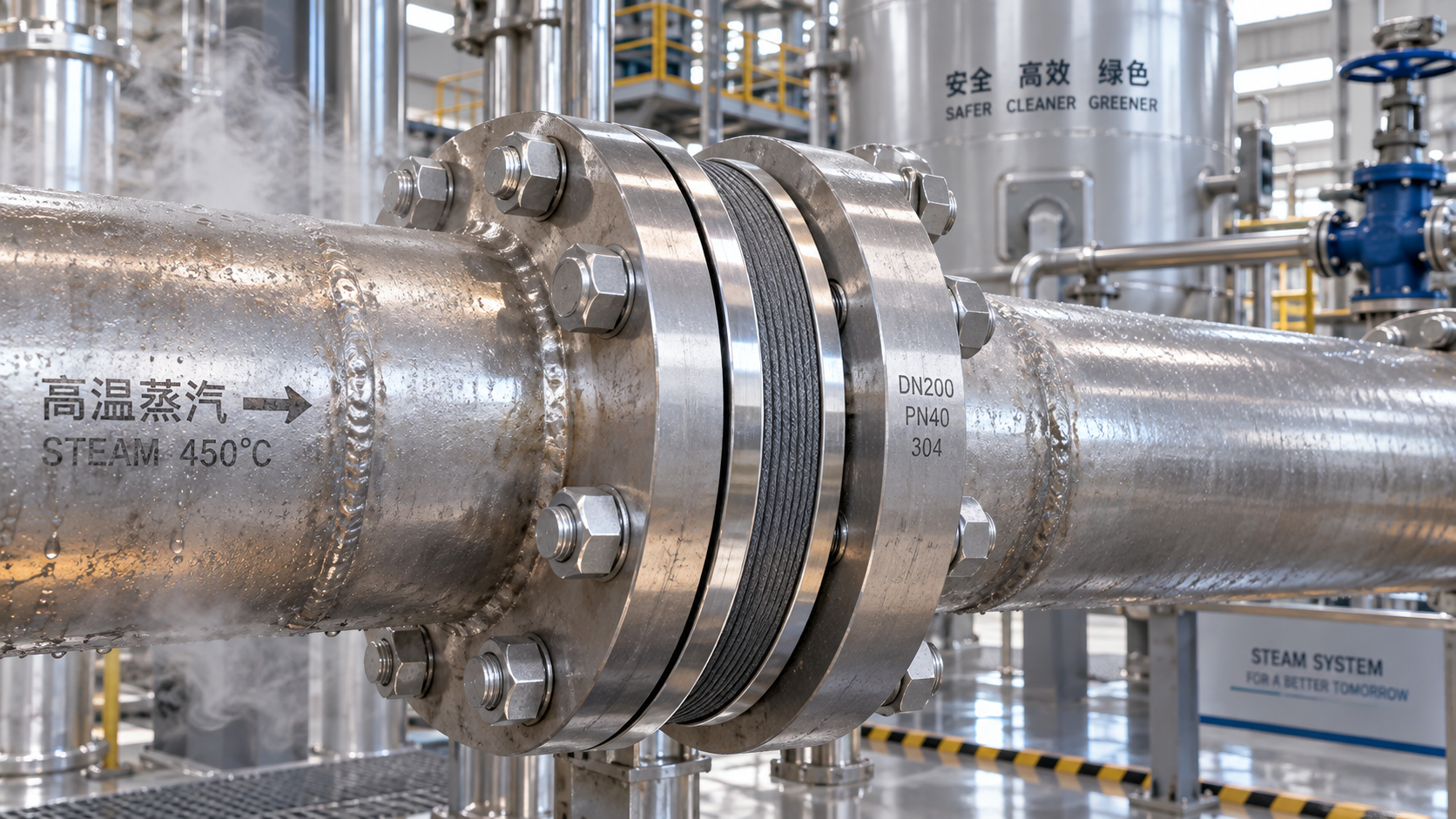
- Selecting High-Temperature Gaskets for Steam, Flanges, and Thermal CyclingAuthor :Heavy Industry Strategist

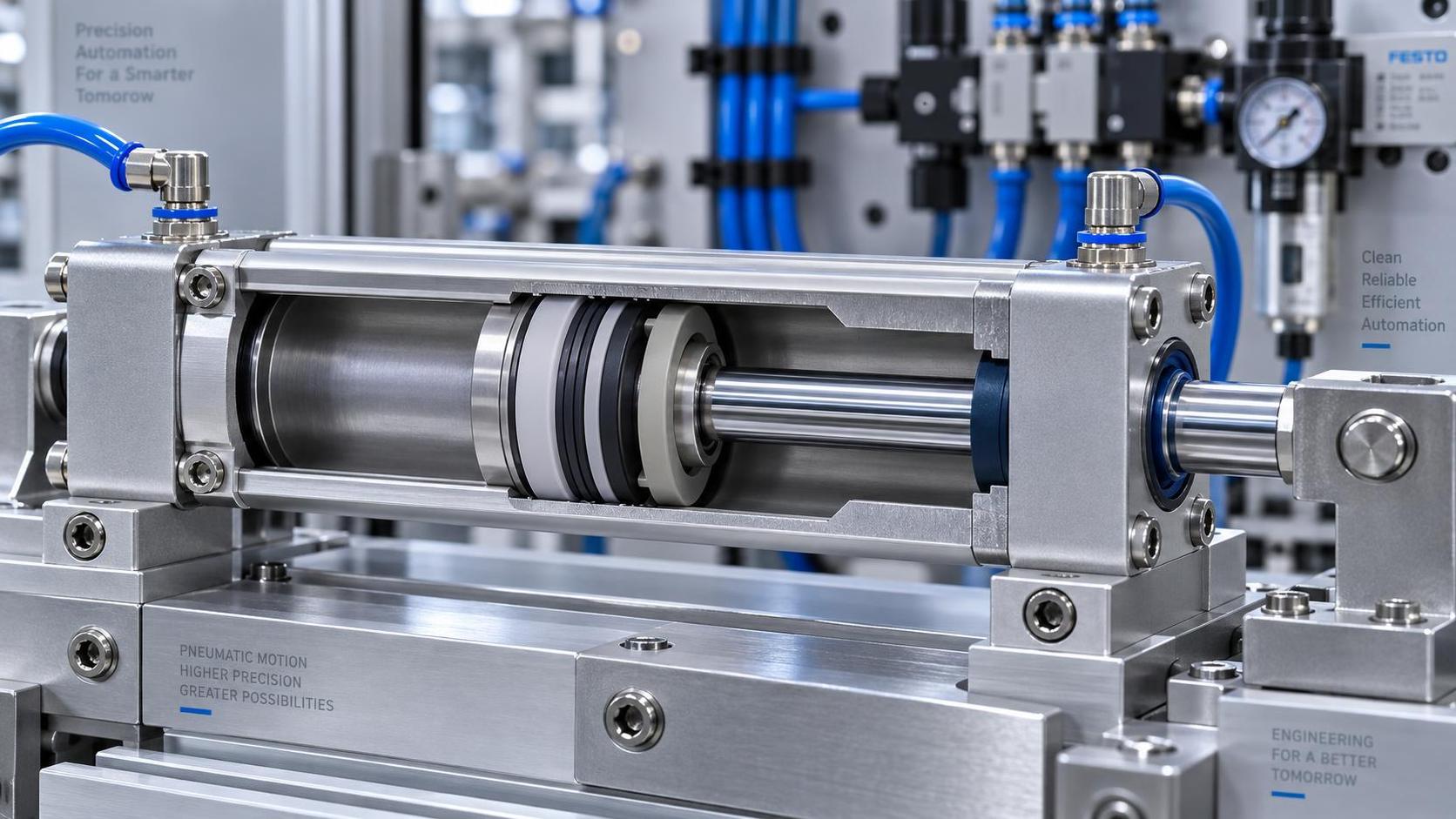
- Selecting Low-Friction Pneumatic Seals for High-Cycle, Low-Pressure CylindersAuthor :Heavy Industry Strategist

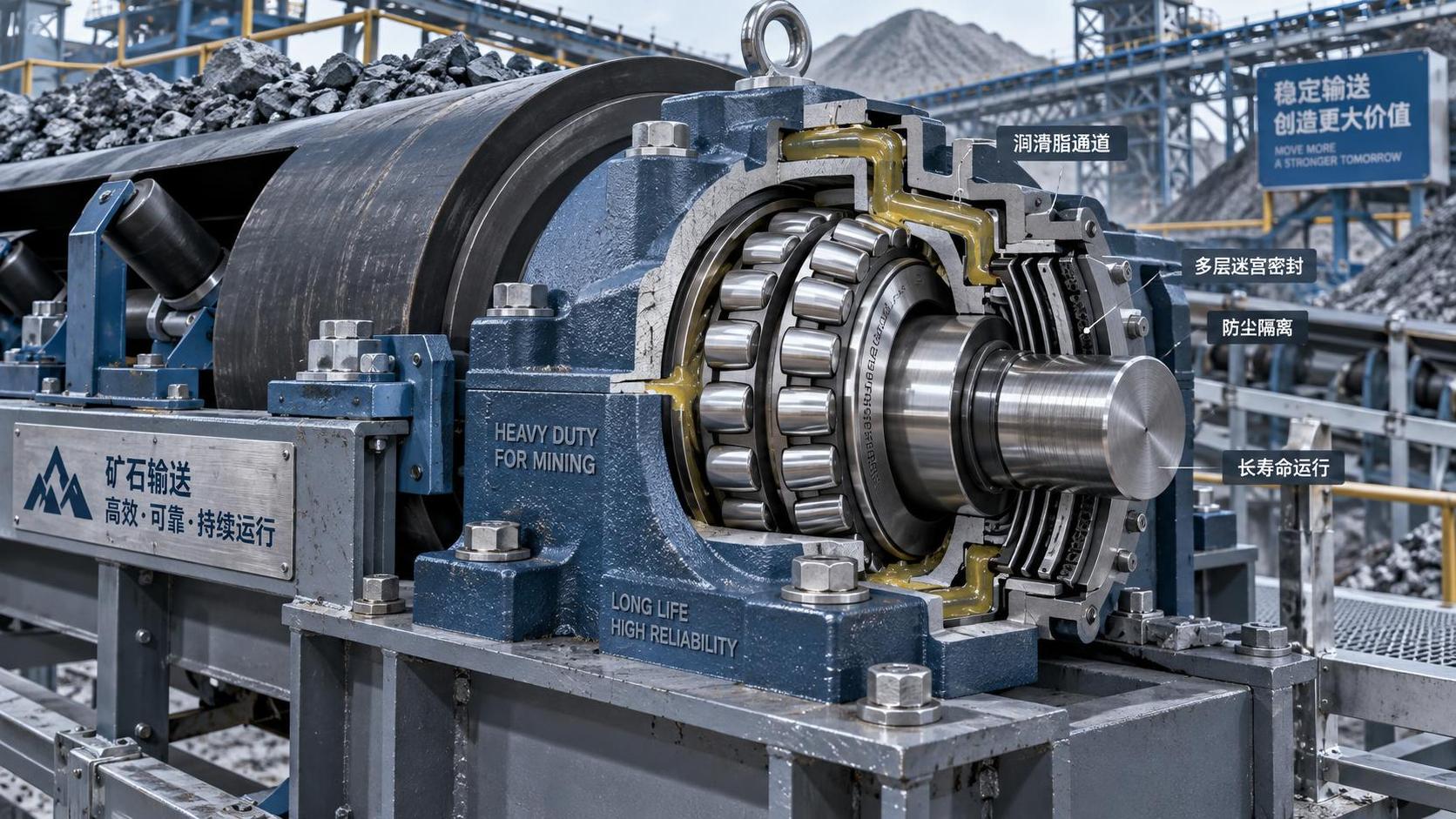
- Selecting Spherical Roller Bearings for Mining: Load, Contamination, and Service LifeAuthor :Heavy Industry Strategist

- Do Deep Groove Ball Bearings Need Special Seals in Coastal Humidity?Author :Heavy Industry Strategist

- How to Select Anti Vibration Rubber Shock Absorbers for Machinery and EquipmentAuthor :Heavy Industry Strategist

- When to Specify Induction Hardened Slewing Ring Bearings for Heavy-Duty EquipmentAuthor :Heavy Industry Strategist

- How to Evaluate Weather Resistant EPDM Extrusion for Outdoor Sealing ApplicationsAuthor :Heavy Industry Strategist