Global Industrial Bearing Lead Times Extended to 18 Weeks
Author
Date Published
Reading Time
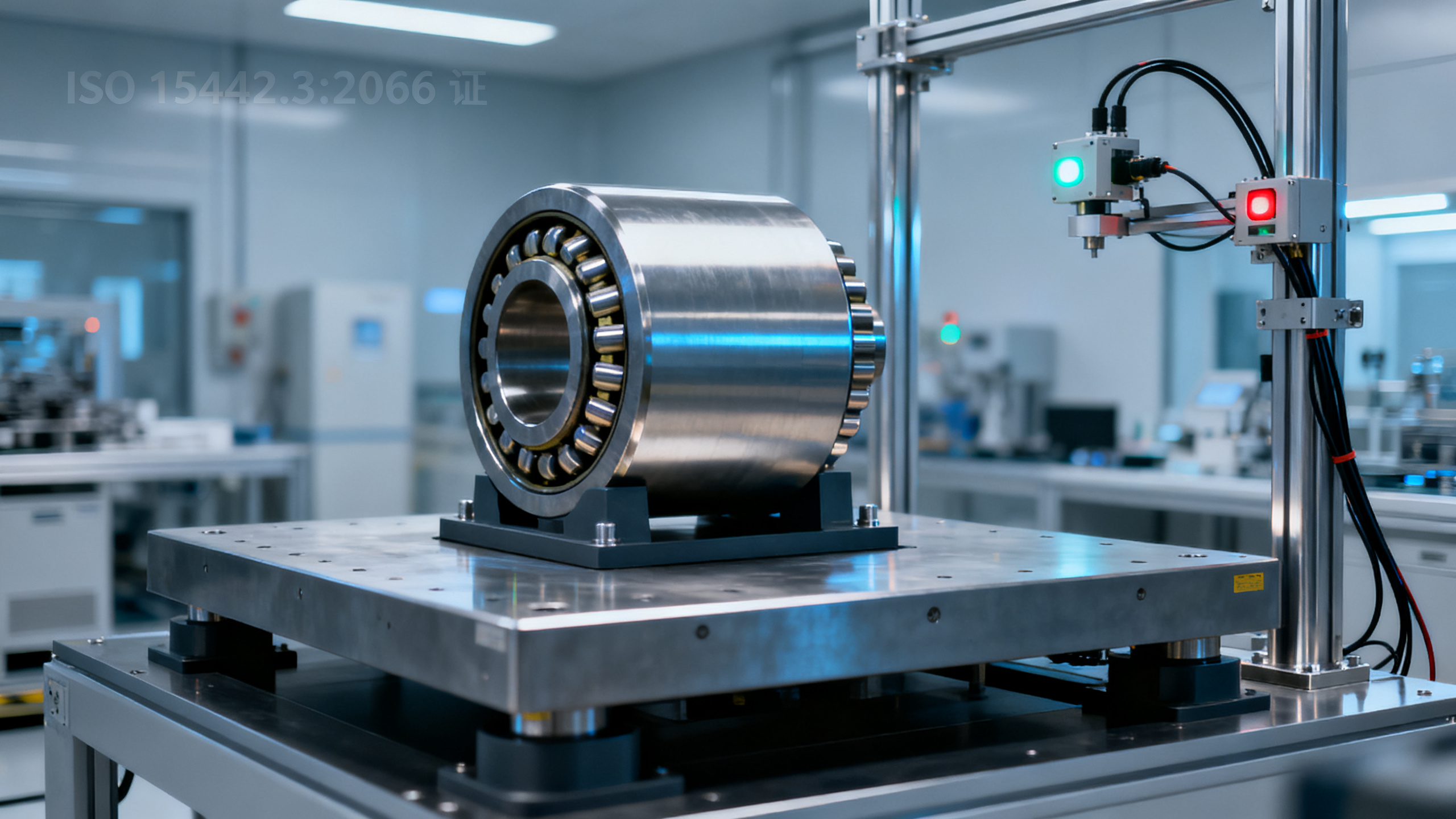
On May 11, 2026, the International Bearing Association (IBA) reported that average lead times for mainstream industrial bearings — particularly those supplied by or co-manufactured for SKF, NSK, and TIMKEN — have extended to 18 weeks. This delay is directly tied to global capacity saturation at laboratories accredited for ISO 15242-3:2026 vibration and noise testing. Wind power and mining machinery sectors, which rely on long-cycle project timelines, are among the most immediately affected.
Event Overview
According to the IBA’s May 11, 2026 Supply Chain Bulletin, average delivery lead times for key industrial bearings have increased to 18 weeks. This extension stems from full laboratory scheduling for ISO 15242-3:2026 vibration and noise certification — a requirement newly enforced for high-reliability applications. Chinese bearing manufacturers report that CNAS-accredited vibration test rigs are operating at full capacity, with new certification requests facing queues exceeding 12 weeks.
Impact on Specific Industry Segments
Direct Trading Enterprises
These firms face widening gaps between customer order commitments and actual shipment windows. Because ISO 15242-3:2026 certification is often required before final acceptance in OEM contracts, delayed test reports directly constrain invoice issuance and revenue recognition.
Raw Material Procurement Entities
Procurement teams sourcing components for certified assemblies must now align material release schedules with certification timelines — not just production plans. Unplanned delays in vibration testing may trigger cascading material holding costs or expedited logistics charges.
Equipment Manufacturing Firms (e.g., Wind Turbine & Mining Machinery OEMs)
Manufacturers dependent on certified bearings for system-level validation are encountering schedule slippage in field commissioning and handover milestones. Since ISO 15242-3:2026 compliance is increasingly referenced in procurement specifications, uncertified units cannot be deployed even if mechanically functional.
Supply Chain Service Providers (Logistics, Certification Support, QA Consulting)
Third-party labs and certification facilitators report intensified demand for pre-test diagnostics and documentation review — but no corresponding increase in accredited test capacity. Clients are seeking earlier engagement windows, yet service providers lack scalable alternatives to physical vibration bench testing under current standards.
What Stakeholders Should Monitor and Act On
Track official updates on ISO 15242-3:2026 implementation guidance
The standard became effective in 2026, but national accreditation bodies (e.g., CNAS, UKAS, DAkkS) may issue transitional provisions or clarification notes. Stakeholders should subscribe to notifications from their local accreditation authority — not just lab announcements — as policy interpretation affects eligibility for parallel testing or data reciprocity.
Prioritize certification timing for high-impact SKUs
Not all bearing SKUs require ISO 15242-3:2026 verification at launch. Analysis shows that only those designated for safety-critical or high-vibration environments (e.g., main shaft bearings in 5+ MW wind turbines, crusher journal bearings) are subject to mandatory testing. Companies should verify application-specific requirements before initiating lab bookings.
Distinguish between certification backlog and production capacity constraints
Observably, the 18-week lead time reflects test queue depth — not factory output limits. Some manufacturers confirm ongoing production of uncertified stock, but such units remain undeliverable for regulated applications. Buyers should explicitly confirm whether quoted lead times include certification duration or only manufacturing + logistics.
Adjust procurement planning cycles and buffer allocations
Current lead-time extensions affect not only new orders but also replacement spares for legacy systems undergoing recertification. Engineering and procurement teams should revise minimum order intervals and safety stock policies — especially for bearings used in offshore wind farms or remote mining sites where field failure carries high downtime cost.
Editorial Perspective / Industry Observation
This development is better understood as an early-stage infrastructure bottleneck than a systemic supply shortage. Analysis shows that the constraint lies specifically in certified test capacity — not raw materials, machining capability, or labor availability. From an industry perspective, it signals growing alignment between international vibration performance expectations and formalized compliance pathways. However, the mismatch between rising certification demand and static lab capacity suggests this is a structural coordination challenge across standards bodies, accreditation agencies, and equipment manufacturers — not a transient market fluctuation. Continued monitoring is warranted because resolution depends on coordinated investment in accredited facilities, not just internal operational adjustments.
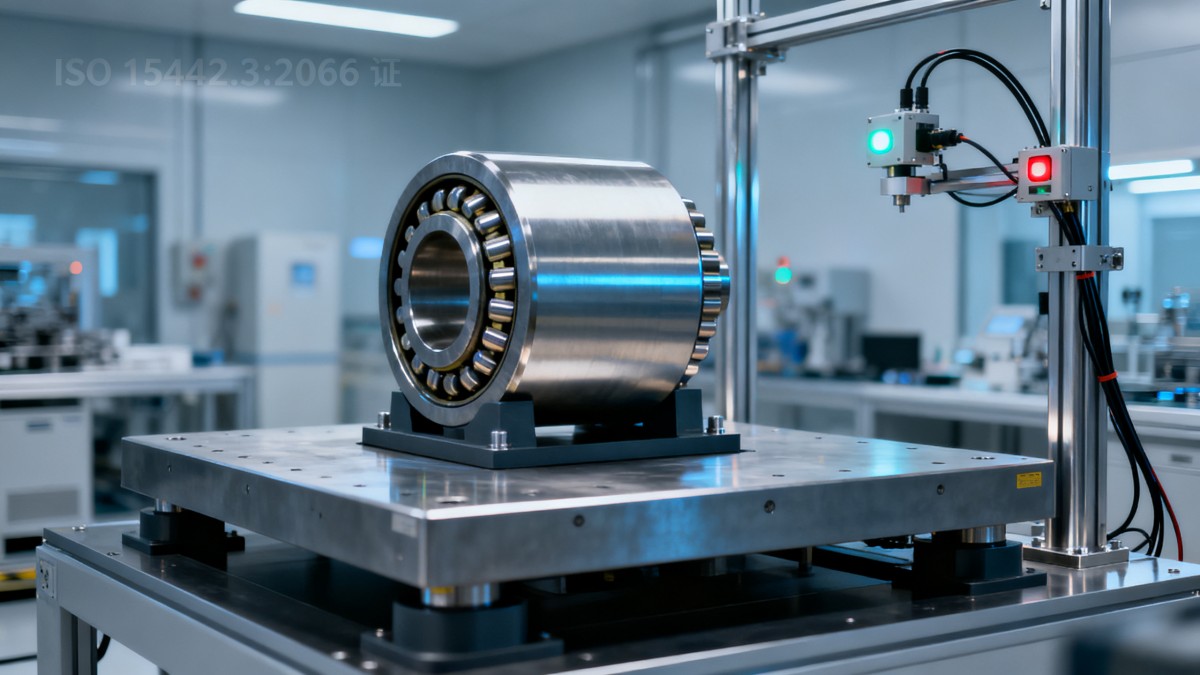
Conclusion: The 18-week lead time extension reflects a specific, standards-driven capacity constraint — not broad-based industrial scarcity. It underscores how technical compliance requirements can become critical path items in complex equipment delivery. Stakeholders are advised to treat this as a planning signal requiring proactive alignment across engineering, procurement, and quality assurance functions — rather than a general market condition to be passively absorbed.
Source: International Bearing Association (IBA), Supply Chain Bulletin, May 11, 2026.
Note: Ongoing observation is recommended regarding potential updates to ISO 15242-3:2026 implementation guidelines by national accreditation bodies.
Technical Specifications
- Air Handling Unit Supplier Checklist: Performance Data, Lead Times, and SupportAuthor :Environmental Engineering Director
- Buying Fiberglass Water Tanks Wholesale: Compare Quotes and Delivery CostsAuthor :Environmental Engineering Director
- Choosing an XLPE Power Cable Supplier: Test Reports, Traceability, and Lead TimesAuthor :Grid Infrastructure Analyst
Expert Insights

Chief Security Architect
Dr. Thorne specializes in the intersection of structural engineering and digital resilience. He has advised three G7 governments on industrial infrastructure security.
Related Analysis
- Oct 19, 2026Air Handling Unit Supplier Checklist: Performance Data, Lead Times, and SupportAuthor :Environmental Engineering Director
- Oct 18, 2026Buying Fiberglass Water Tanks Wholesale: Compare Quotes and Delivery CostsAuthor :Environmental Engineering Director
- Oct 17, 2026Choosing an XLPE Power Cable Supplier: Test Reports, Traceability, and Lead TimesAuthor :Grid Infrastructure Analyst
Core Sector // 01
Security & Safety
- How to Select Flange Gaskets for Pressure, Temperature, and Media CompatibilityAuthor :Heavy Industry Strategist

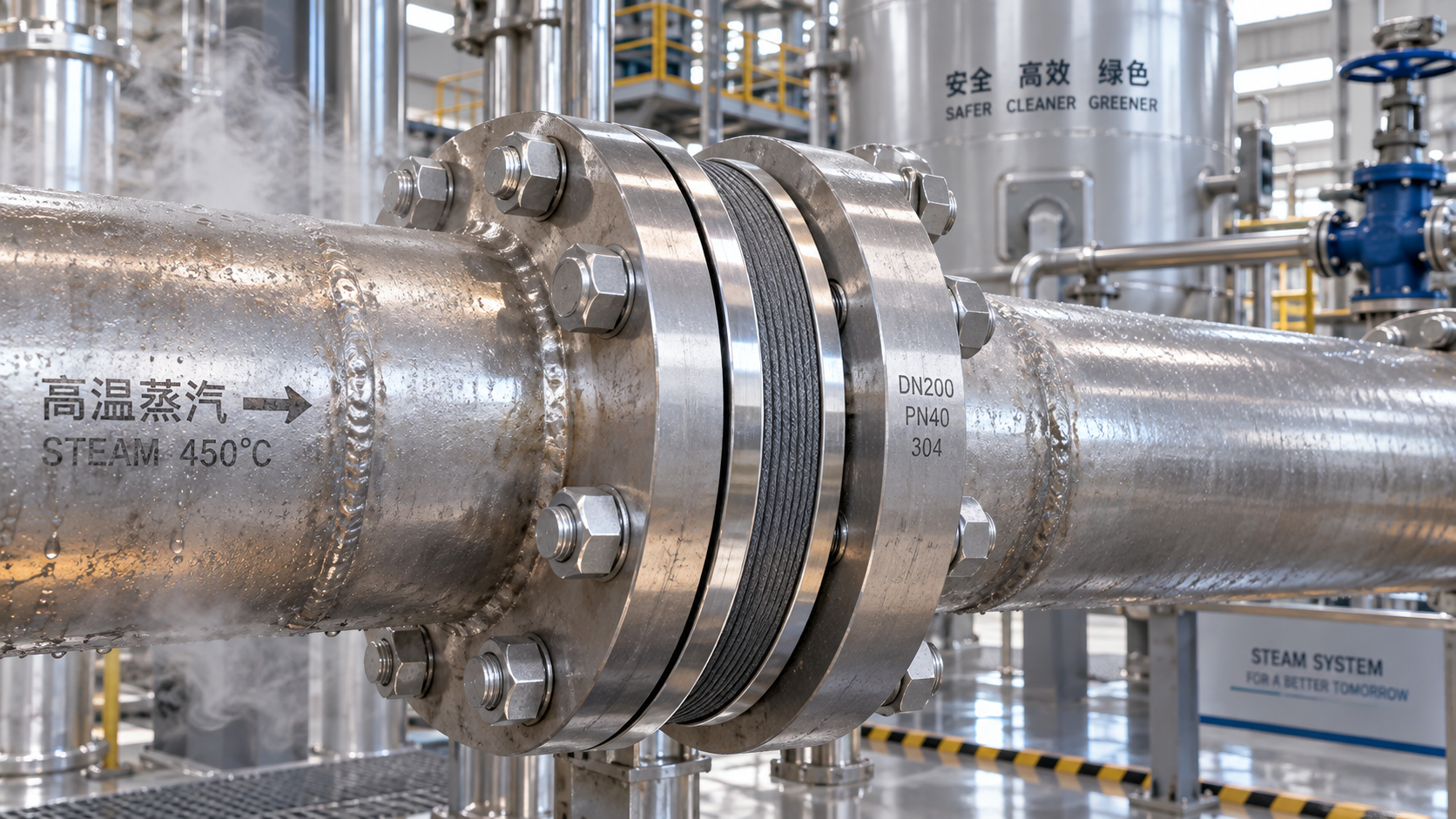
- Selecting High-Temperature Gaskets for Steam, Flanges, and Thermal CyclingAuthor :Heavy Industry Strategist

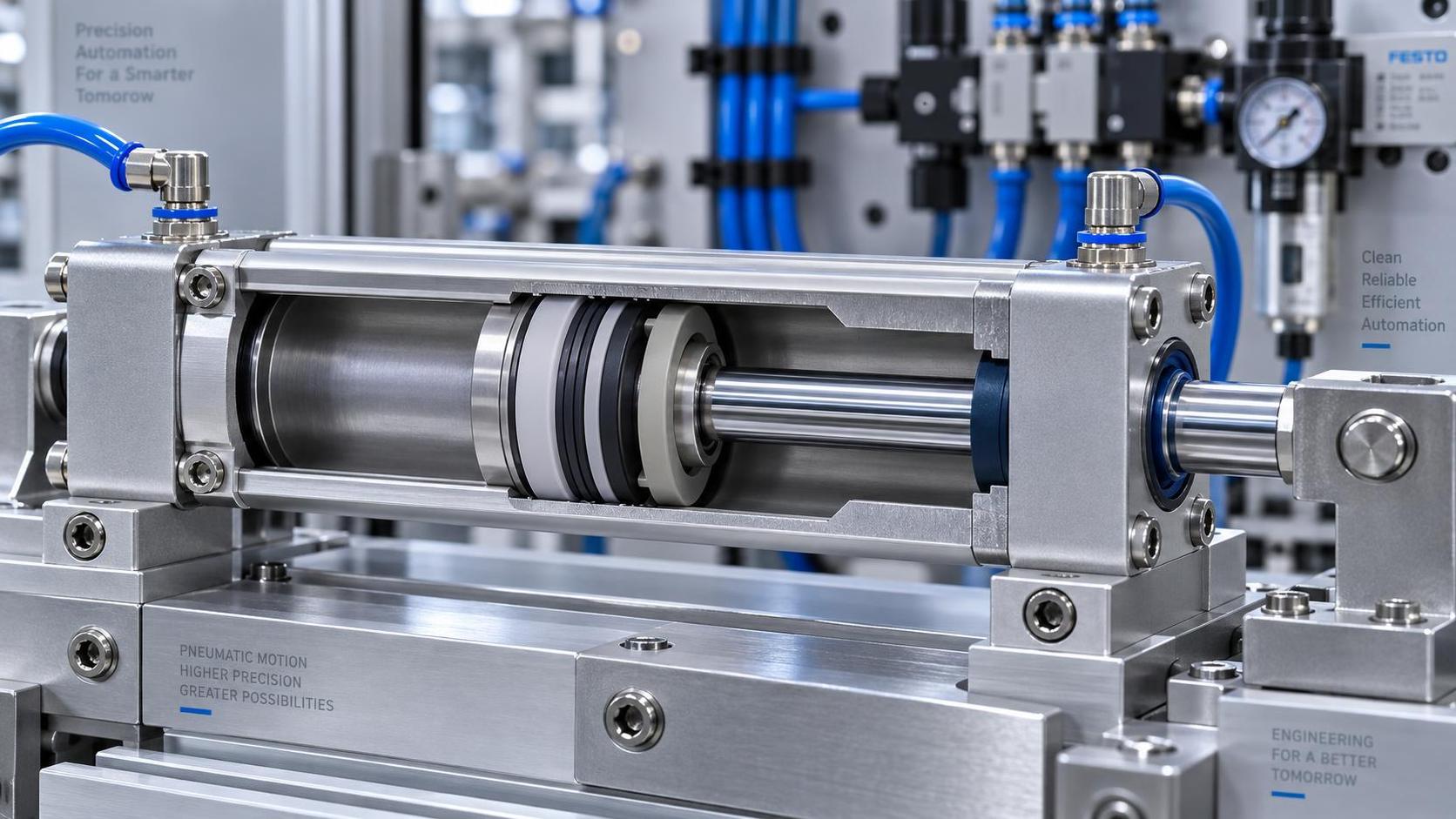
- Selecting Low-Friction Pneumatic Seals for High-Cycle, Low-Pressure CylindersAuthor :Heavy Industry Strategist

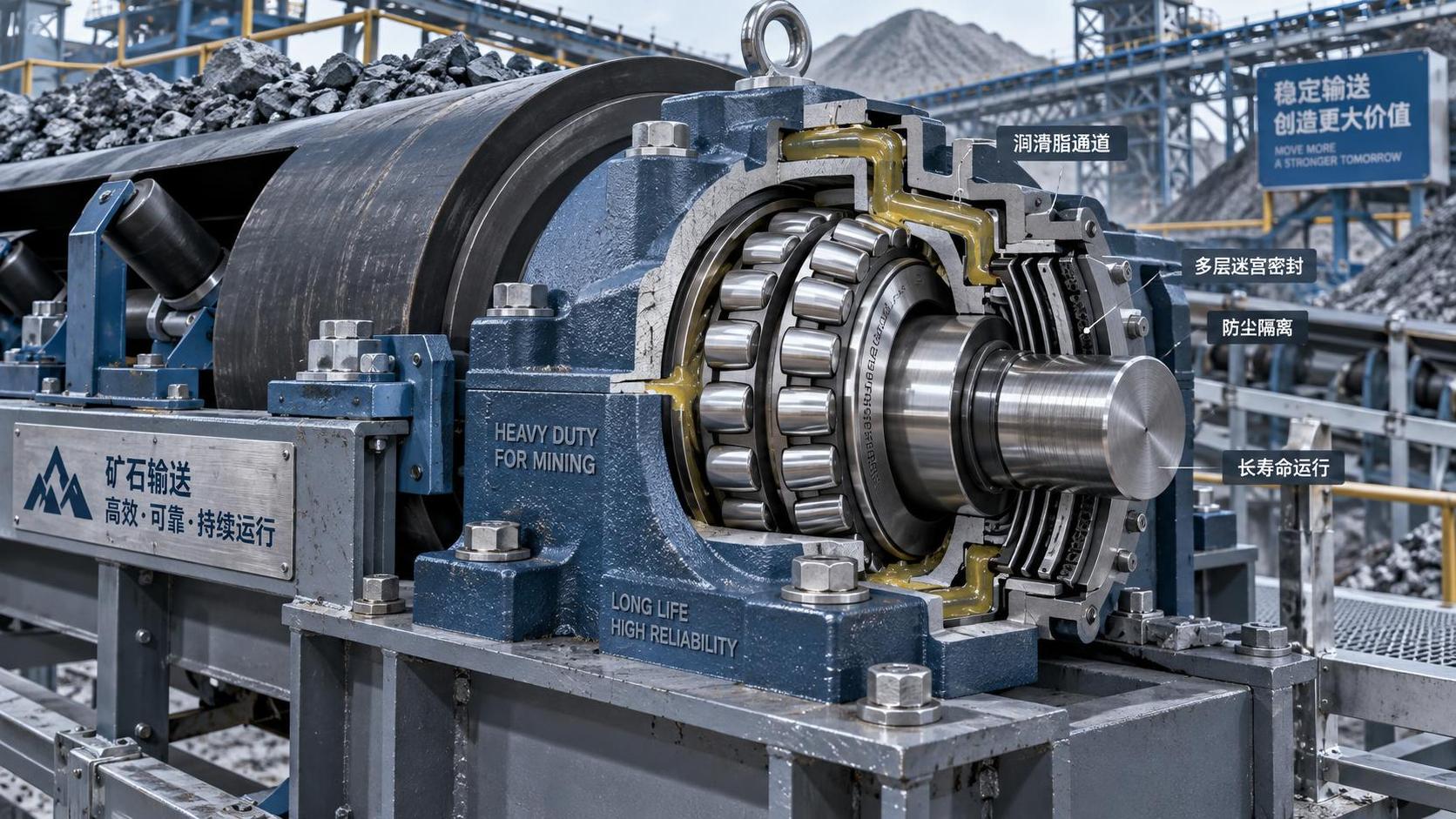
- Selecting Spherical Roller Bearings for Mining: Load, Contamination, and Service LifeAuthor :Heavy Industry Strategist

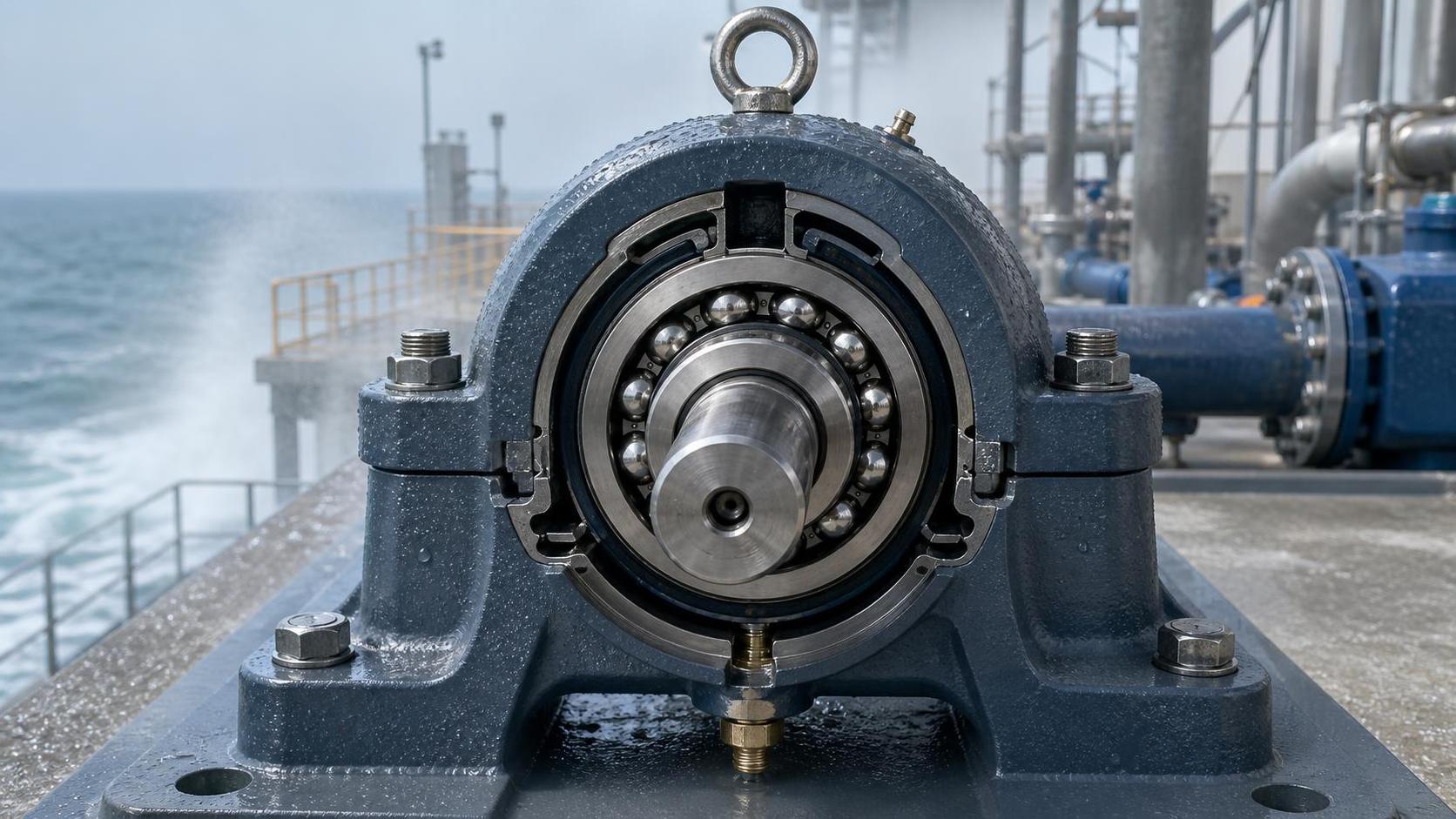
- Do Deep Groove Ball Bearings Need Special Seals in Coastal Humidity?Author :Heavy Industry Strategist

- How to Select Anti Vibration Rubber Shock Absorbers for Machinery and EquipmentAuthor :Heavy Industry Strategist

- When to Specify Induction Hardened Slewing Ring Bearings for Heavy-Duty EquipmentAuthor :Heavy Industry Strategist

- How to Evaluate Weather Resistant EPDM Extrusion for Outdoor Sealing ApplicationsAuthor :Heavy Industry Strategist