Global Industrial Bearing Lead Times Extended to 18 Weeks Amid ISO 15242-3:2026 Certification Bottleneck
Author
Date Published
Reading Time
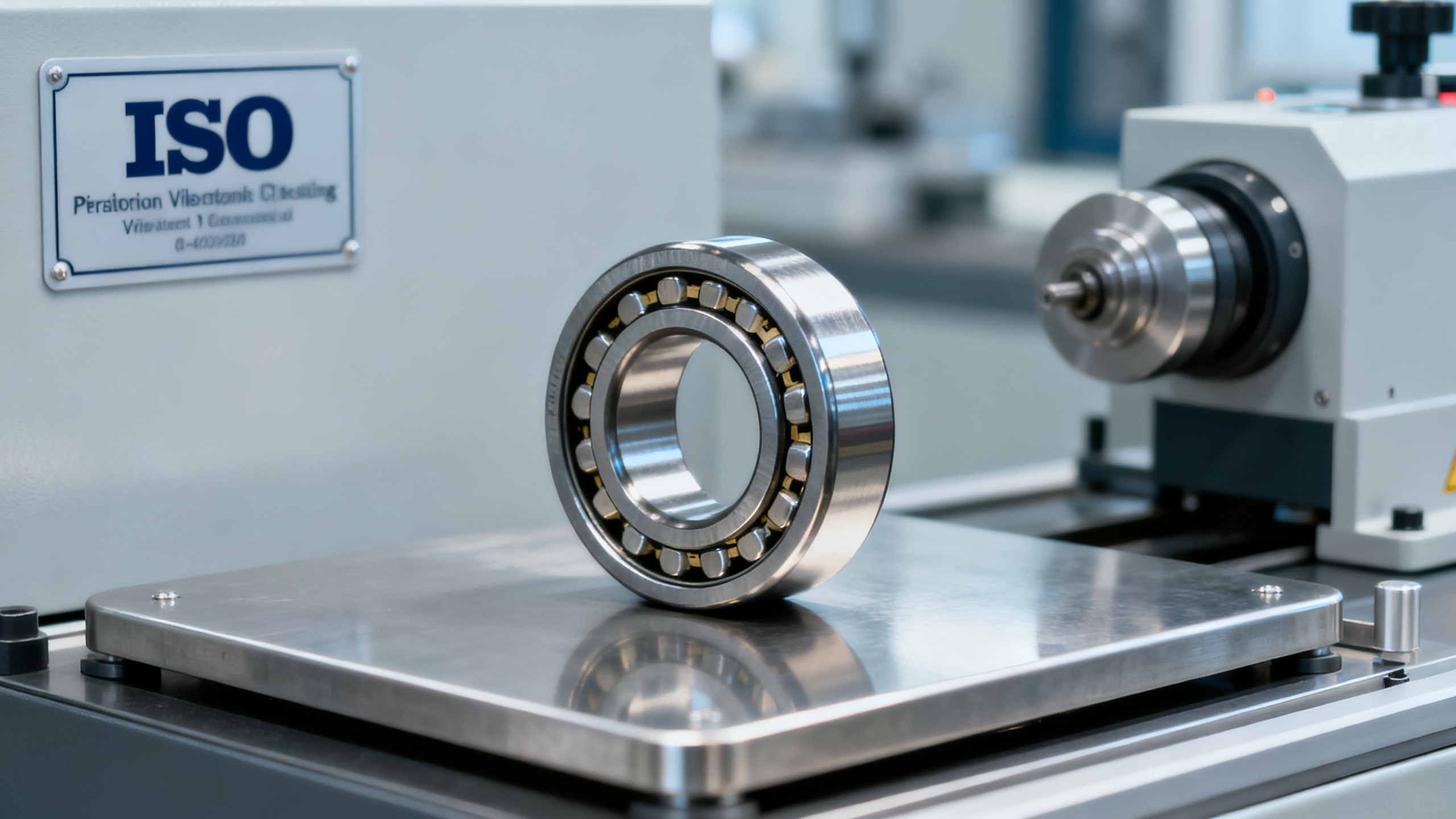
As of May 10, 2026, average delivery lead times for industrial bearings exported from China have extended to 18 weeks — up by three weeks from Q4 2025 — due to severe capacity constraints in laboratories conducting the ISO 15242-3:2026 vibration and noise certification. This certification is mandatory for Bearings & Seals products entering the EU, South Korea, and Mexico, making it a critical factor for OEMs, system integrators, and distributors serving those markets.
Event Overview
According to a notice issued by the China Bearing Industry Association on May 10, 2026, domestic mainstream bearing manufacturers are experiencing extended export order fulfillment cycles, now averaging 18 weeks. The delay is directly attributed to laboratory overload in delivering ISO 15242-3:2026 certification testing — a requirement enforced by regulatory authorities in the European Union, South Korea, and Mexico.
Industries Affected
Direct Exporters and Trading Companies
These entities face direct schedule slippage on confirmed orders bound for certified markets. Since ISO 15242-3:2026 compliance is a pre-shipment gate for customs clearance and project acceptance, delayed certification translates directly into postponed revenue recognition and contractual penalty exposure.
OEMs and System Integrators
Manufacturers embedding bearings into machinery, automation systems, or energy equipment (e.g., wind turbines, industrial pumps) may encounter project timeline compression. Late receipt of certified components can delay final assembly, commissioning, or handover — especially where procurement contracts specify certified parts at time of order placement.
Supply Chain and Logistics Service Providers
Firms managing bonded warehousing, customs brokerage, or just-in-time delivery for cross-border industrial goods must adjust buffer stock planning and transit scheduling. Extended lead times increase working capital requirements and raise the risk of misaligned inventory turnover across regional hubs.
What Stakeholders Should Monitor and Do Now
Track official updates on certification capacity and alternative lab accreditation
The China Bearing Industry Association has not yet announced mitigation measures or expanded lab authorizations. Stakeholders should monitor its official bulletins and EU NANDO database updates for newly accredited test bodies under ISO/IEC 17025 for ISO 15242-3:2026.
Review order commitments for EU, South Korea, and Mexico-bound shipments
Verify whether pending purchase orders include clauses linking delivery to certification completion — not just manufacturing readiness. Where possible, renegotiate milestone-based payment terms aligned with certification progress rather than shipment date alone.
Pre-validate component substitution pathways
For non-critical applications, assess whether alternative bearing models already holding valid ISO 15242-3:2026 certificates (e.g., legacy SKUs or variants from other production lines) can be substituted without redesign or requalification — subject to end-customer approval.
Adjust internal procurement planning horizons
Procurement teams should extend minimum planning windows from 12 to 18+ weeks for certified bearings destined for regulated markets. Integrate certification status tracking into ERP or PLM systems where feasible — treating lab queue time as a distinct, non-negotiable lead-time component.
Editorial Perspective / Industry Observation
Observably, this is not merely a temporary logistics hiccup but a systemic bottleneck emerging at the intersection of tightening regulatory enforcement and constrained third-party testing infrastructure. Analysis shows that ISO 15242-3:2026 implementation has shifted from voluntary benchmarking to de facto market access control — particularly where national standards (e.g., KS B 15242 in South Korea) explicitly reference the ISO clause. It is better understood as an operational signal than a completed disruption: while current delays are confirmed, their duration remains contingent on lab capacity expansion, which has no published timeline. Continued monitoring is warranted because certification backlogs tend to compound — not self-correct — absent coordinated policy intervention or parallel lab investment.
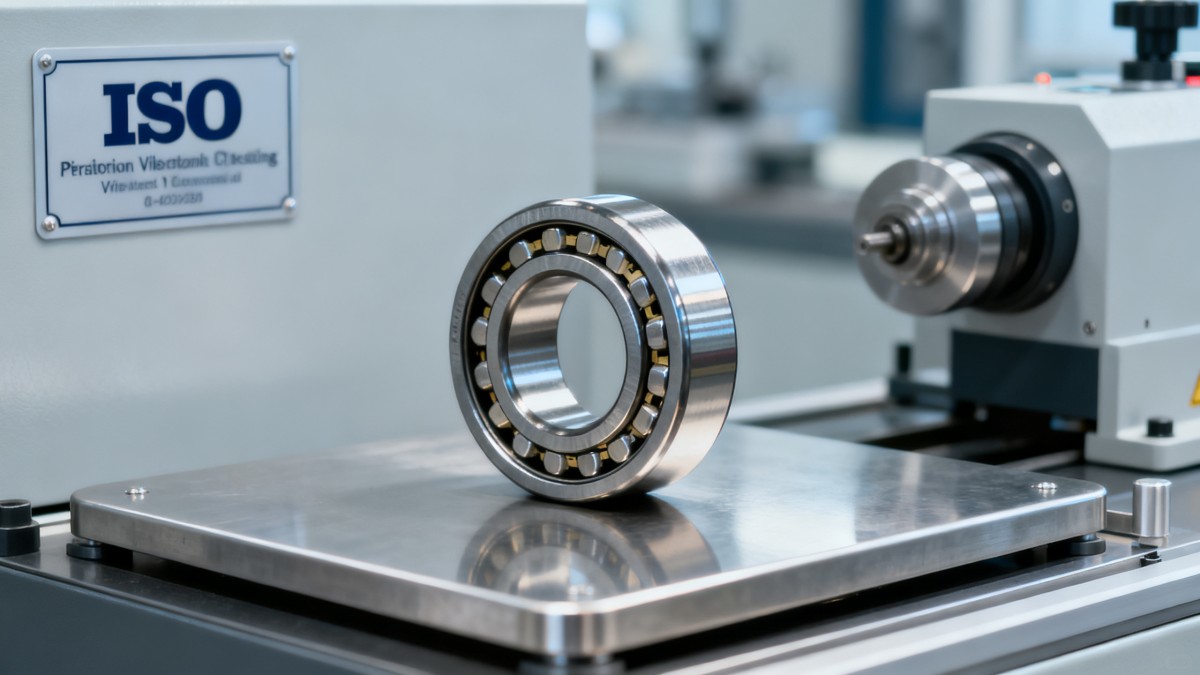
This development underscores how technical compliance infrastructure — often overlooked in supply chain risk assessments — can become a primary constraint on global industrial trade flows. For stakeholders, the immediate implication is not a need to switch suppliers, but rather to treat certification timing as a core scheduling variable, equal in weight to material availability or factory capacity.
Information Source: China Bearing Industry Association (notice dated May 10, 2026). Ongoing observation is recommended regarding potential updates to laboratory accreditation status and national transposition timelines in target markets (EU, South Korea, Mexico).
Technical Specifications
- Air Handling Unit Supplier Checklist: Performance Data, Lead Times, and SupportAuthor :Environmental Engineering Director
- Buying Fiberglass Water Tanks Wholesale: Compare Quotes and Delivery CostsAuthor :Environmental Engineering Director
- Choosing an XLPE Power Cable Supplier: Test Reports, Traceability, and Lead TimesAuthor :Grid Infrastructure Analyst
Expert Insights

Chief Security Architect
Dr. Thorne specializes in the intersection of structural engineering and digital resilience. He has advised three G7 governments on industrial infrastructure security.
Related Analysis
- Oct 19, 2026Air Handling Unit Supplier Checklist: Performance Data, Lead Times, and SupportAuthor :Environmental Engineering Director
- Oct 18, 2026Buying Fiberglass Water Tanks Wholesale: Compare Quotes and Delivery CostsAuthor :Environmental Engineering Director
- Oct 17, 2026Choosing an XLPE Power Cable Supplier: Test Reports, Traceability, and Lead TimesAuthor :Grid Infrastructure Analyst
Core Sector // 01
Security & Safety
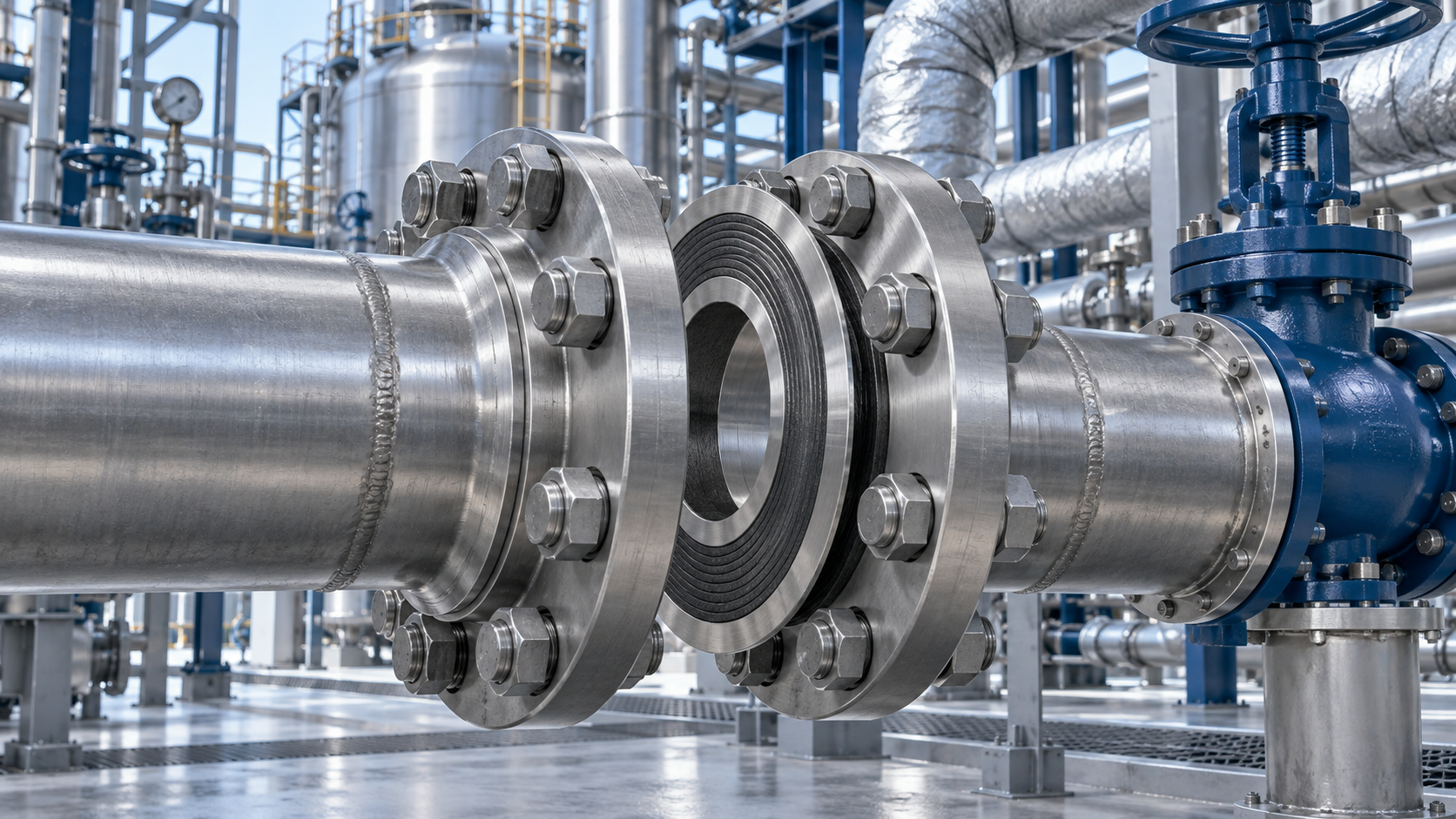
- How to Select Flange Gaskets for Pressure, Temperature, and Media CompatibilityAuthor :Heavy Industry Strategist

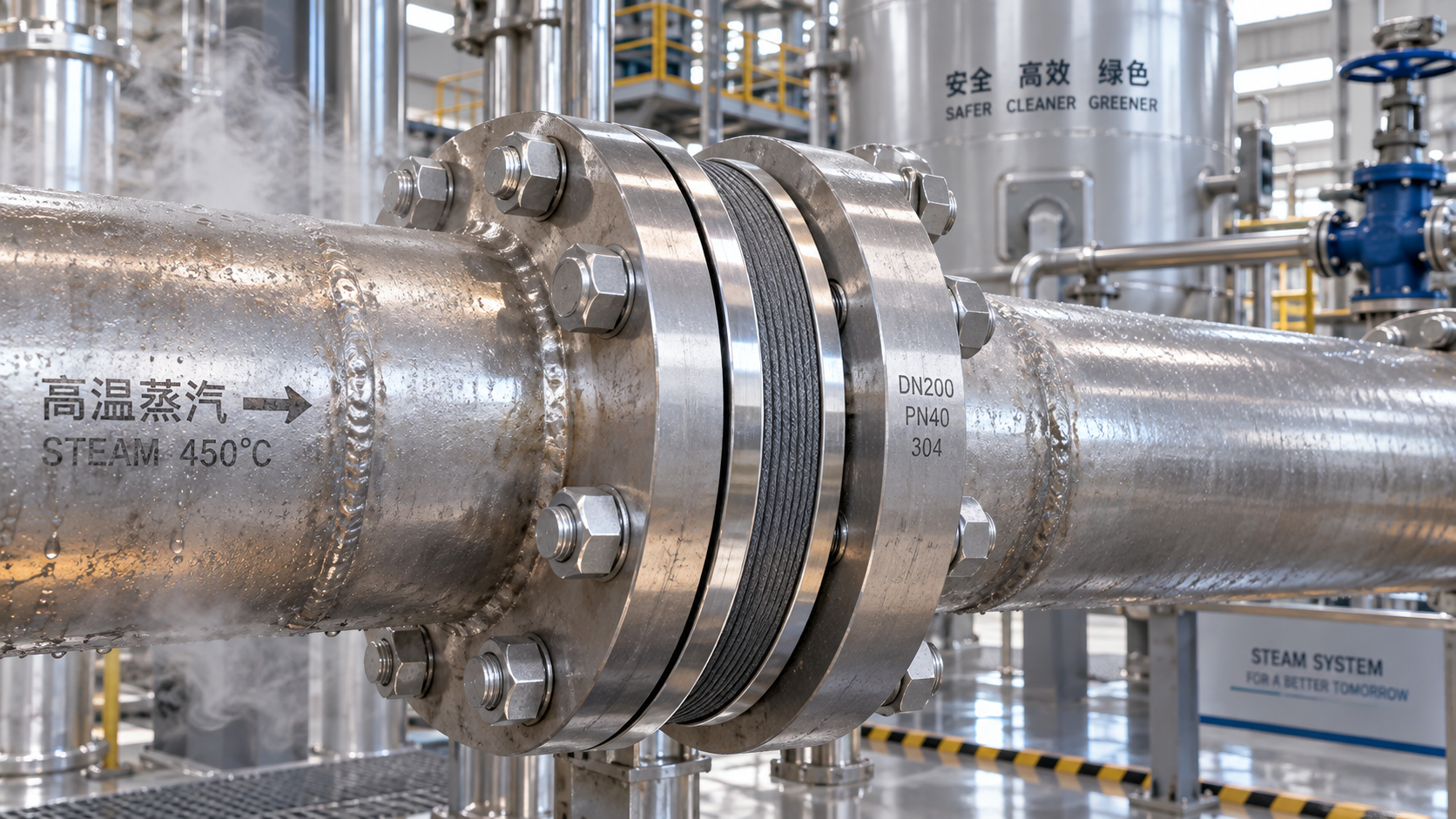
- Selecting High-Temperature Gaskets for Steam, Flanges, and Thermal CyclingAuthor :Heavy Industry Strategist

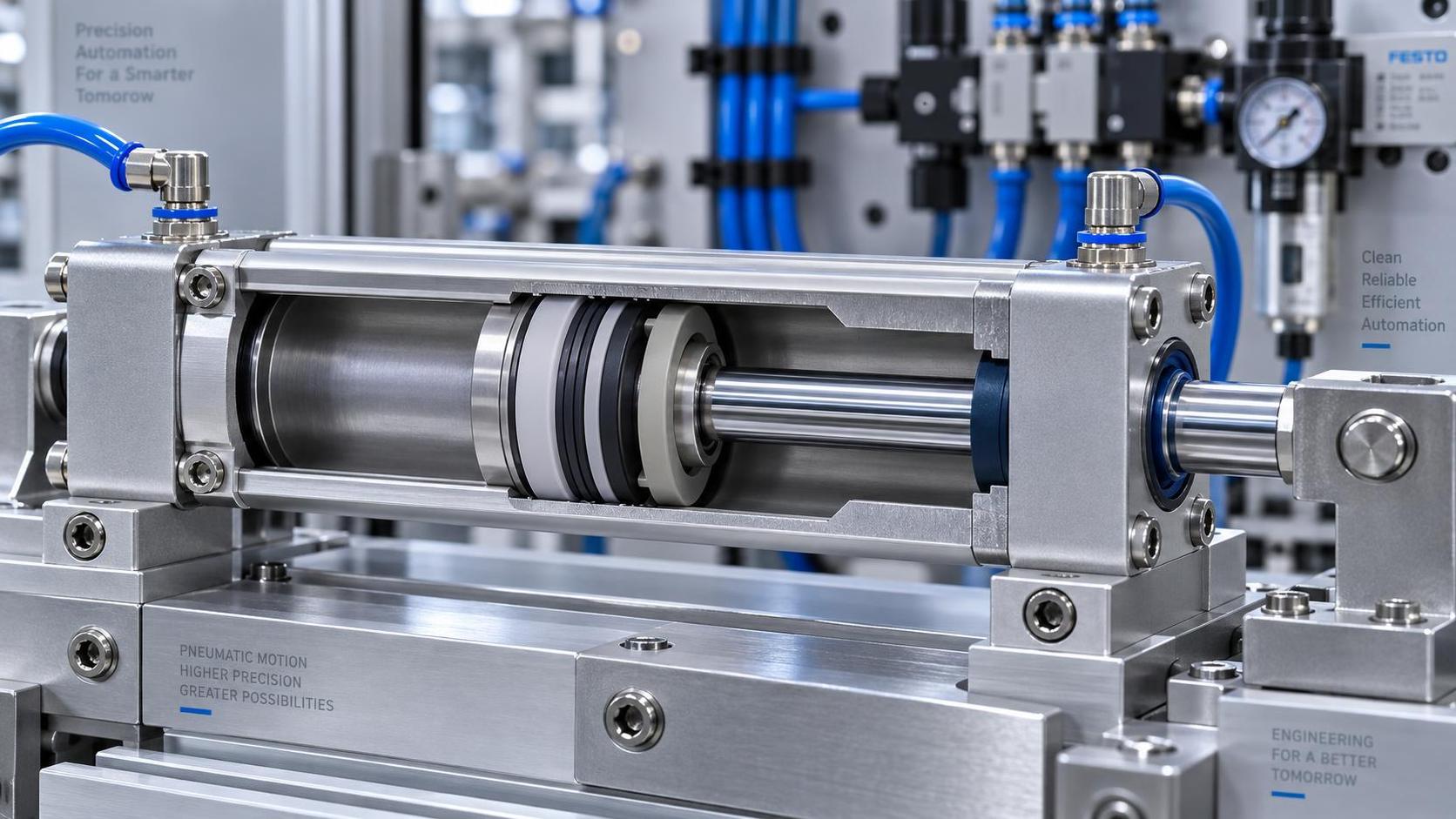
- Selecting Low-Friction Pneumatic Seals for High-Cycle, Low-Pressure CylindersAuthor :Heavy Industry Strategist

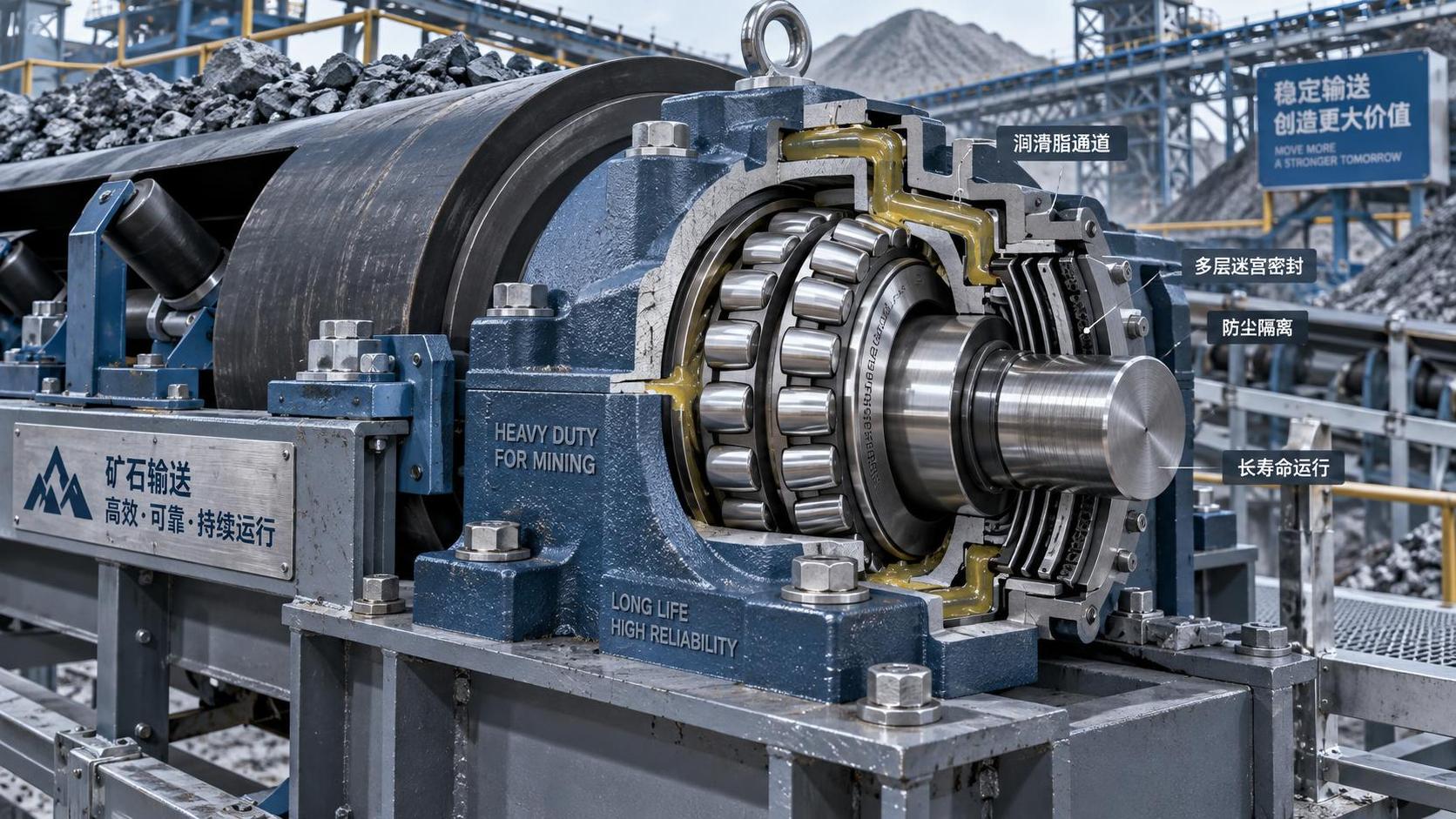
- Selecting Spherical Roller Bearings for Mining: Load, Contamination, and Service LifeAuthor :Heavy Industry Strategist

- Do Deep Groove Ball Bearings Need Special Seals in Coastal Humidity?Author :Heavy Industry Strategist

- How to Select Anti Vibration Rubber Shock Absorbers for Machinery and EquipmentAuthor :Heavy Industry Strategist

- When to Specify Induction Hardened Slewing Ring Bearings for Heavy-Duty EquipmentAuthor :Heavy Industry Strategist

- How to Evaluate Weather Resistant EPDM Extrusion for Outdoor Sealing ApplicationsAuthor :Heavy Industry Strategist