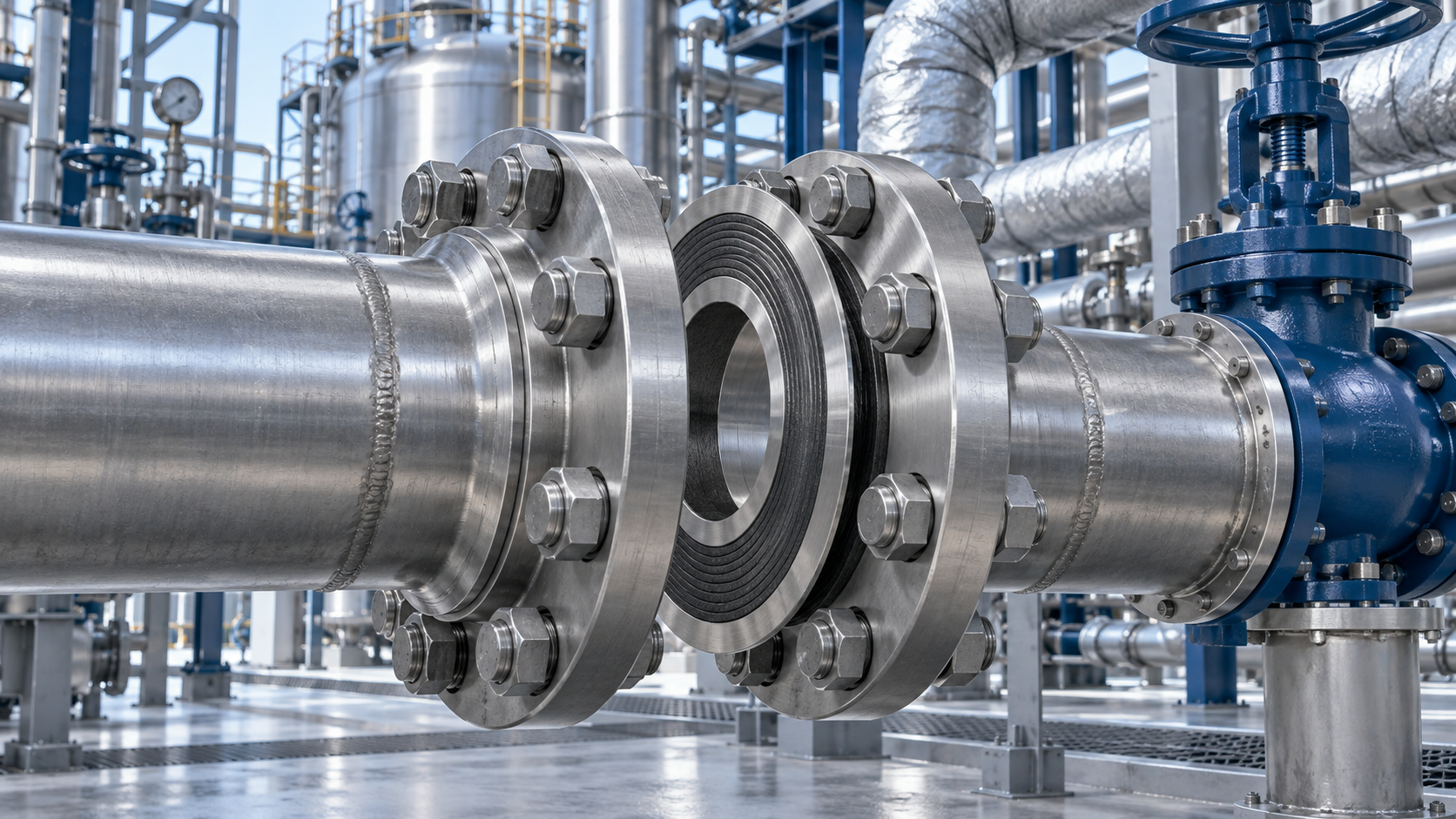
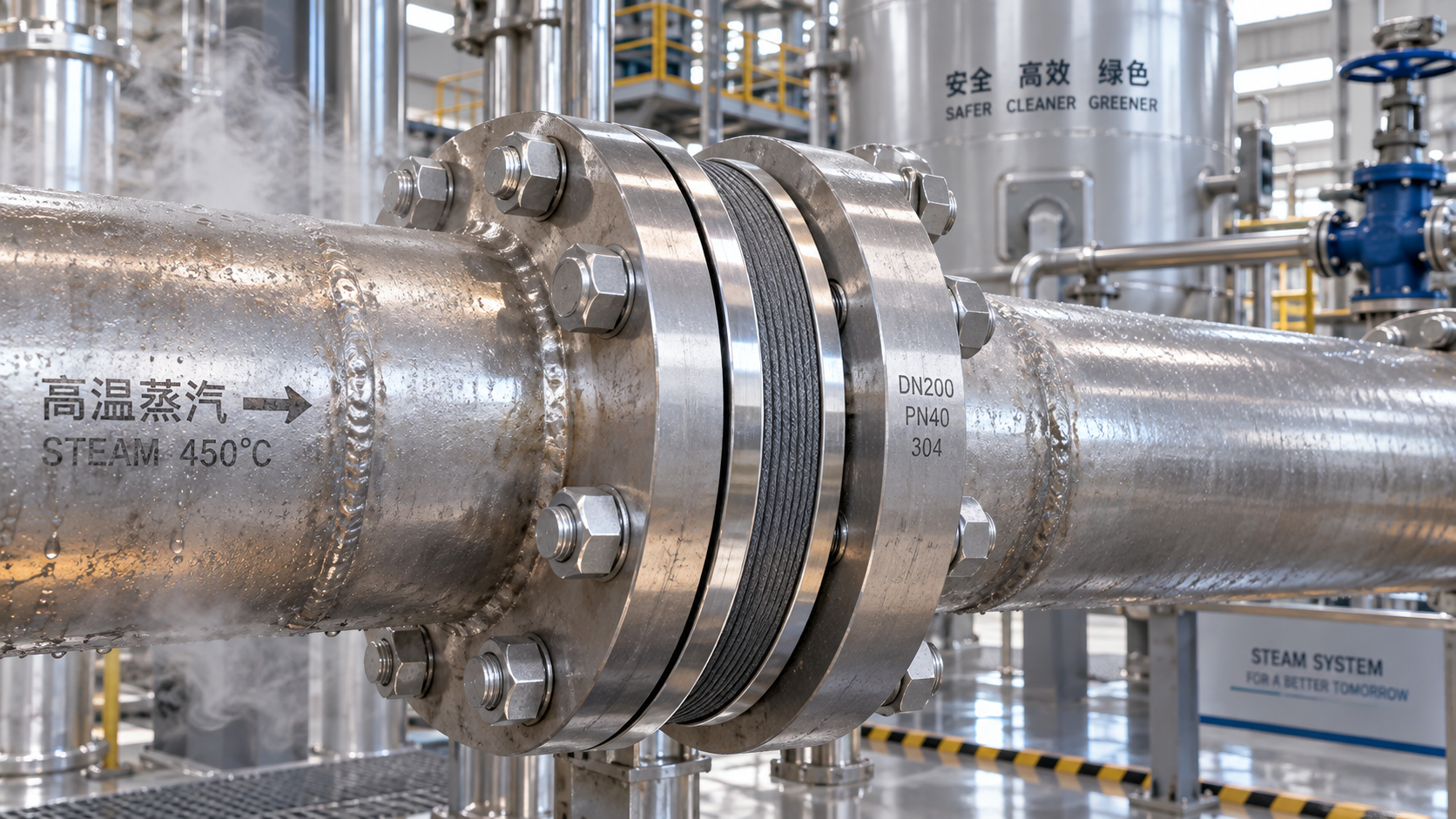
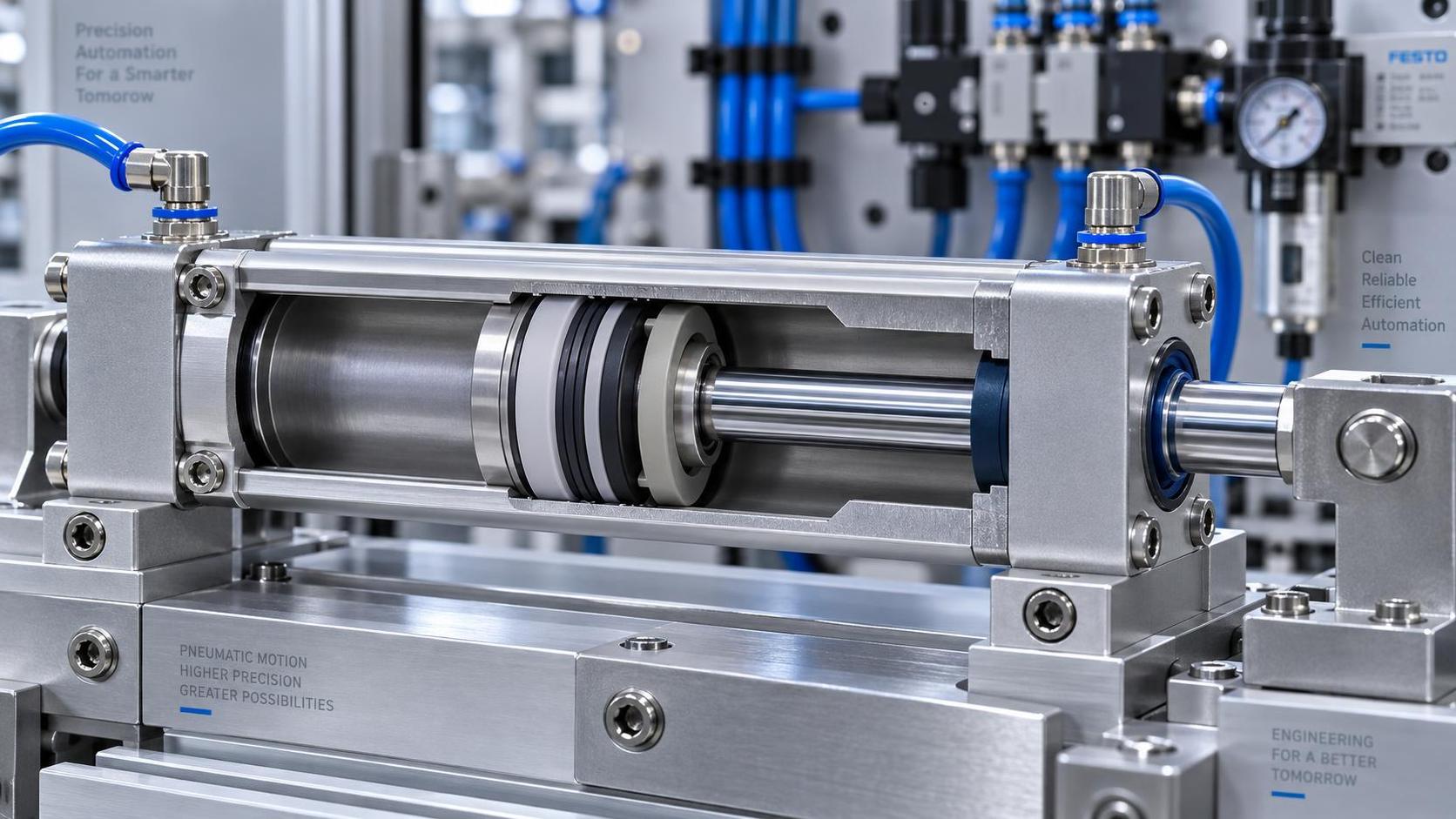
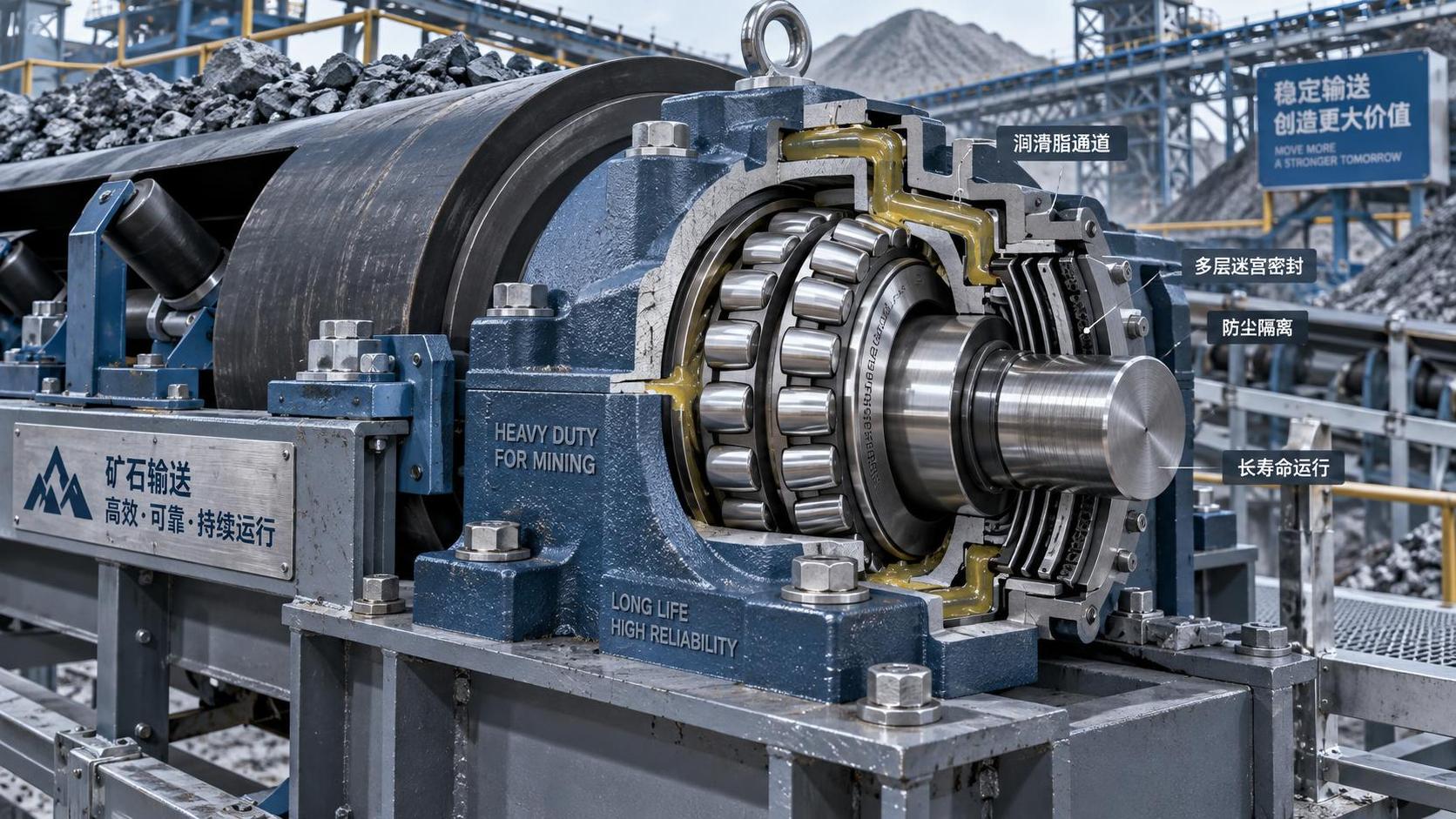
Components & Metals quality gaps that affect service life
Author
Date Published
Reading Time
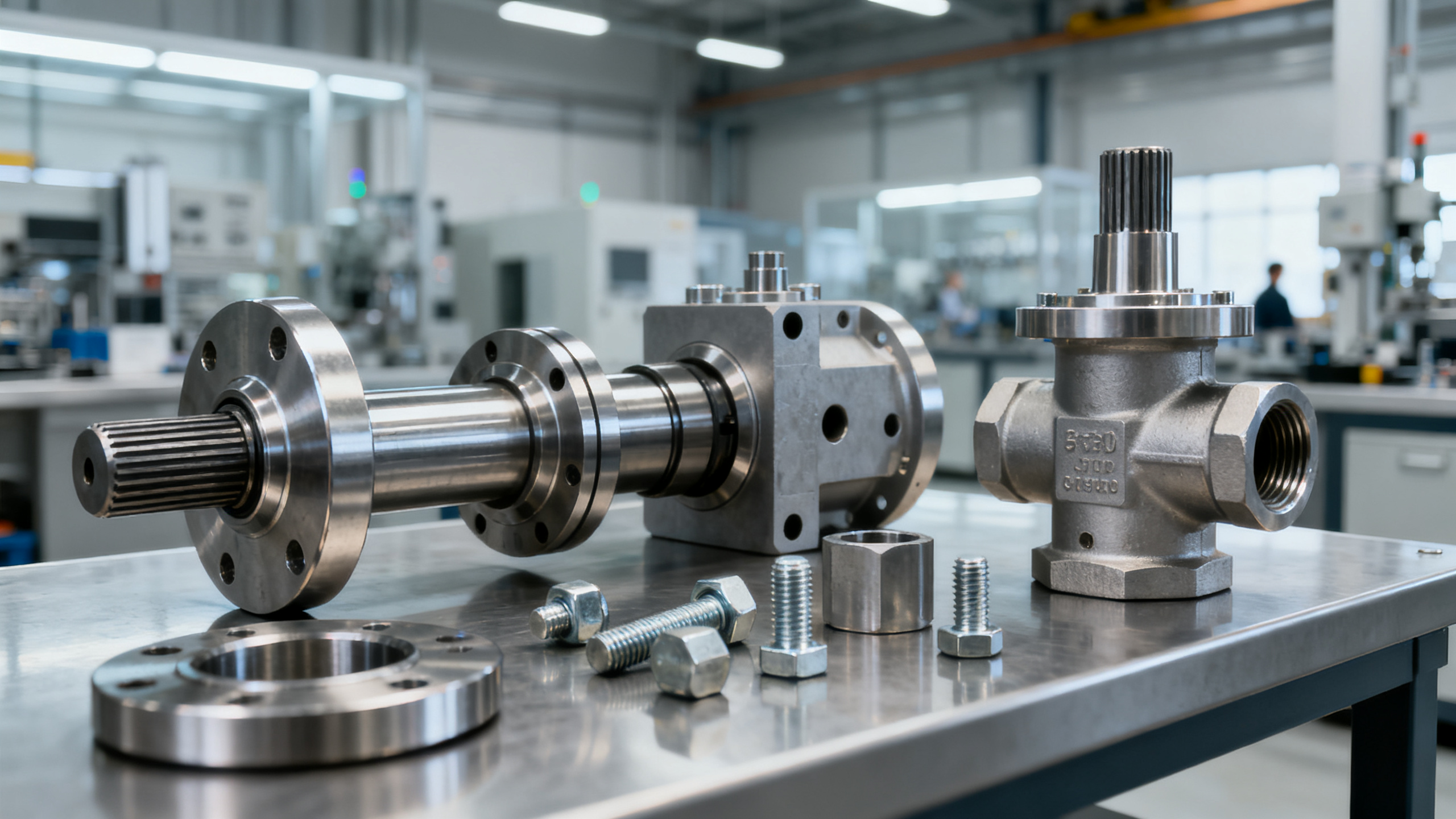
In industrial operations, small quality gaps in Components & Metals can trigger major losses in uptime, safety, and service life. A part may look acceptable at delivery yet fail early under load, heat, vibration, or corrosion.
That is why Components & Metals should be judged beyond price and appearance. Material consistency, machining precision, protective finishing, and standards compliance all shape how long equipment performs in real conditions.
The questions below explain where hidden quality gaps appear, how they shorten service life, and what practical checks reduce avoidable failure in demanding industrial environments.
What do quality gaps in Components & Metals actually mean?
Quality gaps are small deviations between specified performance and actual delivered performance. In Components & Metals, these gaps often remain invisible during receiving inspection.
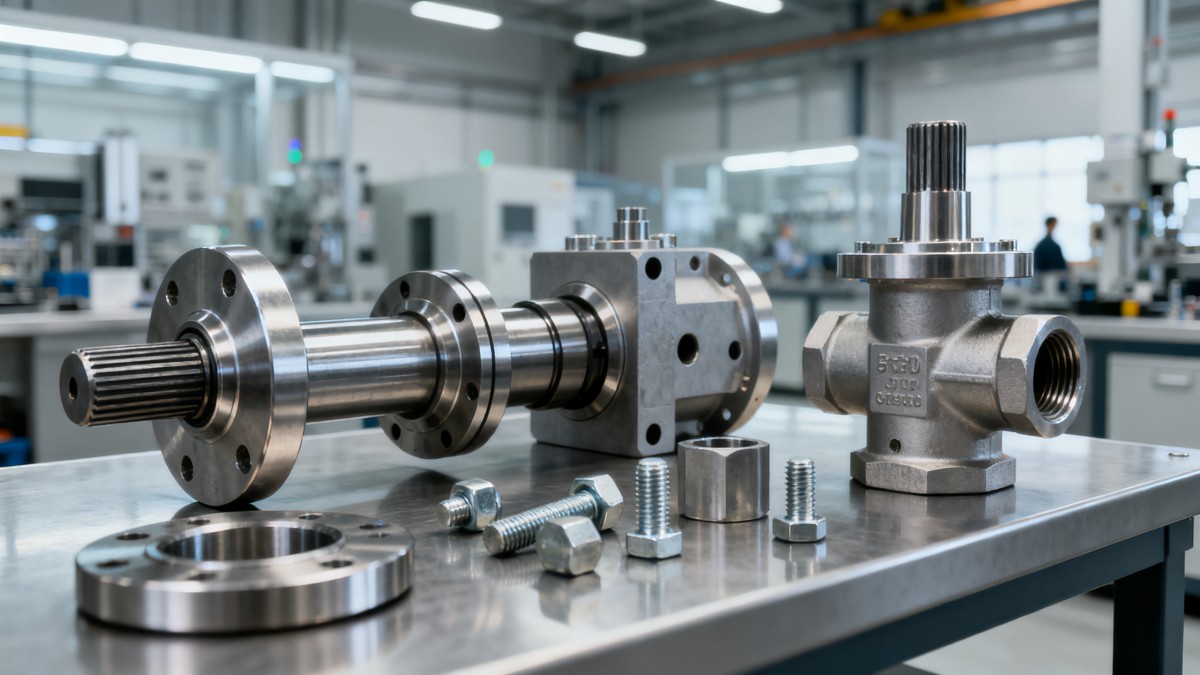
A metal grade may meet nominal chemistry yet have poor inclusion control. A machined component may fit initially but carry surface stresses that accelerate cracking later.
These differences matter because service life depends on the whole chain. Raw material quality, heat treatment, geometry, coating adhesion, and traceability all interact.
In rotating equipment, small hardness variation can change wear rates. In structural assemblies, inconsistent metallurgy can lower fatigue resistance long before visible deformation appears.
For seals, shafts, fasteners, valves, housings, and fabricated parts, the hidden gap is often not one defect. It is a stack of minor compromises.
Typical hidden gaps include:
- chemical composition drifting near tolerance limits
- uneven heat treatment and hardness distribution
- poor surface finish that traps contaminants
- microcracks from forming or welding
- coating thickness inconsistency
- missing test records or weak traceability
When Components & Metals are selected only by unit cost, these issues are easier to miss. The result is shorter replacement intervals and harder root-cause analysis.
Which material factors reduce service life the fastest?
The fastest service-life losses usually come from material mismatch. A technically correct part can still fail if the alloy does not match the operating environment.
Corrosion is a leading example. Stainless steel in chloride-rich settings may pit quickly if grade selection ignores temperature, concentration, and crevice exposure.
Wear is another major driver. Components & Metals used in sliding, abrasive, or impact contact need hardness, toughness, and finish balanced for the duty cycle.
Fatigue also destroys service life quietly. Repeated loading can initiate cracks at inclusions, sharp corners, weld toes, or poorly machined surfaces.
High temperature adds another risk. Some metals lose strength, creep resistance, or oxidation performance faster than expected in continuous thermal exposure.
High-impact material variables to verify:
- Base alloy suitability for corrosion, pressure, and temperature.
- Hardness range after heat treatment.
- Cleanliness level and inclusion control.
- Residual stress from machining, casting, or forming.
- Compatibility with coatings, lubricants, and mating materials.
A lower-grade substitute may seem acceptable during startup. Yet under real loads, service life can collapse far earlier than the maintenance plan assumed.
How do machining precision and finishing affect Components & Metals performance?
Precision errors directly affect load distribution, sealing, alignment, and vibration. Even durable Components & Metals lose service life when dimensional control is weak.
A shaft with slight runout can overload bearings. A flange face with poor flatness can create leakage paths. A rough bore can damage seals during initial operation.
Surface finish is especially important. Rough surfaces raise friction, retain moisture, and create micro-notches where fatigue cracks can begin.
Edge preparation also matters. Sharp transitions increase stress concentration, while proper radiusing improves fatigue life in many metal components.
Threads, keyways, grooves, and weld-prep areas are common failure points. If tolerances are technically within range but poorly controlled, field reliability still suffers.
Useful inspection checks:
- dimensional reports on critical interfaces
- surface roughness records for sealing zones
- concentricity and flatness verification
- NDT for crack-prone transitions
- post-machining cleanliness confirmation
For Components & Metals in pumps, motors, enclosures, and process equipment, better machining often lowers total lifecycle cost more than cheaper replacements do.
Why do coatings, corrosion resistance, and compliance standards matter so much?
Many failures start at the surface. Components & Metals exposed to humidity, chemicals, salt, dust, or UV need protection that matches actual operating conditions.
A coating can fail through poor adhesion, wrong thickness, bad pretreatment, or incompatibility with the substrate. Once breached, corrosion may spread under the film.
Galvanic corrosion is another overlooked issue. Dissimilar metals in contact can accelerate attack, especially when moisture or electrolytes are present.
Compliance standards reduce this risk by forcing consistency. ISO, ASTM, EN, CE, and UL related requirements help define testing, materials, safety, and process control.
Certification alone is not enough, but it improves confidence when linked to mill certificates, inspection plans, and traceable production records.
How can Components & Metals be compared before purchase or installation?
A strong comparison method goes beyond datasheets. Components & Metals should be evaluated by failure mode, operating stress, maintenance burden, and evidence quality.
Start by defining the application clearly. Include temperature range, chemical exposure, pressure, movement, duty cycle, cleaning method, and expected design life.
Then compare suppliers on measurable proof, not marketing claims. Ask for mill test certificates, dimensional records, coating tests, and relevant third-party verification.
Field history is also valuable. Components & Metals that perform in similar industrial conditions offer stronger predictive value than generic catalog descriptions.
A practical evaluation checklist:
- Is the alloy grade proven for the exact environment?
- Are tolerances defined for critical dimensions only?
- Is heat treatment documented by batch?
- Are coating and substrate compatible?
- Can the supplier provide traceability to each lot?
- Are replacement intervals supported by actual service data?
This process helps compare Components & Metals on lifecycle value. It often reveals that the lowest purchase price carries the highest reliability risk.
What common mistakes cause premature failure, and how can they be avoided?
One frequent mistake is assuming all compliant-looking Components & Metals perform the same. Similar appearance does not guarantee equal metallurgy, finish, or durability.
Another mistake is underestimating environment severity. Moisture, cyclic loading, chemicals, and thermal shock often combine, creating harsher conditions than design notes suggest.
Installation errors also shorten life. Over-torquing, contamination, misalignment, and improper storage can damage even high-quality Components & Metals before service begins.
Poor change control is equally risky. Switching alloy source, surface treatment, or machining route without review can alter service life dramatically.
Mistakes to avoid:
- Choosing by specification headline only.
- Ignoring inspection data behind the certificate.
- Using one metal solution across all environments.
- Skipping failure analysis after early wear.
- Treating coatings as a substitute for wrong metallurgy.
The best prevention method is disciplined verification. Check the material system, the production process, and the installation conditions as one reliability package.
Components & Metals determine far more than initial fit. They influence safety, maintenance frequency, shutdown risk, and the true cost of ownership across industrial assets.
When evaluating Components & Metals, focus on service conditions, precision, corrosion resistance, and traceable compliance evidence. Small quality gaps become large operational losses over time.
Use the checks in this guide to review critical parts, compare options, and refine specifications. Better decisions at the material and component level usually deliver longer service life system-wide.
Technical Specifications
- Air Handling Unit Supplier Checklist: Performance Data, Lead Times, and SupportAuthor :Environmental Engineering Director
- Buying Fiberglass Water Tanks Wholesale: Compare Quotes and Delivery CostsAuthor :Environmental Engineering Director
- Choosing an XLPE Power Cable Supplier: Test Reports, Traceability, and Lead TimesAuthor :Grid Infrastructure Analyst
Expert Insights

Chief Security Architect
Dr. Thorne specializes in the intersection of structural engineering and digital resilience. He has advised three G7 governments on industrial infrastructure security.
Related Analysis
- Oct 19, 2026Air Handling Unit Supplier Checklist: Performance Data, Lead Times, and SupportAuthor :Environmental Engineering Director
- Oct 18, 2026Buying Fiberglass Water Tanks Wholesale: Compare Quotes and Delivery CostsAuthor :Environmental Engineering Director
- Oct 17, 2026Choosing an XLPE Power Cable Supplier: Test Reports, Traceability, and Lead TimesAuthor :Grid Infrastructure Analyst
Core Sector // 01
Security & Safety
- How to Select Flange Gaskets for Pressure, Temperature, and Media CompatibilityAuthor :Heavy Industry Strategist

- Selecting High-Temperature Gaskets for Steam, Flanges, and Thermal CyclingAuthor :Heavy Industry Strategist

- Selecting Low-Friction Pneumatic Seals for High-Cycle, Low-Pressure CylindersAuthor :Heavy Industry Strategist

- Selecting Spherical Roller Bearings for Mining: Load, Contamination, and Service LifeAuthor :Heavy Industry Strategist

- Do Deep Groove Ball Bearings Need Special Seals in Coastal Humidity?Author :Heavy Industry Strategist

- How to Select Anti Vibration Rubber Shock Absorbers for Machinery and EquipmentAuthor :Heavy Industry Strategist

- When to Specify Induction Hardened Slewing Ring Bearings for Heavy-Duty EquipmentAuthor :Heavy Industry Strategist

- How to Evaluate Weather Resistant EPDM Extrusion for Outdoor Sealing ApplicationsAuthor :Heavy Industry Strategist