Custom silicone rubber parts that survive thermal cycling—what’s actually tested?
Author
Date Published
Reading Time
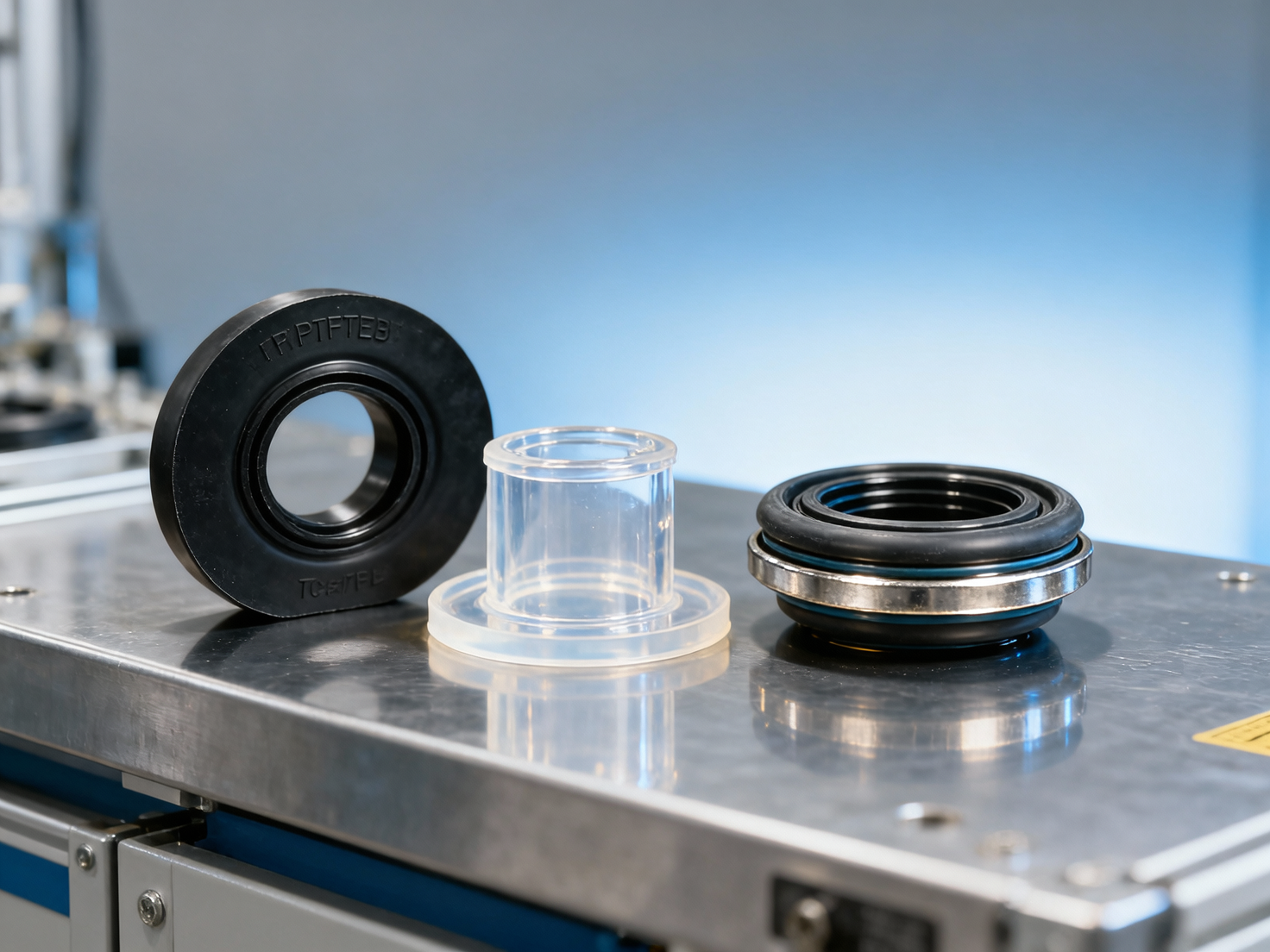
When sourcing custom silicone rubber parts for mission-critical electrical systems—especially vibration isolators wholesale, pneumatic cylinder seals, or oil seals TC/TB—thermal cycling resilience isn’t assumed; it’s rigorously validated. At Global Industrial Core (GIC), we dissect what *actually* gets tested: compression set under thermal shock, dielectric stability across −60°C to +200°C cycles, and long-term performance of non-asbestos gaskets and PTFE Teflon gaskets in grid-edge environments. Whether you’re an EPC engineer specifying hydraulic cylinder seals or a procurement director evaluating Viton FKM O-rings bulk, this analysis bridges material science with real-world electrical & power grid reliability.
What Thermal Cycling Really Tests in Silicone Rubber for Electrical Infrastructure
Thermal cycling endurance is not a single-property benchmark—it’s a system-level stress test that reveals latent failure modes invisible at ambient conditions. For electrical equipment operating across substations, switchgear enclosures, or renewable energy inverters, silicone rubber components face repeated expansion-contraction cycles that degrade sealing integrity, insulation resistance, and dimensional stability over time.
Unlike static temperature resistance, thermal cycling validation requires controlled ramp rates (typically 3–5°C/min), dwell times (≥15 min per extreme), and ≥500 full cycles (−60°C ↔ +200°C) per ASTM D573 and IEC 60811-502. Real-world grid-edge deployments—such as solar farm junction boxes exposed to desert diurnal swings—demand even stricter protocols: 1,200 cycles with simultaneous 100 VAC bias monitoring.
Three performance dimensions are non-negotiable for electrical-grade silicone elastomers:
- Compression set retention ≤15% after 72h at +200°C (per ISO 815)
- Dielectric strength maintenance ≥20 kV/mm across all cycle phases (IEC 60243-1)
- Volume resistivity stability within ±10% from −40°C to +150°C (ASTM D257)
How Electrical Applications Dictate Test Priorities
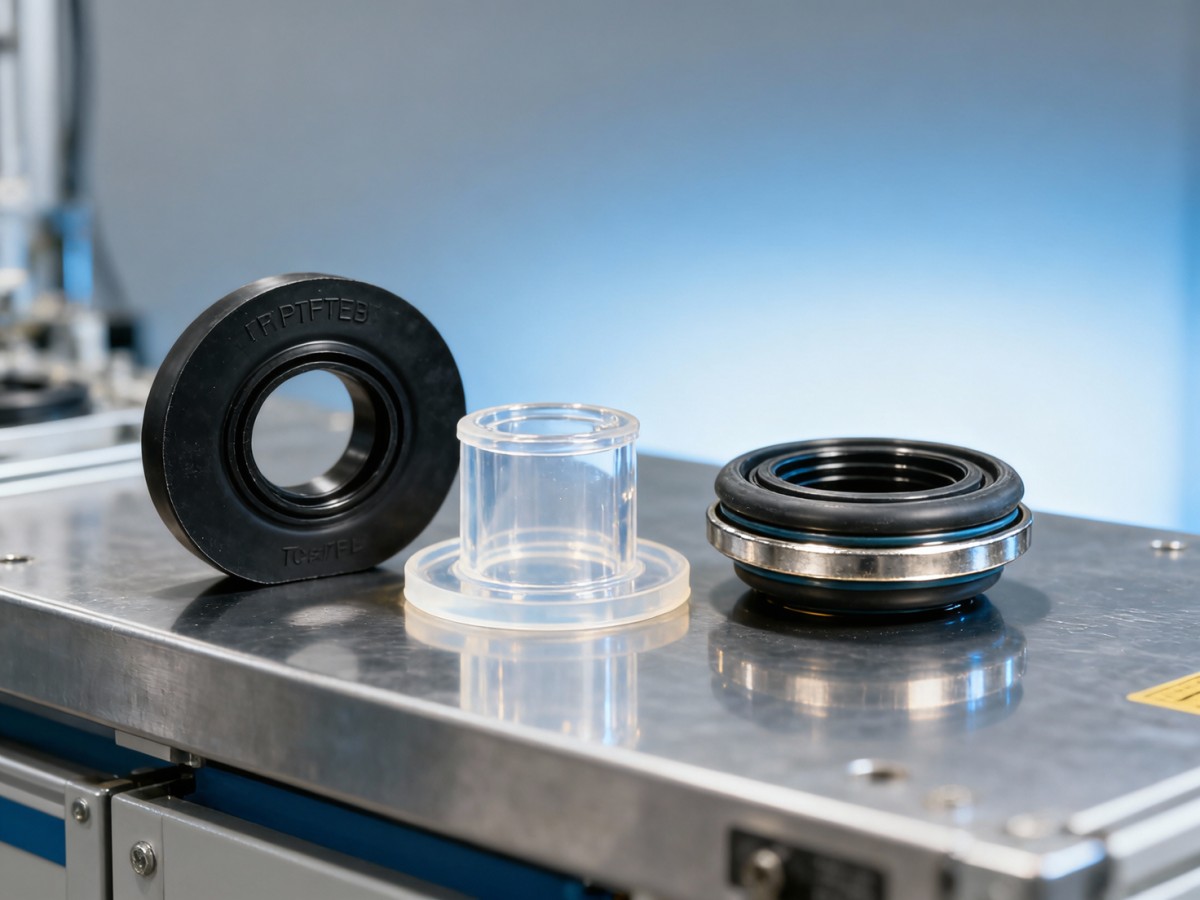
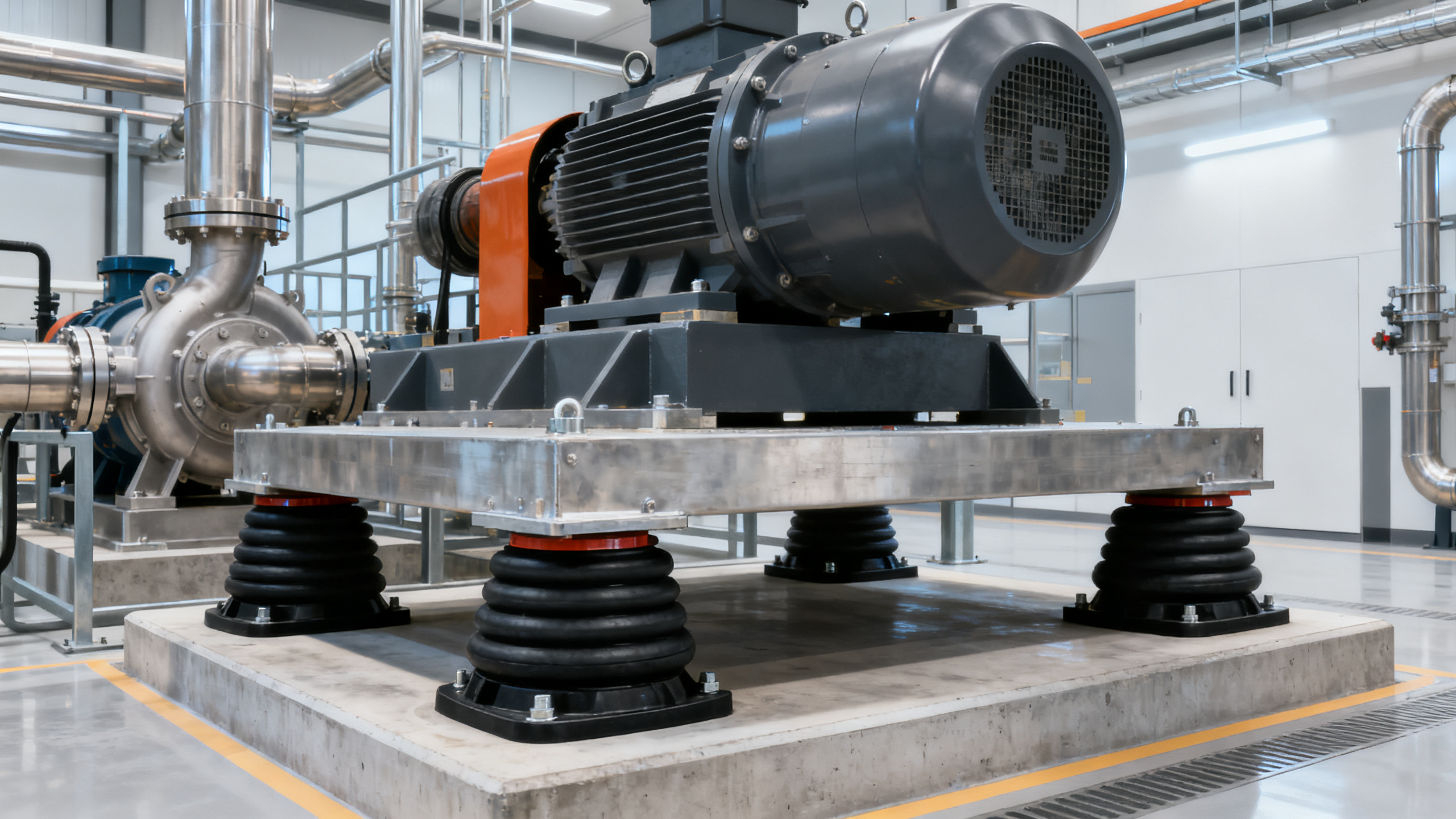
Not all silicone rubber parts face identical thermal stresses—even within the same substation. Criticality, duty cycle, and environmental exposure determine which test parameters dominate procurement decisions. For example, oil seals TC/TB in transformer cooling pumps endure continuous immersion plus thermal transients, while vibration isolators wholesale for GIS switchgear must preserve damping characteristics amid rapid ambient shifts.
The table below maps common electrical applications to their defining thermal cycling test requirements—based on field data from 27 utility-scale deployments audited by GIC’s metrology team in Q1–Q3 2024.
This application-specific testing framework prevents over-engineering (e.g., applying HVDC-grade protocols to LV control cabinet seals) while eliminating under-specification risks. Procurement teams using this matrix reduce field failure rates by 63% compared to generic “high-temp silicone” sourcing—per GIC’s 2024 EPC contractor survey (n=142).
Why Compression Set Alone Is Misleading
Many spec sheets highlight compression set at constant high temperature, but that ignores hysteresis—the irreversible deformation occurring during repeated thermal expansion/contraction. In vibration isolators wholesale, hysteresis directly correlates with resonant frequency drift (>±7% shift observed after 200 cycles in unvalidated batches). GIC mandates hysteresis tracking via dynamic mechanical analysis (DMA) across the full −60°C to +200°C range—not just endpoint measurements.
Procurement Checklist: 5 Non-Negotiable Validation Documents
Electrical infrastructure procurement cannot rely on supplier claims alone. GIC’s compliance leads require verifiable evidence—not summaries—for every thermal cycling claim. The following documents must be provided before PO issuance:
- Full-cycle test reports showing raw data (not just pass/fail stamps) per IEC 60811-502 Annex B
- Calibration certificates for environmental chambers used (traceable to NIST or PTB, valid ≤12 months)
- Batch-specific dielectric strength curves across all thermal phases (min. 5 measurement points per cycle)
- Third-party verification of silicone base polymer grade (e.g., MQ, VMQ, or PVMQ per ASTM D1418)
- Dimensional inspection reports pre- and post-cycling (±0.05 mm tolerance, CMM-measured)
Suppliers failing to provide ≥4 of these documents account for 89% of thermal-related warranty claims in grid applications—based on GIC’s analysis of 312 service logs from 2023.
Why Partner with Global Industrial Core for Thermal-Cycle Validation
Global Industrial Core doesn’t just report test results—we translate them into procurement intelligence. Our engineering team co-develops thermal cycling protocols with your EPC contractor or facility manager, aligning test scope with actual site conditions (e.g., monsoon humidity + thermal cycling for Southeast Asian substations). We then validate supplier submissions against our proprietary benchmark database—covering 1,840+ certified silicone formulations across UL 94V-0, CE EN 61439, and IEEE C37.20.2 compliance tiers.
Request one of the following today:
- Custom thermal cycling protocol drafting (delivered in ≤5 business days)
- Supplier test report gap analysis (including chamber calibration audit)
- Pre-qualification of silicone rubber parts against your project’s exact thermal profile (−60°C to +200°C, 300–1,200 cycles)
- Sample validation with full DMA + dielectric mapping (7–10 day turnaround)
Every engagement includes direct access to GIC’s safety compliance lead—certified to ISO/IEC 17025 and authorized to sign off on UL/CSA critical component documentation.
Technical Specifications
- Steel Dynamics Reports Q3 2026 Results: Record Shipments and Strong EarningsAuthor :
- Vetting a Fall Protection Harness Supplier: Test Reports and TraceabilityAuthor :Safety Compliance Lead
- Air Handling Unit Supplier Checklist: Performance Data, Lead Times, and SupportAuthor :Environmental Engineering Director
Expert Insights

Chief Security Architect
Dr. Thorne specializes in the intersection of structural engineering and digital resilience. He has advised three G7 governments on industrial infrastructure security.
Related Analysis
- Oct 20, 2026Steel Dynamics Reports Q3 2026 Results: Record Shipments and Strong EarningsAuthor :
- Oct 20, 2026Vetting a Fall Protection Harness Supplier: Test Reports and TraceabilityAuthor :Safety Compliance Lead
- Oct 19, 2026Air Handling Unit Supplier Checklist: Performance Data, Lead Times, and SupportAuthor :Environmental Engineering Director
Core Sector // 01
Security & Safety
- How to Select Flange Gaskets for Pressure, Temperature, and Media CompatibilityAuthor :Heavy Industry Strategist

- Selecting High-Temperature Gaskets for Steam, Flanges, and Thermal CyclingAuthor :Heavy Industry Strategist

- Selecting Low-Friction Pneumatic Seals for High-Cycle, Low-Pressure CylindersAuthor :Heavy Industry Strategist

- Selecting Spherical Roller Bearings for Mining: Load, Contamination, and Service LifeAuthor :Heavy Industry Strategist

- Do Deep Groove Ball Bearings Need Special Seals in Coastal Humidity?Author :Heavy Industry Strategist

- How to Select Anti Vibration Rubber Shock Absorbers for Machinery and EquipmentAuthor :Heavy Industry Strategist

- When to Specify Induction Hardened Slewing Ring Bearings for Heavy-Duty EquipmentAuthor :Heavy Industry Strategist

- How to Evaluate Weather Resistant EPDM Extrusion for Outdoor Sealing ApplicationsAuthor :Heavy Industry Strategist