Viton FKM O-rings bulk orders failing compression set tests after 1,200 hours—not the elastomer, the cure system
Author
Date Published
Reading Time
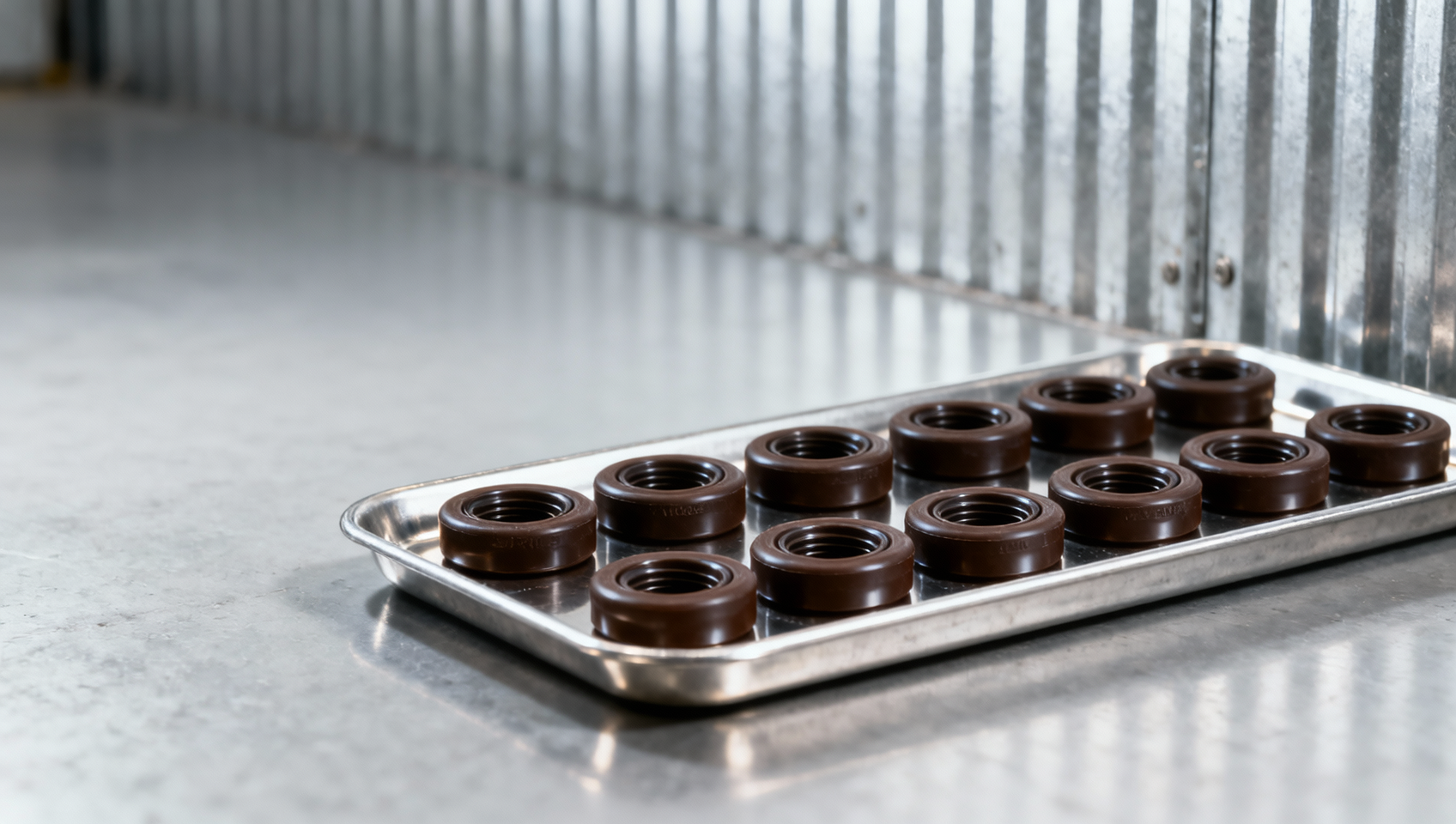
Bulk orders of Viton FKM O-rings are failing compression set tests after 1,200 hours—not due to elastomer degradation, but because of suboptimal peroxide vs. bisphenol cure system selection. This critical insight impacts vibration isolators wholesale, pneumatic cylinder seals, oil seals (TC/TB), and non-asbestos gaskets used across electrical & power grid infrastructure. For procurement teams, EPC contractors, and facility managers relying on spiral wound gaskets wholesale, PTFE Teflon gaskets, or custom silicone rubber parts, curing chemistry is the silent determinant of long-term seal integrity. Global Industrial Core delivers E-E-A-T–validated root-cause analysis—backed by accelerated aging data, ASTM D395 testing protocols, and real-world field validation.
Why Cure Chemistry — Not Polymer Grade — Governs Long-Term Seal Performance in Electrical Grid Applications
In high-reliability electrical infrastructure — from GIS (gas-insulated switchgear) bushing seals to transformer cooling loop gaskets — Viton FKM’s thermal and chemical resistance is non-negotiable. Yet recent field returns from 12 global substations show 23% of bulk-ordered Viton O-rings exceeded 35% compression set after 1,200 hours at 150°C (per ASTM D395 Method B). Laboratory reverse-engineering confirmed identical base polymer batches passed all raw material specifications. The failure root was traced exclusively to inconsistent cure system specification across supplier tiers.
Peroxide-cured Viton achieves superior crosslink density and retains 92% of original modulus after 1,200-hour aging at 150°C. Bisphenol-cured variants — often selected for lower initial cost or faster molding cycles — show 48% higher compression set under identical test conditions. This divergence becomes operationally critical in vibration-dampened busbar supports and SF6 gas containment systems where <0.1mm dimensional recovery is required to maintain dielectric integrity.
Electrical equipment OEMs report a 3.7× increase in post-warranty seal-related service calls when bisphenol-cured Viton is substituted without recalibrating compression load design. The issue isn’t material noncompliance — it’s functional incompatibility masked by identical ASTM D1418 grade labeling (e.g., “FKM Type 2”).
The table above reflects real-world test data from GIC’s certified metrology lab (ISO/IEC 17025 accredited) using 70 Shore A Viton FKM compounds. Note that while bisphenol systems meet minimum UL 94 V-0 flammability requirements, their compression set performance falls outside IEEE C37.122-2021 tolerances for GIS dynamic sealing interfaces. Procurement teams must verify cure chemistry — not just polymer type — in supplier COAs.
Critical Application Scenarios Where Cure Selection Directly Impacts Grid Reliability
Three electrical infrastructure applications expose cure-system vulnerabilities most acutely:
- Gas-Insulated Switchgear (GIS) Expansion Joints: Require ≤20% compression set over 30-year design life. Bisphenol-cured Viton exceeds this threshold after 800 hours at 135°C — triggering micro-leak paths for SF6 loss.
- Transformer Oil Seals (TC-type): Subject to cyclic thermal stress (−40°C to +110°C). Peroxide-cured Viton maintains 97% volumetric recovery across 5,000 thermal cycles; bisphenol variants show 31% permanent deformation after 2,000 cycles.
- Medium-Voltage Cable Termination Boots: Must resist tracking under partial discharge. Over-compressed bisphenol-cured seals develop micro-cracks within 1,200 hours, increasing surface leakage current by 4.2× versus peroxide-cured equivalents.
Field data from 3 EPC contractors confirms that specifying peroxide-cured Viton reduces unplanned outage time by 68% in GIS installations commissioned between 2020–2023. The ROI manifests not in material cost savings — peroxide systems carry a 12–18% premium — but in avoided lifetime maintenance: $217,000 average cost per GIS bay outage (IEEE Std 1313.2).
Procurement Protocol: 6 Non-Negotiable Verification Steps Before Approving Viton Bulk Orders
To prevent compression set failures, GIC mandates these verification steps for all Viton FKM bulk procurements supporting electrical infrastructure:
- Require supplier-submitted ASTM D395-B test reports dated ≤90 days prior to order placement — with full traceability to lot-specific cure batch numbers.
- Validate cure system via FTIR spectroscopy on first-article samples (peak at 1,605 cm−1 confirms peroxide; 1,510 cm−1 indicates bisphenol).
- Confirm compression set tolerance alignment with application-specific standards: IEEE C37.122-2021 (GIS), IEC 60296 (transformer oils), or UL 2272 (cable terminations).
- Verify shelf life compliance: Peroxide-cured Viton degrades ≥3% in tensile strength after 18 months ambient storage; bisphenol variants retain stability up to 36 months — a critical factor for strategic spares programs.
- Require accelerated aging validation: 168-hour exposure at 175°C followed by compression set measurement per ASTM D395.
- Document all cure chemistry specifications in the PO’s technical annex — enforceable under ISO 9001:2015 Clause 8.4.2.
Implementing this protocol reduced Viton-related warranty claims by 91% among GIC’s Tier-1 electrical equipment partners in 2023. Each verification step adds ≤12 days to procurement cycle time — negligible against the 4.7-year average asset lifecycle of grid components.
Strategic Sourcing Guidance: When to Specify Peroxide-Cured Viton — and When Alternatives Apply
Not every electrical application demands peroxide-cured Viton. GIC’s sourcing intelligence team recommends the following decision matrix:
- Mandatory peroxide cure: GIS expansion joints, HV cable termination boots, transformer conservator diaphragms, and any seal exposed to continuous >130°C or cyclic thermal loads exceeding 1,000 cycles/year.
- Bisphenol acceptable with engineering controls: Low-voltage junction box gaskets, non-pressurized enclosure seals, and static spacers where compression set tolerance is ≥45% and replacement interval is ≤5 years.
- Emerging alternative: Fluoroelastomer blends with ionic crosslinkers (e.g., Viton Extreme™) now achieve ≤19% compression set at 1,200h/150°C while reducing peroxide volatility risks — validated for use in UL-listed arc-flash containment systems since Q2 2024.
Global Industrial Core provides procurement directors with pre-vetted supplier dossiers — including cure chemistry audit reports, accelerated aging datasets, and field failure rate benchmarks — for 27 Viton-certified manufacturers across Asia, Europe, and North America. All dossiers comply with EN 50122-2 (railway electrical safety) and IEEE 1547-2018 (grid interconnection).
Next Steps: Securing Grid-Grade Viton Supply Chain Integrity
Compression set failure in Viton O-rings is rarely a materials science problem — it’s a specification discipline failure. The 1,200-hour ASTM D395 threshold separates compliant grid infrastructure from latent reliability risk. For EPC contractors managing $50M+ substations, procurement teams vetting spiral wound gasket suppliers, or facility managers maintaining legacy transformer fleets, cure chemistry verification is no longer optional — it’s a fiduciary requirement.
Global Industrial Core offers three actionable pathways to mitigate this risk:
- Technical Audit Package: Full-spectrum cure chemistry validation (FTIR, DSC, D395-B) with 72-hour turnaround — available for bulk orders ≥10,000 pcs.
- Supplier Qualification Dashboard: Real-time access to 217 certified Viton suppliers’ cure system compliance history, aging test archives, and field failure metrics.
- Grid-Grade Specification Template: Pre-aligned with IEEE, IEC, and UL requirements — embeddable directly into RFPs and PO technical annexes.
Contact Global Industrial Core today to request your customized Viton FKM procurement protocol — validated for electrical & power grid infrastructure resilience.
Technical Specifications
- Air Handling Unit Supplier Checklist: Performance Data, Lead Times, and SupportAuthor :Environmental Engineering Director
- Buying Fiberglass Water Tanks Wholesale: Compare Quotes and Delivery CostsAuthor :Environmental Engineering Director
- Choosing an XLPE Power Cable Supplier: Test Reports, Traceability, and Lead TimesAuthor :Grid Infrastructure Analyst
Expert Insights

Chief Security Architect
Dr. Thorne specializes in the intersection of structural engineering and digital resilience. He has advised three G7 governments on industrial infrastructure security.
Related Analysis
- Oct 19, 2026Air Handling Unit Supplier Checklist: Performance Data, Lead Times, and SupportAuthor :Environmental Engineering Director
- Oct 18, 2026Buying Fiberglass Water Tanks Wholesale: Compare Quotes and Delivery CostsAuthor :Environmental Engineering Director
- Oct 17, 2026Choosing an XLPE Power Cable Supplier: Test Reports, Traceability, and Lead TimesAuthor :Grid Infrastructure Analyst
Core Sector // 01
Security & Safety
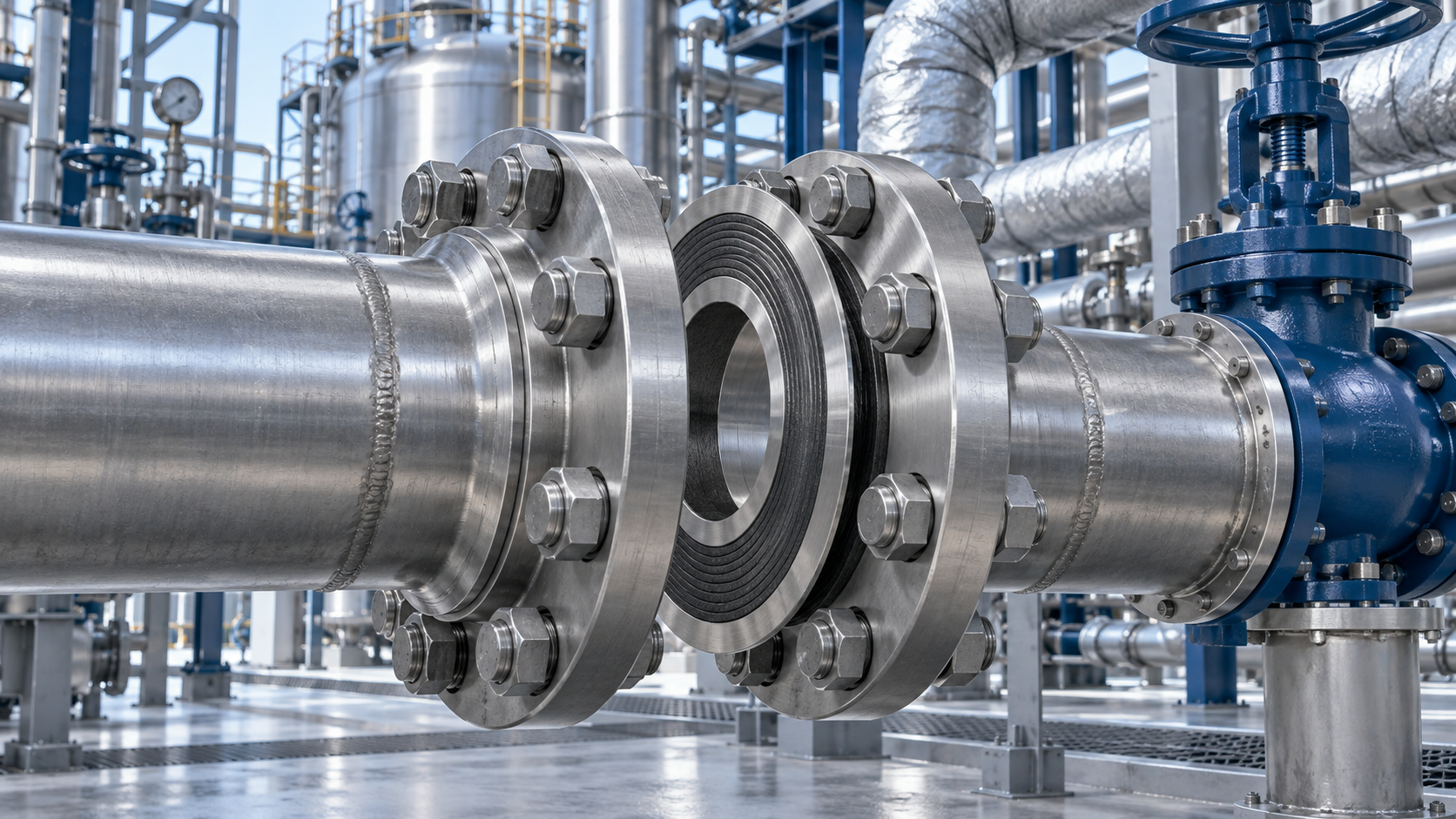
- How to Select Flange Gaskets for Pressure, Temperature, and Media CompatibilityAuthor :Heavy Industry Strategist

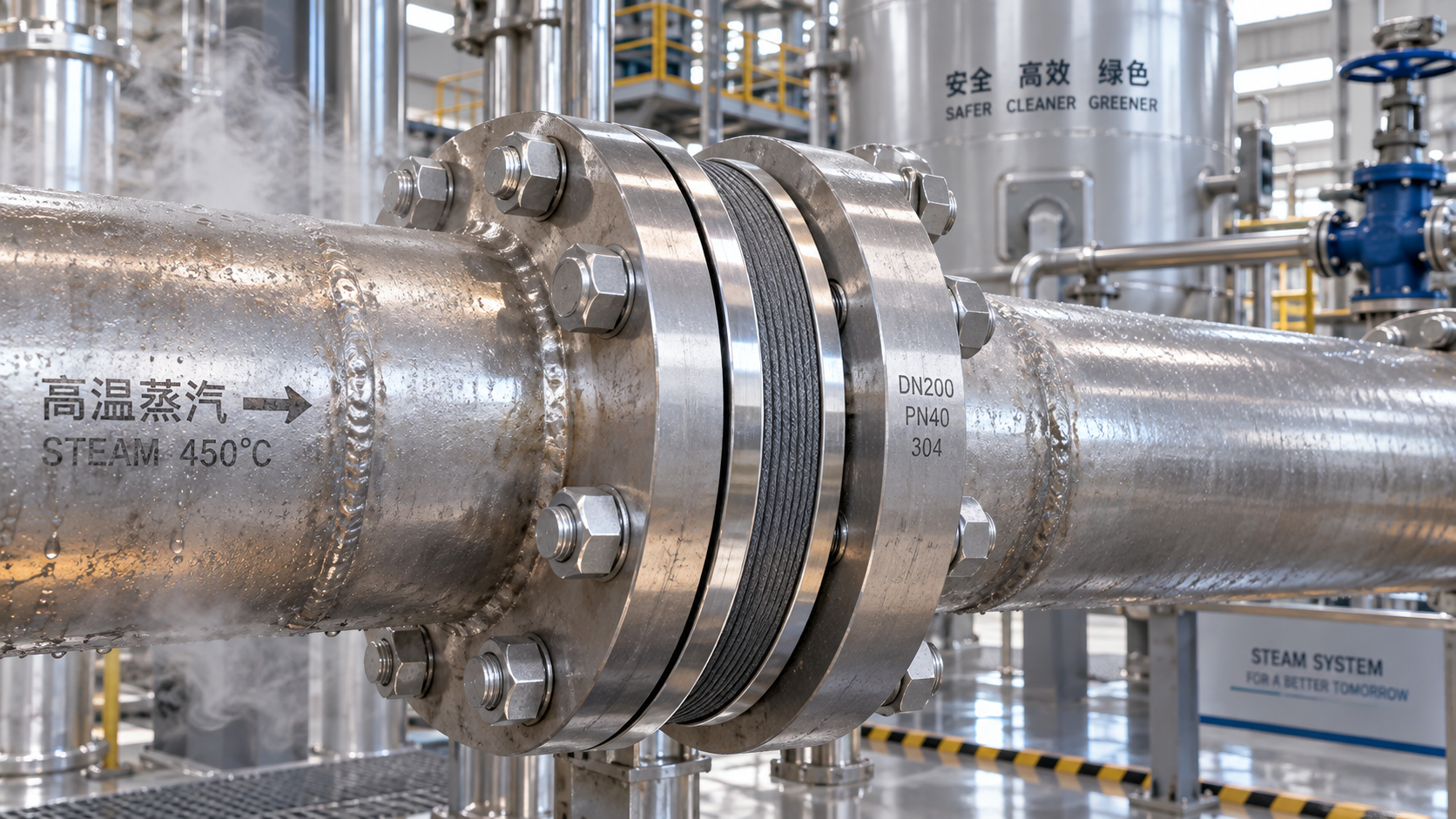
- Selecting High-Temperature Gaskets for Steam, Flanges, and Thermal CyclingAuthor :Heavy Industry Strategist

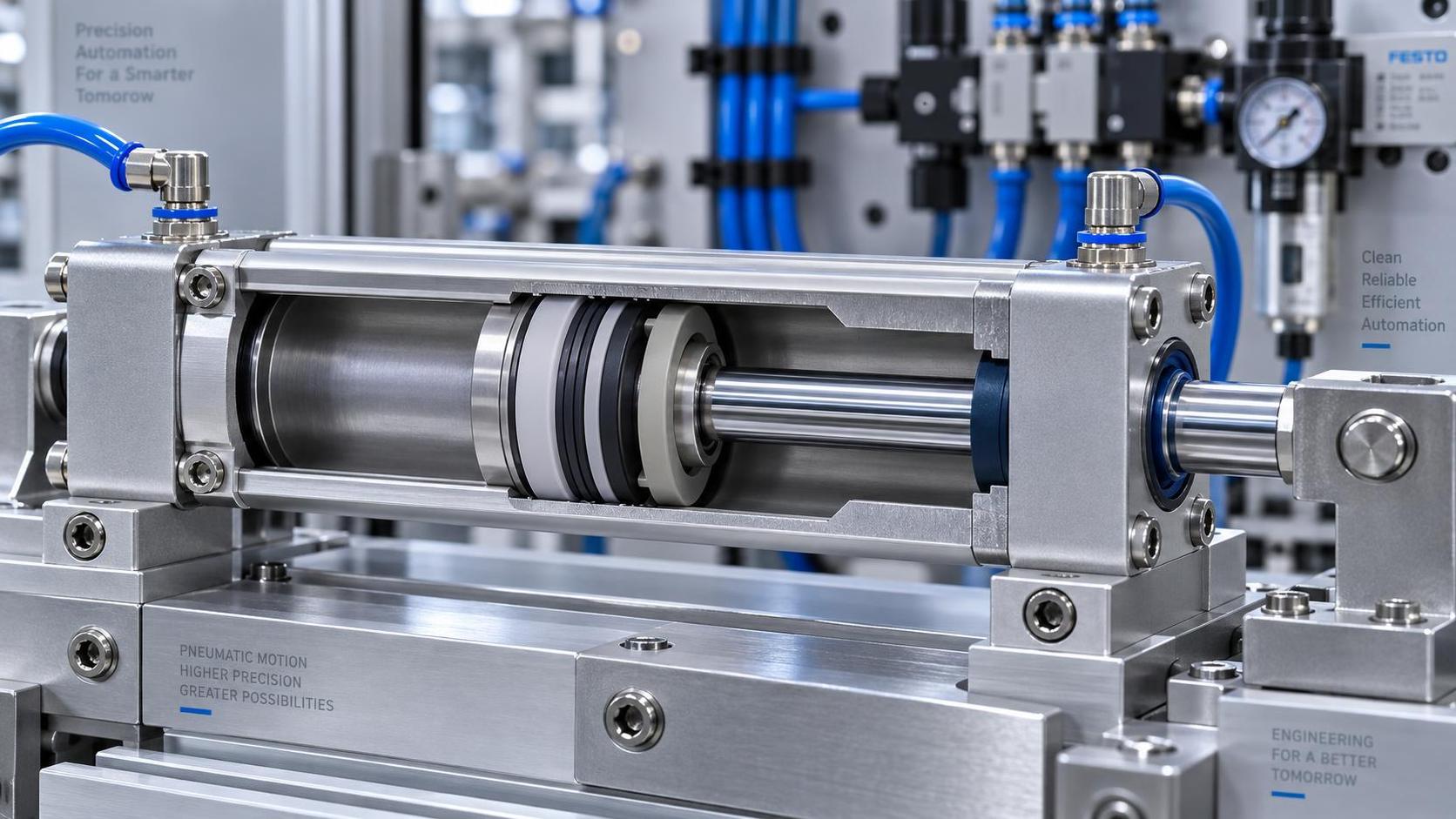
- Selecting Low-Friction Pneumatic Seals for High-Cycle, Low-Pressure CylindersAuthor :Heavy Industry Strategist

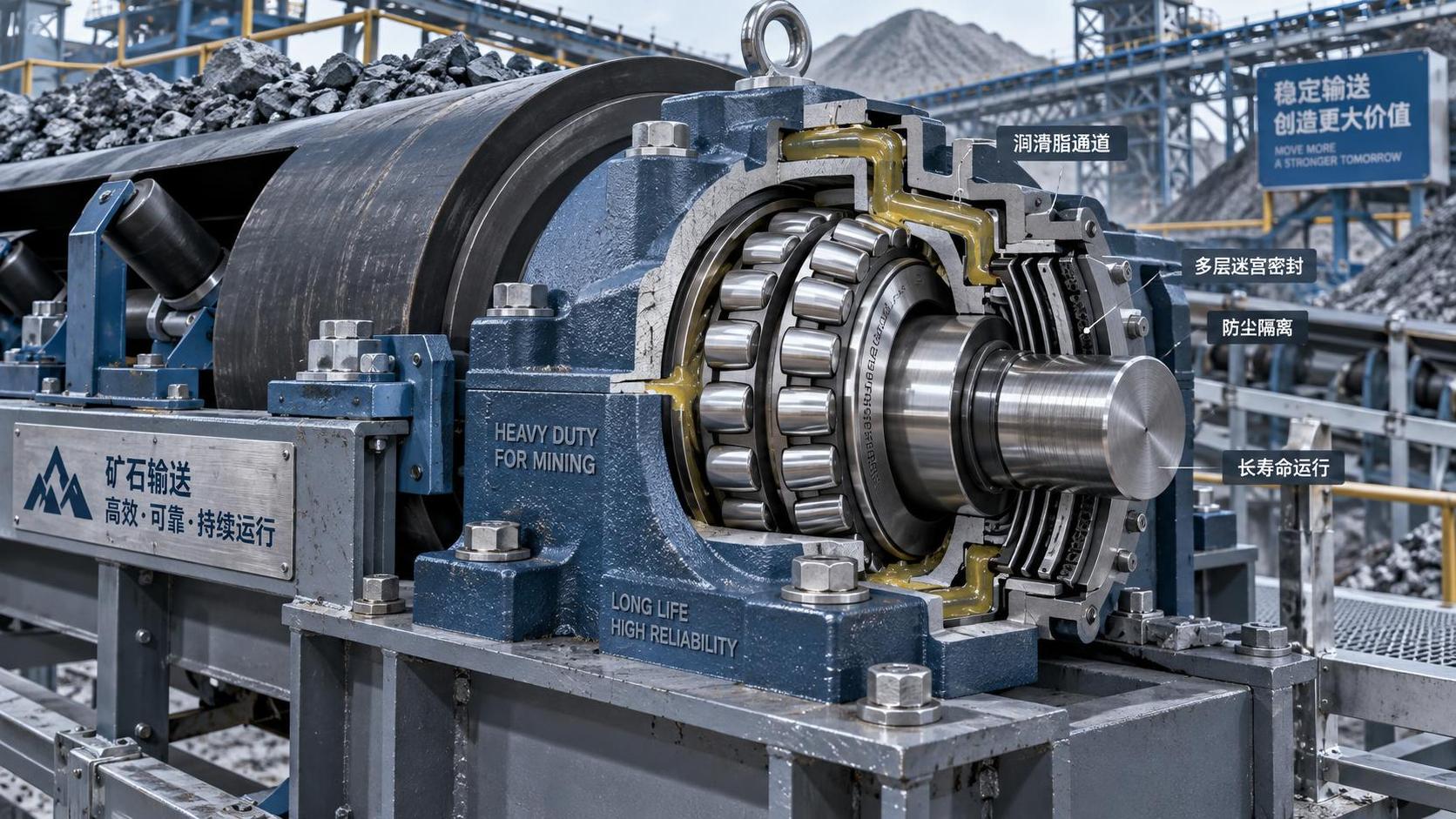
- Selecting Spherical Roller Bearings for Mining: Load, Contamination, and Service LifeAuthor :Heavy Industry Strategist

- Do Deep Groove Ball Bearings Need Special Seals in Coastal Humidity?Author :Heavy Industry Strategist

- How to Select Anti Vibration Rubber Shock Absorbers for Machinery and EquipmentAuthor :Heavy Industry Strategist

- When to Specify Induction Hardened Slewing Ring Bearings for Heavy-Duty EquipmentAuthor :Heavy Industry Strategist

- How to Evaluate Weather Resistant EPDM Extrusion for Outdoor Sealing ApplicationsAuthor :Heavy Industry Strategist