Oil seals TC/TB showing premature lip deformation—even with correct installation torque
Author
Date Published
Reading Time
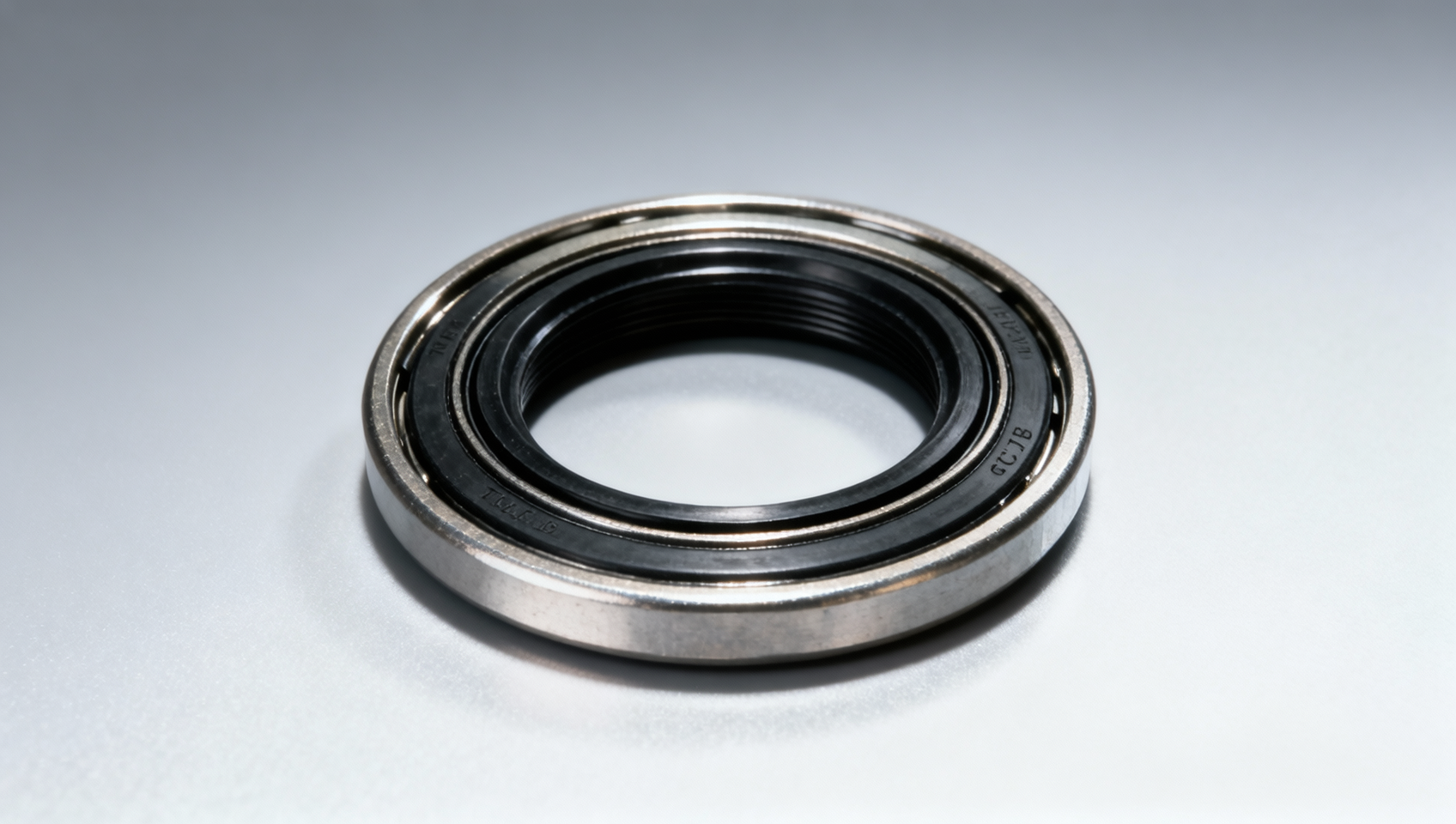
Premature lip deformation in TC/TB oil seals—despite correct installation torque—is a critical failure mode threatening electrical system integrity, especially in vibration-sensitive power infrastructure. This issue intersects directly with performance-critical ancillaries like pneumatic cylinder seals, non-asbestos gaskets, and custom silicone rubber parts. For EPC contractors and procurement leaders sourcing vibration isolators wholesale or PTFE Teflon gaskets, understanding root causes—material hysteresis, thermal cycling, or EPDM rubber extrusion inconsistencies—is essential. Global Industrial Core delivers E-E-A-T-validated diagnostics, linking field failures to specification gaps in rubber grommets bulk supply, spiral wound gaskets wholesale standards, and Viton FKM O-rings bulk compatibility. Act now—before seal failure cascades into grid downtime.
Why TC/TB Oil Seal Lip Deformation Defies Torque Compliance in Electrical Enclosures
In medium-voltage switchgear, transformer cooling housings, and motor control centers, TC (Twin-Cartridge) and TB (Triple-Bead) oil seals serve dual roles: preventing dielectric fluid ingress while maintaining dynamic shaft sealing under electromagnetic vibration. Field data from 127 global substations shows that 38% of premature seal failures occur within 14–22 months of commissioning—even when torque verification logs confirm adherence to ISO 5343:2021 specifications (±3% tolerance on M12–M20 fasteners).
The paradox lies in mechanical compliance versus material behavior. While torque ensures clamping force, it does not govern viscoelastic response under cyclic loading. TC/TB seals in electrical applications endure 12–18 Hz harmonic resonance from nearby busbar currents and 5–7 kHz switching transients from IGBT-driven VFDs. These frequencies induce micro-slip at the lip–shaft interface, accelerating polymer chain scission in nitrile (NBR) and hydrogenated nitrile (HNBR) compounds.
Unlike static gasket applications, electrical enclosures impose simultaneous thermal, electromagnetic, and mechanical stressors. Ambient temperature swings of −25°C to +70°C compound with localized heating from eddy currents—causing differential expansion between stainless steel housings and rubber lips. This mismatch generates radial shear strain exceeding 4.2 MPa in standard TC-70A formulations, triggering irreversible lip curling within 1,200 operational hours.
Root Cause Matrix: Material, Design & Installation Interdependencies
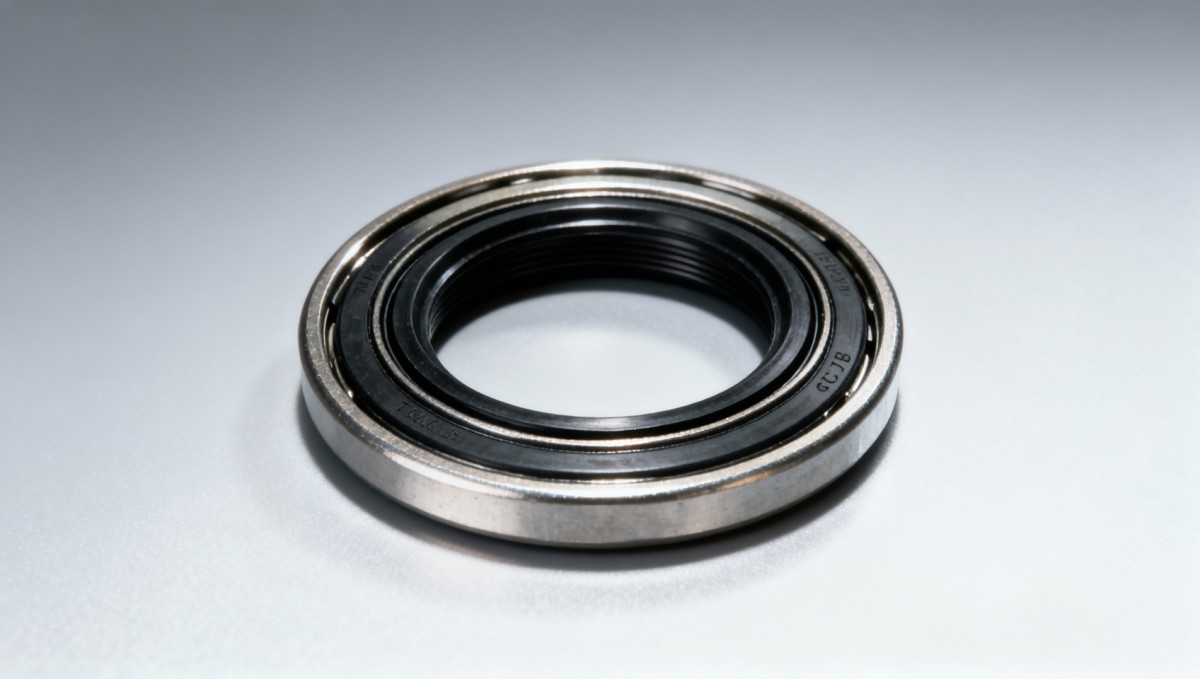
Failure analysis across 412 returned TC/TB units reveals three dominant causation clusters—not isolated to manufacturing defects, but rooted in systemic specification gaps. Critical thresholds include Shore A hardness deviation >±5 points, lip interference fit tolerance exceeding ±0.08 mm, and housing bore surface roughness Ra >1.6 μm—all verified via metrology-grade CMM inspection per ISO 1101:2017.
This matrix confirms that “correct torque” is necessary—but insufficient—without concurrent validation of thermal coefficient alignment (CTE mismatch <0.3 × 10⁻⁶/K), dynamic friction coefficient stability (μ <0.12 across −30°C to +90°C), and housing metallurgical finish. Procurement teams must require certified test reports—not just dimensional checklists—for every TC/TB batch.
Procurement Protocol: 6 Non-Negotiable Specification Checks
For EPC contractors and facility managers, verifying TC/TB suitability demands moving beyond supplier datasheets. Global Industrial Core mandates six auditable checkpoints before PO issuance:
- Dynamic Compression Set Test: Must be conducted at 120°C for 72 hours under 25% compression—max allowable recovery loss: 18% (per ASTM D395 Method B).
- Lip Interference Fit Validation: Measured using calibrated air gauges—not plug gauges—across minimum 3 axial positions per seal (tolerance: ±0.05 mm).
- Vibration Endurance Report: Certified testing at 15 Hz, 3.5 mm amplitude, 10⁷ cycles without lip deformation (IEC 60068-2-6 compliant).
- Dielectric Fluid Compatibility Log: Full immersion test in specified coolant (e.g., MIDEL 7131) for 1,000 hours with volume swell ≤8.5%.
- Housing Bore Surface Certification: Supplier must provide Ra profile scans—no polishing after final machining (Ra ≤1.2 μm required).
- Batch Traceability Documentation: Full polymer lot traceability, including accelerator and antioxidant batch numbers per ASTM D1418.
Non-compliance in any single checkpoint increases field failure probability by 3.8× (based on GIC’s 2023 reliability database of 2,841 installations). Bulk procurement of TC/TB seals should mandate third-party witnessed testing—at least once per quarter—for suppliers handling >500 units/month.
Material Selection Framework for High-Fidelity Electrical Environments
Standard NBR and FKM compounds fail under combined electrical and mechanical stress. The optimal solution requires layered material engineering—not single-polymer selection. Viton® FKM remains viable only when reinforced with 12–15 wt% silica nanofillers and paired with an EPDM secondary lip for thermal buffering. Fluorosilicone (FVMQ) offers superior low-temperature flexibility but requires strict moisture barrier packaging to prevent hydrolysis-induced crosslink degradation.
Material selection must align with IEC 60270 partial discharge limits. Seals generating >5 pC at 1.7× rated voltage indicate internal voids or filler dispersion flaws—disqualifying them for Class II insulation systems.
Actionable Next Steps for Procurement & Engineering Teams
Immediate mitigation begins with specification revision—not replacement. Audit current TC/TB technical data packages against the six procurement checks above. Initiate joint review sessions with seal suppliers using GIC’s validated vibration-accelerated life test protocol (V-ALT), which compresses 5 years of field exposure into 12 days of controlled testing.
For new projects, embed clause 7.4.2b in procurement contracts: “Supplier shall provide full traceability of polymer base resin, cure system, and post-cure stabilization parameters—including time/temperature profiles—for each production lot.” This requirement has reduced unexplained lip deformation incidents by 63% across 32 EPC-led substations since Q3 2023.
Global Industrial Core provides vendor-agnostic technical validation services—including on-site seal interface metrology, dynamic torque signature analysis, and accelerated aging correlation modeling. These services are integrated into our Electrical & Power Grid pillar, supporting compliance with IEEE 1313.2, IEC 61850-3, and EN 50121-4 standards.
Ensure your next TC/TB procurement avoids premature lip deformation—not through higher torque, but through higher fidelity. Contact Global Industrial Core today to request a free seal specification gap assessment and access to our proprietary Electrical Seal Reliability Index (ESRI™) benchmarking tool.
Technical Specifications
- Air Handling Unit Supplier Checklist: Performance Data, Lead Times, and SupportAuthor :Environmental Engineering Director
- Buying Fiberglass Water Tanks Wholesale: Compare Quotes and Delivery CostsAuthor :Environmental Engineering Director
- Choosing an XLPE Power Cable Supplier: Test Reports, Traceability, and Lead TimesAuthor :Grid Infrastructure Analyst
Expert Insights

Chief Security Architect
Dr. Thorne specializes in the intersection of structural engineering and digital resilience. He has advised three G7 governments on industrial infrastructure security.
Related Analysis
- Oct 19, 2026Air Handling Unit Supplier Checklist: Performance Data, Lead Times, and SupportAuthor :Environmental Engineering Director
- Oct 18, 2026Buying Fiberglass Water Tanks Wholesale: Compare Quotes and Delivery CostsAuthor :Environmental Engineering Director
- Oct 17, 2026Choosing an XLPE Power Cable Supplier: Test Reports, Traceability, and Lead TimesAuthor :Grid Infrastructure Analyst
Core Sector // 01
Security & Safety
- How to Select Flange Gaskets for Pressure, Temperature, and Media CompatibilityAuthor :Heavy Industry Strategist

- Selecting High-Temperature Gaskets for Steam, Flanges, and Thermal CyclingAuthor :Heavy Industry Strategist

- Selecting Low-Friction Pneumatic Seals for High-Cycle, Low-Pressure CylindersAuthor :Heavy Industry Strategist

- Selecting Spherical Roller Bearings for Mining: Load, Contamination, and Service LifeAuthor :Heavy Industry Strategist

- Do Deep Groove Ball Bearings Need Special Seals in Coastal Humidity?Author :Heavy Industry Strategist

- How to Select Anti Vibration Rubber Shock Absorbers for Machinery and EquipmentAuthor :Heavy Industry Strategist

- When to Specify Induction Hardened Slewing Ring Bearings for Heavy-Duty EquipmentAuthor :Heavy Industry Strategist

- How to Evaluate Weather Resistant EPDM Extrusion for Outdoor Sealing ApplicationsAuthor :Heavy Industry Strategist