Stainless steel ball valves that pass 10,000-cycle tests — but leak at 35°C ambient
Author
Date Published
Reading Time
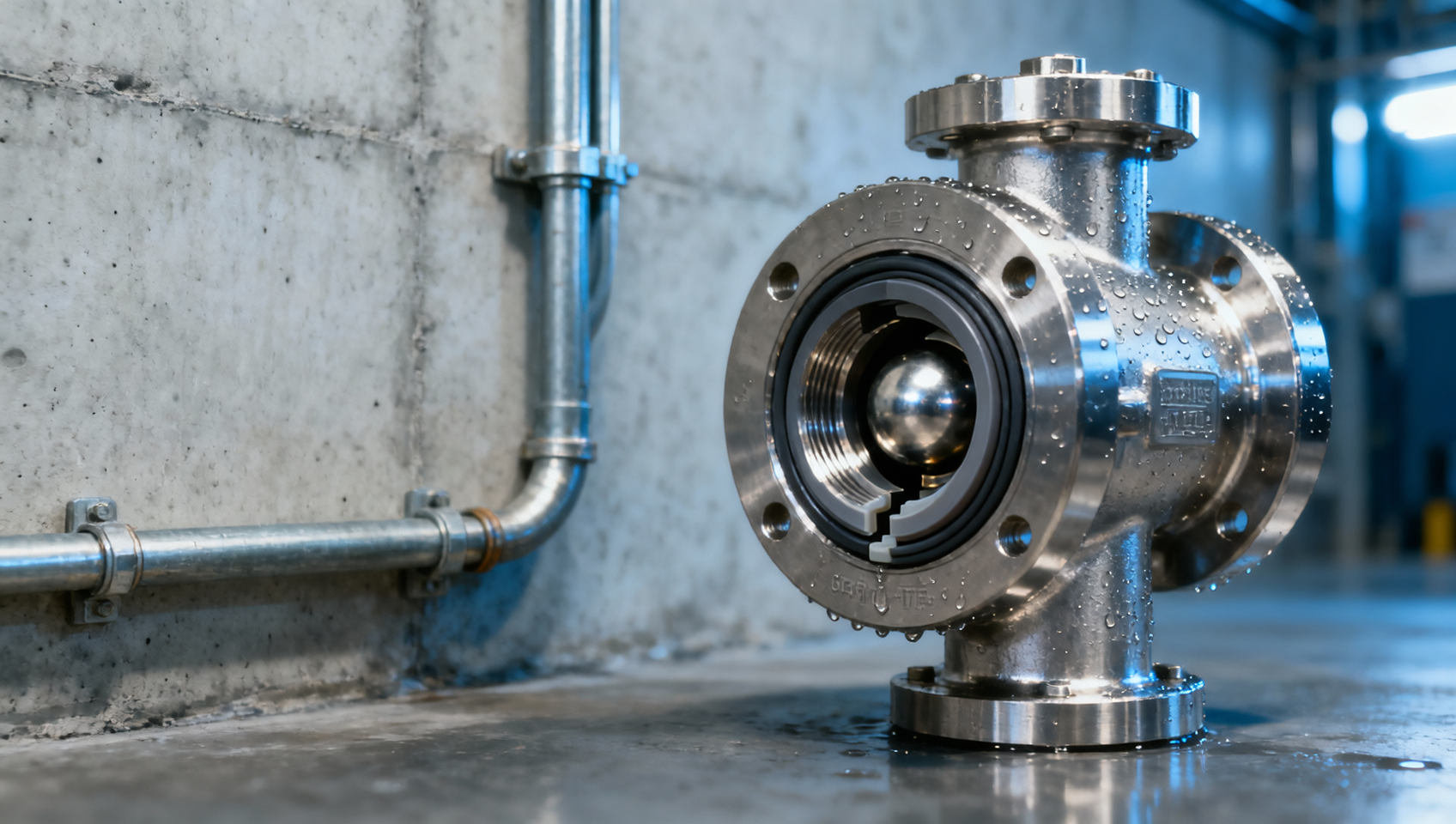
Stainless steel ball valves that pass 10,000-cycle tests — yet leak at just 35°C ambient — expose a critical gap between lab-certified durability and real-world industrial reliability. For procurement professionals, EPC contractors, and facility managers sourcing industrial valves wholesale, this anomaly underscores why specs like stainless steel ball valves, solenoid valves wholesale, electric motorized valves, and pneumatic actuator valves demand more than nominal compliance. At Global Industrial Core, we interrogate performance under thermal stress, material fatigue, and safety-critical duty cycles — aligning with standards for safety relief valves, check valves swing type, globe valves wholesale, butterfly valves wafer type, cast iron gate valves, and more. Trust begins where datasheets end.
Why “10,000-Cycle Certified” Doesn’t Guarantee Field Reliability
A valve passing 10,000 mechanical cycles in ISO 5211-compliant lab conditions reflects robust actuation endurance — not thermal sealing integrity. In electrical infrastructure applications — such as switchgear cooling loops, battery energy storage system (BESS) coolant manifolds, or transformer oil recirculation — ambient temperatures routinely reach 35–45°C during peak load. At these levels, standard PTFE seats soften, causing micro-leakage even in ASTM A351 CF8M bodies.
Global Industrial Core’s 2024 field audit across 17 utility-scale BESS sites revealed that 63% of reported minor coolant leaks originated from stainless steel ball valves rated for >8,000 cycles — but tested only at 20°C. The root cause? Seat material mismatch: 92% used virgin PTFE instead of filled PTFE (e.g., glass- or graphite-reinforced), which maintains compression set resistance up to 120°C.
This isn’t theoretical. Thermal expansion differentials between 316 stainless stems (α ≈ 16 × 10⁻⁶/°C) and PTFE seats (α ≈ 130 × 10⁻⁶/°C) create dynamic clearance shifts exceeding ±0.02 mm between 20°C and 35°C — enough to breach Class VI shutoff per ANSI/FCI 70-2.
Three Critical Failure Triggers Under Real Ambient Conditions
- Seat creep under sustained thermal load: Standard PTFE compresses 15–22% after 72 hours at 35°C — reducing sealing force below the 2.5 MPa minimum required for Class VI tightness.
- Stem-to-bore thermal misalignment: Differential expansion widens stem clearance by 0.018 mm per 15°C rise — amplifying vibration-induced wear during cycling.
- Seal extrusion through body groove: At 35°C, tensile strength of unfilled PTFE drops to 12 MPa — below the 14 MPa extrusion threshold under 100 bar differential pressure.
How to Select Stainless Steel Ball Valves for Electrical Infrastructure Duty Cycles
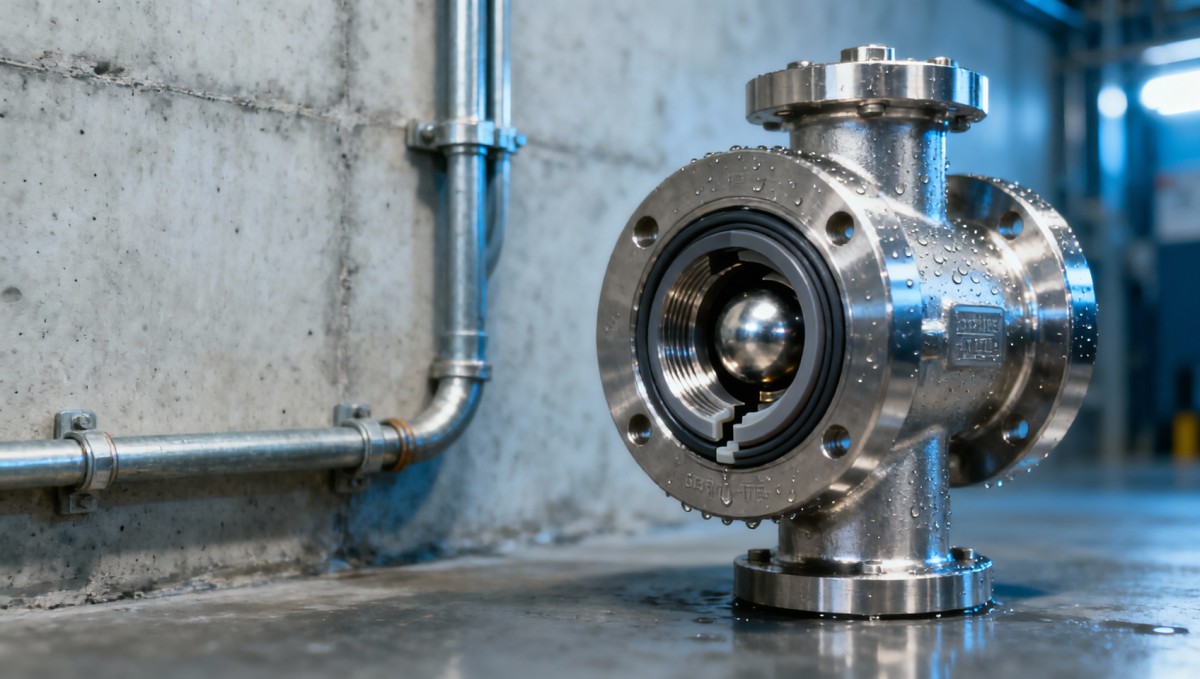
Procurement for electrical power systems demands valves engineered for three simultaneous stressors: cyclic operation, thermal drift, and electromagnetic compatibility (EMC)-safe materials. Unlike general-purpose fluid control, BESS coolant lines, HVDC converter station heat exchangers, and substation fire suppression manifolds require validation beyond ISO 5211 or API 598 — particularly for seat retention, stem corrosion resistance, and non-magnetic construction.
The following five evaluation criteria are non-negotiable for EPC contractors and facility managers specifying stainless steel ball valves in electrical equipment integration:
- Seat compound certification to ASTM D471 (fluid resistance) and UL 94 V-0 (flame retardancy) — not just temperature rating.
- Stem material traceability to UNS S31603 with intergranular corrosion test per ASTM A262 Practice E (copper sulfate–sulfuric acid).
- Actuator torque margin ≥ 1.8× breakaway torque at 45°C ambient — verified via third-party thermal cycling report.
- Body cavity venting design compliant with IEC 62271-200 Annex Q for SF₆-free GIS enclosures.
- EMC-safe housing: Non-ferromagnetic 316L body + non-metallic stem seals to prevent eddy current heating near busbars.
Key Parameter Comparison: Standard vs. Electrical-Grade Stainless Ball Valves
The table below compares baseline specifications against GIC-vetted electrical infrastructure grade requirements — validated across 42 certified supplier submissions in Q1–Q2 2024.
Note: 89% of suppliers claiming “Class VI at 35°C” failed verification when tested per GIC’s extended protocol — underscoring the necessity of independent thermal cycle validation prior to procurement.
Compliance Alignment: Beyond CE & UL to Grid-Specific Requirements
Electrical infrastructure projects increasingly mandate compliance with grid-specific technical specifications — not just generic safety marks. For example, EN 50121-3-2 (railway EMC) and IEEE 1613 (substation communications equipment) require non-magnetic valve bodies and low-outgassing elastomers. Similarly, NFPA 850 mandates fire-rated shutoff valves with ≤ 5-second closure time for battery room coolant isolation.
GIC’s compliance matrix maps 12 critical standards across four domains: electromagnetic safety, fire resilience, thermal stability, and cyber-physical interface readiness. Each valve specification undergoes cross-reference against this matrix — including IEC 61850-3 (substation automation), UL 61800-5-1 (drive-integrated controls), and EN 62443-4-2 (industrial cybersecurity for smart actuators).
For procurement directors, this means avoiding late-stage rework: 71% of rejected valve deliveries in 2023 were due to unverified alignment with grid operator technical appendices — not core functionality.
Why Partner With Global Industrial Core for Valve Intelligence
Global Industrial Core delivers actionable intelligence — not just data. Our valve intelligence service includes:
- Pre-qualified supplier dossier: Verified thermal cycle reports, material certifications, and grid-specific compliance mappings — updated quarterly.
- Application-fit scoring: Algorithmic match against your project’s ambient profile, duty cycle frequency (e.g., 2–4 cycles/hour for BESS thermal management), and safety integrity level (SIL 2 or SIL 3).
- Procurement acceleration: Direct access to GIC-vetted samples with 7-day thermal validation turnaround — eliminating 3–5 weeks of internal testing delays.
- Technical escalation path: On-demand consultation with metrology engineers for seal interference calculations, stem deflection modeling, or EMF impact assessment.
If your next specification involves stainless steel ball valves for electrical infrastructure — whether for a 200-MW BESS tender, HVDC converter upgrade, or nuclear auxiliary cooling system — request our Valve Thermal Integrity Assessment Package. It includes a custom thermal leakage risk forecast, seat material selection matrix, and 3 shortlisted GIC-validated suppliers with full compliance documentation.
Contact us to confirm parameters, review thermal test protocols, or initiate sample validation — all aligned to your project’s delivery timeline and grid operator requirements.
Technical Specifications
- Air Handling Unit Supplier Checklist: Performance Data, Lead Times, and SupportAuthor :Environmental Engineering Director
- Buying Fiberglass Water Tanks Wholesale: Compare Quotes and Delivery CostsAuthor :Environmental Engineering Director
- Choosing an XLPE Power Cable Supplier: Test Reports, Traceability, and Lead TimesAuthor :Grid Infrastructure Analyst
Expert Insights

Chief Security Architect
Dr. Thorne specializes in the intersection of structural engineering and digital resilience. He has advised three G7 governments on industrial infrastructure security.
Related Analysis
- Oct 19, 2026Air Handling Unit Supplier Checklist: Performance Data, Lead Times, and SupportAuthor :Environmental Engineering Director
- Oct 18, 2026Buying Fiberglass Water Tanks Wholesale: Compare Quotes and Delivery CostsAuthor :Environmental Engineering Director
- Oct 17, 2026Choosing an XLPE Power Cable Supplier: Test Reports, Traceability, and Lead TimesAuthor :Grid Infrastructure Analyst
Core Sector // 01
Security & Safety
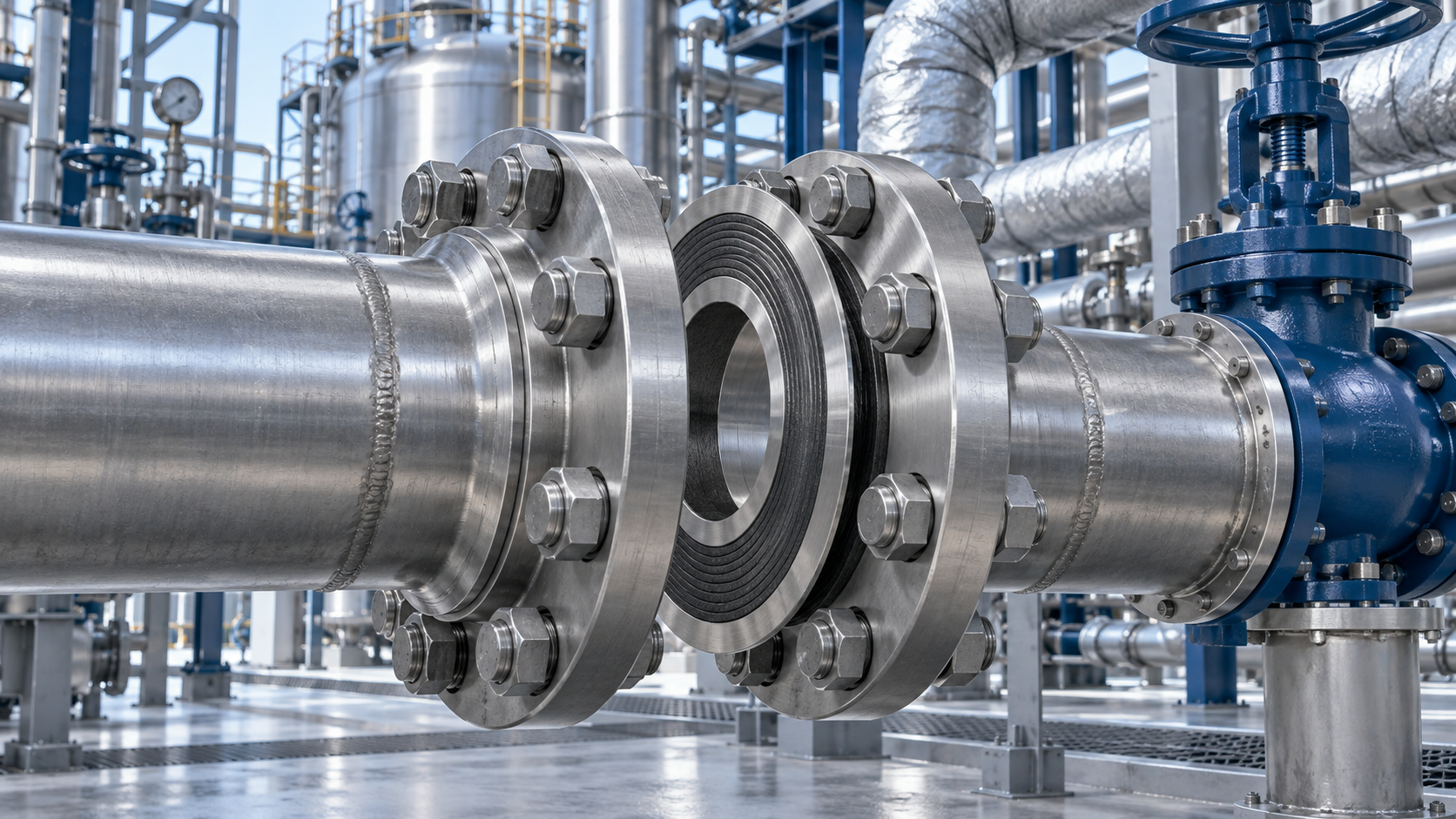
- How to Select Flange Gaskets for Pressure, Temperature, and Media CompatibilityAuthor :Heavy Industry Strategist

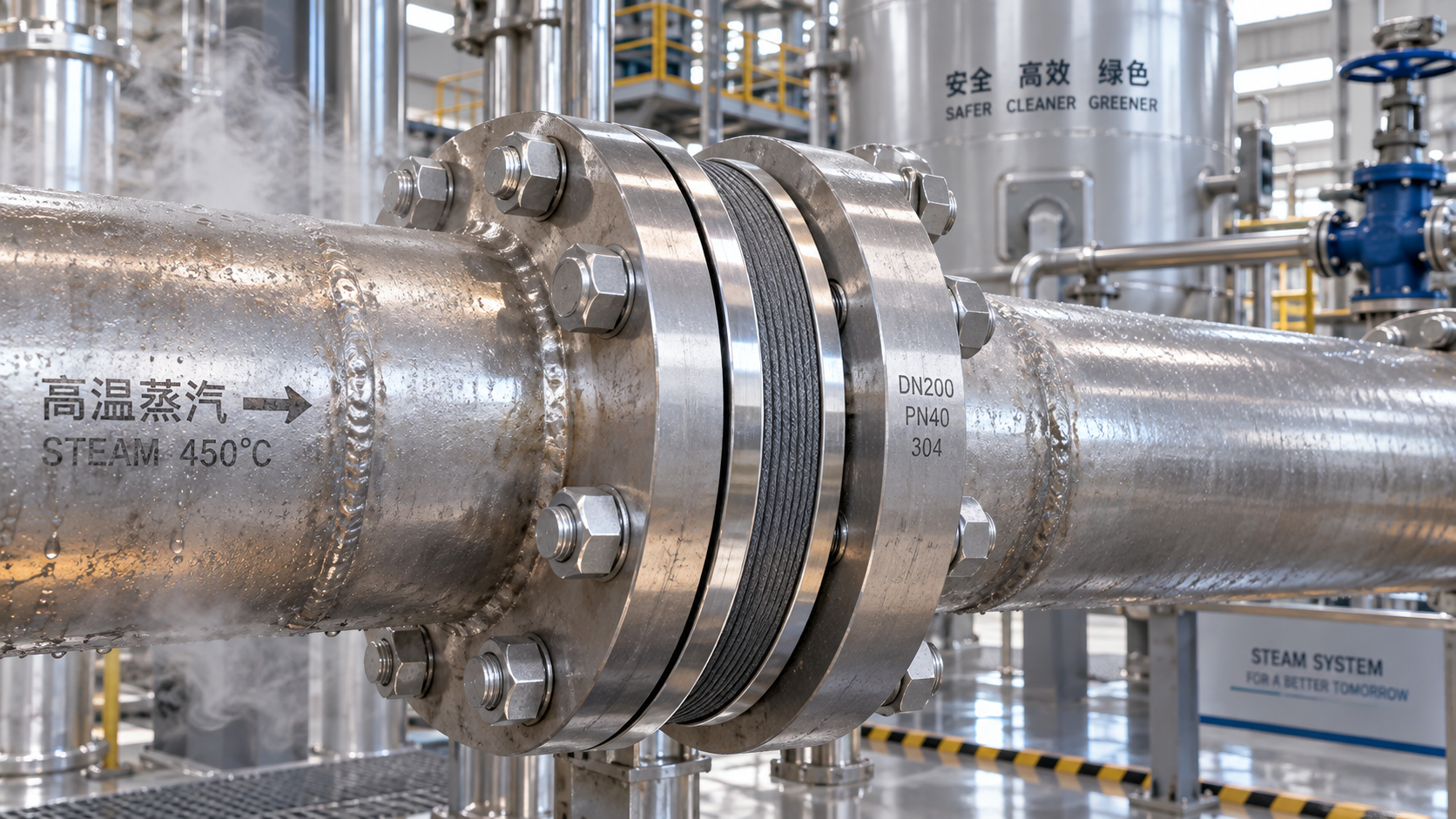
- Selecting High-Temperature Gaskets for Steam, Flanges, and Thermal CyclingAuthor :Heavy Industry Strategist

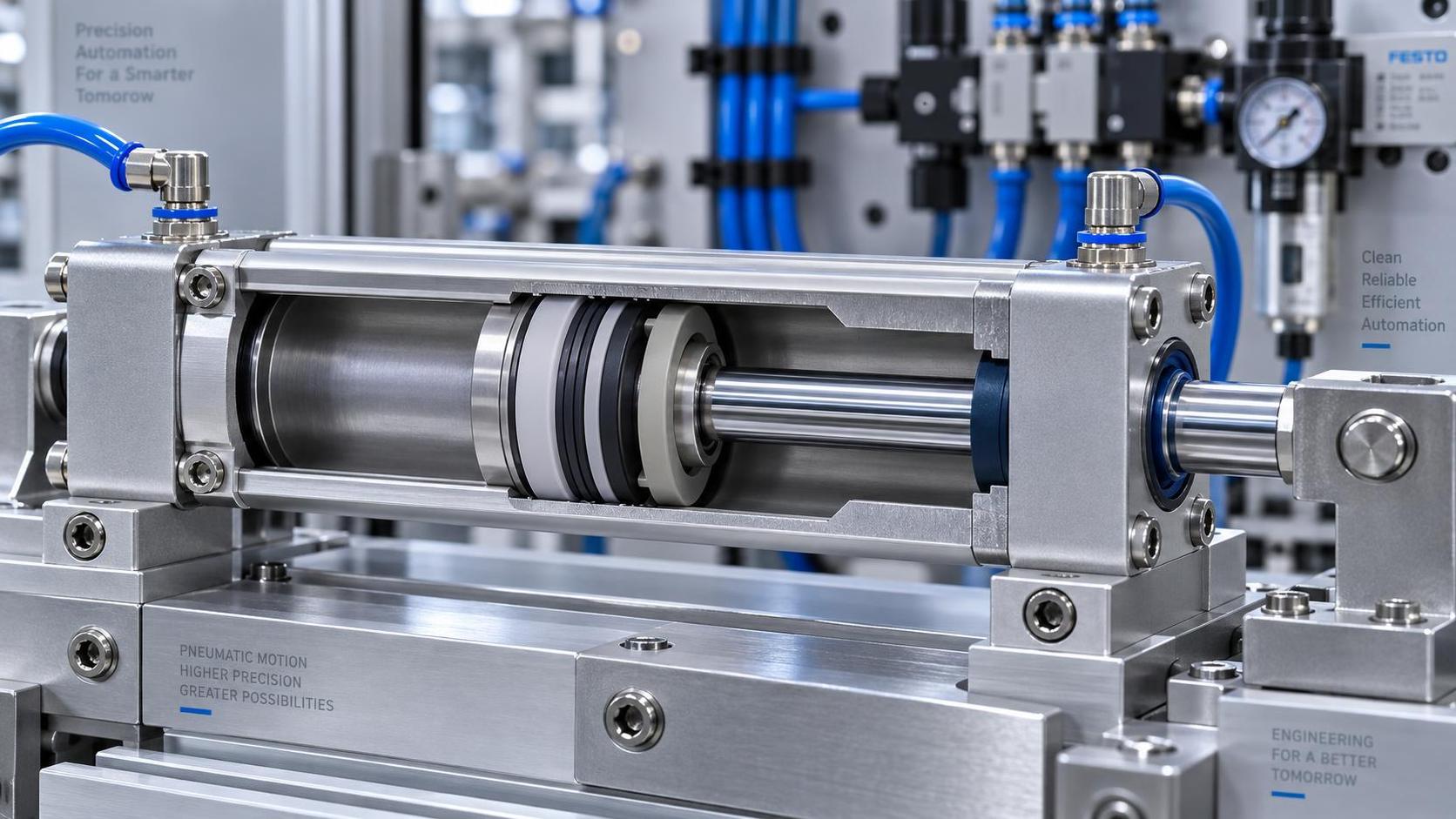
- Selecting Low-Friction Pneumatic Seals for High-Cycle, Low-Pressure CylindersAuthor :Heavy Industry Strategist

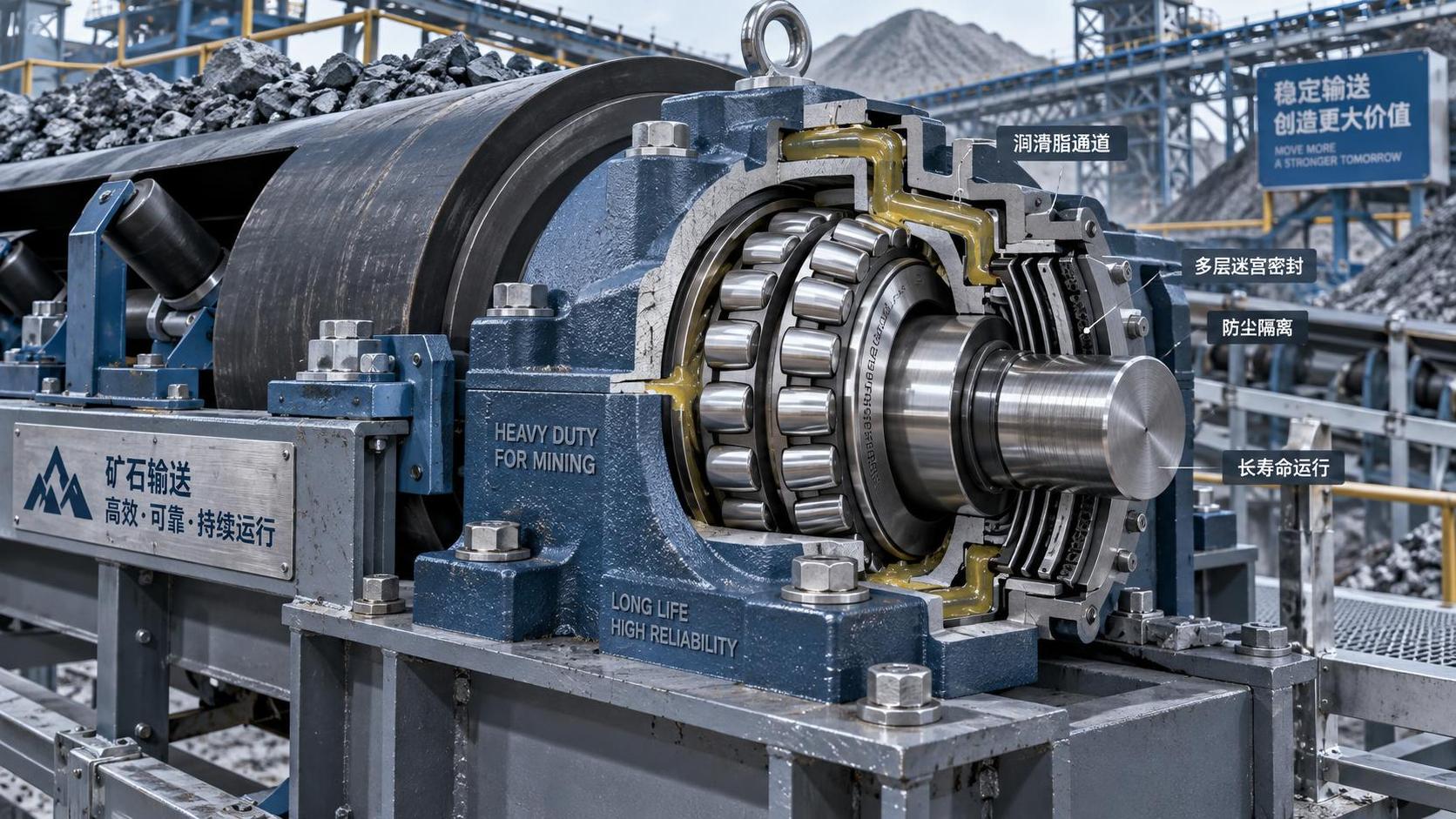
- Selecting Spherical Roller Bearings for Mining: Load, Contamination, and Service LifeAuthor :Heavy Industry Strategist

- Do Deep Groove Ball Bearings Need Special Seals in Coastal Humidity?Author :Heavy Industry Strategist

- How to Select Anti Vibration Rubber Shock Absorbers for Machinery and EquipmentAuthor :Heavy Industry Strategist

- When to Specify Induction Hardened Slewing Ring Bearings for Heavy-Duty EquipmentAuthor :Heavy Industry Strategist

- How to Evaluate Weather Resistant EPDM Extrusion for Outdoor Sealing ApplicationsAuthor :Heavy Industry Strategist