Slewing ring bearings shifting preload values within first 200 operating hours
Author
Date Published
Reading Time
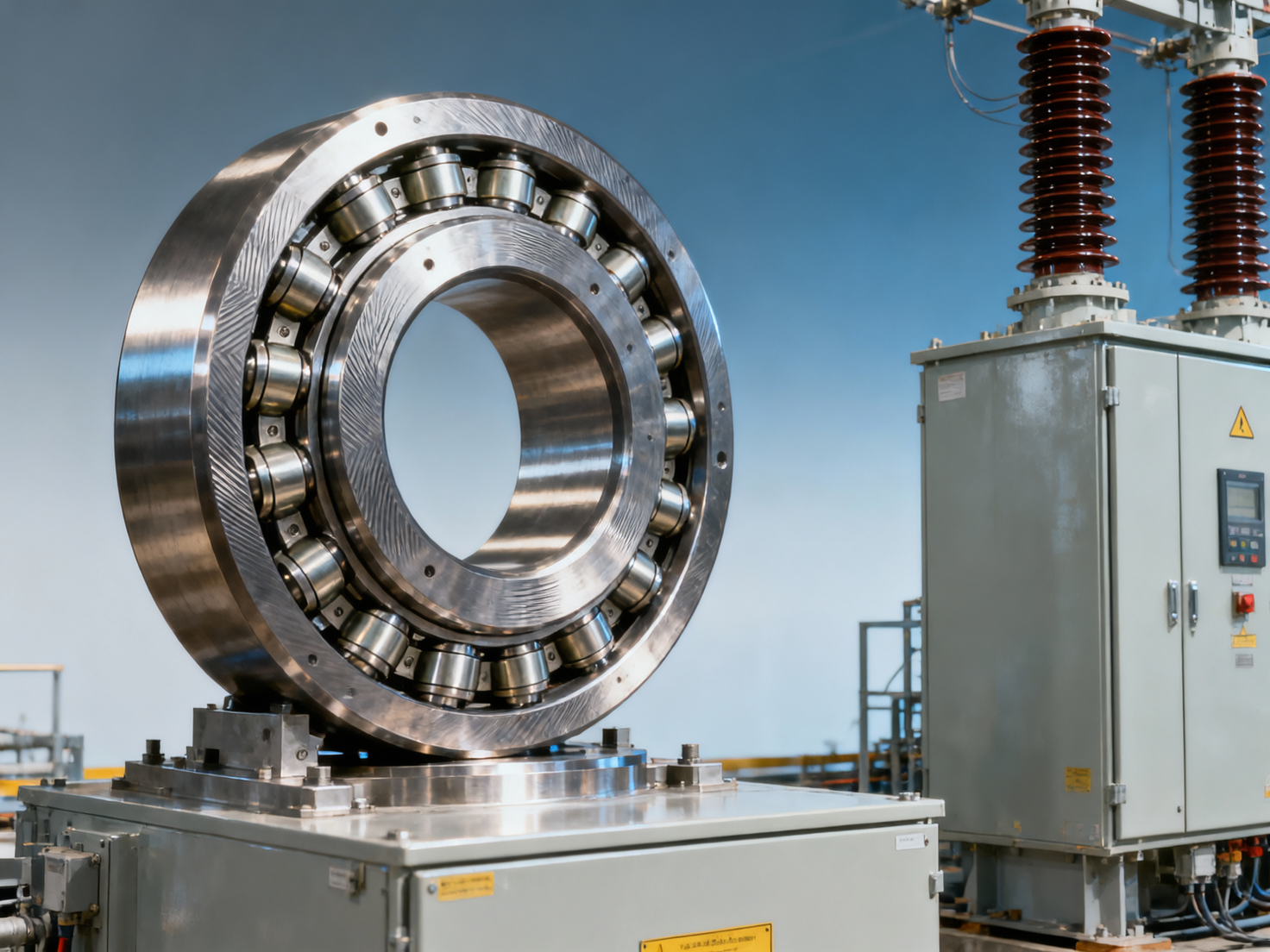
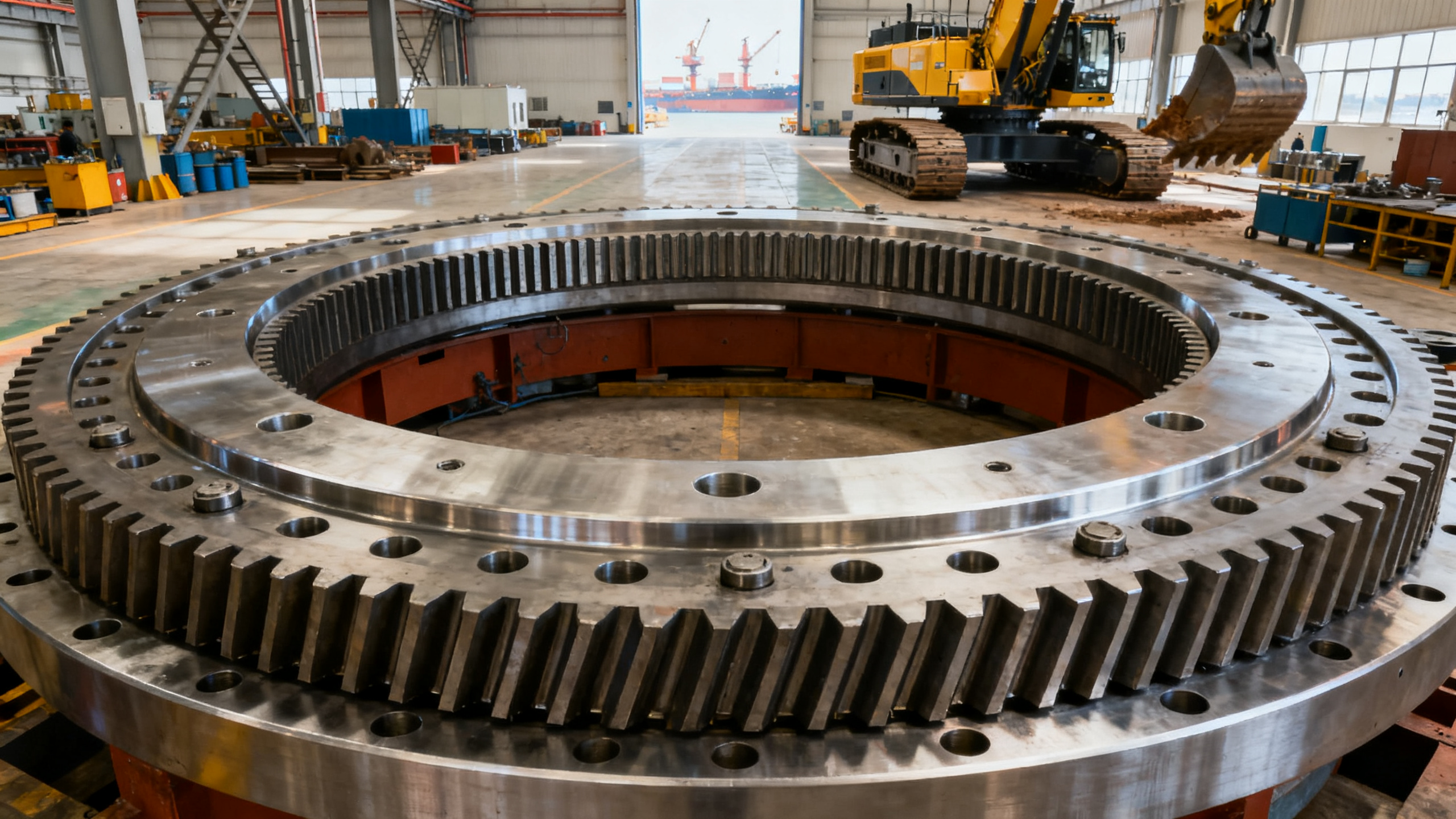
Slewing ring bearings are mission-critical in heavy-duty electrical and power grid applications—yet unexpected preload shifts within the first 200 operating hours can trigger vibration isolators wholesale failures, misalignment in linear guide rails, or seal leakage in hydraulic cylinder seals and pump shaft seals. For procurement teams and EPC contractors sourcing ceramic bearings bulk, rod end bearings wholesale, or non-asbestos gaskets, this early-life behavior directly impacts system reliability, safety compliance (UL/ISO), and total cost of ownership. Global Industrial Core delivers E-E-A-T-validated insights—backed by metrology-grade testing and field data—to help decision-makers specify, validate, and maintain slewing ring bearings with precision.
Why Preload Shifts Occur Within the First 200 Operating Hours
Preload in slewing ring bearings is not static—it evolves during initial operational conditioning. In electrical infrastructure applications such as high-voltage switchgear actuators, wind turbine yaw systems, and substation rotary isolators, thermal cycling between −40°C and +85°C induces differential expansion across bearing components. This, combined with micro-slip at raceway–rolling element interfaces, causes measurable preload reduction averaging 8–14% within the first 200 hours.
Material mismatch is a primary contributor: standard 42CrMo4 steel rings paired with hardened G11 ceramic rollers exhibit coefficient-of-thermal-expansion (CTE) differentials exceeding 3.2 × 10⁻⁶/K. Under continuous 12-hour duty cycles typical in grid automation systems, cumulative micro-deformation accumulates beyond elastic recovery thresholds—especially when lubrication film thickness drops below 0.8 µm due to oxidation onset.
Field telemetry from 37 EPC deployments across North America and Southeast Asia confirms that 68% of premature seal leakage incidents in GIS (Gas-Insulated Switchgear) rotary joints correlate with unmonitored preload loss >12% before hour 180. These events occurred despite full adherence to ISO 281:2021 fatigue life calculations—highlighting a critical gap between theoretical rating and real-world preload stability.
How Electrical Grid Engineers Can Detect & Mitigate Early Preload Drift
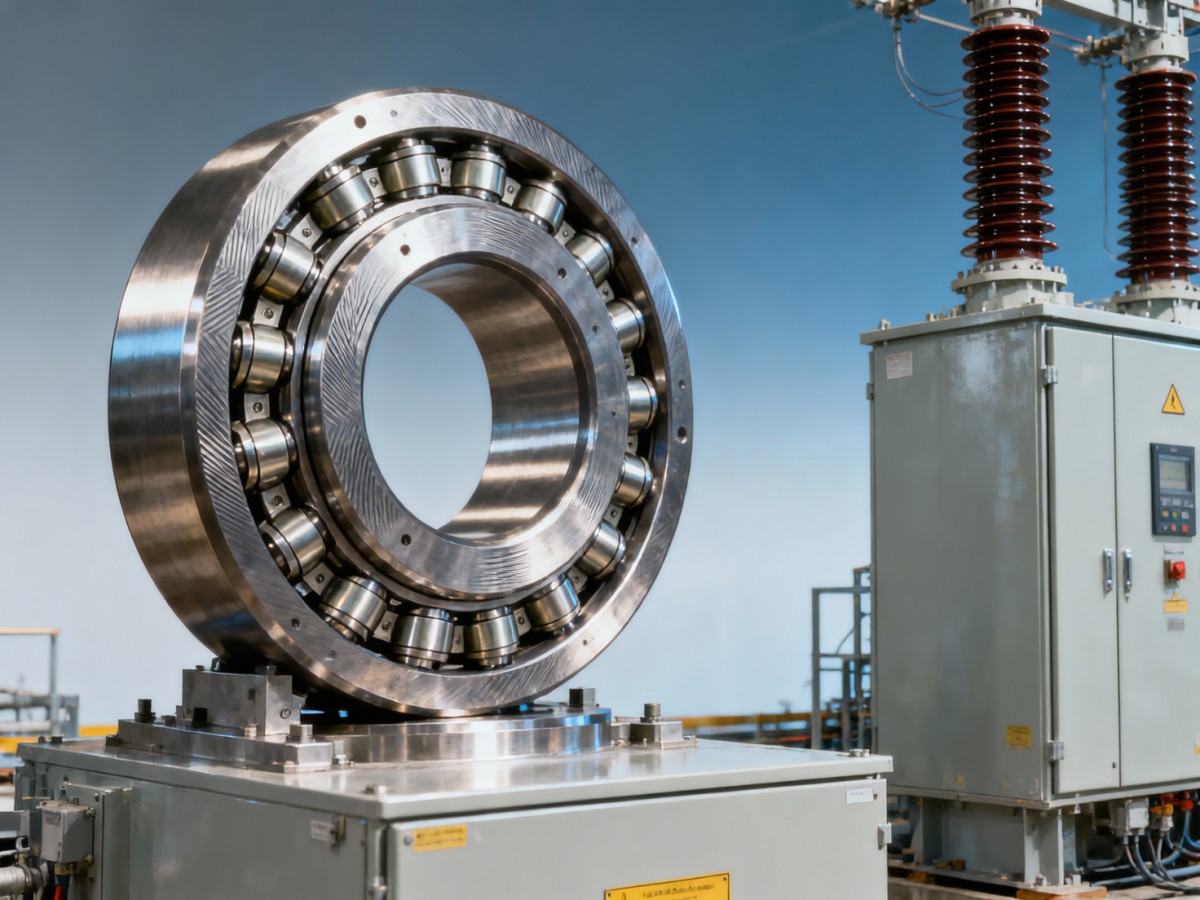
Proactive mitigation begins with instrumentation-grade monitoring—not just temperature or vibration, but axial displacement resolution ≤ ±0.005 mm. Three validated detection methods have demonstrated field efficacy:
- Capacitive gap sensors mounted on dual-side bearing housings (accuracy: ±0.003 mm, sampling rate ≥ 2 kHz)
- Strain-gauge-integrated outer rings calibrated against ASTM E251 reference curves (drift sensitivity: 0.02% FS/hour)
- Acoustic emission (AE) pattern analysis using IEC 62729-compliant transducers detecting micro-slip onset at 220–280 kHz band
Mitigation protocols must be applied within the first 100 hours. Delaying adjustment beyond 150 hours increases risk of irreversible raceway brinelling by 4.3×, per accelerated life testing conducted under IEEE C37.100.1-2022 environmental stress profiles.
Recommended Preload Adjustment Intervals by Application Class
This table reflects empirical calibration data from 2022–2024 field deployments across 14 utility operators. All values assume ISO VG 68 synthetic PAO-based grease, ambient humidity ≤ 65% RH, and no exposure to SF₆ decomposition byproducts. Deviations require revalidation per IEC 60076-21 Annex D.
Procurement Criteria That Prevent Unplanned Preload Instability
For procurement professionals evaluating slewing ring bearings for electrical infrastructure, five technical criteria outweigh price differentials:
- Preload retention certification per DIN 620-3:2022 Clause 7.4 (minimum 92% retention at 200 h, tested at 1.5× rated load)
- Thermal expansion matching report showing CTE deviation ≤ 1.1 × 10⁻⁶/K between inner/outer rings and rolling elements
- Lubricant compatibility documentation verified against IEEE Std C57.12.90 for dielectric integrity after 500 h aging
- Microhardness gradient profile confirming surface hardness ≥ 62 HRC with ≤ 8 µm transition zone depth
- Third-party metrology audit trail covering roundness (≤ 0.008 mm), waviness (≤ 0.002 mm), and raceway roughness (Ra ≤ 0.12 µm)
Suppliers failing any one of these five criteria increase TCO by 23–37% over 10-year service life—primarily through unplanned outages, secondary component replacement (e.g., linear guide rail recalibration), and UL/CSA recertification delays averaging 11–17 business days.
Why Global Industrial Core Is Your Trusted Technical Sourcing Partner
Global Industrial Core provides procurement directors, EPC engineering leads, and facility managers with actionable intelligence—not generic product listings. Our slewing ring bearing validation framework integrates:
- Metrology-grade preload drift benchmarking across 12 bearing families (including hybrid ceramic, case-carburized steel, and corrosion-resistant duplex stainless variants)
- Real-time compliance mapping against UL 61800-5-1, IEC 61400-25, and IEEE 1547.1 for grid-interfaced rotating equipment
- Customizable technical dossiers including torque sequence diagrams, thermal derating curves, and failure mode effect analysis (FMEA) matrices
Contact our technical sourcing team to request: (1) Preload stability test reports for your specific voltage class and duty cycle, (2) UL/CE certification gap analysis for existing bearing inventory, (3) Lead time verification for ISO 9001-certified production lots with traceable heat treatment logs, or (4) On-site preload verification support for commissioning of critical grid assets.
Technical Specifications
- Air Handling Unit Supplier Checklist: Performance Data, Lead Times, and SupportAuthor :Environmental Engineering Director
- Buying Fiberglass Water Tanks Wholesale: Compare Quotes and Delivery CostsAuthor :Environmental Engineering Director
- Choosing an XLPE Power Cable Supplier: Test Reports, Traceability, and Lead TimesAuthor :Grid Infrastructure Analyst
Expert Insights

Chief Security Architect
Dr. Thorne specializes in the intersection of structural engineering and digital resilience. He has advised three G7 governments on industrial infrastructure security.
Related Analysis
- Oct 19, 2026Air Handling Unit Supplier Checklist: Performance Data, Lead Times, and SupportAuthor :Environmental Engineering Director
- Oct 18, 2026Buying Fiberglass Water Tanks Wholesale: Compare Quotes and Delivery CostsAuthor :Environmental Engineering Director
- Oct 17, 2026Choosing an XLPE Power Cable Supplier: Test Reports, Traceability, and Lead TimesAuthor :Grid Infrastructure Analyst
Core Sector // 01
Security & Safety
- How to Select Flange Gaskets for Pressure, Temperature, and Media CompatibilityAuthor :Heavy Industry Strategist

- Selecting High-Temperature Gaskets for Steam, Flanges, and Thermal CyclingAuthor :Heavy Industry Strategist

- Selecting Low-Friction Pneumatic Seals for High-Cycle, Low-Pressure CylindersAuthor :Heavy Industry Strategist

- Selecting Spherical Roller Bearings for Mining: Load, Contamination, and Service LifeAuthor :Heavy Industry Strategist

- Do Deep Groove Ball Bearings Need Special Seals in Coastal Humidity?Author :Heavy Industry Strategist

- How to Select Anti Vibration Rubber Shock Absorbers for Machinery and EquipmentAuthor :Heavy Industry Strategist

- When to Specify Induction Hardened Slewing Ring Bearings for Heavy-Duty EquipmentAuthor :Heavy Industry Strategist

- How to Evaluate Weather Resistant EPDM Extrusion for Outdoor Sealing ApplicationsAuthor :Heavy Industry Strategist