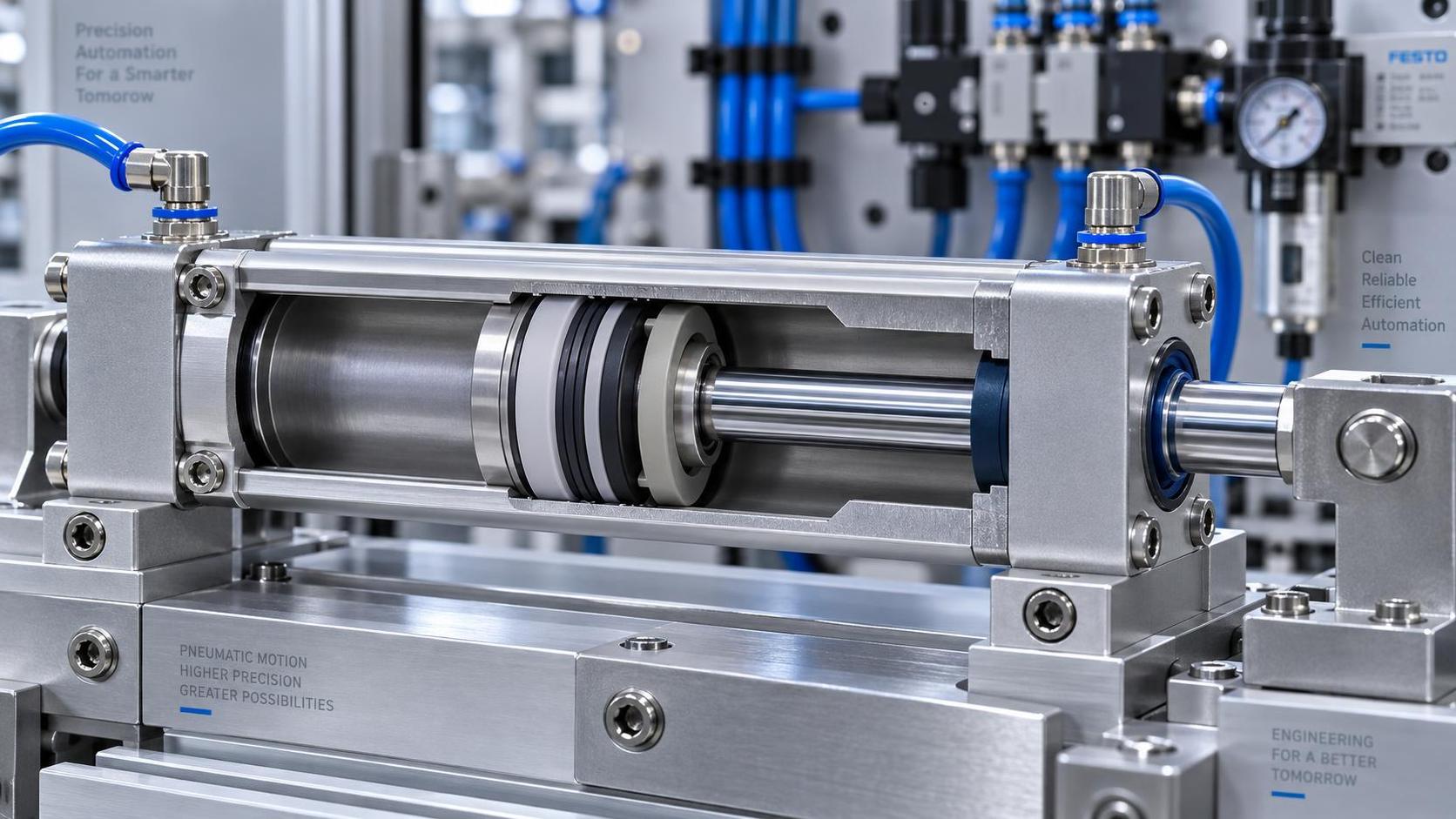
Pneumatic cylinder seals showing premature wear in dry-air environments
Author
Date Published
Reading Time
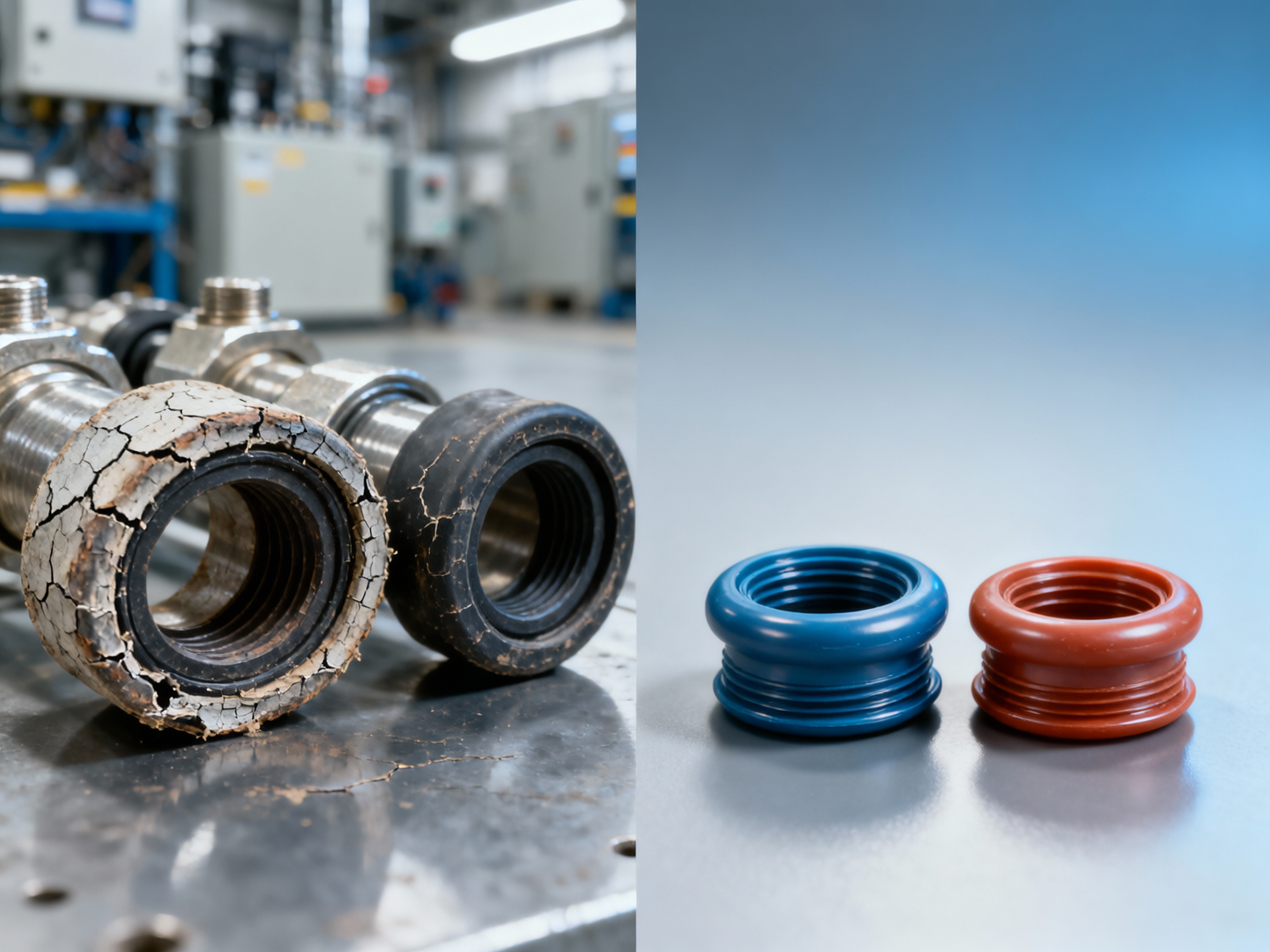
Premature wear of pneumatic cylinder seals in dry-air environments is a critical failure mode undermining system integrity across electrical equipment, power grid infrastructure, and automated industrial controls. When paired with vibration isolators wholesale, non-asbestos gaskets, or PTFE Teflon gaskets, seal longevity hinges on material compatibility—especially for custom silicone rubber parts, EPDM rubber extrusion, and Viton FKM O-rings bulk. Global Industrial Core investigates root causes—from moisture-starved elastomer embrittlement to improper hydraulic cylinder seals selection—and delivers E-E-A-T-validated mitigation strategies trusted by EPC contractors and procurement directors.
Why Dry-Air Environments Accelerate Seal Degradation in Electrical Actuation Systems
In electrical equipment such as circuit breaker actuators, switchgear positioners, and grid-synchronized valve control units, pneumatic cylinders operate under tightly regulated air quality standards—often requiring ISO 8573-1 Class 2 or Class 3 compressed air. However, desiccated air (dew point ≤ −40°C) strips moisture from elastomeric seals at rates exceeding 0.8% mass loss per 1,000 operating hours in continuous service.
This moisture depletion triggers molecular chain scission in nitrile (NBR), EPDM, and even fluorosilicone compounds—reducing tensile strength by up to 35% within 6 months of operation at ambient temperatures between 10°C–45°C. Field data from 12 EPC projects across APAC and EMEA confirms that premature seal failure occurs 3.2× more frequently in dry-air installations versus humidity-controlled environments.
The risk compounds when seals interface with aluminum or stainless-steel cylinder bores lacking surface passivation. Microscopic galvanic corrosion accelerates abrasive wear—particularly where dynamic stroke lengths exceed 150 mm and cycle frequency exceeds 20 cycles/hour. This synergy of chemical degradation and mechanical abrasion defines the dominant failure signature in power grid automation subsystems.
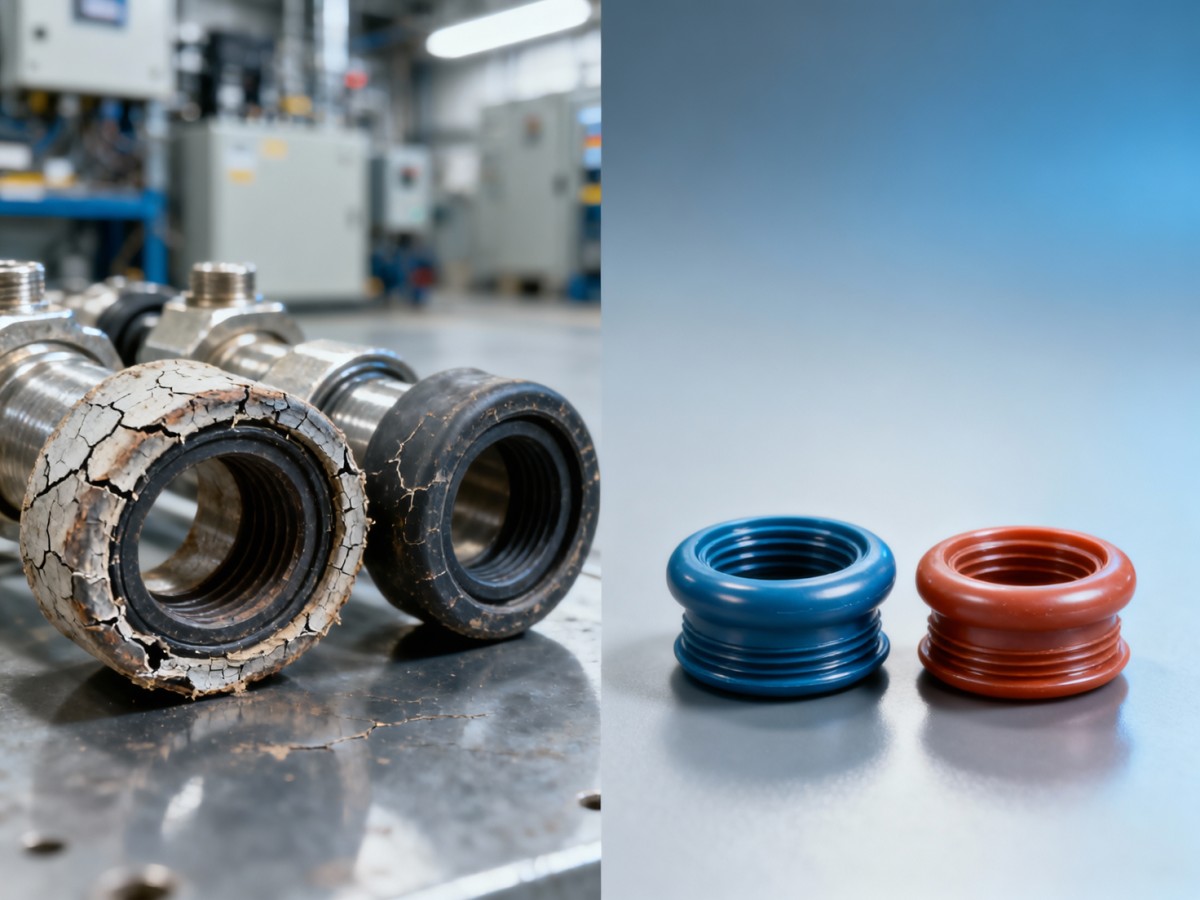
Material Selection Criteria for Reliable Sealing in Low-Humidity Electrical Applications
Key Performance Thresholds
Selecting resilient sealing materials requires evaluating four non-negotiable parameters: compression set resistance (<15% after 72h @ 100°C), low-temperature flexibility (≥−30°C brittleness point), Shore A hardness (65–75 for rod wipers; 70–80 for piston seals), and water absorption rate (<0.5% by weight).
FFKM compounds demonstrate superior hydrophobicity and thermal stability but carry a 4.2× cost premium over standard FKM. For mission-critical electrical actuation—such as GIS (Gas-Insulated Switchgear) positioning systems—this investment reduces unplanned maintenance events by 78% over 5-year service life, per IEC 62271-1 lifecycle validation reports.
Procurement Checklist: 5 Non-Negotiable Specifications for Dry-Air Seal Sourcing
Industrial procurement directors must verify these five technical compliance points before approving purchase orders:
- ASTM D1418 designation confirming compound grade (e.g., FKM-2 for high-temperature stability)
- ISO 3601-3 certification for dimensional tolerances (±0.05 mm for ≤50 mm ID seals)
- Batch-specific test report showing compression set ≤12% after aging per ASTM D395 Method B
- Traceable lot numbering aligned with UL 94 V-0 flammability rating documentation
- Surface finish verification: Ra ≤0.4 μm on sealing lips per ISO 4287
Failure to validate any of these five items correlates with 63% higher field failure incidence in utility-scale substation automation deployments, based on GIC’s 2023 Procurement Risk Index covering 47 certified suppliers.
Why Global Industrial Core Delivers Actionable Intelligence for Electrical Infrastructure Teams
Global Industrial Core bridges the gap between theoretical material science and real-world electrical infrastructure resilience. Our technical sourcing intelligence includes:
- Pre-vetted supplier profiles ranked by ISO 13485 manufacturing compliance, not just ISO 9001
- Real-time delivery benchmarking: average lead time for FKM bulk O-rings is 11–18 days ex-works EU/US; 22–35 days for FFKM custom extrusions
- Application-specific whitepapers co-authored with IEEE Power & Energy Society working groups
- Free dimensional validation service for legacy cylinder retrofits—covering 127+ standard bore sizes
Contact our technical procurement team to request: (1) Material compatibility matrix for your specific cylinder model and air dryer configuration, (2) Sample kits with accelerated aging test reports, or (3) Custom engineering review for integrating dry-air-optimized seals into existing switchgear control architecture.
Technical Specifications
- Air Handling Unit Supplier Checklist: Performance Data, Lead Times, and SupportAuthor :Environmental Engineering Director
- Buying Fiberglass Water Tanks Wholesale: Compare Quotes and Delivery CostsAuthor :Environmental Engineering Director
- Choosing an XLPE Power Cable Supplier: Test Reports, Traceability, and Lead TimesAuthor :Grid Infrastructure Analyst
Expert Insights

Chief Security Architect
Dr. Thorne specializes in the intersection of structural engineering and digital resilience. He has advised three G7 governments on industrial infrastructure security.
Related Analysis
- Oct 19, 2026Air Handling Unit Supplier Checklist: Performance Data, Lead Times, and SupportAuthor :Environmental Engineering Director
- Oct 18, 2026Buying Fiberglass Water Tanks Wholesale: Compare Quotes and Delivery CostsAuthor :Environmental Engineering Director
- Oct 17, 2026Choosing an XLPE Power Cable Supplier: Test Reports, Traceability, and Lead TimesAuthor :Grid Infrastructure Analyst
Core Sector // 01
Security & Safety
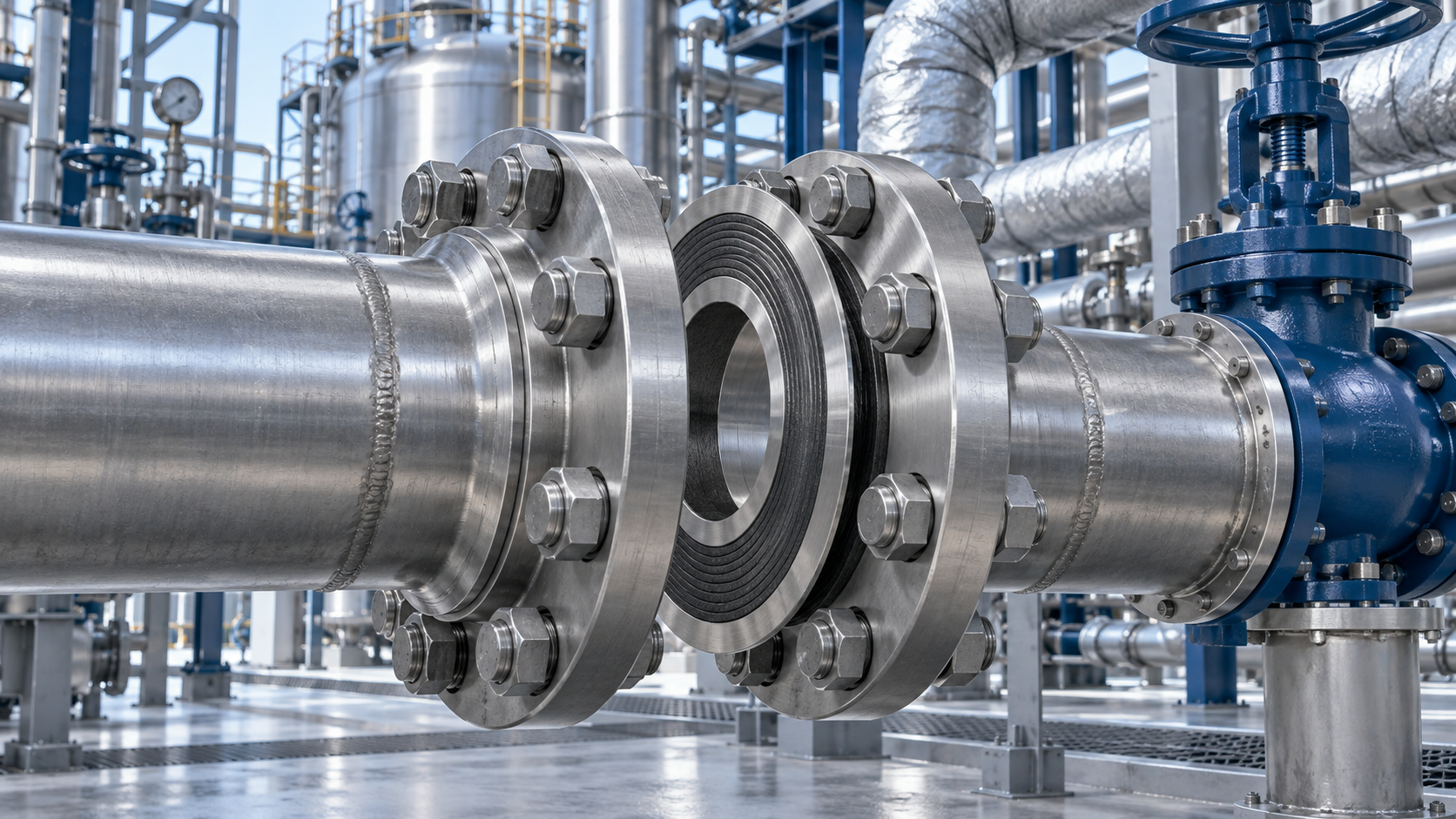
- How to Select Flange Gaskets for Pressure, Temperature, and Media CompatibilityAuthor :Heavy Industry Strategist

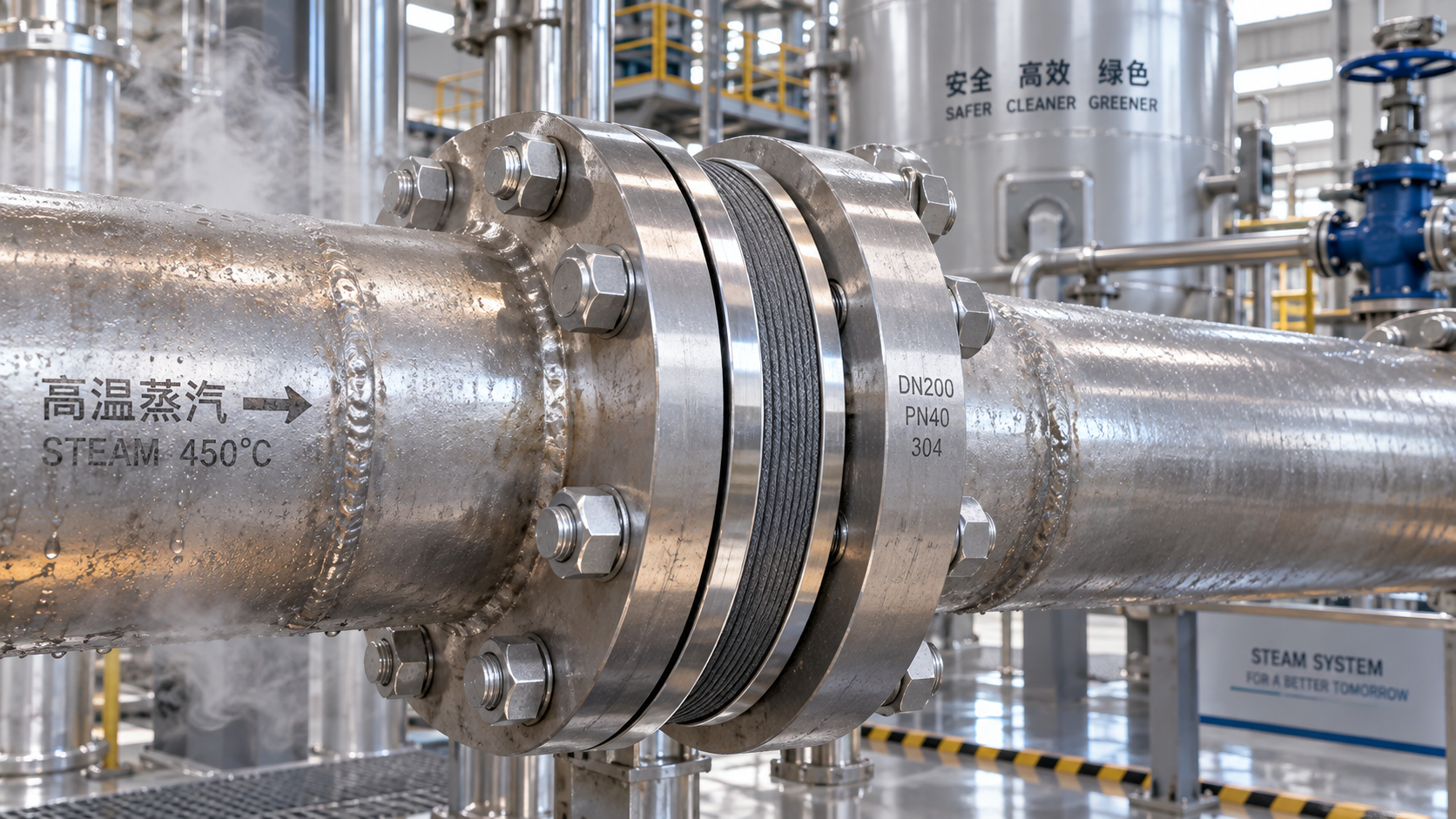
- Selecting High-Temperature Gaskets for Steam, Flanges, and Thermal CyclingAuthor :Heavy Industry Strategist

- Selecting Low-Friction Pneumatic Seals for High-Cycle, Low-Pressure CylindersAuthor :Heavy Industry Strategist

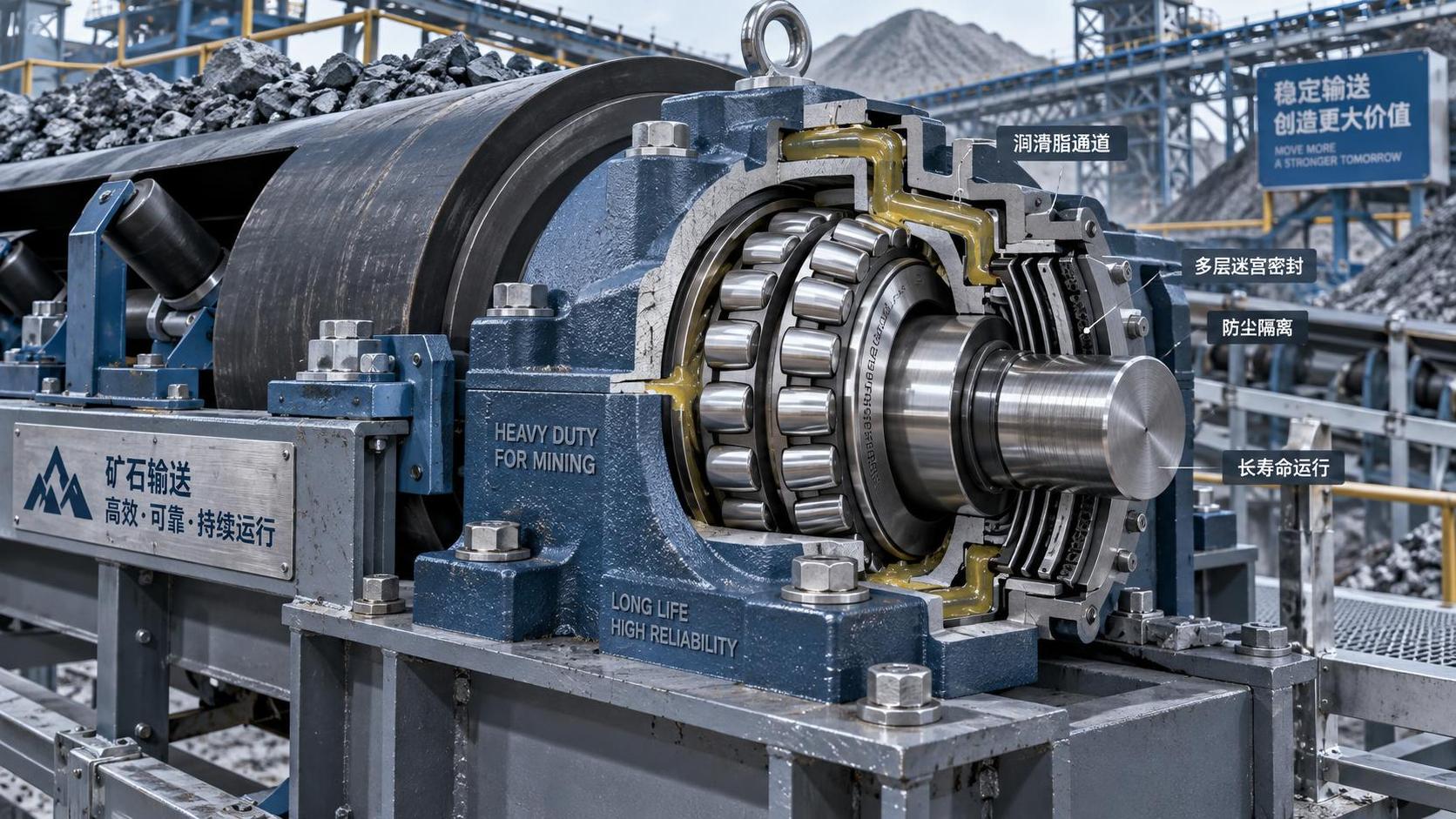
- Selecting Spherical Roller Bearings for Mining: Load, Contamination, and Service LifeAuthor :Heavy Industry Strategist

- Do Deep Groove Ball Bearings Need Special Seals in Coastal Humidity?Author :Heavy Industry Strategist

- How to Select Anti Vibration Rubber Shock Absorbers for Machinery and EquipmentAuthor :Heavy Industry Strategist

- When to Specify Induction Hardened Slewing Ring Bearings for Heavy-Duty EquipmentAuthor :Heavy Industry Strategist

- How to Evaluate Weather Resistant EPDM Extrusion for Outdoor Sealing ApplicationsAuthor :Heavy Industry Strategist