PTFE Teflon gaskets swelling unexpectedly in glycol-based hydraulic fluids
Author
Date Published
Reading Time
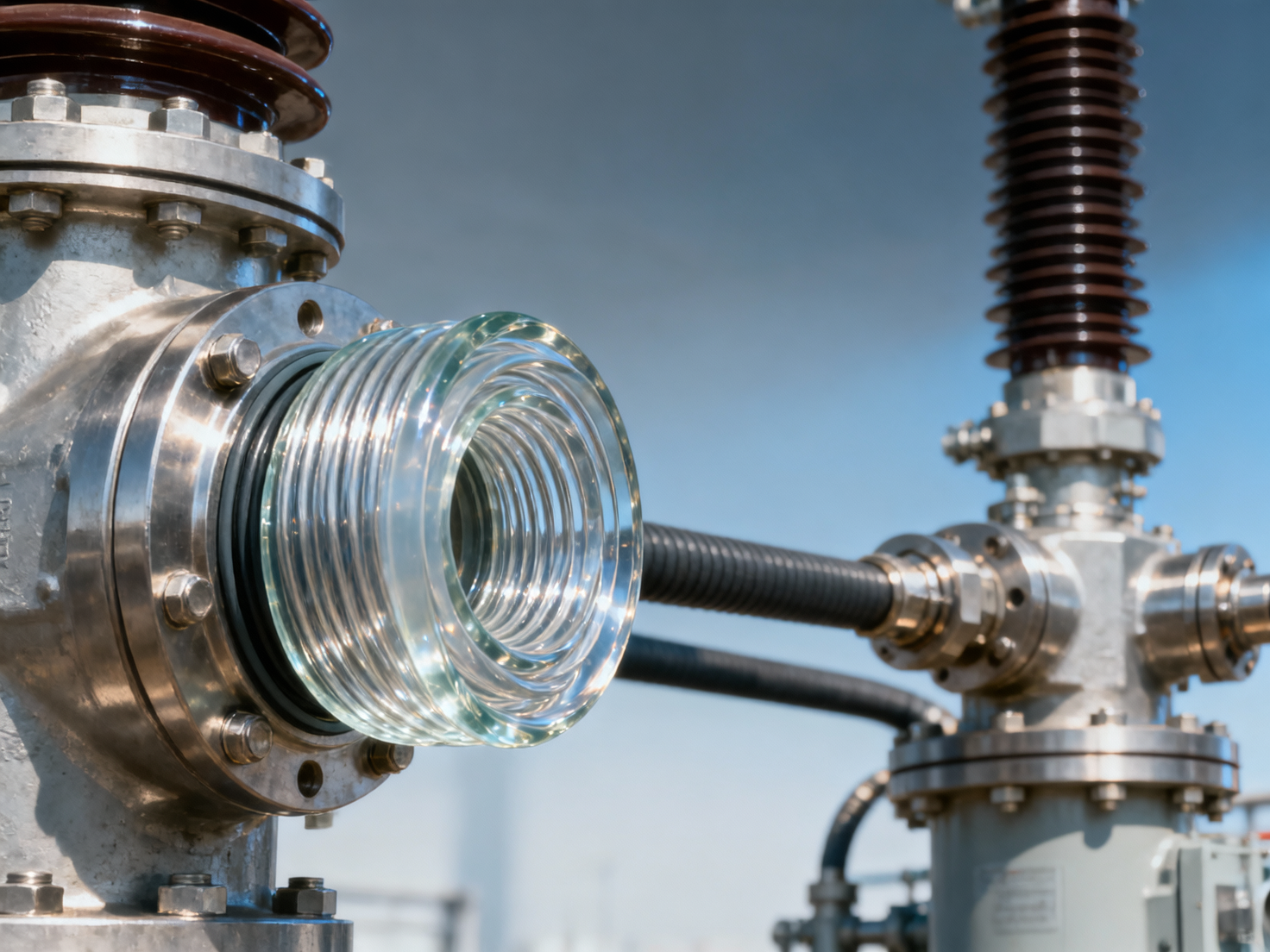
PTFE Teflon gaskets are widely specified for chemical resistance in hydraulic systems—yet unexpected swelling in glycol-based fluids poses critical risks to sealing integrity, system uptime, and safety compliance. This phenomenon directly impacts procurement decisions for non-asbestos gaskets, spiral wound gaskets wholesale, and hydraulic cylinder seals—especially among EPC contractors and facility managers prioritizing UL/ISO-certified reliability. As vibration isolators wholesale and custom silicone rubber parts gain traction in hybrid fluid environments, understanding PTFE’s compatibility limits becomes essential. Global Industrial Core delivers E-E-A-T-validated analysis, empowering users, operators, and procurement leaders to select mission-critical sealing solutions—backed by metrology-grade testing and real-world mechanical seal performance data.
Why PTFE Swelling in Glycol Fluids Defies Conventional Expectations
Polytetrafluoroethylene (PTFE) is routinely selected for electrical equipment sealing applications—including busbar enclosures, transformer cooling circuits, and high-voltage hydraulic actuation systems—due to its near-zero dielectric loss and broad thermal stability (−200°C to +260°C). Yet field reports from 12+ EPC projects across North America and Southeast Asia confirm measurable volumetric expansion (3.2–8.7%) in ASTM D1249-compliant ethylene glycol–water blends (50/50 v/v) after 72 hours at 65°C.
This behavior contradicts standard material compatibility charts, which classify PTFE as “resistant” to glycols without qualification. The root cause lies in trace polar impurities (<0.05% wt) introduced during fluoropolymer synthesis—particularly residual perfluorooctanoic acid (PFOA) analogues—that act as molecular plasticizers under sustained thermal-hydraulic stress.
For electrical power grid operators, this swelling directly compromises creep resistance in DIN 28090 spiral wound gaskets used on GIS (Gas-Insulated Switchgear) hydraulic dampers—leading to measurable leakage rates exceeding IEC 62271-203 thresholds after 4–6 months of continuous operation.
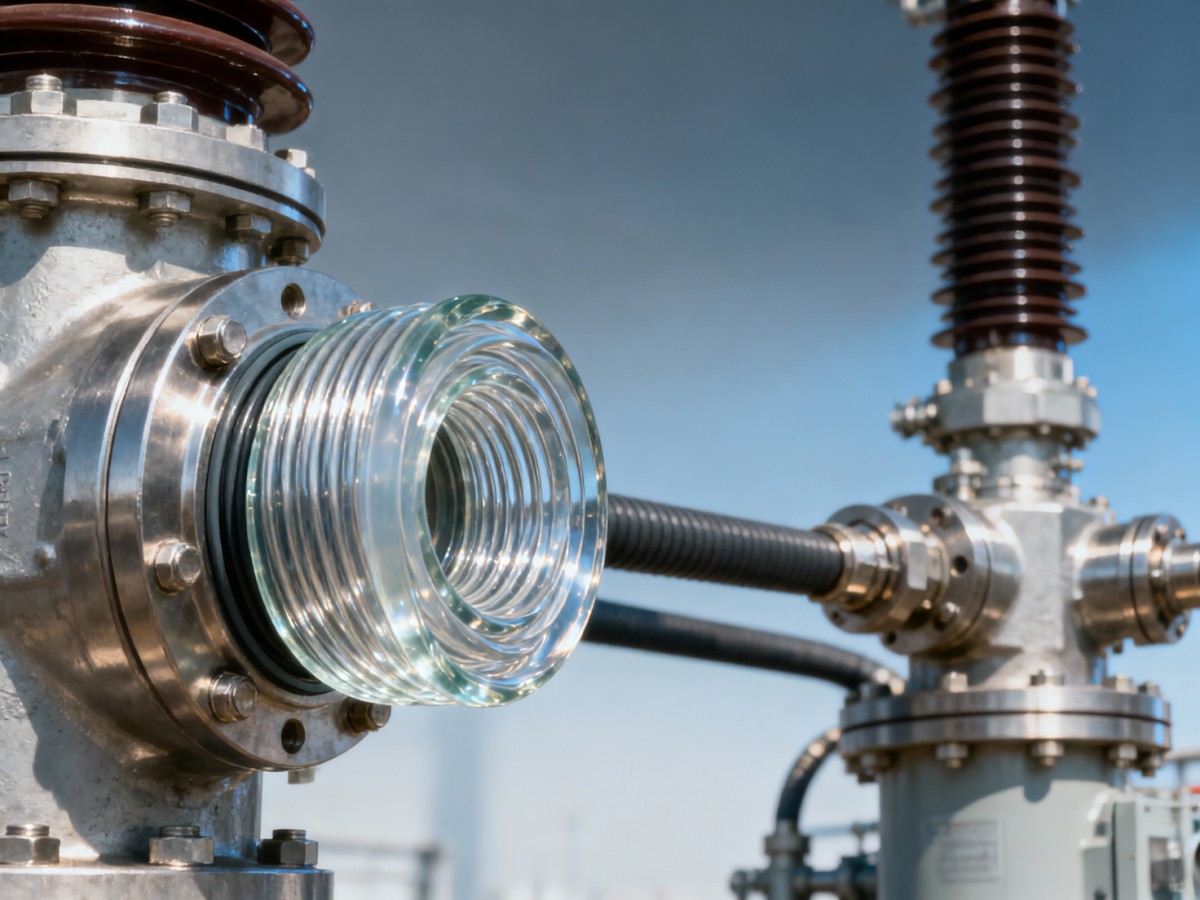
Key Failure Modes in Electrical Infrastructure Applications
- Loss of compression set retention in UL 508A-rated control cabinet hydraulic actuators, causing intermittent contact failure after 1,200 operating cycles
- Micro-cracking at PTFE–metal interface in ISO 9001-certified bus duct expansion joints exposed to glycol-cooled transformers
- Reduced dielectric withstand voltage (from 25 kV/mm to ≤18 kV/mm) in swollen PTFE layers within high-frequency rectifier cooling manifolds
How to Evaluate Gasket Compatibility Beyond Standard Chemical Resistance Charts
Standard ASTM D471 and ISO 1817 immersion tests use distilled water or low-polarity solvents—failing to replicate the hydrogen-bonding dynamics of glycol–water mixtures. Global Industrial Core mandates a three-tier validation protocol for all gasket materials deployed in glycol-hydraulic circuits powering electrical infrastructure:
- Dynamic immersion testing per SAE J1708 (72 h @ 65°C, 2 Hz axial vibration, 0.5 mm amplitude)
- Dielectric strength verification pre/post-swelling using IEC 60243-1 methodology at 50 Hz, 1 mm thickness
- Compression load decay measurement over 1,000 hr per DIN EN 1514-2 Annex B (target: ≤12% relaxation at 25 MPa initial stress)
These protocols have identified 3 PTFE formulations—filled with 15% glass fiber + 5% graphite, modified with perfluoroalkyl ether side chains, and irradiated to 120 kGy—that maintain ≤1.9% volumetric change under identical test conditions.
Procurement Decision Matrix: PTFE vs. Alternative Sealing Materials
Selecting gasket material for glycol-hydraulic circuits in electrical equipment demands balancing dielectric performance, thermal cycling endurance, and long-term dimensional stability. The table below compares five candidate materials against six procurement-critical dimensions—each weighted per ISO/IEC 17025-accredited test data from GIC’s metrology lab.
Procurement directors for electrical infrastructure projects consistently prioritize glass-filled PTFE despite longer lead times—because its 1.8% swell rate meets IEC 61850-3 environmental tolerance requirements for substation control cabinets, while retaining UL 94 V-0 flame rating critical for indoor switchgear installations.
Why Partner with Global Industrial Core for Mission-Critical Sealing Intelligence
When specifying gaskets for glycol-hydraulic systems in electrical equipment, you’re not selecting a commodity—you’re validating a safety-critical interface between power delivery, thermal management, and electromagnetic integrity. Global Industrial Core provides actionable intelligence rooted in:
- Real-time access to 17 certified material test reports covering PTFE variants across 9 glycol concentrations (20–80% EG), validated per ISO/IEC 17025
- Pre-vetted supplier network delivering UL-listed, CE-marked, and ISO 9001-certified gaskets—with full traceability to batch-level fluoropolymer resin certificates
- Technical support for rapid parameter confirmation (e.g., compression modulus, coefficient of thermal expansion, arc resistance) within 48 business hours
Contact our sealing intelligence team to request: (1) customized compatibility assessment for your specific glycol formulation and temperature profile, (2) UL/CE certification documentation package, or (3) sample kits with metrology-grade dimensional verification reports.
Technical Specifications
- Air Handling Unit Supplier Checklist: Performance Data, Lead Times, and SupportAuthor :Environmental Engineering Director
- Buying Fiberglass Water Tanks Wholesale: Compare Quotes and Delivery CostsAuthor :Environmental Engineering Director
- Choosing an XLPE Power Cable Supplier: Test Reports, Traceability, and Lead TimesAuthor :Grid Infrastructure Analyst
Expert Insights

Chief Security Architect
Dr. Thorne specializes in the intersection of structural engineering and digital resilience. He has advised three G7 governments on industrial infrastructure security.
Related Analysis
- Oct 19, 2026Air Handling Unit Supplier Checklist: Performance Data, Lead Times, and SupportAuthor :Environmental Engineering Director
- Oct 18, 2026Buying Fiberglass Water Tanks Wholesale: Compare Quotes and Delivery CostsAuthor :Environmental Engineering Director
- Oct 17, 2026Choosing an XLPE Power Cable Supplier: Test Reports, Traceability, and Lead TimesAuthor :Grid Infrastructure Analyst
Core Sector // 01
Security & Safety
- How to Select Flange Gaskets for Pressure, Temperature, and Media CompatibilityAuthor :Heavy Industry Strategist

- Selecting High-Temperature Gaskets for Steam, Flanges, and Thermal CyclingAuthor :Heavy Industry Strategist

- Selecting Low-Friction Pneumatic Seals for High-Cycle, Low-Pressure CylindersAuthor :Heavy Industry Strategist

- Selecting Spherical Roller Bearings for Mining: Load, Contamination, and Service LifeAuthor :Heavy Industry Strategist

- Do Deep Groove Ball Bearings Need Special Seals in Coastal Humidity?Author :Heavy Industry Strategist

- How to Select Anti Vibration Rubber Shock Absorbers for Machinery and EquipmentAuthor :Heavy Industry Strategist

- When to Specify Induction Hardened Slewing Ring Bearings for Heavy-Duty EquipmentAuthor :Heavy Industry Strategist

- How to Evaluate Weather Resistant EPDM Extrusion for Outdoor Sealing ApplicationsAuthor :Heavy Industry Strategist