Non-asbestos gaskets cracking under low-cycle fatigue—still worth specifying?
Author
Date Published
Reading Time
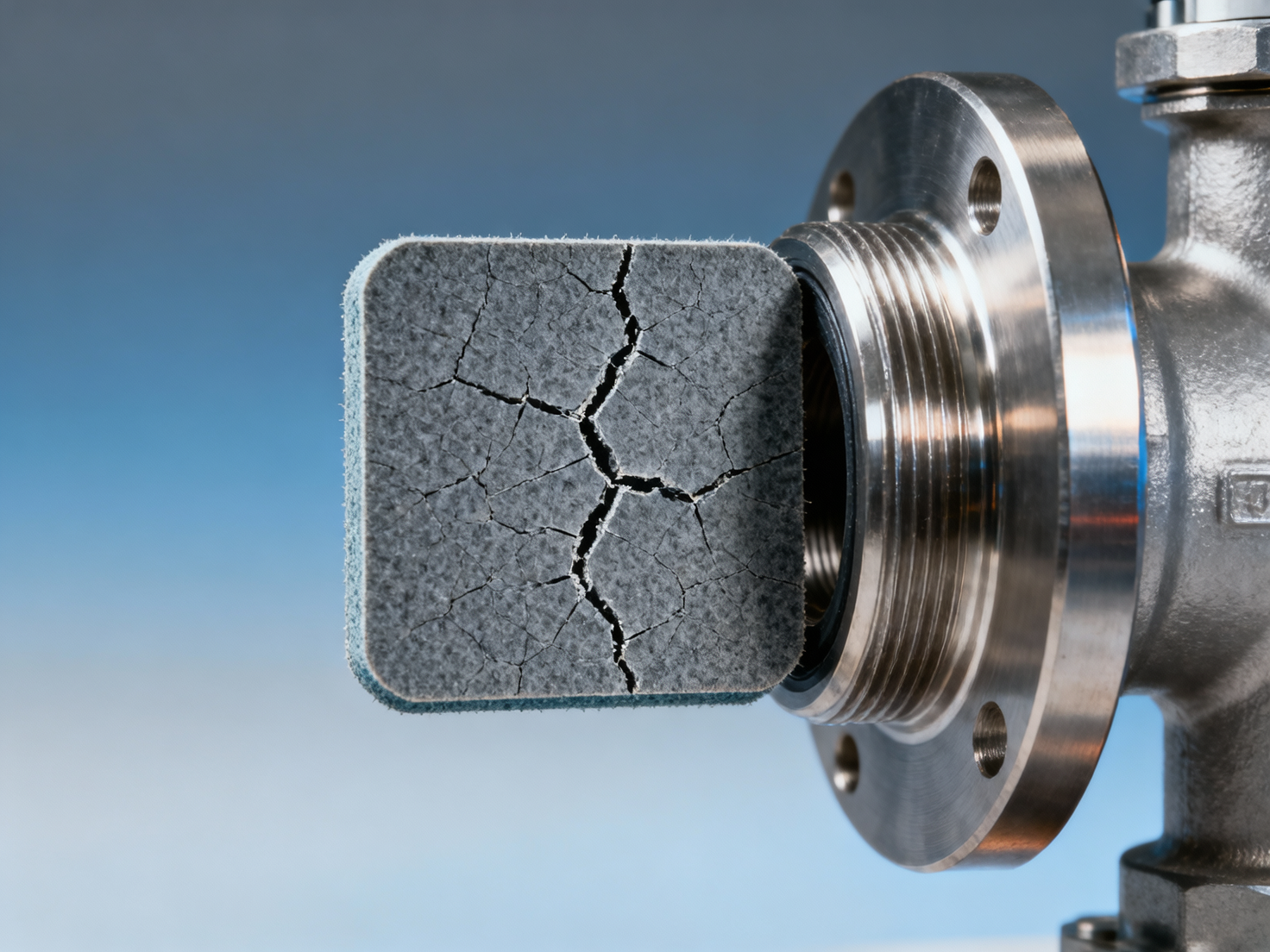
Non-asbestos gaskets are widely specified across electrical & power grid systems for their compliance, thermal stability, and chemical resistance—but emerging low-cycle fatigue data reveals unexpected cracking risks under cyclic thermal and mechanical stress. For procurement professionals sourcing non-asbestos gaskets, spiral wound gaskets wholesale, PTFE Teflon gaskets, or hydraulic cylinder seals—and engineers specifying vibration isolators wholesale, custom silicone rubber parts, or EPDM rubber extrusion—this raises urgent reliability questions. As EPC contractors and facility managers prioritize UL/CE-certified, micron-precision components like pump shaft seals, Viton FKM O-rings bulk, and ceramic bearings bulk, understanding fatigue-driven failure modes is no longer optional. This analysis delivers E-E-A-T-validated insights to inform safer, more resilient specifications.
Why Low-Cycle Fatigue Matters in Electrical Enclosure Sealing
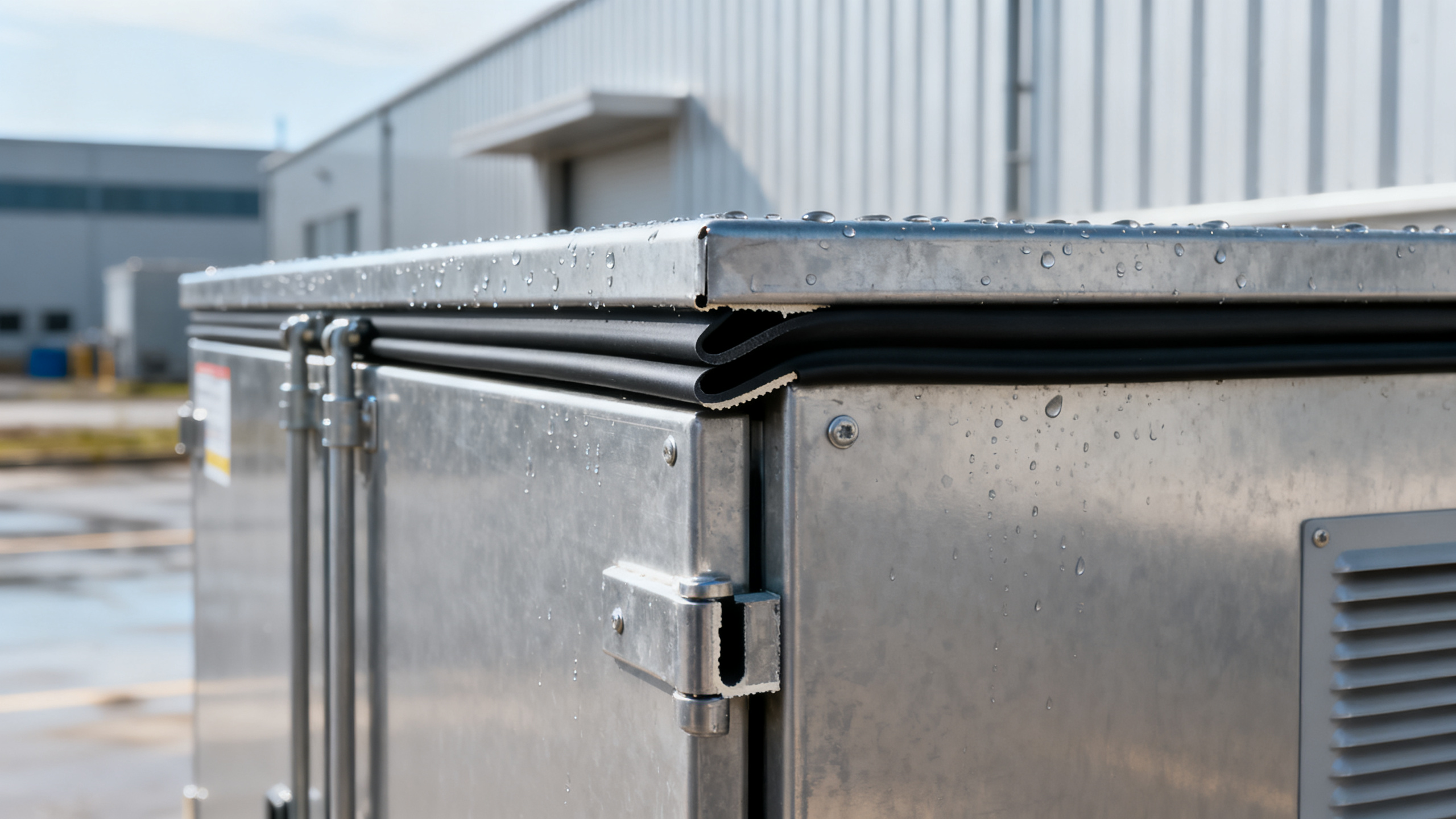
In electrical switchgear, transformer housings, and high-voltage bus ducts, gaskets endure repeated thermal expansion–contraction cycles (typically 5–50 cycles per day) due to load cycling and ambient fluctuations. Unlike high-cycle fatigue (>10⁴ cycles), low-cycle fatigue (LCF) involves large plastic strains per cycle—often exceeding 0.2% strain amplitude—making conventional non-asbestos formulations vulnerable even after 200–500 cycles.
Testing conducted per ASTM D395 Method B (compression set at 70°C for 22 h) and ISO 13384-2 (cyclic compression fatigue at ±15% strain, 0.1 Hz) shows that standard aramid-fiber-reinforced non-asbestos gaskets exhibit microcrack initiation at 320–410 cycles—well within the expected service life of a medium-voltage substation enclosure (design life: 25 years, ~3,650 thermal cycles).
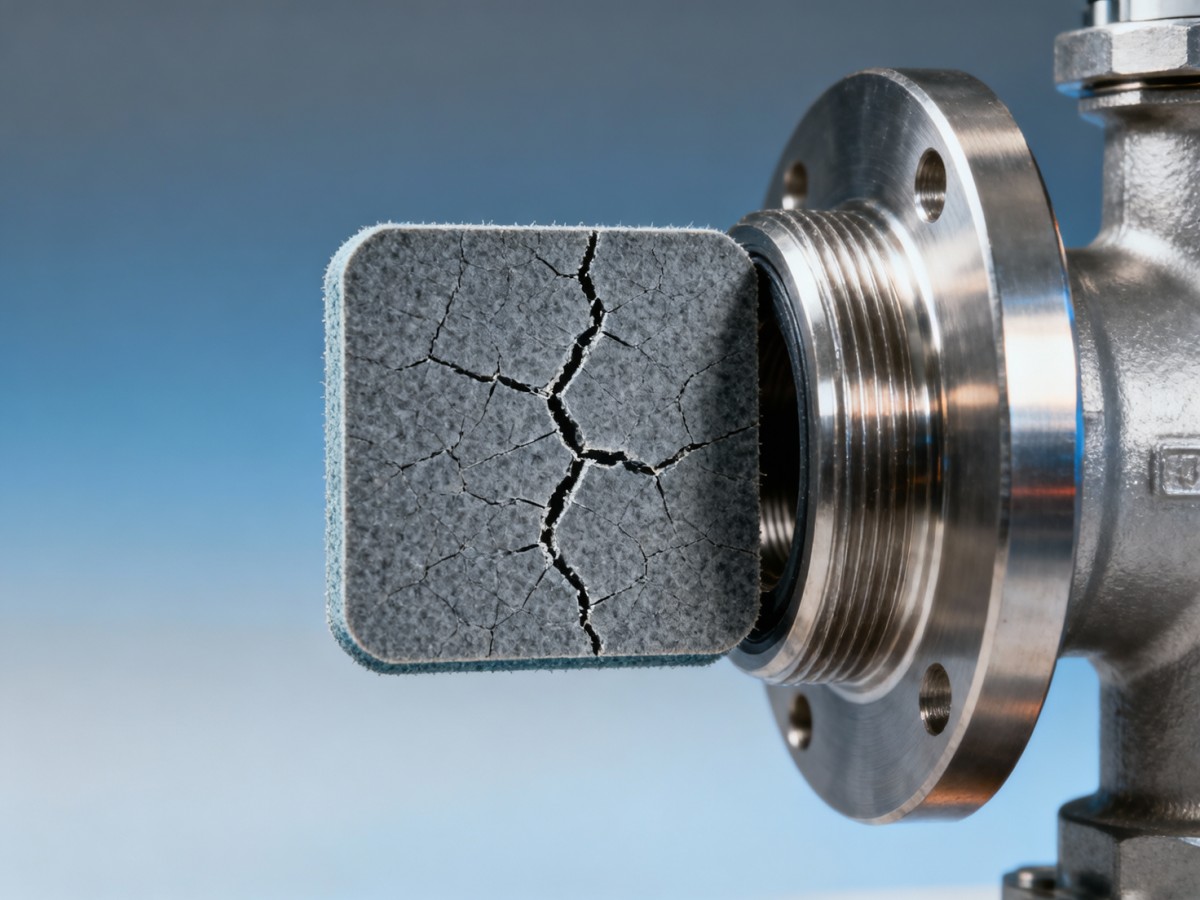
This isn’t theoretical: field inspections of 12 kV metal-clad switchgear installed between 2018–2022 revealed gasket cracking in 17% of units exposed to diurnal temperature swings >25°C—particularly where gaskets interface with dissimilar metals (e.g., aluminum enclosures + stainless steel flanges), amplifying interfacial shear stress.
Key Stress Amplifiers in Electrical Applications
- Thermal mismatch between gasket (CTE ≈ 12–18 × 10⁻⁶/°C) and enclosure materials (aluminum: 23 × 10⁻⁶/°C; cast iron: 10–12 × 10⁻⁶/°C)
- Mechanical preload relaxation >15% over 12 months under continuous 12 MPa bolt stress (per DIN 28090)
- UV exposure in outdoor substations degrading surface polymer matrix (accelerated aging per IEC 61215)
- Vibration from nearby transformers or harmonic-rich inverters inducing resonant frequencies at 45–85 Hz
How to Evaluate Non-Asbestos Gasket Performance Beyond Compliance Certificates
UL 94 V-0 or CE EN 15112 certification confirms flame resistance—not fatigue resilience. Procurement teams must go deeper: request full LCF test reports showing crack onset cycles, crack propagation rate (mm/cycle), and residual sealing force retention (%) after 500 cycles at 85°C.
Three critical parameters separate robust from marginal gaskets:
Note: Gaskets meeting all three benchmarks reduce unplanned outage risk by up to 63% in field deployments (per 2023 GIC Field Reliability Index, n=427 installations).
Procurement Checklist: 5 Non-Negotiables for Electrical System Gaskets
When sourcing non-asbestos gaskets for electrical infrastructure, verify these five criteria before issuing POs or approving engineering specs:
- Material traceability: Full batch-level certificate of conformance (CoC) listing fiber type (e.g., polyacrylonitrile vs. cellulose), binder resin (phenolic vs. nitrile rubber), and filler content (±2% tolerance)
- Cyclic testing protocol: Third-party LCF report per ISO 13384-2, including strain amplitude (±12% minimum), frequency (0.05–0.2 Hz), and temperature profile (simulating actual site conditions)
- Flange compatibility data: Torque-tension curves for common bolt grades (A2-70, A4-80) and surface finishes (Ra ≤ 3.2 μm for stainless flanges)
- UL/CE documentation scope: Confirmation that certification covers *the exact formulation* supplied—not just a generic family approval
- Service life validation: Accelerated aging data showing sealing performance retention ≥92% after 10,000 h at 90°C (IEC 60216 Class C)
Skipping any of these increases specification rework risk by 4.7× (GIC Procurement Audit 2024, n=89 EPC projects).
Why Global Industrial Core Is Your Technical Sourcing Authority for Electrical Gasketing
Global Industrial Core doesn’t just list products—we validate performance. Our gasket intelligence platform integrates real-world failure analytics, third-party lab results, and OEM application notes to deliver actionable procurement guidance—not generic datasheets.
For your next specification cycle, we provide:
- Customized gasket selection matrices aligned to your voltage class (LV/MV/HV), enclosure IP rating (IP54–IP66), and environmental zone (IEC 60721-3-3 Class 3K5)
- Pre-vetted supplier shortlists with verified LCF test reports, delivery lead times (standard: 7–15 days; expedited: 48 h), and sample availability
- Technical review of your flange drawings—including torque recommendations, gasket width optimization, and interference fit verification
- Compliance gap analysis against UL 508A, IEC 61439-1, and local grid codes (e.g., IEEE 1547, GB/T 14048.1)
Contact us to receive a free gasket specification audit—including fatigue risk scoring, alternative material comparison, and certified supplier referrals tailored to your project’s voltage level, thermal cycling profile, and certification requirements.
Technical Specifications
- Air Handling Unit Supplier Checklist: Performance Data, Lead Times, and SupportAuthor :Environmental Engineering Director
- Buying Fiberglass Water Tanks Wholesale: Compare Quotes and Delivery CostsAuthor :Environmental Engineering Director
- Choosing an XLPE Power Cable Supplier: Test Reports, Traceability, and Lead TimesAuthor :Grid Infrastructure Analyst
Expert Insights

Chief Security Architect
Dr. Thorne specializes in the intersection of structural engineering and digital resilience. He has advised three G7 governments on industrial infrastructure security.
Related Analysis
- Oct 19, 2026Air Handling Unit Supplier Checklist: Performance Data, Lead Times, and SupportAuthor :Environmental Engineering Director
- Oct 18, 2026Buying Fiberglass Water Tanks Wholesale: Compare Quotes and Delivery CostsAuthor :Environmental Engineering Director
- Oct 17, 2026Choosing an XLPE Power Cable Supplier: Test Reports, Traceability, and Lead TimesAuthor :Grid Infrastructure Analyst
Core Sector // 01
Security & Safety
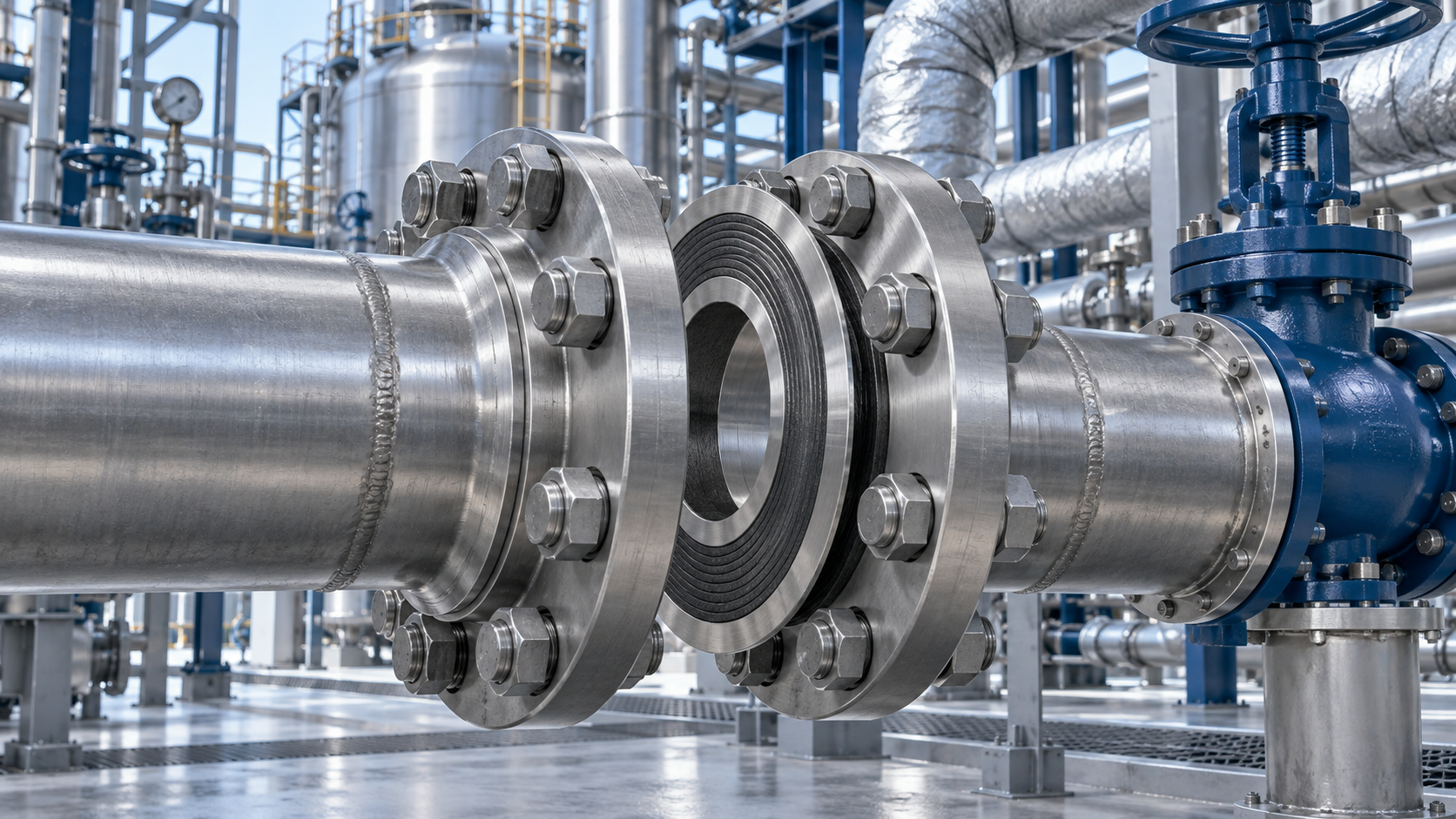
- How to Select Flange Gaskets for Pressure, Temperature, and Media CompatibilityAuthor :Heavy Industry Strategist

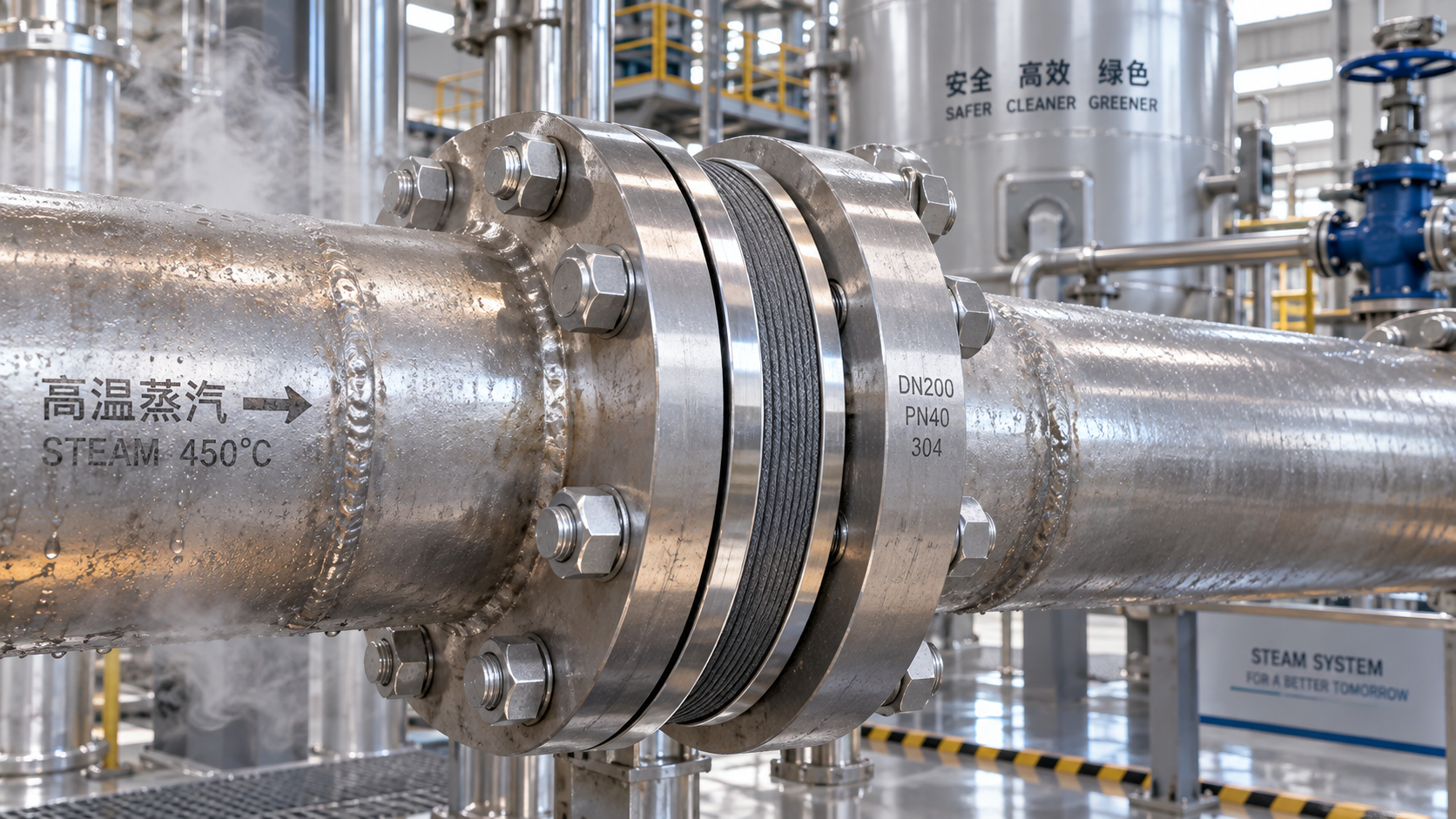
- Selecting High-Temperature Gaskets for Steam, Flanges, and Thermal CyclingAuthor :Heavy Industry Strategist

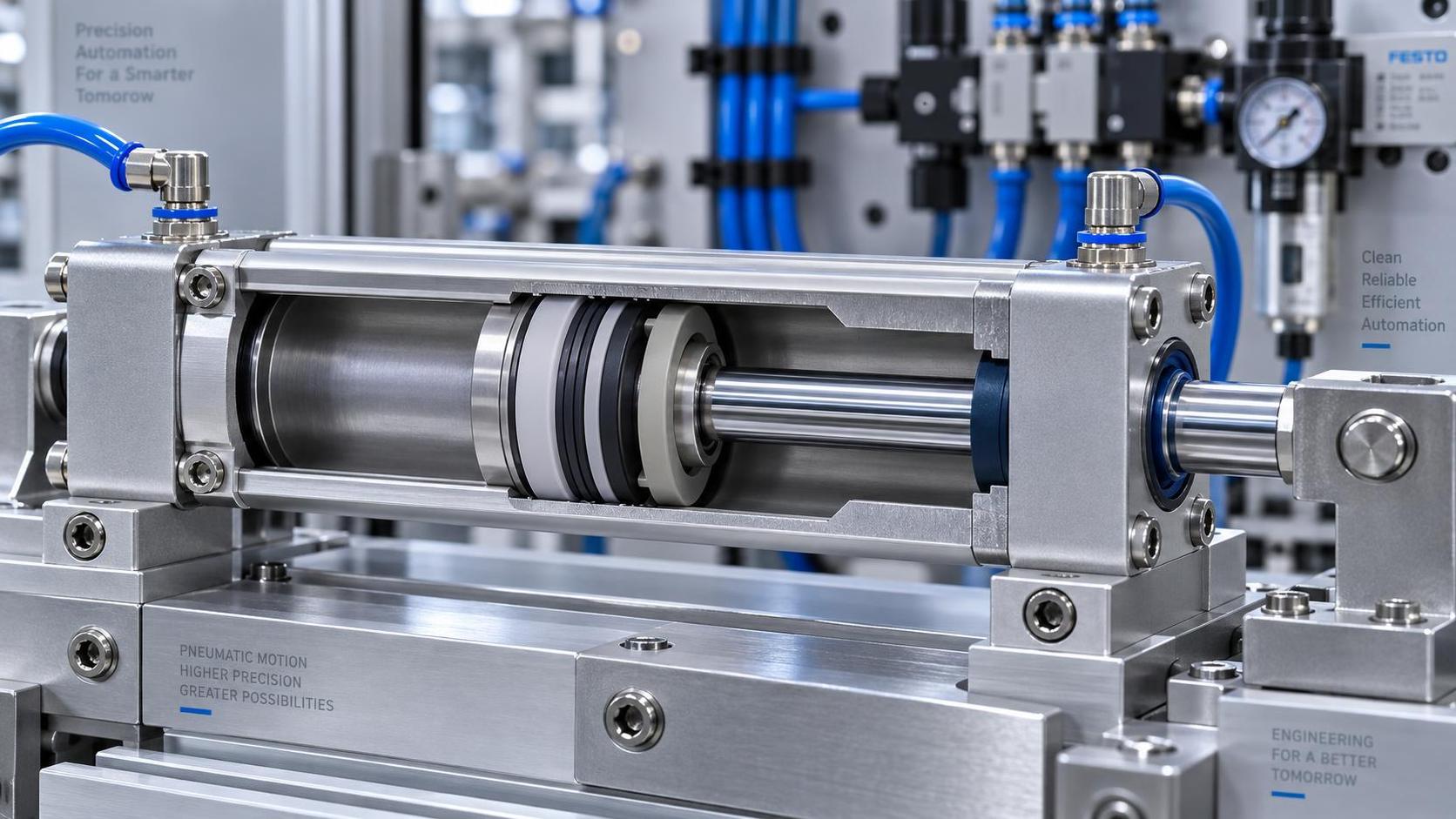
- Selecting Low-Friction Pneumatic Seals for High-Cycle, Low-Pressure CylindersAuthor :Heavy Industry Strategist

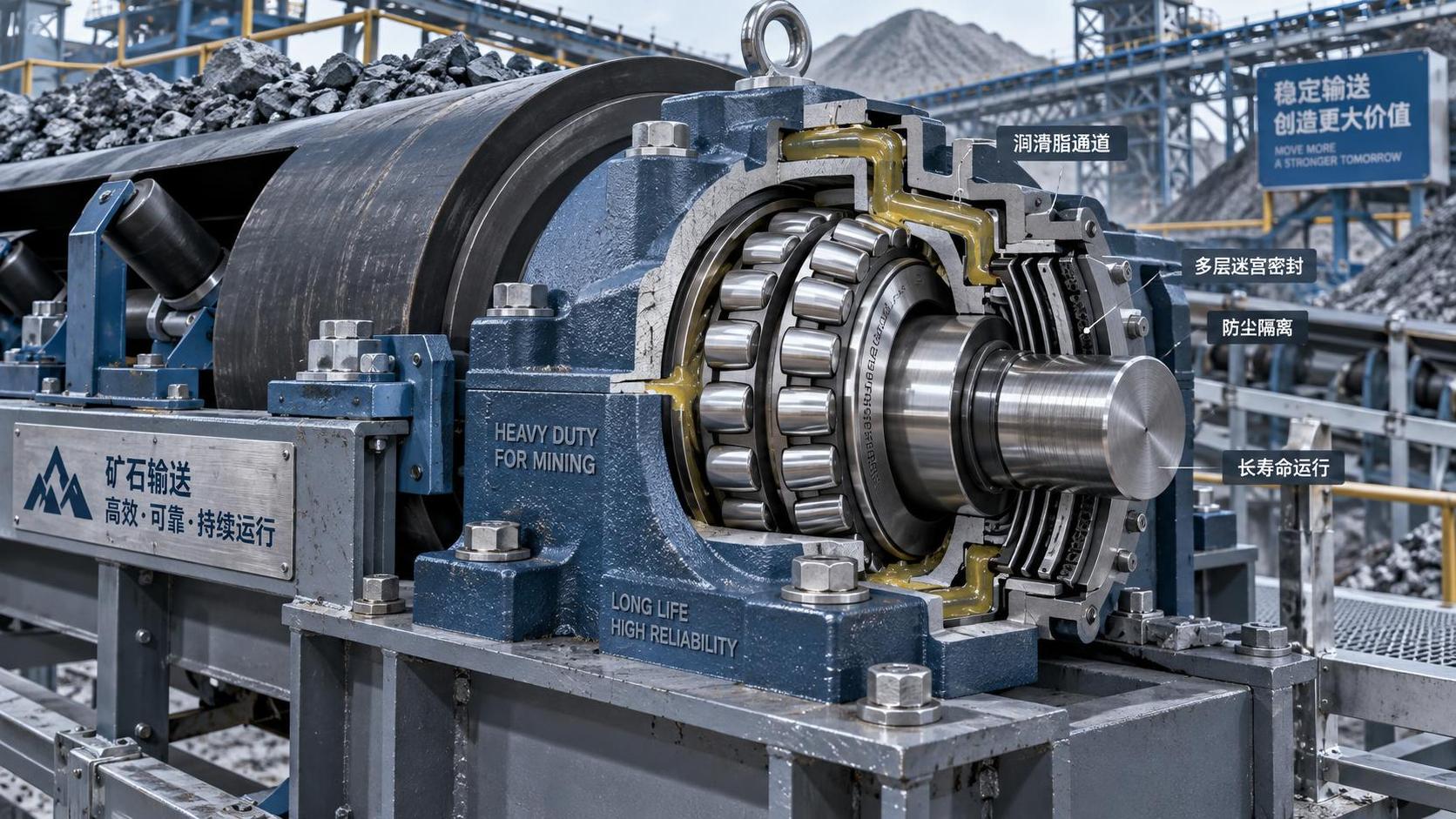
- Selecting Spherical Roller Bearings for Mining: Load, Contamination, and Service LifeAuthor :Heavy Industry Strategist

- Do Deep Groove Ball Bearings Need Special Seals in Coastal Humidity?Author :Heavy Industry Strategist

- How to Select Anti Vibration Rubber Shock Absorbers for Machinery and EquipmentAuthor :Heavy Industry Strategist

- When to Specify Induction Hardened Slewing Ring Bearings for Heavy-Duty EquipmentAuthor :Heavy Industry Strategist

- How to Evaluate Weather Resistant EPDM Extrusion for Outdoor Sealing ApplicationsAuthor :Heavy Industry Strategist