India Imposes 3-Month Zero Import Duty on Industrial Bearings & Metal Profiles
Author
Date Published
Reading Time
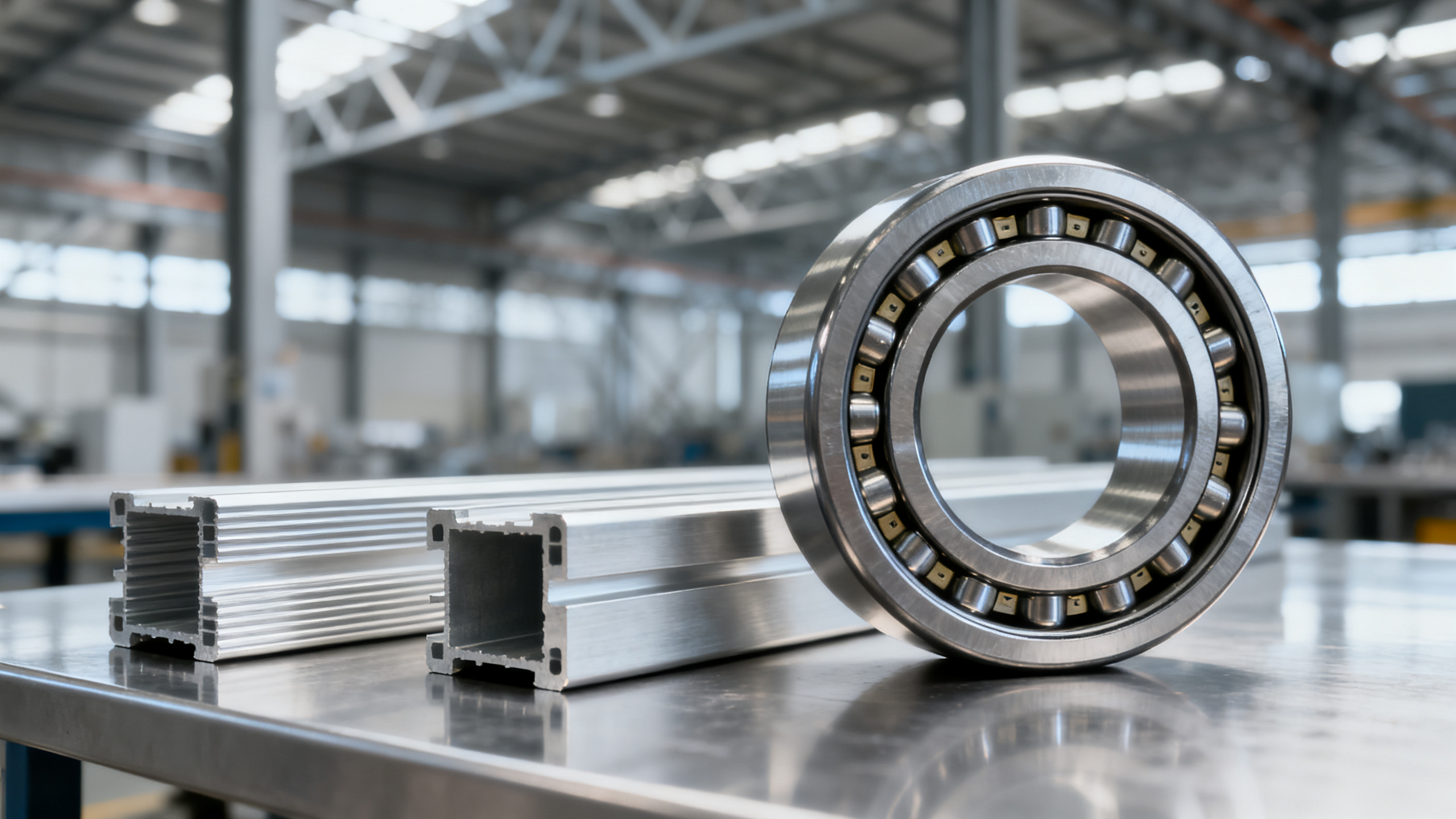
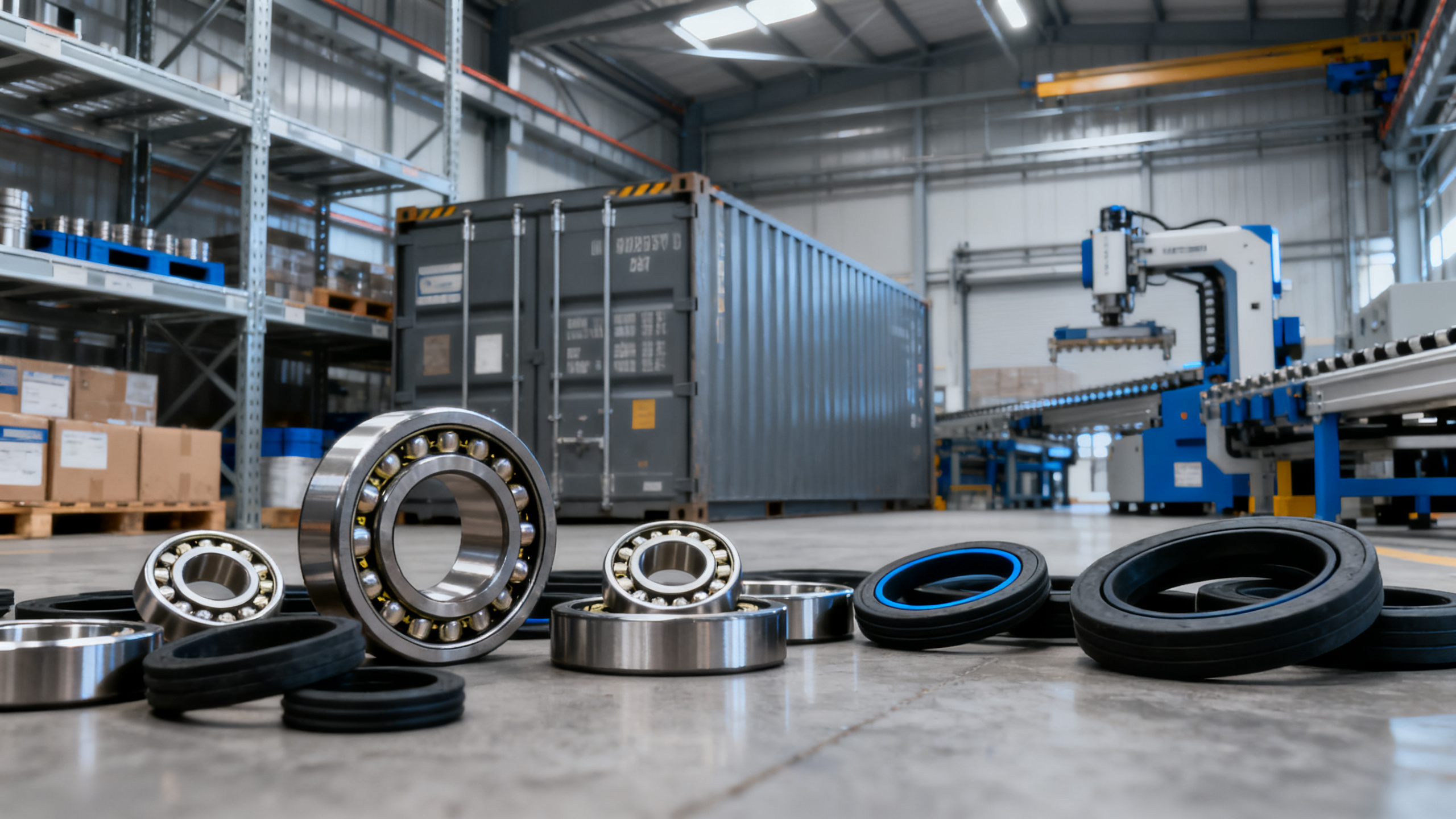
India has introduced a temporary zero import duty on 27 categories of industrial intermediates—including industrial bearings, cold-rolled steel coils, and aluminum extruded profiles—effective 10 May 2026 for three months. The measure targets cost relief for domestic manufacturers and aims to accelerate delivery timelines for renewable energy equipment and infrastructure projects. Exporters in China supplying these items are already receiving urgent inquiries from Indian importers, with requested lead times compressed to 4–6 weeks. Companies involved in industrial component trade, metal fabrication, clean energy equipment assembly, and cross-border supply chain coordination should monitor this development closely—as it signals both near-term opportunity and operational pressure.
Event Overview
The Government of India announced on 9 May 2026 that a temporary zero import duty would apply to 27 categories of industrial intermediate goods, effective from 10 May 2026 for a duration of three months. Covered items explicitly include industrial bearings, cold-rolled steel coils, and aluminum extruded profiles. The stated objective is to alleviate manufacturing cost pressures in India and support timely execution of renewable energy and infrastructure projects.
Industries Affected by Segment
Direct Exporters (e.g., Chinese bearing and metal profile manufacturers)
These firms face immediate demand-side pressure: Indian importers are issuing urgent purchase inquiries with shortened delivery windows (4–6 weeks). The tariff suspension lowers landed cost for buyers but does not alter export pricing or logistics constraints—meaning fulfillment capacity, documentation readiness, and customs compliance timing become critical bottlenecks.
Raw Material Sourcing & Procurement Teams (e.g., Indian OEMs sourcing bearings or structural metals)
Procurement departments may see short-term cost reduction per unit, but the 3-month window introduces planning uncertainty. Budgeting, vendor qualification cycles, and inventory policy must now accommodate a narrow policy horizon—especially where long-lead components were previously sourced under stable tariff regimes.
Downstream Fabricators & Equipment Assemblers (e.g., Indian solar tracker or rail vehicle manufacturers)
These companies rely on imported intermediates as inputs for final products. Faster availability and lower input costs could improve project margin and scheduling—but only if upstream suppliers can reliably meet compressed timelines. Any delay in bearing or profile deliveries risks cascading delays across EPC contracts tied to fixed milestones.
Supply Chain & Logistics Service Providers (e.g., freight forwarders, customs brokers serving India-China industrial trade)
Volume spikes in targeted HS codes are likely over Q2 2026. Service providers need to verify updated tariff classification guidance for each listed item, confirm preferential treatment eligibility at Indian ports, and prepare for increased documentation scrutiny—particularly around origin certification and product specifications.
Key Points for Enterprises and Practitioners to Monitor and Act On
Track official notifications for extension, modification, or list revisions
The policy is time-bound and narrowly scoped. Analysis shows the Indian government may use this period to assess domestic production gaps; any extension or expansion would signal deeper structural intent—not just cyclical relief.
Validate HS code alignment and origin documentation requirements before shipment
Not all bearings or aluminum profiles automatically qualify—only those falling precisely within the 27 specified categories and meeting Indian customs’ origin and technical criteria. Observably, misclassification risks customs delays or duty reassessment upon clearance.
Distinguish between policy announcement and operational feasibility
The zero-duty status does not guarantee faster port clearance or relaxed quality inspections. From industry perspective, exporters must treat this as a commercial opportunity requiring proactive coordination—not passive eligibility. Pre-shipment testing, bilingual technical documentation, and advance coordination with Indian consignees are now higher-priority actions.
Prepare for post-policy transition planning starting in July 2026
Given the 3-month term ending in early August 2026, current more appropriate action is to map alternative sourcing options, evaluate local Indian supplier capabilities, and stress-test internal procurement calendars against potential tariff reinstatement—even while fulfilling urgent orders.
Editorial Observation / Industry Perspective
This measure is best understood not as a structural trade liberalization step, but as a targeted, time-limited intervention aligned with India’s near-term infrastructure and energy delivery goals. Analysis shows it reflects responsiveness to acute supply-chain friction—not a shift in long-term import substitution strategy. Observably, its significance lies less in tariff level change and more in the speed and specificity with which it was deployed: signaling heightened sensitivity to input cost and lead time in strategic sectors. Continued monitoring is warranted—not because extension is likely, but because similar instruments may be applied selectively to other intermediate categories in coming quarters.
Ultimately, this policy represents a tactical calibration rather than a strategic pivot. It offers measurable, short-duration relief for specific industrial inputs—but introduces new layers of urgency, documentation discipline, and timeline management for stakeholders across the India-facing supply chain. Current more appropriate understanding is that it functions as an operational signal: prioritize responsiveness, verification, and contingency planning over assumptions of sustained advantage.
Source: Official announcement by the Government of India, Ministry of Finance – Customs Tariff Notification No. [unspecified], dated 9 May 2026.
Note: Extension status, exact HS code list, and implementation guidelines remain subject to official updates; ongoing observation is recommended.
Technical Specifications
- How to Select Electronic Hotel Key Card Locks for Guest Rooms and Staff AreasAuthor :Safety Compliance Lead
- How to Select Lab Instruments for Reliable Chemical Analysis WorkflowsAuthor :Precision Metrology Expert
- How to Size a UPS for Server Rooms: Load, Runtime, and Redundancy FactorsAuthor :Grid Infrastructure Analyst
Expert Insights

Chief Security Architect
Dr. Thorne specializes in the intersection of structural engineering and digital resilience. He has advised three G7 governments on industrial infrastructure security.
Related Analysis
- Sep 17, 2026How to Select Electronic Hotel Key Card Locks for Guest Rooms and Staff AreasAuthor :Safety Compliance Lead
- Sep 16, 2026How to Select Lab Instruments for Reliable Chemical Analysis WorkflowsAuthor :Precision Metrology Expert
- Sep 15, 2026How to Size a UPS for Server Rooms: Load, Runtime, and Redundancy FactorsAuthor :Grid Infrastructure Analyst
Core Sector // 01
Security & Safety
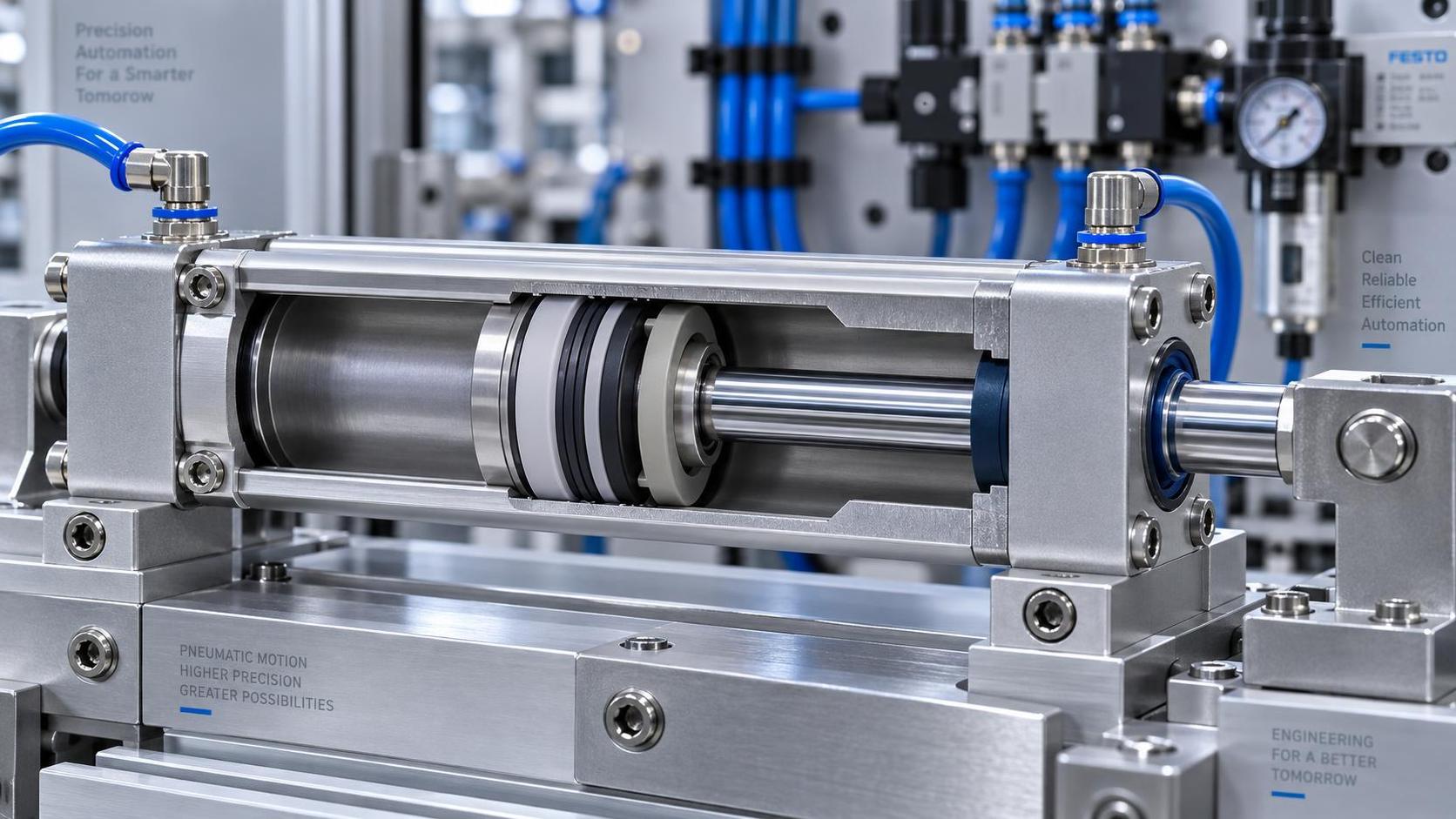
- Selecting Low-Friction Pneumatic Seals for High-Cycle, Low-Pressure CylindersAuthor :Heavy Industry Strategist

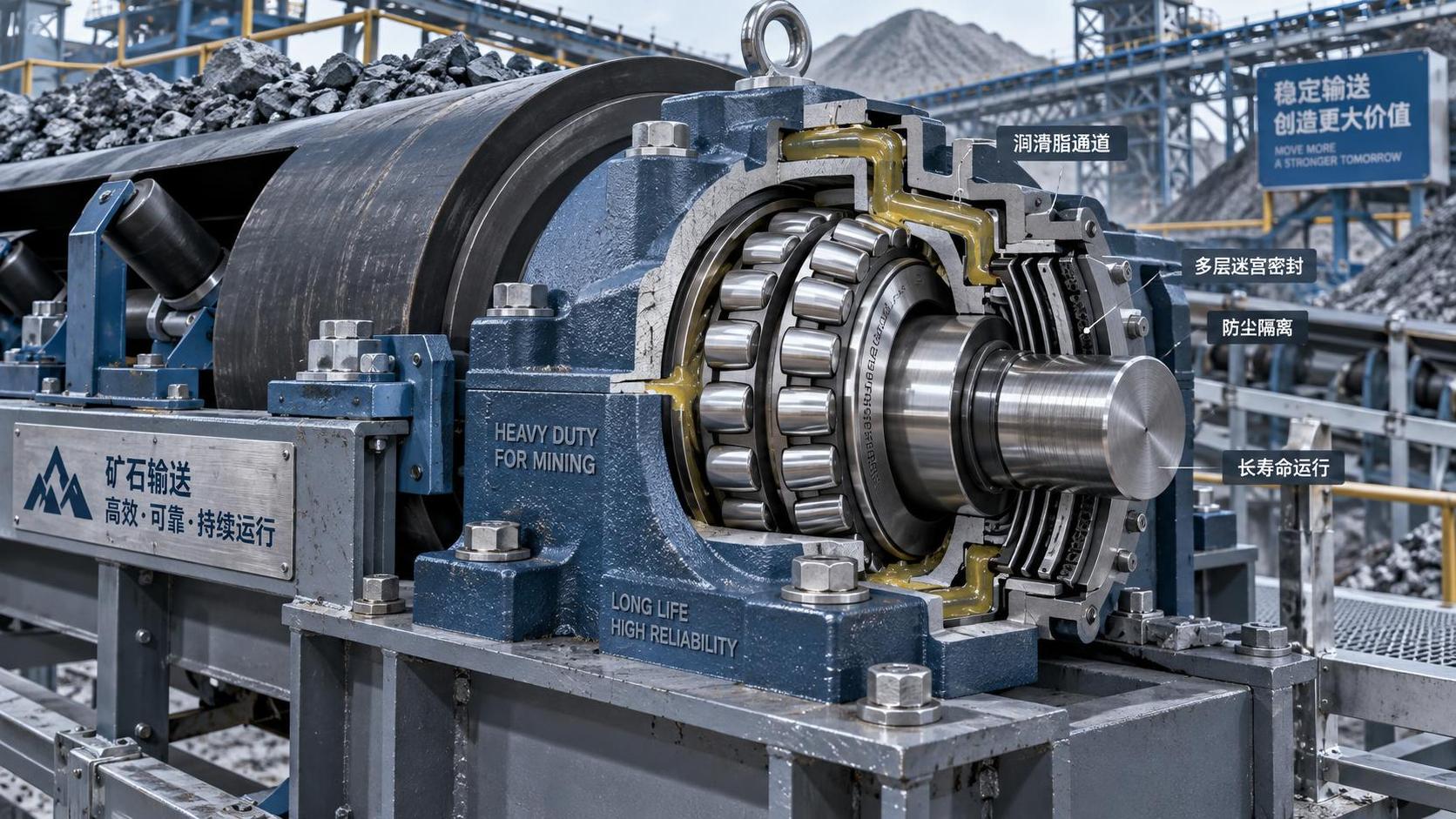
- Selecting Spherical Roller Bearings for Mining: Load, Contamination, and Service LifeAuthor :Heavy Industry Strategist

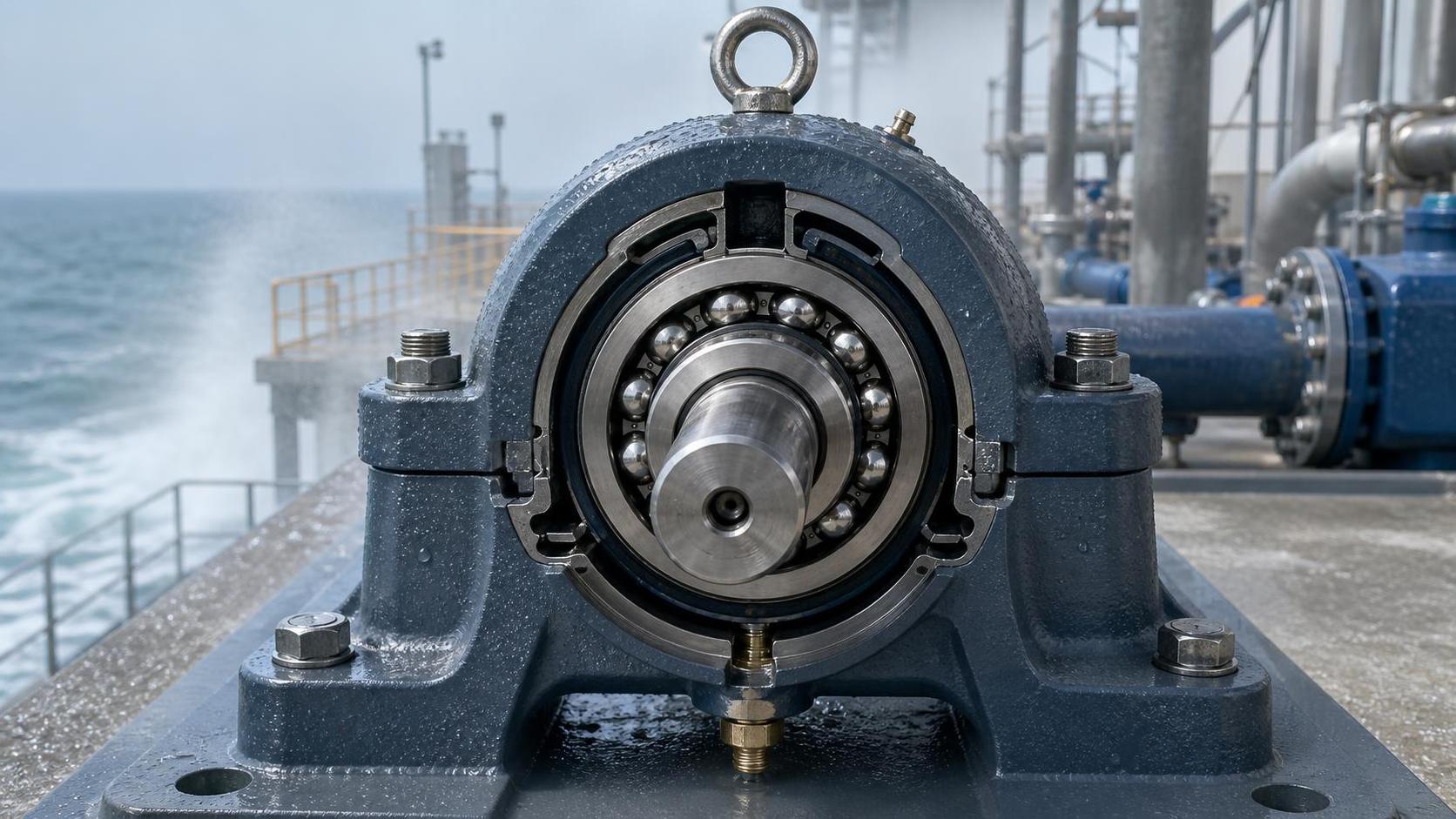
- Do Deep Groove Ball Bearings Need Special Seals in Coastal Humidity?Author :Heavy Industry Strategist

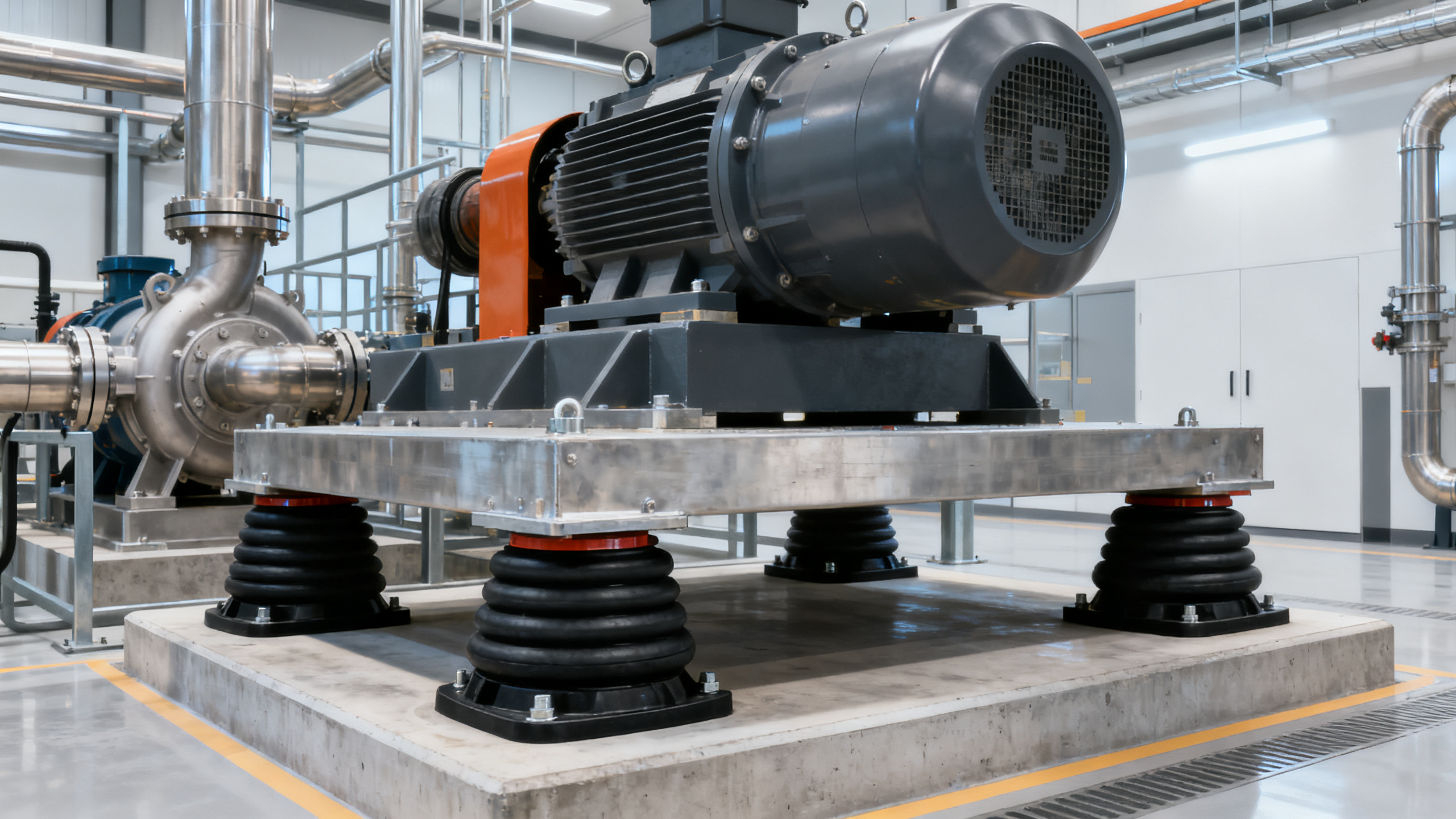
- How to Select Anti Vibration Rubber Shock Absorbers for Machinery and EquipmentAuthor :Heavy Industry Strategist

- When to Specify Induction Hardened Slewing Ring Bearings for Heavy-Duty EquipmentAuthor :Heavy Industry Strategist

- How to Evaluate Weather Resistant EPDM Extrusion for Outdoor Sealing ApplicationsAuthor :Heavy Industry Strategist

- Bearing and Seal Lead Times Stretch to 22 WeeksAuthor :Heavy Industry Strategist

- Angular Contact Ball Bearings Explained: Contact Angle, Load Capacity, and Common UsesAuthor :Heavy Industry Strategist