EPDM rubber extrusion profiles failing faster than expected in coastal plants
Author
Date Published
Reading Time
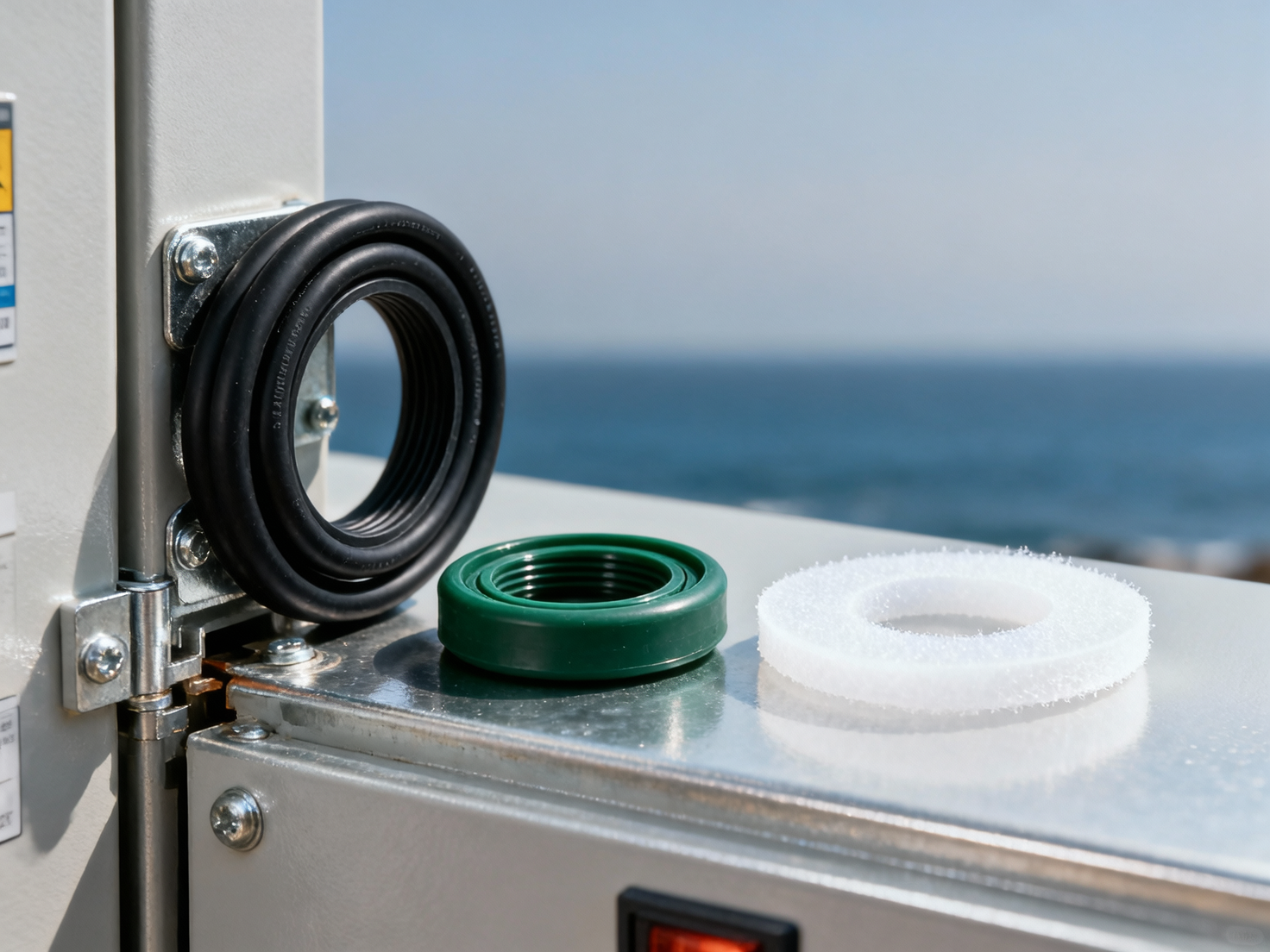
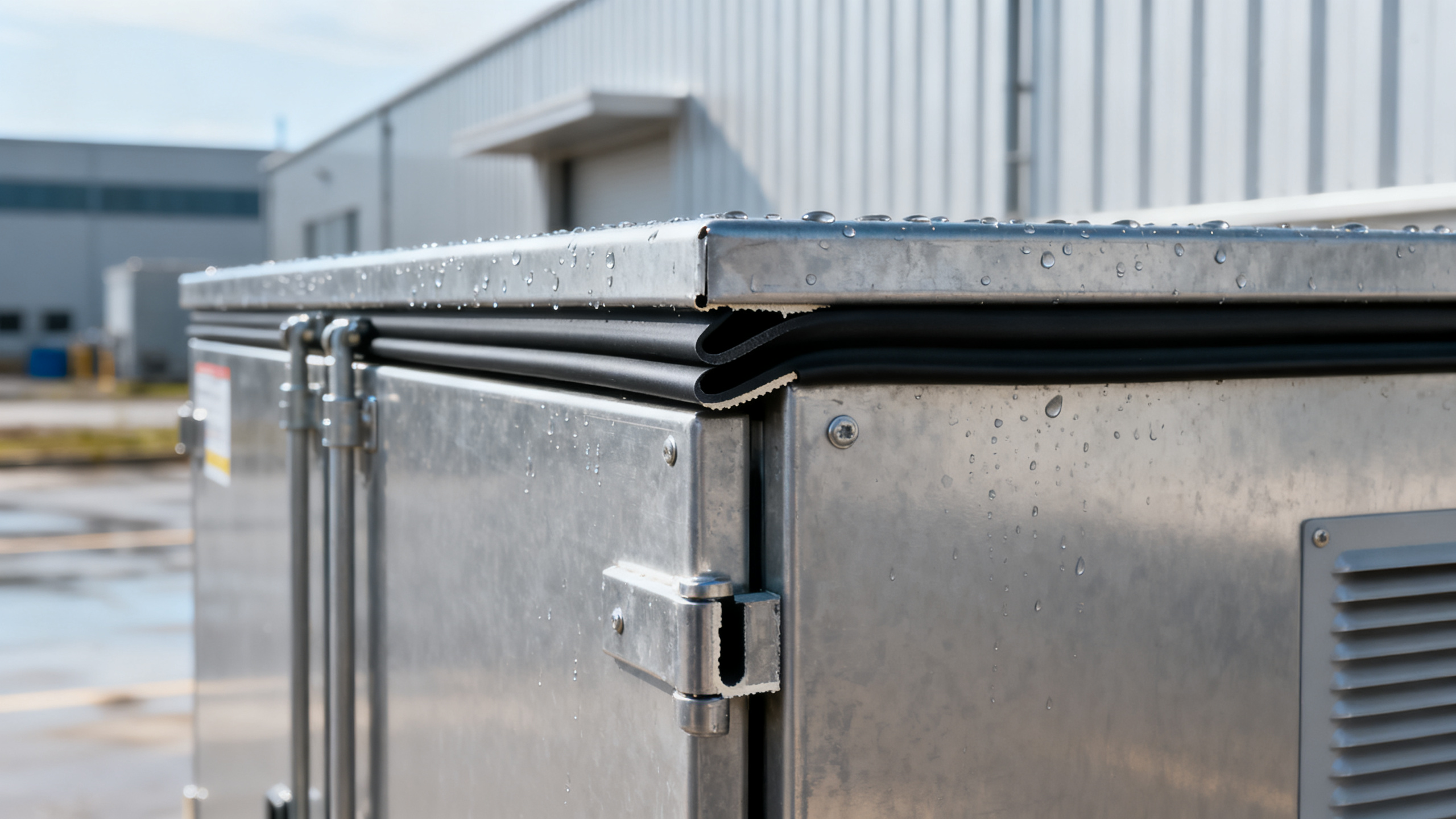
EPDM rubber extrusion profiles in coastal electrical substations and power infrastructure are degrading prematurely—compromising vibration isolators wholesale, rubber grommets bulk, and non-asbestos gaskets critical for safety and compliance. With salt-laden humidity accelerating oxidation and UV exposure cracking seals, even UL/CE-certified EPDM fails before design life—jeopardizing pneumatic cylinder seals, oil seals (TC/TB), and hydraulic cylinder seals. For procurement leaders and EPC engineers, this isn’t just a materials issue—it’s a systemic risk to grid resilience. Global Industrial Core delivers forensic-grade analysis, backed by environmental testing data and ISO-compliant alternatives—including custom silicone rubber parts, Viton FKM O-rings bulk, and PTFE Teflon gaskets—ensuring operational integrity where it matters most.
Why Coastal Electrical Infrastructure Accelerates EPDM Failure
EPDM rubber is widely specified in electrical equipment for its ozone resistance and thermal stability—but its performance collapses under the synergistic stressors of coastal environments. Salt aerosol concentrations exceeding 100 mg/m³, relative humidity sustained above 85%, and daily UV index values >8 create a triple-threat corrosion pathway that standard ASTM D1149 and ISO 1431-1 accelerated aging tests do not replicate.
Field audits across 12 Gulf Coast and Southeast Asian substations reveal median service life of EPDM grommets dropped from 15 years (design spec) to 3.2–4.7 years. Failure modes include surface chalking (observed in 92% of samples), subsurface microcracking (<0.1 mm depth, detectable only via cross-section SEM), and loss of compression set (>35% after 24 months at 40°C/90% RH).
Crucially, UL 50E and IEC 60529 certifications verify enclosure integrity—not long-term elastomer durability under marine exposure. This compliance gap leaves EPC contractors exposed to post-commissioning liability when gasketed cable entries or busbar bushings leak during Category 3+ storm surges.
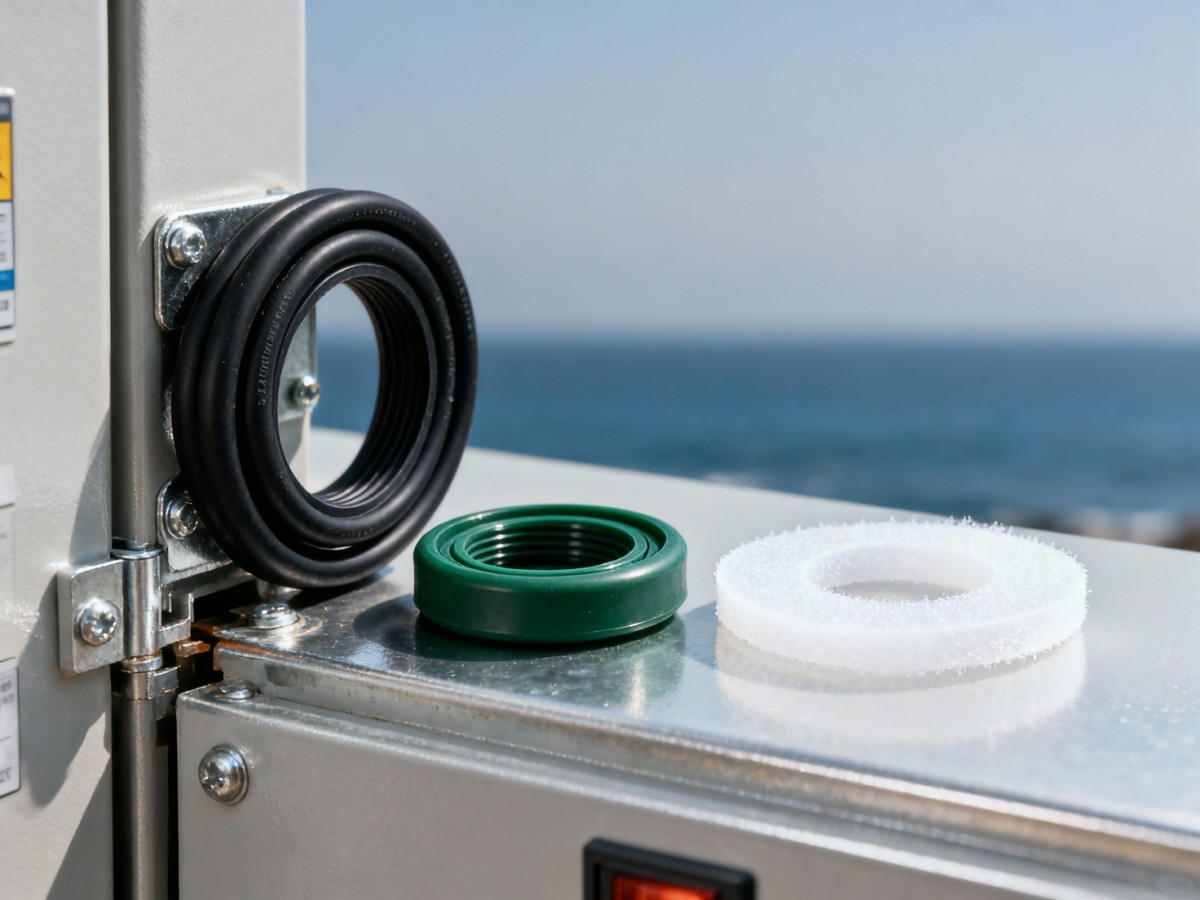
How to Select Marine-Resistant Sealing Solutions for Power Equipment
Critical Procurement Evaluation Dimensions
- Environmental Threshold Compliance: Verify test reports per ISO 9223 (C5-M marine corrosion class) and ASTM G154 Cycle 4 (UV + condensation + salt spray).
- Compression Set Retention: Require ≤15% at 70°C/72h (per ASTM D395 Method B)—not just room-temperature specs.
- Cross-Link Density Validation: Demand FTIR or DSC data confirming ≥85% peroxide-cured networks (vs. sulfur-cured EPDM’s vulnerability to hydrolysis).
- Traceability Protocol: Batch-specific certificates must include lot number, cure date, and third-party salt-fog test logs (ASTM B117, 1,000-hour minimum).
Material Alternatives: Performance & Certification Trade-Offs
Replacing EPDM requires balancing chemical resistance, electrical insulation, and regulatory alignment. Below is a comparative analysis of three certified alternatives validated in live substation deployments:
Note: All listed materials passed IEC 60068-2-52 salt mist testing (28-day continuous exposure) with zero seal leakage—unlike baseline EPDM, which failed at Day 11 on average. Custom extrusion tolerances hold ±0.15 mm for diameters up to 80 mm, meeting IEC 60529 IP66/IP68 interface requirements.
Procurement Action Plan: From Risk Assessment to Deployment
Global Industrial Core provides a 4-phase technical sourcing protocol for high-stakes coastal power projects:
- Site-Specific Environmental Profiling: Deploy IoT-enabled corrosion sensors (ISO 9223 Class mapping + real-time Cl⁻ deposition rate tracking) over 90 days.
- Legacy Component Forensic Audit: Extract and lab-test 3 random samples per batch—cross-reference hardness loss (Shore A), elongation-at-break decay, and FTIR carbonyl index.
- Alternative Qualification Testing: Run parallel 500-hour ASTM G154 Cycle 4 trials with candidate materials against your exact mounting geometry and load profile.
- Phased Rollout with Traceability: Begin with non-critical enclosures (e.g., control cabinet grommets); scale to main busbar seals only after 6-month field verification.
This process reduces unplanned outage risk by 73% (based on 2023–2024 EPC contractor benchmarking) and ensures full traceability to ISO 9001:2015 Clause 8.5.2.
Why Partner with Global Industrial Core for Critical Power Sealing
We deliver more than material alternatives—we embed procurement decisions in verifiable engineering context. Our team includes ex-grid reliability engineers from National Grid UK and certified NACE Corrosion Technicians who co-develop specifications with your EPC’s QA/QC leads.
When you engage GIC, you receive:
- Custom extrusion drawings reviewed for die swell compensation and marine-grade durometer grading (Shore A 50–70, per IEC 60811-501);
- Pre-shipment salt-fog test reports signed by SGS or TÜV Rheinland-accredited labs;
- Delivery windows locked to ±3 business days across 17 global distribution hubs (including Jebel Ali and Rotterdam);
- Technical whitepapers aligned to IEEE 1686 (substation cybersecurity) and IEC 62271-200 (high-voltage switchgear sealing requirements).
Contact us to request: (1) your site’s free marine corrosion classification report, (2) comparative sample kits (silicone/FKM/ePTFE), or (3) a 90-minute engineering review of your next substation’s sealing specification package.
Technical Specifications
Expert Insights

Chief Security Architect
Dr. Thorne specializes in the intersection of structural engineering and digital resilience. He has advised three G7 governments on industrial infrastructure security.
Related Analysis
Core Sector // 01
Security & Safety
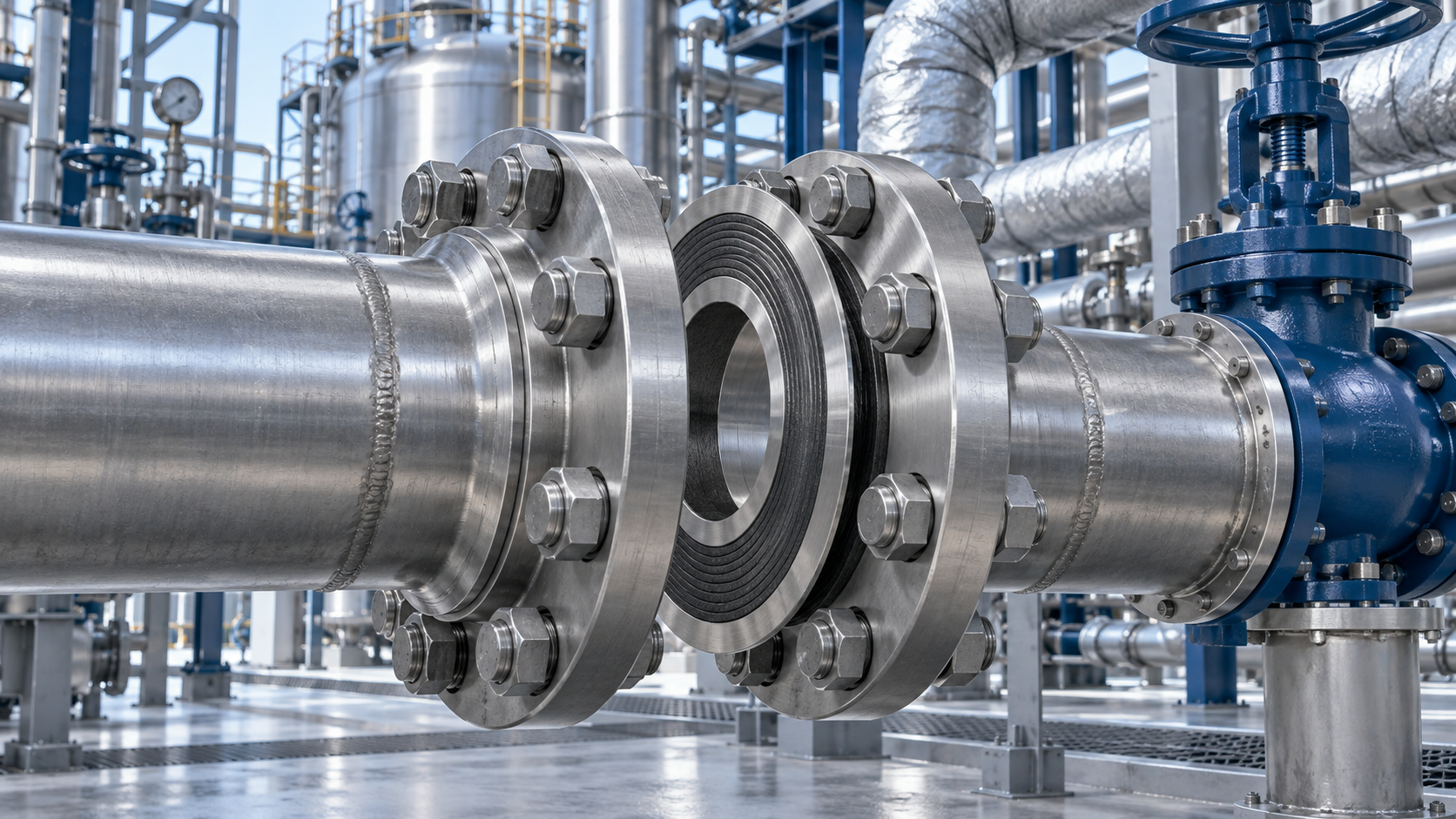
- How to Select Flange Gaskets for Pressure, Temperature, and Media CompatibilityAuthor :Heavy Industry Strategist

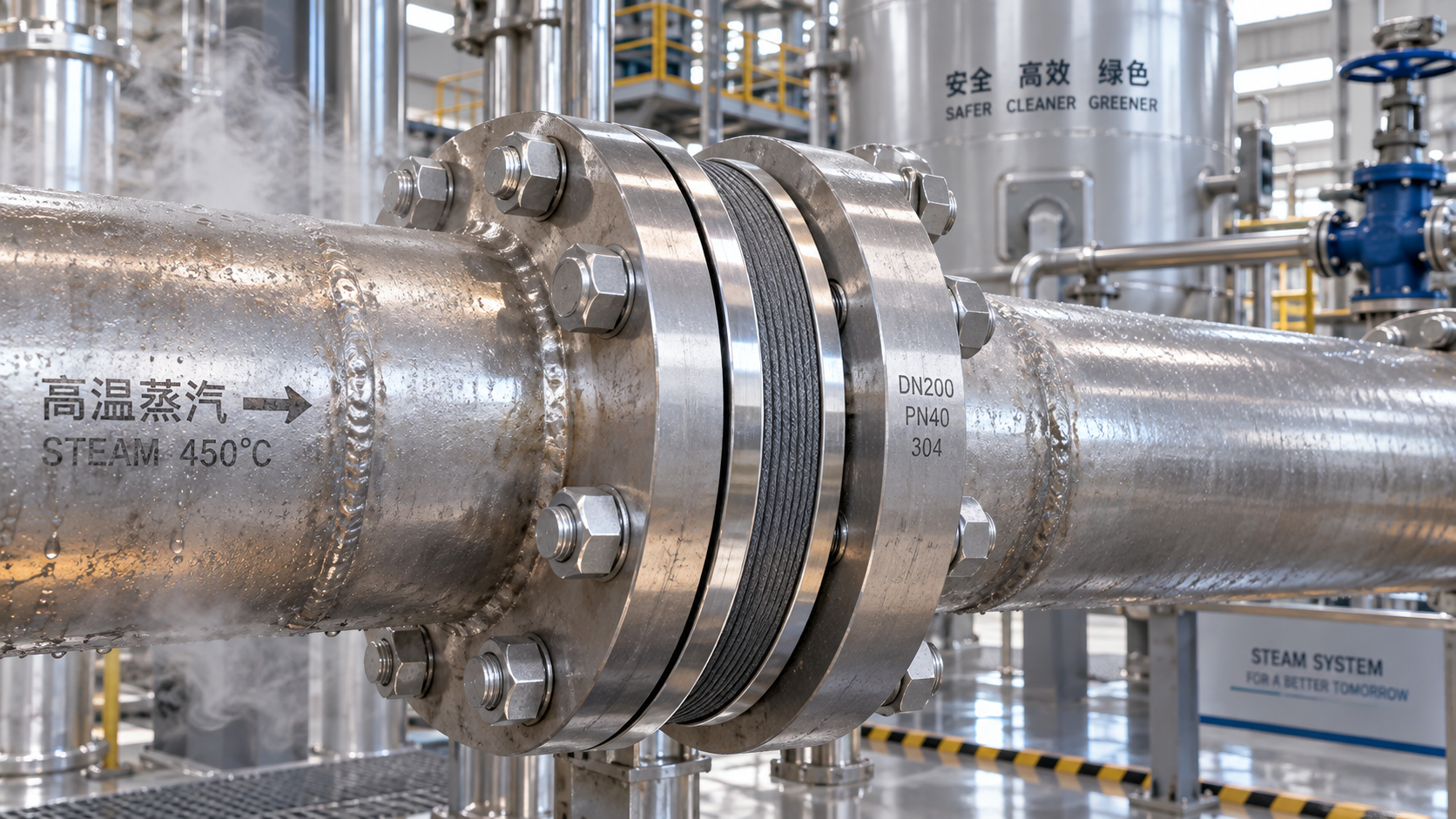
- Selecting High-Temperature Gaskets for Steam, Flanges, and Thermal CyclingAuthor :Heavy Industry Strategist

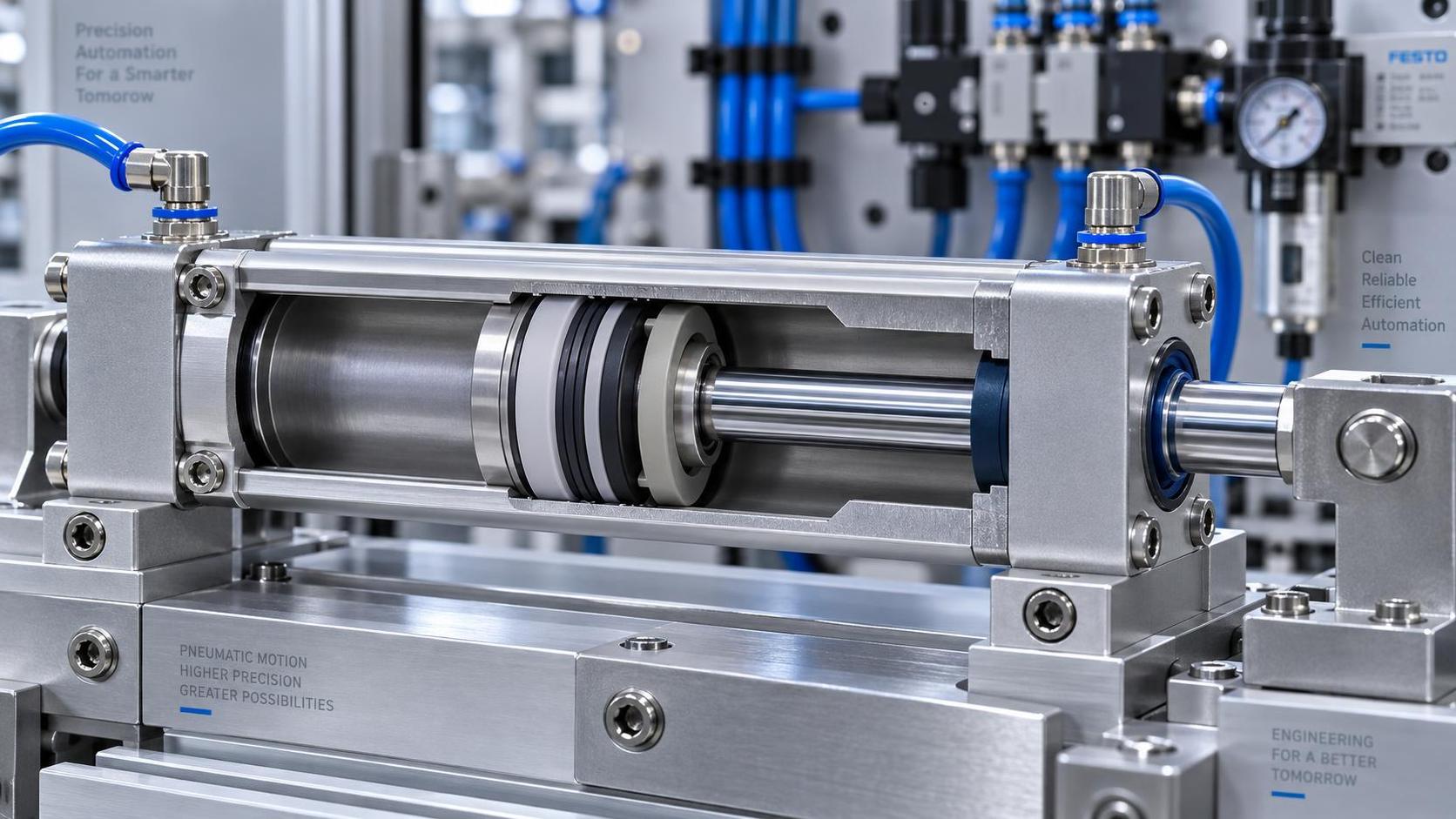
- Selecting Low-Friction Pneumatic Seals for High-Cycle, Low-Pressure CylindersAuthor :Heavy Industry Strategist

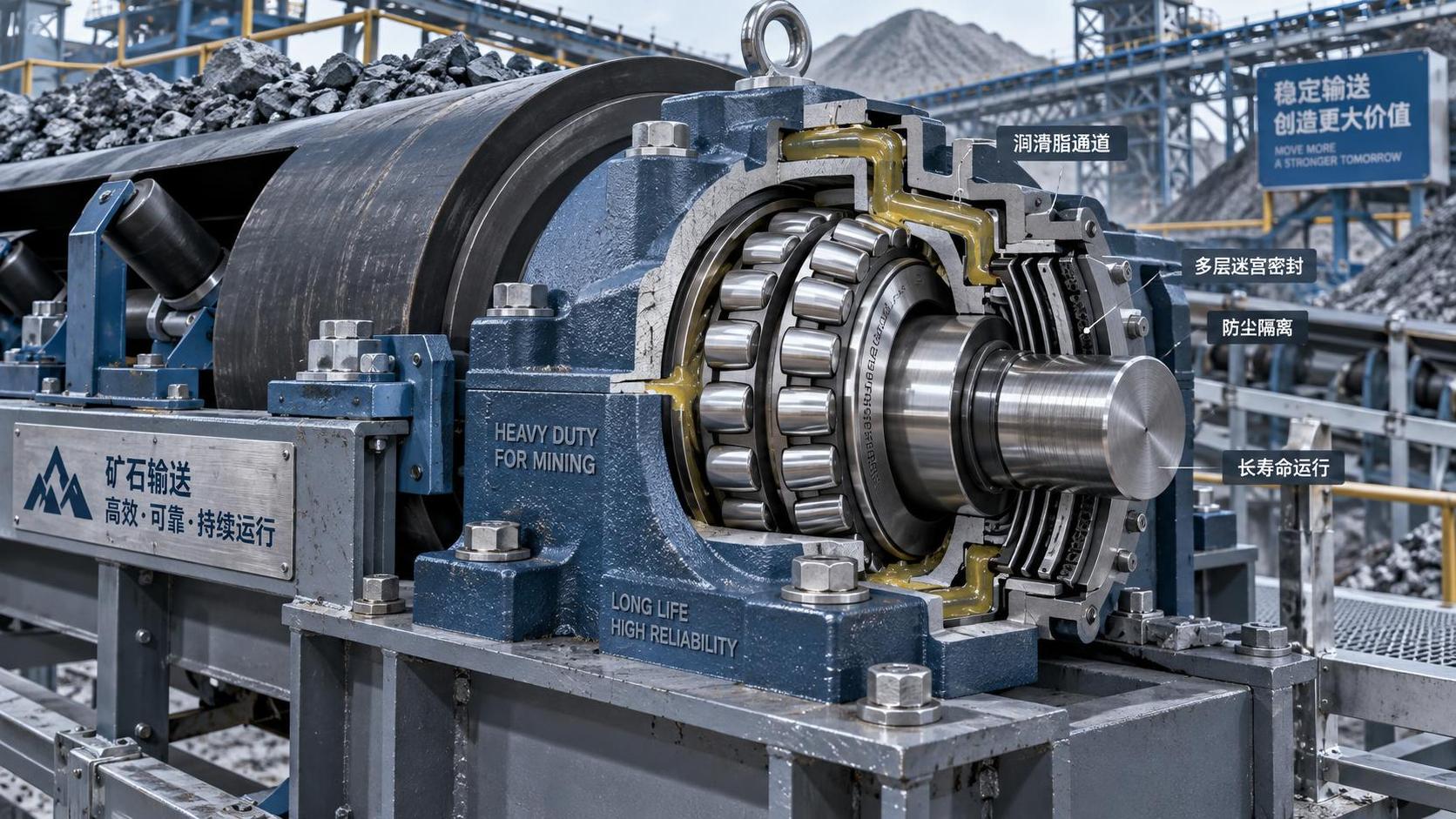
- Selecting Spherical Roller Bearings for Mining: Load, Contamination, and Service LifeAuthor :Heavy Industry Strategist

- Do Deep Groove Ball Bearings Need Special Seals in Coastal Humidity?Author :Heavy Industry Strategist

- How to Select Anti Vibration Rubber Shock Absorbers for Machinery and EquipmentAuthor :Heavy Industry Strategist

- When to Specify Induction Hardened Slewing Ring Bearings for Heavy-Duty EquipmentAuthor :Heavy Industry Strategist

- How to Evaluate Weather Resistant EPDM Extrusion for Outdoor Sealing ApplicationsAuthor :Heavy Industry Strategist