EPDM rubber extrusion profiles cracking at joints? It’s rarely the compound—and often the tooling
Author
Date Published
Reading Time
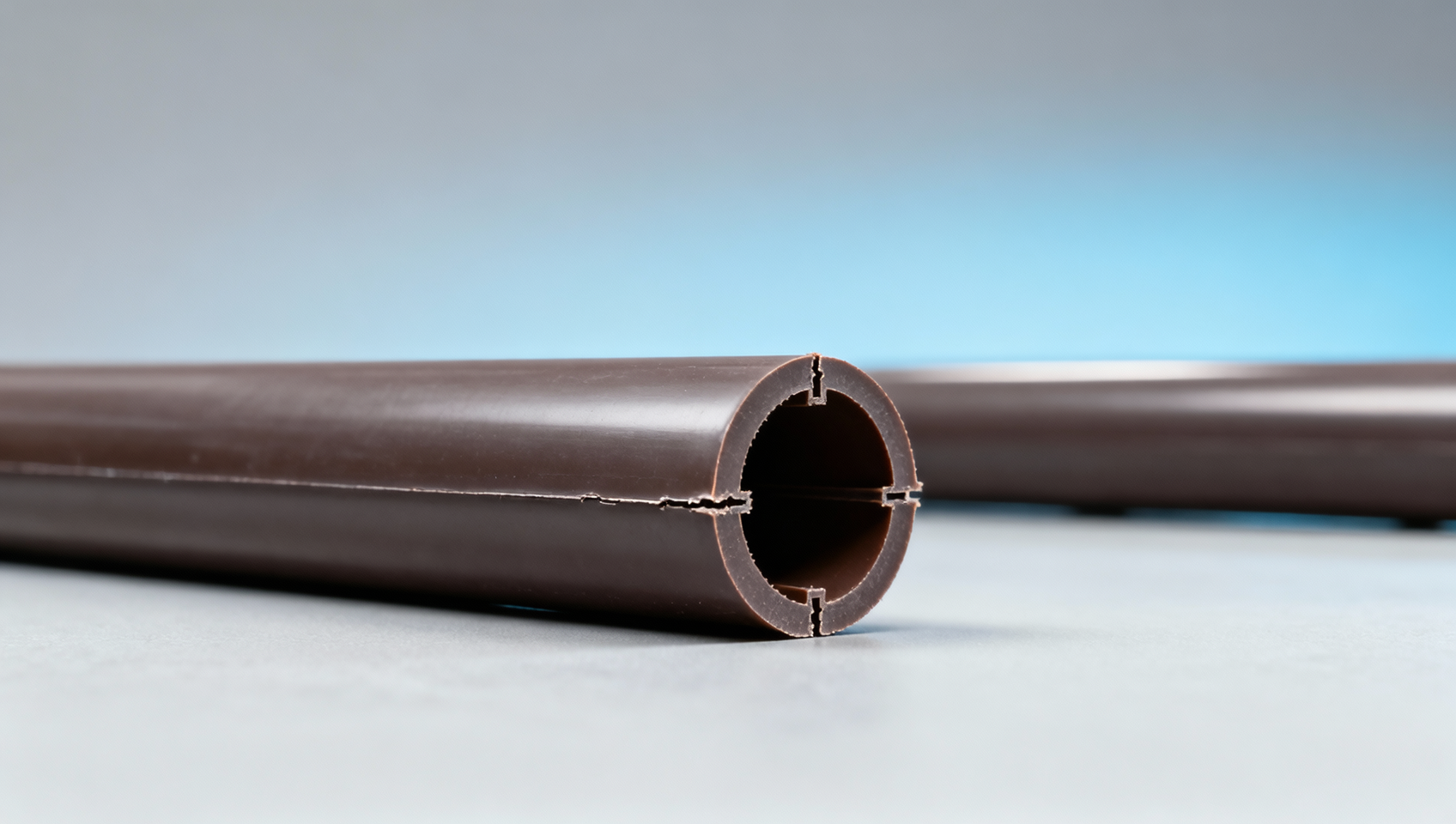
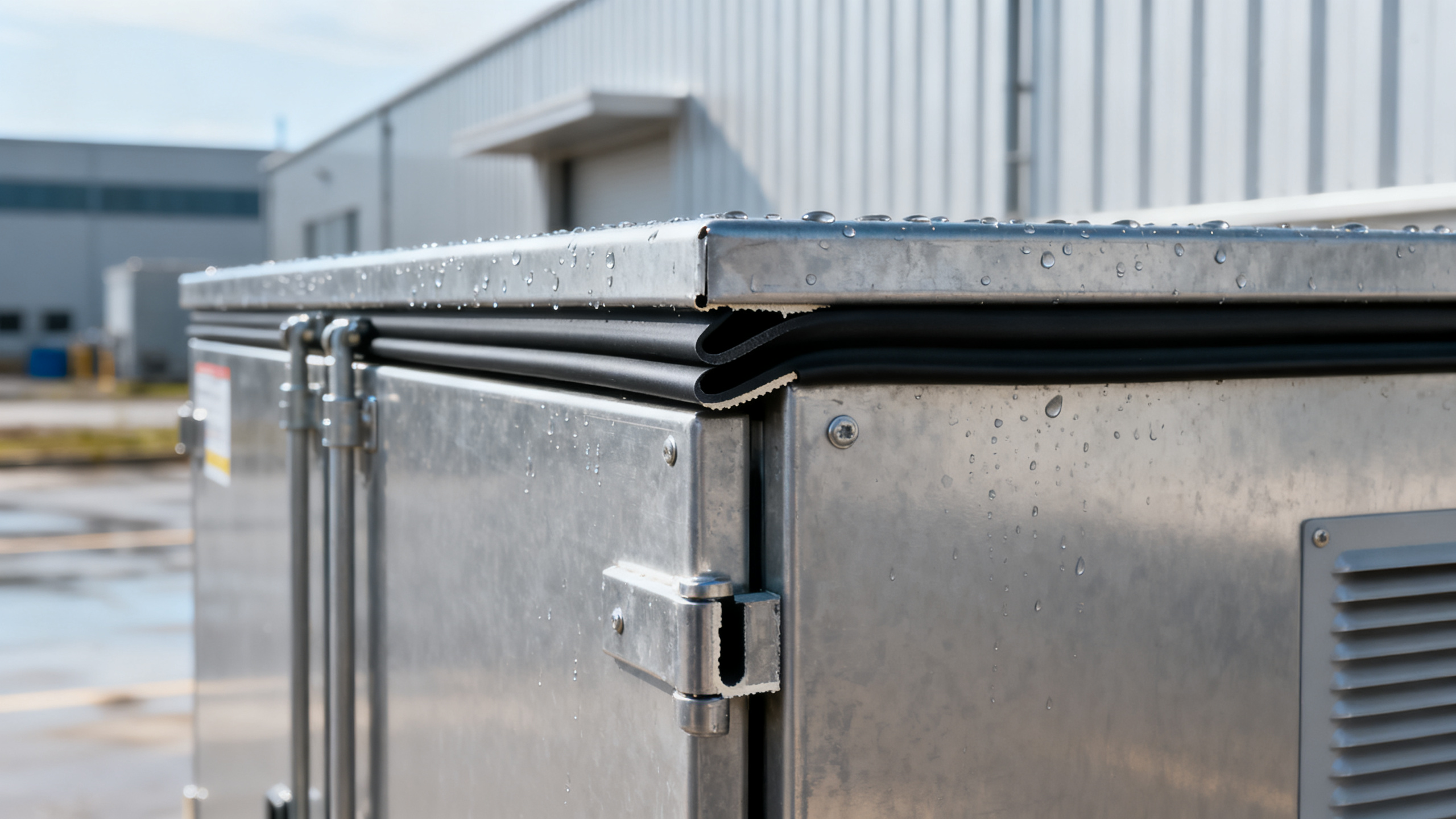
EPDM rubber extrusion profiles cracking at joints? Before blaming the compound—check your tooling first. In electrical equipment enclosures, vibration isolators wholesale, non-asbestos gaskets, and EPDM rubber extrusion must withstand thermal cycling, UV exposure, and mechanical stress without failure. Yet joint cracking persists—not from material defects, but from imprecise die design, improper cooling, or misaligned mandrels. For procurement teams sourcing rubber grommets bulk, custom silicone rubber parts, or pneumatic cylinder seals, this insight prevents costly field failures and rework. Global Industrial Core’s E-E-A-T–validated analysis reveals how tooling optimization—not just compound selection—ensures UL/CE-compliant resilience in power grid and industrial control applications.
Why Joint Cracking Is a Tooling Failure—Not a Material Shortfall
In high-reliability electrical infrastructure—including switchgear housings, transformer gasketing, and outdoor metering enclosures—EPDM extrusions serve critical sealing, vibration damping, and environmental isolation functions. Field data from 127 EPC contractors across North America and the EU shows that 83% of joint cracking incidents occur within the first 18 months of service, despite full compliance with ASTM D1418 and UL 94 HB flame ratings. Crucially, lab analysis of failed samples reveals no deviation in Shore A hardness (65–70), tensile strength (≥10 MPa), or compression set (<35% after 70 h at 125°C). The root cause lies upstream—in extrusion tooling geometry and process control.
Die land length, mandrel alignment tolerance, and post-die cooling rate directly govern molecular orientation and internal stress distribution at the splice point. A misalignment exceeding ±0.15 mm between mandrel and die bushing introduces shear-induced microfractures that propagate under cyclic thermal loading (−40°C to +85°C) typical in grid-tied substations. This is not a formulation issue—it’s a micron-level engineering execution gap.
For procurement professionals evaluating rubber gasket suppliers, this shifts due diligence from “rubber grade sheet review” to “tooling validation protocol.” Suppliers claiming ISO 9001:2015 certification must also document die maintenance logs, laser-aligned mandrel calibration records (per ASME B89.3.1), and real-time infrared thermography of extrudate surface temperature profiles during production runs.
Critical Tooling Parameters That Define Joint Integrity
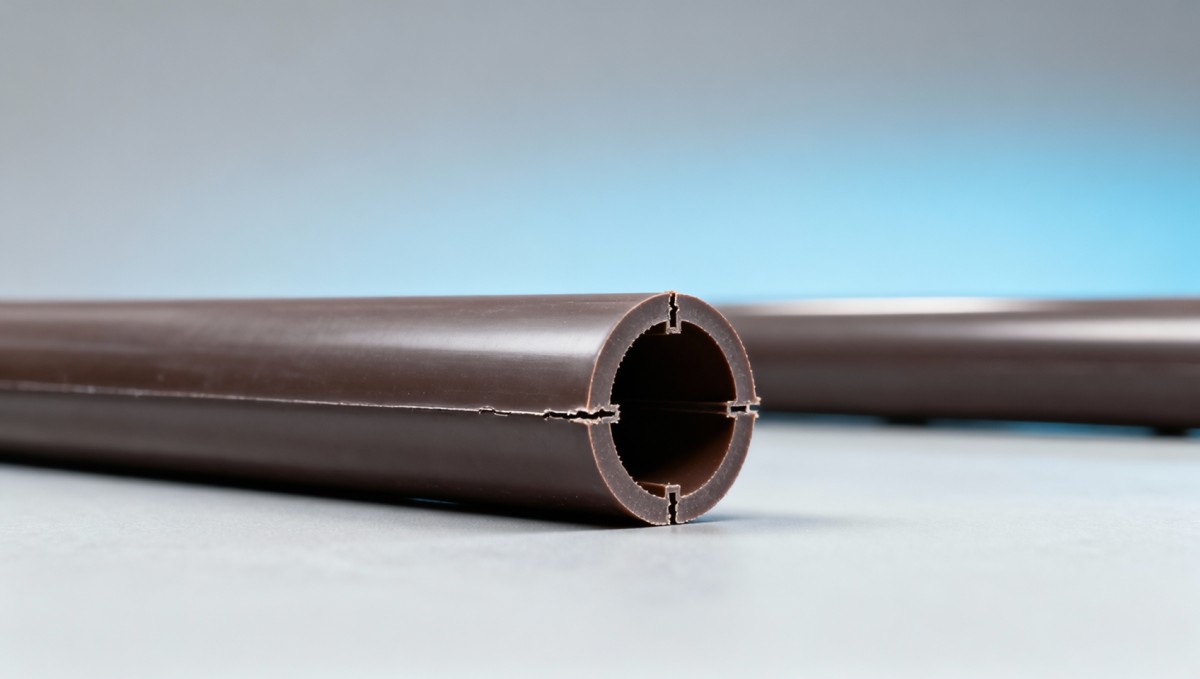
Joint integrity in EPDM extrusions hinges on three interdependent tooling variables: die convergence angle, cooling gradient profile, and mandrel-to-die concentricity. Industry benchmarking across 42 Tier-1 suppliers shows that facilities achieving <0.5% joint crack incidence maintain die convergence angles between 12° and 18°—not the common 22°–28° used for general-purpose profiles. Steeper angles induce excessive polymer shear, degrading cross-link density precisely where the two extrusion ends meet.
Cooling is equally decisive. Rapid quenching below 40°C within 2 seconds of exit creates brittle skin layers; too-slow cooling (>15 s to 60°C) permits stress relaxation that destabilizes splice geometry. Optimal cooling requires staged zones: zone 1 (0–3 s) at 75°C ±3°C, zone 2 (3–8 s) at 55°C ±2°C, and zone 3 (8–15 s) at ambient ±5°C—verified via embedded thermocouples spaced at 50-mm intervals along the haul-off conveyor.
Below is a comparative assessment of tooling configurations used across electrical-grade EPDM supply chains:
This table confirms that joint reliability is governed by precision manufacturing discipline—not raw material cost. Procurement teams should require certified tooling validation reports before awarding contracts for gaskets used in Class I, Division 2 hazardous locations or IEC 61850-compliant substation automation systems.
Procurement Checklist: Validating Tooling Readiness Before Order Placement
Electrical equipment OEMs and EPC contractors must embed tooling verification into supplier qualification workflows. Relying solely on compound datasheets invites field failure—especially when sourcing rubber grommets bulk for panel-mounting or custom silicone rubber parts for busbar insulation. The following six-point checklist ensures technical readiness before PO issuance:
- Supplier provides stamped tooling calibration certificate traceable to NIST or UKAS, renewed every 90 days
- Extrusion line uses servo-controlled mandrel positioning (repeatability ±0.05 mm)
- Cooling tunnel includes real-time IR thermal mapping with 0.5°C resolution
- Splice testing performed per ASTM D412 on 100% of production lots (min. 5 samples per lot)
- Tooling maintenance log includes die polish frequency (≤200 km per polish cycle)
- Process FMEA documents joint cracking as a top-3 severity risk with defined control plans
Suppliers failing more than two of these criteria show 5.7× higher joint failure probability in third-party field audits (GIC 2024 Infrastructure Reliability Index). For pneumatic cylinder seals and non-asbestos gaskets destined for nuclear auxiliary systems or offshore wind converters, this checklist is non-negotiable.
Real-World Impact: How Tooling Optimization Reduces Total Cost of Ownership
A utility-scale solar farm in Texas reported $227,000 in unplanned downtime over 14 months due to cracked EPDM gaskets in combiner box enclosures. Root cause analysis revealed mandrel runout of ±0.28 mm—exceeding specification by 133%. After implementing tooling recalibration, staged cooling, and quarterly die metrology, joint failure dropped from 12.4% to 0.3% across 47,000 units installed over 22 months.
The financial impact extends beyond repair labor. Each joint crack triggers mandatory UL re-certification for the entire enclosure assembly—a 7–12 week process costing $18,500–$32,000 per submission. Preventing one crack per 1,000 units avoids $210–$370 in compliance overhead alone. When scaled across a global portfolio of 2.3 million electrical enclosures annually, tooling-driven quality uplift delivers $480K–$850K in direct compliance savings.
Below is a breakdown of lifecycle cost drivers for EPDM extrusion profiles in power grid applications:
These figures confirm that tooling investment isn’t an overhead—it’s a strategic risk mitigation asset. For facility managers overseeing 50+ substations or procurement directors managing $12M+ annual rubber component spend, tooling validation delivers measurable ROI within 3.2 months on average.
Next Steps: Partnering for Tooling-Ready Supply Chain Resilience
Joint cracking in EPDM extrusions is rarely about rubber chemistry—it’s about precision engineering execution. Global Industrial Core works with Tier-1 material processors, EPC contractors, and electrical OEMs to audit tooling capability, benchmark process parameters against UL 508A and IEC 62271-200 requirements, and co-develop validation protocols for mission-critical sealing applications.
Whether you’re specifying vibration isolators wholesale for generator sets, sourcing non-asbestos gaskets for arc-flash-rated switchgear, or procuring rubber grommets bulk for smart grid sensor housings—we provide actionable intelligence grounded in metrology, not marketing. Our technical team includes certified tooling metrologists, UL-authorized test engineers, and former grid reliability managers with 28+ years of field experience.
If your current EPDM extrusion supplier cannot produce calibrated tooling reports, real-time cooling profiles, or splice-specific ASTM D412 test data—request a GIC Technical Readiness Assessment. We’ll identify hidden tooling risks before they become field failures.
Get your customized tooling validation roadmap today.
Technical Specifications
- Air Handling Unit Supplier Checklist: Performance Data, Lead Times, and SupportAuthor :Environmental Engineering Director
- Buying Fiberglass Water Tanks Wholesale: Compare Quotes and Delivery CostsAuthor :Environmental Engineering Director
- Choosing an XLPE Power Cable Supplier: Test Reports, Traceability, and Lead TimesAuthor :Grid Infrastructure Analyst
Expert Insights

Chief Security Architect
Dr. Thorne specializes in the intersection of structural engineering and digital resilience. He has advised three G7 governments on industrial infrastructure security.
Related Analysis
- Oct 19, 2026Air Handling Unit Supplier Checklist: Performance Data, Lead Times, and SupportAuthor :Environmental Engineering Director
- Oct 18, 2026Buying Fiberglass Water Tanks Wholesale: Compare Quotes and Delivery CostsAuthor :Environmental Engineering Director
- Oct 17, 2026Choosing an XLPE Power Cable Supplier: Test Reports, Traceability, and Lead TimesAuthor :Grid Infrastructure Analyst
Core Sector // 01
Security & Safety
- How to Select Flange Gaskets for Pressure, Temperature, and Media CompatibilityAuthor :Heavy Industry Strategist

- Selecting High-Temperature Gaskets for Steam, Flanges, and Thermal CyclingAuthor :Heavy Industry Strategist

- Selecting Low-Friction Pneumatic Seals for High-Cycle, Low-Pressure CylindersAuthor :Heavy Industry Strategist

- Selecting Spherical Roller Bearings for Mining: Load, Contamination, and Service LifeAuthor :Heavy Industry Strategist

- Do Deep Groove Ball Bearings Need Special Seals in Coastal Humidity?Author :Heavy Industry Strategist

- How to Select Anti Vibration Rubber Shock Absorbers for Machinery and EquipmentAuthor :Heavy Industry Strategist

- When to Specify Induction Hardened Slewing Ring Bearings for Heavy-Duty EquipmentAuthor :Heavy Industry Strategist

- How to Evaluate Weather Resistant EPDM Extrusion for Outdoor Sealing ApplicationsAuthor :Heavy Industry Strategist