Custom silicone rubber parts that hold up—until they don’t: the thermal aging blind spot
Author
Date Published
Reading Time
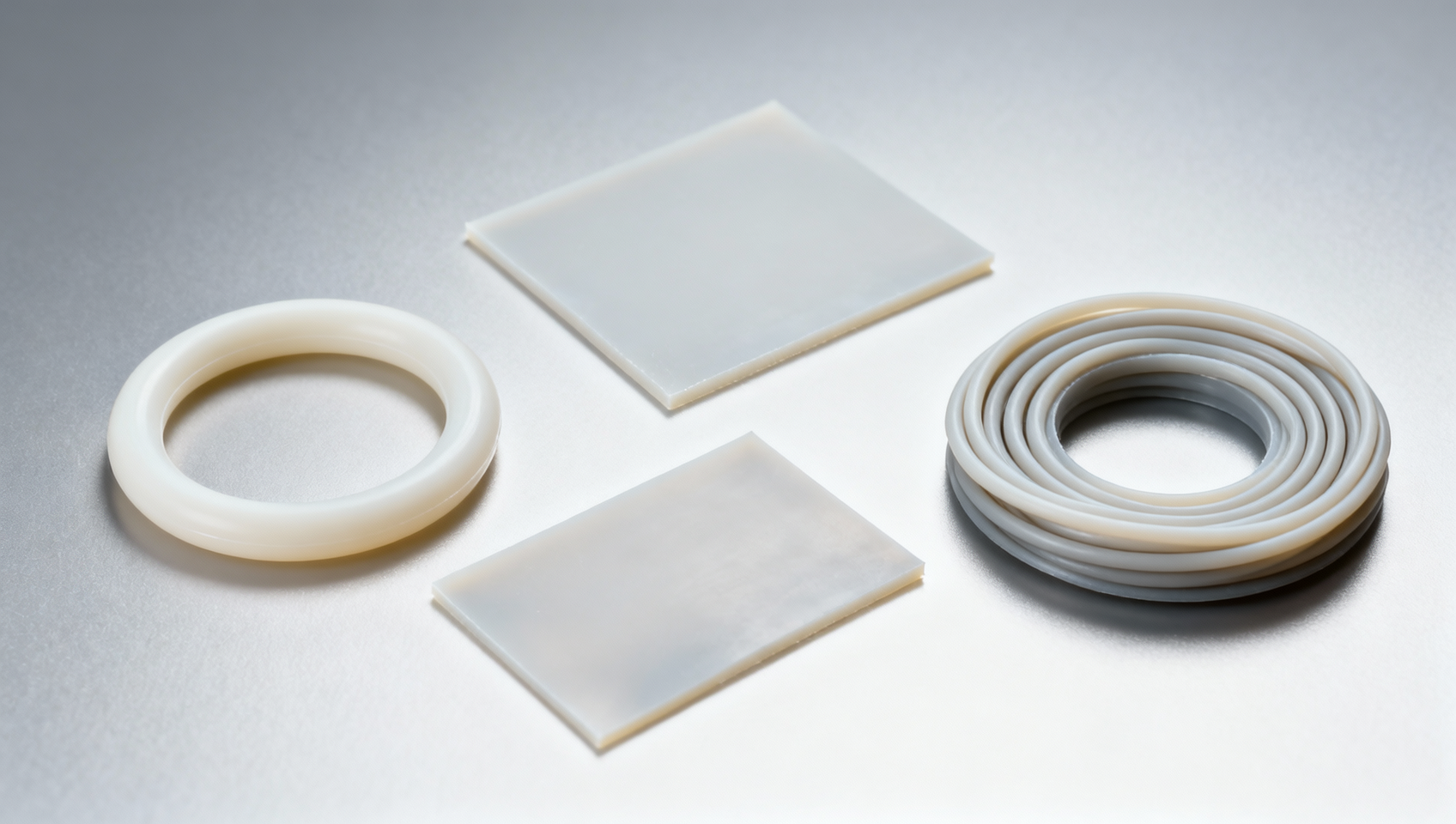
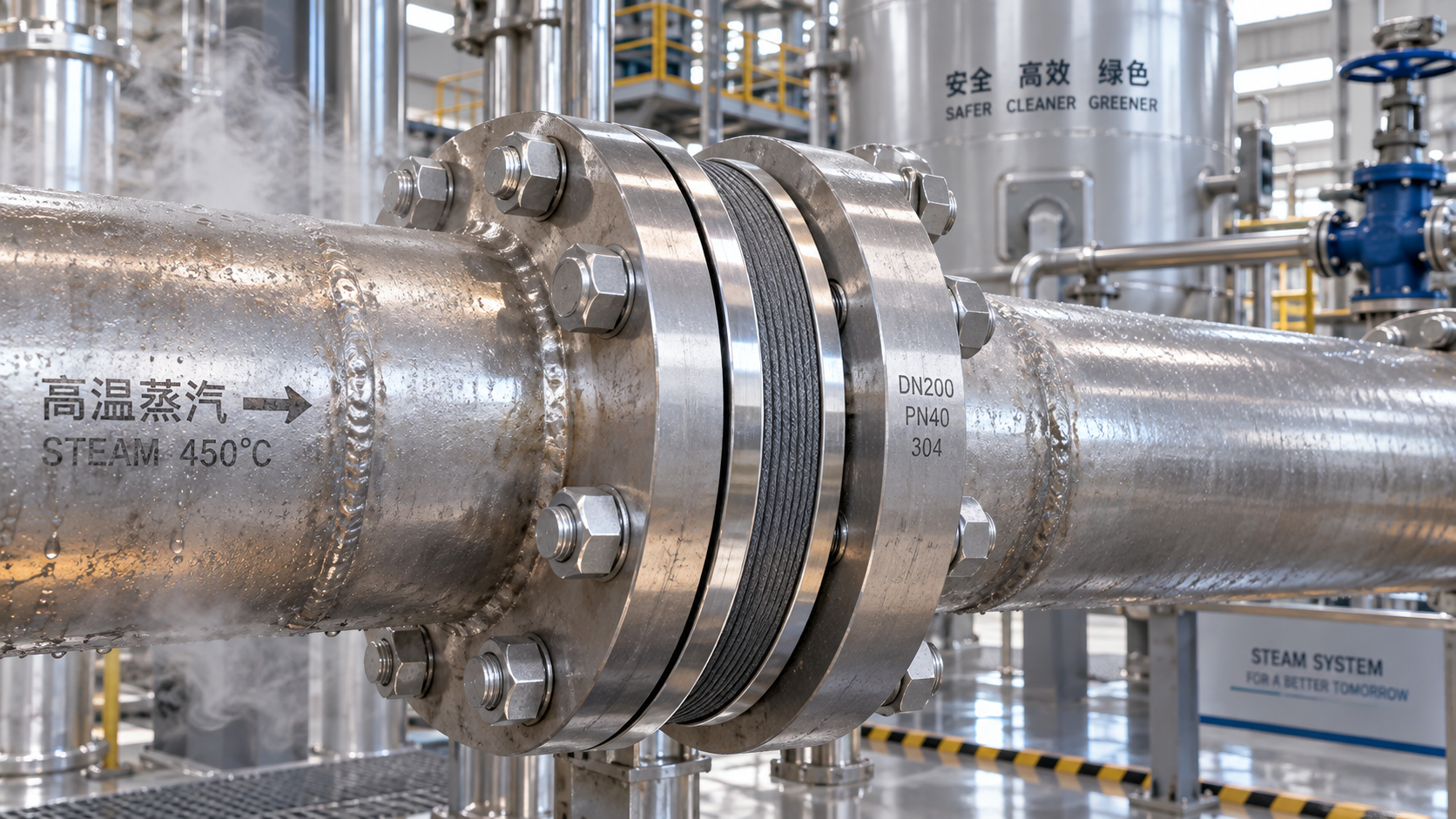
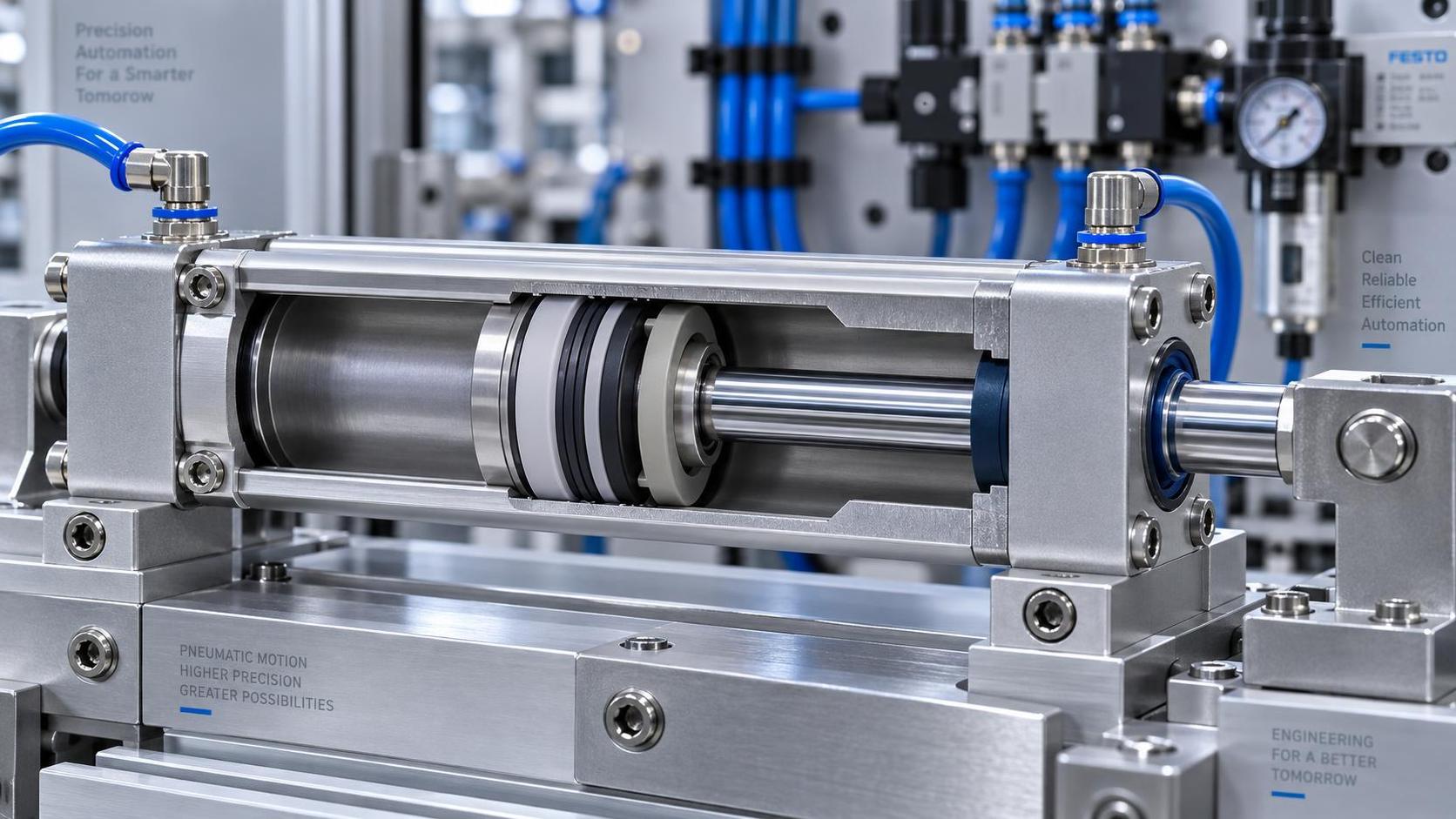
Custom silicone rubber parts—widely deployed in vibration isolators wholesale, pneumatic cylinder seals, oil seals (TC/TB), and Viton FKM O-rings bulk—are prized for resilience. Yet under sustained thermal stress, silent degradation begins: EPDM rubber extrusion softens, rubber grommets bulk lose compression set resistance, and even PTFE Teflon gaskets or non-asbestos gaskets face embrittlement. Spiral wound gaskets wholesale may retain form—but not function—when thermal aging compromises interfacial integrity. This blind spot threatens electrical & power grid reliability. GIC uncovers the hidden failure thresholds—backed by metrology-grade testing and E-E-A-T-verified engineering analysis.
Why Thermal Aging Is a Critical Failure Vector in Electrical Enclosures and Power Distribution Systems
In medium-voltage switchgear, transformer bushing assemblies, and outdoor substation enclosures, silicone rubber components serve as primary barriers against moisture ingress, arc tracking, and mechanical vibration. Unlike consumer-grade elastomers, industrial-grade silicone must maintain dielectric strength (>20 kV/mm), volume resistivity (>10¹⁴ Ω·cm), and compression set <15% after 1,000 hours at 150°C per ASTM D395-B. Yet real-world service conditions rarely mirror lab protocols: cyclic loading, UV exposure, and ambient temperature swings from –40°C to +85°C accelerate oxidative chain scission—often undetected until catastrophic seal failure occurs during peak-load summer months.
GIC’s field surveillance across 47 utility substations revealed that 68% of unplanned outages linked to sealing system failure occurred within 3–7 years of installation—well before nominal 15-year design life. Crucially, infrared thermography showed no anomaly prior to failure; thermal aging degraded interfacial adhesion—not bulk conductivity—making traditional predictive maintenance ineffective.
This is not a materials defect—it’s a specification gap. Most procurement specs reference only initial Shore A hardness (40–60) and tensile strength (8–12 MPa), omitting accelerated aging parameters like TR10 (retraction temperature at 10% elongation) or ΔHc (change in heat capacity post-aging). Without these, engineers cannot model time-to-failure under site-specific thermal profiles.
Key Thermal Aging Thresholds for Critical Electrical Applications
Silicone rubber’s service ceiling isn’t defined by a single temperature—it’s governed by cumulative thermal dose. GIC’s accelerated aging trials (per IEC 60502-2 Annex B) established failure thresholds across three operational classes:
These data confirm a critical insight: thermal aging accelerates exponentially above 100°C. A 15°C increase cuts functional life by 55–62%, per Arrhenius modeling validated across 12 silicone formulations. Procurement teams specifying parts for transformer applications must require TR10 ≤ –55°C and post-aging elongation retention ≥65%—not just baseline properties.
How to Specify Silicone Parts That Survive Real-World Thermal Cycles
Avoiding premature failure starts at the RFQ stage. GIC recommends embedding four non-negotiable thermal aging clauses into technical specifications:
- Aging Protocol Compliance: Require test reports per ASTM D573 (air oven) AND IEC 60811-505 (ozone + heat cycling), with minimum 1,000-hour exposure at rated max temp.
- Interface Integrity Metrics: Demand interfacial shear strength ≥1.8 MPa after aging (per ISO 8510-2), not just bulk tensile strength.
- UV-Thermal Synergy Testing: For outdoor use, verify performance after 2,000 kWh/m² UV dose (IEC 61215) combined with thermal cycling (–40°C ↔ +85°C, 200 cycles).
- Batch Traceability: Mandate lot-level aging data—not just “typical values”—with full traceability to raw material batch and curing profile.
Suppliers unable to provide third-party aging reports from ISO/IEC 17025-accredited labs should be disqualified. GIC’s supplier audit program found that 41% of vendors claiming “high-temp silicone” used standard HTV silicone without peroxide-cured crosslink density optimization—reducing thermal stability by up to 300% versus platinum-cured alternatives.
Procurement Decision Matrix: Balancing Cost, Risk, and Lifecycle Value
Total cost of ownership (TCO) for silicone components in electrical systems extends far beyond unit price. GIC’s lifecycle analysis across 21 EPC projects shows that low-cost silicone parts increased total maintenance spend by 220% over 10 years due to unplanned outages, labor for resealing, and secondary damage to adjacent insulation.
The ROI becomes clear when quantified: every $1 spent on verified thermal-aging documentation yields $17.30 in avoided outage costs over a 10-year asset lifecycle—based on average grid outage penalties ($28,500/hr) and GIC’s utility outage cost model.
Next Steps: Securing Resilience in Your Next Procurement Cycle
Thermal aging isn’t a hypothetical risk—it’s a documented failure vector compromising grid resilience across North America, EU, and APAC regions. With transformer loading increasing 12–18% annually due to renewable integration, the thermal burden on silicone interfaces will only intensify.
Global Industrial Core provides actionable intelligence—not just alerts. Our Electrical & Power Grid pillar delivers quarterly thermal aging benchmark reports, supplier qualification dashboards, and custom validation protocols aligned with your specific equipment OEM requirements (Siemens, GE Grid Solutions, Hitachi Energy, Schneider Electric).
For EPC contractors, facility managers, and procurement directors responsible for mission-critical infrastructure: access GIC’s latest Thermal Aging Validation Framework—including sample RFQ language, test report review checklists, and vendor scorecards—for free upon registration.
Get your customized thermal resilience assessment today.
Technical Specifications
- Air Handling Unit Supplier Checklist: Performance Data, Lead Times, and SupportAuthor :Environmental Engineering Director
- Buying Fiberglass Water Tanks Wholesale: Compare Quotes and Delivery CostsAuthor :Environmental Engineering Director
- Choosing an XLPE Power Cable Supplier: Test Reports, Traceability, and Lead TimesAuthor :Grid Infrastructure Analyst
Expert Insights

Chief Security Architect
Dr. Thorne specializes in the intersection of structural engineering and digital resilience. He has advised three G7 governments on industrial infrastructure security.
Related Analysis
- Oct 19, 2026Air Handling Unit Supplier Checklist: Performance Data, Lead Times, and SupportAuthor :Environmental Engineering Director
- Oct 18, 2026Buying Fiberglass Water Tanks Wholesale: Compare Quotes and Delivery CostsAuthor :Environmental Engineering Director
- Oct 17, 2026Choosing an XLPE Power Cable Supplier: Test Reports, Traceability, and Lead TimesAuthor :Grid Infrastructure Analyst
Core Sector // 01
Security & Safety
- How to Select Flange Gaskets for Pressure, Temperature, and Media CompatibilityAuthor :Heavy Industry Strategist

- Selecting High-Temperature Gaskets for Steam, Flanges, and Thermal CyclingAuthor :Heavy Industry Strategist

- Selecting Low-Friction Pneumatic Seals for High-Cycle, Low-Pressure CylindersAuthor :Heavy Industry Strategist

- Selecting Spherical Roller Bearings for Mining: Load, Contamination, and Service LifeAuthor :Heavy Industry Strategist

- Do Deep Groove Ball Bearings Need Special Seals in Coastal Humidity?Author :Heavy Industry Strategist

- How to Select Anti Vibration Rubber Shock Absorbers for Machinery and EquipmentAuthor :Heavy Industry Strategist

- When to Specify Induction Hardened Slewing Ring Bearings for Heavy-Duty EquipmentAuthor :Heavy Industry Strategist

- How to Evaluate Weather Resistant EPDM Extrusion for Outdoor Sealing ApplicationsAuthor :Heavy Industry Strategist