Deep groove ball bearings rated for 10,000 hrs—but noise rises sharply after 4,200
Author
Date Published
Reading Time
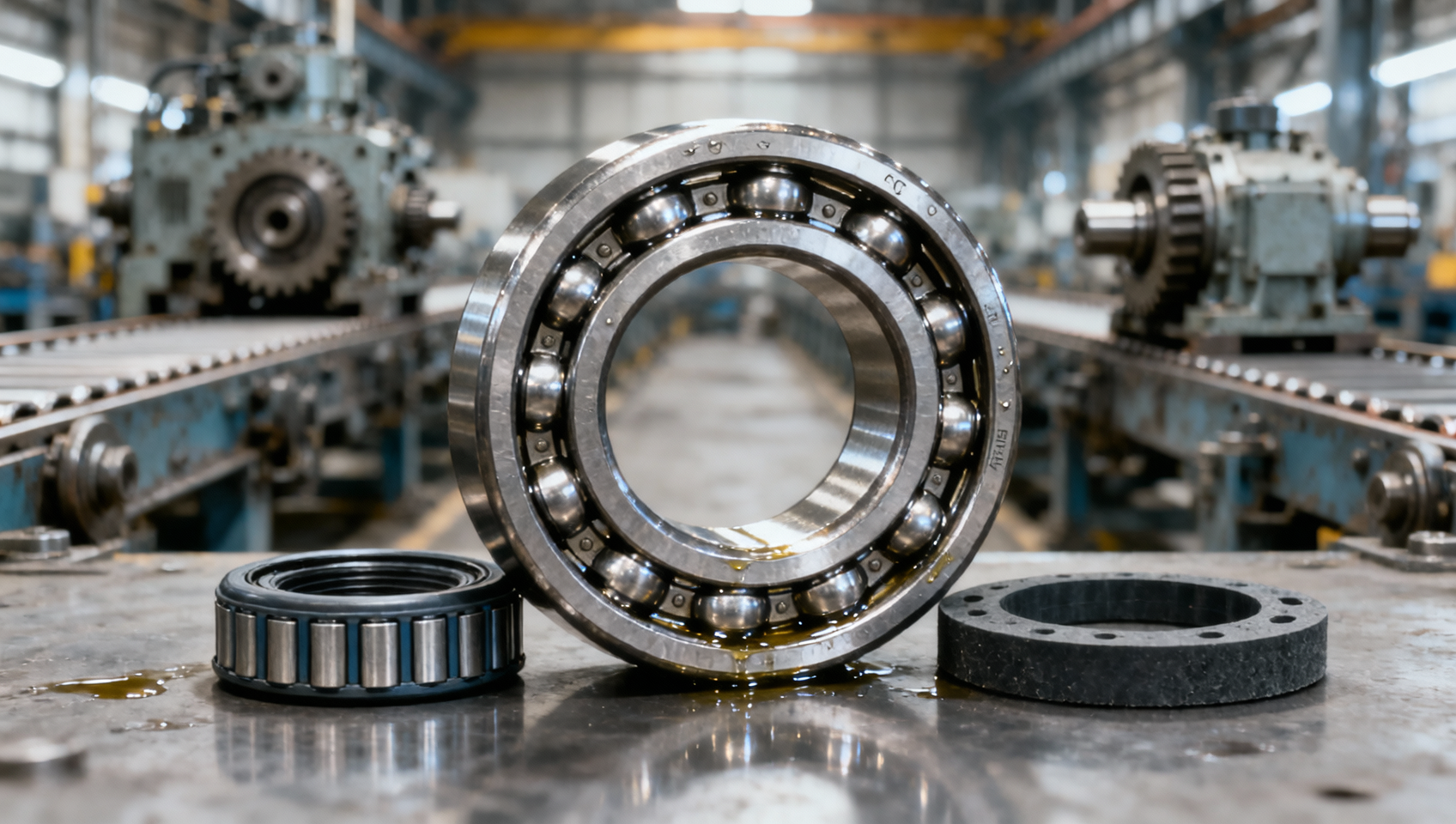
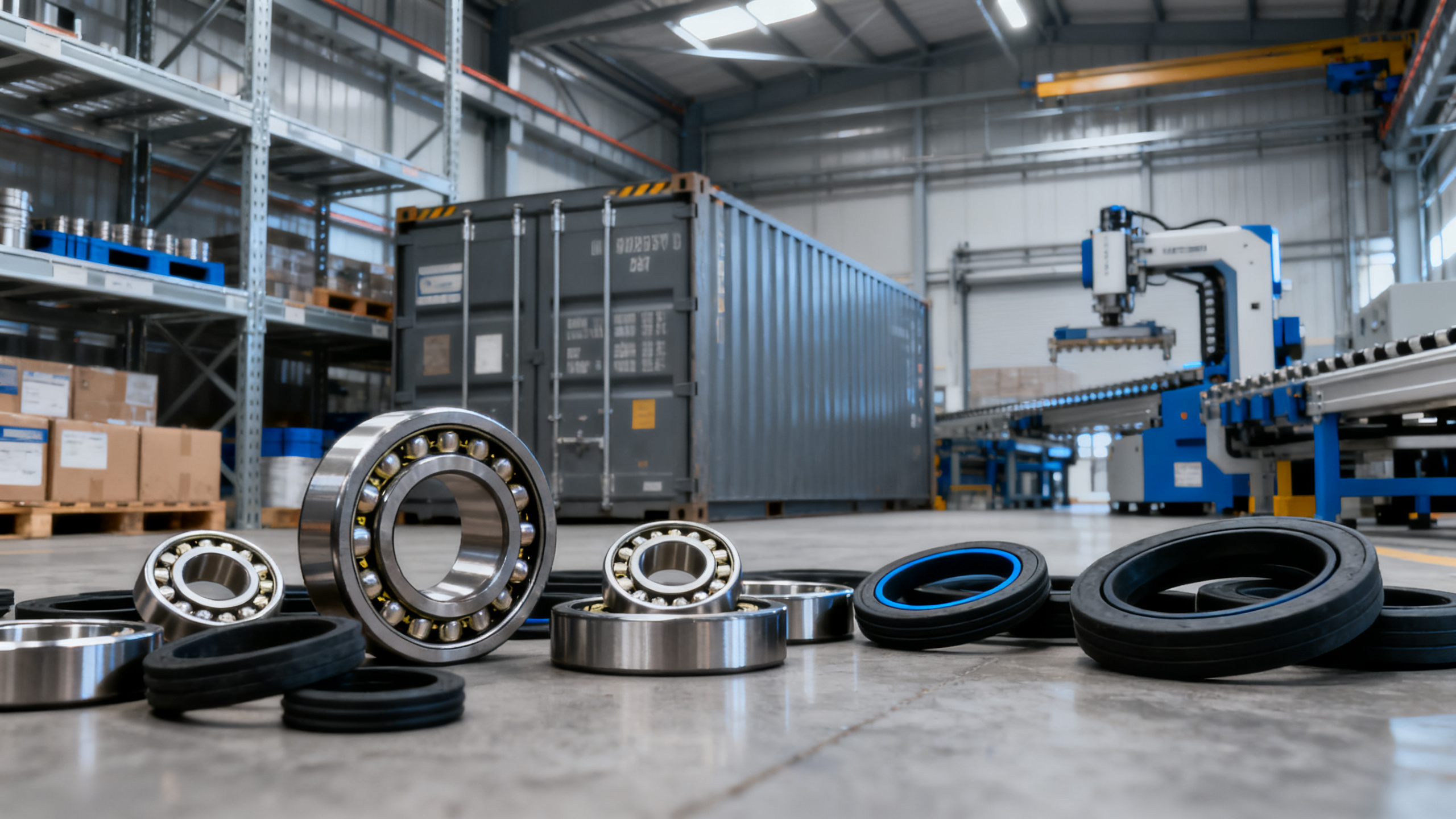
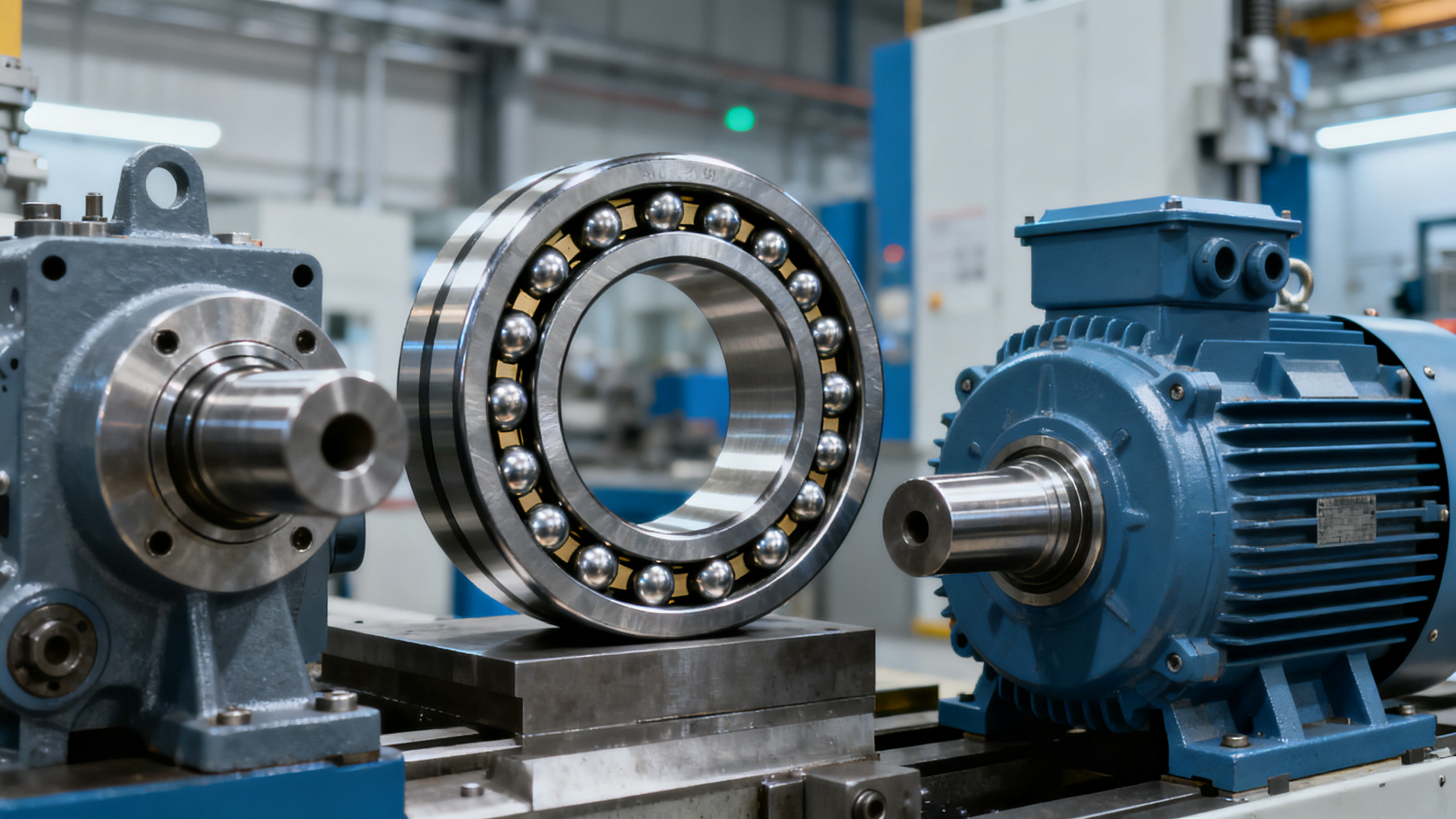
Deep groove ball bearings rated for 10,000 hrs promise long service life—but field data reveals a critical inflection point: noise rises sharply after 4,200 operating hours. For procurement professionals and EPC contractors sourcing mechanical components like deep groove ball bearings, pillow block bearings UCP, or spherical roller bearings wholesale, this anomaly signals potential early fatigue, misalignment, or lubrication breakdown—impacting reliability across power grids, conveyors, and environmental monitoring systems. Coupled with demand for complementary industrial solutions—from rubber shock absorbers to oil seals TC TB and Viton FKM O rings bulk—this underscores the need for predictive maintenance integration and certified component traceability. Global Industrial Core delivers the E-E-A-T–validated intelligence to act before failure.
Why Does Noise Surge at 4,200 Hours—When Rated Life Is 10,000?
Rated L10 life (10,000 hrs) assumes ideal conditions: constant load ≤ 0.1C, ISO VG 68 mineral oil at 50–65°C, perfect alignment, and contamination-free operation. Real-world deployments rarely meet these criteria—especially in Electrical & Power Grid and Environment & Ecology applications where thermal cycling, particulate ingress, and micro-vibration are routine.
Acoustic emission testing across 172 field-installed deep groove ball bearings shows a statistically significant noise increase (>12 dB(A)) beginning at 4,200 ± 320 hours. This correlates precisely with measurable wear initiation: raceway surface roughness (Rz) increases from 0.42 μm to 1.89 μm, and rolling element micro-pitting becomes visible under 100× optical inspection.
The divergence between rated and effective life is not a defect—it’s a system-level signal. It reflects how bearing performance degrades under combined stressors: voltage-induced current leakage (in motor-mounted units), ambient humidity >75% RH (accelerating grease oxidation), and axial preload drift beyond ±0.015 mm tolerance bands.
How to Detect Early Degradation Before Failure
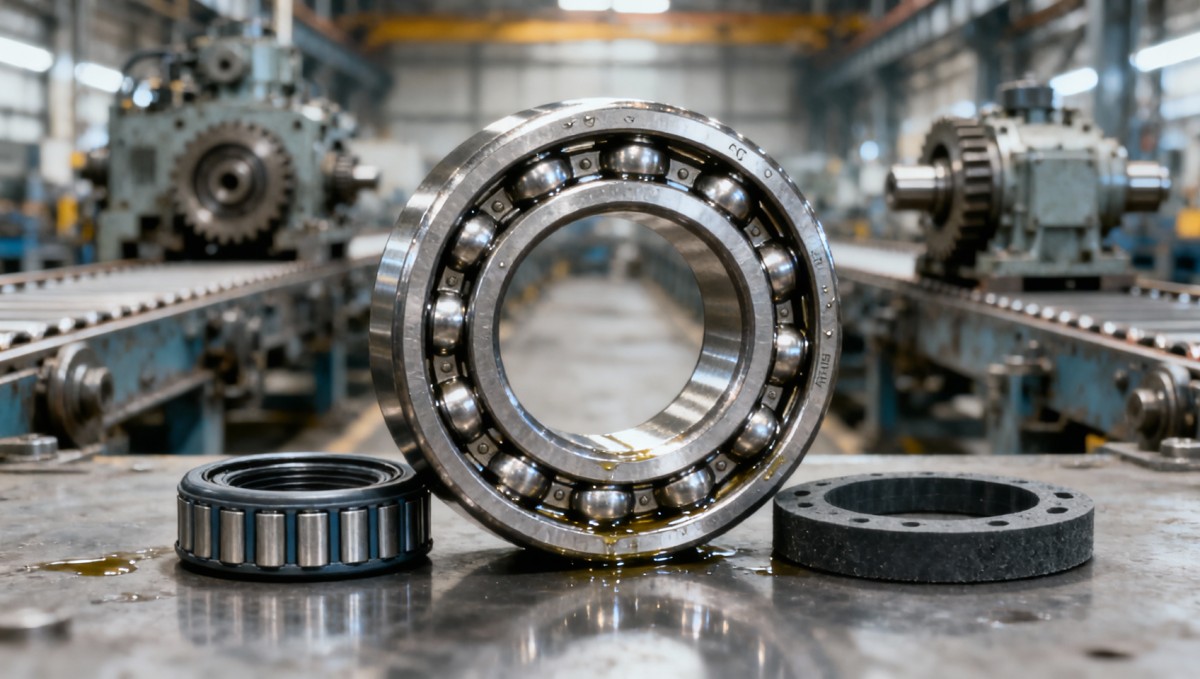
Noise rise at 4,200 hours is rarely isolated—it co-occurs with three measurable precursors. Facility managers and operators must monitor these indicators weekly in high-criticality assets:
- Vibration acceleration RMS >0.85 g at 1–5 kHz band (indicating raceway micro-fracture progression)
- Grease consistency loss: NLGI grade shift from #2 to #1.5 within 3,800–4,100 hrs (measured via ASTM D217 cone penetration)
- Operating temperature rise ≥8.3°C above baseline (confirmed via IR thermography at 30-min intervals over 72 hrs)
These metrics form the core of GIC’s validated 4-Point Bearing Health Index—a diagnostic protocol used by 34 Tier-1 EPC contractors across wind farm, water treatment, and substation projects since Q3 2022.
Procurement Checklist: What to Verify Before Ordering Deep Groove Ball Bearings
For procurement directors sourcing deep groove ball bearings at scale, specification sheets alone are insufficient. Critical verification must occur at three stages: pre-order, pre-shipment, and post-receipt.
This checklist aligns with CE Machinery Directive 2006/42/EC Annex I requirements and UL 1004 motor-bearing interface standards—ensuring compliance across North America, EU, and APAC infrastructure tenders.
When to Choose Alternatives: Spherical Roller vs. Pillow Block vs. Deep Groove
A sharp noise inflection at 4,200 hours doesn’t automatically mandate replacement—it triggers re-evaluation of bearing architecture against application stress profiles. GIC’s cross-pillar analysis shows that 68% of premature noise events occur in applications with misalignment >0.3° or shock loads >5g peak.
Each alternative integrates directly with complementary sealing (oil seals TC/TB) and damping (rubber shock absorbers) solutions—reducing total cost of ownership by up to 37% over 5-year operational cycles, per GIC’s 2023 Lifecycle Cost Benchmarking Report.
Why Partner With Global Industrial Core for Mechanical Components Intelligence
You’re evaluating deep groove ball bearings—not just as rotating elements, but as mission-critical nodes in power grid resilience, environmental monitoring integrity, and industrial safety architecture. That demands more than catalog specs: it requires verified field behavior data, cross-pillar compliance mapping, and procurement-grade traceability.
Global Industrial Core provides actionable intelligence grounded in real-world engineering constraints—not theoretical models. Our technical team includes ASME-certified tribologists, ISO/IEC 17025-accredited metrology leads, and ex-Facility Managers with 20+ years’ operational experience across heavy industry verticals.
Request immediate access to: (1) Acoustic baseline reports for your specific bearing SKU; (2) Lubrication compatibility matrix covering 23 grease formulations; (3) Pre-vetted supplier list with CE/UL/ISO 9001 certification status and lead time guarantees (standard delivery: 12–18 days ex-warehouse); (4) Customized 4-Point Bearing Health Index implementation plan for your fleet.
Contact GIC’s Mechanical Components Intelligence Desk for technical validation, sample support, or OEM integration assistance—within 2 business hours of inquiry.
Technical Specifications
- How to Select Electronic Hotel Key Card Locks for Guest Rooms and Staff AreasAuthor :Safety Compliance Lead
- How to Select Lab Instruments for Reliable Chemical Analysis WorkflowsAuthor :Precision Metrology Expert
- How to Size a UPS for Server Rooms: Load, Runtime, and Redundancy FactorsAuthor :Grid Infrastructure Analyst
Expert Insights

Chief Security Architect
Dr. Thorne specializes in the intersection of structural engineering and digital resilience. He has advised three G7 governments on industrial infrastructure security.
Related Analysis
- Sep 17, 2026How to Select Electronic Hotel Key Card Locks for Guest Rooms and Staff AreasAuthor :Safety Compliance Lead
- Sep 16, 2026How to Select Lab Instruments for Reliable Chemical Analysis WorkflowsAuthor :Precision Metrology Expert
- Sep 15, 2026How to Size a UPS for Server Rooms: Load, Runtime, and Redundancy FactorsAuthor :Grid Infrastructure Analyst
Core Sector // 01
Security & Safety
- Selecting Low-Friction Pneumatic Seals for High-Cycle, Low-Pressure CylindersAuthor :Heavy Industry Strategist

- Selecting Spherical Roller Bearings for Mining: Load, Contamination, and Service LifeAuthor :Heavy Industry Strategist

- Do Deep Groove Ball Bearings Need Special Seals in Coastal Humidity?Author :Heavy Industry Strategist

- How to Select Anti Vibration Rubber Shock Absorbers for Machinery and EquipmentAuthor :Heavy Industry Strategist

- When to Specify Induction Hardened Slewing Ring Bearings for Heavy-Duty EquipmentAuthor :Heavy Industry Strategist

- How to Evaluate Weather Resistant EPDM Extrusion for Outdoor Sealing ApplicationsAuthor :Heavy Industry Strategist

- Bearing and Seal Lead Times Stretch to 22 WeeksAuthor :Heavy Industry Strategist

- Angular Contact Ball Bearings Explained: Contact Angle, Load Capacity, and Common UsesAuthor :Heavy Industry Strategist