Components & Metals Choices That Quietly Shorten Service Life
Author
Date Published
Reading Time
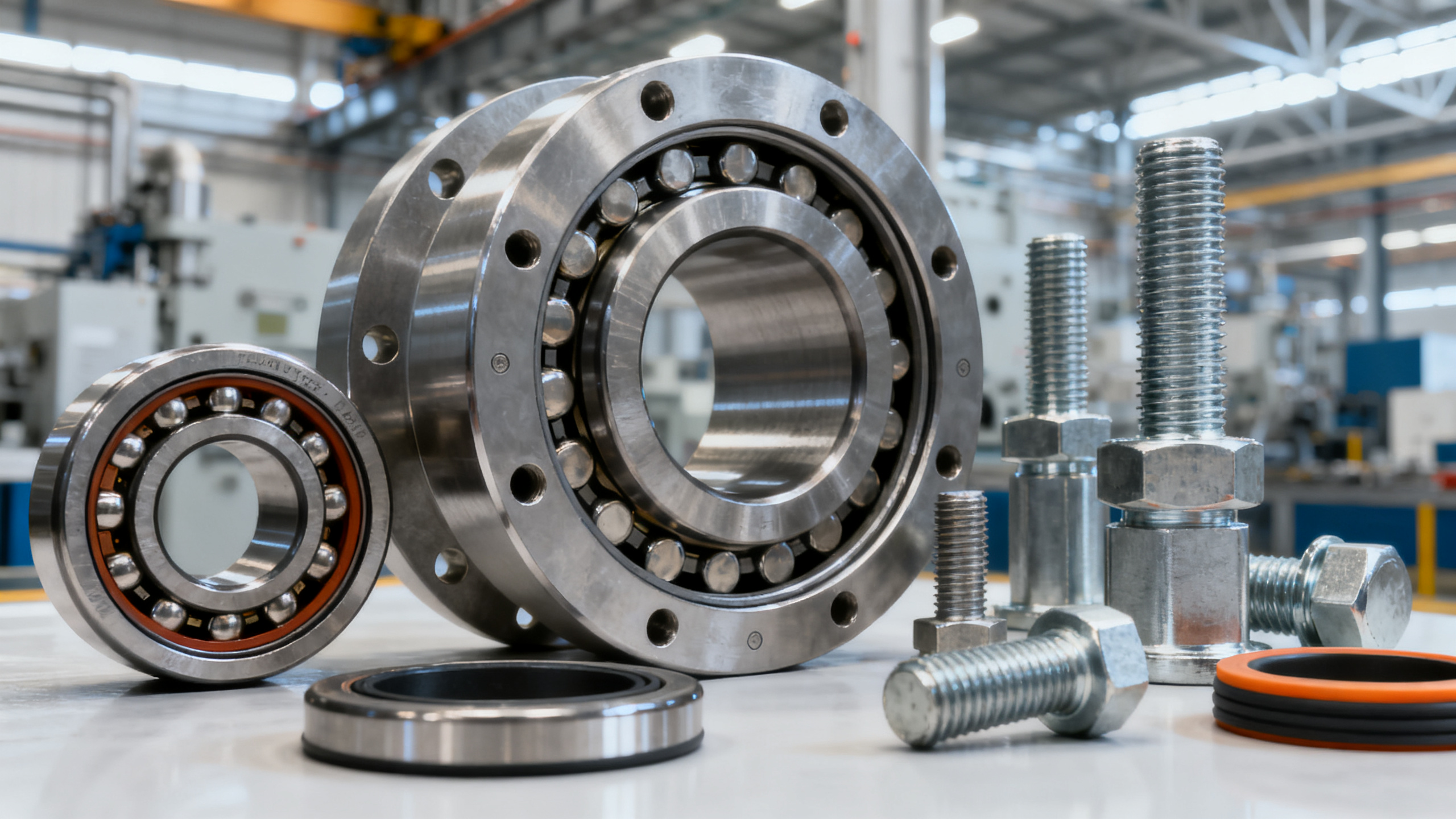
Many failures begin long before equipment stops. In many cases, Components & Metals decisions made early in design or replacement cycles quietly shorten service life.
A part may meet drawings, pass inspection, and still create hidden wear. Small mismatches in alloy, hardness, coating, or fastening method can raise risk over time.
Across industrial systems, the real cost appears later. It shows up as corrosion, fatigue cracks, leakage, vibration, contamination, overheating, and unexpected downtime.
Understanding how Components & Metals interact with load, temperature, moisture, chemicals, and maintenance intervals is now a core reliability issue, not a minor purchasing detail.
Why Components & Metals choices are under closer scrutiny now
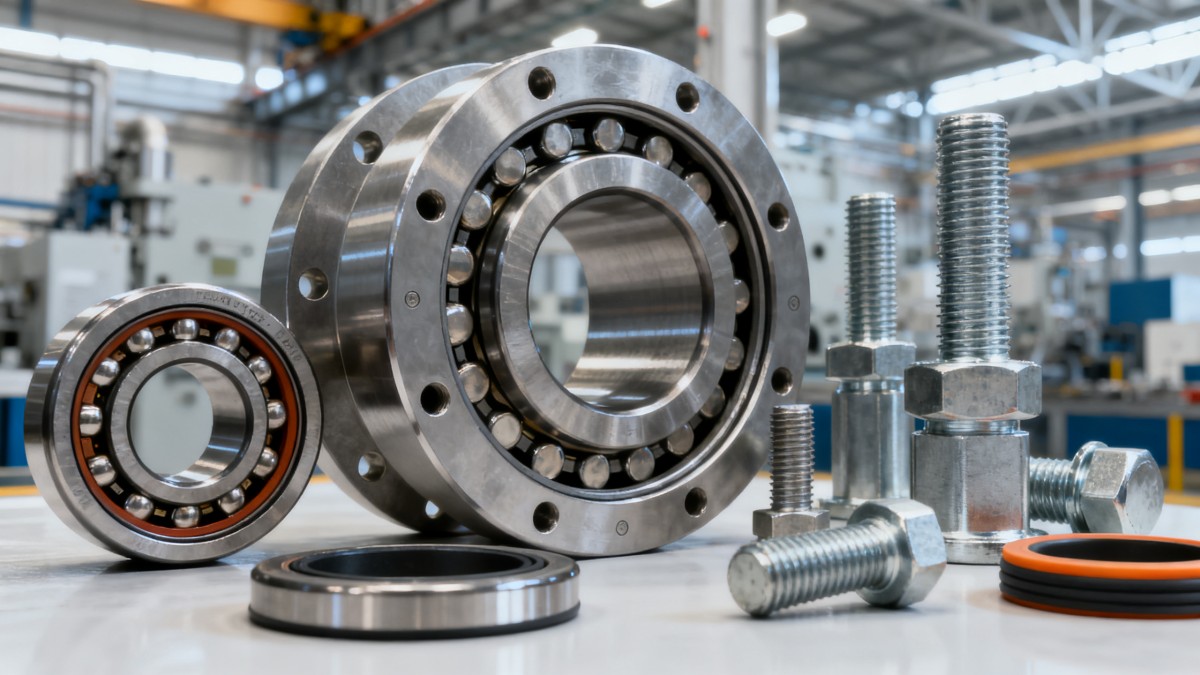
Industrial environments are changing faster than many legacy specifications. Systems are expected to run longer, use less energy, and tolerate harsher duty cycles.
At the same time, supply chains have widened. Equivalent-looking Components & Metals may come from different routes, standards, melt practices, or surface treatments.
That makes substitution risk more important. A metal grade that looks acceptable on paper may behave differently under vibration, chlorides, thermal cycling, or mixed-material contact.
The result is a broader industry shift. Service life is increasingly determined by compatibility and operating context, not by nominal strength values alone.
The strongest trend signal: hidden degradation is replacing visible failure as the main risk
Many modern failures do not begin with dramatic overload. They begin with subtle degradation that remains unnoticed during normal inspections.
Common examples include micro-pitting in bearings, galvanic attack at joints, seal swelling from fluid exposure, and soft fasteners losing clamp force under heat.
These problems often start when Components & Metals are selected in isolation. The part itself seems compliant, but the system combination is not resilient.
This trend matters because hidden degradation is expensive. It can pass incoming checks yet steadily reduce uptime, safety margin, and maintenance predictability.
Signals appearing across facilities and projects
- Shorter bearing life despite unchanged loads
- Premature corrosion around mixed-metal assemblies
- Repeated gasket and seal failures after fluid changes
- Fastener loosening in thermal cycling environments
- Unexpected wear after replacing one component with a “similar” grade
What is driving this shift in Components & Metals performance
Several factors are pushing Components & Metals performance to the center of lifecycle planning. The issue is not one trend, but the overlap of many.
The strongest lesson is clear. Components & Metals selection now requires system-level thinking, especially where one small part can influence heat, friction, sealing, or electrical continuity.
Where poor Components & Metals decisions most often reduce service life
1. Mixed-metal contact in wet or conductive conditions
Galvanic corrosion remains one of the most underestimated issues. Stainless steel fasteners on carbon steel structures can accelerate attack when moisture and salts are present.
The failure may begin at edges, washers, threads, or damaged coatings. By the time staining appears, section loss may already be significant.
2. Hardness mismatch between mating parts
When hardness is poorly balanced, one component sacrifices itself quickly. Shafts, bushings, gears, and wear plates are common examples.
A harder alloy is not always better. Excess hardness can increase brittleness, reduce impact tolerance, or damage the counterface.
3. Wrong seal, lining, or polymer pairing
Components & Metals discussions often overlook non-metallic partners. Yet elastomers, liners, and composite inserts strongly influence leakage, friction, and contamination control.
If fluid chemistry changes, seals can swell, crack, or harden. That can damage adjacent metal surfaces and trigger repeated maintenance cycles.
4. Surface finish and coating assumptions
Two parts made from the same metal may perform very differently because of plating, passivation, shot peening, machining marks, or residual stress.
Surface condition often determines crack initiation. In corrosive or cyclic service, finish quality can matter as much as bulk material grade.
How these trends affect uptime, safety, and total cost
Shortened service life is not only a replacement issue. It changes inspection frequency, spare inventory, shutdown planning, energy performance, and risk exposure.
When Components & Metals are poorly matched, failure rarely stays local. Secondary damage can spread to housings, shafts, sensors, insulation, and nearby structural elements.
- More frequent interventions increase labor hours
- Secondary damage raises repair scope
- Unexpected stoppages disrupt production stability
- Safety margin declines before visible failure appears
- Lifecycle cost rises even when purchase price was lower
This is why low initial cost can become expensive. Components & Metals decisions must be evaluated against real operating exposure, not invoice value alone.
The most important checkpoints when evaluating Components & Metals
The most effective reviews are practical and specific. They connect material data with service conditions, maintenance reality, and expected failure modes.
- Check load type: static, impact, cyclic, or combined
- Review temperature range, including start-stop extremes
- Map chemical exposure, washdown, humidity, and chlorides
- Confirm mating material compatibility and galvanic risk
- Verify hardness, coating, finish, and heat treatment
- Evaluate tolerance retention over expected life
- Request traceability, testing records, and standard compliance
A practical way to judge whether substitution is safe
A safe substitution review should compare function, interface, environment, and expected degradation path. Components & Metals equivalence is rarely a one-line decision.
What deserves attention next as equipment life targets keep rising
The next phase will favor better traceability, condition-driven material reviews, and more rigorous approval of replacements. Data will increasingly support material decisions.
Expect stronger emphasis on corrosion mapping, failure mode records, coating verification, and tested compatibility between Components & Metals used in the same assembly.
It is also wise to recheck long-used specifications. Many were written for older duty patterns and may not reflect today’s speeds, chemical exposure, or maintenance intervals.
A sensible next step for reducing hidden service-life losses
Start with high-consequence assemblies: rotating interfaces, sealed joints, fastened structures, fluid-contact parts, and corrosion-prone outdoor components.
Create a short review list of Components & Metals currently used, actual environment, known failure history, and approved alternatives. Focus on evidence, not assumptions.
When one part repeatedly underperforms, investigate the whole pairing. Service life improves fastest when materials, finishes, load paths, and maintenance practices are assessed together.
Better Components & Metals choices rarely attract attention on day one. Their value appears quietly over years through fewer failures, safer operation, and more predictable uptime.
Technical Specifications
- How to Select Electronic Hotel Key Card Locks for Guest Rooms and Staff AreasAuthor :Safety Compliance Lead
- How to Select Lab Instruments for Reliable Chemical Analysis WorkflowsAuthor :Precision Metrology Expert
- How to Size a UPS for Server Rooms: Load, Runtime, and Redundancy FactorsAuthor :Grid Infrastructure Analyst
Expert Insights

Chief Security Architect
Dr. Thorne specializes in the intersection of structural engineering and digital resilience. He has advised three G7 governments on industrial infrastructure security.
Related Analysis
- Sep 17, 2026How to Select Electronic Hotel Key Card Locks for Guest Rooms and Staff AreasAuthor :Safety Compliance Lead
- Sep 16, 2026How to Select Lab Instruments for Reliable Chemical Analysis WorkflowsAuthor :Precision Metrology Expert
- Sep 15, 2026How to Size a UPS for Server Rooms: Load, Runtime, and Redundancy FactorsAuthor :Grid Infrastructure Analyst
Core Sector // 01
Security & Safety
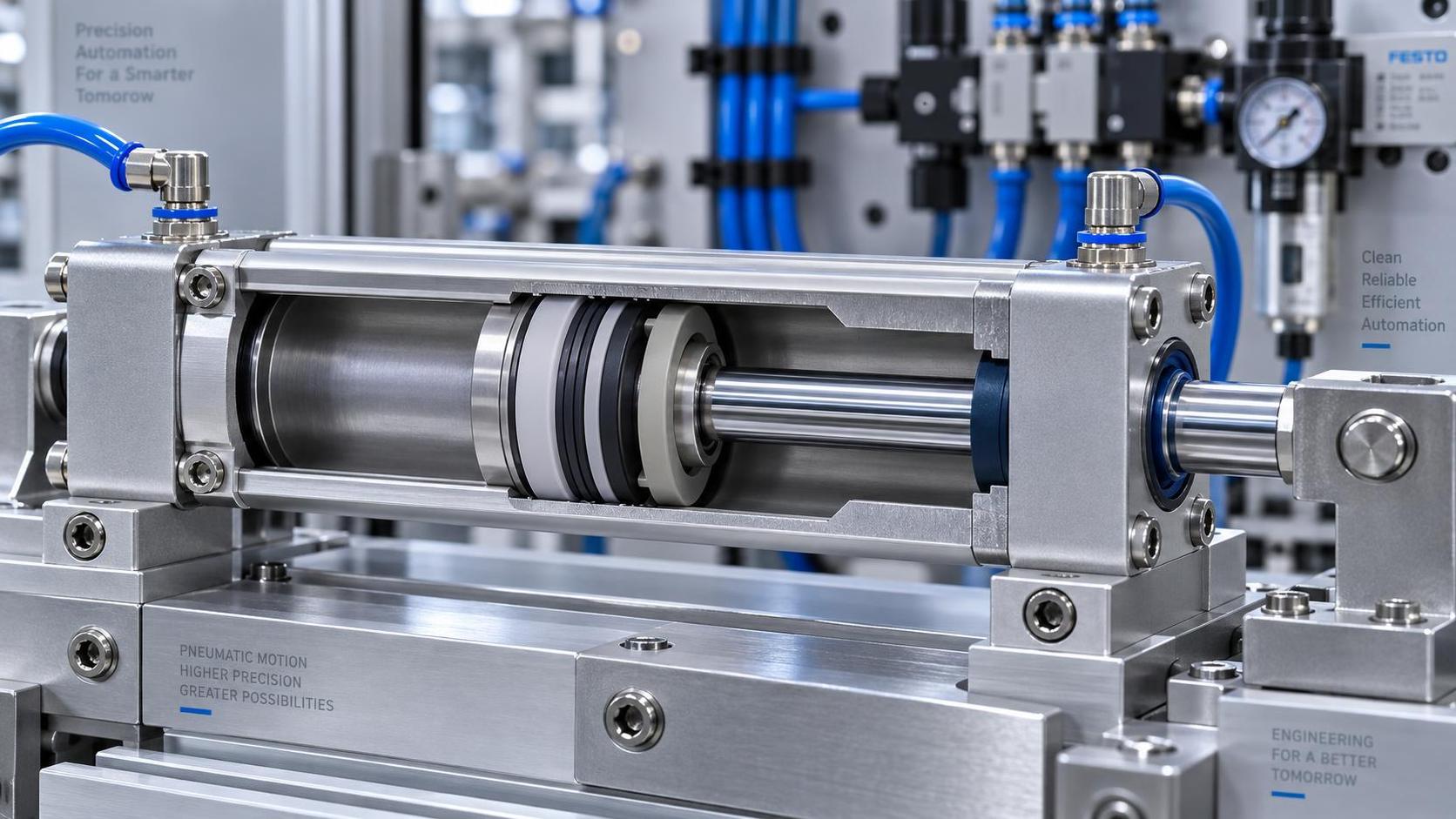
- Selecting Low-Friction Pneumatic Seals for High-Cycle, Low-Pressure CylindersAuthor :Heavy Industry Strategist

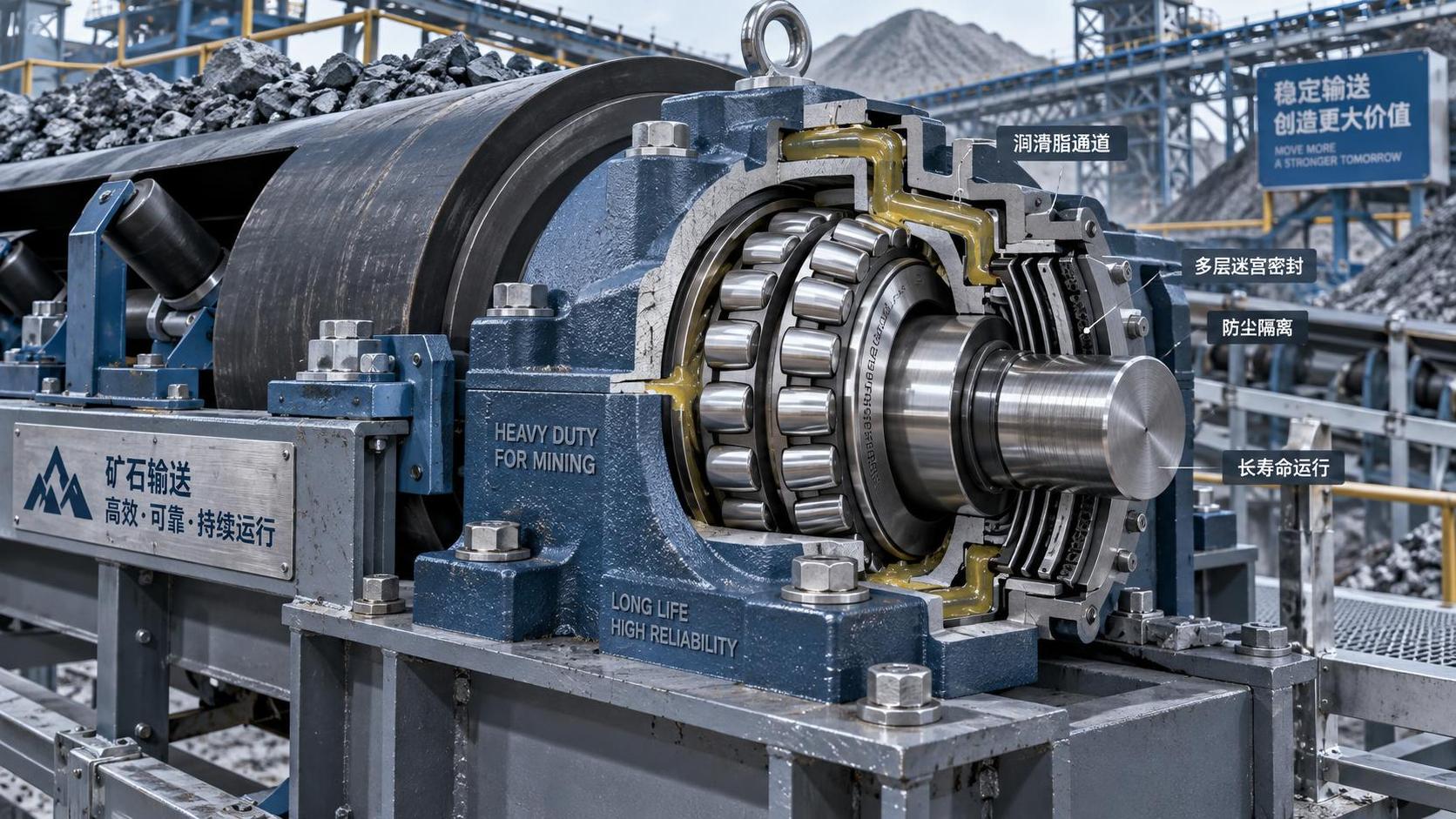
- Selecting Spherical Roller Bearings for Mining: Load, Contamination, and Service LifeAuthor :Heavy Industry Strategist

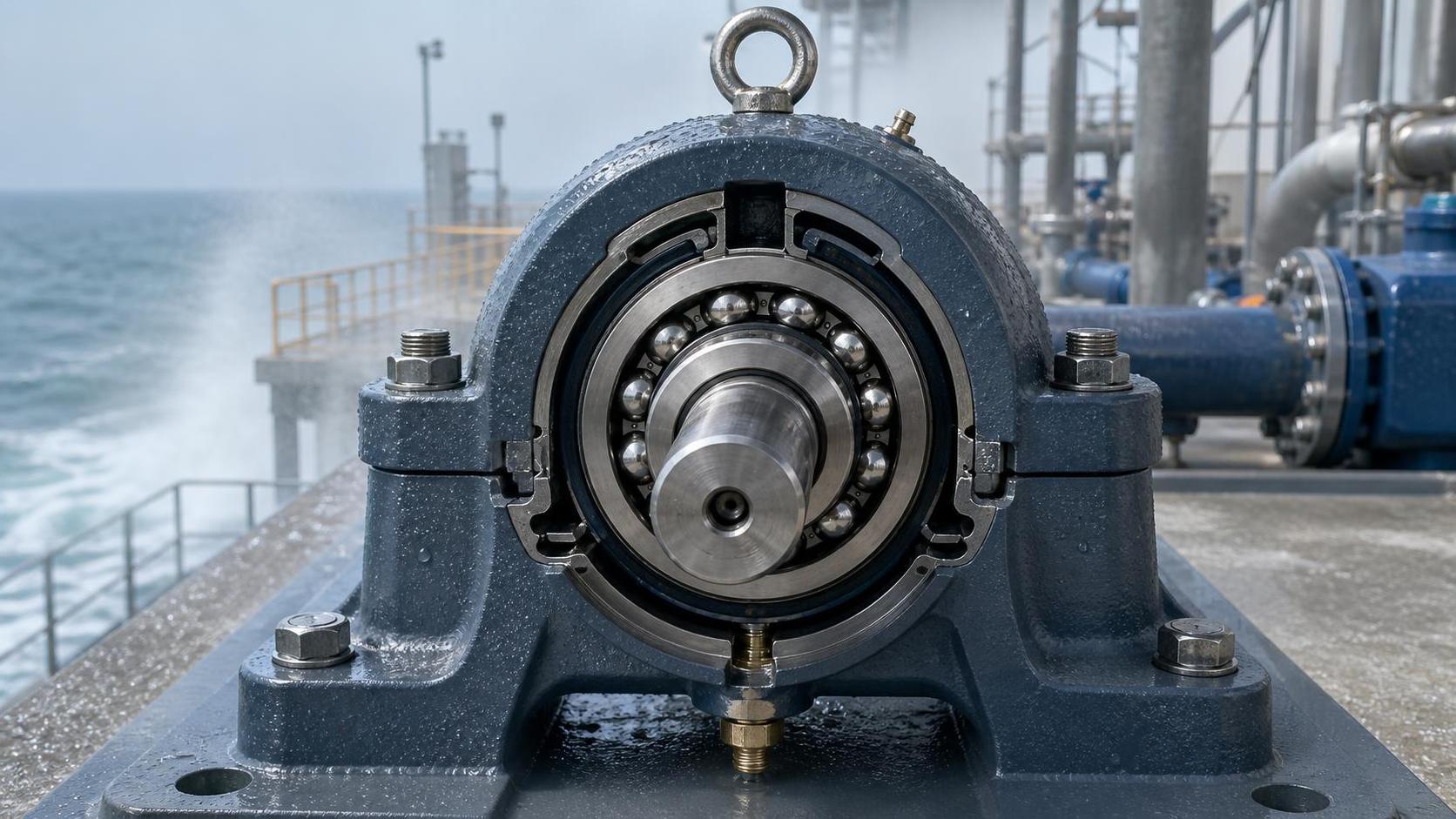
- Do Deep Groove Ball Bearings Need Special Seals in Coastal Humidity?Author :Heavy Industry Strategist

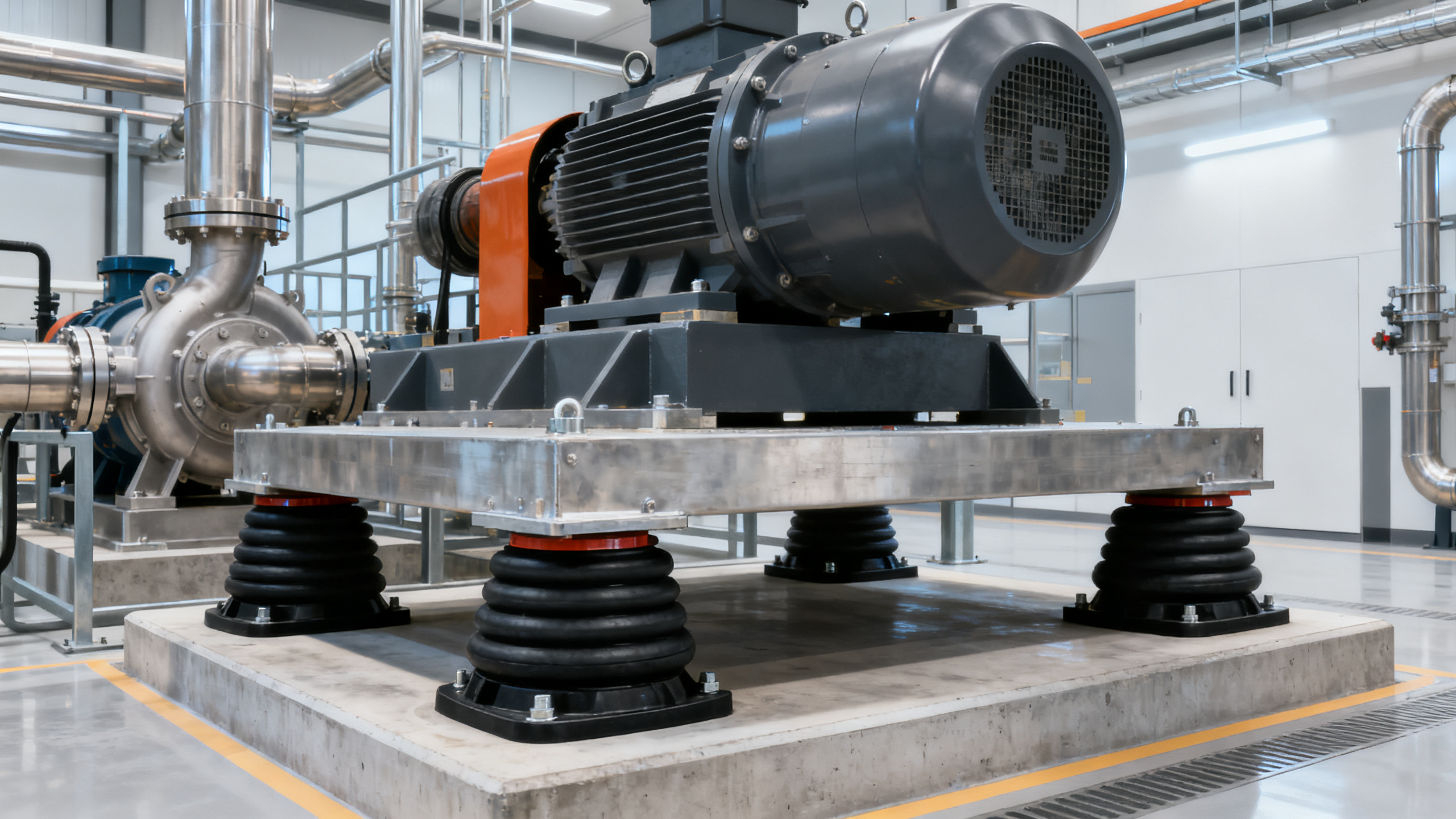
- How to Select Anti Vibration Rubber Shock Absorbers for Machinery and EquipmentAuthor :Heavy Industry Strategist

- When to Specify Induction Hardened Slewing Ring Bearings for Heavy-Duty EquipmentAuthor :Heavy Industry Strategist

- How to Evaluate Weather Resistant EPDM Extrusion for Outdoor Sealing ApplicationsAuthor :Heavy Industry Strategist

- Bearing and Seal Lead Times Stretch to 22 WeeksAuthor :Heavy Industry Strategist

- Angular Contact Ball Bearings Explained: Contact Angle, Load Capacity, and Common UsesAuthor :Heavy Industry Strategist